
A Smart Platform for Organizing Cooperative Training Based on Established Foundations and Standards
Journal: International Journal of Modern Education and Computer Science @ijmecs
Article in issue: 1 vol.18, 2026.
Free access
Cooperative training plays a pivotal role in the educational process, particularly at the university level, where students dedicate a certain period to work within governmental or private organizations. In this context, cooperative training enables students to acquire practical experience in their fields of specialization and to meet distinguished professional standards. In this study, the foundations and standards for organizing cooperative training will be presented to enhance the cooperative training efficiency. Given that the organization of cooperative training is closely tied to students' academic disciplines, particular focus will be placed on computer engineering and science fields. However, the proposed model can be adapted to suit other engineering and scientific fields. Organizing cooperative training in the domains of computer engineering and science is, to some extent, more complex than it is in other disciplines. This complexity arises due to the multiplicity and geographical distribution of training entities, the diversity of activities carried out during the training period, and the increasing number of participating students. To ensure the effective management of cooperative training and overcome the difficulties facing higher education institutions, such as ineffective supervision, management procedures, and the lack of databases, it is necessary to develop an electronic platform that facilitates interaction among the various stakeholders involved. In this regard, the platform should offer a set of services supported by smart technologies capable of regulating activities according to the approved training programs. Accordingly, this research will present the specification and analytical overview and propose initial designs necessary for the development of such a platform.
Similar articles in the section Higher education. Universities. Academic study






Short address: https://sciup.org/15020155
IDS: 15020155 | DOI: 10.5815/ijmecs.2026.01.08
Text of the scientific article A Smart Platform for Organizing Cooperative Training Based on Established Foundations and Standards
In the modern era, there is a strong global trend toward a knowledge-based economy, which has become the backbone of national development plans. As institutions of higher education bear the greatest responsibility for achieving this orientation, they have increasingly focused on developing their educational systems by implementing quality standards and preparing strategic plans that define their vision, mission, goals, and methods for achieving these goals. Higher education institutions also emphasize establishing educational philosophies that align with their visions and support the attainment of their objectives. Education no longer solely relies on delivering information; it is now essential for students to actively participate in the learning process through the practical application of knowledge and skills in real-world contexts. While traditional education primarily delivers information, training enables students to acquire skills, which, in turn, enhances their motivation to learn and supports their advancement to higher levels of achievement.
Cooperative training is considered one of the most effective forms of training currently adopted by higher education institutions due to its unique advantages over other practical application methods. In cooperative training, students work within governmental and private sector organizations, allowing them to engage directly with the labor market and encounter real-world problems in their respective fields. This approach facilitates the alignment between the qualifications of higher education graduates and the demands of the labor market [1, 2].
Cooperative training represents a critical opportunity for students to apply the theoretical knowledge they have acquired by performing activities and tasks that build their practical skills and experiences that cannot be gained through theoretical study alone. It also trains students to interact and communicate professionally with others and prepares them to encounter and solve real-world problems. Moreover, cooperative training serves as a vital opportunity for higher education institutions to assess the extent to which they are achieving their goals in preparing specialized and qualified graduates for the labor market. It acts as a fundamental benchmark for measuring the alignment between the institution’s outputs and market needs. Therefore, cooperative training must yield tangible results that contribute to the improvement and development of the educational process within higher education institutions, as well as inform the revision of academic curricula or the creation of new academic programs that meet labor market demands and community needs [3, 4].
Besides the above described perspectives, there are some reasons why the research is important. On the one hand, even though there are many internship and cooperative training platforms, not all of them are devoted to the entire process of cooperative training planning, monitoring, and evaluation at the institutions of higher education. Platforms that currently exist do not usually have the built-in mechanisms to bring together all of the stakeholders (students, academic supervisors as well as training providers) together with one and the same digital instrument with the help of which interaction can be executed in real time and reports can be automated. Secondly, the gap lies in the fact that the design of smart platforms with direct consideration of complex requirements of the computer engineering and science disciplines, in which training activities are, by definition, technical, is not directly researched. The necessity of the creation of intelligent systems that could fill the gap between academical preparation and practical competence is stressed in recent studies [5, 6]. Hence, the problem that this research investigates is an urgent necessity to find an innovative, scalable, and adaptive solution, which will not only enhance the efficiency but would bring to the improvement of employability and quality of graduates and training programs.
2. Problem Formulation and Methodology
Putting in place cooperative education in institutions of higher learning has become a daunting task especially in technical subjects where we have computer science and engineering. The transition of the students to the professional practice is hampered by a blend of administrative and disciplinary issues combined with technological constraints that institutes are exposed to. On an administrative level, most of the universities are not equipped with built-in digital systems that could effectively track, observe, and perform evaluation of the student attainments [7], which damages the continuity of monitoring and evaluation conditions. Learning the acquisition of structured training plans - as in a nontechnical subject - is not usually adopted in what is being taught in an engineering and computing based course even when preparation is most needed in the latter [8]. The problem with discipline can be seen as well since students have to perform rather technically complicated tasks and there has to be a close connection between what is taught in the classroom and what is to be expected at the workplace [4, 8]. Despite the fact that training management systems are embraced by certain organizations, the solutions often entail only the use of a few static databases that offer little interactivity and can not support the automated tracking as well as integrated assessment [9].
The given limitations impair the inherent aim of cooperative training as the one to equip students with the access and ability to utilize their knowledge and professional skills in real work settings [10]. Based on this, such a study finds that there are two main problems: first, there are no complete foundations and standards that allow leading effective training activities and second, there is no interactive electronic platform that can satisfy the changing needs of the technical fields and be consistent with institutional objectives and the demands of employers. Based on such challenges considered, the study hopes to attain a number of goals that solve the problems related to structure and technology gaps. It aims at probing the level of the organization of cooperative training for computer engineering, science domains among the various universities public and non-public whether locally or regionally. Besides, it tries to make clear foundations and standards that may act as a common framework for organizing training in the manner that enables it to become aligned with the requirements of the profession. Lastly, the investigation aims at examining up-and-coming requirements and suggestive the design of an intelligent electronic platform able to sustain all the activities of the training process.
These goals are fulfilled in the terms of four main research questions which have to offer a detailed understanding of the issue. The research explores the extent of cooperative training that is being offered in computer engineering and science concentrations in institutions of higher education institutions. It also examines the essential foundations and standards to be put into consideration when formulating training programs in order to make them effective. The second question that can be a research topic relates to the criteria upon which the quality of training organization can be evaluated and confirmed. The research also looks at the possibility of creating an interactive electronic system that will be able to organize and control collaborative training in an intelligent, automatized and scalable way. It is also projected that such a platform will allow the institutions to achieve their targets and all the relevant stakeholders will be linked together in an integrated platform.
Please, to answer such questions the study will take the descriptive methodology that will take an insight of the vast overview of practices of organizing cooperative training, and the trends that have been observed within the Kingdom of Saudi Arabia. The study is also based on the greater than 15 years of hands-on experience in organizing collaborative-driven training programs [8]. The approach to methods, includes the analysis of the available models, determination of the requirements to the system, and designing a comprehensive platform grounded in the identified foundations and standards. It will be conducted using the best practices in educational technology and institutional management. The platform can be developed using an appropriate software development methodology, such as agile, waterfall, or hybrid models. The selection will depend on the scale of the project and the range of services it is intended to provide.
3. Literature Review
In this section, the first research question, related to the reality of organizing cooperative training specifically for computer engineering and science specializations in public, private, and national universities, is addressed. The researcher, when examining the reality of organizing cooperative training, observes that there has been significant interest in cooperative training (field training) for several years, particularly in the fields of humanities. On the other hand, and through research, it becomes clear that some higher education institutions in engineering and scientific fields rely almost entirely on a single pattern in organizing cooperative training, which involves sending students to certain organizations chosen by the students and approved by the higher education institution. Students then spend the training period without follow-up or guidance from the higher education institution. Occasionally the institution sends faculty members to visit the students once or twice during the training. After the training ends, students submit a report about the training, and the students are evaluated through the reports or through discussions with an academic committee from the department.
The main reasons behind the lack of attention to organizing cooperative training in these institutions, from our point of view, are due to the absence of a clear vision regarding some basic pillars related to organizing cooperative training, most notably the role of the academic supervisor in guiding and mentoring during the training, and the necessity of having a specific training program along with mechanisms for evaluation and continuous follow-up.
Many higher education institutions in the Kingdom of Saudi Arabia have given great attention to organizing cooperative training, including Shaqra University [11], Prince Sattam bin Abdulaziz University [8], Imam Abdulrahman bin Faisal University [12], King Fahd University of Petroleum and Minerals [13], King Saud University [14], King Abdulaziz University [15], Imam Muhammad Ibn Saud Islamic University [16], Umm Al-Qura University [17], Princess Nourah bint Abdulrahman University [18], and many other universities. The universities’ interest is evident through the establishment of cooperative training units, the provision of electronic guides for cooperative training for some specializations, and the publication of these guides on their websites. Moreover, many universities provide forms used in organizing cooperative training, and some universities offer lists of organizations that cooperate with them in cooperative training.
According to the foundations and standards in this research, the organization of cooperative training across universities ranges between acceptable — providing general information about cooperative training and its objectives without delving into the details of the organization — and advanced — applying many of the foundations and standards.
Many of these universities have also provided electronic platforms for cooperative training that are designed to register training opportunities and student enrollments. However, these platforms are mostly databases and do not offer services for managing reports and training programs. Furthermore, detailed data, systematic performance evaluations, and documented case studies assessing the real-world effectiveness of these platforms remain limited in scope and are often not available in public academic literature.
With the increasing attention in the Kingdom of Saudi Arabia to cooperative training, the Human Resources Development Fund (HRDF) has provided a cooperative training service targeting bachelor’s and diploma students who have cooperative training as a graduation requirement. This aims to equip national cadres with practical and professional experience to enhance their employability [19]. According to the official guide for this service, there are no mechanisms for follow-up by the higher education institution, and there are no follow-up reports.
Several other platforms have been implemented and surveyed to benefit from opinions of the users, as [9] presented a graph illustrating experts’ perspectives on the platform. The results indicate that the system is generally good. However, some processes need to be added to the system to complete the internal training management process. Study [20] indicates that applying a user-centered design strategy, along with technological enhancements, increases student and employer satisfaction with the application, in addition to improving its usability. According to the satisfaction evaluation in study [21], the Progressive Web Application (PWA) effectively meets user experience needs, with an average rating of 4.85. The overall system performance is rated very high, at 4.76, and user satisfaction is also rated very high, at 4.80.
4. Theoretical Framework
In this section, the conceptual framework for managing cooperative training is briefly presented, which in turn is a specification and analysis of the proposed electronic platform. This framework was derived from practical experience over many years in organizing cooperative training for many specializations. Multiple experiences of universities in the Kingdom of Saudi Arabia are reviewed, and this is with the emphasis that there is nothing in the conceptual framework, foundations, and standards specified in the research that limits their application in any other region or any other scientific or engineering discipline. The proposed platform is designed to be adaptable across diverse fields and geographic contexts, depending on institutneeds and resources.
-
4.1 Foundations of Proper Organization of Cooperative Training:
-
4.1.1 Defining the Objectives of Cooperative Training:
-
4.1.2 The Different Parties Involved in Organizing Cooperative Training:
In this part of the study, the foundations that must be considered when organizing cooperative training for Computer Engineering and Science specializations will be clarified to ensure the achievement of the cooperative training objectives. These foundations will be presented in separate sections, with details explained for each item.
Before starting to design the organization of cooperative training, the intended objectives must be clearly defined. They should be concise, specific, and measurable, and are often linked to the learning outcomes of the academic programs. All organizational procedures and mechanisms must be integrated to achieve these objectives. As clarified in a previous section, cooperative training has multiple goals, primarily benefiting the students, in addition to objectives related to the higher education institution and the training entities.
The student is naturally the central figure in cooperative training. To design a proper organization of cooperative training, four parties must be clearly defined, all working together in the organization of cooperative training:
-
i. Higher Education Institution Cooperative Training Coordinator: A faculty member with experience and interest in organizing training, responsible for managing all stages of the cooperative training process.
-
ii. Academic Supervisor for Training: A faculty member at a higher education institution who supervises an appropriate number of students during their training period.
-
iii. Field Visitor: A faculty member at a higher education institution who visits training sites during the training period. Ideally, this should be the academic supervisor, but if resources do not permit, another faculty member may be assigned to conduct the visit.
-
iv. Training Organization Supervisor or Field Supervisor: An employee at the training organization, typically specialized in training, often affiliated with a training department or unit if available.
-
v. Trainee Student: The student enrolled in the cooperative training program.
-
4.1.3 Eligibility Requirements for Cooperative Training:
Students must possess sufficient knowledge and skills to enable them to perform their training tasks effectively. To ensure this, various approaches can be used to determine the eligibility requirements for students to enroll in the cooperative training program, including:
-
i. Students must complete a specified number of major-specific courses that qualify them to perform tasks and activities relevant to their field during training. Alternatively, students may be required to complete a specific number of credit hours, fewer than the total number required for graduation, ensuring they have adequate knowledge and skills to work effectively during the cooperative training period.
-
ii. Students must complete all courses outlined in the academic program's study plan before enrolling in the training.
-
4.1.4 Cooperative Training Program:
The cooperative training program is a guideline plan for the student, the training supervisor at the training organization, and the academic supervisor, aiming to achieve the objectives of the training and implement it effectively. It must be approved by the academic department, and a specific training program should be available for each major. The guideline plan is not intended to be mandatory for the training organization; rather, the training organizations should be given the opportunity to share their opinions about the program and modify it in a way that serves the best interests of the higher education institution, the student, and the training organization. The program must include four main elements:
-
i. Basic data, which clarifies the specialization under which this program falls, the number of training weeks, the number of training hours per day, and any other data deemed necessary by the department.
-
ii. A brief summary of the trainee’s skills and qualifications, so that the training organization can understand the trainee’s academic level.
-
iii. The activities that can be carried out during the training, methods of implementation, the requirements for implementing the activity, and the suggested time duration for each activity.
-
iv. The different skills that students should acquire from the cooperative training.
-
4.1.5 Continuous Follow-up, Guidance, and Evaluation:
The intended training activities are the tasks and assignments that students must perform during the training, as well as the services that the training organization must provide to help students become familiar with the work environment. At the beginning of the training, there are activities focused on preparing and guiding the trainees within the training organization. This phase occurs at the start of the training and may last up to 25% of the total training period, followed by the scientific activities that students practice during the training.
Continuous follow-up and guidance from the academic supervisor would significantly impact the effective implementation of cooperative training and the achievement of its objectives, especially when students find motivation and guidance from the educational institution to which they are connected. Additionally, any issues students face would be addressed promptly, and their queries would be answered. Continuous follow-up is done through periodic follow-up reports submitted by students regularly, where they explain their accomplishments during the reporting period. There are two types of reports: the periodic follow-up report and the final report. The periodic follow-up report is sent three times during the training, while the final report is sent at the end of the training. To facilitate the evaluation and followup of students, it is recommended that the periodic follow-up reports or the final report should not contain details about the activities. Instead, a separate file called the “Portfolio” should be provided, in which students place all details and evidence of the activities performed.
In addition to the continuous follow-up and guidance for the trainees, they are continuously evaluated through the periodic follow-up reports and the final reports submitted by the students to the academic supervisor. There is also a component of the evaluation done by the field supervisor, based on their direct observation of the students' performance, behavior, and discipline. The reports and the portfolios are evaluated based on the following criteria:
-
i. Adherence to report submission deadlines.
-
ii. Proofreading and formatting.
-
iii. Completeness of data.
-
iv. Contributions, achievements, and evidence in the portfolio.
-
v. Link between the work and the program.
-
vi. Progress level in activities.
-
vii. Acquired skills.
The field supervisor’s evaluation is based on criteria outlined in the field supervisor evaluation form.
The main stages of follow-up, guidance, and evaluation are as follows:
-
i. The student sends three periodic follow-up reports to the academic supervisor, one for every 25% of the training period, via email. The report should include the updated portfolio.
-
ii. The academic supervisor evaluates the periodic follow-up report, records the results and comments, and sends feedback to the student via email before the start of the next training period.
-
iii. The student sends the final report and complete portfolio, along with the relevant survey, after the training ends. iv. The academic supervisor records the results after receiving the training supervisor's report, attendance/signature sheet, and training organization's survey.
-
v. The academic supervisor submits the results to the cooperative training coordinator, who then records them.
Achievements and contributions made by students during cooperative training are the desired outcomes of the training. Since achievements require details and evidence to be clarified, and to confirm that the student has completed the activities, it is better to separate these details and evidence from the periodic follow-up reports. The goal is to keep the periodic follow-up report simple and specific, making it easier for the academic supervisor to assess and review it against the student's previous reports to avoid repeating activities and to monitor the student's progress in the activities. The periodic follow-up report template consists of the basic information section, the activities implemented section (which is a specific table repeated for each activity), and the academic supervisor’s evaluation and comments section.
Another purpose of separating the portfolio from the periodic follow-up report is that the student updates the portfolio with each report. This way, by the end of the training, the student will have compiled all the achievements, contributions, details, and supporting evidence in one file.
By submitting the final report at the end of the training along with the complete portfolio, the academic supervisor will have evidence showing the activities carried out by the students during the training, as well as details and proofs related to these activities. This file can be used as one of the performance indicators presented in quality assurance files to confirm students’ performance and achievement of certain educational levels. The portfolio consists of the following sections:
-
i. General Information.
-
ii. Overview of the File: The contributions and achievements accomplished by students during the cooperative training are considered among the most important evidence of achieving the goals of the cooperative training and the students' success in performing it properly. Examples of contributions and achievements include designing a software system, programming a system, designing a database, analyzing a system, installing and operating hardware or a network, maintaining devices, providing services to clients, training some employees on software systems, training on systems, etc.
-
iii. Table to be repeated for each activity: It includes the achievement name, achievement description, team size, execution duration, how the achievement was accomplished, tools and resources used, and a detailed explanation of the achievement and its implementation. Additional items may also be added.
-
4.1.6 Procedures for Organizing Cooperative Training:
The cooperative training process is organized into three distinct stages, each with its specific nature to ensure the successful completion of the training program, as follows:
-
i. Pre-Training Stage:
This step is conducted a number of weeks prior to the kick-off of the training. Fig. 1. presents Unified Modeling Language (UML) procedural diagram for the pre-training phase in case the training opportunities are possible. UML is a globally standardized graphical language used in software development to help explain the proposed requirements to stakeholders, contributing to the development of the electronic platform [22]. Fig. 2. shows other procedural diagram of pre-training stage when training opportunities are not so available.
-
ii. Training Implementation Stage:
This stage marks the actual commencement of cooperative training, where students report to their assigned training sites. It typically occurs during the summer to allow students to fully dedicate their time to the training. The implementation stage is divided into two periods: reception and preparation period, and practice period. Fig. 3. presents the procedural diagram for the training implementation stage.
-
iii. Post-Training Stage:
-
4.1.7 Preparation of the Cooperative Training Organizational Timeline:
-
4.1.8 Templates for Organizing Cooperative Training:
Fig. 4. presents the process diagram for the post-training stage.
At the beginning of each academic year, a timeline for organizing the cooperative training is established. This timeline should detail the training organization procedures, the persons responsible for each procedure, and the corresponding deadlines.
It must be approved by the relevant department and aligned with the academic calendar to ensure smooth operation and to avoid overlaps or delays, considering the large number of procedures before, during, and after the training, and the involvement of multiple stakeholders in implementing the cooperative training program.
In the initial stages of designing the cooperative training framework, it is advisable to develop specific templates to facilitate all processes and interactions.
Clearly specifying the required data and information through standardized templates significantly saves time and effort for all parties involved — from the student to the cooperative training coordinator.
A distinct template should be provided for each procedure. The most important templates include the following:
-
i. Cooperative Training Program.
-
ii. Periodic Follow-up Report.
-
iii. Final Report.
-
iv. Portfolio.
-
v. Student Application Form for Cooperative Training.
-
vi. Field Supervisor’s Evaluation Report.
-
vii. Attendance and Departure Log for Students.
-
viii. Training Organization Survey.
-
ix. Student Satisfaction Survey.
-
x. Training Site Visit Request.
-
xi. Training Site Visit Report.
-
xii. Academic Supervisor’s Evaluation Report.
-
4.2 Standards for Effective Cooperative Training Organization
-
4.2.1 Defining Criteria for Selecting Training Providers:
-
4.2.2 Establishing Standards for Distributing Students to Training Providers Supplied by the Higher Education Institutions:
-
4.2.3 Providing a Cooperative Training Guide for Students:
xiii. Cooperative Training Coordinator’s Report.
xiv. Cooperative Training Application and Training Organization Approval Form.
Fig. 5. illustrates an example of one of the most important templates, the field supervisor evaluation form, which includes the criteria based on which the student is evaluated from the perspective of the field supervisor. This evaluation accounts for 40% of the training grade. It is worth noting that these templates play a significant role when designing the screens for the electronic platform used to manage cooperative training.
After a brief overview of the foundations for well-organized cooperative training, this section will focus on the standards for effective cooperative training organization to ensure the overall quality of the program.
The criteria for selecting training providers should be clearly established. The specialization of the provider is the most important criterion, followed by the availability of necessary material and human resources for training. Additionally, the provider should be located within the geographic range of the trainees. Some providers may offer incentives such as stipends, housing, or other rewards for the students. It is also crucial that the provider poses no risks to the students, and that the provider ensures the safety and security of the trainees.
These standards may include criteria such as the student’s cumulative GPA, the number of successful credit hours, the geographic distribution of students, as well as meeting any requirements set by the training providers.
This is a simplified and concise guide for students that outlines the key elements of the cooperative training organization. The guide should ensure that students are aware of the organizational procedures and regulations, their roles in the training, the various parties involved in organizing the training, their responsibilities, how students will be monitored, guided, and evaluated, as well as the templates used. The guide should also address other matters related to cooperative training, such as disqualification from training, training with companies offering their own specific cooperative programs, and opportunities for training abroad.
-
4.2.4 Preparing Students Before Starting the Cooperative Training:
-
4.2.5 Providing a Comprehensive Organizational Guide for Cooperative Training for Coordinators and Academic Supervisors:
-
4.2.6 Ensuring the Diversity of Cooperative Training Activities and Maximizing the Benefits of the Training Period:
-
4.2.7 Obtaining Feedback to Improve Both the Educational Process and the Organization of Cooperative Training:
In addition to providing the students with the cooperative training guide, an orientation lecture should also be organized to familiarize the students with the training’s conditions, regulations, and procedures. This will ensure full alignment between the students and all other parties involved in the training process.
This guide encompasses all aspects related to the organization of cooperative training and must be approved by the higher education institution. It outlines all procedures and regulations, and is updated after each training cycle based on the coordinator’s report from the higher education institution.
The regular monitoring of student reports and reviewing previous reports is essential to ensure that activities are not repeated and that there is continuous progress in executing activities according to the approved training program. The activities should be appropriately aligned with the specified time period.
The cooperative training organization should have procedures and mechanisms to collect feedback from all parties involved in the training process. This includes student surveys, training provider surveys, reports from field and academic supervisors, visit coordinators, and the training coordinator.
Below is a proposed model for the student survey, which consists of three sections:
-
i. Section One: This section includes general and common questions across the disciplines focused on the organization of the training as shown in Table 1.
-
ii. Section Two: This section contains questions related to the learning outcomes specific to cooperative training. These questions are linked to the student’s respective field of study.
-
iii. Section Three: This section consists of five open-ended questions, as shown in Table 2.
Table 1. Student Questionnaire General Closed-Ended Questions
|
No. |
Question |
Strongly Agree |
Agree |
Neutral |
Disagree |
Strongly Disagree |
|
1 |
The training program was clear and appropriate for the training duration. |
|||||
|
2 |
The training program matched my abilities and skills. |
|||||
|
3 |
The training provider aligned with my specialization and fulfilled the training requirements. |
|||||
|
4 |
The training was well-organized. |
|||||
|
5 |
I benefited from the academic supervision, which effectively guided me. |
|||||
|
6 |
I benefited from the field supervision, which effectively guided me. |
|||||
|
7 |
I gained knowledge and skills from the training that positively impacted my academic studies. |
|||||
|
8 |
The cooperative training experience positively influenced my perception of my major. |
|||||
|
9 |
I effectively benefited from the courses I studied before the training. |
|||||
|
10 |
The training provided me with an opportunity for future employment. |
|||||
|
11 |
Overall, I am satisfied with the organization of the cooperative training program. |
Table 2. Student Questionnaire Open-Ended Questions
|
No. |
Question |
|
1 |
Do you suggest other training providers that might better align with your specialization and capabilities? |
|
2 |
Do you recommend any academic courses that could help you acquire the knowledge or skills needed for the cooperative training? |
|
3 |
Do you propose any modifications to the organization of the training procedures? |
|
4 |
Do you have any ideas you believe would be useful for improving and developing the cooperative training program? |
|
5 |
From your perspective, what are the most important skills you acquired during the cooperative training? |
Table 3. illustrates the questions in the training organization survey, which aims to gather the opinions and observations of field supervisors regarding the effectiveness of the training program.
Table 3. Questions in the Training Provider Survey
|
No. |
Question |
Strongly Agree |
Agree |
Neutral |
Disagree |
Strongly Disagree |
|
1 |
The duration of the cooperative training program is appropriate for the approved training plan. |
|||||
|
2 |
The trainee's skills and capabilities align with the training program requirements. |
|||||
|
3 |
The training field matches the trainee’s academic specialization. |
|||||
|
4 |
The available training mechanisms and forms organize the training satisfactorily. |
|||||
|
5 |
What academic specialization is most suitable for training at your organization? |
Open-ended |
||||
|
6 |
Do you suggest any academic courses that could help the trainee acquire knowledge or skills needed for their field of work? |
Open-ended |
||||
|
7 |
The duration of the cooperative training program is appropriate for the approved training plan. |
Open-ended |
||||
|
8 |
The trainee's skills and capabilities align with the training program requirements. |
Open-ended |
||||
|
9 |
The training field matches the trainee’s academic specialization. |
Open-ended |
||||
-
4.2.8 Reducing the Cost of Implementing Cooperative Training:
-
4.2.9 Providing Reward and Punishment Systems for Trainee Students:
-
4.2.10 Establishing a Database of Specialists in the Labor Market Who Have Directly Interacted with Students:
-
4.2.11 Organizing Cooperative Training in Companies Offering Special Training Programs and Overseas Training:
-
4.2.12 Practical Application of Professional Ethics:
-
4.2.13 Fostering Innovation:
-
4.2.14 Managing Remote Cooperative Training:
A well-organized cooperative training program, with clearly defined roles for the parties involved, helps reduce the cost of implementing training for higher education institutions. The number of individuals involved, and their roles should be determined logically and based on need, rather than arbitrarily. Additionally, using electronic models for organizing training and relying on the electronic platform for monitoring significantly reduces the costs associated with printing, packaging, delivering paper reports to students, as well as the storage and disposal of reports for the educational institutions [23].
The organization of cooperative training should specify methods for penalizing students who fail to comply with regulations, ethical standards, or performance expectations. Additionally, reward systems should be in place for outstanding students, such as recognizing them in a ceremony at the end of the training period, providing certificates of appreciation, or offering financial rewards if feasible. Success stories, such as hiring a trainee at the training organization due to their exceptional performance, should also be publicly shared to motivate others.
It is crucial to establish mechanisms for collecting, extracting, and maintaining data on professionals who have had direct contact with students, particularly in field supervision. This data can be used for the advisory board at the higher education institution, as well as when preparing or updating strategic plans. It is also beneficial for developing existing curricula, creating new academic programs, organizing professional development courses for students, and other activities where their expertise—gained through direct interaction with students—can be utilized. Furthermore, the feedback from these professionals can be valuable in surveys required during the accreditation process for academic programs or institutional accreditation.
This training refers to students joining training programs offered by companies (such as Aramco, SABIC, and others) or participating in programs arranged through agreements between higher education institutions, both within and outside the country. The organization of cooperative training should outline procedures for these cases and clarify the mechanisms for monitoring and evaluating the students participating in these training programs.
The course on professional ethics has become one of the most significant courses in modern curricula and a requirement for accreditation by global accreditation bodies. Cooperative training offers one of the most valuable opportunities for students to practice professional ethics, as they interact with the policies and regulations of training organizations. They engage with employees, clients, and leadership, and have direct exposure to the organization's code of conduct. Students may even participate in the development of these codes or in preparing social responsibility documents for the organization, including reports on these matters. The cooperative training organization should address ethical dilemmas that students may encounter, specifying the procedures to be followed in such situations.
The organization of cooperative training should include aspects that encourage students to apply their knowledge and skills in developing innovative solutions to real-world problems faced by training organizations. Students should be encouraged to conduct scientific research and implement it practically, producing technology and innovations that can be used in the field. Furthermore, students should be guided to present their results and publish them in specialized journals and at academic conferences. They should also be motivated to actively participate in the annual scientific conference for higher education students in the country.
Given the geographic distribution of training organizations and the diversity of activities they engage in, it becomes challenging to continuously monitor and guide students solely through site visits, as some higher education institutions rely on this method. To address this, a set of mechanisms for ongoing monitoring has been established, including regular and final reports, E-Portfolio (Electronic Portfolio) [24, 25], and the development of a proposed electronic platform to facilitate communication among the various parties involved in cooperative training— coordinators, supervisors, and students.
5. Platform Requirements and Design
There are several studies that have presented the planning, design, and implementation of similar platforms [26, 27, 28]. Some systems are built using interactive website technology-based [7, 20, 21, 29, 30, 31, 32], while other researchers have used Internet thinking to explore a method for managing the collaborative training practice process based on Internet technology [33, 34, 35]. An online internship management system using cloud-based computing is designed and adopted [36, 37]. A study aimed to improve the performance of a mobile application by developing a new system for managing an undergraduate internship program [38].

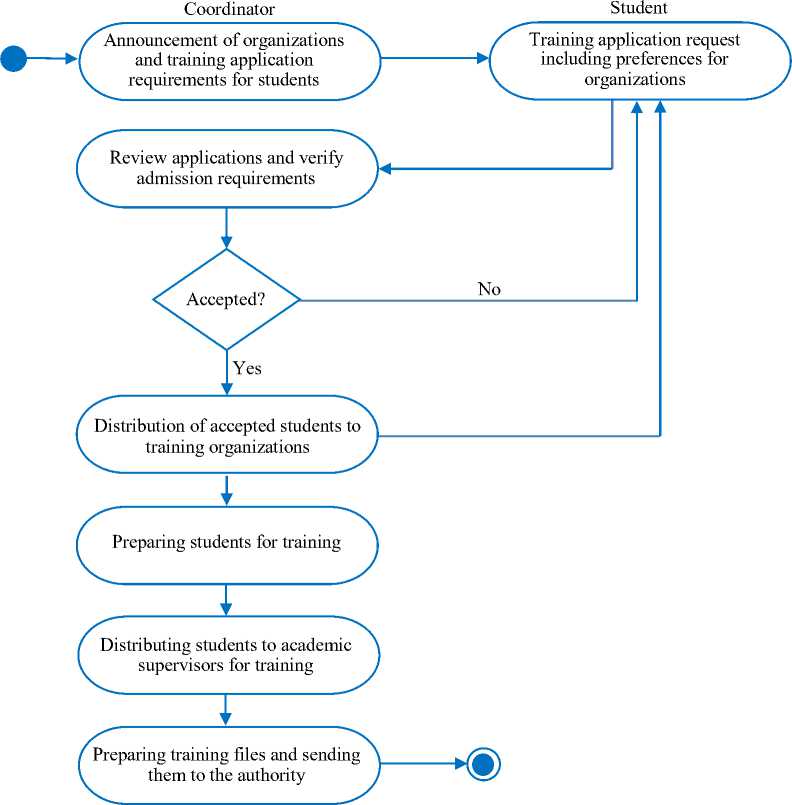
Fig. 1. Process Diagram for the Pre-Training Stage When Cooperative Training Opportunities Are Available
The technological infrastructure required to implement the platform depends on the technical capabilities available within each higher education institution, the technology to be used in implementing the platform, the actual scale of implementation and the services it will include, and whether a unified centralized platform can be implemented to serve multiple universities to ensure scalability, integration, and security. A detailed analysis should consider that scalability can be achieved through modular architecture and cloud-based hosting services that dynamically adjust resources based on demand. Integration with existing university systems may rely on APIs and standardized data exchange formats to ensure seamless interoperability and consistent data flow. Regarding security, robust encryption protocols must be applied to protect sensitive student and institutional data, along with multi-factor authentication and role-based access control to restrict system usage to authorized personnel only. Implementing continuous monitoring and periodic security audits will further strengthen the platform’s resilience against potential threats. The study focused on the functional requirements that must be available in the platform. There are also non-functional requirements related to security, safety, and reliability, which are essential in any software system. The implementation of non-functional requirements varies across institutions depending on their capabilities, infrastructure, platform scale, integration with other systems, and other factors known to software engineers.
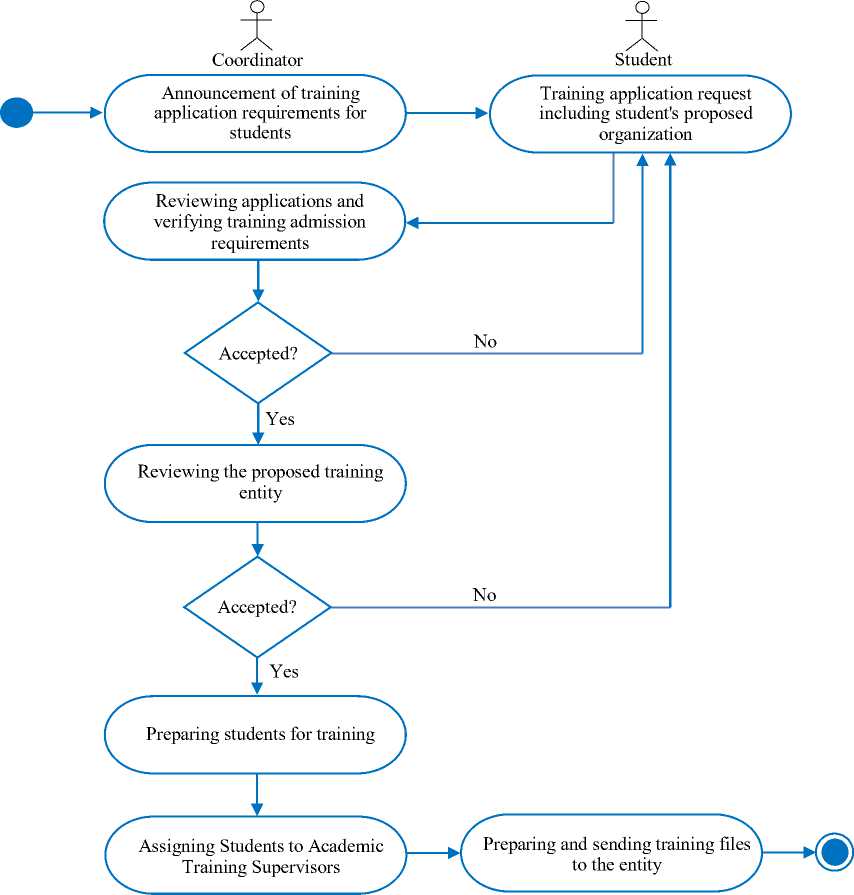
Fig. 2. Procedural Diagram for the Pre-Training Stage in the Absence of Available Entities
Additionally, the following is an initial design for an electronic platform essential for managing cooperative training programs:
Fig. 1. illustrates that the Cooperative Training Coordinator at the educational institution announces the available training opportunities along with the application requirements. Subsequently, students submit their training applications and select their preferred training providers from the announced list.
The applications are then reviewed to ensure that students meet the eligibility criteria. Accepted students are notified and assigned to training providers based on organization regulations. Afterward, they undergo orientation and are distributed among the assigned academic supervisors. Finally, student files are prepared and sent to the respective training providers. In cases where a student's application is not accepted, the student is notified and informed of the reasons for rejection.
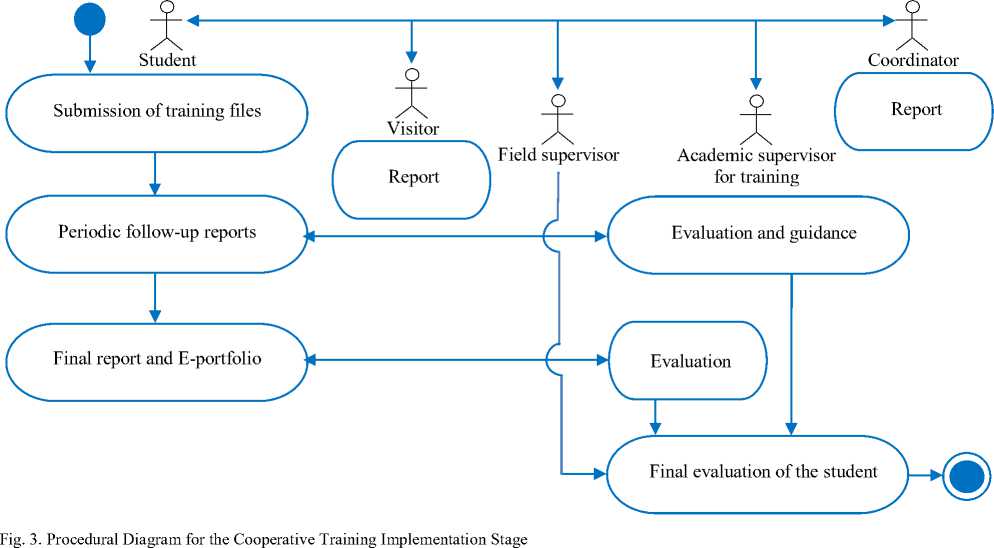
г---Лп---;
i i i i
Academic supervisor Field supervisor Visitor Student for training
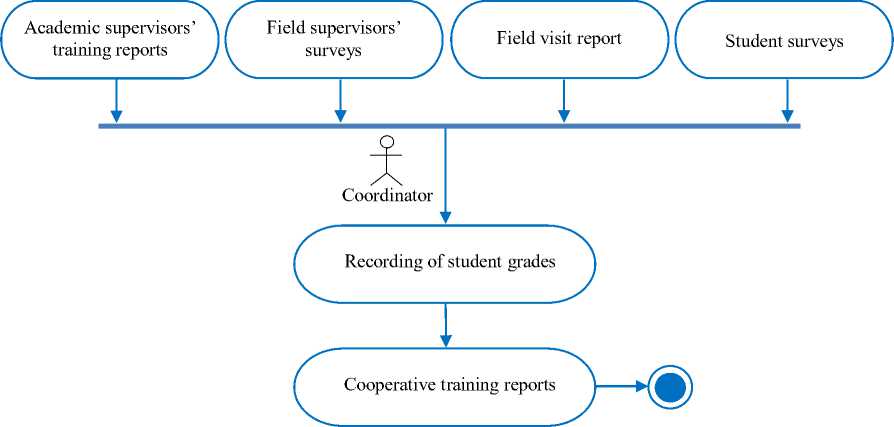
Fig. 4. Procedural Diagram for the Post-Implementation Stage of Cooperative Training
Higher Education Institution Information Higher Education Institution Logo
Field Supervisor Evaluation General Information:
|
College: |
Department-Pro gram |
||
|
Training Course: |
Course Code and Number: |
||
|
Student Name: |
University ID: |
||
|
Training Entity: |
|||
|
Postal Address: |
|||
|
Training Department: |
|||
|
Train mg Period: |
From: / / to: / / |
Number of Training Weeks: |
|
|
Student Attendance During Training: |
Number of Attendance Days: |
Number of Absence Days: |
|
Student Performance Evaluation
|
No. |
Evaluation Criteria |
Maximum Score |
Score Awarded |
|
1 |
Good conduct and punctuality. |
7 |
|
|
2 |
Compliance with instructions, regulations, and laws. |
7 |
|
|
3 |
Cooperation with colleagues, staff, and clients. |
7 |
|
|
4 |
Ability to cany out assigned tasks. |
8 |
|
|
5 |
Ability to work within a team. |
7 |
|
|
6 |
Ability to work independently. |
7 |
|
|
7 |
Proficient and creative. |
7 |
|
|
Total |
50 |
||
Key Skills and Per sonal Attributes of the Student:
|
Personal Capabilities: |
|
|
Personal Skills: |
|
|
Personal Attributes: |
Field Supervisor Data:
|
Supervisors Name: Job Title: |
Signature: |
Fig. 5. Field Supervisor Evaluation Form
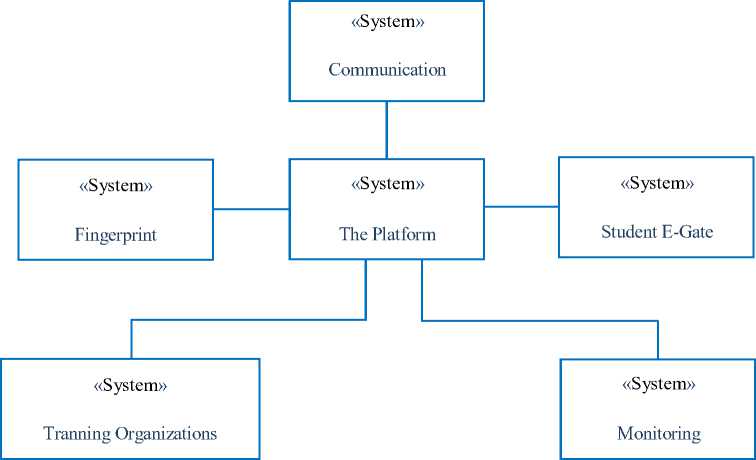
Fig. 6. Context Model for the Platform
The context model, which constitutes a specific variant of a UML diagram, delineates the interactions of the proposed platform with affiliated systems, including the student portal utilized for the retrieval of student data, the communication system facilitating connections between students and academic supervisors, the fingerprint authentication mechanism, the GPS-based attendance monitoring system, and the external training organizations that offer internship opportunities.
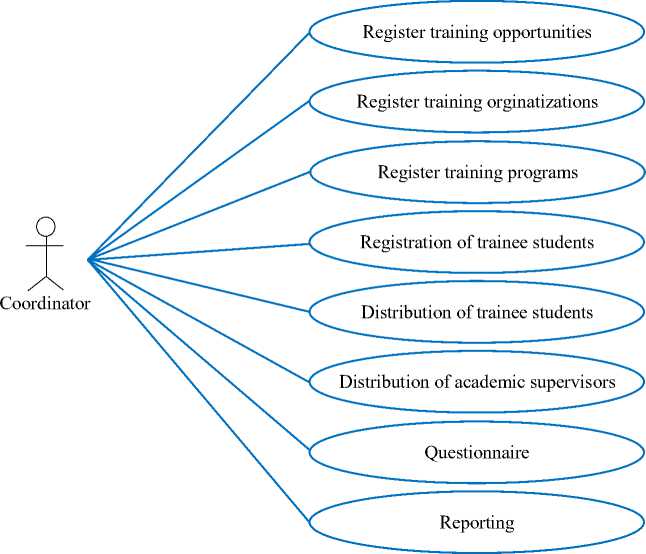
Fig. 7. Use Case Diagram for the Coordinator
A use case diagram, which constitutes a specific category of Unified Modeling Language (UML) representation, delineates the spectrum of functionalities that the platform offers to its users—in this instance, the coordinator of a higher education institution. It elucidates the coordinator’s duties, encompassing the registration of training opportunities, trainees, training programs, training providers, and academic supervisors, in addition to the allocation of trainees to training entities, the generation of reports, and the analysis of survey feedback.
|
Academic Supervisor |
Field Supervisor |
Trainee Student |
Training Program |
|||||||||||
|
Job ID Name Department Specialization Phone # Training Opportunities # Trainee Students Username Password |
Phone # Name Specialization Job Title Email Training Opportunities # Orginatization Org. Address Department Dep. Address Trainee Students Username Password |
University ID Name ID # Address Department Specialization Phone # Tr. Opportunities # Success Hours Tra. Orginatization Username Password |
Training Opportunities # Department Course # Course Code Training Start Date Training End Date Working Hours Student Qualifications Program Activities Skills Acquired |
|||||||||||
|
New ( ) View ( ) Edit ( ) Delete ( ) Save ( ) RecordNotes ( ) |
New ( ) View ( ) Edit ( ) Delete ( ) Save ( ) RecordNotes ( ) |
New ( ) View ( ) Edit ( ) Delete ( ) Save ( ) RecordNotes ( ) |
New ( ) View ( ) Edit ( ) Delete ( ) Save ( ) |
|||||||||||
Fig. 8. Class Diagram for Academic Supervisor, Field Supervisor, Trainee Student, and Training Program
Class diagrams, a type of UML model, represent the structure of data and associated functions within a system. The fig. 8. illustrates class diagrams for key entities involved in the training process, including the academic supervisor, field supervisor, trainee student, and the training program.
Many different diagrams for platform design have been outlined in the research. Of course, there is not enough space to review all the diagrams necessary for platform development, as this is the role of technical reports in the analysis and design of software systems.
6. Results and Discussions
The given research has defined the principles, standards, specifications, and analyses that should be employed in the planning of cooperative training, and the designs of an electronic platform that will be used in the management of the given training. It was specialized in computer and engineering fields, such as Computer Science, computer engineering, Information Systems, Software engineering and Information technology. Since the design of the platform is a success-determining factor due to the focus on user experience, it is crucial to consider its intuitiveness and consistency and user-friendly interface(s), understandable by students, clear interface with accessible oversight options, available to academic staff, and smooth workflow facilitating the operation of training organizations.
Though the study has established functional requirements, there is a need to further conduct an empirical appraisal to determine user satisfaction, usability, system performance and the effect of a long term user behavior on the outcome of the training process. Reality and sustainability also require a thorough financial analysis. Estimates of the projected costs need to be done on all the stages of development, including the programming, server procurement, the network infrastructure , user training and technical assistance. It will be important to define cost-effectiveness in comparison with manual processes. The institutions willing to embrace the platform are advised to develop elaborate budget and undertake return-on-investment appraisals as guiding frameworks to inform the decisions made in strategic direction. A formal method has been suggested as evaluating the effectiveness in the long term pre- and post-implementation surveys of the perceived quality of training, system statistics to identify frequency and completion rates, comparative analysis of student performance and employability. The combined results of these tests can be used by the policy formation and resource utilisation, as well as constant enhancement.
The site hands out varied functions that are relevant to various stakeholders. The students may search opportunities, apply, check progress, and message supervisors. Dashboards are made available to academic supervisors as a monitoring tool where performance is followed up, reports turned in and feedback provided. Placement and training organizations can have the tools to post the opportunities, place managing and student performance measurement. This coordination allows the functioning of all stakeholder groups in an effective way with their role and responsibilities. The investigation provides detailed specifications of services proposed to be offered by the platform based on registration of training opportunities, schedule configuration, student enrolment, supervisor assignment management, reports, automatic evaluation display, AI integration (to manage a program), report and certificate creation, management of surveys and provision of notifications so as to provide seamless operation .
A review of the way cooperative training is organized in most universities shows that not much has been filled in with regard to the aspect of providing the details that will guarantee quality, consistency, and realization of the objectives that are critical in making the graduates ready in the labor market. The present work of research thus introduces definite premises and criteria aimed to correct these deficiencies and to see to it that the cooperative training could be effectively structured and be able to follow its original aims.
Practically, most universities have a problem on constant monitoring, guiding and evaluation of the students because most of the processes are dependent on paper work and limited information about the trainees and the training providers within the labor market. Even though a few universities have adopted electronic portal options in cooperative training, these would most of the time be restricted to mere database descriptions of the students and those training opportunities. They even do not include the comprehensive functionality needed to manage procedures, notifications, reports, continuous communication, and other services. In that sense, a smart platform was suggested to help provide a wholly integrated practice of cooperative training management and provide a large scope of services that guarantee quality and efficiency. This is one of the major contributions of digital innovation in the sectors.
Although there is a wide range of proposals over online collaborative training platforms, most of them lack proper analysis, exhaustive description of the service and how the system functions and non-functional requirements. On the contrary, the presented research provides a thorough description of the analysis and the services suggested to be offered by the proposed platform.
7. Conclusion, Recommendations, and Future Directions
The intelligent steering of collaborative training through an electronic platform based on a set of standards is at the core of this work, as, in this case, such a task promotes the enhancement of the quality of learning and brings the outcome of education closer to the requirements of the labour market. It is not simple to manage cooperative training as it depends on the training environments and the different set of responsibilities that are given to different people. That is why the specified platform was created in order to address these issues by means of a unified digital platform that registers training opportunities, allocates objects to supervisors, monitors the work of staff, deals with documentation, and generates certificates with the help of artificial intelligence. The given approach even plays an invaluable role in the field of educational technology and the management of cooperation training because it provides a worldly framework that is based on the idea of the process diagram, modular components, and clear functional requirements. Consequently, the model will be useful to implement in practice and can be regarded as a benchmark in future research on the topic of digital training governance, AI-based learning, and internship infrastructure. In spite of this benefit, the platform continues to depend on the backing of the institutions and proficient infrastructure to support sustainable results.
The study shares several targeted recommendations to improve how cooperative training programs using innovative means of digitization. The management of the training program should implement collaborative planning of both academic institutions and training providers, and should use AI systems to track their performance in order to limit manual control. The idea of providing a faster development of follow-up reports and e-portfolios with the help of automated production of vital data and making sure that the information will be properly structured and not so difficult to find is suggested. The enrollment should be maximized by verifying the eligibility of the student and matching their placements to their background, locations of study and others. A well-built notification system will ensure that all stakeholders are aware about the deadlines and important tasks and that will improve the entire collaboration. The frequent exposures to student assessments and gathering of grades automatically contribute to the self-monitoring process and allow the learners to keep their morale and momentum.
The study presents a novel way of enhancing sound cooperative training practices as it tackles perennial lapses and inefficiencies in most organizations in terms of supervision. The platform incorporates organized template, on-demand evaluation, and AI-based functionality to oversee that learning in higher education accommodates to labor market and institutional performance goals. Future studies would evaluate the effectiveness of the platform on a larger scale, gauge the satisfaction level of the trainees and determine whether verification tools that rely on GPS can be used effectively to check the attendance of the trainees during the training hours. Future research must test the relative capacity of the strategy with regard to applicability and scalability, which can be done by piloting the options at targeted universities and educational facilities. This kind of research is allowed to provide a realistic prospect into usability, performance and impact on training outcomes to produce information that directs successive development. Strong evidence base will assist in refining the platform and guarantee that it will not remain unprepared of the new necessities and procedural issues.
Even though the research provides a detailed analysis of cooperative training and suggests the usage of a useful electronic platform, there are a number of limitations, which should be taken into consideration. Deploying the platform involves technical and administrative resources which might not be provided equally in the educational institution of varying sizes and funding abilities. To be successful, it is critical to ensure collaborations between universities and other training organizations which in many cases are not at the same level of preparedness, technological maturity, and ability to integrate. The proposed framework is created to satisfy operational requirements in computer engineering and science disciplines, still, it might need modification to fit other spheres of academic activity that have different restrictions. Institutions will most probably require additional support, funding, and training to implement the model. New initiatives should be aimed at investigating those policies and incentives that would assist in institutional barriers resolution and managing the adoption. Working through these restrictions will increase the lasting effect of the platform and make it valuable in terms of enhancing the training in cooperation to a large scale.
