
Алгоритм персонализации в электронной коммерции: качественный анализ улучшения пользовательского опыта и необходимость этического управления
Журнал: Современные инновации, системы и технологии.
Рубрика: Управление, вычислительная техника и информатика
Статья в выпуске: 5 (4), 2025 года.
Бесплатный доступ
В связи с острой конкуренцией и завышенными ожиданиями клиентов несколько интернет-магазинов используют алгоритмы персонализации на основе искусственного интеллекта. В этом качественном исследовании рассматриваются технологические основы этих алгоритмов, их существенное влияние на пользовательский опыт (UX) и их критические этические аспекты. В исследовании используется двухметодный подход, сочетающий научную литературу с обширными полуструктурированными интервью с десятью отраслевыми экспертами в области электронной коммерции, включая науку о данных, UX-дизайн и разработку искусственного интеллекта. Данные были подвергнуты исчерпывающему тематическому анализу. Наше исследование показывает, что продвинутые модели глубокого обучения и обучения с подкреплением вытеснили коллаборативную и контентную фильтрацию. Эти новые модели повышают вовлеченность клиентов, упрощают идентификацию продуктов и улучшают процесс покупки. Конфиденциальность данных, алгоритмическая предвзятость и недостаточная прозрачность являются существенными этическими проблемами, которые ограничивают их применение. В статье представлена синергетическая структура ответственной персонализации, которая гармонизирует алгоритмическую сложность со строгими этическими нормами, такими как справедливость при проектировании, четкое пользовательское соглашение и постоянная алгоритмическая оценка. Предмет представляет собой комплексную, эмпирически обоснованную перспективу, которая связывает внедрение технологий, результаты, ориентированные на пользователя, и этическую ответственность в современной электронной коммерции.
Похожие статьи в разделе Искусственный интеллект
Короткий адрес: https://sciup.org/14135229
IDS: 14135229 | DOI: 10.47813/2782-2818-2025-5-4-2039-2049
Текст статьи Алгоритм персонализации в электронной коммерции: качественный анализ улучшения пользовательского опыта и необходимость этического управления
DOI:
The internet marketplace has evolved significantly, transitioning from static catalogues to dynamic platforms that priorities users. In this competitive market, personalization is crucial. A primary aim of customization is to render the online experience as unique for each customer as the personalized service provided in a physical shop [1]. Personalization is advantageous for a company, as it results in increased sales and enhanced client loyalty. To fully understand it in an academic context, we must examine three aspects: the computational mechanics that facilitate its operation, its impact on the user's experience, and the ethical considerations it raises. Numerous studies currently categories these features into distinct groups. This study integrates several elements and offers an analysis grounded on both theoretical frameworks and empirical evidence from subject matter experts. We solicited input from experts in the field to identify the most essential algorithms, techniques, and theoretical frameworks currently underpinning personalized e-commerce experiences. Personalized product suggestions significantly influence user engagement, product discovery, and the overall shopping experience. The primary ethical dilemmas arise from these algorithms and the methods for their proper use.
With the expansion of online marketplaces, customization has emerged as a crucial element of effective strategies. While extensive information exists regarding the technical capabilities and business advantages of AI-driven algorithms in computer science and marketing journals, a comprehensive understanding can only be achieved by integrating this knowledge with the practical experiences of industry experts while remaining cognizant of the ethical implications [2]. This research utilizes a systematic qualitative technique to tackle three crucial issues, thereby filling the existing void.
This framework illustrates the methodical approach to the inquiry. The recognized research problem is the need for comprehensive knowledge about personalization that encompasses technological, experiential, and ethical aspects [3]. This study examines three research questions (RQ1, RQ2, and RQ3) about the algorithms used, their influence on user experience, and the related ethical considerations. All disciplines use a standardized methodology, including thematic analysis of semistructured interviews with subject matter experts, to address these challenges (Figure 1). By synthesizing the acquired insights, one may discover solutions that integrate technological applications with user-centric results and ethical responsibilities. This technique yields a complete model that synthesizes contemporary e-commerce ethical practices with algorithmic theory.
Implement A/B testing and thorough data analysis to objectively measure the impact of different algorithms on conversion rates and user engagement metrics [4]. This will help in analyzing and improving algorithm performance in marketing. With this strategy, marketing tactics may be optimised using a data-driven approach. Put your energy into developing deep learning and neural content filtering (NCF) models that are both open and naturally impartial [5].
For algorithms to be inclusive and promote justice in their applications, ethical concerns must be included into their creation from the start. Examine the effects of personalized settings on user behavior over time, paying special attention to the ways in which repeated exposure might change customers' trust, loyalty, and decision-making across different brands [6].
watched by both users
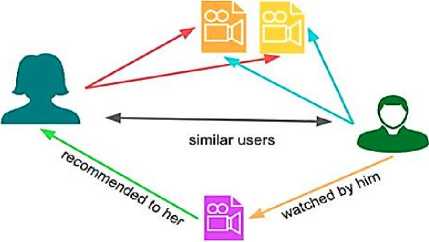
Figure 1. understanding Collaborative Filtering.
The development of effective marketing strategies that sustain customer interest over time depends on a thorough understanding of these dynamics. Examine how different cultural and legal contexts affect people's views on ethics and the efficacy of targeted marketing campaigns. This study is crucial for developing targeted strategies that improve brand engagement worldwide.
The framework of this study guides the inquiry, which is illustrated in Figure 2 below:
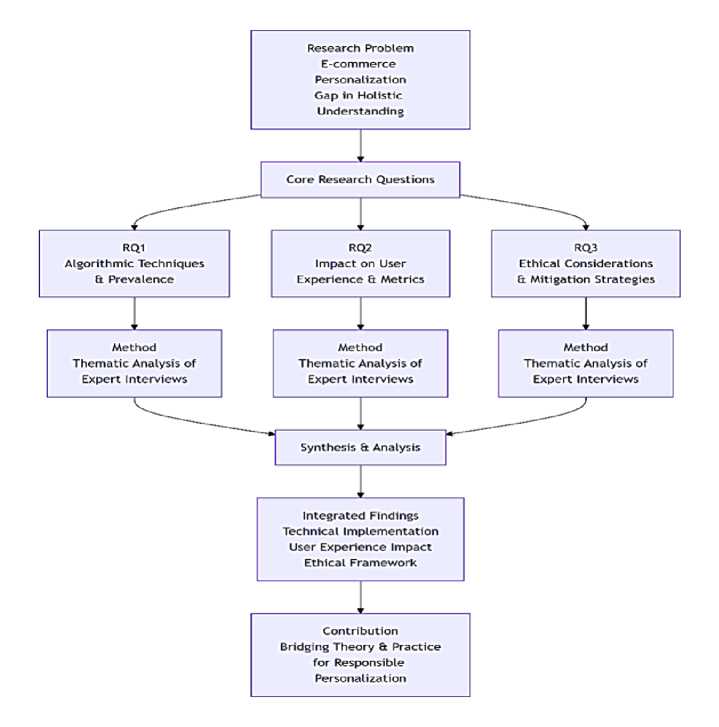
Figure 2. Research framework and flow.
LITERATURE REVIEW
The architecture of e-commerce personalization is built upon an interdisciplinary foundation, integrating computer science, psychology, economics, and ethics. A cornerstone of recommendation systems, CF operates on the principle of "social influence," suggesting items based on the preferences of similar users [7]. This includes identifying users with similar tastes and recommending items they have liked. Recommends items similar to those a user has liked in the past, often considered more stable and scalable [8]. This technique leverages item attributes and user profiles to make recommendations. It draws from information retrieval theory, using semantic analysis to match product features with user preferences [9]. To address the sparsity of user-item interaction data, techniques like Singular Value Decomposition (SVD) are employed. SVD decomposes the user-item matrix into lower-dimensional latent factor matrices, uncovering hidden patterns that represent abstract user preferences and item characteristics [9, 10]. The limitations of linear models are overcome by NCF, which uses neural networks to learn non-linear and complex interactions between users and items. This allows for a more nuanced understanding of user behavior, leading to significantly higher recommendation accuracy [11, 12]. Personalization is framed as a sequential decision-making problem within RL. Markov Decision Processes (MDPs) model the dynamic interaction between the platform (agent) and the user (environment), with the goal of maximizing long-term rewards like user lifetime value [13, 14]. A critical component is the Exploration-Exploitation Trade-off, where algorithms must balance recommending known preferences (exploitation) with introducing novel items to discover new interests (exploration) [15]. Algorithms are designed to interact with human psychology. Maslow's Hierarchy of Needs informs how personalization can fulfill higher-level needs for self-esteem and self-actualization by making users feel understood and valued [16]. Flow Theory posits that personalized experiences can induce a state of deep engagement by presenting a balanced challenge that matches the user's skill level [17, 18]. From behavioral economics, concepts like bounded rationality and cognitive biases explain why users rely on personalized recommendations to simplify complex decisions [19, 20]. The power of personalization is derived from data, which introduces critical ethical dilemmas. The collection and utilization of vast amounts of personal data raise fundamental questions about user autonomy and consent. Models trained on historical data can perpetuate and amplify existing societal biases, leading to discriminatory outcomes against certain user groups [21]. The "black box" nature of complex algorithms like NCF creates a deficit of explainability, making it difficult for users to understand why certain recommendations are made and for regulators to hold systems accountable [23].
MATERIALS AND METHODS
This study adopted a qualitative research design to capture the nuanced, real-world perspectives of those designing and implementing personalization systems.
Research Design and Data Collection
The data was mostly gathered via semi-structured interviews. This method enabled participants to maintain consistency and allowed the group to go farther in topic development. Ten experts (N=10) were recruited by purposive sampling from a worldwide pool, including Finland, Russia, Kazakhstan, Egypt, and Australia. These competencies originate from several domains, including data scientists, marketing managers, AI/machine learning engineers, user experience designers, and e-commerce business analysts. These experts addressed all aspects, from technical execution to end-user planning. Following pilot research involving two participants to enhance the interview methodology, we simplified specific technical questions and eliminated those that were too similar. Ten (N=10) specialists were surveyed via semi-structured interviews, including e-commerce business analysts, data scientists, user experience designers, and artificial intelligence engineers. We used a purposive sampling strategy to ensure the inclusion of small, medium, and big enterprises [23]. A pilot study was conducted to enhance the precision of the interview method.
Data Analysis
The interviews were conducted using the approach outlined by Braun and Clarke [19], thereafter transcribed, and thematically analyzed. To ensure that the conclusions were based on solid empirical evidence, the data analysis process included familiarization with the data, the development of preliminary codes, and the investigation, evaluation, demarcation, and classification of themes. The study was based on a comprehensive analysis of the documented and transcribed feedback from the focus group. To facilitate our data analysis, we meticulously documented each participant's actions and the salient aspects of the dispute. The inquiries were designed to elicit comprehensive expert insights, resulting in an extensive dataset. Structured tables were used to manage notes and transcriptions for data comparison and arrangement. Significant quotations were emphasized with underlining to facilitate studying. An exhaustive analysis of the answers and activities was performed to identify dominant themes and trends. Consequently, we acquired significant insights into the impact of customization algorithms on e-commerce conversion rates, customer satisfaction, and engagement. The methodical analytical approach was crucial in deriving the thesis's results and suggestions. The findings were articulated in a clear and comprehensible manner, making the study accessible to its intended audience. All interviews were audiorecorded, transcribed verbatim, and subjected to a rigorous thematic analysis following the six-phase framework:
-
• Familiarization: Immersing in the data through repeated reading of transcripts.
-
• Generating Initial Codes: Systematically coding interesting features across the entire dataset.
-
• Searching for Themes: Collating codes into potential themes.
-
• Reviewing Themes: Checking if the themes work in relation to the coded extracts and the entire dataset.
-
• Defining and Naming Themes: Refining the specifics of each theme and generating clear definitions and names.
-
• Producing the Report: Selecting vivid,
compelling extract examples and final analysis.
This iterative process ensured that the findings were deeply embedded in the empirical data.
RESULTS AND ANALYSIS
We delineate and examine the three principal themes that surfaced from the thematic analysis within the parameters of the theoretical framework. Two principal challenges arise from the research: ethical governance and user experience (UX) concerning personalization.
Customization for Enhanced User Experience
The study underscores the significance of personalization in augmenting consumer engagement and satisfaction. All parties concerned concur that several benefits have arisen from its use, including a user experience designer who reported that, after optimising recommendation algorithms, there was a 25% increase in user interaction with the site within one month, resulting in a significant rise in engagement. Prominent elements such as "frequently bought together" have increased traffic to product pages and improved conversions through crossselling. By serving as a "guiding light," customization enriches the browsing experience and elevates the average order value by promoting product discovery. Users may identify specialist or complementary products that would otherwise be neglected.
Streamlined Acquisition Procedure. Users indicated reduced cognitive load and decision fatigue due to a personalized and well-optimized design, making the platform more "intuitive" and "efficient." This has led to an increase in customer loyalty and a drop in cart abandonment rates. Although there is a broad consensus on the advantages of personalisation, significant ethical concerns arise, revealing a disparity between technological capability and its responsible use. The primary elements to consider are Ethical considerations in the management of critical user data particularly regarding data privacy and user autonomy. Experts underscore the need of implementing "stringent data protection protocols" and open procedures for acquiring user consent. A plea for readily accessible opt-out options is made to ensure "user autonomy" and prevent customization from becoming intrusive [24]. The potential for biased algorithms remains a significant concern for fairness. A data scientist stressed the need of using broad and representative training datasets and frequently assessing algorithms for any biases to provide equitable outcomes across diverse user demographics.
Accountability and Transparency. Participants advocated for greater transparency, asserting that individuals should understand "insights into how algorithms render decisions" in accessible language. Utilizing Explainable AI (XAI) methodologies is an effective means of fostering confidence among users. Another approach is to generate transparency reports. These elements indicate a dual effort to enhance user experience via intelligent customization and to mitigate problems related to data practices through ethical governance. The application of the thematic analysis methodology yielded structured, actionable insights, which are presented below using descriptive statistics and visualizations derived from the qualitative data.
The Current State of Personalization Algorithms
To address RQ1, interview responses were coded and categorized to identify the techniques most frequently mentioned and deemed most effective by practitioners. The prevalence of these techniques is summarized in Table 1 and Figure 3.
Table 1. Prevalence and Professional Perception of Personalization Techniques
|
Algorithmic Technique |
% of Professionals Mentioning |
Key Illustrative Quote |
|
Collaborative Filtering |
90% |
"Collaborative filtering... has been the mainstay for many ecommerce platforms." (Respondent C) |
|
Content-Based Filtering |
70% |
"We're using... Semantic analysis... to match you with stuff you might like based on... attributes." (Respondent G) |
|
Hybrid Methods |
60% |
Implied through discussion of combining multiple data sources and techniques. |
|
Deep Learning / NCF |
50% |
"The sheer volume... of modern e-commerce data necessitate... deep learning." (Respondent D) |
|
Context-Aware Systems |
40% |
"They take into account things like what device you're using, where you're browsing from..." (Respondent B) |
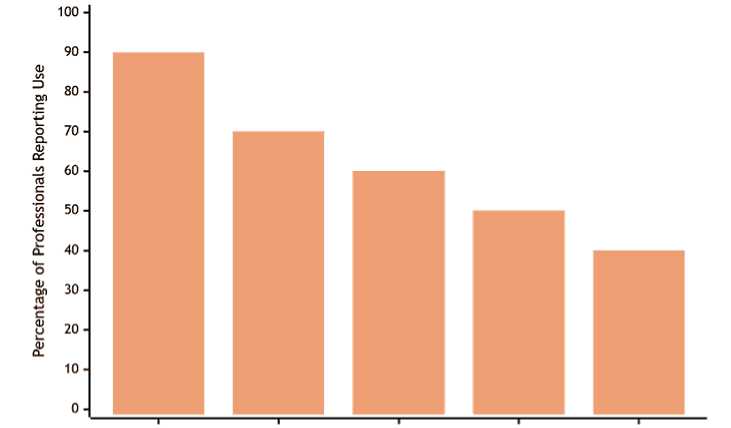
Collaborative Filtering Content-Based Hybrid Methods Deep Learning Context-Aware
Figure 3. Prevalent techniques in E-commerce personalization.
Impact on User Experience and BusinessMetrics
The analysis of responses related to RQ2 revealed a strong consensus on the positive impact of personalization. The qualitative feedback was synthesized into Table 2, which categorizes the impacts and provides empirical evidence from the interviews.
Table 2. Documented impact of personalized product recommendations.
|
UX/Business Metric |
Reported Impact |
Empirical Evidence from Interviews |
|
User Engagement |
Significant Increase |
"25% increase in... interaction... within just one month." (Resp. B); ">50% increase in product page views." (Resp. H) |
|
Product Discovery |
Enhanced & Serendipitous |
"A guiding light, showing me things I'd probably like." (Resp. D); "I buy 35% more items." (Resp. C) |
|
Overall Satisfaction |
Improved Emotional Connection |
"Our website felt like it understood what they like." (Resp. F); "It's like having a friend who knows my tastes." (Resp. G) |
|
Conversion Rates |
Direct Positive Influence |
"Users are more likely to add recommended products to their cart... leads to higher conversion rates." (Resp. E) |
Ethical Considerations and Mitigation Strategies
The thematic analysis for RQ3 identified four primary ethical concerns. The perceived importance of these concerns among the interviewed professionals is visualized in Figure 4. This chart is based on the frequency and emphasis with which each concern was raised during the interviews.
To address these concerns, the proposed strategies from the interviewees were coded and organized into a practical framework for implementation, presented in Table 3.
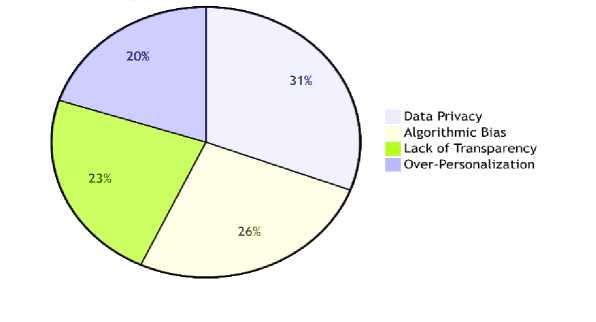
Figure 4. Perceived importance of ethical concerns in E-commerce personalization.
Table 3. Framework for ethical implementation of personalization algorithms.
|
Ethical Concern |
Proposed Management Strategy |
Implementation Example |
|
Data Privacy |
Data Minimization & User Consent |
Implement clear "opt-in" settings and allow users to view/delete their data history. |
|
Algorithmic Bias |
Regular Fairness Audits |
Use diverse datasets and third-party audits to check for discriminatory recommendation patterns. |
|
Lack of Transparency |
Explainable AI (XAI) & User Education |
Provide short, simple explanations like "Recommended because you viewed X." |
|
OverPersonalization |
Introduce Serendipity |
Create a "Discover Something New" section that intentionally diverges from user history. |
The Evolving Algorithmic Ecosystem in Practice
Industry professionals confirmed the co-existence of traditional and advanced algorithms, highlighting a pragmatic, hybrid approach.
Persistence of Foundational Models: Respondent C (E-commerce Business Analyst) noted, "Collaborative filtering... has been the mainstay for many e-commerce platforms. The sheer capability of this technique to predict user preferences by extrapolating from historical data sets it apart [19]." This underscores the continued value of well-understood and effective techniques.
The Rise of Context and Deep Learning: Respondent B (UX Designer) emphasized the shift beyond mere product matching: "Nowadays, they take into account things like what device you're using, where you're browsing from [20]." This context-awareness aligns to build more dynamic user models. Respondent D (Data Scientist) pointed to the next frontier. This reflects the industry's move towards NCF and similar models to handle data complexity.
Emerging Immersive Technologies: Respondent I highlighted the use of Augmented and Virtual Reality (AR/VR), indicating a future where personalization algorithms extend beyond a 2D screen to create fully immersive, tailored virtual stores.
The User-Centric Impact of Personalization
The data overwhelmingly illustrated the positive impact of personalization on key UX metrics.
Quantifiable Boost in Engagement: Respondent B reported a "big 25% increase in how much people interacted with our site within just one month [21]." after improving recommendations. Respondent H observed a ">50%" increase in product page views after implementing a "frequently bought together" feature, demonstrating direct engagement lifts.
Enhanced Product Discovery and Sales: Personalization was described as a "guiding light" (Respondent D) for discovery. Respondent C provided a powerful personal anecdote: "I've noticed that I buy 35% more items each time I shop. 'Complete the look' feature. Made me spend more on each order [22]." This shows how algorithms actively shape purchasing behavior and increase average order value.
Emotional Connection and Satisfaction: The impact was not just transactional but also emotional. Respondent F observed that after improvements, users said our website felt like it understood what they like. Respondent G likened it to having a friend who knows my tastes [23], indicating that effective personalization fosters loyalty and trust.
The Ethical Labyrinth: Concerns and Mitigation Strategies
Participants expressed acute awareness of the ethical challenges and proposed concrete mitigation strategies that align with theoretical principles.
Data Privacy and User Control: This was the most frequently cited concern. Respondent A stressed the need for clear rules for data collection and usage, while Respondent B emphasized "user freedom,"
advocating for easy opt-out mechanisms. This aligns with the ethical principle of autonomy.
Algorithmic Bias and Fairness: The danger of biased outcomes was a key theme. Respondent H called for a focus on algorithmic fairness. Using all kinds of information and really check for any unfairness. This directly corresponds to the need for fairness-aware algorithms and diverse training data discussed in the literature.
Transparency and Accountability: There was strong consensus on the need to demystify algorithms. Respondent D argued for letting "people know how these algorithms work," and others suggested regular audits and user education. These practices are foundational to building algorithmic accountability [24].
A synthesized framework for addressing these concerns, derived from participant suggestions, is presented in Table 4.
Table 4. Ethical concern and proposed management framework.
|
Ethical Concern |
Proposed Management Strategy |
Theoretical Alignment |
|
Data Privacy |
Robust data minimization, anonymization protocols, and granular user consent mechanisms. |
Privacy Ethics, Autonomy |
|
Algorithmic Bias |
Regular fairness audits using diverse datasets, and the formation of ethics review committees. |
Fairness-Aware AI, Justice |
|
OverPersonalization |
Introducing serendipity into recommendation streams and allowing users to control personalization intensity. |
Flow Theory, Autonomy |
|
Lack of Transparency |
Implementing Explainable AI (XAI) techniques, providing user-friendly insights, and publishing transparency reports. |
Algorithmic Accountability |
DISCUSSION
This research demonstrates that AI-driven personalization in e-commerce is a powerful, yet double-edged sword. The findings confirm that the field is in a state of rapid evolution, leveraging a stack of algorithms from simple collaborative filtering to complex deep learning models to achieve increasingly sophisticated customization. The reported impacts on user engagement, discovery, and satisfaction are substantial and validate the significant investment in these technologies. However, the core contribution of this study lies in its empirical validation of the serious ethical trade-offs. The concerns voiced by professionals about privacy, bias, and opacity are not merely theoretical but are active, practical challenges in the field. The proposed strategies, such as continuous auditing and user control, provide a valuable roadmap for practitioners. The study suggests that the next frontier for ecommerce is not merely a technological arms race for more accurate algorithms, but a socio-technical challenge of designing systems that are both effective and ethical. The proposed framework in Table 1 offers a starting point, emphasizing that responsibility must be baked into the design process ("ethics by design") rather than being an afterthought. This study has limitations. Its qualitative nature and sample size, while rich in insight, limit the generalizability of the findings. The reliance on selfreported data from professionals may introduce bias, and the focus on algorithms may overlook other factors influencing UX, such as site performance or customer service.
CONCLUSION
Algorithmic personalization is fundamentally reshaping e-commerce by creating more engaging, efficient, and satisfying user experiences. A diverse and evolving set of AI techniques underpins its effectiveness. Nevertheless, this power necessitates a parallel commitment to ethical governance. The future of sustainable personalization lies in a balanced approach that pursues algorithmic excellence with an unwavering commitment to user privacy, fairness, and transparency. This research shows how AI-driven personalization in e-commerce may be powerful yet damaging. It makes user experiences more engaging, efficient, and fulfilling, improving corporate performance. The report cautions that personalization without monitoring might compromise user privacy, fairness, and autonomy. Key implications for practitioners and researchers are mentioned. E-commerce companies must be human-centered. This includes investing in fairness-aware algorithms, transparency in data methods, and fine-grained data and personalization controls for consumers. Success indicators should incorporate long-term trust and client happiness, not just conversion rates. Researchers should statistically validate qualitative results, develop technological solutions to eliminate biases and improve explain ability, and explore the long-term consequences of personalization on user behavior and brand perception. The research recommends a sustainable equilibrium for e-commerce personalization rather than hyper-personalization at any costs. Ethical considerations and user welfare ensure that technical advances are socially responsible
