
Анализ коллекции представителей рода Cornus L. в главном ботаническом саду им. Н.В. Цицина РАН
Журнал: Вестник Красноярского государственного аграрного университета @vestnik-kgau
Рубрика: Агрономия
Статья в выпуске: 7, 2026 года.
Бесплатный доступ
Цель исследования – провести анализ сортов Cornus для выявления наиболее значимых с декоративной точки зрения параметров для данной культуры. В лаборатории декоративных растений Главного ботанического сада им. Н.В. Цицина РАН собрана коллекция представителей рода Cornus L., включающая комплекс сортов, полученных на основе трех видов – C. alba L., C. stolonifera Michx, C. sanguinea L. Был проведен анализ сортов, полученных на основе C. alba, C. sanguinea, C. stolonifera, встречающихся в мировой культурной флоре. Выявлено более 50 сортов, при этом в коллекцию лаборатории декоративных растений включено 20 наименований, что составляет 40 % от мирового сортимента и подтверждает репрезентативность коллекции. Было проведено изучение декоративных качеств исследуемых сортов по таким параметрам, как окраска побегов и листьев, габитус. Предложена оценка декоративности исследуемых образцов деренов по следующим параметрам: окраска побегов, окраска листовых пластинок, форма и размер кроны. Установлено, что наивысший балл получил только 1 сорт – ‘White Gold’, 6 баллов получили сорта ‘Argenteo-marginata’, ‘Gouchaulti ’, ‘Elegantissima’, ‘Ivory Halo’, ‘Miracle’, ‘Regnzam’, ‘Sibirica Variegata’, ‘Spaethii’, а также сорта ‘Anny’s Winter Orange’, ‘Compressa’, ‘Midwinter Fier’, ‘Winter Beauty’. На основе отобранных биоморфотипов выделены 11 групп, из которых 4 широко представлены в коллекционном фонде, и 7 биоморфотипов с уникальным, в рамках данного исследования, набором признаков. Были выявлены сорта-доноры, перспективные для дальнейшей селекционной работы и получения новых сортов данной культуры, обладающих уникальным комплексом признаков – C. alba: ‘Aurea’, ‘Kesselringii’, ‘Miracle’, ‘Regnzam’, C. Sanguinea: ‘Compressa’; C. stolonifera: ‘White Gold’, ‘Flaviramea’.
Короткий адрес: https://sciup.org/140316541
IDS: 140316541 | УДК: 581.006:712.4.01 | DOI: 10.36718/1819-4036-2026-7-29-46
The collection analysis of Cornus L. rep-resentatives in the Tsitsin main botanical garden of the Russian Academy of Sciences
The aim of the study is to analyze Cornus cultivars to identify the most significant ornamental charac-teristics for this crop. The Ornamental Plant Laboratory of the N.V. Tsitsin Main Botanical Garden of the Russian Academy of Sciences has assembled a collection of representatives of the genus Cornus L., in-cluding a complex of cultivars derived from three species – C. alba L., C. stolonifera Michx, and C. sanguinea L. Varieties derived from C. alba, C. sanguinea, and C. stolonifera, found in the global cultivat-ed flora, were analyzed. More than 50 cultivars were identified, of which 20 are included in the Ornamen-tal Plant Laboratory's collection, accounting for 40 % of the global assortment and confirming the repre-sentativeness of the collection. The ornamental qualities of the studied cultivars were studied using pa-rameters such as shoot and leaf coloration and habit. The ornamental value of the dogwood specimens was assessed based on the following parameters: shoot color, leaf blade color, and crown shape and size. It was found that only one cultivar, White Gold, received the highest score, while 6 points were awarded to the cultivars Argenteo-marginata, Gouchaulti, Elegantissima, Ivory Halo, Miracle, Regnzam, Sibirica Variegata, Spaethii, as well as the cultivars Anny's Winter Orange, Compressa, Midwinter Fier, and Winter Beauty. Based on the selected biomorphotypes, 11 groups were identified, 4 of which are widely represented in the collection fund, and 7 biomorphotypes with a unique set of traits within the framework of this study. Donor cultivars were identified that are promising for further breeding work and the development of new cultivars of this crop possessing a unique set of traits: C. alba: Aurea, Kesselringii, Miracle, Regnzam, C. sanguinea Compressa; C. stolonifera: White Gold, Flaviramea.
Текст научной статьи Анализ коллекции представителей рода Cornus L. в главном ботаническом саду им. Н.В. Цицина РАН
Введение. Представители рода Cornus , относящиеся к трем видам, давно вошли в культурную флору России [1]. В настоящее время в России для массового использования рекомендуются 18 сортов, из которых 12 – C. alba L . , 5 – C. sanguinea L., 3 – C. stolonifera Michx . (= C. sericea L.) [2].
Эти кустарники неприхотливы, зимостойки (за исключением сортов, полученных на основе C. sanguinea , для которых возможно обмерзание верхней части молодых побегов), стабильно декоративны и мало повреждаются вредителями и болезнями. Сорта, полученные на основе этих видов, также стабильно декоративны: в
летний период – за счет окраски листьев, которая варьирует достаточно широко – от темнозеленого до трехцветного розово-желтозеленого, а в зимний – за счет яркоокрашенных побегов.
Цель исследования – провести анализ сортов, полученных на основе C. alba , C. stolonifera , C. sanguinea , для выявления наиболее значимых с декоративной точки зрения параметров для данной культуры.
Задачи: провести анализ сортов, полученных на основе C. alba , C. sanguinea , C. stolonifera , встречающихся в мировой культурной флоре; сравнить с коллекционным фондом лаборато-
рии декоративных растений; проанализировать декоративные качества исследуемых сортов по окраске побегов и листовых пластинок; разработать оценку декоративности исследуемых сортов; выделить биоморфотипы.
Объекты и методы. Исследование выполнено на базе коллекционного фонда лаборатории декоративных растений ГБС РАН, на экспо-
зиции «Декоративные кустарники», расположенной на основной территории ботанического сада.
В качестве модельных объектов были выбраны 20 сортовых представителей рода Cornus , относящиеся к трем родам - C. alba, C. stolonifera , C. sanguinea (рис. 1).
C. alba
‘Elegantissima’*
■
‘Argenteo-marginata’*
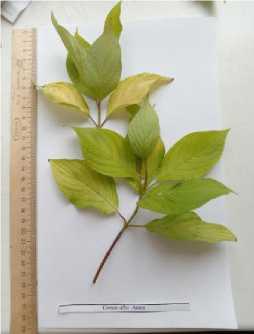
‘Aurea’
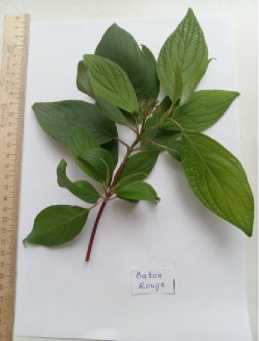
‘Baton Rouge’ (=‘Minbat’)
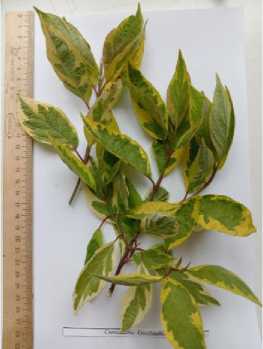
‘Gouchaultii’ (=‘Floebelii’)
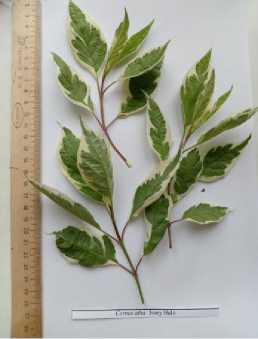
‘Ivory Halo’ (=‘Bailhalo’)
Рис. 1. Модельные объекты исследования Model research objects
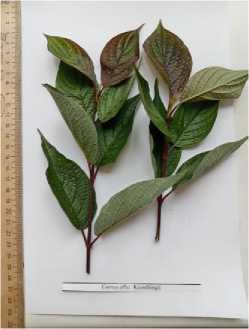
‘Kesselringii’
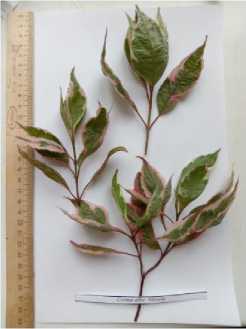
‘Miracle’ (=‘Verpaalen2’)
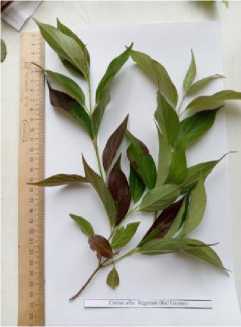
‘Regnzam’ (=‘Red Gnome’)
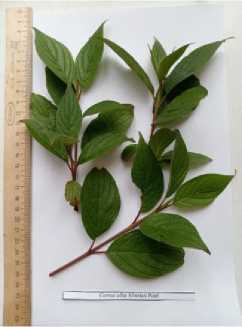
‘Siberian Pearls’
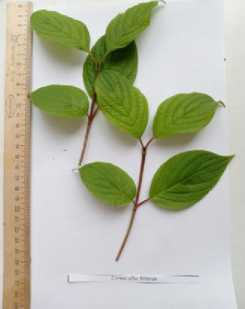
‘Sibirica’
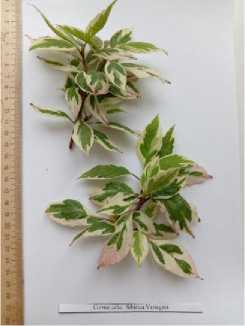
‘Sibirica Variegata’
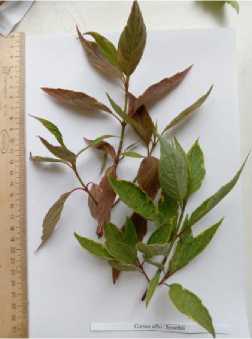
‘Spaethii’
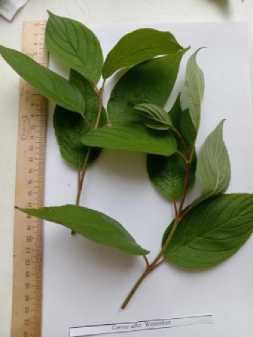
‘Westonbirt’
Продолжение рис. 1
C. stolonifera
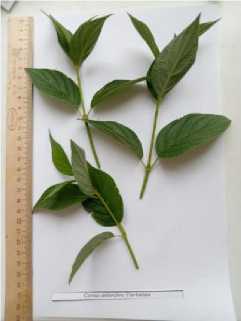
‘Flaviramea’
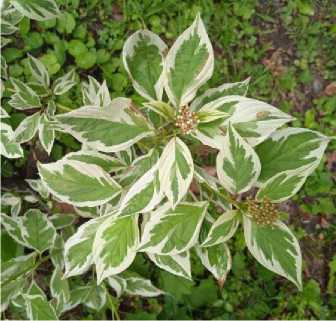
‘White Gold’
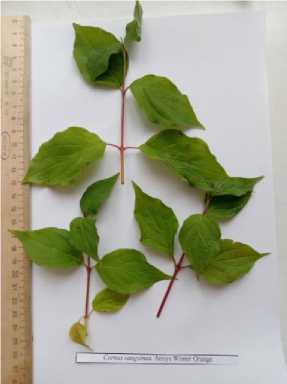
‘Anny’s Winter Orange’
C. sanguinea
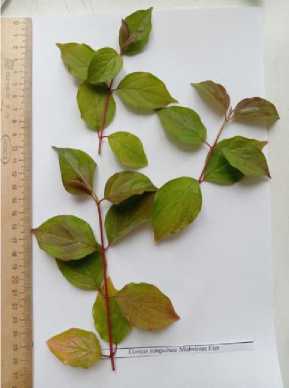
‘Midwinter Fier’
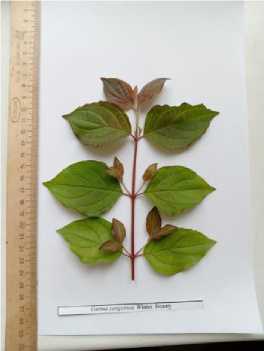
‘Winter Beauty’
Окончание рис. 1
Была проведена оценка актуального мирового сортимента по литературным данным, каталогам, открытым интернет-источникам [3–13].
Была предложена методика оценки декоративности исследуемых сортов дерена на основе сравнения сортов с природными видами. За основу оценки декоративности взята методика
С.А. Мамаева [14], в которой все растения разделены по категориям внутривидовой изменчивости в соответствии с вариативностью окраски органов (листьев, побегов) и разнообразием габитуса по сравнению с исходным видом. Данная методика была взята как основополагающая, так как на се- годняшний день до сих пор является основной и актуальной в данном вопросе.
При оценке декоративности было проведено сравнение сортов с природными видами, на основе которых они и были получены. Описание видов было сделано на основе описания в работе А.И. Колесникова [1], как наиболее информативного источника (полужирным шрифтом выделены те параметры, по которым производилось сравнение).
Cornus alba - листопадный кустарник, 23 м высотой, с прямостоячими бордовокрасными побегами , листья яйцевидноэллиптические с заостренной вершиной длиной 6-12 см, шириной 2,5-6,0 см, сверху темнозеленые , снизу сизо-беловатые, черешок 25 см, осенью принимают фиолетово-красную или темно-фиолетовую окраску. Цветки желтовато-белые, в щитках, 3,5-5,0 см в диаметре. Плоды шаровидные, белые с синеватым оттенком, несъедобны. Цветет в мае-июне, плоды созревают в августе-сентябре. Дико произрастает в северной лесной зоне европейской части России или в Сибири.
Cornus sanguinea - листопадный кустарник до 3-4 м высотой с сильнораскидистыми темнокрасными, иногда зелеными ветвями. Листья широкоэллиптические или округлояйцевидной формы, длиной 5-10 см, шириной 3-7 см, обе стороны покрыты волосками, более светлая нижняя сторона. Цветки мелкие, ярко-белые, в пушистых густых щитках, диаметром 4–5 см. Плоды 0,6 см в диаметре, пурпурно-черные, несъедобные. Цветет в мае-июне, плоды созревают в сентябре. Дико произрастает в лесах южной и средней зоны европейской части России.
Cornus stolonifera - листопадный раскидистый кустарник высотой до 3 м, с нижними лежачими укореняющимися ветвями и обильными корневыми отпрысками. Побеги темно-красные. Листья яйцевидные, длиной 6–12 см, сверху темно-зеленые, снизу сизые. Цветки белые в щитках, плоды шаровидные, белые, несъедобные. Цветет в мае-июне, плоды созревают в сентябре-октябре. Дико произрастает в Северной Америке.
Основными критериями оценки являются следующие параметры.
Окраска побега :
-
- побеги красного цвета (типичная окраска для природных видов - 1 балл;
-
- другого цвета целиком - 2 балла;
-
- двухцветные - 3 балла.
Окраска листьев во время вегетационного периода :
-
- зеленые (типичная окраска для природного вида)- 1 балл;
-
- другого цвета целиком - 2 балла;
-
- двух-, трехцветные - 3 балла.
Габитус - немаловажный признак при оценке декоративности исследуемых образцов. При этом число сортов, которые отличаются по данному параметру, является незначительным. В рамках данного исследования оценивались следующие параметры:
-
- раскидистый куст (типичная форма кроны для большинства исследуемых сортов) - 1 балл;
-
- колонновидная форма кроны - 2 балла.
Размер кроны - важный параметр при оценке декоративности, который позволяет выявить уникальные сорта, так как у большинства сортов отмечаются стандартные параметры кроны:
-
- стандартный размер (до 2-3 м) - 1 балл;
-
- карликовое растение (до 1,5 м) - 2 балла.
Проведенная оценка декоративности не включала такие параметры, как окраска цветков, обилие цветения, окраска плодов, в связи с тем, что они не оказывают длительного и массового эффекта на облик растений.
Надо отметить, что окраска побегов и листьев - не всегда стабильный параметр. Золотистолистные формы могут зеленеть в тени и даже при пасмурной погоде. Яркая окраска наиболее интенсивно проявляется у молодых побегов, на ее интенсивность может влиять даже ориентированность на солнечную или теневую сторону. Для стимулирования появления у них насыщенной окраски необходима ежегодная обрезка, придающая в культуре деренам аккуратный вид.
Результаты и их обсуждение. Долгое время сорта дерена данных видов в коллекционном фонде ГБС РАН были представлены незначительно, в период с 1975 по 2020 г. в коллекции ГБС РАН числилось: 3 сорта C. alba и 1 сорт C. stolonifera . Информация о составе коллекции на данный период времени взята из итогов интродукции отдела дендрологии, данные источники отражают историю вопроса, а также обладает высокой информативностью [15, 16].
Тем не менее в Россию завозится много различных сортов из зарубежных питомников. Большинство из них не были интродукционно изучены в условиях средней полосы России. В связи с этим было принято решение создать коллекцию, включающую в свой состав максимальное разнообразие культиваров. В настоя- щее время коллекция активно развивается и в ее состав по данным на ноябрь 2025 г. включено 20 сортов. При анализе существующего мирового сортимента данной культуры (коллекции ботанических садов, каталоги питомников) было выявлено более 50 образцов. [6, 10–15, 17–19] (табл. 1).
Таблица 1
Мировой сортимент представителей рода Cornus , не представленный в коллекционном фонде лаборатории декоративных растений The world's assortment of representatives of the genus Cornus , not represented in the collection fund of the laboratory of ornamental plants
|
Наименование |
Окраска побегов |
Габитус |
||
|
зимой |
летом |
осенью |
||
|
1 |
2 |
3 |
4 |
5 |
|
C. alba |
||||
|
‘Alleman’s Compact’ |
Красные |
Зеленые |
Красно-желтые, фиолетовые оттенки |
Компактный (до 1,5 м) |
|
‘Bloodgood’ |
Красные, весной зеленые |
Зеленые |
Оттенки красного, оранжевого и желтого |
До 2–3 м |
|
‘Cream Cracker’ |
Красные |
Зеленые с каймой кремового цвета |
С пурпурно-красными оттенками |
До 2–2,5 м |
|
‘Jefreb’ (=‘Little Rebel’) |
Красные |
Зеленые |
Бордовые |
Карлик (до 1.2 м) |
|
‘Neon Burst’ (=‘Byboughen’) |
Красные |
Желтые |
Желто-фиолетовокрасные |
Карлик (до 1,5 м) |
|
‘Nighfall’ (=‘Verpaalen3’) |
Красные |
Темнозеленые |
Темно-фиолетовый |
До 1,5–2 м |
|
‘Prairie Fire’ |
Красные |
Золотистожелтые |
Ярко-красные |
До 2,5 м |
|
C. stolonifera |
||||
|
‘Baileyi’ |
Краснокоричневые |
Зеленые |
Красно-пурпурная, оранжевая |
До 1,8–3,0 м |
|
‘Cardinal’ |
Красные |
Зеленые |
Желтые с красными тонами |
До 2 м |
|
‘Coral Red’ |
Красные |
Зеленые |
До 2,5–4 м |
|
|
‘Farrow’ (=‘Arctic Fire’) |
Красные |
Зеленые |
Красивый |
Карлик (0,9–1,5 м) |
|
‘Farba’ |
Красные |
Зеленые |
Пурпурные |
До 2 м |
|
‘Firedance’ (=‘Bailadeline’) |
Красные |
Зеленые |
Красно-фиолетовая |
Карлик (до 1,2 м) |
|
‘Budd’s Yellow’ |
Желтые |
Зеленые |
Желтые |
До 2,5 м |
|
‘Hedgerows Gold’ |
Красные |
Пестрые, с неровными ярко-желтыми краями |
Оттенки от розового до красного |
До 2,5 м |
Окончание табл. 1
|
1 |
2 |
3 |
4 |
5 |
|
‘Isanti’* |
Красные |
Зеленая |
Красно-пурпурная |
Карлик (до 1,5 м) |
|
‘Kelseyi’ (=‘Nana’) |
Красные |
Зеленые |
Красно-оранжевые |
Карлик (до 0,5 м) |
|
‘Kelsey’s Gold’ (=‘Rosco’) |
Зеленоватожелтая с краснеющими краями |
С желтоватым оттенком |
С бронзовым оттенком |
Карлик (0,5–1,0 м) |
|
‘Neil Z’ (‘Pucker up’) |
Красные |
Зеленые морщинистые |
Многоцветные |
Компактная, колонновидная (0,9–1,2 м) |
|
‘Nitida’ |
Ярко-зеленые, желтооливковые |
Зеленая |
Зеленая с оттенками |
До 2–3 м |
|
‘KLM RR’ (=‘Erica the Blonde’) |
Красные |
Золотистожелтая |
До 1,5 м |
|
|
‘Sunshine’ |
Красные |
Желтозеленые |
Ярко-красные |
До 1,5–2,0 м |
|
C. sanguinea |
||||
|
‘Cardinal’ |
Молодые красные, старые желтокрасные |
Зеленые |
Красно-оранжевые |
До 2,5 м |
|
‘Cato’ (=‘Arctic Sun’) |
Желтые с малиновыми кончиками зимой |
Зеленые |
Оранжево-краные, золотистые |
Карлик (0,9–1,2 м) |
|
‘Green Light’ |
Оранжевожелтозеленые |
Зеленые |
Темно-красные |
До 2 м |
|
‘Magic Flame’ |
Оранжевокрасные с желтыми кончиками |
Желтозеленые |
Желтые, оранжевые, красные оттенки |
До 2 м |
|
‘Sifa’ |
Краснооранжевые |
Зеленые |
Зеленовато-желтые |
До 2 м |
|
‘Variegata’ |
От зеленого до коричневокрасного, фиолетового |
Зеленые с белыми и кремовыми вкраплениями по краю |
Красные |
До 1,5 м |
|
‘Winter Sun’ |
Оранжевокрасные |
Зеленая |
Оранжево-желтокрасный |
До 2,5 м |
|
‘Winter Flame’ (=‘Anny’) |
Желтые и оранжевокрасные |
Зеленая |
Оранжево-желтокрасный |
До 2,5 м |
Кроме того, упоминаются три формы: C. sanguinea subsp. atro-sanguinea V. Gibbs с темно-красными побегами, C. sanguinea f. viridissima ( Dieck ) Schelle с зелеными побегами, C. sanguinea f. Mietschii Schwer. с бледножелтыми побегами и бледно-желтыми пятнистыми листьями.
Было проведено сопоставление мирового сортимента с коллекционным фондом лаборатории декоративных растений ГБС РАН (табл. 2). В рамках анализа мирового сортимента по комплексу декоративных признаков были выявлены сорта, перспективные для включения в коллекционный фонд.
Таблица 2
Сопоставление мирового сортимента с коллекционным фондом лаборатории декоративных растений
Comparison of the world assortment with the collection fund of the laboratory of ornamental plants
|
Наименование |
Количество сортов в коллекции ГБС РАН, шт. |
Общий мировой сортимент, шт. |
|
C. alba |
14 |
21 |
|
C. stolonifera |
2 |
17 |
|
C. sanguinea |
4 |
12 |
|
Итого |
20 |
50 |
В таблице 2 показано, что наиболее репрезентативно в коллекционном фонде лаборатории декоративных растений представлены сорта, полученные на основе C. alba (67 % от мирового сортимента), а также C. sanguinea (33 % от мирового сортимента). Культивары, полученные на основе C. stolonifera, представлены недостаточно репрезентативно (12 % от мирового сортимента). В целом сорта трех видов коллекции составляют 40 % мировой селекции.
Окраска листьев – важный декоративный признак для сортов представителей рода Cornus . Был проведен анализ мирового сортимента представителей сортов этих видов по данному признаку (табл. 3).
Таблица 3
Окраска листовых пластинок сортов различных видов – сравнительный анализ мирового сортимента с коллекцией лаборатории декоративных растений Comparison of the world assortment with the collection fund of the laboratory of ornamental plants
|
Окраска |
C. alba |
C. stolonifera |
C. sanguinea |
|||
|
Имеется в коллекции |
Мировой сортимент |
Имеется в коллекции |
Мировой сортимент |
Имеется в коллекции |
Мировой сортимент |
|
|
Зеленые |
6 |
10 |
1 |
14 |
4 |
11 |
|
Желтые |
1 |
3 |
– |
1 |
– |
– |
|
Белопестрые |
5 |
6 |
1 |
1 |
– |
1 |
|
Желтопестрые |
2 |
2 |
– |
1 |
– |
– |
|
Итого |
14 |
21 |
2 |
17 |
4 |
12 |
Был проанализирован мировой сортимент деренов с пестрой окраской листьев. Было выявлено, что в настоящее время представлено семь сортов с бело-пестрыми листьями и четыре с желто-пестрыми. Все выявленные пестролистные сорта представлены в таблице 4.
Таблица 4
Мировой сортимент пестролистных деренов, полученных на основе C. alba, C. sanguinea, C. stolonifera
The world assortment of variegated turf obtained on the basis of C. alba, C. sanguinea, C. stolonifera
|
Наименование |
Особенности окраски листовой пластинки |
|
C. alba ‘Argenteo-marginata’ |
Зеленые листья с белой каймой (листья похожи на сорт ‘Elegantissima’, но с более тонкой каймой) |
|
C. alba ‘Aurea Elegantissima’* |
Зеленые листья с желтой каймой |
|
C. alba ‘Elegantissima’ |
Наиболее популярный сорт с бело-пестрыми листьями, розоватые оттенки осенью |
|
C. alba ‘Gouchaultii’ |
Зеленые листья с неравномерной желтой каймой с розовым оттенком |
|
C. alba ‘Cream Cracker’* |
Зеленые листья с неравномерной каймой кремового цвета, к осени розоватые оттенки |
|
C. alba ‘Ivory Halo’ |
Зеленые листья с белой каймой, очень светлый куст из-за большего количества белого цвета |
|
C. alba ‘Miracle’ |
Зелено-белые листья с розовой каймой, затем бело-пестрая, осенью ярко-пурпурные |
|
C. alba ‘Sibirica Variegata’ |
Зеленые листья с белой каймой, осенью с эффектной розово-фиолетовой листвой. Медленно растущий сорт |
|
C. alba ‘Spaethii’ |
Зеленые листья с неровной желтой каймой, с пятнами и полосками |
|
C. stolonifera ‘Hedgerows Gold’* |
Зеленые листья с яркой желтой каймой, осенью с розово-красными оттенками |
|
C. stolonifera ‘White Gold’ |
Зеленые листья с неровной светлой каймой по краю листа |
*Отсутствуют в коллекционном фонде лаборатории декоративных растений ГБС РАН.
На основании данных таблицы 4 можно сделать вывод о репрезентативности коллекции лаборатории декоративных растений по признаку пестролистности. Из семи сортов с данным признаком в коллекционном фонде представлено четыре.
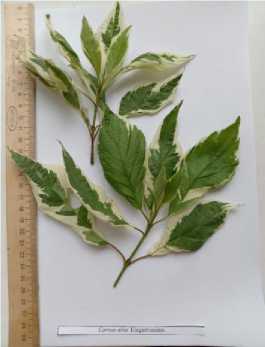
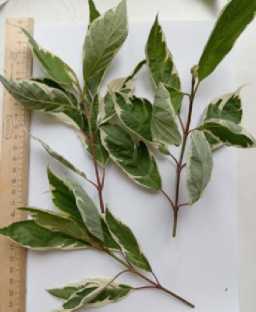
При анализе бело-пестрых пород установлено, что из сортов деренов, входящих в коллекционный фонд лаборатории декоративных растений, ‘Ivory Halo’ самый низкорослый, окраска листовой пластинки с широкой белой каймой,
‘Elegantissima’ отличается от ‘Argenteo-marginata’ более широкой полосой белого цвета, ‘Sibirica Variegata’ – с ослабленным ростом и эффектной розово-фиолетовой окраской листьев осенью, ‘Miracle’ – с выраженным розовым оттенком бело-пестрых листьев (рис. 2).
Сорт с желто-пестрыми листьями ‘Gouc-haultii’ отличается от сорта ‘Spaethii’ более широкой желтой полосой по краю листа и яркой многоцветной осенней окраской (рис. 3).
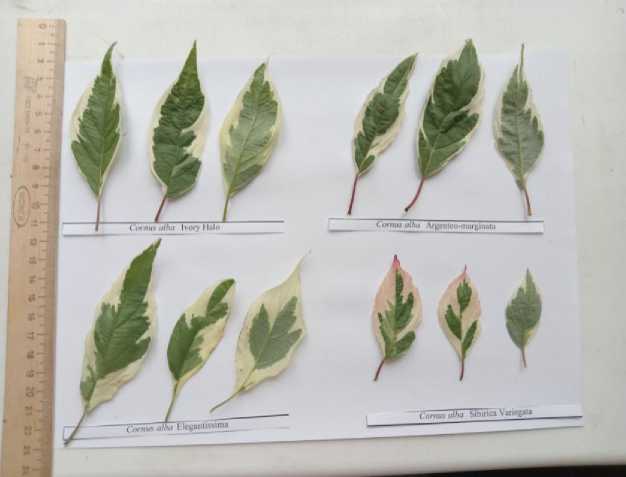
Рис. 2. Некоторые пестролистные формы из коллекции лаборатории декоративных растений ( ‘ Ivory Halo ’ , ‘ Elegantissima ’ , ‘ Argenteo-marginata ’ , ‘ Sibirica Variegata ’ )
Some variegated forms from the collection of the laboratory of ornamental plants ( ‘ Ivory Halo ’ , ‘ Elegantissima ’ , ‘ Argenteo-marginata ’ , ‘ Sibirica Variegata ’ )
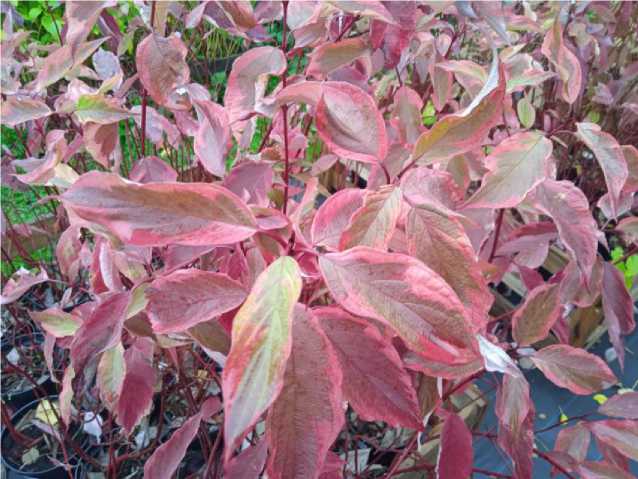
Рис. 3. Окраска листовых пластинок у сорта ‘ Gouchaultii ’ Coloration of leaf blades in the variety ‘ Gouchaultii ’
Окраска молодых побегов у различных представителей рода Cornus – важный признак для оценки декоративности, позволяющий поддерживать высокую привлекательность композиций в период с момента массового листопада до распускания листьев. Для упрощения анализа мы взяли за основу четыре основных цвета – красный, желто-зеленый, оранжевый и черный.
При анализе коллекционного фонда лаборатории декоративных растений ГБС РАН было изучено распределение такого признака, как окраска побегов зимой (табл. 5). Было установлено, что преобладающий тип – красный (65 % от общего объема выборки), остальные выражения признака представлены единично.
Таблица 5
Представители исследуемых сортов с наиболее яркой окраской побегов Representatives of the studied varieties with the brightest color of shoots
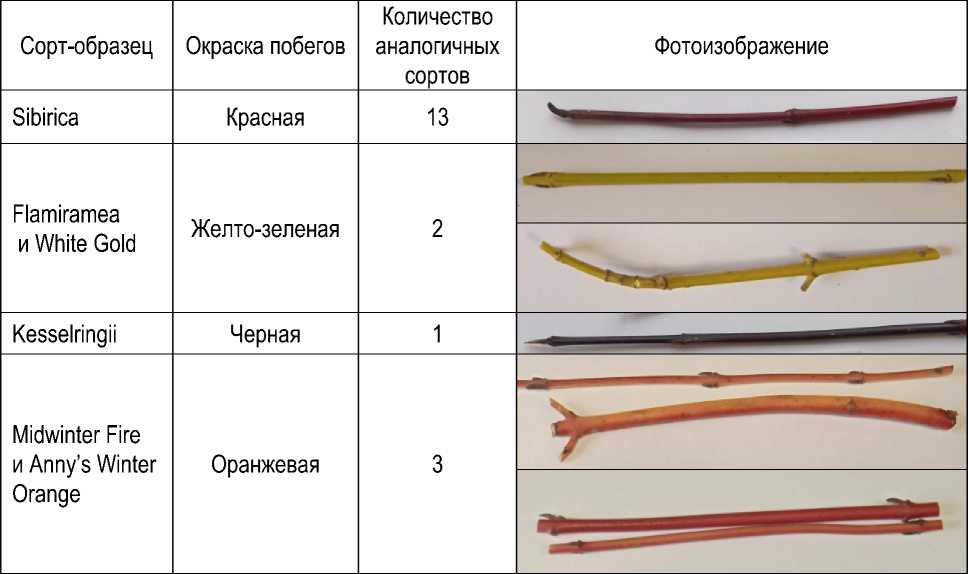
Необходимо отметить, что цвет побегов C. alba красный, поэтому единственный сорт с черными побегами ‘Kesselringii’ является редким исключением. Сорта C. sanguinea обладают яркой двух-трехцветной окраской молодых побегов, в отличие от природного вида, у которого побеги красной окраски. Зеленая и желтая ок- раска побегов выявлена только у сортов C. sanguinea и C. stolonifera.
Сравнительный анализ показал, что в современном коллекционном фонде лаборатории декоративных растений ГБС РАН недостаточно представлены сорта с зеленой окраской побегов C. stolonifera (12 сортов) и оранжевокрасные C. sanguinea (8 сортов) (табл. 6).
Таблица 6
Окраска побегов сортов различных видов – сравнительный анализ мирового сортимента с коллекцией лаборатории декоративных растений Coloring of shoots of varieties of various species – a comparative analysis of the global assortment with the collection of the laboratory of ornamental plants
|
Окраска |
C. alba |
C. stolonifera |
C. sanguinea |
|||
|
Имеется в коллекции |
В мировом сортименте |
Имеется в коллекции |
В мировом сортименте |
Имеется в коллекции |
В мировом сортименте |
|
|
1 |
2 |
3 |
4 |
5 |
6 |
7 |
|
Красные |
13 |
20 |
– |
12 |
– |
– |
|
Оливковожелтые, желтые |
– |
– |
2 |
3 |
– |
|
|
Черные, коричневые |
1 |
1 |
– |
– |
– |
– |
|
Зеленые |
– |
– |
– |
1 |
1 |
1 |
Окончание табл. 6
|
1 |
2 |
3 |
4 |
5 |
6 |
7 |
|
Оранжевокрасные, трехцветные |
– |
– |
– |
1 |
3 |
11 |
|
Итого |
14 |
21 |
2 |
17 |
4 |
12 |
Сравнительный анализ показал, что в современном коллекционном фонде лаборатории декоративных растений ГБС РАН недостаточно представлены сорта с зеленой окраской побегов C. stolonifera (12 сортов) и оранжевокрасные C. sanguinea (8 сортов) (рис. 4).
■ Красные ■ Оливково-желтые, желтые
■ Черные, коричневые ■ Зеленые
■ Оранжево-красные, трехцветные
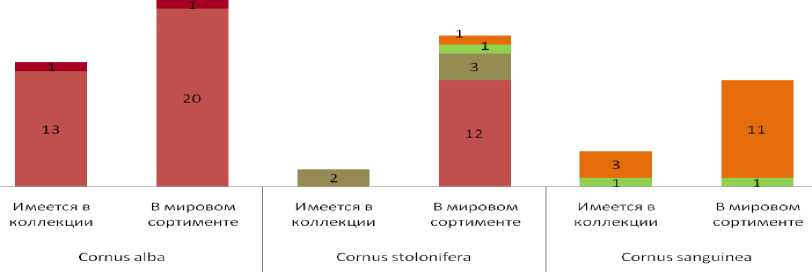
Рис. 4. Сравнительный анализ сортов по окраске побегов (мировой сортимент/коллекция лаборатории декоративных растений) Comparative analysis of varieties by shoot color (world sorting/collection of the laboratory of ornamental plants)
Такие параметры, как размер и форма кроны, у большинства декоративных сортов дерена отличаются незначительно. Формировка кустов помогает содержать эту культуру в заданных параметрах, однако сорта с карликовой или необычной для вида кроной мы выделили от- дельно (‘Compressa’ – узкая колонновидная крона, ‘Regnzam’ – компактная небольшая крона). В рамках данного исследования был проведен сравнительный анализ состава коллекционного фонда лаборатории декоративных растений с мировым сортиментов (рис. 5).
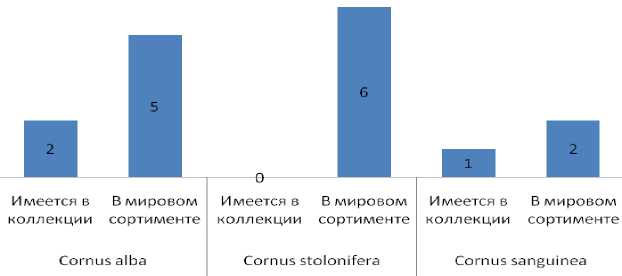
Рис. 5. Форма кроны сортов различных видов – сравнительный анализ мирового сортимента с коллекцией лаборатории декоративных растений
The crown shape of varieties of various species is a comparative analysis of the global assortment with the collection of the laboratory of ornamental plants)
В рамках исследования была проведена оценка декоративности сортов на основе использования четырех параметров признаков: окраски побегов и листьев, а также формы и размера кроны. Результаты оценки декоративности исследуемых сортов представлены в таблице 7.
Таблица 7
|
Наименование |
Побеги зимой |
Листовая пластинка |
Габитус |
Форма кроны |
Общий балл |
|||
|
окраска |
балл |
окраска |
балл |
высота |
балл |
балл |
||
|
1 |
2 |
3 |
4 |
5 |
6 |
7 |
8 |
9 |
|
C. alba |
||||||||
|
Aurea |
Красные |
1 |
Желтые, в тени зеленеют |
2 |
До 2,5 м |
1 |
1 |
5 |
|
Argenteo-marginata |
Красные |
1 |
Бело-пестрые |
3 |
До 3 м |
1 |
1 |
6 |
|
Baton Rouge |
Красные |
1 |
Зеленые с волнистым краем, голубоватая нижняя часть листа |
1 |
До 2 м |
1 |
1 |
4 |
|
Gouchaulti |
Красные |
1 |
Зеленые с белыми, розовыми и красными пятнами |
3 |
До 3 м |
1 |
1 |
6 |
|
Elegantissima |
Красные |
1 |
Бело-пестрые |
3 |
До 2,5 м |
1 |
1 |
6 |
|
Ivory Halo |
Красные |
1 |
Бело-пестрые |
3 |
До 2,0 м |
1 |
1 |
6 |
|
Kesselringii |
Черно-коричневые весь сезон |
2 |
Темно-зеленые снизу сизоватобелые, немного морщинистые |
1 |
До 3 м |
1 |
1 |
5 |
|
Miracle |
Красные |
1 |
Трехцветные зеленые с белорозовой каймой |
3 |
До 2 м |
1 |
1 |
6 |
|
Regnzam |
Красные |
1 |
Темно-зеленые с красным |
2 |
До 1,2 м |
2 |
1 |
6 |
|
Siberian Pearls |
Коралловые |
1 |
Зеленые |
1 |
До 2 м |
1 |
1 |
4 |
|
Sibirica |
Красные |
1 |
Зеленые |
1 |
До 3 м |
1 |
1 |
4 |
|
Sibirica Variegata |
Красные |
1 |
Бело-пестрые |
3 |
До 2 м |
1 |
1 |
6 |
|
Spaethii |
Красные |
1 |
Желто-пестрые, молодые с персиковым оттенком |
3 |
До 3 м |
1 |
1 |
6 |
|
Westonbirt |
красные |
1 |
Зеленые |
1 |
до 2,5 м |
1 |
1 |
4 |
Окончание табл. 7
|
C. stolonifera |
||||||||
|
Flaviramea |
желтозеленые |
2 |
зеленые |
1 |
до 3 м |
1 |
1 |
5 |
|
White Gold |
оливковожелтые |
2 |
бело-пестрые |
3 |
до 3 м |
1 |
1 |
7 |
|
C. sanguinea |
||||||||
|
Anny’s Winter Orange |
оранжевокрасные |
3 |
зеленые |
1 |
до 2,5 м |
1 |
1 |
6 |
|
Midwinter Fier |
оранжевожелтокрасные |
3 |
зеленые |
1 |
до 2 м |
1 |
1 |
6 |
|
Winter Beauty |
желтооранжевокрасные |
3 |
зеленые |
1 |
до 2 м |
1 |
1 |
6 |
|
Compressa |
красновато-бурые |
1 |
зеленые, сморщенные, густо на побеге, не цветет |
1 |
до 1,5 м |
2 |
2 |
6 |
Оценка декоративности исследуемых сортов Assessment of the decorative value of the studied varieties
В результате проведенной оценки было установлено, что наивысший балл (7 баллов) получил всего 1 образец (5 % от общего объема выборки) – C. stolonifera ‘White Gold’, наибольшее количество образцов (12 образцов – 60 % от общего объема выборки) получили 6 баллов – сорта
C. sanguinea ‘Anny’s Winter Orange’, ‘Compressa’, ‘Midwinter Fier’, ‘Winter Beauty’, сорта C. alba ‘Argenteo-marginata’, ‘Gouchaulti’, ‘Elegantissima’, ‘Ivory Halo’, ‘Miracle’, ‘Regnzam’, ‘Sibirica Variegata’, ‘Spaethii’ (рис. 6).
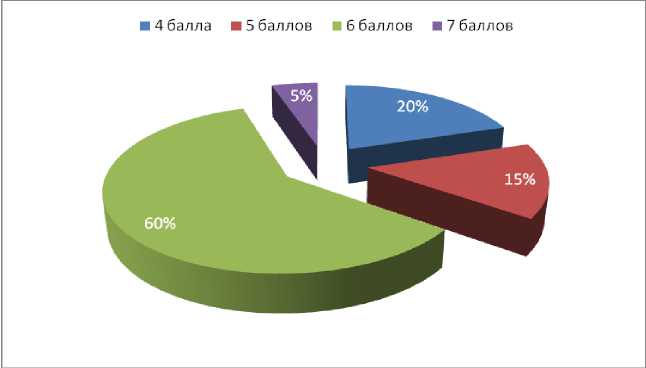
Рис. 6. Результаты оценки декоративности исследуемых образцов The results of the assessment of the decorativeness of the studied samples
По итогам проведенной оценки декоративности было выявлено, что не все сорта, обладающие уникальными признаками, получили в итоге максимальные баллы. К примеру, сорт ‘Kesselringii’ получил 5 баллов, тогда как у него есть признаки, которые в рамках указанной выборки уникальны. Это объясняется тем, что для подобных сортов выявлен лишь 1 уникальный, отличный от природного вида, параметр. На основании этого решено было разделить объекты исследования на биоморфитипы, с целью выявления уникального набора признаков.
В ходе исследования было выделено 11 биоморфотипов. Сорта со сходными призна- ками были объединены в 4 группы со сходными биоморфотипами, где их отличия выражены в меньшей степени.
Биоморфотип 1: бело-пестрые листья и красные побеги (‘Argenteo-marginata’, ‘Elegantis-sima’, ‘Ivory Halo’, ‘Sibirica Variegata’).
Биоморфотип 2: зеленые листья и красные побеги (‘Baton Rouge’, ‘Siberian Pearls’, ‘Sibirica’, ‘Westonbirt’).
Биоморфотип 3: желто-пестрые листья и красные побеги ‘Gouchaultii’, ‘Spaethii’.
Биоморфотип 4: зеленые листья и желто-оранжево-красные побеги (‘Anny’s Winter Orange’, ‘Midwinter Fier’, ‘Winter Beauty’).
В рамках проведенного исследования было установлено, что у ряда сортов в рамках исследуемой выборки выявлен уникальный набор признаков, и по своим характеристикам они не могут быть отнесены ни к одному из 4 биомор-фотипов, представленных выше. На основании этого было выделено еще 7 биоморфотипов, которые включают в себя только один сорт. В рамках коллекционного фонда лаборатории декоративных растений эти сорта резко отличаются от других. И выделение этих биоморфо-типов и может служить диагностическим признаком сорта.
Биоморфотип 5: золотистые листья летом , контраст с красными побегами (‘Aurea’).
Биоморфотип 6: темно-зеленые листья, побеги черно-коричневые весь сезон (‘Kessel-ringii’).
Биоморфотип 7: зелено-бело-розовые листья , к осени пурпурно-розовые, красные побеги (‘Miracle’).
Биоморфотип 8: карликовая крона , красные и зеленые листья летом, побеги красные (‘Regnzam’).
Биоморфотип 9: колонновидная форма кроны , листья, густо сидящие на побегах, (‘Compressa’).
Биоморфотип 10: бело-пестрые листья и оливковые побеги (‘White Gold’).
Биоморфотип 11: желто-зеленые побеги и зеленые листья (‘Flaviramea’).
Примечание : полужирным шрифтом выделены уникальные в рамках данной выборки признаки.
Заключение. В ГБС РАН впервые в открытом грунте создана коллекция деренов, демонстрирующая достижения мировой селекции, являющаяся полигоном для испытания новых сортов в городских условиях.
Проведен анализ сортов, полученных на основе C. alba , C. sanguinea , C. stolonifera и встречающихся в мировой культурной флоре. Выявлено более 50 сортов, при этом в коллекцию лаборатории декоративных растений включено 20 сортов, что составляет 40 % от мирового сортимента и подтверждает репрезентативность коллекции.
Проанализированы декоративные качества культуры по окраске побегов и листьев. Сравнительный анализ показал, что в современном коллекционном фонде лаборатории декоративных растений ГБС РАН недостаточно представлены сорта с зеленой C. stolonifera (12 сортов) и оранжево-красной C. sanguinea (8 сортов) окраской побегов.
Предложена оценка декоративности исследуемых образцов деренов по следующим параметрам: окраска побегов, окраска листовых пластинок, форма и размер кроны. Установлено, что наивысший балл (7 баллов) получил всего 1 образец – C. stolonifera ‘White Gold’, 6 баллов получили сорта C. alba ‘Argenteo-marginata’, ‘Gouchaulti’, ‘Elegantissima’, ‘Ivory Halo’, ‘Miracle’, ‘Regnzam’, ‘Sibirica Variegata’, ‘Spaethii’, а также сорта C. sanguinea ‘Anny’s Winter Orange’, ‘Compressa’, ‘Midwinter Fier’, ‘Winter Beauty’.
Выявлены 11 биоморфотипов, из которых 4 – широко представлены в коллекционном фонде и 7 биоморфотипов с уникальным в рамках данного исследования набором признаков.
