
Анализ причин диспаритета цен на первичном и вторичном рынках жилья Российской Федерации
Журнал: Теория и практика общественного развития @teoria-practica
Рубрика: Экономика
Статья в выпуске: 7, 2026 года.
Бесплатный доступ
Целью работы является выявление причин ценового «разрыва» между первичным и вторичным рынками жилой недвижимости. Для ее достижения проведен анализ статистических данных, отражающих динамику цен на жилую недвижимость за период 1998–2025 гг.; выявлены причины неравномерности динамики цен на первичном и вторичном рынках в исторической ретроспективе; определены факторы, приводящие к разнице цен, и проведен анализ их совокупного влияния. По результатам исследования среди внешних факторов, обусловивших неравномерность изменений выделены: общая экономическая ситуация, введение программ государственной поддержки, переход на проектное финансирование и введение эскроу-счетов. Систематизированы преимущества и недостатки первичного и вторичного рынков для покупателей. Обозначены проблемы количественного учета степени влияния отдельных факторов на ценовую ситуацию. Результаты исследования могут быть полезны для покупателей при принятии решения на рынке, застройщиков, органов государственного регулирования.
Короткий адрес: https://sciup.org/149151847
IDS: 149151847 | УДК: 332.85 | DOI: 10.24158/tipor.2026.7.11
Analysis of the Causes of Price Disparity on the Primary and Secondary Housing Markets of the Russian Federation
The study aims to identify the causes of the price “gap” between the primary and secondary residential real estate markets. To achieve this, the authors conducted an analysis of statistical data reflecting the dynamics of residential real estate prices over the period from 1998 to 2025, identified the reasons for the uneven price trends in the primary and secondary markets from a historical perspective, determined the factors leading to price differences, and analyzed their combined impact. The study reveals the external factors causing the uneven nature of these changes: the overall economic situation, the introduction of state support programs, the shift to project financing, and the implementation of escrow accounts. The article systematizes the advantages and disadvantages of the primary and secondary markets for buyers and outlines the challenges associated with quantifying the impact of specific factors on pricing. The findings may prove useful to buyers making market decisions, developers, and state regulatory bodies.
Текст научной статьи Анализ причин диспаритета цен на первичном и вторичном рынках жилья Российской Федерации
Байкальский государственный университет, Иркутск, Россия, ,
,
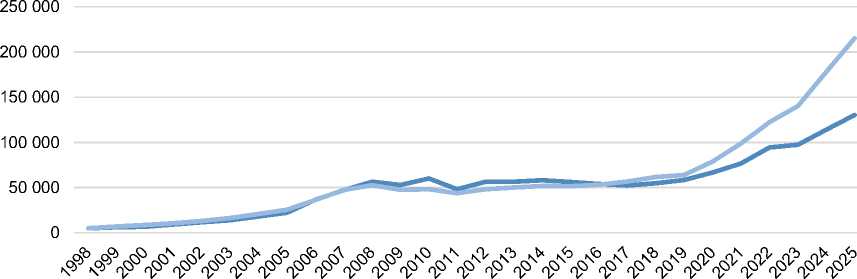
Введение. В настоящее время на рынке жилой недвижимости сложилась парадоксальная ситуация, выражающаяся в наличии значительного ценового «разрыва» между первичным и вторичным рынками. Так, в IV квартале 2025 г. средняя цена 1 м2 по категории «Все типы квартир» на первичном рынке составляла 215 282 руб., а на вторичном – 130 359 руб.1 Таким образом, абсолютная разница цен достигла 84 923 руб., относительная – 65,15 % (данные в целом по Российской Федерации).
Непосредственно изучению ценовых факторов, влияющих на ценообразование вторичного и первичного рынков посвящены работы И.Р. Бадыковой (Бадыкова, 2025), Я. Рощиной, А. Литвиновой (Рощина, Литвинова, 2026).
Такой ценовой диспаритет наблюдался далеко не всегда. Стоит обратить внимание на тот факт, что ценовые изменения на первичном и вторичном рынках, хотя и однонаправленны, но отличаются своей динамикой, изменения на первичном рынке происходят быстрее. Исследователи отмечают, что «при сравнении двух рынков выявилась интересная закономерность: временные эффекты оказались более значимыми для первичного рынка» (Бадыкова, 2025: 96).
Динамика цен в целом по Российской Федерации отражена на рис. 1, составленном по категории «Все типы квартир» по данным на конец соответствующего года.
Годы
■■■■вСредняя цена 1 м² на вторичном рынке
«■■■■■а»Средняя цена 1 м² на первичном рынке
Рис. 1 . Динамика средней цены 1 м2 первичного и вторичного рынков недвижимости за период 1998–2025 гг.1
Fig. 1 . Dynamics of the Average Price per 1 m2 on the Primary and Secondary Real Estate Markets for the Period of 1998–2025
В результате разной скорости изменений в период с 1998 по 2005 гг. первичный рынок был дороже вторичного, при этом разница цен являлась умеренной и составляла около 10–15 %, лишь в 2000 г. она доходила до 31 %. В 2006–2007 гг. цены практически сравнялись, а с 2008 по 2016 гг. «вторичка» была дороже «первички», максимально – на 19 % (в 2010 г.). Лишь в 2017 г. цены первичного рынка вновь вышли вперед, а начиная с 2020 г. разрыв в стоимости объектов недвижимости начал стремительно нарастать.
История российского рынка жилой недвижимости . Чтобы выявить причины описанных выше изменений, необходимо обратиться к истории российского рынка жилой недвижимости. Период 1900 – начала 2000 гг. характеризовался крайне небольшими объемами жилищного строительства, в это время нередко имели место ситуации, когда на территории крупных городов с населением в сотни тысяч человек вводились в эксплуатацию лишь 1–2 многоквартирных дома (МКД) в год, а в малых и средних городах не строилось практически ничего. В таких условиях любая новостройка воспринималась потенциальными покупателями как эксклюзивный объект, имеющий элитный статус, за который можно и нужно заплатить больше, чем за объект на вторичном рынке. Новостройки на тот момент имели и выгодные отличия в виде нового архитектурного стиля, удобства планировок, больших площадей. На фоне непрезентабельного вида объектов вторичного рынка с подъездами, требующими ремонта, и устаревшими планировочными решениями они выглядели привлекательно для потенциальных покупателей.
Следующий этап развития рынка был связан с запуском в 2005 г. национального проекта «Доступное и комфортное жилье – гражданам России»2, который предполагал реализацию двух основных идей: формирование платежеспособного спроса за счет развития ипотеки и увеличение объемов ввода жилья в эксплуатацию. Причем ипотека развивалась опережающими темпами: был принят Закон об ипотеке (залоге недвижимости)1, созданы благоприятные макроэкономические условия для выдачи ипотечных кредитов в виде относительно низких темпов инфляции и кредитных ставок, на этом фоне банки начали запускать ипотечные программы, а количество выдаваемых кредитов стремительно росло. В то же время увеличение ввода жилья в эксплуатацию требовало существенно большего времени, необходимого для роста производства строительных материалов, техники, да и просто в силу длительности строительного цикла. На фоне такого несоответствия возник диспаритет растущего спроса и недостаточного предложения, который сопровождался значительным ростом стоимости жилья. Так, в период с 2005 по 2008 гг. цены вторичного рынка увеличились более чем в 2,5 раза, первичного – более чем в 2 раза. В силу того, что объемы строительства, начиная с 2006 г. все-таки начали расти, вторичный рынок «дорожал» опережающими темпами, и в 2006–2007 гг. стоимость жилья на нем стала сопоставима с ценами первичного рынка.
Следующий этап развития рынка жилой недвижимости начался с кризиса 2008 г., после которого вплоть до 2016–2017 г. цены стагнировали, а временами и падали. Экономический кризис нашел свое отражение и в строительной отрасли: для 2009–2010 гг. было характерно банкротство большого количества застройщиков, сопровождавшееся заморозкой реализуемых ими проектов. Такая проблема возникла как из-за снижения цен первичного рынка, в результате которого проекты, запущенные на пике цен 2006–2007 гг., оказались экономически неэффективными, так и из-за недоступности заемных средств по причине роста процентных ставок в период кризиса.
Большое количество обманутых дольщиков не могло не снизить доверие покупателей к первичному рынку жилья, что в условиях растущих объемов ввода квадратных метров в эксплуатацию привело к превышению цен на «вторичку» стоимости объектов первичного рынка недвижимости, которое сохранялось до 2016 г. Такая ситуация сложилась и в силу некоторых особенностей финансовых взаимоотношений между покупателями и продавцами первичного жилья. Схема финансирования сделки на тот момент выглядела следующим образом: покупатель – «дольщик», приобретая жилье на начальных этапах реализации строительного проекта обеспечивал его финансирование, а застройщик компенсировал ему заморозку денежных средств на период строительства, предоставляя скидку по сравнению с ценами готовых объектов. Таким образом, у покупателя появлялась возможность приобрести жилье несколько дешевле вторичного рынка (принимая на себя риск недостроя), а у застройщика – привлечь финансовые ресурсы для реализации проектов, минуя систему банковского кредитования.
Начиная с 2017 г. цены первичного рынка вновь превысили цены вторичного. Основной причиной такого изменения тенденции выступает введение государственной поддержки нового строительства посредством субсидирования процентных ставок по ипотеке. Т.А. Красноштанова указывает на важность влияния процентных ставок на разницу цен новостроек и вторичного рынка: «На данном этапе рыночного ценообразования строящееся жилье стоит дороже построенного, этому соответствует ряд факторов. Прежде всего высокая ключевая ставка и большое предложение на вторичном рынке» (Красноштанова, 2025: 347). В сравнительном анализе рынков жилой недвижимости России, Казахстана и Республики Беларусь, проведенном В.Н. Бердниковой, отмечается: «Динамика цен на первичном и вторичном сегментах рынка жилья в рассматриваемых странах однонаправленная: фазы рецессии и роста наблюдаются в одни и те же периоды времени, но отличаются масштабами» (Бердникова, 2024: 37). Это можно объяснить тем, что в России были введены программы массовой льготной ипотеки, что вызвало быстрые ценовые изменения, а в других странах таких мер принято не было.
Первой программой льготной ипотеки выступила «Семейная ипотека», первоначально запущенная в 2018 г. и предполагавшая выдачу кредитов на новостройки по ставке 6 %. Эта программа действует и в настоящее время, хотя ее условия неоднократно менялись. В апреле 2020 г. в качестве антикризисной меры по преодолению последствий пандемии коронавируса была начата реализация массовой программы льготного кредитования приобретения новостроек, распространявшейся на всех потенциальных покупателей без ограничения по количеству приобретаемых объектов, и именно с 2020 г. стал резко нарастать ценовой разрыв между объектами недвижимости в пользу первичного рынка. Несмотря на то, что программа безадресной льготной ипотеки прекратила свое действие в июле 2024 г., ценовой дисбаланс наблюдается до сих пор, поскольку действующие льготные программы (семейная, региональная ипотека, ипотека для IT-специалистов) распространяются в первую очередь на первичный рынок. Более того, из-за очень высокого уровня рыночных процентных ставок, действующих на вторичном рынке, этот дисбаланс только увеличился.
Еще одним фактором, способствующим превышению цен новостроек над стоимостью объектов вторичного жилого фонда, выступило введение проектного финансирования и переход на эскроу-счета при приобретении первичного жилья с 1 июля 2019 г. В рамках реформы были предусмотрены различные варианты взаимоотношений застройщика и банка, например, в исследовании В.В. Пуховой (Пухова, 2021) рассматривается 9 стратегий осуществления строительства в рамках проектного финансирования в зависимости от наличия собственных средств у застройщика, возможности сокращения сроков строительства, сроков начала реализации строящегося жилья. Однако помимо того, что практически все такие схемы способствовали повышению себестоимости строительства за счет включения в схему финансирования банка и сопутствующих этому расходов в виде процентов за пользование кредитными средствами, у застройщиков пропала необходимость предоставления существенных скидок покупателям на первых этапах строительства. Более того, сегодня зачастую возникает парадоксальная ситуация, когда застройщик продает готовое жилье дешевле строящегося.
В целом, на ценовую ситуацию оказывает влияние множество факторов и характеристик объекта, на что указывают в своей работе Н.Г. Новикова, Т.И. Кубасова (Новикова, Кубасова, 2023). Необходимо отметить, что помимо внешних факторов, обусловливающих тенденции развития рынка недвижимости, ценовой разрыв может быть обусловлен также качествами самих объектов и особенностями получения прав на них. Например, А. Сироткин, А.Э. Романова, А.В. Скорин отмечают изменение структуры спроса над жилье под воздействием демографического фактора (Сироткин и др., 2020).
Также достаточно популярным является изучение процесса ценообразования в рамках гедонистического подхода (Lancaster, 1966), который предполагает, что покупатель оценивает объект исходя из набора актуальных для него характеристик объекта – как внутренних, так и внешних, включая местоположение и инфраструктуру. В рамках гедонистического подхода в исследовании Я.Р. Магнуса и А.А. Пересецкого предлагается учитывать при моделировании и прогнозировании цен такие факторы, как площадь квартиры, удаленность ее размещения от центра населенного пункта, доля кухни в общей площади жилья, расположение на крайних этажах, расстояние до станции метро (Magnus, Peresetsky, 2010). М.В. Боченина (Боченина, 2022) предлагает в качестве переменных для определения цен использовать три группы характеристик: особенности жилья, инфраструктуры и экологические параметры.
Таблица 1 . Анализ совокупного воздействия основных факторов на привлекательность объектов первичного и вторичного рынков 1
Table 1. Analysis of the Combined Impact of the Main Factors on the Attractiveness of Objects on the Primary and Secondary Markets
|
Фактор, влияющий на цену |
Первичный рынок |
Вторичный рынок |
||
|
позитивное влияние |
негативное влияние |
позитивное влияние |
негативное влияние |
|
|
1 |
2 |
3 |
4 |
5 |
|
Степень износа |
Износ отсутствует |
На вторичном рынке имеются объекты с незначительным износом |
Возможна высокая степень износа |
|
|
Риск |
Низкий риск совершения сделки |
Риск несвоевременного завершения или незавершения строительства |
Отсутствие риска незавершения строительства |
Риск совершения сделки |
|
Соответствие современным стандартам архитектурнопланировочных решений |
Соответствие |
Многие объекты не соответствуют |
||
|
Соответствие мест общего пользования современным стандартам и их качество |
Соответствие, высокое качество и хорошее состояние |
На вторичном рынке есть объекты современной постройки с хорошим качеством мест общего пользования |
Несоответствие, низкое качество, часто неудовлетворительное состояние |
|
|
Наличие дополнительных факторов, повышающих качество проживания |
Присутствуют во многих проектах |
Присутствуют в недавно построенных МКД |
Отсутствуют в большинстве МКД старой постройки |
|
1 Составлено автором.
Продолжение таблицы 1
|
1 |
2 |
3 |
4 |
5 |
|
Соответствие инженерных коммуникаций и приборов регулирования и учета современным требованием |
Соответствие |
Соответствие в домах свежей постройки |
Несоответствие в МКД старой постройки |
|
|
Возможность применения льготных программ финансирования и государственной поддержки |
Возможность имеется для отдельных категорий граждан и регионов |
Крайне ограниченная возможность для населенных пунктов без нового строительства |
||
|
Наличие и развитость инфраструктуры |
Возможно размещение отдельных объектов непосредственно в МКД |
В крупных проектах инфраструктура нуждается в длительном развитии |
Расположение МКД на территории, с развитой инфраструктурой |
|
|
Наличие и уровень отделки |
Большинство объектов без отделки |
Большинство объектов с отделкой |
Часто встречается отделка плохого качества или в плохом состоянии |
|
|
Уровень цен |
Существенно выше вторичного рынка |
Существенно ниже первичного рынка |
||
|
Ставки по ипотечным кредитам |
Существенно ниже вторичного рынка с учетом субсидий государства и застройщиков |
Существенно выше первичного рынка в условиях высокой ключевой ставки |
||
|
Срок заселения или начала получения рентного дохода |
Длительный в силу особенностей строительного цикла и времени на отделку, дополнительные неудобства, связанные с «обживанием» МКД и района |
Обычно есть возможность заселиться сразу в обжитой дом и район |
||
|
Социальная среда |
Обычно однородная социальная среда из обеспеченных соседей |
Есть вероятность неоднородной социальной среды в объектах, в которых часть квартир предоставляется на некоммерческой основе |
Риск столкнуться с соседством социально неблагополучных граждан |
|
|
Общее количество воздействий различного характера |
10 |
6 |
9 |
10 |
Причины диспаритета цен между первичным и вторичным жильем . Для достижения цели исследования нам важно установить причины диспаритета цен между первичным и вторичным жильем. Они кроются в отличиях между двумя категориями объектов недвижимости.
Среди преимуществ и недостатков новостроек и вторичного жилья есть как поддающиеся количественному измерению, например, цена, процентная ставка по ипотеке, износ, затраты на ремонт, так и не поддающиеся (социальная среда, соответствие современным требованиям, удобство проживания и т. п.). Кроме того, первичный и вторичный рынки далеко неоднородны: среди новостроек встречаются объекты разных классов в зависимости от уровня отделки, а вторичный рынок вообще представлен многообразием объектов: начиная с квартир в домах постройки XIX в. и заканчивая сданными 1 год назад. Из-за наличия такой проблемы, в работе Я. Рощиной, А. Литвиновой (Рощина, Литвинова, 2026) под разрывом цен подразумевается разница в стоимости двух квартир, идентичных по основным характеристикам, но отличающихся по принадлежности к типу рынка (первичный или вторичный).
Количественная оценка степени влияния всего комплекса позитивных и негативных факторов представляет собой очень сложную задачу, поскольку измерению поддаются не все из них. Однако мы имеем возможность увидеть общую картину, систематизировав выявленные преимущества и недостатки и осуществив подсчет их количества (таблица 1.).
Общее количество факторов, оказывающих позитивное воздействие на первичный рынок, превалирует (10 против 6); для вторичного, напротив, преобладают негативные влияния (10 против 9).
Стоит отметить, что часть преимуществ вторичного рынка характерна только для домов свежей постройки (4 из 9). Собственно, таблица 1 наглядно отражает причины возникшего ценового разрыва между новостройками и вторичным жильем. Однако возникает вопрос о том, чем обусловлена его величина. Для ответа на этот вопрос требуется провести анализ степени влияния факторов, поддающихся количественному учету, что составляет перспективы нашего исследования.
Заключение . В последние десятилетия рынок жилой недвижимости претерпел значительные изменения, что привело к разрыву в ценах между первичным и вторичным рынками. С 1998 г. наблюдается явная неравномерность в динамике цен: в то время как первичный рынок демонстрирует рост, вторичный – часто сталкивается с колебаниями, связанными с экономическими кризисами и изменениями в законодательстве. Экономические кризисы и рецессии, такие как в 2008 г., влияют на покупательную способность граждан и, следовательно, определяют спрос на жилье. Первичный рынок, как представляется, более устойчив к экономическим потрясениям благодаря государственной поддержке и действующим программам субсидирования. Кроме того, с переходом к проектному финансированию и введением эскроу-счетов застройщики стали более ответственными в отношении завершения строительства и качества жилья. Это повышает доверие покупателей к первичному рынку, что также способствует повышению цен на новостройки.
Для покупателей выбор между первичным и вторичным рынками часто становится дилеммой. Так, к преимуществам первичного рынка можно отнести новизну жилого фонда и современную инфраструктуру, возможность выбора планировки и отделки. Однако при этом жилье первичного рынка имеет более высокую цену по сравнению с вторичным рынком жилья, а его приобретение сопровождается рисками, связанными с задержками в строительстве. Объекты вторичного рынка недвижимости более доступны гражданам по цене, как правило, находятся в «обжитых» районах, где имеется вся необходимая инфраструктура, однако все они требуют ремонта, могут иметь скрытые недостатки и устаревшую планировку. Все это определяющим образом сказывается на процессе формирования цены рынка недвижимости, как первичного, так и вторичного.
Результаты проведенного исследования подчеркивают важность понимания причин разрыва в ценах между первичным и вторичным рынками жилой недвижимости. Знание ключевых факторов влияния может быть полезно как покупателям при принятии решений о приобретении жилья, так и застройщикам и государственным регулирующим органам, стремящимся создать более сбалансированный и устойчивый рынок жилья в России. Однако количественное измерение влияния указанных факторов на стоимость объектов недвижимости разного уровня ученым еще только предстоит осуществить.
