
Between Personalization and Surveillance: the Influence of Digital Marketing on Modern Consumers
Journal: Social Informatics Journal @socialinformaticsjournal
Article in issue: 2 vol.4, 2025.
Free access
This study examines the impact of digital marketing on consumer behavior and broader social processes, focusing on the role of digital platforms, algorithms, personalization, influencer marketing, and peer recommendations. A quantitative and descriptive approach was employed using an online questionnaire consisting of thirty questions organized into eight thematic sections, distributed in November 2025 to a sample of 130 respondents, primarily younger adults actively using the internet and digital platforms. The results indicate that respondents are aware of personalized advertisements and data collection practices, and those with higher awareness of data processing are more likely to perceive that algorithms influence their purchasing decisions. Peer recommendations, such as reviews and comments, were found to have a stronger influence on purchasing behavior than influencer promotions, highlighting the importance of perceived credibility and authenticity. The study also reveals that personalization and algorithmic content selection shape consumer engagement and trust, raising ethical concerns regarding privacy, surveillance, and the balance of power between platforms and users. These findings suggest that digital marketing is not only a commercial tool but also a social phenomenon that affects decision-making, information interpretation, and social norms. Future research should explore long-term effects of personalized content, cultural and demographic variations, and the impact of regulations and ethical standards on user perception and platform behavior.
Similar articles in the section Business management, administration. Commercial organization
Short address: https://sciup.org/170211469
IDS: 170211469 | UDC: 658.8:004.738.5]: 659.113.25 | DOI: 10.58898/sij.v4i2.86-97
Text of the scientific article Between Personalization and Surveillance: the Influence of Digital Marketing on Modern Consumers
The development of the internet and digital technologies over the past three decades has brought significant changes in the ways people communicate, access information, and make purchasing decisions. In this context, digital marketing has become a key component of the economic and communication infrastructure of modern society, where algorithms, personalization, and the datafication of human behavior shape decision-making processes.
-
*Corresponding author: Milica Njegovan Gužvica, milica.njegovan@famns.edu.rs
(cc) © © 2025 by the authors. This article is an open access article distributed under the terms and conditions of
the Creative Commons Attribution (CC BY) license .
This paper, combining theoretical and empirical approaches, examines the impact of digital marketing on consumer behavior and broader social processes. It focuses particularly on the role of digital
the Influence of Digital Marketing on Modern Consumers. Social informatics journal, Vol. 4, No. 2 , 86-97 platforms, algorithms, and targeting models, as well as on how personalization, influencer marketing, and peer recommendations influence purchasing decisions.
To this end, an empirical study was conducted using a survey questionnaire to assess the extent to which respondents notice personalized advertisements, how much they trust them, how they perceive digital recommendations, and to what degree digital marketing affects their consumer habits. The significance of this study lies in providing insight into contemporary behavioral patterns in digital environments and contributing to a better understanding of the relationship between technology, marketing, and society.
Theoretical Background: Digital Society and Surveillance Capitalism
The digital society represents a contemporary stage of social development in which digital technologies, data, and algorithmic systems become key intermediaries in almost every aspect of social life. Its development has been marked by the transformation of the internet from a relatively open, decentralized network based on information exchange into a global, highly commercialized infrastructure dominated by large digital platforms. In this environment, users’ digital interactions are increasingly viewed as sources of economic value rather than merely as means of communication or access to information.
Shoshana Zuboff conceptualizes this new socio-economic order as surveillance capitalism, which she defines as “a new economic order that unilaterally claims human experience as free raw material for translation into behavioral data” (Zuboff, 2019). Unlike industrial capitalism, whose primary raw materials were nature and human labor, surveillance capitalism relies on human experience—users’ digital activities, emotions, locations, habits, and choices. These data are not used solely to improve services but to build predictive models that anticipate and guide future behavior.
Such a system generates a pronounced asymmetry of knowledge and power: while digital companies possess detailed insights into user behavior, users themselves have limited understanding of how their data are collected, processed, and utilized. Zuboff emphasizes that this structure is “fundamentally anti-democratic”, because “they know everything about us, while we know almost nothing about them or what they know” (Zuboff, 2019). Digital platforms, therefore, do not remain neutral intermediaries but act as active agents shaping perceptions, preferences, and behavioral patterns within the digital environment.
Platforms as the Infrastructure of Digital Marketing
Platform companies such as Google, Meta, and Amazon occupy a central position in the contemporary digital ecosystem, managing the technical infrastructure, information flows, and content visibility. These platforms function as “gatekeepers,” algorithmically determining which content users see, in what order, and in what context, thereby directly influencing patterns of attention and preference (Asadullah et al., 2018). Thanks to network effects and the accumulation of vast amounts of data, platform companies have become highly indispensable actors within the digital society (Neittaanmäki et al., 2016).
Within this system, digital marketing increasingly relies on automated, predictive, and personalized decision-making mechanisms. As Dwivedi et al. (2021) emphasize, the future of marketing is closely linked to algorithmic targeting, real-time optimization, and the adaptation of user experiences in real time. Platforms thus do not merely mediate between brands and consumers; they actively shape the conditions under which these interactions occur.
the Influence of Digital Marketing on Modern Consumers. Social informatics journal, Vol. 4, No. 2 , 86-97
The Evolution of Marketing under Surveillance and Datafication
Transformations in marketing have occurred alongside changes in the ways data are generated, processed, and utilized in digital media. The shift from the early internet, characterized by limited interaction, to the Web 2.0 environment of social networks and platform mediation has led to the mass datafication of users’ everyday activities. In this context, marketing ceases to be a separate communication tool and becomes part of a broader technological infrastructure that directs and monetizes user attention (Dhir, 2020).
These changes manifest concretely through modern digital advertising mechanisms such as cookies, tracking pixels, and script codes, which allow for detailed analysis of user behavior, including searches, interaction duration, and content viewing history. Linking activities through unified accounts and continuous data from mobile devices enables the creation of coherent user profiles, while advertising is delivered through automated real-time bidding systems. In this way, marketing becomes part of a predictive infrastructure that optimizes content delivery according to the estimated likelihood of desired user responses (Mukhtar et al., 2023).
Legal Considerations in Digital Marketing
The widespread collection and processing of personal data in digital marketing raise significant legal and regulatory concerns. Privacy rights, consent, and data protection are central issues, as users often have limited understanding of how their data are collected, stored, and utilized. In many jurisdictions, legal frameworks such as the General Data Protection Regulation (GDPR) in the European Union establish obligations for transparency, accountability, and user control, requiring companies to inform users about data practices and obtain explicit consent for processing personal information (European Parliament and Council, 2016). These regulations aim to mitigate the power imbalance between digital platforms and individuals, ensuring that personal data are handled ethically and legally.
Beyond privacy, legal considerations also involve issues of consumer protection, algorithmic transparency, and liability. As digital marketing strategies become increasingly automated and predictive, the potential for manipulation or unfair targeting grows, raising questions about the limits of acceptable corporate influence on consumer behavior (Regulation (EU) 2016/679; European Data Protection Board, 2020). Ensuring compliance with legal standards requires not only adherence to existing regulations but also the development of new frameworks that address emerging challenges in algorithmic decision-making, targeted advertising, and cross-border data flows. In this context, law functions as a critical mechanism to safeguard individual rights and maintain trust in the digital ecosystem.
Brand Perception in the Digital Society
In the context of platform-mediated environments, brand perception is shaped through algorithmically controlled visibility and continuous interaction with users. A brand no longer functions as a static symbol but as a dynamic and adaptive system that evolves through personalized communication, data analysis, and learning from user interactions (Pascucci et al., 2023). Digital platforms play a key role in shaping brand identity, as they determine which messages, products, and content even have the opportunity to be seen (Srnicek et al., 2021; Asadullah et al., 2018).
At the same time, reviews, peer recommendations, and user-generated content become important factors in forming brand reputation and influencing purchasing decisions. Digital marketing impacts all stages of the consumer journey, from initial information gathering to post-purchase loyalty, where consumers increasingly act as co-creators of brand identity, while marketing tools function as mechanisms to orchestrate and amplify their voices (Mukhtar et al., 2023; Masfer et al., 2025).
Influencer Marketing as a Specific Form of Digital Influence
Influencer marketing represents a specific form of digital marketing that relies on social media, personal branding, and the dynamics of online communities. Instead of institutional authority, the key factor is the perception of authenticity and closeness that influencers cultivate with their audiences. Their influence is based on parasocial relationships, through which users develop one-sided emotional bonds with digital personalities, while the boundary between private and commercial content increasingly blurs (Nuseir, 2016).
Beyond commercial effects, influencers can play significant positive social roles, such as disseminating information of public interest and fostering a sense of belonging and support, particularly among younger and marginalized groups. However, their influence also carries serious risks, especially in the promotion of risky behaviors, idealized lifestyles, and non-transparent sponsored content. These risks are further amplified within the broader framework of surveillance capitalism, where “behavioral surplus” is used to predict and shape future consumer decisions (Zuboff, 2019). Therefore, understanding the real impact of influencers and personalized digital marketing is only possible through empirical investigation of user perceptions and experiences.
Research Design and Methodology
The study was conducted using a questionnaire consisting of 30 questions divided into eight thematic sections, aligned with the theoretical framework of the paper. The aim was to examine the impact of digital marketing on consumer behavior and purchasing habits, with particular attention to personalized advertisements and peer recommendations.
A total of 130 valid responses were collected through an online questionnaire created using Google Forms during November 2025, employing a random sampling method. The questionnaire was distributed via personal contacts and the Instagram social network, with respondents primarily younger adults who actively use the internet and digital platforms, reflecting the real environment in which digital marketing is most intensively applied.
The research methodology was quantitative and descriptive. The instrument was a standardized questionnaire with closed-ended questions, designed to facilitate completion and enable clear statistical analysis. The questions were organized into eight sections: basic demographic information, purchasing habits, perceptions of personalization and algorithms, digital marketing, influencer marketing, peer recommendations, privacy and surveillance, and expectations regarding future trends.
Data were analyzed both descriptively and statistically: the chi-square test of independence was used to examine relationships between categorical variables, while McNemar’s test was applied to compare paired categorical data.
the Influence of Digital Marketing on Modern Consumers. Social informatics journal, Vol. 4, No. 2 , 86-97
Results
Regarding socio-demographic characteristics, 66.2% of the participants in the study were female, while 33.8% were male. These results are consistent with findings from numerous online surveys, where women tend to participate slightly more frequently in studies related to consumer habits and digital media. In terms of age groups, the largest proportion of respondents belonged to the 25–34 age range (65.4%), followed by 18–24 years (17.7%), 35–44 years (14.6%), and the smallest proportion was in the 45–54 age group (2.3%). Older age groups, 55–64 and 65+, were not represented in the sample. This indicates that the study results primarily reflect the experiences of the working-age generation that grew up with the internet and digital media.
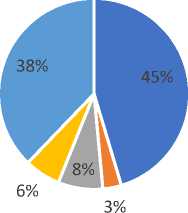
With regard to the frequency of online shopping, the largest percentage of respondents indicated that they shop online rarely (1–2 times per month), accounting for 46.2% of the sample. A slightly smaller proportion reported shopping occasionally (3–4times per month), while 13.9% shop frequently or very frequently online (once a week or more). Only 1.5% of respondents indicated that they never shop online (Figure 1).
-
■ 1-2 times per month
-
■ Never
-
■ Once a week
Several times a week
-
■ 3-4 times per month
Figure 1: How often do you purchase products or services online?
Online Shopping Habits
The subjective sense of security when shopping online is predominantly positive, with 73.4% of respondents feeling mostly secure, 18.8% feeling very secure, 7% feeling insecure, and only 0.8% feeling very insecure. These results indicate a high degree of normalization of online shopping, where the majority of users feel sufficiently confident to treat the internet as a standard consumption channel rather than an exception.
Regarding the most frequently purchased categories of products and services online, respondents most often cited clothing and footwear (71.1%). To a lesser extent, they reported purchasing food and beverages, household appliances and furniture, electronics, and cosmetics and personal care products. A significant proportion of respondents (50.8%) also purchase other products or services, such as travel, education, subscriptions, and similar items.
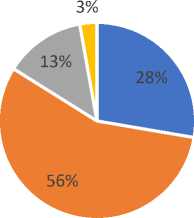
The primary motivation for shopping online, according to the respondents, is mostly convenience and time savings (46.1%). Less frequently cited reasons include lower prices (22.7%), a wider selection of products (18%), and better access to product information (10.9%). A smaller number of respondents mentioned specific reasons, such as the product being available exclusively online or the lack of suitable physical stores (2.3%) (Figure 2).
-
■ lower prices
-
■ time savings
-
■ product information
product being available exclusively
Figure 2: “What is your main reason for shopping online instead of in physical stores?”
Perceived Algorithmic Influence and Personalization
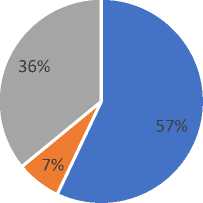
When asked whether they notice that online advertisements are tailored to their interests and activities, 57% of respondents reported noticing this very often, 35.9% sometimes, and only 7% rarely (Figure 3). At the same time, there is a visible level of concern regarding data collection for ad targeting: 43% reported moderate concern, 25% were very concerned, 21.9% slightly concerned, and 10.2% were not concerned at all.
-
■ Often
-
■ Rarely
-
■ Sometimes
Figure 3: “Do you notice that the ads you see online are tailored to your interests and activities?”
Nearly half of the respondents (43.8%) feel that ads often appear “too precise” or highly relevant, while 49.2% experience this occasionally. Only 5.4% say this happens rarely, and no respondents reported “never.” Regarding algorithmic influence on purchasing decisions, 37.5% believe algorithms have a moderate impact, 31.3% perceive little impact, 17.2% think there is no impact, and 14.1% consider the influence significant (Figure 4).
When asked which online marketing channels they notice most, social media was the dominant channel (94.5%), followed by influencer marketing (35.2%) and search engine ads like Google Ads (29.7%), while email marketing was less prominent (14.8%). SMS marketing was not observed at all. Compared to traditional advertising (TV, radio, print), a majority of respondents view digital campaigns as more effective: 70.3% consider online ads much more effective, 20.3% somewhat more effective, 7% see little difference, and only 2.4% believe traditional ads are more effective.
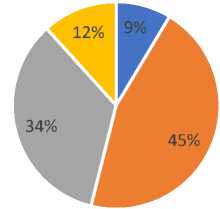
Regarding the influence of online marketing on consumer habits, 45.3% of respondents feel it has a moderate effect, 34.4% a minor effect, 11.7% a significant effect, and 8.6% perceive no impact at all
(Figure 4). Chi-square analysis revealed a statistically significant association between the perceived impact of digital marketing on purchasing habits and the perception that algorithms influence buying decisions (χ², p = 0.00059). Respondents who acknowledge the effect of digital marketing on their habits are more likely to perceive algorithmic influence, indicating that awareness of personalization affects perceptions of autonomy in shopping.
-
■ No influence
-
■ Moderate influence
-
■ Low influence
-
■ Signifant influence
Figure 4: “Does internet marketing influence your consumer habits?”
When it comes to brand perception, 50% of respondents believe online ads sometimes influence their opinions, 28.1% say rarely, 17.2% often, and 4.7% never. Regarding impulsive purchases after seeing online ads, 43.8% report this happens rarely, 29.7% never, 18% occasionally, and 8.6% frequently. McNemar’s test revealed a statistically significant difference in paired responses between perceived influence of digital marketing and impulsive buying behavior (p < 0.001). This indicates that respondents who perceive marketing influence show a different pattern of impulsive purchasing behavior compared to those who do not.
Influencer Marketing
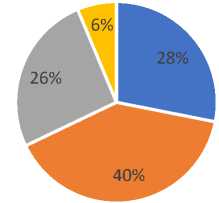
Influencer marketing represents one of the most visible segments of contemporary digital marketing, particularly on social media platforms. The results indicate a divided attitude among respondents: 41.4% sometimes pay attention to influencer product promotions, 28.1% do so rarely, 18.5% never, 7.7% often, and only 3.8% always pay attention to such content.
-
■ No, never
-
■ Yes, sometimes
-
■ No, but considered
-
■ Yes, often
Figure 5: “Have you ever purchased a product or service based on an influencer’s recommendation?”
Regarding reactions to influencer recommendations, the most common response was that respondents research the product but do not purchase it (40.0%), while others mostly ignore such content (23.1%) or do not pay attention at all (22.3%). Only 13.1% usually research and then purchase the product.
Levels of trust in influencer recommendations are notably low: 46.1% report low trust, 28.9% no trust at all, 24.1% partial trust, and only 0.8% express complete trust. Cosmetics and personal care products are the most commonly purchased categories based on influencer recommendations (42.2%), followed by clothing and footwear, food and beverages, electronics, travel, education, and subscriptions. Household appliances and furniture are the least influenced category (8.6%).
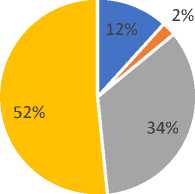
When asked what matters most in purchase decisions, 51.6% stated that seeing or trying the product in-store is most important, 34.4% indicated that none of the listed factors is decisive, 11.7% considered influencer recommendations and personal experience equally important, and only 2.3% identified influencer recommendations as the primary factor (Figure 6).
-
■ equally important
-
■ influencer
recommendations
-
■ none of the listed
seeing or trying the product in-storea
Figure 6: “What is more important to you when making a purchasing decision?”
Recommendations from Other Consumers
In contrast to influencers, recommendations from other consumers—such as reviews, forums, and comments—have a significantly stronger and more stable impact on respondents’ behavior. While influencer reviews are often part of promotional collaborations, consumer reviews usually originate from independent users sharing personal experiences through ratings, comments, or forums.
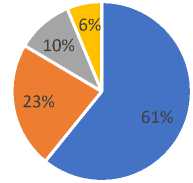
When asked whether they had ever purchased a product based on recommendations from other consumers online, 60.9% answered sometimes, 22.7% often, 10.2% had considered but not purchased, and only 6.3% never (Figure 7). Combined, 83.6% of respondents reported purchasing based on peer recommendations, nearly double the share of those influenced by influencers (46.1%).
-
■ Sometimes
-
■ Often
-
■ considered but not purchased
-
■ Never
Figure 7: “Have you ever purchased a product based on recommendations from other consumers online?”
Regarding review-reading habits, 46.9% always read reviews before online purchases, 29.7% often, 18% sometimes, while only a small minority rarely (3.9%) or never (1.6%) read reviews. Concerning their last two purchases, 40.6% stated that reviews had a moderate impact, 39.2% a significant impact, 7.7% a small impact, and 11.5% no impact.
Privacy, Data, and the Perception of Surveillance
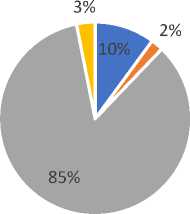
Perceptions of surveillance and data collection are highly pronounced. A majority of respondents (62.5%) believe that digital platforms excessively track their online activities, while 32.8% feel this is partially excessive. Only a small proportion believe platforms do not track them excessively (3.9%) or are unsure (0.8%) (Figure 8).
-
■ No
-
■ Unsure
-
■ Partially
-
■ Yes
Figure 8: Do you believe that digital platforms track your online activities too much?”
Regarding the amount of data collected, 46.1% report being partially bothered, 40.6% are bothered, 10.8% are not bothered, and 2.3% have no clear opinion. A strong subjective sense of being monitored is also evident: 53.1% feel observed while using the internet, 35.9% sometimes, while only a small share report rarely (7.8%) or never (3.1%) feeling monitored.
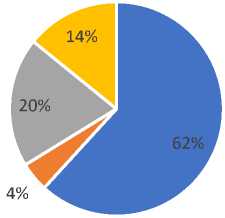
When asked whether data collection affects their purchasing decisions, most respondents indicated that it does so sometimes (44.5%) or rarely (31.3%), while fewer reported frequent influence (14.1%) or no influence at all (10.2%) (Figure 9).
-
■ Sometimes
-
■ Rarely
-
■ Yes, often
Never
Figure 9: “Do you believe that data collection influences your purchasing decisions?”
Expected Future Developments
Regarding future trends, 40.6% of respondents believe that their shopping habits will likely depend more on online promotions than physical stores, while 30.5% believe this will probably not happen. A further 22.7% are convinced it will certainly happen, and only 6.3% believe it certainly will not.
Similarly, when asked whether algorithms will have an increasing influence on their purchasing decisions in the coming years, most respondents answered affirmatively (yes: 19.5%; probably: 42.2%), while fewer believe this will probably not (29.7%) or not at all (8.6%) be the case (Figure 10).
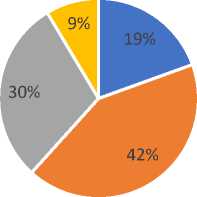
-
■ Yes
-
■ Probably
-
■ Probably not
Not at all
Figure 10: “Do you expect algorithms to have an increasing influence on your purchasing decisions in the coming years?”
Discussion
To gain a broader perspective on the findings, it is useful to identify consistent patterns across the sample. The participants are primarily younger adults (25–34 years) who shop online regularly and report feeling secure in their electronic purchases. The internet is used to purchase a wide range of goods and services, with convenience, time savings, and lower prices being the main motivations. These results confirm that the internet is perceived as a space of practicality, efficiency, and expanded choice, aligning with theoretical descriptions of the “digital consumer” in the contemporary platform economy (Saush et al., 2021).
The findings also indicate that consumer attention is increasingly shifting from traditional media to digital channels, particularly social media and algorithmically personalized content. Most respondents notice personalized advertisements and are aware that digital platforms track their activities, creating a sense of being “watched.” Online advertisements are generally perceived as more effective than traditional formats, and digital marketing has a moderate to significant influence on consumer habits and brand perception.
Overall, nearly 80% of respondents reported that peer reviews moderately or significantly influence their purchasing decisions. Consumer reviews, including website ratings and forums, are a major source of social influence in digital marketing. Influencer marketing primarily affects lifestyle-related categories, such as fashion, cosmetics, and travel, but trust in influencers is limited, and purchasing decisions are often based on personal experience or other sources. In contrast, peer recommendations and reviews have a strong and stable impact on consumer behavior. While users express concern about data collection and surveillance, they anticipate that online promotions and algorithmic targeting will have an even greater influence on their future shopping habits.
Conclusions and recommendations
Digital marketing today functions as a core mechanism of the digital society, relying on the collection and processing of user data, content personalization, and algorithmic guidance of attention. As Zub-off’s concept of surveillance capitalism explains, platforms such as Google, Meta, and Amazon turn user interactions into commercially valuable data, transforming digital marketing from a simple tool of market communication into a broader process of datafication, behavioral prediction, and monetization.
Empirical findings from Serbia indicate that users recognize personalized advertising and are aware that their data is collected. Those with higher awareness of data collection are more likely to believe that algorithms influence their purchasing decisions, while recommendations from other consumers, such as reviews and comments, are perceived as more credible than those from influencers. This underscores how digital marketing shapes not only consumer choices but also broader patterns of trust and perception.
Despite its benefits, digital marketing also raises social and ethical concerns. Algorithms rarely present neutral information, instead prioritizing content that maximizes engagement or commercial potential, which blurs the line between personalization and manipulation. Continuous monitoring and data processing have become normalized, highlighting the need for more transparent algorithms, stronger ethical standards, and regulatory measures that give users greater control over their personal data. From a legal perspective, the pervasive collection and processing of user data raise important questions about privacy rights, consent, and accountability. Strengthening regulations and ensuring that users have meaningful control over their personal information is essential to balance the power between digital platforms and individuals.
Future research could explore how these dynamics vary across cultural and demographic contexts and examine the long-term effects of personalized content on consumer behavior and social norms. A deeper understanding could also be gained by combining quantitative and qualitative approaches to capture both measurable trends and subjective experiences of surveillance. While this study provides insight into user perceptions in Serbia, its findings are shaped by the local context and the focus on self-reported experiences, suggesting that broader studies are needed to fully understand the global implications of digital marketing.
Conflict of interests
The authors declare no conflict of interest.
