
Effect of various treatments on seed germination and proline accumulation in Dolichandrone falcata (Wall. ex DC.) Seem
Journal: Journal of Stress Physiology and Biochemistry @jspb
Article in issue: 3 т.21, 2025.
Free access
Objectives: To study the effects of various treatments on seed germination of Dolichandrone falcata (Wall. Ex DC.) Seem. by using different substrates; and also, to study the accumulation of proline as a stress response to the given treatments.
Similar articles in the section Agriculture in general
Short address: https://sciup.org/143184730
IDS: 143184730
Text of the scientific article Effect of various treatments on seed germination and proline accumulation in Dolichandrone falcata (Wall. ex DC.) Seem
Traditional and Modern Medicine in India
India's use of medicinal plants dates back to ancient times, showcasing a seamless integration of traditional and modern healthcare systems. Organized systems like Ayurveda, Siddha, and Unani are deeply rooted in Indian culture, drawing from ancient texts to provide holistic treatments. These systems are regulated by government institutions and coexist alongside unorganized traditional practices, such as folk medicine Folk traditions vary across regions and incorporate local herbs, rituals, and remedies passed down through generations. This blending of ancient wisdom with contemporary medicine allows India to offer a holistic healthcare approach tailored to its diverse population.
An estimated 1,500 plant species are documented as medicinally significant in Ayurveda and Siddha, while about 7,500 species possess known medicinal properties (Ghanwat, 2020). However, plants grown in different geographical regions often exhibit variations in their chemical composition, affecting their potency ( allavarapu et al., 1995).
Medicinal Importance of Dolichandrone falcata (Wall. Ex DC.)
Among India’s various medicinal plants, Dolichandrone falcata (Wall. Ex DC.), is a small deciduous tree of the family Bignoniaceae. It holds a particular significance being its endemic occurrence in Indian states. It is locally called "Medhshingi" in the Vidarbha and arathwada regions of aharashtra. This vulnerable species (Trivedi et al., 2016) is known for its wide range of ethnomedicinal applications. The tree typically grows to a height of 15–20 feet, with compound leaves, fragrant white flowers, and sickle-shaped capsules that house numerous winged seeds (Cooke, 1908; Naik, 1998). Flowering occurs in April– ay.
The various parts of D. falcata (Wall. Ex DC.) are traditionally used to treat numerous ailments in both humans and animals. For instance, the leaf juice is used to manage diabetes, piles, rheumatism, joint pain, indigestion, menorrhagia, and leucorrhoea (Badgujar et al., 2016; Kirtikar & Basu, 1918; ali & Bhadane, 2011; Salve & Bhuktar, 2017). A steam bath with the leaves alleviate muscular pain and backache, while bark is employed as a fish poison. The bark is also being used in treating fractures by some people. A fruit decoction is used as an antifertility agent and abortifacient by tribal communities in aharashtra (Dhabhadkar et al., 2015).
Conservation Challenges and Need for Propagation
Despite its medicinal value, D. falcata (Wall. Ex DC.) faces significant threats. The tree’s propagation relies on its non-endospermic seeds (Cooke, 1908) which have low germination rates, hindering its natural distribution. Additionally, overexploitation for its medicinal properties has drastically reduced its wild population, placing it on the IUCN’s list of rare plants.
To ensure the survival of D. falcata (Wall. Ex DC.) conservation efforts must focus on mass propagation and habitat restoration. Propagation through seeds is cost-effective and efficient, yet limited research exists on improving germination rates. Studies by Trivedi et al (2016) achieved 41% germination using cocopeat and
20% using S basal medium, but more research is needed to optimize these methods. Artificial seed germination treatments and large-scale plantation programs are critical to reversing population decline. The physiological stress on seeds during germination, such as proline content in leaves, also warrants further investigation to refine conservation strategies.
MATERIALS AND METHODS
Study Area
A survey to locate D. falcata (Wall. ex DC.) Seem. was conducted on the campus of the Institute, within the University's arboretum, and in the vicinity of the Chhatrapati Sambhajinagar Caves. Among these sites, only two healthy plants were found growing on the mountainous terrain near the caves. The identification of the species was confirmed using standard botanical literature (Naik, 1998).
In April 2022, mature pods were collected from these plants and stored in sealed polyethylene bags to preserve their viability for subsequent experiments. The seeds were extracted from these pods, and only healthy seeds were selected for the germination studies.
Pre-Germination Treatments
To evaluate seed germination and vigour, a series of pre-germination treatments were applied to the healthy seeds of D. falcata (Wall. Ex DC.). The treatments included as Sodium Chloride (NaCl), Hot Water, Cold Water, agnesium Sulphate ( gSO₄), Dilute Sulphuric Acid (H₂SO₄), and Cow Urine ( Gomutra ). A control group using only water was maintained for comparative analysis.
Sodium Chloride (NaCl) Treatment
A 1% NaCl solution was prepared by dissolving 5 g of NaCl in 500 mL of distilled water. Seeds were soaked in this solution for 24 hours and subsequently sown in germination trays filled with substrates such as clayey soil, cocopeat, cow dung, leaf litter ash, leaf litter compost, and germination paper.
Hot Water Treatment
Seeds were immersed in hot water maintained at 700C for 5 minutes. The treatment duration was minimized to prevent damage to the seeds’ thin seed coat. Treated seeds were then sown in the prepared substrates.
Chilling Treatment
Seeds were subjected to chilling treatment at 40C for 48 hours before sowing in the respective substrates.
Magnesium Sulphate (MgSO₄) Treatment
A 1000 ppm gSO₄ solution was prepared by dissolving 0.500 g of gSO₄ in 500 mL of distilled water. Seeds were soaked in this solution for 24 hours before sowing.
Dilute Sulphuric Acid (H₂SO₄) Treatment
Seeds were exposed to a dilute H₂SO₄ solution for 5 minutes. The exposure duration was carefully controlled to avoid seed injury. Treated seeds were then planted in the designated substrates.
Gomutra (Cow Urine) Treatment
In this treatment, seeds were soaked in fresh cow urine for 48 hours before sowing in germination trays.
Control
Control experiments were performed using untreated seeds soaked in water to establish baseline germination rates and percentages.
Germination Experiment Setup
For all treatments, the substrate media were prepared and filled into germination trays. Seed germination papers were placed in separate plastic trays. Substrates included clayey soil, cocopeat, cow dung, leaf litter ash, and compost to assess the impact of growth media on germination performance.
Germination Percentages
The germination process was monitored every other day, with the number of seeds germinated recorded for each treatment. Key milestones, including the initiation and completion dates of germination, were documented Germination percentage and rate were calculated using the formula proposed by ( aguire, 1962):
_ , . _ /Number of Germinated Seeds \ .
Germination Percentage (%) — I — —- :---——:--- x 100
\ Total Number of Seeds /
Estimation of Proline in Plant Material
Proline accumulation in plants is widely recognized as a biochemical marker for stress, particularly under abiotic stress conditions like drought, salinity, and extreme temperatures.
Sample Preparation
The plant material was weighed to obtain 0.5 g of fresh leaf tissue. It was ground thoroughly using a mortar and pestle with 10 mL of 3% sulphosalicylic acid to extract proline. The homogenized solution was filtered using Whatman No. 2 filter paper to remove plant debris The clear filtrate was collected for further analysis.
Reaction Setup
A 2 mL aliquot of the filtrate was transferred into a clean test tube. An equal volume (2 mL) of glacial acetic acid was added, followed by 2 mL of acid ninhydrin reagent, and the mixture was thoroughly mixed. The reaction mixture was placed in a boiling water bath and heated for 60 minutes to allow the reaction to proceed After heating, the test tube was immediately placed in an ice bath to stop the reaction.
Extraction of Proline-Toluene Complex and Spectrophotometric Analysis
A 4 mL of toluene was added to the cooled reaction mixture. The solution was stirred vigorously for 30 seconds to facilitate the extraction of the prolineninhydrin complex into the organic phase. The mixture was allowed to settle, and the upper toluene layer was carefully separated. The absorbance of the toluene phase was measured at 520 nm using a spectrophotometer. The obtained values were compared with a standard proline curve for quantification.
RESULTS AND DISCUSSION
Morphological Characteristics of Seeds
The seeds of Dolichandrone falcata (Wall. ex DC.) Seem. exhibit distinct morphological features. Upon extraction from the dried pods, the seeds are whitish in colour, extremely lightweight, and equipped with membranous wings (Figure 1). These wings aid in wind dispersal, a key adaptation for the plant's reproductive strategy. Detailed measurements of the seeds revealed an average length of 2.5 mm, a width of 1.2 mm, and a weight of approximately 0.02 grams per seed. These characteristics highlight the seeds’ ability to be dispersed over significant distances while maintaining viability.
Seed Germination Studies
Seed germination of D. falcata (Wall. ex DC.) ( Figure 2 ) was meticulously observed daily after sowing in various substrate media. The data for each treatment and substrate was recorded separately to ensure clarity and precision in results, and are shown in Figure 3 & 4 at 7th and 14th days after sowing (DAS), respectively.
Sodium Chloride (NaCl) Treatment
The NaCl treatment exhibited highest seed germination rates among all the treatments. In clayey soil, seeds achieved a maximum germination of 95% on the 7th DAS, followed closely by cocopeat with a germination rate of 90%. This indicates the effectiveness of NaCl treatment in clayey soil and cocopeat substrates. In contrast, seed germination paper displayed a significant drop, recording only 5% germination under NaCl treatment. Control sets, devoid of treatment, demonstrated an 80% germination rate in cocopeat, highlighting the substrate’s inherent suitability for seed germination.
Hot Water Treatment
Hot water treatment, conducted at 700C for 5 minutes, resulted in a substantial germination rate of 90% in the cocopeat substrate, confirming its effectiveness. However, a sharp decline was observed in seed germination paper, which recorded only 10% germination. These results underscore the substrate's crucial role in determining the success of heat-based treatments.
Chilling Treatment
Seeds subjected to chilling treatment at 40C for 48 hours showed a germination rate of 65% in both cocopeat and leaf litter ash substrates. Interestingly, these substrates performed equally well, suggesting their compatibility with cold treatments. Seed germination paper, however, exhibited a maximum germination rate of only 25%, the highest for this substrate across all treatments but still significantly lower than other substrates.
Magnesium Sulphate (MgSO 4 ) Treatment
Under gSO4 treatment, seed germination rates varied widely, ranging from 10% to 80%, depending on the substrate. The highest germination rate of 80% was achieved in cocopeat and leaf compost substrates, indicating their adaptability to this treatment. Conversely, cow dung substrate proved unsuitable, with germination rates close to zero.
Sulphuric Acid (H 2 SO 4 ) Treatment
The application of H 2 SO 4 resulted in an average seed germination rate of 34% across most substrates. However, germination paper consistently underperformed, achieving only 5% germination, highlighting its limitations under acidic treatment.
Gomutra (Cow Urine) Treatment
Cow urine treatment was notably less effective compared to other methods. It showed a 35% germination rate in leaf litter compost and 10% in cocopeat, indicating limited efficacy.
Control
Control sets, devoid of chemical or physical treatments, generally exhibited lower germination rates compared to treated groups. The highest germination rate of 80% was recorded in the cocopeat substrate, followed by 65% in leaf compost. inimal germination of 5% was observed in both cow dung substrate and seed germination papers, underscoring their limited suitability without treatment.
Substrate Effectiveness
The analysis clearly identifies cocopeat as the most effective substrate, likely due to its excellent water retention, aeration properties, and nutrient availability. Leaf compost also performed well, potentially owing to its organic matter content and microbial activity, which may enhance seed germination. In contrast, cow dung and germination paper were least effective, likely due to insufficient aeration, water retention, or nutrient availability.
Treatment Efficacy
NaCl treatment emerged as the best pre-germination method, particularly in substrates like leaf compost and cocopeat. The osmotic potential induced by NaCl may stimulate enzymatic activity, enhancing germination. Hot water treatment was similarly effective in cocopeat, indicating that controlled thermal exposure could break dormancy and promote germination.
Limitations of Cow Urine and H 2 SO 4
Cow’s urine treatment consistently underperformed, possibly due to high nitrogen concentrations causing toxicity to seeds. Similarly, the corrosive nature of H 2 SO 4 might have damaged seed coats, leading to low germination rates.
Stress and Proline Accumulation Studies
The absorbance values at 520nm were analyzed across various substrates (e.g., Soil, Cocopeat, Leaf Ash, Cow dung) and treatments (e.g., Control, Cold Water, gSO 4 , Gomutra , Hot Water, NaCl, Dil. H 2 SO 4 ) The goal was to identify patterns in substrate responsiveness to different treatments.
The result in Figure 5 shows that NaCl had the highest mean absorbance (2.02±1.29) followed by Gomutra (Cow Urine) as 1.61±1.26, indicating their superior effectiveness in enhancing biological activity, likely due to their bioactive compounds. However, they also showed the highest variability, suggesting inconsistent results that may require standardization in their application. In contrast, Cold Water had the lowest mean absorbance (1.00±0.35), reflecting its limited impact, and the lowest variability, indicating consistent but minimal effects.
The substrates Cow dung and Leaf Ash consistently demonstrate higher absorbance values across treatments, indicating their effectiveness as substrates, while Soil generally shows lower absorbance (Figure 6) Cocopeat exhibits variable responses depending on the treatment. Among treatments, Gomutra and H₂SO₄ consistently result in higher absorbance values, whereas Cold Water shows the lowest absorbance. Notable combinations include Cow dung with Gomutra and Leaf Ash with H₂SO₄, both yielding elevated absorbance, while Soil with Cold Water shows minimal absorbance. These findings highlight the optimal combinations for promoting proline accumulation and emphasize the varying effectiveness of substrates and treatments.
The heatmap and interaction means were calculated (Figure 7) to study the synergistic effects of treatments and substrates on proline accumulation. The Cow dung and Leaf Ash emerged as the most effective substrates for proline accumulation, particularly under treatments like NaCl and Gomutra, which significantly enhanced their performance. In contrast, Cocopeat and Soil showed consistently lower proline accumulation, especially under treatments such as Cold Water and Control. Key synergistic combinations, such as Cow dung + NaCl and Leaf Ash + Gomutra, demonstrated the highest proline levels, highlighting their strong interaction. On the other hand, combinations like Soil + Cold Water and Cocopeat + Cold Water yielded minimal proline accumulation. These findings highlight the importance of selecting appropriate substrate-treatment combinations to optimize proline accumulation, with Cow dung and Leaf Ash being the most promising substrates under treatments like NaCl and Gomutra.
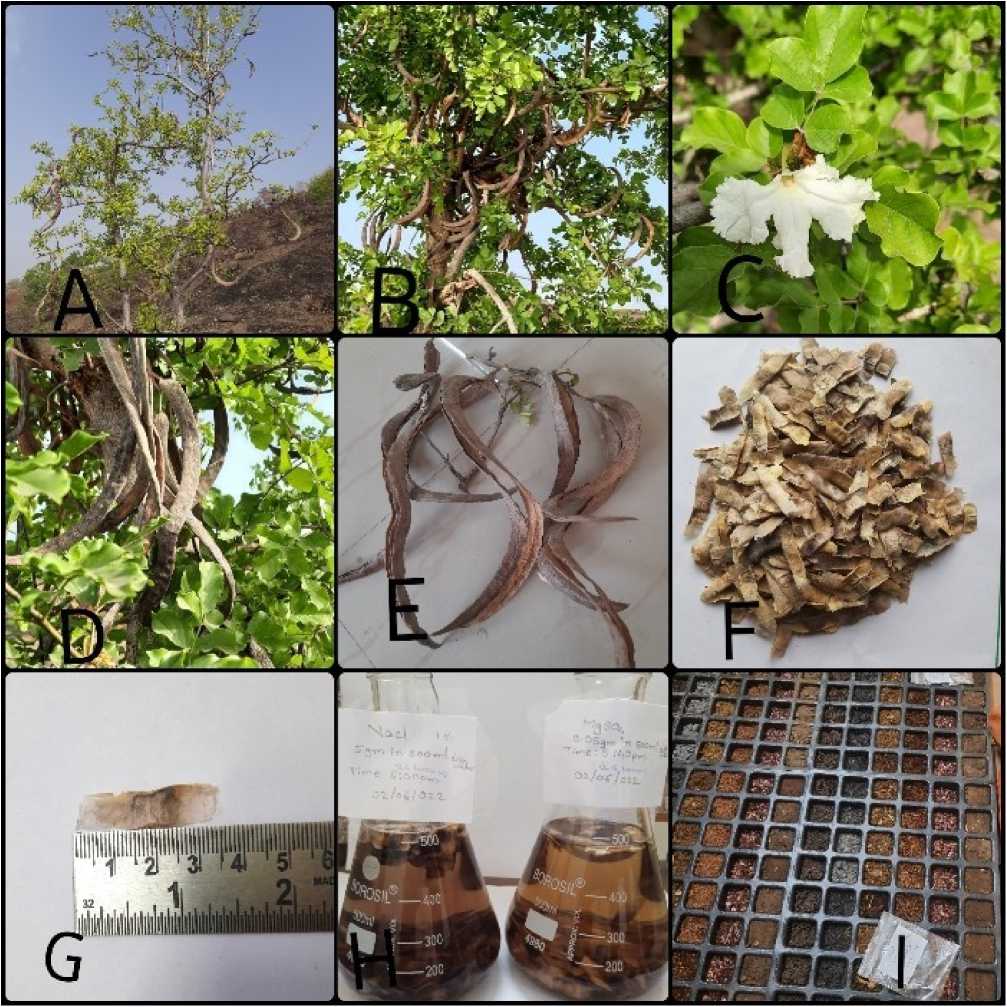
Figure 1. Dolichandrone falcata (Wall. Ex DC.) Seem.: (A) & (B) Habit; (C) flowering twig; (D) & (E) fruits; (F) seeds; (G) a single seed; (H) pre-germination treatments; and (I) seed germination tray filled with different substrates.
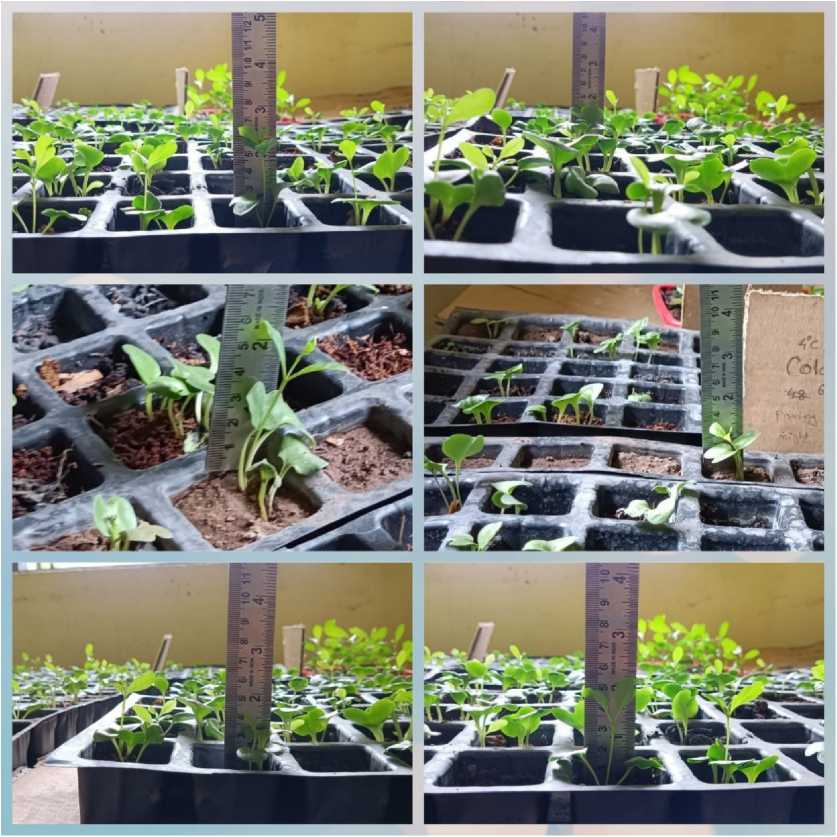
Figure 2. Plant height: 35 Days After Sowing: (A) NaCl treatment; (B) Hot water treatment; (C) gSO4 treatment; (D) Cold water treatment; (E) H 2 SO 4 Treatment, (F) Cow urine treatment; and (G) Control.
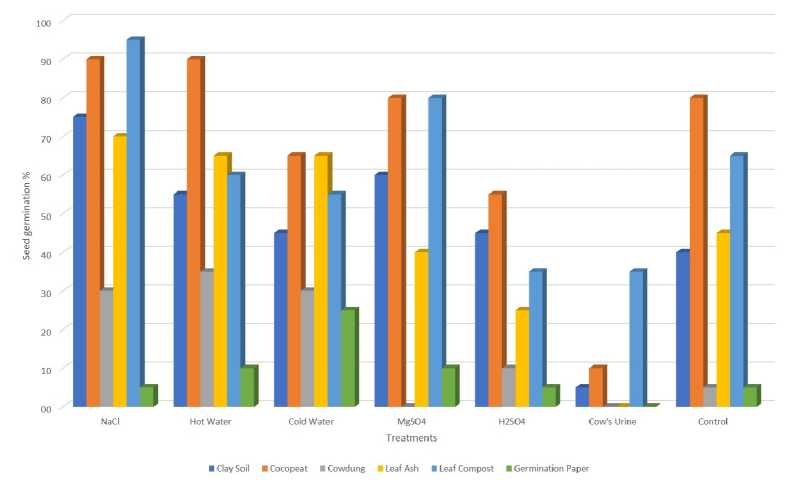
Figure 3. Average germination percentage on 7th Day After Sowing (DAS) for each treatment across all substrates
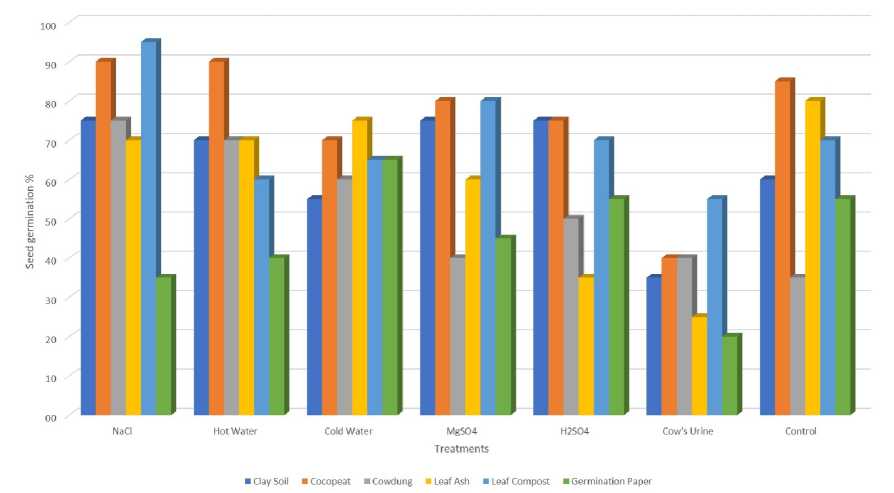
Figure 4. Seed germination percentage on 14th Day After Sowing (DAS ) for each treatment across all substrates
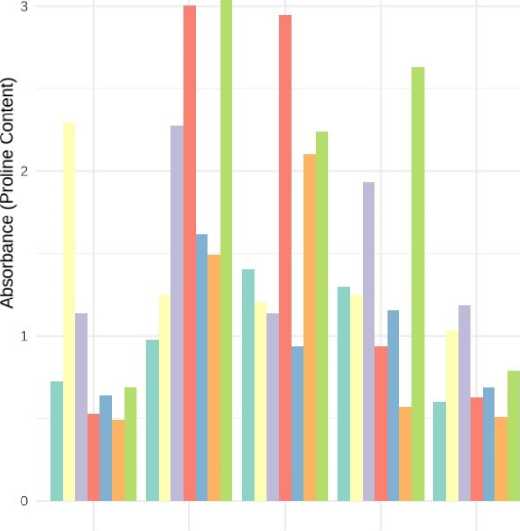
Treatment
Cold Water
Control (absorbance at 520nm)
Dil. H2SO4
Gomutra (Cow's Urine)
Hot water
MgSO4
NaCI
Figure 5. Grouped Bar Plot showing substrate-treatment combinations
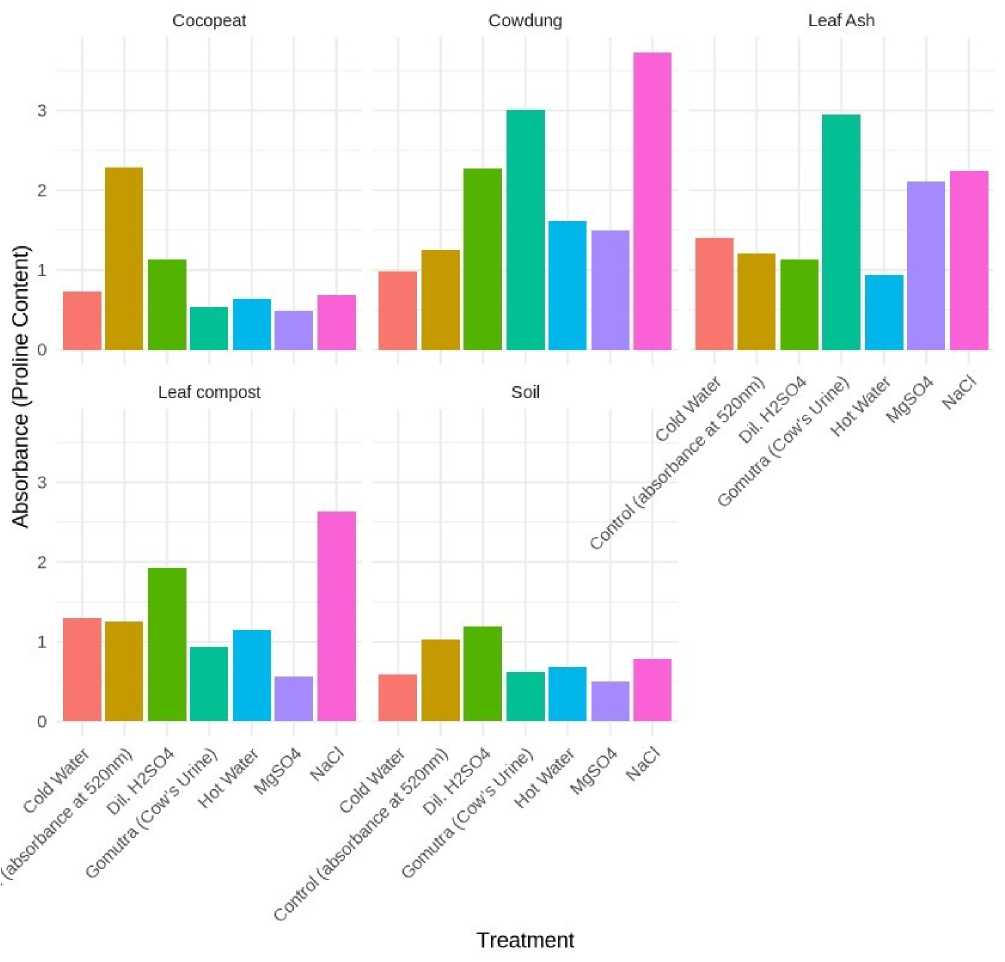
Figure 6. A Faceted Plot showing treatment effects for each substrate
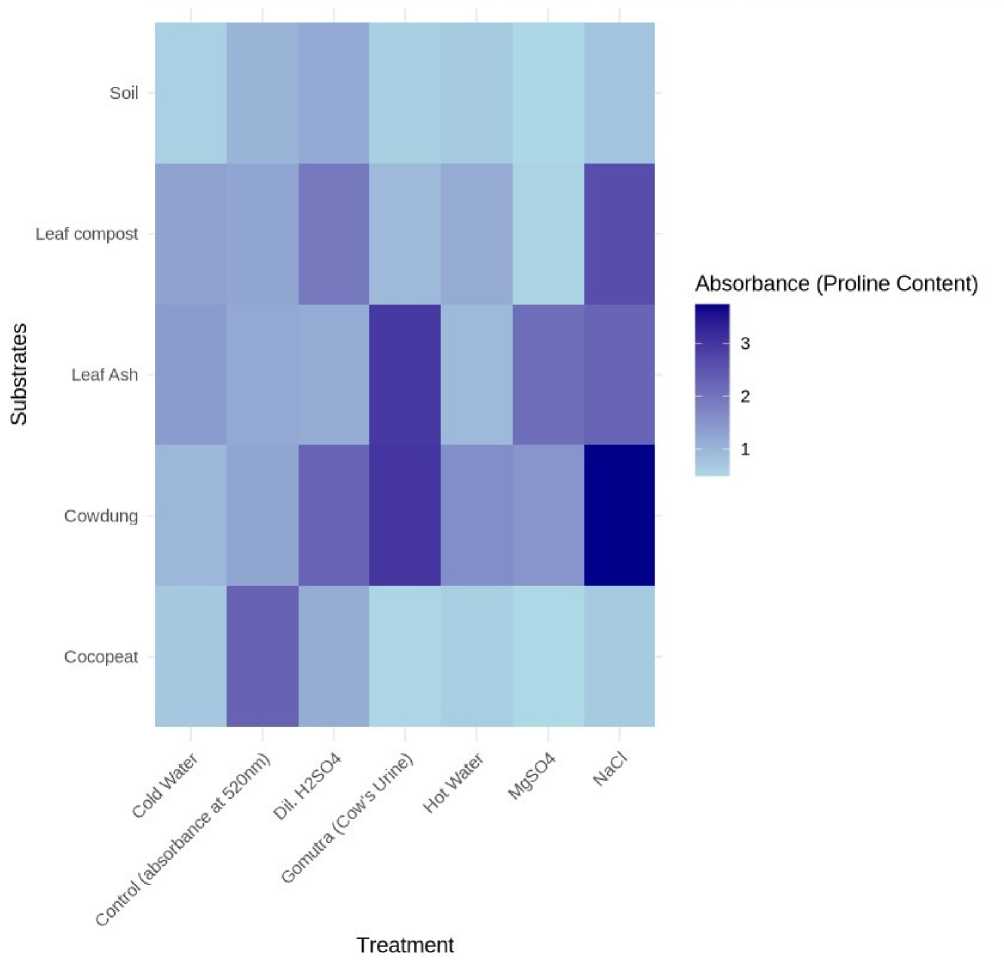
Figure 7. Heatmap of ean Absorbance (Proline Content) for Each Treatment-Substrate Combination
Cocopeat
Cowdung
Leaf Ash
Substrates
Leaf compost
Substrates
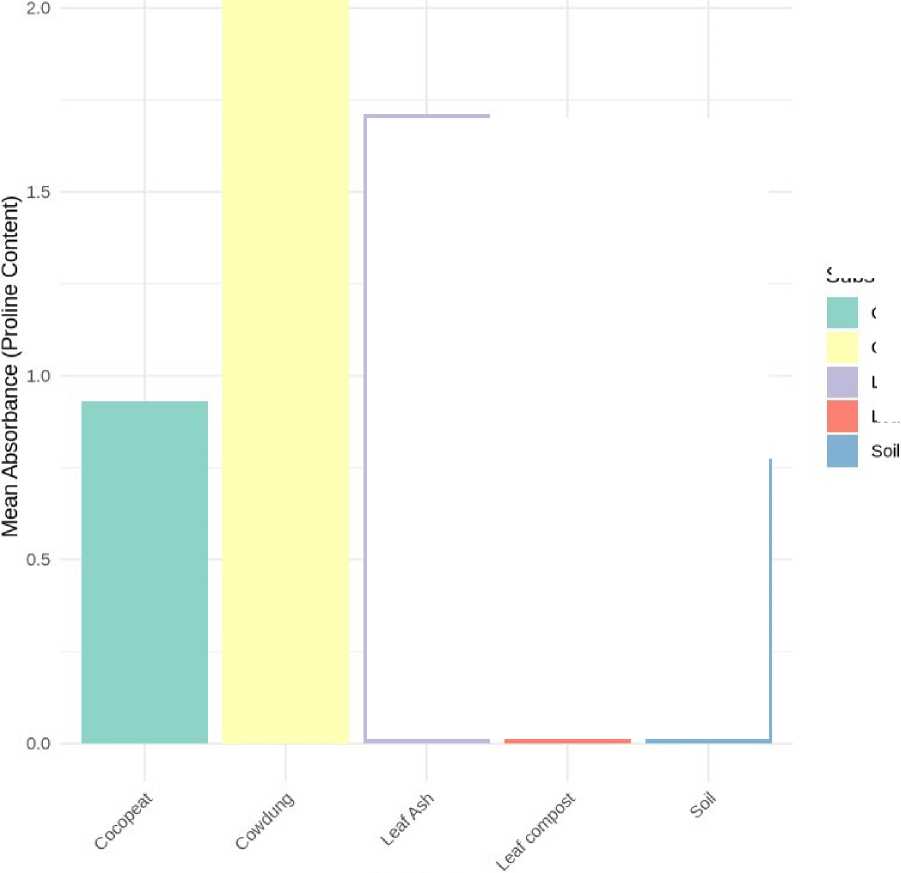
Figure 8. eanproline content across substrates (absorbance at 520nm)
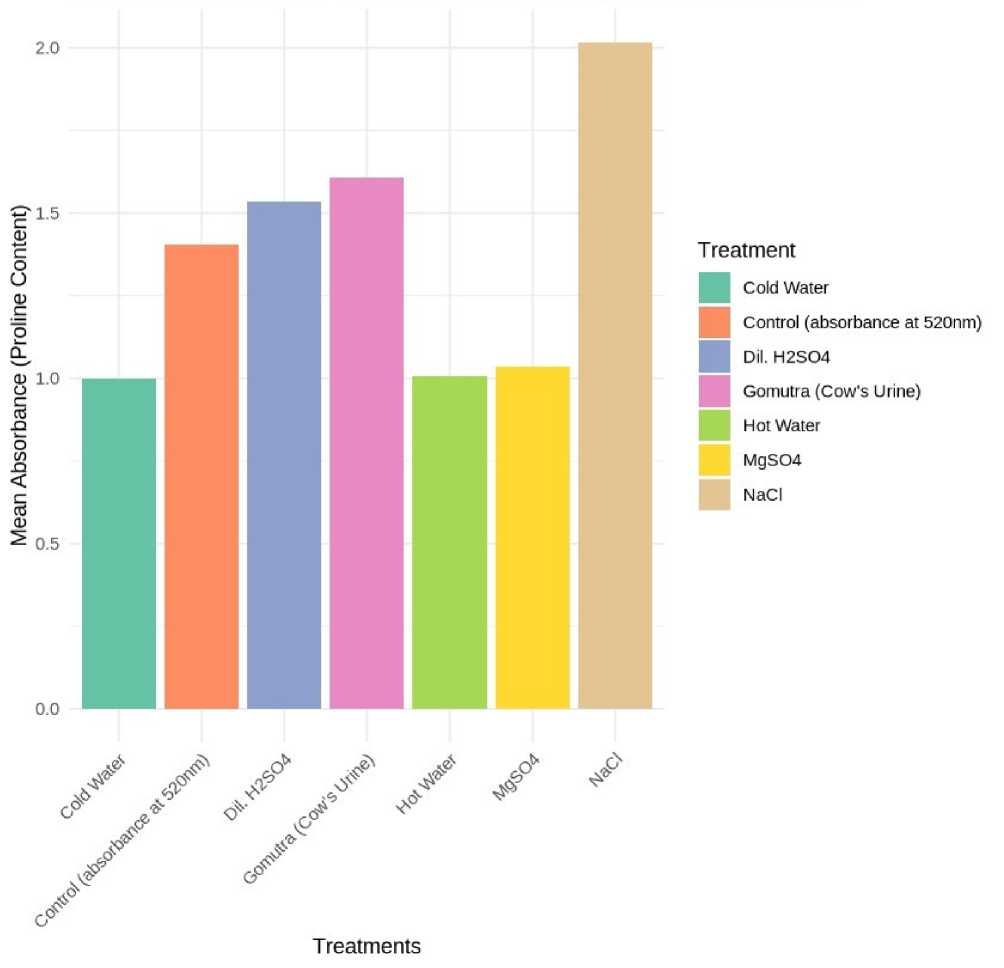
Figure 9. Relationship between stress (treatments) and proline accumulation
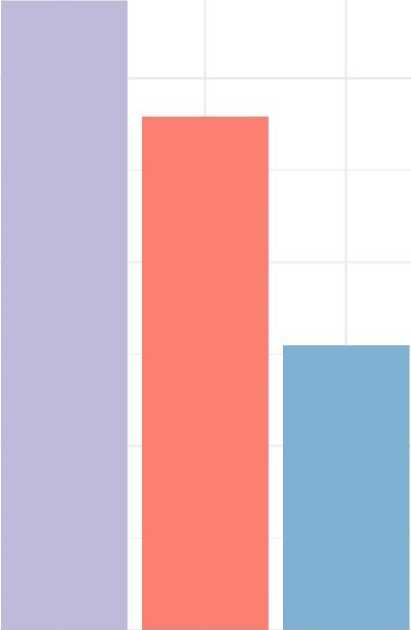
The study (Figure 8) revealed that Cow dung has the highest mean proline content (2.05±1.01), indicating it is the most effective substrate for proline accumulation. Leaf Ash follows with a mean proline content of 1.71±0.73, showing strong performance However, Leaf Compost has a moderate proline content (1.40±0.68), whereas Cocopeat and Soil have the lowest proline content, with Soil being the least effective (0.78±0.25).
This suggests that substrates like Cow dung and
Leaf Ash are more conducive to proline accumulation compared to Cocopeat and Soil.
The treatments of NaCl induced the highest proline accumulation (2.02 ± 1.29) followed by Gomutra (Cow Urine) (1.61±1.26), demonstrating a strong stress response and showed a greater variability implying more complex and variable stress-response mechanisms. The Dil. H₂SO₄ treatment also resulted in elevated levels (1.53±0.53), indicating significant stress adaptation, whereas, gSO₄ exhibited moderate proline accumulation (1.03±0.73), reflecting a lower but notable chemical stress response. The Hot Water (1.01±0.40) and Cold Water (1.00±0.35) treatments induced moderate proline levels. These responses were generally lower compared to chemical stressors, suggesting a less intense adaptation under physical stress conditions. The control conditions exhibited intermediate proline accumulation (1.40±0.50), indicating a baseline level of proline production even in the absence of stressors (Figure 9).
CONCLUSION
The findings of this study highlight the significant impact of pre-germination treatments and substrate selection on the germination and growth of D. falcata (Wall. ex DC.) seeds. The combination of NaCl treatment with leaf compost or cocopeat proved most effective, and showed the highest germination rates of 95% and 90%, respectively. This demonstrates the potential of these combinations for enhancing seed germination under controlled conditions.
oreover, while gSO 4 treatment was less effective for germination, it showed a notable ability to promote seedling growth and achieve maximum plant height when combined with leaf compost and cocopeat. This dual approach of optimizing germination with NaCl and enhancing growth with gSO 4 provides a comprehensive strategy for the successful propagation of the D. falcata (Wall. ex DC.).
The Cow dung substrate demonstrated a high degree of response to treatments, especially Gomutra and NaCl, suggesting that it may improve germination. Cocopeat's baseline control values were high, but its treatment responsiveness was lower. While Soil showed constant but moderate responses, indicating its steady but less dynamic performance, Leaf Ash showed moderate to high effectiveness across the majority of treatments. These results offer practical guidelines for the cultivation and conservation of this species, emphasizing the importance of targeted pre-germination treatments and substrate selection in achieving high germination rates and robust seedling development.
ACKNOWLEDGEMENT
The authors express their gratitude to the Director, Institute of Science, Chhatrapati Sambhajinagar for availing laboratory facility for the research work.
CONFLICTS OF INTEREST
The authors declare that they have no potential conflicts of interest.
