
Herbal Therapy for Prevention and Treatment of the Diverticulitis, irritable Bowel Syndrome, Ulcerative Colitis, and Constipation
Журнал: Журнал стресс-физиологии и биохимии @jspb
Статья в выпуске: 1 т.22, 2026 года.
Бесплатный доступ
Traditional phytotherapy has a long history, and its empirical science of the application has been the basis of official activities in recent years. Digestive system disorders have a substantial impact on worldwide mortality and morbidity rates including China. The manuscript aims to survey and study the importance of medicinal herbs and plants which are useful in treatment of ulcerative colitis, irritable bowel syndrome, diverticulitis, and constipation. Google Scholar, Scopus, and PubMed databases were used during the literature analysis. Relevant identified studies were screened for final inclusion, and studies were included if they focused on medicinal plants, athletes, physical performance, natural products, and physical activity. In different parts of Asia, especially China and Iran, plants and herbs are important resources of conventional medicines used against various ailments. Different medicinal plants for treatment of irritable bowel syndrome are almond, aloe vera, artichoke, blueberry, ajwain, ginger, ginseng, horsemint, kiwifruit, rosemary, saffron, Spanish jasmine, St John,s-wort, turmeric, and wild marjoram. Medicinal plants in treatment of ulcerative colitis are aloe vera, Indian frankincense, butyrate which is an important source for intestinal epithelial cells, licorice which is derived from the root of the plant, Slippery elm which obtains from the powdered bark of the slippery elm tree, tormentil extract, the wheat grass, curcumin which obtains from Curcuma longa, and psyllium which obtains from a shrub-like herb called Plantago ovata. Some of the most important medicinal plants for treatment of constipation are Medicago sativa, Agave americana, Plantago ovata, Grewia ferruginea, Prunus malus, Aloe vera, Cucumis sativus, Coffea arabica, Linum usitatissimum, Cassia angustifolia, Rhamnus frangula, and Rhamnus purshiana. Various chemical ingredients such as dietary fiber, mineral content, flavonoids, and phenol can be used for treatment of diverticulitis.
Похожие статьи в разделе Фармакология. Общая терапия. Токсикология
Короткий адрес: https://sciup.org/143185426
IDS: 143185426
Текст научной статьи Herbal Therapy for Prevention and Treatment of the Diverticulitis, irritable Bowel Syndrome, Ulcerative Colitis, and Constipation
Irritable bowel syndrome is a disorder of gut-brain interaction which is known by recurrent abdominal pain related with abnormal stool form or frequency, and has a substantial effect on social functioning, quality of life, indirect and direct health care costs. Natural components and products have been found important and suitable for treatment of irritable bowel syndrome, however, it remains a common, and usually difficult to manage condition. Morariu et al. (2023) reported that a diet low in fermentable oligosaccharides, monosaccharides, disaccharides, and polyols is one of the potential treatment strategies to decrease abdominal symptoms. Minerals such as selenium, zinc, and magnesium have also been found to have potential benefits for irritable bowel syndrome. Ulcerative colitis is a chronic nonspecific inflammatory disease of rectum and colon with unknown etiology, and the lesions are basically confined to the submucosa and mucosa of the large intestine. The main clinical features of Ulcerative colitis include bloody purulent stool, abdominal pain, tenesmus, and diarrhea which seriously influence patients, quality of life. It is also characterized by the upregulation of apoptotic signals, pro-inflammatory mediators, and oxidative stress which can induce a significant increase in risk of colorectal cancer. Chemical main flavonoids with ulcerative colitis effects are naringin, phloretin, isoflavones, luteolin, hesperetin, quercetin, kaempferol, rutin, hyperoside, and quercitrin (Xue et al., 2023). Traditional Chinese medicine intervention for ferroptosis has broad utilization in the treatment of ulcerative colitis, and it can also play a therapeutic function by exploring more genes and pathways targeting the inhibition of ferroptosis. Some of the most important Chinese herbal formula in treatment ulcerative colitis are Huaihua powder, Huangqin decoction, Lizhong decoction, qingchang huashi formula, and Rhubarb peony decoction, and some of the most important herbs are Abelmoschi corolla, Lycii ruthenici Fructus, Hyperici attenuate Herba, and Indigo naturalis (Yang et al., 2023). Wan et al. (2022) reported that both Panax ginseng and Zingiber officinale as famous traditional Chinese medicines could ameliorate ulcerative colitis. In Assam in India, Mesua Assamica Kosterm. Showed significant anti-colitis activity on chronic restraint aggravated dextran sodium sulfate (DSS)-induced ulcerative through regulating HO-1/Nrf2/SIRT1, and NF-κB/STAT3 signaling pathways. Fu et al. (2022) showed that pectin from Aconitum carmichaelii leaves could ameliorate experimental colitis, and it could restore serum metabolites and gut microbiota disorder. Constipation is a common gastrointestinal disorder, and prolonged instances of constipation may instigate complications such as hemorrhoids, public nerve damage, and rectal prolapse. It is characterized by hard, infrequent, and difficult-to-pass stools and is usually connected with gastrointestinal signs such as nausea, bloating, flatulence, and abdominal pain as well as decreased appetite. It is a chronic and recurring inflammatory colorectal disease which can manifest mainly as damage to the mucosal layer of the intestine, persistent diarrhea, and ulceration (Lu et al., 2023). Some of the most important medicinal plants for treatment of constipation are Plantago major, Echinops persicus, Astragalus adscendens, Rumex pulcher, Descurainia Sophia, Peganum harmala, Pistachia atlanta, Plantago major, and Rheum ribes (Karami et al., 2020). Diverticulitis is a common inflammatory condition, which is usually complicated by fistulas, abscesses, obstruction, and hemorrhage. Diverticular disease is known as sac-like protrusions of the colonic wall (Kishnani et al., 2022), and it includes a variety of conditions, extending from localized diverticular inflammation to fecal peritonitis, and on the basis of new findings, the mucosal inflammation and an alteration in the gut microbiome may be involved in it.
Irritable bowel syndrome
Irritable bowel syndrome is the most common functional gastrointestinal tract disorder, which is prevalence changes according to the diagnostic and country criteria. Nutritional parameters associated with irritable bowel syndrome include therapeutic and diagnostic considerations. It is a functional gastrointestinal disorder with defecation problems, and abdominal symptoms (Vakili et al., 2024). Natural products against irritable bowel syndrome consisted of four categories, namely, phenols, alkaloids, flavonoids, and terpenoids. Chinese herbal medicines such as Shuganjianpiwenshen therapy, Jianpiwenshen therapy, Shugan therapy, Jianpi therapy, and Shuganjianpi therapy have been discovered tremendously used to irritable bowel syndrome (Liu et al., 2023). Potential benefits of fermented vegetables in irritable bowel syndrome are antioxidant action, immune modulation, prebiotic effect, pathogen inhibition, pH reduction, niche occupation, digestive function, and mucosal fortification. Da-Jian-Zhong decoction is the herbal formula clinically applied for diarrhea and abdominal pain possibly by regulating Th17/Treg balance, and keeping the homeostasis of gut microbiota which is related to inflammatory factors. In traditional Persian herbal formula, Rosa damascene, Pimpinella anisum, and Melissa officinalis has been used for many years to reduce depression, anxiety, constipation, and abdominal pain (Azimi et al., 2024). Banhasasim-tang (BHSST) is a traditional herbal medicine formula known as anxia-xiexin-tang in China, and hange-shashin-to in Japan with beneficial effect to treat gastrointestinal disease such as diarrhea, colitis, gastric ulcers, indigestion, and esophageal ulcers because of its chronic reflux (Choi et al., 2023). Tong-Xie-Yao-Fang is a classic traditional Chinese medicinal formula which is mainly composed of Paeonia lactiflora Pall root, Saposhnikovia divaricate Schisck root, Citrus reticulata Blanco cortex, and Atractylodes macrocephala Koidz root could increase diarrhea-predominant irritable bowel syndrome by inhibiting apoptosis which is via the regulation of GCN2/PERK-eIF2a-ATF4 signaling pathway. SiNiSan (SNS) is also an important traditional Chinese medicine prescription which consists of Glycyrrhiza uralensis Fisch, Citrus aurantium L., Bupleurum chinense DC., and Cynanchum otophyllum which can be used for treatment of irritable bowel syndrome via oxidativestress depression regulation, inflammatory reaction regulation, immune and hormone regulation (Li et al., 2019). Lauche et al. (2016) observed that an ayurvedic herbal preparation made from turmeric, pomegranate, and curry was not significantly more effective to improve irritable bowel symptoms than placebo. The most important medicinal plants for treatment and prevention of irritable bowel syndrome are presented in Table 1. Medicinal herbs and plants which use for treatment of irritable of bowel syndrome are shown in Figure 1.
Ulcerative colitis
Ulcerative colitis is a chronic inflammatory bowel disease which can influence the rectum and the mucosa of the colon, with sighs usually manifesting as bloody diarrheal and abdominal pain. Natural components have significant potential to treat ulcerative colitis by regulating autophagy with various roles in multiple intestinal cells, with capability of interaction with apoptosis, reticulum stress, gut microbiota, and NLRP3 inflammasome, contributing to ulcerative colitis. The leaf extract of Cassia fistula has high antioxidant and hepatoprotective activity, and contains phenolic acids, chalcones, anthraquinones, flavonoids, and catechins, and its emodin component showed the highest affinity for COX-2 proteins, while isorhamnetin was identified as the appropriate choice for binding associations with the essential amino acids of caspase-3. Purple coneflower ( Echinacea purpurea ) could reduce diarrhea of ulcerative colitis of rats, enhances the intestinal epithelial barrier integrity, and suppressed the level of pro-inflammatory cytokines as well as improved the antioxidant effects (Gu et al ., 2023). One important traditional medicinal herb is Dendrobium huoshanense which is useful for treatment of ulcerative colitis that may target 5 key targets PIK3CA, HSP90AA1, AKT1, STAT3, and SRC, and it could also reduce the levels of TNF-α and IL-6 in the blood, while enhancing the levels of TGF- β and IL-10 (Yao et al ., 2024). Bejeshk et al . (2023) reported that Ocimum basilicum and Acacia arabica can improve ulcerative colitis by reducing oxidative stress and inflammation. Conchus arvensis L., a plant from Chinese folklore, is suggested for treatment of ulcerative colitis (Chang et al ., 2024).
The peel of Citrus reticulata Dahongpao, which is known as Citrus reticulata pericarpium, contains hispidulin, nobiletin, and sinensetin, is a famous medicinal plant with positive effects against ulcerative colitis (Li et al., 2024). Dillenia Indica showed high potential in treatment of ulcerative colitis with positive effects against tumor progression and inflammatory conditions which can also regulate the cell cycle, increase clonogenic activity, inhibit angiogenesis, and prevent metastasis and invasion. It is also reported that the leaf extract of Mimosa pudica was effective in treatment of ulcerative colitis. Application of Waterleaf (Talinum triangulare) could attenuate oxidative stress, increased the antioxidant enzyme activities, inhibited inflammation, and suppressed lipid peroxidation which showed therapeutic components for the treatment of inflammatory colitis (Oladele et al., 2024). Saponins components of Polygonatum sibricium could restore the diversity and richness of intestinal microbial flora, increased the abundance of Lactobacillus spp., reduced the number of pathogenic bacteria, and enhanced the intestinal microbial flora disorder in treatment of ulcerative colitis (Cao et al., 2024). Ga et al. (2024) reported that one of the most important traditional Chinese medicinal plant in Puerariae radix which could inhibit NOD-like receptor protein 3 (NLRP3) inflammasome activation, apoptosis-associated specklike (ASC), and gasdermin D (GSDMD) at both mRNA and protein expression levels. Ephedra root extract contains A-type dimeric proanthocyanidins which could significantly relieved dextran sodium sulfate (DSS)-induced ulcerative colitis symptoms in mice, and restored disturbed tryptophan and glycerophospholipid metabolism in ulcerative colitis mice (Lv et al., 2024). The leaf extract of Cassia tora, as an important medicinal plant can significantly decrease glutathione, superoxide dismutase, and catalase, and has potential anti-ulcerative colitis properties (Anyebe et al., 2021). Chinese ground orchid (Bletilla striata) polysaccharide revealed the improved therapeutic impacts of ulcerative colitis. In Saudi Arabia, there is one famous medicinal plant, which is a perennial shrub growing and extensively used in traditional medicinal system of that region, and in one experiment its both methanol and water extract showed anti-ulcerative colitis activities due to its flavonoid derivatives. In different medicinal vegetables and plants such as Lonicerae japonicae Flos and chicory, there is one important chemical component which is known as Isochlorogenic acid A which can block the phosphorylation of IκBa, p65, and STAT3, suppressed the expression of p65 and STAT3, and can be considered as the effective drug for treating ulcerative colitis (Tang et al., 2023). The well-known traditional Chinese herbal medicine, namely Prunella vulgaris with various chemical components was found effective against ulcerative colitis, especially because of quercetin, luteolin, rutin, and kaempferol (Fu et al., 2023). The water extract of Tetrastigma hemsleyanum leaves is shown anti-ulcerative activity, and its ability is associated with the regulation of immunity pathways and inflammation process (Wang et al., 2023), while Zhou et al. (2024) reported that sulforaphane ameliorated mice ulcerative colitis, inhibited NLRP3 inflammasome in ulcerative colitis, and it could decrease reactive oxygen species (ROS) content to inhibit NLRP3 inflammasome activation. Zang et al. (2024) found that honeysuckle increased the content of short-chain fatty acids, decreased the production of pro-inflammatory cytokines, and restored the intestinal ecological balance, inducing better therapeutic impacts.
In another experiment, it is proved that Astragalus polysaccharides could reduce dextran sulfate sodium salt (DSS)-induced intestinal dysbiosis by inhibiting the proliferation of potential pathogens, promoting the growth of beneficial microbes, and leading to a meaningful increase in short-chain fatty acids. A Chinese herbal prescription, QingChang-XiaoPi Decoction (QCXPY) could alleviate the symptoms of abdominal pain, diarrhea, purulent stool, and abdominal distension in patients with mild-to-moderate ulcerative colitis by regulating the pathogenicity of Th17 cells (Jia et al., 2024). Bejeshk et al. (2022) reported that the combination of gum Arabic plus basil seeds after induction of colitis, showed anti-inflammatory and antioxidant effects, and enhanced the healing of the colon in experimental colitis evoked by acetic acid. Ginseng polysaccharides has shown high capacity to influence microbial tryptophan and Lactobacillus metabolites, as well as the expression of inflammatory cytokines with potential activity for treatment of ulcerative colitis (Wan et al., 2024), and gentianine from Gentiana scabra Bunge could alleviate dextran sulfate sodium (DSS)-induced ulcerative colitis by inhibiting TLR4/NLRP3-mediated pyroptosis (Li et al., 2024). Sarcandra glabra as an important traditional medicine in China, officially named Zhong Jie Feng also could alleviate experimental ulcerative colitis in mice through IL-17/Noth1/FoxP3 pathway. Vinegar Cornu Cervi Degelatinatum could regulate inflammatory and intestinal flora response by decreasing the protein expression of PAK4, NCK2, and JNK which shows its importance in treatment of ulcerative colitis (Li et al., 2024). Plumericin and plumieride has been obtained from Himatanthus articulates, Himatanthus fallax, Himatanthus sucuuba, and Allamanda schottii, with different medicinal activities with positive effects against ulcerative colitis (Patel, 2024). Sen et al. (2023) found that quercetin-3-O-β-D-glucuronide, and kaempferol-3-O-β-D-glucuronide significantly improved macroscopic and biochemical factors in rat model of colitis. Scutellaria baicalensis Georgi as an important traditional Chinese medicine contains different chemical components, especially baicalin, and baicalin magnesium shows therapeutic potential for colitis even higher than baicalin. It is reported that Aloe vera gel has therapeutic potential in the management and treatment of ulcerative colitis, and it could significantly restore micro- and microanatomical and biochemical homeostasis in a dose-dependent manner. Rg3-enriched Korean Red Ginseng extract (Rg3-RGE), as well as Persicaria tinctoria are effective therapeutic treatments for ulcerative colitis.
A traditional Chinese medicine, Clinopodium chinense Kuntze could inhibit inflammation by TLR4-NF-κB-iNOS/COX-2 signaling pathway, and it could regulate inflammatory mediators and oxidative stress levels in ulcerative colitis (Wang et al., 2023). Tetrastigma hemsleyanum is an endemic Chinese herb with various pharmacological benefits, and it is reported that astragaline and rutin components could activate the B cell receptor signaling pathway, regulated mice immunity by binding to the SYK protein, and alleviate ulcerative colitis symptoms (Feng et al., 2024). Anneslea fragrans Wall. is traditionally applied as a folk medicine in Cambodia, Vietnam, and China which could reduce ulcerative colitis because of its dihydrochalcone glycosides by inhibiting the inflammatory response via modulation of NF-κB, and MAPK pathways, and keeping the intestinal barrier function (Deng et al., 2021). Salvia officinalis leaves decoction extract could enhance the plasma scavenging activity, decreased acetic acid-induced colonic mucosa lesions, and histopathological alterations. It is also found that the hydroethanolic extract of Bixa orellana leaves had significant impacts against acetic acid-induced ulcerative colitis in rats. Ginsenoside Rb1 (GRb1) which is a bioactive component of Panax ginseng has shown significant therapeutic effect on ulcerative colitis by targeting Nrf2 and regulating the Nrf2/PIP2/NLRP3 pathway (Li et al., 2023). Plantago major leaf extract decreased mucosal damage in rats with ulcerative colitis with minimal protective effects in ulcerative colitis (Farid et al., 2022). Ligularia fischeri root chloroform extract showed different therapeutic properties, and it has an ameliorative impact against murine ulcerative colitis (Fu et al., 2022). The flavonoids contents of Lonicera rupicola Hook.f.et Thoms significantly increased symptoms, inhibited inflammatory cell infiltration and inflammatory cytokine expression in ulcerative colitis model mice by inhibiting the PI3K/AKT signaling pathway (Li et al., 2022). Salama et al. (2022) reported that mulberry fruit extract managed to halt TNFα/NFκB/NLRP3 inflammatory cascade, increasing the anti-inflammatory miRNA-223 expression with protective effects against ulcerative colitis. Medicinal herbs and plants which use for treatment of ulcerative colitis are shown in Figure 2.
Constipation
Constipation is one of the most important intestinal disease, which can causes alterations gut microbiota composition, inflammatory and oxidative reactions, and makes the gut more permeable to endotoxins and pathogens. It is a common problem among older people (Munch et al., 2016). The reasons for constipation are dehydration, low fiber diet, intestinal disorders, disturbance in the electrolyte and the water balance, as well as a lack of exercise. It is clinically identified by defection difficulty, prolonged defecation cycle, and dry stools (Yang et al., 2021). It can be complicated by development of vomiting, nausea, fissure, urinary retention, and haemorrhoids. Constipation can be brought on by unclean living, medication, hormonal issues, abusing laxatives, and illnesses in other sections of the body, as well as increasing social pressure, accelerated pace of life, and bad eating practices in modern life. The polysaccharide of Chrysanthemum morifolium could enhance amino acid uptake, increase intestinal homeostasis, decrease intestinal lesions, relieve constipation, and promote intestinal motility by regulating the expression of SLC1A5, FABP1, and RAS proteins (Wang et al., 2021). Kiwi berries can significantly prevent constipation, as kiwi berries can speed us gastrointestinal transit, dramatically increase body weight gain, and shorten the time it takes to pass the first dark stool, as well as reduce the Firmicutes to Bacteroidetes ratio, and enhance the quantity and diversity of gut microbiota by affecting the gut microbiota and vasoactive intestinal peptide (VIP)-cyclic adenosine monophosphate (cAMP)- protein kinase A (PKA), aquaporin-3 (AQP3) signaling pathway.
Green kiwifruit fiber has high natural laxative advantages, a rich source of A, E, C, polyphenols, potassium, and dietary fiber and its application can enhance bowel habits and improve stool form in healthy individuals. Xu et al. (2024) reported that passion fruit peel fermentation extract (PFPFE) can reduce hemorrhoids and constipation, and its active ingredient kaempferol (Kae) can regulate hemorrhoids and constipation in mice by downregulating PI3K/Akt and ESR1 pathways. Nobiletin, a preeminent member of the polymethoxyflavones (PMFs), which is uniquely confined to citrus plants, and as a natural flavone, it can be used to reduce neuroinflammation, and improving gut barrier function (Kong et al., 2024), moreover, it can upregulate tight junction proteins, mitigates constipation symptoms, and prevents gut barrier damage (Kong et al., 2024). Wintola and Afolayan (2010) reported that medicinal plants such Artemisia afra , Alepidea amatymbica , Boophane disticha , and Aloe ferox can be used for treatment of constipation in South Africa. Aster tataricus can reduce constipation both through relieving intestinal inflammation, and inhibiting intestinal abnormal contractions (Wu et al., 2021). Aloin B, aloin A, aloeemodin and aloeresin D which are key components of
Aloe vera showed slower elimination rate, and high absorption rate with high potential in prevention and treatment of constipation (Yu et al., 2024). It is discovered that the rhizome of Atractylodes macrocephala Koidz. (Compositae) has high potential to treat constipation rats by down-regulation of tryptophan metabolism (Qin et al., 2024). Β-sitosterol is active constituent of Amomum villosum which can relieve constipation by boosting gastrointestinal motility related parameters, and it can show laxative impacts by activating the adrenoceptor alpha 1 A-myosin light chain (ADRA1A-MLC) signaling pathway (Liu et al., 2024). In traditional medicinal sciences, Cassia fistula has been applied as an important and safe laxative agent with positive effects in constipation in pregnant women. Jia et al. (2024) showed that Croton tiglium L. seeds could regulate loperamide-induced constipation by managing gastrointestinal hormone secretion, improving the disturbance of gut microbiota, and decreasing the levels of inflammatory cytokines. Cistanche deserticola crude polysaccharides (CDCP) can noticeably decrease oxidative stress-induced injury by preserving mitochondrial function in the colonic myenteric plexus, and its neuroprotective impacts might be relayed to the Nrf2/Keap1 pathway (Jiang et al., 2024). Yin et al. (2024) also reported that Cistanche deserticola , as a famous medicinal plant in traditional Chinese medicine can promote bowel relaxation and intestinal moisture as well as regulates bile acid metabolism. Punukollu et al. (2024) showed that the root extracts of Abelmoschus esculentus (L.) Moench, and Withania somnifera (L.) Dunal can widely use as the appropriate treatment for ulcers and gastric irritations. Azimi et al. (2024) reported that the application of Rosa damascene , Pimpinella anisum , and Melissa officinalis can be considered as an effectual component of traditional Persian herbal medicine, which can be used for decrease abdominal pain and constipation. Another important medicinal plant for treatment of constipation is Moringa oleifera Lam. leaf which can be used for treatment of constipation (Li et al., 2024).
The tubers of elephant foot yam (Amorphophallus paeoniifolius) revealed laxative impact and reduced constipation, and its potential to reduce constipation is probably because of its major chemical components such as glucomannan and betulinic acid extract in tuber (Dey et al., 2020). It is also reported that the aqueous extract of Malva sylvestris has a potent impact against Loperamide-induced constipation via its antioxidant characteristics, the stimulation of water intestinal secretion, and an increase of gastrointestinal motility (Jabri et al., 2017). Flax seeds can enhance the defecation in elderly patients, change intestinal microecological structure, and the seeds can be considered as an improved diet supplement in the treatment and management of chronic constipation (Ma et al., 2022). As constipation is usually seen in the elderly people which can adversely influence an individual ,s psychological and physical well-being, the abdominal massage together with lavender and ginger oil found effective treatment for elderly individuals. Dietary fiber can reduce constipation in individuals, through regulating and balancing intestinal microbiota. Dietary fiber supplements such as cocao husk, green banana mass, and glucomannan are promising natural components in treating functional constipation. Azimi et al. (2022) concluded that Rosa damascene and Foeniculum vulgare can be recommended for the treatment of constipation in an elderly population and improve the quality of life, and Imanieh et al. (2022) also reported that damask rose which is an important traditional medicine in Fars province of Iran together with brown sugar syrup can be found inexpensive, safe, and effective in the treatment of functional constipation. A commercial Chinese patent medicine, Shouhui tongbian capsule (SHTC) could ameliorate the progress of LOP-induced constipation in rats by regulating the production of intestinal metabolites, and remodeling the structure of gut microbial community (Lin et al. 2022). Huang et al. (2022) found that BSH-1 is an O-acetylated xylan derived from bamboo shavings which can meaningfully reversed the expression alterations of genes associated to cancer, inflammation, ion transport, water and intestinal motility in constipated mice. The Lax-Asab powder contains equal amounts of Mentha piperita L., Cassia angustifolia Vahl., Glycyrrhiza glabra L., and Zingiber officinale Rosc. which are important in
Iranian herbal preparation can be used for treatment of chronic functional constipation. Carissa carandas contains significant stimulatory impacts which can mediate via the activation of histaminergic receptors, and muscarinic with positive effects in treatment of diarrhea and constipation (Mehmood et al., 2014). It is also proved that the application of partially hydrolyzed guar gum can prevent constipation as it is not expensive, and it can noticeably enhance gastrointestinal health.
The pulp extracts from Eugenia dysenterica fruits can be suggested for more research on novel biotechnological pharmaceutics with laxative characteristics for application in irritable bowel syndrome treatment and chronic constipation (Lima et al., 2010). Shouhui Tongbian Capsule (SHTB) is composed of different medicinal plants such Aloe, Polygoni multiflori Radix, Ginseng Radix et Rhizoma, Cassiae Semen, Asini Corii Colla, Lycii Fructus, Atractylodis Macrocephalae Rhizoma, and Aurantii Fructus Immaturus which is useful in treatment of constipation, and its different types of mechanisms are promote secretion of intestinal fluid, promote gastrointestinal motility, regulation of qi activity, regulate blood glucose, enhance every metabolism, immunoregulation, regulate gastrointestinal hormones, and regulate gastrointestinal hormones (Gong et al., 2024). Dahuang-Gancao decoction (DGD) is an important formula in traditional Chinese medicine which showed higher purgative impact in constipation through reduced first detection time, and the significantly increased fecal excretion (Chen et al., 2019). Cassia senna is a distinguished medicine for different diseases, particularly constipation which is also rich in anthraquinone glycosides such as Sennosides that maybe appropriate for treatment and prevention of constipation. A new pectin (ALP-2) was derived from the roots of Arctium lappa L. which could enhance intestinal peristalsis, and decrease constipation in mice (Li et al., 2019). The Chinese herbal medicine, MaZiRenWan (MZRW) has been used for treatment of constipation for more than 2000 years which can reduce the severity of constipation, and enhances colonic transit (Zhong et al., 2019). The aqueous extract of Malva sylvestris is safe and effective for the treatment of functional constipation in adult patients. Jiang et al. (2020) reported that Durio zibethinus Murr rind polysaccharide can be used for treatment of constipation, and it could improve gut hormones related to the intestinal peristalsis. It is also shown that the total glucosides of paeony (TGP) could be used for treatment of intestinal inflammation and constipation in mice by acting on some inflammatory factors, and intestinal motility related parameters (Liu et al., 2020).
Diverticulitis
Diverticulitis is an increasingly prevalent disease (Leonard et al., 2024), with both surgical and medical treatments having significant functions in contemporary management (Klinker et al., 2024). Treatment of complicated diverticulitis needs surgical and antibiotics consultation. It is also reported that acute abdomen can be caused by diverticulitis. A diagnosis of diverticulitis is made according to imaging, physical examination, and history. Prototheca are spherical unicellular organisms which are categorized as an achlorophyllous alga and belong to the family Chlorellaceae which can be used for treatment of diverticulitis. It is reported that there is a link between popcorn, corn, and nut consumption and diverticular bleeding, and acute diverticulitis (Carabotti et al., 2021). Fibers and carbohydrates are known as the edible parts of the plants, and they can regularize bowel movements, enhance fecal mass, and increase activity of the prebiotics in the colon, and improve intestinal microbiota.
Table 1. The most important medicinal plants for treatment of irritable bowel syndrome.
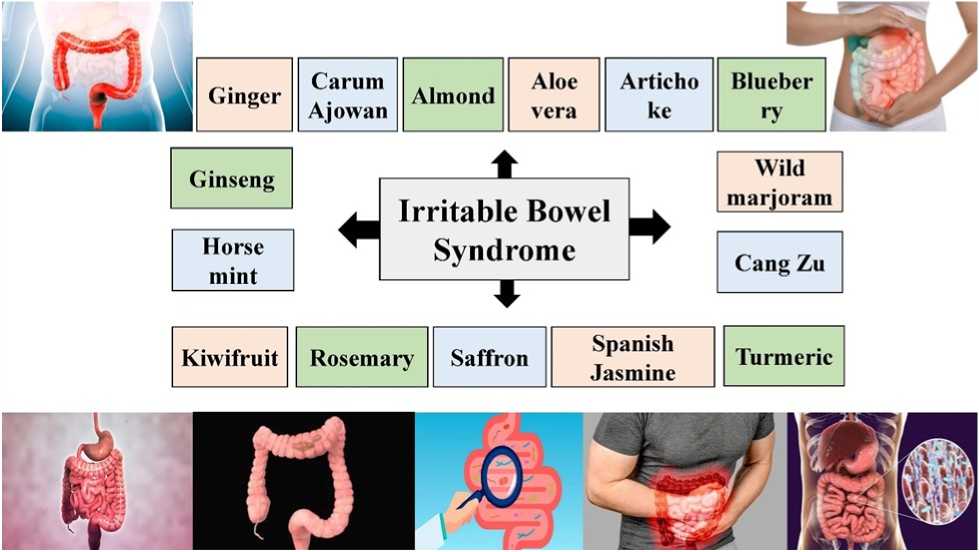
Figure 1. Medicinal plants and herbs which use for treatment of irritable of bowel syndrome.
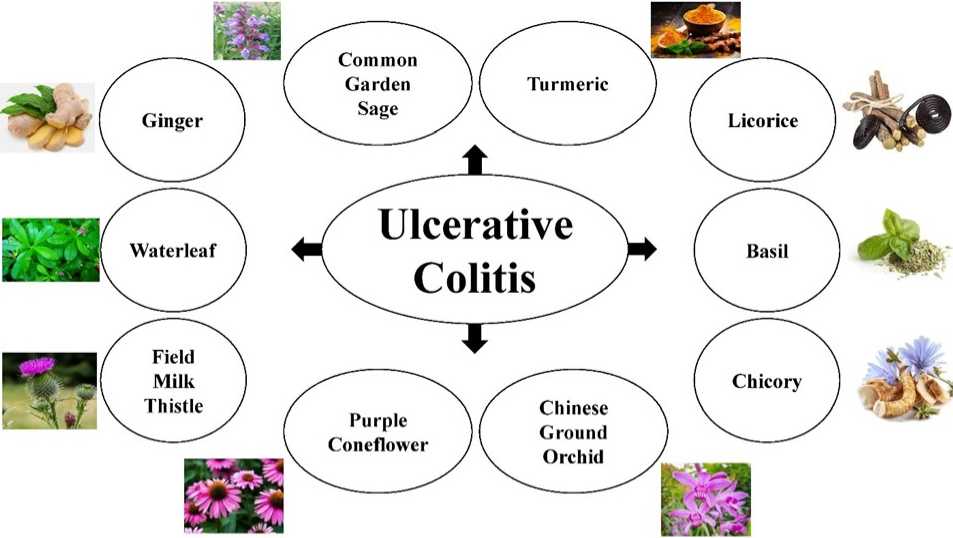
Figure 2. Medicinal plants and herbs which use for treatment of ulcerative colitis.
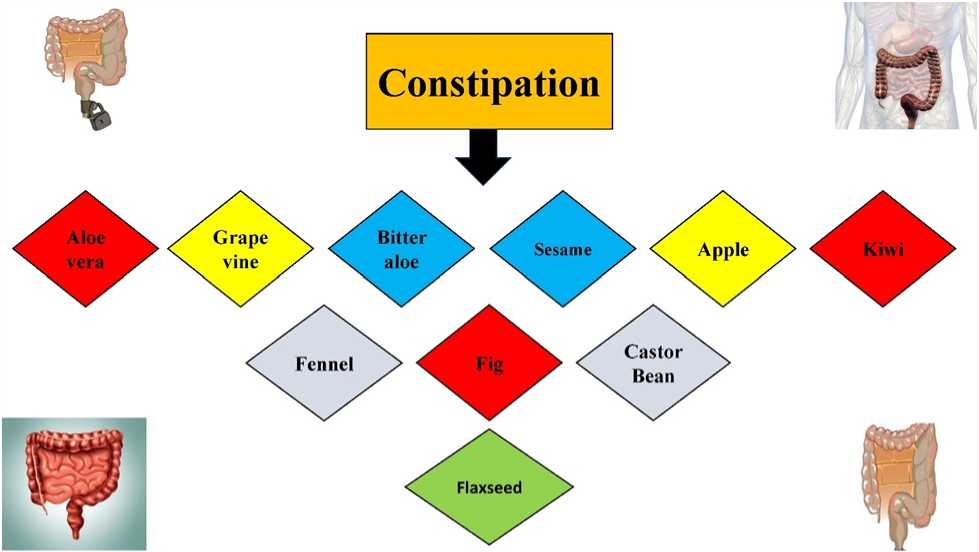
Figure 3. Medicinal plants and herbs which use for treatment of constipation.
CONCLUSION
Herbal medicines and natural products consist of at least one herbal drug or its extract including tens to hundreds of low molecular weight organic molecules with varying biological activity, and varying proportions. There are different types of digestive system disorders, which impose a substantial effect on mortality, and morbidity rates in different parts of the world. China has a high population with different ethnic groups who still keep a traditional knowledge of medicinal herbs and plants which are applied in the treatment of gastrointestinal disorders. Irritable bowel syndrome is a common disease of the digestive system, and it includes bloating of the abdomen and cramps and disruption of bowel habit. Common symptoms of irritable bowel syndrome are gas and bloating, fluctuating abdominal pain and discomfort, constipation, diarrhoea, and altered bowel habits. Ulcerative colitis is a long-term condition where the rectum and colon become inflamed, and this condition is the result of the immune system ,s overactive response. The main symptoms and signs may include rectal pain, abdominal pain and cramping, rectal bleeding, diarrhea often with pus or blood, fever, fatigue, weight loss, rectal pain, inability to defecate despite urgency, urgency to defecate, and failure to grow in children. Constipation is a condition in which a person has infrequent or uncomfortable bowel movements, and the main causes of constipation are dehydration, low exercise levels, low fiber diet, pregnancy, etc., and in severe condition, constipation may cause a blockage in the small or large intestine. Diverticulitis is a complication, begins as an acute problem, which can influence people with diverticulosis, small pockets on the inside of their colon with inflammation. Herbal remedies and medicinal plants are commonly used for the treatment of gastrointestinal disorders in different parts of Asia, especially China and Iran. Hospitalization and deaths due to herbal products are very rare, and almost all citizens consider them safe and affordable products. The most important medicinal plants for treatment of gastrointestinal disorders are Punica granatum Linn., Psidium guajava, Musa sapientum, Leea indica, Ensete glaucum, Celastrus paniculatus, Ochna integerrima, Zingiber montanum, Zingiber ottensii Valeton, Boesenbergia rotunda L., Kaempferia parviflora, Curcuma longa, Croton kongensis, Ziziphus cambodiana, Melastoma malabathricum, Acorus calamus, Senna occidentalis,
Senna alata , and Zingiber officinale Roscoe. It is also important for community awareness programs and educational campaigns to elucidate the appropriate application of herbal remedies and to caution against their potential negative impacts. Moreover, it is necessary to categorize herbal products in a pattern similar to pharmacological medications, consisting of efficacy, mechanism of action, side effects, etc.
CONFLICTS OF INTEREST
The author declare that he has no potential conflicts of interest.
