
Экспериментальное исследование автокорреляции и качества обслуживания сетевого трафика
Журнал: Инфокоммуникационные технологии @ikt-psuti
Рубрика: Технологии компьютерных систем и сетей
Статья в выпуске: 4 (92) т.23, 2025 года.
Бесплатный доступ
This article presents an experimental assessment of the network traffic autocorrelation impact on the quality of video streaming under controlled load conditions. The experiment involved streaming 720p video content via RTP, RTSP, and UDP protocols over a university local area network, with parallel generation of background HTTP traffic at four distinct intensity levels. The methodology included packet capture followed by the calculation of the general delay, packet loss ratio (according to ITU-T Y.1540), and the autocorrelation function of inter-packet intervals on the client side. The results revealed a consistent relationship between increased network load, a rise in the autocorrelation coefficient, and the degradation of the critical QoS parameters. The highest autocorrelation and the most significant performance deterioration (delay up to 75 ms, packet loss up to 10,4% for UDP) were observed under maximum load, which also led to the emergence of visual artifacts. A comparative analysis has demonstrated that the UDP protocol has the highest sensitivity to autocorrelation and the resulting decline in QoS metrics. The obtained data suggest that autocorrelation in inter-packet arrival times
Похожие статьи в разделе Электротехника
Короткий адрес: https://sciup.org/140314014
IDS: 140314014 | УДК: 621.391 | DOI: 10.18469/ikt.2025.23.4.07
Experimental research of autocorrelation and of service quality in network traffic
This article presents an experimental assessment of the network traffic autocorrelation impact on the quality of video streaming under controlled load conditions. The experiment involved streaming 720p video content via RTP, RTSP, and UDP protocols over a university local area network, with parallel generation of background HTTP traffic at four distinct intensity levels. The methodology included packet capture followed by the calculation of the general delay, packet loss ratio (according to ITU-T Y.1540), and the autocorrelation function of inter-packet intervals on the client side. The results revealed a consistent relationship between increased network load, a rise in the autocorrelation coefficient, and the degradation of the critical QoS parameters. The highest autocorrelation and the most significant performance deterioration (delay up to 75 ms, packet loss up to 10,4% for UDP) were observed under maximum load, which also led to the emergence of visual artifacts. A comparative analysis has demonstrated that the UDP protocol has the highest sensitivity to autocorrelation and the resulting decline in QoS metrics. The obtained data suggest that autocorrelation in inter-packet arrival times can be considered as a potential negative factor for quality of service. This substantiates the relevance of traffic decorrelation tasks aimed at ensuring stable multimedia transmission within a local area network.
Текст научной статьи Экспериментальное исследование автокорреляции и качества обслуживания сетевого трафика
В эмпирических исследованиях сетевого трафика были выявлены зависимости [1; 2], возникающие на этапах формирования и передачи пакетов. Это подтверждается серией научных работ [3–8], демонстрирующих статистические свойства трафика – самоподобие и долговременная зависимость.
Анализ передачи данных в Интернете свидетельствует о том, что корреляция не только способствует росту задержек, но и усиливает потери [9]. Корреляционные свойства наблюдаются в трафике сетей, устойчивых к задержкам (Delay Tolerant Networks, DTN) [10], где они негативно влияют на качество обслуживания (Quality of Service, QoS). В ходе экспериментов [11] по исследованию трафика IoT в программно-конфигурируемых сетях были выявлены автокорреляционные свойства трафика, которым сопутствовало увеличение задержек пакетов.
Видео-трафик представляет собой один из ключевых типов сетевого трафика с выраженными корреляционными свойствами [12]. Результаты подтверждают ухудшение показателей качества обслуживания передачи данных по сети при наличии автокорреляции временных интервалов между IP-пакетами [13].
Учитывая результаты данных исследований, была выдвинута научная гипотеза, согласно кото- рой повышение уровня автокорреляции временных интервалов приводит к ухудшению ключевых параметров QoS, таких как сетевая задержка и потери пакетов. Для подтверждения этой гипотезы проводится эксперимент, направленный на выявления связи между автокорреляционной функцией (АКФ) и QoS сетевого трафика в рамках передачи видео-файла в локальной вычислительной сети (ЛВС).
Сценарии и схема эксперимента
Экспериментальное исследование основано на анализе видеотрафика, характеризующегося выраженными корреляционными свойствами [11; 12]. Цель эксперимента – оценка наличия связи между автокорреляцией и параметрами качества обслуживания (QoS) при передаче.
В качестве объекта исследования выступает потоковое видео формата 720p (кодек H.264, размер файла 17,1 МБ). Трансляция выполнялась через медиапроигрыватель VLC (VideoLAN Client 3.0.21) по трем протоколам:
– Real-time Transport Protocol (RTP);
– Real-Time Streaming Protocol (RTSP);
– User Datagram Protocol (UDP).
Эксперимент проводился в рамках ЛВС университета между двумя подсетями (А и Б) (рисунок 1).

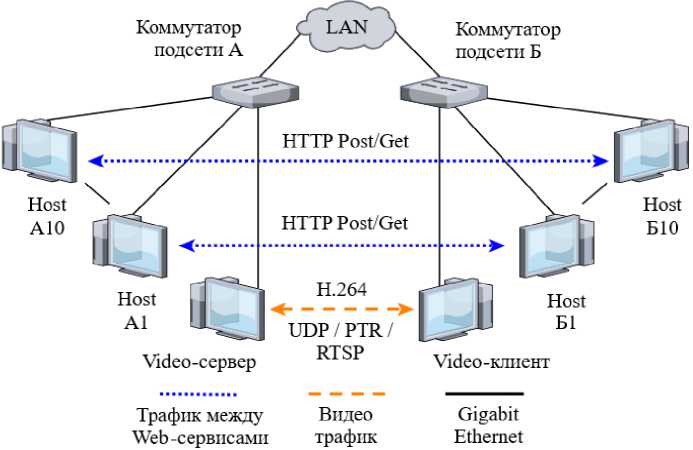
Рисунок 1. Схема эксперимента
Каждая подсеть, помимо узлов VLC-сервера и VLC-клиента, содержала по 10 дополнительных хостов для генерации фоновой нагрузки.
Как показано в исследованиях [4], существенная автокорреляция в потоке пакетов возникает при высокой нагрузке на сеть. Для моделирования этого условия и анализа связи с QoS видеотрансляция выполнялась в четырех сценариях (таблица 1): при отсутствии фонового трафика (уровень 0) и при его увеличении (уровни 1–3).
анса передачи. Приведенные в результатах значения метрик являются усредненными.
Таблица 1. Параметры генерации фоновой нагрузки в ЛВС
|
Уровень нагрузки |
Кол-во взаи-модейству-ющих хостов |
Тип запросов |
Задержка отправки, мс |
|
0 |
– |
– |
– |
|
1 |
3 на клиенте, 3 на сервере |
HTTP Get, HTTP Post |
100 |
|
2 |
5 на клиенте, 5 на сервере |
HTTP Get, HTTP Post |
10 |
|
3 |
7 на клиенте, 7 на сервере |
HTTP Get, HTTP Post |
1 |
Исследуемые метрики
Ключевыми измеряемыми показателями являются:
-
1. Параметры QoS: средняя задержка передачи IP-пакета и коэффициент потерь пакетов (IP Packet Loss Ratio, IPLR).
-
2. Уровень автокорреляции последовательности временных интервалов между прибывающими пакетами на стороне клиента.
Расчет параметров QoS выполнялся программными путем в соответствии с рекомендацией МСЭ-T Y.1540 [14].
Средняя задержка передачи пакета определялась как среднеарифметическое разности времен приема и отправки для каждого успешно доставленного пакета:
Д t =
2 C = 1 ( t j
, принято
' j , отправлено
C
Фоновая нагрузка в ЛВС эксперимента создавалась с помощью генератора трафика HTTP Packet Sender, имитирующего обращение веб-сервисов между заданным количеством хостов в подсетях А и Б.
Фиксация исходящего (на сервере) и входящего (на клиенте) сетевого трафика выполнялась с помощью анализатора пакетов Wireshark 4.2.7.
Для обеспечения статистической достоверности для каждого сочетания протокола и уровня нагрузки было выполнено по 4 независимых се-
где t j,отправлено – время отправки j -го пакета сервером;
t j,принято – время его приема клиентом;
C – общее количество принятых пакетов.
Коэффициент потерь пакетов (IPLR) вычислялся по формуле:
IPLR = SsC , (2)
где S – общее количество пакетов, отправленных сервером.
Последовательность временных интервалов между пакетами формировалась на основе клиентского дампа:
x i = t j+1,принято ‒ t j,принято ,
где j = 1,2,..., C - 1.
Для полученной последовательности X оценивалась АКФ.
Результаты
Мониторинг с помощью утилиты NetLimiter подтвердил ожидаемое снижение доступной полосы пропускания с ростом фоновой нагрузки. Падение скорости передачи данных наблюдалось для всех исследуемых протоколов (таблица 2–4), что верифицирует корректность моделирования условий загрузки сети.
Данные при передаче по протоколу RTP, представленные в таблица 2, демонстрируют монотонный рост как средней задержки (с 26 мс до 59 мс), так и коэффициента потерь (с 0,0020 до 0,0817) при увеличении нагрузки с уровня 0 до уровня 3. Наиболее значительный прирост потерь пакетов зафиксирован на уровне 3.
Таблица 2. Параметры QoS при передаче по RTP
|
Уровень |
Скорость передачи на сервере, Мбит/с |
Опыт |
Средняя задержка, мс |
IPLR |
|
0 |
0,51–0,53 |
1 |
20 |
0,0011 |
|
2 |
25 |
0,0024 |
||
|
3 |
32 |
0,0025 |
||
|
4 |
28 |
0,0021 |
||
|
Сред. |
26 |
0,0020 |
||
|
1 |
0,39–0,40 |
1 |
39 |
0,0047 |
|
2 |
48 |
0,0035 |
||
|
3 |
44 |
0,0049 |
||
|
4 |
46 |
0,0051 |
||
|
Сред. |
44 |
0,0046 |
||
|
2 |
0,25–0,27 |
1 |
49 |
0,0150 |
|
2 |
54 |
0,0093 |
||
|
3 |
54 |
0,0124 |
||
|
4 |
52 |
0,0092 |
||
|
Сред. |
52 |
0,0115 |
||
|
3 |
0,13–0,14 |
1 |
55 |
0,0972 |
|
2 |
61 |
0,0945 |
||
|
3 |
64 |
0,0811 |
||
|
4 |
58 |
0,0539 |
||
|
Сред. |
59 |
0,0817 |
Анализ автокорреляции временных интервалов (рисунок 2) показывает, что при отсутствии нагрузки АКФ близка к нулю (рисунок 2а). С увеличением нагрузки происходит рост коэффициента автокорреляции, достигая значительных положительных и отрицательных значений (до 0,5 и -0,3 соответственно) на уровне 3 (рисунок 2г).
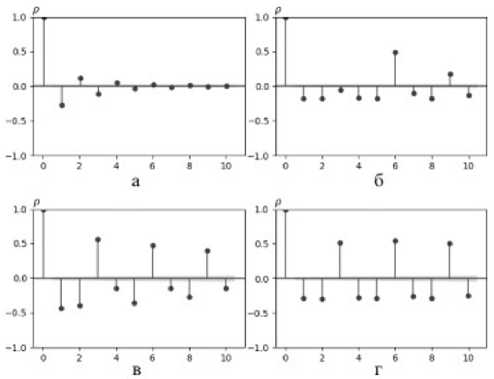
Рисунок 2. АКФ последовательности временных интервалов между пакетами на стороне клиента при передаче по протоколу RTP:
-
а) уровень нагрузки 0; б) уровень нагрузки 1;
-
в) уровень нагрузки 2; г) уровень нагрузки 3
Для протокола RTSP также наблюдается устойчивая тенденция ухудшения QoS (таблица 3). Задержка возрастает до 71 мс, а потери пакетов – до 0,0943 на уровне 3.
Таблица 3. Параметры QoS при передаче по RTSP
|
Уровень |
Скорость передачи на сервере, Мбит/с. |
Опыт |
Средняя задержка, мс |
IPLR |
|
0 |
0,49–0,50 |
1 |
26 |
0,0024 |
|
2 |
22 |
0,0016 |
||
|
3 |
24 |
0,0018 |
||
|
4 |
30 |
0,0016 |
||
|
Сред. |
26 |
0,0019 |
||
|
1 |
0,37–0,39 |
1 |
51 |
0,0060 |
|
2 |
50 |
0,0045 |
||
|
3 |
49 |
0,0058 |
||
|
4 |
49 |
0,0049 |
||
|
Сред. |
50 |
0,0053 |
||
|
2 |
0,23–0,26 |
1 |
52 |
0,0180 |
|
2 |
64 |
0,0134 |
||
|
3 |
66 |
0,0157 |
||
|
4 |
70 |
0,0169 |
||
|
Сред. |
63 |
0,0160 |
||
|
3 |
0,12–0,13 |
1 |
73 |
0,0924 |
|
2 |
71 |
0,0997 |
||
|
3 |
69 |
0,0863 |
||
|
4 |
70 |
0,0987 |
||
|
Сред. |
71 |
0,0943 |
Уровень АКФ при уровне 0 минимален (рисунок 3а). И хотя значения АКФ ниже, чем для RTP, при уровне 3 наблюдается увеличенная автокорреляция (ρ1 ≈ –0,75) (рисунок 3г).
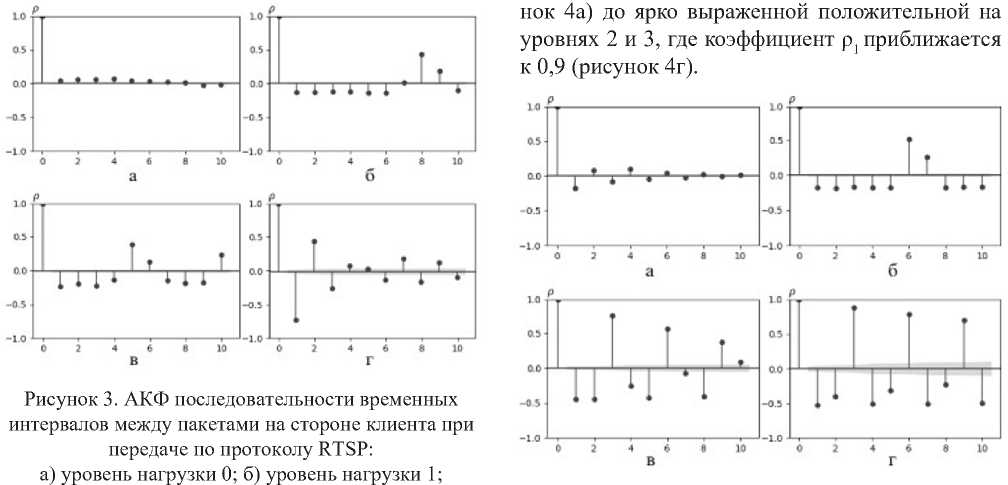
в) уровень нагрузки 2; г) уровень нагрузки 3
Рисунок 4. АКФ последовательности временных
Наиболее выраженное ухудшение QoS зафиксировано для протокола UDP (таблица 4). Задержка увеличилась до 75 мс, а коэффициент потерь достиг 0,1037 на уровне 3.
Таблица 4. Параметры QoS при передаче по UDP
|
Уровень |
Скорость передачи на сервере, Мбит/с. |
Опыт |
Средняя задержка, мс |
IPLR |
|
0 |
0,50–0,52 |
1 |
20 |
0,0027 |
|
2 |
23 |
0,0018 |
||
|
3 |
25 |
0,0023 |
||
|
4 |
27 |
0,0021 |
||
|
Сред. |
24 |
0,0022 |
||
|
1 |
0,35–0,38 |
1 |
36 |
0,0115 |
|
2 |
37 |
0,0089 |
||
|
3 |
37 |
0,0106 |
||
|
4 |
39 |
0,0095 |
||
|
Сред. |
37 |
0,0101 |
||
|
2 |
0,24–0,26 |
1 |
58 |
0,0271 |
|
2 |
65 |
0,0235 |
||
|
3 |
63 |
0,0250 |
||
|
4 |
60 |
0,0247 |
||
|
Сред. |
62 |
0,0251 |
||
|
3 |
0,11–0,13 |
1 |
74 |
0,1127 |
|
2 |
75 |
0,0815 |
||
|
3 |
74 |
0,1259 |
||
|
4 |
76 |
0,0946 |
||
|
Сред. |
75 |
0,1037 |
Автокорреляция временных интервалов между пакетами (рисунок 4) меняется кардинально: от слабой в ненагруженном состоянии (рису- интервалов между пакетами на стороне клиента при передаче по протоколу UDP:
-
а) уровень нагрузки 0; б) уровень нагрузки 1;
-
в) уровень нагрузки 2; г) уровень нагрузки 3
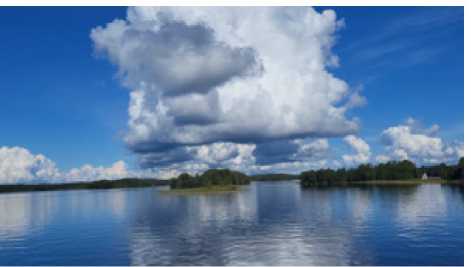
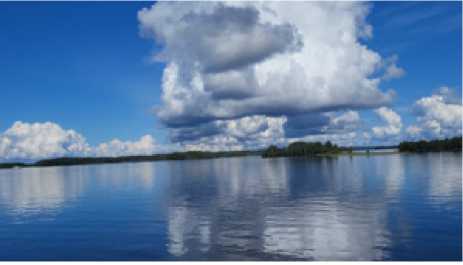
Критическое увеличение задержки, потерь и автокорреляции на высоких уровнях нагрузки (2 и 3) для всех протоколов отразилось на воспринимаемом качестве. На стороне клиента наблюдались артефакты воспроизведения: размытие, замирание изображения (рисунки 5–7).
а)

-
б)
-
2. Наблюдается связь между ростом уровня автокорреляции (рисунок 2–3), увеличением средней задержки и коэффициента потерь пакетов (таблица 2–4). Пиковые значения автокорреляции, получаемые при уровнях дополнительной нагрузки 2 и 3, соответствуют значительному ухудшению показателей QoS.

б)
-
3. Ухудшение метрик QoS и высокий уровень автокорреляции напрямую связаны с субъективным падением качества восприятия – появлением визуальных артефактов в передаваемом видео (рисунок 5–7).
-
4. Сравнительный анализ исследуемых протоколов показывает, что UDP в условиях нагрузки наиболее подвержен влиянию рассматриваемых факторов: для него зафиксированы наибольшие значения автокорреляции, потерь пакетов и задержки по сравнению с RTP и RTSP.
Рисунок 6. Наличие артефактов при передаче по RTSP: а) Отправленный кадр; б) Принятый кадр
а)
Рисунок 5. Наличие артефактов при передаче по RTP: а) Отправленный кадр; б) Прин ятый кадр

а)
ции в последовательности временных интервалов между пакетами видеопотока на стороне клиента.
Эти результаты позволяют рассматривать автокорреляцию последовательности временных интервалов между сетевыми пакетами как одну из возможных причин ухудшения качества обслуживания видеотрансляции. Следовательно, понижение уровня автокорреляцией (декорреляция) сетевого трафика следует рассматривать как актуальную задачу для повышения QoS работы мультимедийных приложений в ЛВС.
