
Medicinal Plants Related to Antidiabetic Properties from Latin America
Journal: Journal of Stress Physiology and Biochemistry @jspb
Article in issue: 4 т.21, 2025.
Free access
Diabetes mellitus (DM) is characterized as a chronic metabolic syndrome, resulting from high levels of hyperglycemia due to decreased insulin production, or even its resistance. Disease has a high prevalence and morbidity, which constitutes a major public health problem with a high economic impact. This review aims to promote utilization of medicinal plants and herbs from South America for treatment of diabetic diseases according to their medicinal properties, lastly, future challenges and research directions are discussed. Due to this scenario, the increase in the use of medicinal plants is a reality observed for historical, therapeutic, and economic reasons. Research on plants with hypoglycemic properties has been accentuated in the sense of finding compounds with hypoglycemic activity, considering that the prolonged use of many available drugs can produce undesirable side effects. The application of medicinal herbs and plants have been proved to lower fasting blood sugar level in people with diabetes, promote wound healing as well as improve blood circulation and reduce complications related to diabetes. The authorization and validations are not only show the importance and significance of medicinal plants from South America in treating diabetes, but also clarify its important and uniqueness.
Similar articles in the section Pathology of the digestive system. Complaints of the alimentary canal
![In vitro evaluation of antidiabetic potential of Vetiveria zizoniodes L. [Nash] root extracts](/file/thumb/143182816.png "In vitro evaluation of antidiabetic potential of Vetiveria zizoniodes L. [Nash] root extracts")
Short address: https://sciup.org/143185134
IDS: 143185134
Text of the scientific article Medicinal Plants Related to Antidiabetic Properties from Latin America
ABBREVIATIONS: DM: Diabetes mellitus; AoB: Dried stem bark; NMR: Nuclear magnetic resonance; ECD: Electronic circular dichroism; UV-Vis: Ultraviolet-visible; FT-IR: Fourier transform infrared; ROS: Reactive oxygen species; PLS: Partial least-square; DDP-4: Dipeptidylepeptidase-4; GSH: Glutathione; IRS: Insulin receptor substrate; HFD: High-fat diet; BDNF: Brain-derived neurotrophic factor; IL-6: Interleukin-6; MDA: Malondialdehyde; CAT: Catalse: SOD: Superoxide dismutase; HAC: Hydrophilic antioxidant capacity; GPx: Glutathione peroxidase; HOMA: Homeostatic model assessment; HSL: Hormone sensitive lipase; PKB/Akt: Protein kinase B.
Botanical exploration in the Americas has a history that stretches back for half a millennium, with knowledge assembled in diverse regional floras and lists. The rate of plant species discovery in the Americas averages almost 750 annually, and we can expect the total to reach about 150,000, so this valuable resource will continue to grow (Ulloa Ulloa et al., 2017). Differences in relief, climate and altitude help to understand this diversity, and large parts of these species have several therapeutic applications, some already analyzed and characterized, however, there will always be scope for further research (Ulloa Ulloa et al., 2017). The increase in the use of medicinal plants is a reality observed for cultural, economic, and therapeutic reasons (Sun et al., 2019; Sun et al., 2021a,b). They are increasingly studied sources because of their safety profile, high availability, and their low cost (Sun and Shahrajabian, 2023). It is estimated that more than 1200 species of plants have been empirically reported regarding their alleged hypoglycemic activities, however, only a small portion of these have undergone rigorous scientific evaluations to prove the pharmacological effects (Shahrajabian et al., 2019). Some of the most important medicinal herbs and plants with antidiabetic activities are fenugreek, Indian bael, bitter melon, garlic, gurmar, basil, onion, tea plant, bitter gourd, rosemary, ginseng, sage, aloe vera, and ginger (Shahrajabian et al., 2020a,b). It is not known for sure how many plants native to South America is used to treat diabetes mellitus (DM). As the South American Amazon has one of the most abundant flora, the therapeutic potential contained there is priceless. Thus, new research is always suggested, so that there is a guarantee of efficacy and safety in the use of plants and herbal medicines to the user (Barlow et al., 2018). Many plants have anti-diabetic compounds, such as carotenoids, flavonoids, terpenoids, alkaloids, glycosides that improve the performance of pancreatic tissues by increasing the insulin secretion or decreasing the intestinal absorption of glucose (Kooti et al., 2016). This is important because nowadays, different treatments, such as insulin therapy, pharmacotherapy, and diet therapy, are available to control DM, but these treatments have some disadvantages, including drug resistance (reduction of efficiency), side effects, and even toxicity. Thus, treatments/adjunct safe that involve the use of medicinal plants are recommended (Bathaie et al., 2012). This review article aims to study and survey on some of the most important medicinal pants with anti-diabetic properties which are common in South America to prevent and treatment of diabetes.
METHODOLOGY
The electronic databases Cochrane Library, Google Scholar, Scopus, Web of Science, and MEDLINE/PubMed were searched to review all the relevant articles published in English up to March 2024. Single word or combinations of “Traditional Medicine”, “Alcacuz-of-Brazil”, “Cashew”, “Bitter Gorse”, “Stone Breaker”, “Stevia”, “Cow Paw”, “Vegetable Insulin”, “Yacon”, “Yellow Passion Fruit”, “Guava”, and “Avocado” were searched. The advanced search inputs were manipulated in order to obtain more pertinent results. Duplicate articles were first removed from the records. Then, irrelevant articles, review articles, articles on unclassified information, and articles related to medicinal plants which are not common in traditional South American medicinal sciences were removed. The selection criterion was to include research papers on the most important plants, using in vitro or in vivo studies.
RESULTS
Medicinal plants from South America with hypoglycemic properties
Alcaçuz-of-Brazil ( Periandra mediterranea (Vell) Taubert - Leguminosae)
It is native to the middle and northern parts of Brazil, and their roots are famous because it has sweet taste with different pharmaceutical benefits (Nergi and Tabach, 2013). It is a small plant reaching 60 cm in height. Its underground parts are well developed and represent the used part of the plant. It has different pharmacological properties because of its triterpene glycosides and triterpenes (Pereira et al ., 2000). In the roots of this vegetable were isolated four saponins called periandrine I, II, III and IV respectively in addition to triterpenes and flavonoids (Correa, 1926; Cruz, 1965). The presence of guanidine, a substance that is attributed to the hypoglycemic property of alcaçuz-of-
Brazil, was also verified. Saponins include a sugar moiety glycosidically associated to a hydrophobic aglycone (sapogenin), and triterpenoid saponins include thirty carbon aglycones are usually identified in plants, and the saponins are appropriate for reducing blood cholesterol and triacylglycerol and very effective in inhibiting tumor cell proliferation (Gauthier et al ., 2009,2011). Saponin derivatives of hederagenin, and soyasapogenol E, such as soyasapogenol E - 3 - O -rhamnosyl glucosyl glucuronide, hederagenin- 3 - O -rhamnosyl glucosyl glucuronide, and periandrin isomers were known as the major components, with minor myricetin glycosides derivatives, hydrolysable tannins, and flavonols quercetin. The alcaçuz-of-Brasil is widely used as breastplate and its syrup is recommended in the treatment of coughs of diabetics. It is often used in the form of infusion, decoction, fluid extract, tincture, and syrup (Macêdo et al ., 2018).
Cashew (Anacardium occidentale L. – Anacardiaceae)
The cashew tree is a native plant of the Brazilian northeast (Mohammed and Sobri, 2018; Sempore et al ., 2021; Zhang et al ., 2024). The cashew tree reaches up to 10m in height and has a large crown, with branches that hang down to the ground (Manjare et al., 2020). In general, the trunk is tortuous and branched. Depending on the season, the leaves may be pink or green. It is rich in vitamin C, calcium, phosphorus, and iron. Both the fruit and the pseudo-fruit of the cashew tree are used in various ways in cooking, in juices, sweets, liqueurs, ice cream, wines, and syrups (Sunderman et al ., 2019; Salehi et al ., 2020). Flavonoids are the main testa polyphenols are cashew nut which shows antimicrobial and antioxidant activities (Sruthi and Naidu, 2023). It has been traditionally applied to treat type 2 diabetes with no genotoxicity (Encarnacao et al ., 2016). Since the 19th century, it has been used for diabetes (Brandao et al ., 2008; Giovannini et al ., 2016), and its dried stem bark (AoB) has been used as an effective treatment for type 2 diabetes in many countries (Cano and Volpato, 2004; Chabi Sika et al ., 2013; Ezuruike and Prieto, 2014). Cashew bark and leaves are astringent, tonic, and hypoglycemic. In these parts there is a gum-resin called acajucine and tannins (Borges, 2021; Tran and Nguyen,
-
2024). In the cashew bark, cardol and anacadic acid are found. The active ingredient responsible for the cashew hypoglycemic is the compound anacardic acid (Araujo et al ., 2012; Tan and Chan, 2014). The decoction form is frequently used at 2.5% of the leaves for tea, ingesting from 50 to 200mL per day. It is also used, the tincture and the fluid extract especially of the peels (Ajileye et al ., 2015). Its extracts contain cardanols, anacardic acids, and cardol with significant anti-diabetic and antiinflammatory activities (Leonard et al ., 2018; Agu et al ., 2022). According to the HPLC profiling, it has also naringenin, ferulic acid, taxifolin, caffeic acid, epicatechin, and picein (Hashim et al ., 2023). A greater cytotoxic activity over tumor cells, and the barks and leaves have tannins, flavonoids, and phenolic acids. The identified phytocompounds was effective as antidiabetic agents against diabetes-associated molecular targets were 5YCP, 3IOL, 4MRA 5PZX, 2S41, 2QMJ, 1B2Y, 4PYP, 6PZ9, and 6F8F (Archana et al ., 2024). It has been reported that the ethanol extract of its leaves has shown antidiabetic effects, and an administration of 100 mg/kg of plant extract, induced to 8.01% and 19.25% decrease in the fasting blood glucose levels on day 15 and day 30, respectively, and it is recommended to be applied for treatment of type 2 diabetes (Jaiswal et al ., 2017). Damavandi et al . (2019) reported that daily consumption of cashews decreased serum insulin and LDL-C/HDL-C ration in patients with type 2 diabetes. Its usage also reduced systolic blood pressure and enhanced HDL cholesterol concentrations with no adverse impact on glycemia, body weight, and other lipid variables of Asian Indians with type 2 diabetes. Jaiswal et al . (2016) reported that the leaves of A. occidentale was responsible for reduction in serum insulin, fasting blood glucose levels, serum lipid parameters, glycated hemoglobin levels, and renal function biomarkers. Chronic oral administration of methanol extract of the stem bark at a dose of 200 mg/kg body weight can be considered as important alternative anti-diabetic agent which has beneficial impact by improving plasma glucose and lipids in fructose-induced diabetic rats, which is connected to a reduction of lipid peroxidation (Olatunji et al ., 2005). Encarnacao et al . (2022) reported the hypoglycemic activity of stem bark of A. occidentale can be associated
to the presence of beta- and alpha-glucosidase inhibitors such as gallic acid.
Bitter gorse (Baccharis trimera (Less.) DC. – Asteraceae)
It is also known as Carqueja, belongs to the Asteraceae family, which is glabrous subshrub, branchy, and erect. The bitter gorse is a plant species of subshrub size and measuring up to 80 cm in length. It has a characteristic triangular stem and glabrous surface. It is a dioecious species that occurs in South America, mainly in Argentina, Brazil, and Colombia. It has capability to grow in soils poor in potassium, nitrogen, and phosphorus (Rabelo and Costa, 2018). It is widely used as orexigenic, tonic, digestive, stomatal, cholagogue and hypoglycemic (Padua et al ., 2010). It contains triterpenes and diterpenes as well as flavonoids which are important for their various biological characteristics, especially antidiabetic (Brahmachari, 2008). On the basis of pharmacological studies, this plant revealed analgesic, anti-inflammatory, anti-hepatotoxic activities, and reduced the systolic blood pressure in unanesthetized rats (Garcia et al ., 2014). Used as decoctions, infusion, or tinctures of the aerial parts, the plant is also believed to be effective in diabetes, renal disorders, angina, rheumatism, fever, diarrhea, and liver diseases (Biondo et al ., 2011). It has also capability to be used for treatment of digestive, diabetes, and liver diseases. The bitter gorse has several groups of active ingredients (Karam et al ., 2013). Thus, the chemical composition of the gorse can be considered regioselective, that is, in the aerial part the chemical constituents found are predominantly flavonoid flavonoids (e.g. quercetin), flavones (e.g. luteolin), isoflavones (e.g. genistein), flavanones (e.g. naringenin), anthocyanidins (e.g. cyanidin), flavanols (e.g. epicatechin) and proanthocyanidins, or condensed tannins, which are polymeric flavanols, in addition to diterpenes (bacrispine, 1-deoxybacrispine, hautriwaic acid and its lactone), diterpenic lactones from trans -clerodane (malonyl clerodanes), stigmasterol, and a saponin derived from echinocystic acid. Its essential oil is limonene, spathulenol, ledol, and β-pinene (Pedrotti et al ., 2019; Sahid et al ., 2021). Carquejol characterized by Nuclear Magnetic Resonance (NMR), Electronic Circular
Dichroism (ECD), Ultraviolet-Visible (UV-Vis), and Fourier Transform infrared (FT-IR). On the other hand, in the root system are terpenic diesters related to carquejol (Alonso and Desmarchelier, 2006). The infusion or decoction should be prepared at 2.5%, with 50 to 200 mL per day being recommended. The use of fluid extract and bitter gorse tincture is also indicated. Application of this plant may lead to an improved liver function and glycemic profile, changes the expression of mRNA of the antioxidant enzymes, and reduced oxidative damage, which showed its positive impacts against diabetes. It is also effective to prevent cellular parameters in macrophages such as hydrogen peroxide, the production and release of nitric oxide, cell viability, cell adhesion, cell spreading, and phagocytosis which makes it capable to prevent metabolic disorders, obesity, and macrophages activation, reducing inflammation, and validating the popular application of this plant tea.
Stone breaker (Phyllanthus niruri L. Euphorbiaceae)
In South America, numerous plant species belonging to the genus Phyllanthus are known. Erect herb up to 50 cm in height, very thin stem, distinctive, oblong, short-petiolate leaves, and asymmetrical base, up to 1 cm in length, whose arrangement in the branches reminds of pinnate compound leaves, with reddish stipules (Murugaiyah and Chan, 2007; Chinwude et al ., 2014; Zhao et al ., 2016). Unisex flowers, small, yellow, or greenish, arranged at the bottom of the branches. All species are attributed litholytic, diuretic and hypoglycemic activity (Ramsout et al ., 2011; Giribabu et al ., 2017; Adedotun et al ., 2022). The entire plant, leaves, fruits, seeds, and roots are indicated for use (Bhattacharjee and Sil, 2007; Murugaiyah and Chan, 2007; Kumar et al ., 2020).
Native from China, India, and South America, is extensively spread in different tropical regions where it is known as weeds (Ishimaru et al., 1992; Chatterjee et al., 2006). It has been used for various diseases such as vaginitis, diarrhea, cough, tuberculosis, syphilis, gonorrhea, dysentery, hepatitis B, and malaria (Hossain and Rahman, 2019). P. niruri L. has an extensive range of pharmacological activities, and medicinal properties which has been used in healthcare system for different diseases such as liver disorders, ulcers, kidney stones, diabetes, and urinary disorder in different parts of the world (Khanth et al., 2023). Its niranthin is a lignan which has been used in fold medicine for anti-hepatitis B and liver production in some countries (Liu et al., 2014; Ismail et al., 2021).
The hypoglycemic action of P. ninuri, is mainly due to the presence of flavonoids (quercetin, astragalin, quercitrin, isoquercitrin and rutin), condensed tannins, besides of alkaloids such as norsecurinine. Infusion or decoction to 2% of the extract powder is frequently used, and the suggested dosage is 50 to 200 mL per day. The P. niruri should be avoided during pregnancy and lactation (Alonso, 2004). Swargiary et al. (2024) reported that three components, namely ricinoleic acid, brevifolincarboxylic acid, and 1-O-galloyl-6-O-luteoyl-glucoside increased the glucose uptake, and suppresses reactive oxygen species (ROS) levels in palmitate induced C2C12 muscle cell line. The plants contain different bioactive components such as ellagic acid, phyllanthin, rutin, and quercetine which have shown significant antimicrobial activity against both fungi and bacteria. In another experiment, the partial leastsquare (PLS) results indicated that the phytochemicals, including quercetin, rutin, epicatechin, catechin, hypophyllanthin, malic, caffeic, and gallic acids were associated with α-glucosidase ad antioxidant activities (Mediani et al., 2017; Nisar et al., 2018). Its mineral components are potassium, sodium, selenium, zinc, nitrogen, iron, calcium, copper, magnesium, phosphorus, and lead (Montejo et al., 2015; Putri et al., 2018; Mathias et al., 2020). Husnunnisa et al. (2022) reported that chemical compounds of P. niruri are catechin, quercetin 3-O-glukoside, epicatechin, quercetin 3-O-α-rhamnoside, and rutin. Its phytoconstituents have significant ability to stabilize and reduce the silver nanoparticles (Kumar et al., 2023). The methanol extract of the plants has been found effective in reducing blood sugar level in alloxan-induced diabetic rats, and its aqueous extract revealed noticeable hypoglycemic characteristic in streptozotocin-induced diabetic rats (Nwanjo et al., 2007). After animal studies of its extracts, it has been reported that dose-dependent improvements in fasting blood sugar, improved restoration of pancreatic and glucose tolerance, which maybe because of its inhibition of enzymatic pathways in intestinal carbohydrate digestion and glucose storage. It is believed that the bioactive components of the extract contain insulin mimicking activity or potentially may promote the production of insulin (Bavarva and Narasimhacharya, 2007). The insulin resistance in type-2 diabetes is usually followed by β-cell dysfunction which can cause hyperglycemia (Owens et al., 2017), and α-glucosidase inhibitors are known as anti-diabetic factors for type-2 diabetes (Dash et al., 2018). Oral administration of a 50% methanol extract (30 mg/kg) of the whole plant reduced blood glucose levels by 24% after 3 hours (Higashino et al., 1992), and a 50% aqueous methanol-soluble extract of the leaves can inhibit porcine pancreatic amylase (Gunawan-Puteri et al., 2012). Patel et al. (2022) also reported that P. niruri has almost the same efficiency compare to modern medicines. It has been also reported that the long-term application of the extracts is safe, and effective for treatment of non-alcoholic fatty liver disease. Phytochemical components of P. niruri are presented in Table 1. Different lignans discovered in the genus Phyllanthus. Are presented in Table 2.
Stevia (Stevia rebaudiana (Bertoni) Bertoni – Compositae)
Stevia originates from southern Brazil and Paraguay, which is an herbaceous perennial shrub belonging to Asteraceae family (Mariano et al., 2023; Becit-Kizilkaya et al., 2024). The plant was known by the indigenous people since ancient times who used it for various purposes, especially to sweeten drinks. Stevia is an herbaceous plant whose upright stem reaches 40 cm, branching and giving the plant characteristic of a shrub (Abdelsattar et al., 2023; Wang et al., 2023). Its leaves are opposite and have a shape that varies from oval to oblong or even lance. Stevia, in addition to the sweet taste it has, about 300 times sweeter than sugar, has hypoglycemic properties. From the point of view of its chemical constitution, the plant is rich in diterpenic glycosides, among which stevioside, steviobiosileos, rebaudiside A, B, C, D and E and dulcoside A (Chakma et al., 2023; Khorasani et al., 2023). In addition to these constituents, stevia contains janol and austroinulin, but the main compound with hypoglycemic activities is stevioside, glycoside. It is used in the form of infusion, decoction, tincture, and fluid extract (Andrade et al., 2023; Coman et al., 2023). The fluid extract is obtained by using boiling water as an extracting liquid. One thousand grams of the vegetable is extracted with boiling water and concentrated until obtaining 800 mL of extract, then adding 200 mL of alcohol (Chen et al., 2005). Different researches have been shown the positive impacts of its extract on insulin-mimetic effects, increasing glucose tolerance, lowering blood cholesterol, and inhibiting hepatic gluconeogenesis (Srivastava and Chaturvedi, 2022; Biswas et al., 2024), improving microbial growth, oxidative stability, and the control of weight gain (Ilias et al., 2021; Khatun et al., 2021; Tuleja et al., 2021; Olas, 2022). Stevia extract had protective impact on type 2 diabetes mellitus pancreas by its antioxidant and hypoglycemic activities as well as its capability to attenuate sympathetic nerve density, and hyperactive autophagy (Nabi et al., 2023). Shivanna et al. (2013) also reported that the leaves of Stevia had noticeable impact in alleviating kidney and liver damage in the diabetic rats as well as its high hypoglycemic impacts, and it is appropriate to protect rats against streptozotocin induced diabetes, ameliorate kidney and liver damage, and decrease the risk of oxidative stress. Abdel-Aal et al. (2021) discovered that stevia has antihyperglycemic impact, and it could enhance antidiabetic characteristic of saxagliptin, and serum-dipeptidylepeptidase-4 (DDP-4) attenuation, insulin sensitivity, antioxidant, and antihyperlipidemic activity may have significant role in the antidiabetic action of stevia. Ahmad and Ahmad (2018) reported that the aqueous extract of stevia improved weight control and caloric management by reducing the feed intake and body weight gain, as well as reduced fasting blood glucose, and random blood glucose level which showed its high anti-diabetic effects in albino rats. Names of some functional foods which contain stevia for the treatment of diabetes disease are modified coconut jelly, wheat bread with stevia, rosella-stevia tea, and mango nectar-based chocolates supplement with stevia (Jan et al., 2021; Chowdhury et al., 2022). The potential bioactive metabolites of stevia against diabetic disease are stevioside, steviol, and glycosides (Jan et al., 2021). The insulin-mimetic impact and antioxidant characteristic proved by steviol glycosides, showing their potential advantageous function in the cotreatment of diabetes and in health maintenance. Various actions of Stevia rebaudiana on blood glucose level are shown in Table 3.
Cow Paw (Bauhinia forficata Link - Leguminosae)
Tree has fragile or pendulous branches, glabrous, oval, or lanceolate leaves, rounded base, calyx petals or smaller, oblong (Sellaoui et al ., 2023). Among the species of cow's paw, B. forficata stands out as the most used for its hypoglycemic effects (Borges et al ., 2021; Gasparini et al ., 2023). The most used herbal plant used as anti-diabetic herbal remedy in Brazil is B. forticata (Pepato et al ., 2002; Ferreres et al ., 2012). In folk medicine, leaf infusion is used as an aid in the treatment of DM. The substances responsible for the main antidiabetic effects of B. forficata are flavonoids, such as kaempferitrin and quercetin. The use of the vegetable in the form of infusion or decoction is recommended (Volpato et al ., 2008). In commerce, the vegetable is also found in the form of fluid extract, tincture, and powder, being sold in preparations where it appears isolated or associated with other plants (Sousa et al ., 2019). The decoction is prepared in the proportion of 5 g of the drug to 250 ml of water. Take 4 to 5 cups of tea a day or infusion, 1 tablespoon of chopped leaves to 150 ml of water and take 2-3 cups per day. Phytochemical analysis showed that terpenoids, steroids, and flavonoids are major component in this plant, while bauhinoxepins, bauhiniastatins, racemosols, bauhichamines, and roseosides are other noticeable component in this plant (Gudavalli et al ., 2024). Franko et al . (2020) reported that its leaves have inhibitory potential effects against α-glucosidase, α-amylase, and lipase, and some of the available components in the ethyl acetate and n-butanol fraction of its leaves such as Kaempferol 3-O-(4-O-p-coumaroyl) glucoside, Quercetin-O-(O-galloyl)-hexoside, Isorhamnetin-3-O-glucoside, Quercetin-O-hexoside, Quercetin, Kaempferol-3-rhamnoside, N-butanol fraction, Isoquercetin, Isorhamnetin-3-O-glucoside, and
Quercetin 3-rutinoside-7-rhamnoside have shown antidiabetes characteristics. In another experiment, it has been reported that the treatment of normal and alloxan-induced diabetic rats with its extracts reduced glucose levels (Silva et al ., 2002). In one trial, tentatively identified components of B. forficata infusions identified as Caffeoyl tartarate, Epi -Catechin, Galloyl hexose, Hydroxibenzoic acid, Dihydroxibenzoic acid hexoside, 3-Caffeoyl quinic acid, Kaempferol 3-O-rhamnosyl-rutinoside, Rutin, Myricitrin, Quercetin 3-O-glucopyranoside, Isoquercetin, Quercetin-O-pentoside, Quercetin 3-O-arabinoside, Isorhamnetin, Isorhamnetin 3-O-rutinoside, Quercetin 3-O-rhamnosyl-rutinoside, Isorhamnetin 3-O-rhamnosyl-rutinoside, Kaempferol 3-O-dirhamnoside, and Kaempferol-O-pentoside (Islas et al ., 2023). Damasceno et al . (2004) reported that treatment with B. forficate extract did not interfere in the total protein, triglyceride, lipid, albumin, and cholesterol, and enhanced hepatic glycogen, increased glutathione (GSH) activity, and reduced uric acid concentration. Kaempferol and its derivatives flavonoids which is found in different parts of the plant can enhance glucose uptake, and increase insulin sensitivity because of its phosphorylation of insulin receptor substrate (IRS), and all major components in B. forficata preparations such as quercetin, kaempferol, and kaempferitrin can also increase adiponectin secretion. Dimer et al . (2024) also confirmed the importance of B. forficata as an effective adjuvant therapy for diabetes mellitus type 2.
Vegetable Insulin is a vine, considered an invasive species in some places. It occurs from Florida in the USA to Uruguay (Khan et al., 2006; Drobnik and Oliveira, 2015). Its popular name came exactly due to its great use by the population for the treatment of DM (Avula et al., 2021). The leaves are also used to treat rheumatism, abscesses and as an activator of blood circulation. Keto steroids, carotenoids, vitamin E and alkaloids are found on the chemical constituents of the plant. In the aqueous extract of the leaves, flavonoids such as luteolin and luteolin-3-sulfate. Tannins, coumarins were isolated and identified on the leaves (Dominici et al., 2003; Viana et al., 2004). There are studies evaluating the effects of this plant on glucose levels. Its leave extract as well as tyramine may reduce glucose, total cholesterol, and triglycerides levels. Kim et al. (2021) showed that treatment of 300 mg/kg Cissus verticillata leaf extract ameliorates a high-fat diet (HFD)-induced obesity and memory deficits in mice, related with enhanced brain-derived neurotrophic factor (BDNF) levels in the hippocampus.
Yacon (Smallanthus sonchifolius (Poepp.) H. Rob. – Asteraceae)
Yacon is cultivated for its tubers which are common as food in South America. It has been an important economic species grown for its juicy tuberous roots in South America, and it was a traditional crop of the original Peruvian populations (Sousa et al., 2015). Semi-shrubby, perennial, robust plant, between 1.8 and 2.4 m high, reaching up to 3 m (Saldana et al., 2014). Native to the mountainous and high regions of the Andes, from Venezuela to northern Argentina, Peru being the main producing country (Barcellona et al., 2012). It is suggested to use mainly the root and to a lesser extent the leaves and the stem. The dried leaves, crushed and prepared as an infusion, are popularly used as hypoglycemic agents (Alonso, 2004; Delgado et al., 2012). Their leaves contain sesquiterpenes, lactones, flavonoids, sonchifoline, uvedaline, enhiadrine and gallic acid, gentisic acid and the following polyphenolic compounds: chlorogenic, caffeic and ferulic acids (Gomes et al., 2023). Experimental studies with diabetic rats have shown that the administration of the aqueous extract of yacon root produces significant hypoglycemic effects (Alonso and Desmarchelier, 2005; Genta et al., 2010). Enhiadrin, the largest sesquiterpene lactone in the leaves, and polyphenolic compounds such as caffeic, and chlorogenic have demonstrated effectiveness in reducing postprandial glucose and usefulness in the treatment of DM in animals (Genta, et al., 2010; Siriwan et al., 2011). The tubers contain glucose, fructose, inulin, low polymerization β-oligosaccharides, sucrose, and small amounts of minerals and vitamins (Valentova et al., 2008; Hammond et al., 2022). Gallic acid and myricetin were the most important phenolic components discovered in the highest levels in the flower extracts, and the methanolic and aqueous extracts showed antioxidant characteristic (Campos et al., 2012; Andrade et al., 2014). Yacon-supplemented rats indicated an increased insulinpositive pancreatic cell mass distributed in small cell clusters within the exocrine parenchyma, and its glucagon like peptide-1 content in the cecum was noticeably higher in diabetic rats treated with a diet supplemented with yacon flour (Habib et al., 2011). Baroni et al. (2016) reported that the yacon extract decreased the glucose levels of fed diabetic rats, but there was no change in liver enzymes and body weight, and the results of their study revealed that yacon extract reduced hyperglycemia probably by increasing insulin sensibility via its phenolic components. The impacts of yacon in diabetes mellitus type 1, and they did report the antidiabetogenic impacts of the fructans, toxic effect of streptozotocin, and discovered the positive effects of lactate dehydrogenase and alanine aminotransferase activities in treatment of diabetes mellitus type 1. Xiang et al. (2010) reported that smallanthaditerpenic acids A and C, caffeic acid, and chlorogenic acid showed antidiabetes activities. It has been reported that the hydroethanolic extract of yacon leaves contain insulin, interleukin-6 (IL-6), malondialdehyde (MDA), catalase (CAT), superoxide dismutase (SOD), hydrophilic antioxidant capacity (HAC), and glutathione peroxidase (GPx), and it may be mediated through ameliorating oxidative stress, inflammation, and promoting glucoregulation in diabetic rats.
Yellow passion fruit (Passiflora edulis Sims – Passifloraceae)
Passion fruit, is a fruit popularly known in America, being widely consumed under various presentations (Fotsing et al., 2023; Zhu et al., 2024). They originate in Tropical America, involving Brazil, Colombia, Peru, Ecuador, Bolivia, and Paraguay (Phong et al., 2023). In addition to these biological functionalities, the yellow passion fruit albedo seems to have a hypoglycemic aspect. This biological peculiarity seems to derive from the formation of a gel in the digestive tract (triggered by the contact of the fiber of this food with gastric products), responsible for delaying the absorption of glucose derivatives from the diet (Zeraik et al., 2010; Zaparolli et al., 2013). Considering the chemical composition, it has compounds such as flavonoids and alkaloids. The fruit contains cheteroside flavonoids such as vitexin, isovitexin, orientin, isoorientin, homoorientin, saponin and saponaretin, in addition to flavonols such as quercetin, rutin and anthocyanins (Saravanan and Parimelazhagan, 2014; Dos Santos et al., 2022; Sukketsiri et al., 2023). Nutritional composition of purple passion fruit peel, seeds, juice and pulp are calcium, iron, magnesium, phosphorus, potassium, zinc, sodium, copper, boron, selenium, manganese, nitrogen, sulfur, riboflavin, niacin, vitamin B6, folate, total ascorbic acid, vitamin C, vitamin K, choline, amino acids, γ-aminobutyric acid, arginine, glycine, aspartic acid, leucine, lysine, proline, valine, tyrosine, and threonine (Fonseca et al., 2022; Ramos et al., 2023). Regarding alkaloids, it was found a group of β-carbonyls, such as harmano, harmina, harmol and harmalina. In the fruit peels, there are cyanidin-3-O-glycoside, quercetin-3-O-glycoside and edulic acid, in addition to pectin, which corresponds to 19.1% of its constitution (Braga et al., 2010). Chandrasekhar et al. (2019) reported that its leaf extract significantly reduced the blood glucose level in hyperglycemic patients as it has shown anti-diabetic activity, with a maximum percentage reduction of glucose, and it could significantly reduce blood sugar level in type 2 diabetic. Kandandapani et al. (2015) also discovered that its extract significantly reduce catalase, and increase super oxide dismutase level in visceral organs, which shows its anti-oxidant, and anti-diabetic impacts against streptozotocin-induced diabetes. Colomeu et al. (2014) found that it could be considered as an important natural antioxidant, as it could reduce in diabetes incidence, increase glutathione in the liver and kidney, and reduce a low quantity of infiltrative cells in pancreatic islets. Salles et al. (2020) reported that the leaf extract of different Passiflora species could reduce glycation collagen, and improve glycaemic control, and its anti-diabetic effects can be associated with flavonoids, especially C-glycoside isoorientin. Queiroz et al. (2012) reported that its application caused a reduction in homeostatic model assessment (HOMA), and induced to a significant difference in glycated hemoglobin and the fasting blood glucose values, and it decreased insulin resistance in type 2 diabetic patients which makes it suitable in blood glucose control in type 2 diabetes mellitus patients.
Dragon's blood (Croton lechleri Müll. Arg. -Euphorbiaceae)
It is a traditional medicinal plant which has been used in folk medicine externally for haemorrhoids, fractures, and wounds, internally for stomach ulcers, intestinal disorders and for empirical cure of cancer (Froldi et al ., 2009; Montopoli et al ., 2012; Chen et al ., 2022). Wide canopy tree, which is normally 5-6 meters and can reach up to 20 m in height and has a diameter of 40 cm (De Albuquerque et al ., 2023). White cortex that, when cut, exudes a reddish sap, hence the reason for some popular names like "dragon's blood" or "dragon's blood". Native to South America, especially the Amazon (Brazil, Colombia) and Venezuela (Alonso-Castro et al ., 2012). The main components found in the resin are: alkaloids (taspine); tannins
(dimethylcedrusine, etc.); polyphenols (gallic acid, etc.); proanthocyanins; steroids (sitosterols, catechins); saponins and lignans. Its resin or latex, bark and leaves are used. Ingested tea from its leaves is indicated to decrease levels of DM (recommended to use 5 gts 3 X a day, before meals (Cai et al., 1991; Cai et al., 1993; Lopes et al., 2004; Escobar-Garcia et al., 2023). In traditional medicine, native Amazonian use this medicinal plant to treat various illnesses such as cancer, wound healing, microbial infections, insect bites, diarrhoea, gastric ulcers, and arthritis (Diedrich et al., 2021). The tree can produce latex which are polyphenolic and proanthocyanidins components, minor amounts of terpenoid constituents, and alkaloids such as tapsine (De Marino et al., 2008; Cevallos-Morillo et al., 2021). Various minor components were also found: the dihydrobenzofuran lignan 3,,4-O-dimethylcedrusin, clerodane diterpenoids such as korberin B and A, crolechinol, bincatriol, and crolechinic acid (De Marino et al., 2008; Escobar et al., 2018; Espinoza-Hernandez et al., 2023). Between 15 and 30 days of continuous use, pause for 1 week and resume if necessary) (Alonso, 2004). However, there is a citation of studies carried out in Peru and Germany where it was noted that taking dragon's blood in very high doses (several mL) and for a long time can cause anemia. Chemical structures of terpenoids which have been found in Croton lecheri with reported diabetes-related pharmacological activities.
Pitanga (Eugenia uniflora L. - Myrtaceae)
Pitangueira is a tree with a dense crown, between 2 and 9 m in height, persistent foliage and deep root system, branched and with a rounded shape. It has drupe fruits, globose and ridged, bright, red, yelloworange or black, with fleshy and bittersweet pulp, containing one or two seeds. The roots sprout under the tree. It is native to Brazil, Paraguay, Argentina, and Uruguay (Victoria et al., 2012). It is suggested to decrease hyperglycemia, the use of leaves and fruits, and the leaves are used in the form of teas (Martinez-Correa et al., 2011). The fruits are edible, natural or in the form of pulp for juices and jellies (Amorim et al., 2009). In the Northeast it became popular in the form of ice cream, popsicles, soft drinks, jellies, liquor, and wine. Its leaves contain components such as tannins, saponin hterosides, flavonoids, triterpenes, steroids, and anthraquinones (Bagatini et al., 2023). The fruits have carotenoids, proanthocyanidins, flavonols, and catechin (Borsoi et al., 2023), and the pulp presents low calories, contain vitamins C, B1, and B2 as well as iron, calcium, and phosphorus (Brito et al., 2022; Castro et al., 2023). Its volatile and non-volatile compounds are oxidoselina-1,3,7(11)-trien-8-one; Selina-1,3,7(11)-trien-8-one; oxidoselina-1,3,7(11)-trien-8-one; propyl acetate; ethyl propionate; isobutyl acetate; n-Butyl acetate; 3-Methyl butyl acetate; p-Mentha-1,5,8-triene; rosefuran; acetophenone; Germacrene-D; caryophyllene oxide; α-thujene; α-pinene; β-myrcene; terpinolene; β-elemene; β-caryophillene; β-elemenone; α-terpinene; trans-ocimene; cis-ocimene; linalool; curzerene; dracunculifoliol; heptanol; hexenol; cedrenal; hexanal; isovaleraldehyde; ethyl acetate; ethyl butanoate; ethyl hexanoate; turmerone; aromadrendene; cadinene; carene; cymene; germacrene; guaiene; limonene; maaliol, ocimene; sylvestrene; tricyclene; valerianol; α-copaene; methyl salicylate; α-gurjunene; α-humulene; allo-aromadendrene; β-selinene; γ-muurolene; α-amorphene; ledol; and cyanidin-3-glucoside (Beise et al., 2022; Candeia et al., 2022; Fidelis et al., 2022). Its leaves are a source of ellagitannins, and flavonoids (Chen et al., 2023). Its traditional application has been reported for the treatment of different diseases such as inflammation, hypertension, and it has been considered as a diuretic agent (Daniele-Silva et al., 2024). In traditional medicine sciences in South America, the leaf extracts have been used to hypertension and digestive disorders with antioxidant and anti-inflammatory activities. In the fruits there are vitamins A, complex B, C and the minerals calcium, iron and phosphorus, citric and oxalic acids, pectins and lycopene, an essential oil composed of furanoelemene, germacrene, gamma-elemene, selinadiene and oxidoselin. In the leaves there are gallic acids, sitosterol, triterpenes, phenolic compounds, flavonoids, triterpenoids, essential oil containing limonene, cineol, camphor, sesquiterpene compounds, citronellol and geraneol. In the leaves of specimens collected in eastern Paraguay, the incidence of the flavonoid’s quercetin and myricetin, hydrolyzable macrocyclic tannins obtained from the methanolic extract of the leaves, was noted. Phenolic compounds have been investigated by several authors, such as eugeniflorins D1 and D2, derived from pentahydroxyindolizidine, which are attributed antidiabetic properties. It is also a good antioxidant with great potential to be used for treating diabetes, pain, inflammation, and related oxidative stress diseases. Brunetti et al. (2006) reported that the aqueous extract of its leaves produced an anorexic impact and the methanol extracts had significant impact on the diabetic state by promoting carbohydrate and protein metabolism.
Black prick (Bidens pilosa L. - Asteraceae)
It is native to all Brazilian biomes; an annual herb, 30 to 150 cm tall, erect, sub spontaneous, branched from the base, tetragonal, glabrous, or sub-hairy stems, composite, and opposite leaves (the alternating upper), with dark fruits when ripe (Hsu et al., 2009; Sangsuk et al., 2023). The root has an aroma reminiscent of carrots (Alonso, 2004). It has been used as an important ingredient for food and traditional herbal medicine (Zhang et al., 2023). The plants have derivatives of polyacetylenes and thiophanes, in addition to flavonoids, sterols, fatty acids, tannins, and acetylenes (Mtenga and Rpianda, 2022; Yan et al., 2022). Leaves and fruits are reported advantageous for the treatment of DM (Chiang et al., 2007; Deba et al., 2008; Xuan and Khanh, 2016). Its ethyl acetate extracts may reveal the strongest activity to scavenge DPPH radicals, to inhibit α-glucosidase, and α-amylase. Its extract significantly reduced the percentage of the glycosylated hemoglobin A1c in db/db mice, and showed a significant correlation between its extracts and the polyacetylenes with high anti-diabetic effectiveness (Chien et al., 2009). Three polyacetylenes of B. pilosa which are 2-β-D-Glucopyranosyloxy-1-hydroxy-5(E)tridecene-7,9,11-triyne; 3-β-D-Glucopyranosyl-1-hydroxy-6(E)- tetradecene-8,10,12-triyne; 2-β-D-Glucopyranosyloxy-1-hydroxytrideca-5,7,9,11-tetrayne have been reported to promote glycemic control in diabetic mice (Waititu et al., 2024). According to HOMA, the antidiabetic activity of B. Pilosa through improvement of β-cell function with zero obvious side effects has been reported.
Guava (Psidium guajava L. - Myrtaceae)
Ironwood (Caesalpinia ferrea C.Mart. –Leguminosae)
It is an important leguminous plant, showy tree, imposing in size, reaching 20 to 30 meters in height with a smooth and clear trunk, which releases pieces of the bark spontaneously, found in regions of Brazil and Bolivia. The fruits are pods. Regarding its chemical constitution, the presence of gallic acid, catechin, epicatechin and ellagic acid was detected. C. ferrea has anti-diabetic activity and possibly acts by regulating hepatic and muscular glucose uptake via protein kinase B (Akt). It is popular in treatment of diabetes, rheumatism, and contusions (Carvalho et al ., 1996; Ueda et al ., 2001; Holanda et al ., 2021). Because of its mannose/galactose ration and rheological activity, its galactomannan could be appropriate for food industry (Gallao et al ., 2013). Its crude extract contains alkaloids, anthraquinones, flavonoids, depsidones, depsides, sugars, saponins, lactones, sesquiterpenes, tannins, and triterpenes which can inhibit aldose reductase proving an anti-diabetes impact (Sampaio et al ., 2009; Pereira et al ., 2012; Lopes et al ., 2013). Its pauferrol A has shown significant potent human topoisomerase II inhibitory characteristic and induction of apoptosis in human leukemia HL60 cells (Nozaki et al ., 2007). The leaves contain luteolin, quercetin, epicatechin, caffeic acid, and gallic acid; the stem bark contains ellagic acid, acetic acid, epicatechin, catechin, 12-oxo-phytodienoic acid, rutin, chlorogenic acid, myricetin, taxifolin, apigenin, kaempferol, quercetin, and isorhamnetin, and chemical components of its fruits are anthraquinones, sesquiterpene lactones, tannins, phenols, reducing sugars, organic acids, and saponins (Hussein et al ., 2016). In folk medicine, the tea of the stem bark has been applied for treatment of diabetes, and it has low cost, low incidence of side effects, and relative safety. Its alkaline lignin has shown low molecular weight, promoted low antioxidant activity, and promoted low cytotoxicity against normal cells with high activity against tumor cells. Its polysaccharides extract has shown high antithrombotic impacts with hemorrhagic risk, which presents a potential option for thromboembolic disorders
(Araujo et al ., 2021). It has been reported that its seed galactomannan may have restricted glucose diffusion to the blood, and it is useful to control hyperglycemia in mice, and it can be considered as a functional food for the treatment of type 2 diabetes (Cunha et al ., 2017). The use of Ironwood is indicated through the oil extracted from the fruits or through tea, which is made by cooking the leaves or by infusing the bark powder. Tea with leaves, you should use 2 teaspoons of dry leaves to 1 liter of water. Cook the leaves for 10 minutes, strain and take; and the drink with the plant powder, it is recommended to add 1 teaspoon of the C. ferrea powder in 1 glass of water and mix afterwards (Lorenzi and Matos, 2008). Its stem bark can induce hypotension associated to tachycardia, and vasodilatation in rat mesenteric artery which seems to be mediated by ATP-sensitive K+ channel openings.
Avocado (Persea americana Mill. - Lauraceae)
Avocado is an evergreen tree cultivated and also found in the subtropical and tropical regions of the world (Ekom et al ., 2022; Goncalves et al ., 2024), and it is edible and called avocado fruit (Garcia-Vallejo et al ., 2023). Native species from Mexico and some regions of South America. Large tree, with rounded and dense crown, measuring 12 to 20 m in height; oval to elliptical leaves, androgynous and small flowers, gathered in axillary and terminal racemes, highly sought after by bees (Lorenzi and Matos, 2008; Siahaan et al ., 2016). In traditional medicine, the plant is known for a variety of ailments such as diarrhea, bronchitis, diabetes, hypertension, skin problems, and cardiac (Alkhalaf et al ., 2019; Bonvehi et al ., 2019). It has also various pharmacological characteristics such as antifungal, antibacterial, antitubercular, antiviral, antihypertensive, anti-inflammatory, analgesic, vasorelaxant, antiulcer, wound healing, anticonvulsant, antioxidant, antihepatotoxic, anticancer, and insecticidal activity (Ayagirwe et al ., 2023). Phytochemical components of the plant are steroids, carotenoids, sesquiterpenoids, monoterpenoids, triterpenoids, sesquiterpenoids, flavonoids, terpenoid glycosides, polyphenolics, alkaloids, coumarin, furan derivatives, and long-chain fatty alcohols called avocadenes (Rajkumar and Sundar,
|
2022). Avocadenes are long chain alcohols containing 1,2,4-trihydroxy system at one end of the chain which may be oxidized to keto group or acetylated (Louis et al ., 2020; Kuyah et al ., 2024). Avocadins include double |
amines, fatty acids, and weak acids. The pulp of the fruits, in addition to being nutritious due to the contents of protein, minerals and vitamins, is considered in traditional medicine, in addition to the tea obtained from |
|
bonds and terminal triple bond as in avocadynes, which |
the leaves, peel and grated seeds that are considered |
|
are much more polar than normal lipids identified in |
useful for DM. In the pulp of fruits and flowers there are |
|
plants (Elsadek and Alquraishi, 2023). In another |
flavonoids (quercetin-3-O-ramnoside, isoramntin-3-O- |
|
experiment, it has been reported that avocado seeds |
glycoside, coumaril-kaempferol, etc) (Castillo-Argaez et |
|
contain various bioactive components such as phenolic compounds, procyanidins, acetogenins, triterpenoids, |
al ., 2021). |
|
Table 1- Phytochemical constituents of P. niruri L. |
|
|
Class |
Compound |
|
Miscellaneous |
Beta-glucogallin 1-O-galloyl-6-O-luteoyl-α-D-glucose Niruriside Triacontanal Tricontanol |
|
Saponins |
Diosgenin |
|
Lipid |
Ricinoleic acid |
|
Phytallate |
Phyllester |
|
Sterol |
B-sitosterol Estradiol Isopropyl-24-cholesterol |
|
Triterpene |
Limonene p-Cymene Lupeol Lupeol acetate Phyllantheol Phyllanthenone Phyllanthenol |
|
Tannin |
Corilagin Repandusinic acid Geraniin |
|
Lignan |
Niranthin Nirtetralin Phyllanthin Phyltetralin Hypophyllanthin Hinokinin Lintetralin Isolintetralin Linnanthin Phyllnirurin Demethylenedioxyniranthin |
|
Flavonoid |
Rutin Astragalin Quercetin Quercitrin Isoquercitrin Gallocatechin Niruriflavone Quercetol |
|
Coumarins |
Ellagic acid Ethyl brevifolin carboxylate Methyl brevifolin carboxylate Methyl brevifolin carboxylate |
|
Alkaloid |
4-methoxy-nor-securinine Nirurine Ent-norsecurinine |
Table 2- Different lignans discovered in the genus Phyllanthus .
|
Lignan |
Structure |
Lignan |
Structure |
|
Hypophyllanthin (C 24 H 30 O 7 ) Phyllanthin (C 24 H 34 O 6 ) Phylltetralin (C 24 H 32 O 6 ) Hypophyllanthin (C 24 H 30 O 7 ) |
<хх О н / н ? А й н' А 0 0- л Чхх хх н Н 0' \ |
Nirtetralin (C 24 H 30 O 7 ) Virgatusin (C 23 H 28 O 7 ) Heliobuphthalmin (C 20 H 18 O 6 ) Dextrobursehernin (C 21 H 22 O 6 ) |
хХх> • О <ххх |
|
Isolintetralin (C 23 H 28 O 6 ) Niranthin (C 24 H 32 O 7 ) Lintetralin (C 23 H 28 O 6 ) |
хх* о X ° ХХХ - о \—-0 |
Urinatetralin (C 22 H 24 O 6 ) Urinaligran (C 22 H 24 O 7 ) |
° XX ° XX Н-йХН °н "■'Ххх> о 4=7 ОХ> |
Table 3- Different actions of Stevia rebaudiana on blood glucose level.
|
Different actions |
Modes of actions |
|
Insulin secretion |
Increase β cells number. Increase insulin secretion. Improved insulin sensitivity. Modulation of glucose transport. Enhanced glucose tolerance. |
|
Anti-inflammatory impacts |
Improve glucose infusion rate. Enhance insulin sensitivity. Regulation of IL-6, IL-10, TNF-α, IL1β |
|
Insulinotropic, and glucagonostalic effects |
Enhance insulin secretion by insulinotropic and glucagonostalic impacts. Enhanced nutrient sensing. Inhibit glucagon production. |
|
Gene expression |
Increase GLUT4 expression. Enhance PPAR-γ expression. |
Table 4- Chemical structure of terpenoids discovered in Croton lecheri with reported diabetes-related pharmacological activities.
|
Chemical compounds |
Chemical structure |
Chemical compounds |
Chemical structure |
|
Betulin (C 30 H 50 O 2 ) |
Syringic acid (C 9 H 10 O 5 ) |
||
|
0 0 |
|||
|
kJ |
|||
|
H J О H |
|||
|
H |
|||
|
Trans-dehydrocrotonin (C 19 H 22 O 4 ) |
H |
Epicatechin (C 15 H 14 O 6 ) |
H 0 rW |
|
о |
|||
|
Gallic acid (C 7 H 6 O 5 ) |
|||
|
H |
Table 5- Bioactive phytochemicals discovered in different parts of P. guajava plant.
|
Name of compound |
Chemical |
structure |
Name of compound |
Chemical structure |
|
Gallic acid (C 7 H 6 O 5 ) |
н |
Apigenin (C 15 H 10 O 5 ) |
Ад |
|
|
О' н |
:о |
|||
|
Pedunculagin (C 34 H 24 O 22 ) |
но •V ЛА ООО н /Н °/=\ ° НО ОО о н н |
н о 1--0 о -о н н |
Cinnamic acid (C 9 H 8 O 2 ) |
н О 6 |
|
Casuariin (C 34 H 24 O 22 ) |
Д ^ н |
ОД " о 1 / Г 0 н ° |
Luteolin (C 15 H 10 O 6 ) |
% 0 н 0 |
|
Gallocatechin (C 15 H 14 O 7 ) |
н о |
н 1 н н ° |
Morin (C 15 H 10 O 7 ) |
"о о 0тех н |
|
Catechin (C 15 H 14 O 6 ) |
н О н о^Хо^ |
н н 0 |
Ellagic acid (C 14 H 6 O 8 ) |
н 0 0 0 |
Chlorogenic acid (C 16 H 18 O 9 )
Rutin (C 27 H 30 O 16 )
Vanillic acid (C 8 H 8 O 4 )
Quercetin (C 15 H 10 O 7 )
Syringic acid
(C 9 H 10 O 5 )
Kaempferol (C 15 H 10 O 6 )

Pedunculoside (C 36 H 58 O 10 )
Guaijaverin (C 20 H 18 O 11 )
Oleanolic acid
(C 30 H 48 O 3 )
Methyl gallate (C 8 H 8 O 5 )
Epicatechin (C 15 H 14 O 6 )
Procyanidin (C 30 H 26 O 13 )

Isoquercetin (C 21 H 20 O 12 )
Myricetin (C 15 H 10 O 8 )
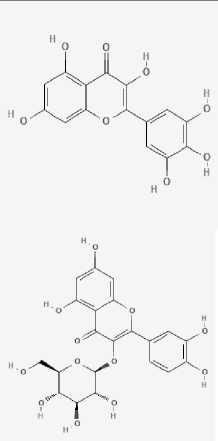
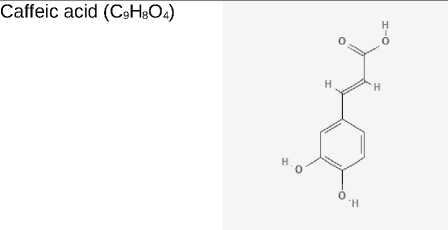
The seed contains sesquiterpenes, fatty acids, proanthocyanidin, hydrocarbons, steroidal and glycidic derivatives, tannins, polyphenols and a saponin. In the leaves there are flavonoids (quercetin, catechin, epicatechin and cyanidin), abacatin (bitter principle), tannins, persine and tyramine. The avocado seed extracts showed to be effective in the reduction of glycemic, triglycerides, and blood pressure levels, helps to lower cholesterol, prevent cardiovascular disease, and it has antioxidant and antimicrobial activities which are used for dermatological goals (Athaydes et al., 2022; Alao et al., 2023). Use by infusion is recommended, when adding a 1 teaspoon of chopped leaves or flowers to 1 liter of water, take a cup 3 times a day for 2 to 3 weeks (Tabeshpour et al., 2017). In the decoction method with the seed, it is recommended to grate the stone and measure a tablespoon to half a liter of water. Boil stand and filter. Take twice a day, for 2 to 3 weeks (Lorenzi and Matos, 2008). Abd Elkader et al. (2022) reported that avocado fruit extracts have higher α-amylase inhibitory activity, and its anti-diabetes effects are due to its ethanolic extract, which could have a noticeable effect on human health because of higher content of polyphenols. The hydroalcoholic extract of the leaves of Persea americana has shown anti-diabetic activities, probably acts to manage glucose uptake in muscles and liver by way of protein kinase B (PKB/Akt) activation, restoring the intracellular energy balance. It has been also discovered that the insulin resistance, and the glucose tolerance induced by high sucrose diet in Wistar rats can be decreased by the dietary supplementation of 5-20% avocado oil. An aqueous extract of its seeds can promote the activation of the PI3K/AkT pathway and the inhibition of β-cell death, and its application also did the significant decrease in alloxan-induced increases in LDL-C, TG, FBG, G6P, IL-6, TNF-α, and NF-κB.
CONCLUSIONS
This results with a small portion of plants shown that a large variety of compounds obtained from several plants of South America were found to possess hypoglycemic action. The great variety of chemical classes indicate that a variety of mechanisms of action are involved in reduction of the glucose level in blood. Of estimated number higher plants, small amount has been screened pharmacologically and very few regarding DM. Therefore, it is prudent to look for therapeutic options in herbal medicine for DM, encouraging new studies to validate the safety of use, mainly in developing countries such those of South America, where the use of traditional medicine is high. Thus, plant-based dietary patterns, especially when they are enriched with healthful plant-based foods, may be beneficial for the primary prevention of DM, showing new applications and opportunities.
CONFLICTS OF INTEREST
The author declares that he has no potential conflict of interest.
