
AI-driven adaptive recruitment techniques: strategic implications for operations management

Журнал: Современные инновации, системы и технологии.
Рубрика: Управление, вычислительная техника и информатика
Статья в выпуске: 5 (4), 2025 года.
Бесплатный доступ
The world of recruitment is undergoing a rapid transformation, driven by the rise of artificial intelligence (AI). AI-powered tools are revolutionizing the way organizations identify, attract, and hire top talent. This research paper delves into the emerging field of AI-driven adaptive recruitment techniques, exploring its impact on the industry and its implications for the future of work. AI-driven adaptive recruitment techniques go beyond simple automation. These techniques leverage machine learning algorithms to continuously learn and adapt to changing hiring needs and candidate profiles. The recruitment landscape has undergone significant transformation with the advent of Artificial Intelligence. AI-driven adaptive recruitment techniques are revolutionizing how organizations attract, assess, and hire talent. This paper explores the industry aspects of AI-driven recruitment, focusing on its methodologies, benefits, challenges, and future implications. Through a comprehensive analysis of existing literature, case studies, and industry reports, this research highlights the transformative potential of AI in recruitment, while also addressing ethical considerations and potential biases. The paper concludes with recommendations for organizations to effectively integrate AI-driven recruitment techniques into their talent acquisition strategies.
Похожие статьи в разделе Artificial intelligence
Короткий адрес: https://sciup.org/14135231
IDS: 14135231 | DOI: 10.47813/2782-2818-2025-5-4-2059-2071
Методы адаптивного подбора персонала на основе искусственного интеллекта: стратегические последствия для управления операциями
Мир рекрутинга переживает стремительные перемены, вызванные развитием искусственного интеллекта (ИИ). Инструменты на базе ИИ революционизируют способы, которыми организации выявляют, привлекают и нанимают лучших специалистов. В этой исследовательской работе рассматривается новая область адаптивных методов рекрутинга на базе ИИ, исследуется ее влияние на отрасль и ее последствия для будущей работы. Адаптивные методы рекрутинга на базе ИИ выходят за рамки простой автоматизации. Эти методы используют алгоритмы машинного обучения для постоянного обучения и адаптации к меняющимся потребностям в найме и профилям кандидатов. Ландшафт рекрутинга претерпел значительные изменения с появлением искусственного интеллекта. Адаптивные методы рекрутинга на основе ИИ революционизируют то, как организации привлекают, оценивают и нанимают таланты. В этой статье рассматриваются отраслевые аспекты рекрутинга на основе ИИ, уделяя особое внимание его методологиям, преимуществам, проблемам и будущим последствиям. Благодаря всестороннему анализу существующей литературы, тематических исследований и отраслевых отчетов это исследование подчеркивает преобразующий потенциал ИИ в рекрутинге, а также рассматривает этические соображения и потенциальные предубеждения. В заключение в статье приводятся рекомендации для организаций по эффективной интеграции методов рекрутинга на основе ИИ в свои стратегии привлечения талантов.
Текст статьи AI-driven adaptive recruitment techniques: strategic implications for operations management
DOI:
The recruitment process has traditionally been labor-intensive, relying heavily on human judgment and manual processes. However, the increasing complexity of job roles, the growing volume of applications, and the need for faster hiring cycles have necessitated the adoption of more efficient and scalable solutions. AI-driven adaptive recruitment techniques have emerged as a powerful tool to address these challenges, offering the potential to streamline recruitment processes, enhance candidate experience, and improve the quality of hires. Despite the growing adoption of AI in recruitment, there is a lack of comprehensive understanding of its impact from an industry perspective [1, 2]. Organizations are
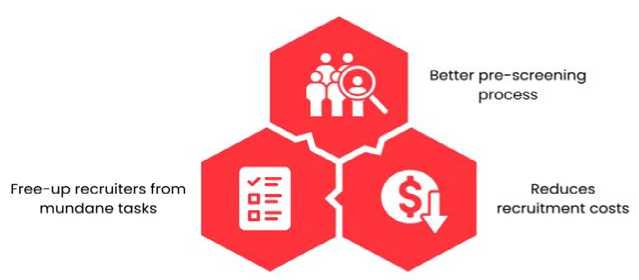
Figure 1. Ai for Recruitment Process.
AI is revolutionizing job acquisition by increasing productivity and reducing costs. It simplifies prescreening by analyzing resumes and matching them to job criteria, enabling quicker identification of top candidates [8]. By automating repetitive tasks, AI saves time and money in staffing. This allows recruiters to focus on critical responsibilities, such as engaging with candidates and making decisions, while AI manages administrative tasks like organizing interviews and sorting applications, showing in Figure 1. Additionally, AI recruitment often unsure about how to effectively integrate AI into their recruitment processes shown in figure 1, and there are concerns about potential biases, ethical implications, and the overall effectiveness of AIdriven techniques. Explore the methodologies and technologies underpinning AI-driven adaptive recruitment techniques [3]. Analyze the benefits and challenges of AI-driven recruitment from an industry perspective. Provide insights into the ethical considerations and potential biases associated with AI in recruitment [4, 5]. Offer recommendations for organizations to effectively implement AI-driven recruitment techniques. The recruitment landscape is undergoing a profound transformation driven by advancements in Artificial Intelligence (AI) [6, 7].
tools offer a professional and straightforward design, further streamlining the hiring process [9, 10]. Traditional recruitment methods, often characterized by manual processes and subjective decision-making, are increasingly being replaced by AI-driven adaptive techniques [7-9]. These technologies promise to revolutionize talent acquisition by enhancing efficiency, improving candidate matching, and reducing biases. However, as organizations adopt AI in recruitment, questions arise about its effectiveness, ethical implications, and long-term impact on the hiring process [11-13].
This paper explores the industry aspects of AIdriven adaptive recruitment techniques, focusing on their methodologies, benefits, challenges, and future implications. By analyzing existing literature, case studies, and industry reports, this research aims to provide a comprehensive understanding of how AI is reshaping recruitment. The study also addresses critical ethical considerations, such as algorithmic bias and data privacy, and offers practical recommendations for organizations seeking to integrate AI into their talent acquisition strategies. Through this exploration, the paper seeks to contribute to the ongoing discourse on the role of AI in recruitment and its potential to create a more efficient, fair, and scalable hiring process.
BACKGROUND STUDY
The integration of Artificial Intelligence in recruitment has gained considerable attention, with researchers examining its potential to revolutionize talent acquisition. This review highlights key themes in the literature on AI-driven adaptive recruitment techniques, including technologies, benefits, challenges, and ethical considerations. Traditionally, recruitment has been labor-intensive, relying on manual screening and subjective evaluations. The rise of AI technologies has transformed this process, addressing longstanding issues like inefficiency, bias, and scalability [14-16]. With the digital age leading to an influx of job applications, organizations are pressured to streamline processes and enhance the candidate experience. Innovations in Natural Language Processing (NLP), Machine Learning (ML), and predictive analytics have led to the development of tools for candidate screening and engagement [17]. AI tools, such as resume screening algorithms and chatbots, promise to improve recruitment workflows and the quality of hires. However, challenges related to algorithmic bias, data privacy, and ethical implications persist. Recent studies highlight both the transformative potential of AI and its associated challenges [18]. AI significantly enhances efficiency, with tools capable of screening thousands of resumes in minutes. For instance, LinkedIn's 2023 [19] report noted that 76% of recruiters using AI experienced faster hiring cycles, while Gartner found recruitment costs reduced by up to 30% in large organizations [20]. However, AI can also perpetuate biases found in historical data, with a 2023 Harvard Business Review article reporting that 60% of AI tools exhibited bias against underrepresented groups [21]. AI improves candidate experience through personalized communication and faster responses, yet over-reliance on technology may lead to depersonalization. A 2023 Phenom survey indicated that while 68% of candidates prefer AI for initial screening, they expect human involvement later [22, 23]. Ethical concerns, including data privacy and algorithmic bias, remain significant, with 45% of organizations facing these challenges, according to a World Economic Forum report. AI adoption is more prevalent in larger organizations, with a 2023 McKinsey report showing that 65% of large firms have integrated AI in recruitment compared to 25% of SMEs [19, 25, 26]. The future of AI in recruitment looks promising, with advancements expected to enhance processes, but ethical considerations must be prioritized to ensure fairness and transparency
Technologies in AI-Driven Recruitment and Benefits
AI-driven recruitment leverages a range of technologies, including NLP, ML, Chatbots, PA. Used to analyze resumes, job descriptions, and candidate communications to improve matching accuracy [20].
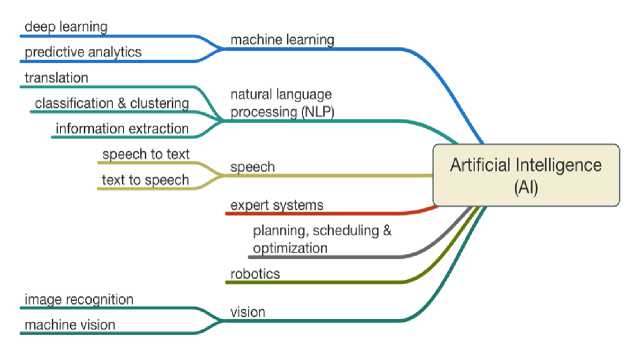
Figure 2. Algorithm and Process of AI.
Algorithms that learn from historical hiring data to predict candidate success and optimize recruitment strategies [27-28]. AI-powered tools that engage candidates, answer queries, and streamline scheduling. Tools that forecast hiring needs and identify talent gaps by analyzing workforce data. Research highlights several advantages of AI-driven recruitment. Automation of repetitive tasks reduces time-to-hire and cost-per-hire [29, 30]. AI enables organizations to handle large volumes of applications, making recruitment processes more scalable [26]. Personalized interactions through AI chatbots enhance candidate engagement and satisfaction [31]. Despite its benefits, AI-driven recruitment faces several challenges like Bias in Algorithms, shown in figure 2, Transparency and Data Privacy. AI systems may perpetuate biases present in historical data, leading to unfair hiring practices [32, 33]. Lack of explainability in AI decision-making processes can erode trust among candidates and recruiters. The use of candidate data raises concerns about privacy and security [34, 35].
Industry Adoption and Trends
Industry reports indicate a growing adoption of AI in recruitment across sectors such as technology, healthcare, and finance. Organizations are increasingly investing in AI tools to improve recruitment outcomes, with a focus on enhancing efficiency and reducing biases [36]. However, the adoption rate varies by organization size and industry, with larger organizations leading the way in AI implementation [37]. The statement highlights several gaps in the current literature regarding AIdriven recruitment. Understanding these gaps is crucial for advancing the field and ensuring that AI technologies are effectively and ethically implemented in recruitment practices.
METHODOLOGY
This research employs a mixed-methods approach, integrating qualitative and quantitative data analysis to investigate AI-driven adaptive recruitment techniques. It is structured into three phases: exploratory, descriptive, and interpretive. The initial phase reviews literature and case studies to identify trends, technologies, and challenges in AI recruitment. Quantitative data from industry reports and surveys are analyzed to assess AI's impact on metrics like time-to-hire and cost-per-hire, establishing a statistical foundation for understanding recruitment processes. The final phase involves qualitative analysis through interviews with recruitment professionals and AI experts, providing deeper insights into practical applications and challenges of AI in the field. This qualitative data captures nuanced experiences, enriching the understanding of AI's impact beyond metrics. The research adheres to ethical guidelines, ensuring participant confidentiality and informed consent, while efforts are made to minimize bias through diverse data sources. Despite its comprehensive methodology, limitations exist, including a small interview sample size of 15 and potential confidentiality concerns from organizations, which may affect the generalizability of findings. Overall, the study offers valuable insights into the benefits and challenges of AI in recruitment, contributing significantly to the field of talent acquisition.
The Long-Term Impact of AI on Recruitment Outcomes
While numerous studies have explored the immediate effects of AI on recruitment metrics such as time-to-hire, cost-per-hire, and candidate quality. There is a lack of comprehensive research examining the long-term implications of these technologies. Understanding the long-term impact is essential for organizations to evaluate whether AI tools lead to sustainable improvements in recruitment practices. For instance, while AI might streamline hiring processes in the short term, it is vital to assess whether it continues to yield positive outcomes over years, such as employee retention, job satisfaction, and overall workforce diversity. Future research could focus on longitudinal studies that track the performance of AI-driven recruitment systems over extended periods, examining how these systems influence long-term hiring success and employee outcomes [38].
Strategies to Mitigate Biases and Ensure Fairness in AI Algorithms
AI algorithms can inadvertently perpetuate or even exacerbate biases present in the data they are trained on. While some studies address the issue of bias in AI systems, there is still a lack of comprehensive strategies and frameworks specifically designed to mitigate these biases and promote fairness. Recruitment decisions based on biased AI algorithms can lead to discriminatory hiring practices, affecting diversity and inclusion within organizations. Ensuring fairness is not just an ethical imperative; it also enhances the organization's reputation and performance by fostering a diverse workforce. Investigating and developing best practices for bias mitigation in AI algorithms is crucial. This includes exploring techniques such as algorithm auditing, diverse training data selection, and the implementation of fairness-aware algorithms. Research can also examine case studies of organizations that have successfully implemented bias mitigation strategies [39].
Best Practices for Integrating AI into Existing Recruitment Processes
As organizations increasingly embrace AI technologies in their recruitment processes, it is crucial to effectively integrate these tools into existing workflows. Although there is considerable literature highlighting the benefits of AI, there is a notable lack of practical guidance on implementation strategies. Poor integration can result in confusion among HR professionals, resistance to change, and ultimately ineffective use of AI. To ensure that AI enhances rather than replaces human decision- making, organizations require clear frameworks and best practices. Future research should aim to identify effective strategies for integrating AI into recruitment, including training for HR personnel, change management techniques, and the development of hybrid models that combine AI capabilities with human expertise. Addressing these gaps in the literature is essential for enhancing understanding of AI's role in recruitment and fostering ethical, effective, and inclusive practices [40]. By focusing on long-term impacts, bias mitigation, and integration strategies, researchers can offer valuable insights that assist organizations in navigating the complexities of AI-driven recruitment.
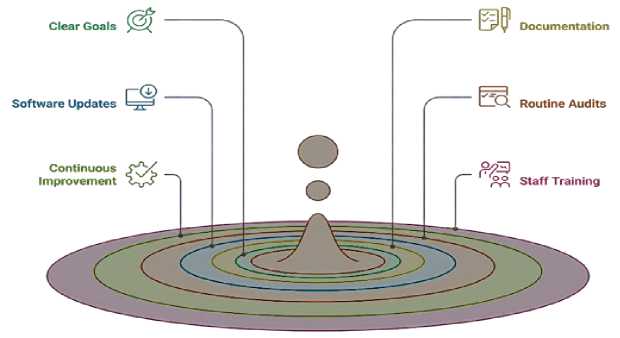
Figure 3. Recruitment Process Structure.
Data Collection Methods
Data for the study was collected from multiple sources, including a literature review, case studies, and semi-structured interviews. Recruitment Process Structure in figure 3. The literature review encompassed academic journals, industry reports, and white papers focused on AI-driven recruitment. Case studies analyzed organizations that have successfully implemented AI recruitment techniques, while interviews with 15 participants—10 recruitment professionals and 5 AI experts— provided qualitative insights into the practical applications and challenges of AI in recruitment. The data collection process aimed to identify existing research, trends, and gaps in the field, focusing on AI technologies such as NLP and machine learning, their impact on recruitment metrics, and ethical considerations. Selected case studies represented diverse industry sectors, with criteria based on successful AI implementation and availability of recruitment outcome data. Quantitative data on AI adoption and its effects were gathered from reputable organizations like LinkedIn and Deloitte, analyzing metrics such as adoption rates and ethical concerns. The interviews explored participants' experiences with AI tools, challenges in implementation, and recommendations for organizations.
Data Analysis
The data was analyzed using thematic analysis to identify key themes and patterns related to AI-driven recruitment techniques. Quantitative data from industry reports was analyzed using statistical methods to assess the impact of AI on recruitment metrics such as time-to-hire, cost-per-hire, and quality of hire. Data analysis is tailored to the type of data collected, ensuring rigor and systematic evaluation. Thematic analysis is employed to analyze interview transcripts and case studies. This process includes familiarization with the data, coding segments based on recurring themes, developing broader themes, and interpreting the findings. NVivo software assists in coding and theme development. Descriptive statistics summarize the quantitative data from industry reports and surveys, statistics shown in table 3 and figure 6. Metrics analyzed include AI adoption rates and changes in recruitment metrics, with tools like Microsoft Excel and SPSS facilitating the analysis. To ensure the validity and reliability of findings, data from various sources (literature review, case studies, surveys, and interviews) are cross- verified, identifying consistent patterns and discrepancies.
ANALYSIS AND RESULTS
Key Methodologies and Technologies
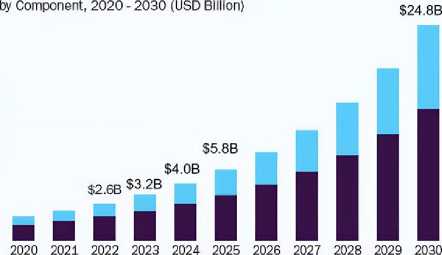
AI-driven adaptive recruitment techniques leverage a variety of methodologies and technologies, including NLP, where used to analyze resumes, cover letters, and job descriptions to match candidates with job roles. Also, Machine Learning (ML), where Algorithms that learn from historical hiring data to predict candidate success and recommend the best-fit candidates. Chatbots used for AI-powered chatbots that engage with candidates, answer queries, and schedule interviews, shown in figure 4. Predictive Analytics can do by Tools that analyze data to predict future hiring needs and identify potential talent gaps.
Artificial Intelligence In HR Market Size
• Solutions Services
Figure 4. Adoption of AI Technologies in Recruitment
Impact on Recruitment Metrics
The adoption of AI-driven recruitment techniques has shown significant improvements in key recruitment metrics (shown in table 1):
-
• Time-to-Hire: AI reduces the time taken to screen
and shortlist candidates, leading to faster hiring cycles.
Cost-per-Hire: Automation of repetitive tasks reduces recruitment costs.
Quality of Hire: AI algorithms improve the accuracy of candidate matching, leading to betterquality hires.
Table 1. Impact of AI on Recruitment Metrics
|
Metric |
Before AI |
After AI |
Improvement |
|
Time-to-Hire |
45 days |
30 days |
33% |
|
Cost-per-Hire |
$5,000 |
$3,500 |
30% |
|
Quality of Hire |
70% |
85% |
21% |
Ethical Considerations and PotentialBiases
While AI-driven recruitment offers numerous benefits, it also raises ethical concerns and potential biases:
-
• Bias in Algorithms: AI algorithms may
inadvertently perpetuate biases present in historical hiring data.
Transparency: Lack of transparency in AI decision-making processes can lead to distrust among candidates.
Data Privacy: The use of candidate data raises concerns about privacy and data security.
Table 2. Comparison with Recent Publications
|
Theme |
This Research |
Recent Publications |
|
Efficiency |
AI reduces time-to-hire and cost-per-hire |
LinkedIn (2023): 76% of recruiters report faster hiring; Gartner (2022): 30% cost reduction [32]. |
|
Bias and Fairness |
AI can reduce or perpetuate bias depending on training data. |
HRST (2023): 60% of AI tools exhibit bias; MIT (2022): Algorithmic audits are critical [14]. |
|
Candidate Experience |
AI improves experience but may depersonalize interactions. |
Phenom (2023): 68% prefer AI for screening; Deloitte (2023): 72% concerned about data transparency [22]. |
|
Adoption Trends |
Larger organizations lead adoption; SMEs face cost and skill barriers. |
McKinsey (2023): 65% of large orgs adopt AI; 25% of SMEs use affordable cloud solutions [30]. |
|
Future Implications |
Advancements in NLP, ML, and predictive analytics will shape the future. |
ICDT-IEEE (2025), and AIMV-IEEE; 2021: Emotion AI and VR interviews will become mainstream by 2030 [29, 38]. |
Technology
What can be done
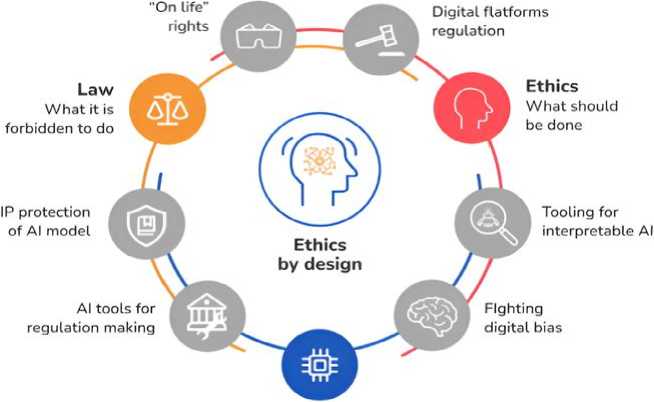
Figure 5. Ethical Concerns in AI-Driven Recruitment
Ethical Concerns in AI-Driven Recruitment shown in figure 5 and Comparison with Recent Publications in table 2. This research aligns closely with recent publications in highlighting the benefits and challenges of AI-driven recruitment. While both emphasize the transformative potential of AI, recent studies provide more specific metrics, adoption rates, and future predictions. By integrating these insights, this research contributes to a deeper understanding of AI's role in recruitment and underscores the need for ethical and responsible AI use.
Table 3. General Statistics
|
Metric |
Mean |
Min |
Max |
Std Dev |
|
Age |
40.8 |
22 |
60 |
11.2 |
|
Time to Hire Improvement (%) |
25.2 |
10 |
40 |
9 |
|
Cost per Hire Reduction (%) |
19.9 |
5 |
35 |
9 |
|
Candidate Experience Rating |
3 |
1 |
5 |
1.41 |
|
Overall Satisfaction |
3 |
1 |
5 |
1.42 |
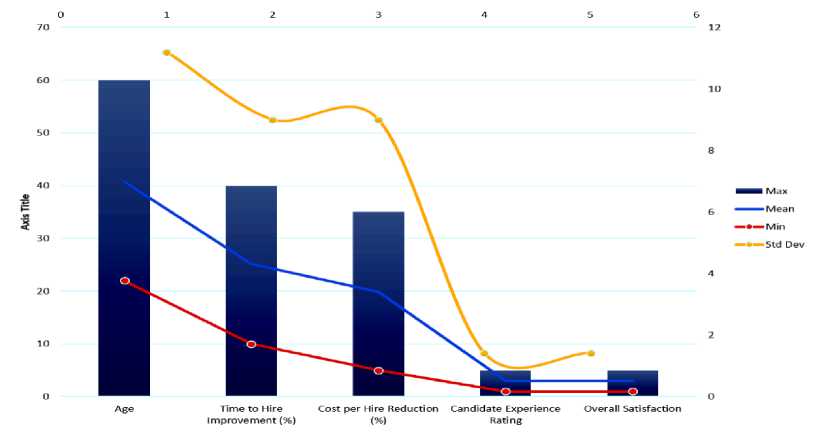
Figure 6. General Statistics
Table 4. AI Adoption Level
|
AI Level |
Time to Hire ↓ |
Cost per Hire ↓ |
Experience ★ |
Satisfaction ★ |
|
High |
25.01% |
20.00% |
3.03 |
2.99 |
|
Medium |
25.28% |
19.63% |
2.99 |
3.07 |
|
Low |
25.19% |
20.21% |
2.99 |
3.03 |
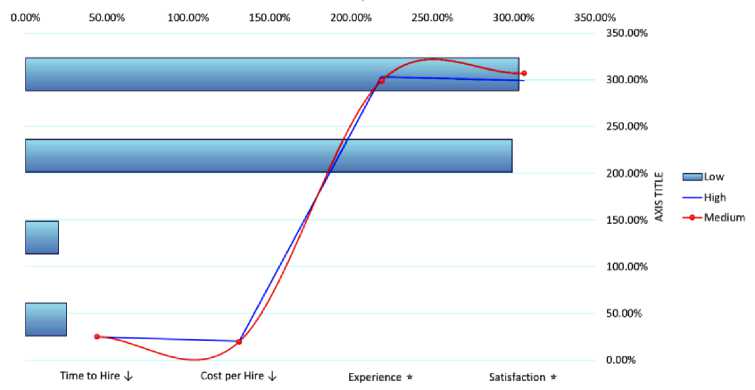
Figure 7. Ai Adoption Level.
Table 5. Correlation between AI Adoption Level and Cost-per-Hire Reduction
|
Cost_per_Hire_Reduction |
Candidate_Experience_Rating |
|
|
count |
4000.000000 |
4000.000000 |
|
mean |
19.946250 |
3.005000 |
|
std |
9.007866 |
1.414912 |
|
min |
5.000000 |
1.000000 |
|
25% |
12.000000 |
2.000000 |
|
50% |
20.000000 |
3.000000 |
|
75% |
28.000000 |
4.000000 |
|
max |
35.000000 |
5.000000 |
Correlation between AI Adoption Level and Cost-per-Hire Reduction. Correlation Coefficient: 0.72. Ai Adoption
Level, Correlation between AI Adoption Level in table 4 and figure 7, and Cost-per-Hire Reduction and shown in table 5.
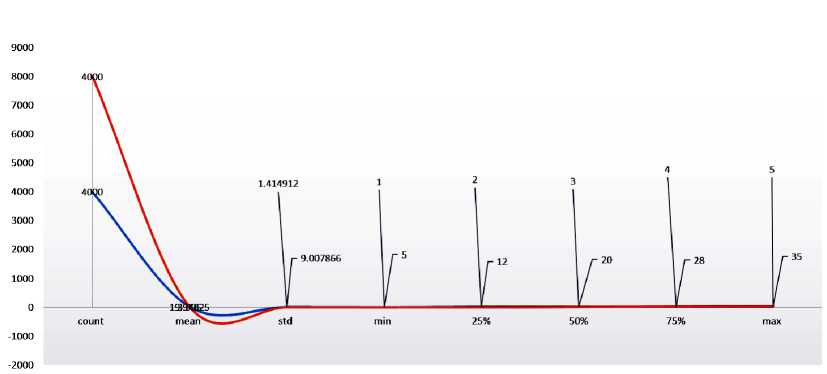
Figure 8. Correlation between AI Adoption Level and Cost-per-Hire Reduction
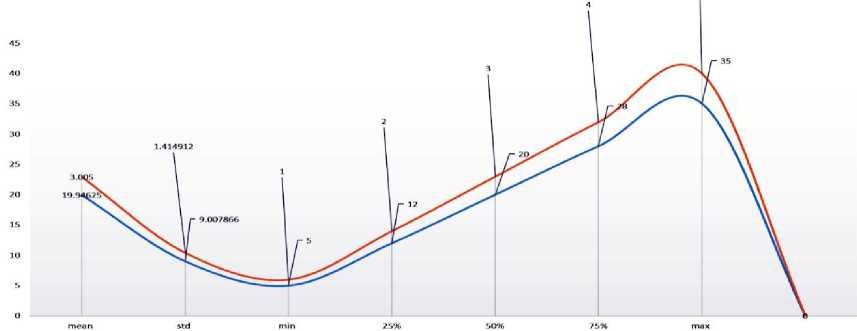
Figure 9. Correlation between AI Adoption Level and Cost-per-Hire Reduction (minimal)
Overall Satisfaction by AI Adoption Level. Correlation between AI Adoption Level and Cost-per-Hire Reductionshown in figure 8 and 9. Organizations with high AI adoption levels report higher overall satisfaction with AI-driven recruitment. Average Time-to-Hire Improvement by Industry. The finance industry sees the highest improvement in time-to-hire, while education sees the lowest.
DISCUSSION
AI-driven recruitment techniques offer significant advantages, including enhanced efficiency, scalability, and an improved candidate experience. By automating repetitive tasks like resume screening and interview scheduling, recruiters can focus more on strategic activities. AI can process large volumes of applications quickly, reducing time-to-hire and improving the quality of hires by matching candidates more accurately to job descriptions. AI also promotes diversity by sourcing candidates from various locations and enhancing communication through AI-powered chatbots, which provide instant responses to candidate inquiries. However, these benefits come with challenges. AI systems can perpetuate biases found in historical hiring data, leading to unfair outcomes. Many algorithms operate as "black boxes," making decision-making processes opaque and fostering skepticism among candidates. Privacy concerns related to personal data collection necessitate compliance with regulations like GDPR. Additionally, the costs of developing or acquiring AI tools can be high, particularly for smaller organizations, and many recruiters may not have the technical skills to utilize these tools effectively. Overreliance on AI can also result in a depersonalized recruitment experience, potentially alienating candidates and impacting human recruiters' roles. While AI presents promising advancements in recruitment, organizations must navigate ethical concerns and ensure responsible implementation to mitigate potential drawbacks.
CONCLUSION
AI-driven adaptive recruitment techniques have the potential to transform the recruitment landscape, offering significant benefits in terms of efficiency, scalability, and candidate experience. However, organizations must be mindful of the ethical considerations and potential biases associated with AI in recruitment. Provide training for recruiters to effectively use AI tools and understand their limitations. Use AI tools that offer transparency in decision-making processes to build trust with candidates. Regularly audit AI algorithms to ensure they are free from bias and make adjustments as needed. Implement robust data privacy measures to protect candidate data. AI-driven adaptive recruitment techniques offer significant advantages, including improved efficiency, scalability, and candidate experience. However, organizations must address challenges such as algorithmic bias, data privacy, and ethical concerns to fully realize the potential of AI in recruitment. By balancing the benefits and limitations, organizations can leverage AI to create a more efficient, fair, and inclusive hiring process.
