
Общественное восприятие и медийная репрезентация многодетных семей (кейс Республики Татарстан)
Журнал: Народонаселение @narodonaselenie
Рубрика: Демография: вопросы теории и практики
Статья в выпуске: 3 т.29, 2026 года.
Бесплатный доступ
В статье рассматривается феномен многодетности в современном российском обществе как результат сложного и динамичного процесса социального конструирования. В работе представлен вторичный анализ результатов отечественных социологических исследований (Т.Н. Грудина, А.Е. Звонарева, Ю.А. Лебедева и других), посвящённых общественному восприятию многодетных семей и образа многодетной матери в современной России. Анализ выявил амбивалентность репрезентаций многодетности, сочетающих позитивные ассоциации с традиционными ценностями, семейной сплочённостью и взаимопомощью с негативными стереотипами, связанными с материальными трудностями, социальным неблагополучием и иждивенчеством. В статье автор также делится результатами массового опроса 400 жителей Республики Татарстан (РТ) и 20 глубинных интервью с многодетными матерями. Эмпирические данные демонстрируют, что личный родительский опыт влияет на эмоциональную и когнитивную оценку многодетности: многодетные чаще фиксируют позитивные реакции окружающих, в то время как бездетные и семьи с 1–2 детьми склонны к большей критичности и вниманию к негативным аспектам. Отмечены значимые различия по признаку детности в восприятии образа многодетных семей в СМИ и запросах на его изменение. Также предложены меры по улучшению общественного отношения, включая государственное поощрение, расширение прав и льгот, позитивное медиа-освещение и образовательные программы.
Короткий адрес: https://sciup.org/143186321
IDS: 143186321 | DOI: 10.24412/1561-7785-2026-3-88-100
Public perception and media representation of large families (the case of the Republic of Tatarstan)
The article examines the phenomenon of having many children in modern Russian society as a result of a complex and dynamic process of social construction. The paper presents a secondary analysis of the results of domestic sociological research (T.N. Grudina, A.E. Zvonareva, Yu. A. Lebedeva, and others) devoted to the public perception of large families and the image of a mother with many children in modern Russia. The analysis revealed ambivalent representations of large families, combining positive associations with traditional values, family cohesion, and mutual assistance with negative stereotypes associated with financial hardship, social disadvantage, and dependency. In the article, the author also shares the results of a mass survey of 400 residents of the Republic of Tatarstan and 20 in-depth interviews with mothers having many children. It was found that in the public consciousness, large families have an ambivalent image, combining traditional values and positive stereotypes (cohesion, responsibility, and stable family ties) with persistent negative perceptions (poverty, social disadvantage, and selfish motives). Empirical data demonstrate that personal parenting experience influences the emotional and cognitive assessment of large families: those with many children more often register positive reactions from others, while childless families and families with one or two children tend to be more critical and focus on negative aspects. Significant differences based on the number of children were indicated in perception of the image of large families in the media and in requests for its change. The article also proposed measures to improve public attitudes, including government incentives, expanded rights and benefits, positive media coverage, and educational programs.
Текст научной статьи Общественное восприятие и медийная репрезентация многодетных семей (кейс Республики Татарстан)
В статье рассматривается феномен многодетности в современном российском обществе как результат сложного и динамичного процесса социального конструирования. В работе представлен вторичный анализ результатов отечественных социологических исследований (Т.Н. Грудина, А.Е. Звонарева, Ю.А. Лебедева и других), посвящённых общественному восприятию многодетных семей и образа многодетной матери в современной России. Анализ выявил амбивалентность репрезентаций многодетности, сочетающих позитивные ассоциации с традиционными ценностями, семейной сплочённостью и взаимопомощью с негативными стереотипами, связанными с материальными трудностями, социальным неблагополучием и иждивенчеством. В статье автор также делится результатами массового опроса 400 жителей Республики Татарстан (РТ) и 20 глубинных интервью с многодетными матерями. Эмпирические данные демонстрируют, что личный родительский опыт влияет на эмоциональную и когнитивную оценку многодетности: многодетные чаще фиксируют позитивные реакции окружающих, в то время как бездетные и семьи с 1–2 детьми склонны к большей критичности и вниманию к негативным аспектам. Отмечены значимые различия по признаку детности в восприятии образа многодетных семей в СМИ и запросах на его изменение. Также предложены меры по улучшению общественного отношения, включая государственное поощрение, расширение прав и льгот, позитивное медиа- освещение и образовательные программы.
лючевые слова:
многодетная семья, социальное конструирование, общественное восприя тие, медийные репрезентации, демографические ценности, социальная поддержка.
Постановка проблемы
Образ многодетной семьи в современном российском обществе не является фиксированной данностью, а представляет собой результат многослойного и динамичного процесса социального конструирования. Он формируется на пересечении индивидуальных характеристик (внешний облик, поведенческие стратегии, внутрисемейная динамика), институциональных контекстов (нормы и практики государственной семейной и демографической политики) и медийных репрезентаций (традиционные средства массовой информации (далее — СМИ) и цифровые платформы). Теоретическую основу анализа составляют концепция социального конструирования П. Бергера и Т. Лукмана 1, гендерные теории материнства Ш. Хейс 2 и Н. Чодоров 3, а также теория статусных характеристик С. Риджвей и С. Коррелл [1]. Эти подходы позволяют рассматривать семью как социальный институт, а материнство — как статусноролевую позицию в конкретном культурноэкономическом контексте. Институциональная рамка репрезентаций многодетной семьи в России вписана в социальную политику, ориентированную на традиционные семейные ценности. Согласно теории институциональных матриц, российская модель (Х-матрица) строится на коллективистских, иерархичных и патерналистских институтах, в которых многодетная семья символизирует устойчивость общества, а мать выступает ключевой фигурой, обеспечивающей выполнение демографических задач [2].
Сегодняшнее общественное мнение о многодетной семье часто оказывается разделённым между традиционными представлениями и установками и современными тенденциями, что порождает как под- держку, так и критику различных форм семейной жизни. На протяжении десятилетий в России отсутствовало единое правовое определение многодетной семьи на федеральном уровне, что до 2024 г. обусловило регулирование исключительно на уровне субъектов РФ и привело к фрагментарности законодательства. Отсутствие унифицированного критерия осложняло и научные исследования. В 1990-х — 2010-х гг. продолжалась дискуссия о численном пороге многодетности, при этом в литературе использовались модели с тремя, четырьмя и пятью детьми (Г.И. Назарова [3], О.Н. Безрукова [4]), что затрудняло сопоставление данных и формирование целостной государственной политики. Принятие Указа Президента России от 23 января 2024 г. № 63 4 ознаменовало переход к новой фазе институционального признания многодетности как социального явления. Впервые на федеральном уровне было закреплено понятие: многодетная семья — это семья, имеющая трёх и более детей — и этот статус устанавливается бессрочно. В настоящем исследовании будет использована категория «многодетная семья», однако, учитывая, что в массовом сознании семья в первую очередь ассоциируется с материнской фигурой, акцент также будет сделан на образе многодетной матери.
В современном информационном пространстве образ многодетной семьи формируется под влиянием стереотипов СМИ и социальных сетей, сочетая позитивные ассоциации с традиционными ценностями и устойчивостью с негативными представлениями о бедности и социальном неблагополучии. Так, например, в трудах Т.Н. Грудиной образ многодетной семьи включает представление о неблагополучии, обусловленном многочисленными ограничениями и недостатками: материальными лишениями, такими как недостаток одежды, скудный рацион питания, ограниченный доступ к качественному образованию [5]. Такие учёные, как А.Е. Звонарева и Ю.А. Ле- бедева, зафиксировали возрастные различия: молодёжь (18–29 лет) проявляет меньший интерес к многодетности (36,4%), тогда как старшие поколения (60 лет и старше) — больший (69,2%) [6]. Сходная возрастная дифференциация восприятия многодетности обнаружена в зарубежном исследовании J. Gorbaniuk, M. Szyszka и J. Goleń: проведённое среди 506 респондентов исследование показало различия в представлениях о малодетных и многодетных семьях между возрастными группами [7]. В свою очередь, Т.В. Пермякова и А.А. Красноперова выявили преобладание позитивного восприятия, связанного с семейной сплочённостью, но четверть респондентов сохраняют негативный образ; молодёжь чаще воспринимает многодетность через призму негативных образов из медиа [8]. В отличие от этого, А.В. Вайсбург отмечает у молодёжи позитивное восприятие, основанное на ответственности обоих родителей [9]. Тем временем, Е.В. Камышова и В.В. Кочетков подчёркивают социальную уязвимость многодетных семей и явление эксклюзии, а С.Н. Костина и Г.А. Банных связывают её с преобладанием в медиа нейтрально-негативных образов, закрепляющих стереотипы о неблагополучии [10; 11].
Методика исследования
С целью выявления образа многодетных семей, в том числе образа многодетных матерей, в Республике Татарстан (РТ) проведён опрос населения с выборкой 400 респондентов методом квотного отбора по полу и возрасту среди городского и сельского населения. При доверительной вероятности 95% максимальная статистическая погрешность выборки менее 5%. В опросе приняли участие жители республики, представляющие разные гендерные, возрастные, семейные и этно-религиозные группы республики. Женщины составили 55% выборки, распределение по возрастным группам: 18–29 лет — 25%, 30–49 лет — 35%, 50 лет и старше — 40%. Большинство состоят в официальном браке (73,5%). Бездетные составили 25% выборки, имею- щие одного-двух детей (немногодетные) — 53%, троих и более детей (многодетные) — 22%. Большинство респондентов — татары (70%), жители городов (76%), имеют высшее образование (62%) и работают по найму (58,5%). Глубинными интервью были охвачены 20 многодетных матерей. В их семьях чаще всего — трое детей, возраст которых варьируется от 1 месяца до 23 лет. Средний возраст женщин, ставших информантами, составил 36 лет. Большинство замужем, имеют высшее образование, по национальности — татарки с умеренным уровнем религиозности (верующие, но участвуют в обрядах только по праздникам).
К ограничениям исследования следует отнести особенности использованного инструментария. Во-первых, перечень вариантов ответа на вопрос об образе многодетной семьи в СМИ и социальных сетях включал больше характеристик с негативной коннотацией, что потенциально могло влиять на распределение ответов. Во-вторых, при оценке отношения к знакомым многодетным семьям отдельно не фиксировалось наличие или отсутствие таких семей в непосредственном окружении респондента, что необходимо учитывать при интерпретации данного показателя. В-третьих, понятия «непонимание» и «дискриминация» в рамках использованного инструментария концептуально не разграничивались, поэтому полученные оценки следует интерпретировать как обобщённые представления респондентов о негативном отношении к многодетным семьям. Наконец, участники глубинных интервью проживали в разных городах и районах РТ, однако территориальная принадлежность информантов в ходе интервью отдельно не фиксировалась, в связи с чем анализ территориальных различий в рамках качественной части исследования не проводился.
Результаты и обсуждение
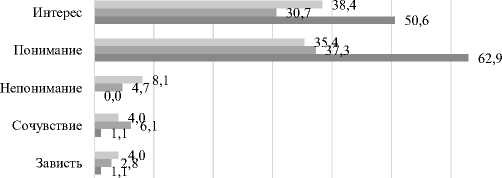
В соответствии с данными массового опроса, половина опрошенных жителей РТ (50,3%) заявила о позитивном отношении к знакомым многодетным семьям (род- ственникам, друзьям, коллегам и пр.), чуть меньше половины (45,5%) выбрали нейтральную позицию, и лишь 2,5% выразили негативное отношение. Наиболее частыми чувствами, которые вызывают многодетные семьи у населения, являются уважение (63,3%), понимание (42,5%) и интерес (37%). Данные показатели определялись на основании ответов респондентов на вопрос «Какие чувства и эмоции Вы испытываете к многодетным семьям?». Одним из предложенных вариантов ответа являлся «интерес». Таким образом, в настоящем исследовании категория «интерес» характеризует субъективную эмоциональную реакцию респондента на многодетные семьи и не рассматривается как показатель репродуктивных намерений или готовности к многодетному родительству. При этом 10,8% опрошенных заявили, что вовсе не испытывают каких-либо чувств и эмоций по отношению к многодетным семьям.
Оказалось, что собственный родительский опыт особенным образом влияет на эмоциональные оценки многодетности. Понимание выражается наиболее часто у самих многодетных (62,9%), реже — у без- детных (35,4%) (χ² = 19,635, p = 0,001), интерес у многодетных — наиболее высокий (50,6%), у немногодетных — наименьший (30,7%) (χ² = 10,759, p = 0,005). Непонимание встречается почти исключительно у бездетных (8,1%), среди многодетных оно отсутствует вовсе (χ² = 7,171, p = 0,028). Уважение чаще выражают немногодетные (68,9%) и бездетные (58,6%) по сравнению с самими многодетными (55,1%) (χ² = 6,376, p = 0,041) (рис. 1).
При проведении глубинных интервью мы акцентировали внимание многодетных мам на их статусе и спросили, что для них значит быть многодетной мамой и ощущают ли они какую-либо особенность этого статуса. Значительная часть информантов сообщила об особенно глубоком эмоциональном удовлетворении, которое они получают от материнства, хотя для некоторых оно и сопряжено с трудностями: «Многодетная мама для меня — много любви от моих детей и мужа 5 » (информант № 12, трое детей, возраст: 2, 7 и 10 лет); «Несмо-

68,9
Уважение
Презрение
Отвращение
0,
Не испытываю никаких чувств и эмоций
15,2
■ Бездетные ■ Не многодетные ■ Многодетные
Рис. 1. Распределение ответов респондентов на вопрос «Какие чувства и эмоции Вы испытываете к многодетным семьям?», в разрезе групп по количеству детей, в %
Fig. 1. Distribution of respondents’ answers to the question «What feelings and emotions do you have towards large families?», broken down by groups by the number of children, in %
Источник: составлено по материалам авторского исследования.
тря на вечную усталость, это безграничное счастье…» (информант № 10, трое детей: 10 месяцев, 4 и 6 лет); «Детский смех, вечный бардак, ссоры и примирения… Я счастлива, чувствую, что так и должно быть» (информант № 19, трое детей, возраст: 5, 8 и 9 лет).
Однако для большинства бытовые трудности и повышенная ответственность «перевешивают» радость; эмоциональный фон многодетности в таких случаях оказывается несколько депрессивным: «Многодетная мама — это большая работа, тем более если нет помощи со стороны бабушек и дедушек» (информант № 4, трое детей, возраст: 3 месяца, 2 и 7 лет); «Быть многодетной — это большая ответственность и рутинная каждодневная работа» (информант № 5, трое детей, возраст: 6, 10 и 15 лет). Кроме этого, ряд информантов не ощущают особенности своего статуса, воспринимая многодетность как вариант нормы, и потому не испытывают каких-либо выдающихся чувств и эмоций: «Многодетных сейчас много, ничего особенного не ощущаю» (информант № 3, трое детей, возраст: двойня по 5 лет, 7 лет); «Многодетная мама такая же мама, как и все остальные. Особенности не ощущаю, так как много знакомых многодетных семей» (информант № 17, трое детей, возраст: двойня по 5 лет, 11 лет). К слову, по данным информационно-аналитической системы Республики Татарстан, за последние 13 лет численность многодетных семей в республике увеличилась более чем в два раза: с 24 785 семей в I квартале 2013 г. до 59 229 семей в I квартале 2026 года 6.
Таким образом, многодетные семьи для самих многодетных — это источник одновременно безусловно положительных (источник любви, счастья и гордости) и условно отрицательных (ежедневный труд и высокая ответственность, иногда — непризнанный подвиг) чувств и эмоций, а в ряде случаев — обыкновенная норма. Что касается предположений татарстанцев об уровне общественного одобрения феномена многодетности, то массовый опрос показал следующую картину. По мнению более чем половины респондентов, в обществе доминирует нейтральное отношение к многодетным семьям (53,8%), ещё треть считают, что отношение в основном позитивное (32,5%). На негативное отношение указали 4,3% опрошенных. Таким образом, в восприятии респондентов общественное отношение к многодетности характеризуется преимущественно нейтральнопозитивной направленностью.
Дискриминация многодетных матерей, многодетных семей и феномена многодетности в целом со стороны общества может выступать значимым препятствием для формирования нормы многодетности. Однако говорить об однозначной дискриминации не приходится — по результатам массового опроса, в том числе опроса многодетных родителей, доминирует нейтральное отношение, которое, с одной стороны, не поощряет пары рожать троих и более детей, но с другой — как будто говорит о свободе выбора своей модели детности.
В целом 11 из 20 информантов отмечают положительное отношение общества к многодетным матерям и семьям, 4 — нейтральное, а ещё 5 затруднились данное отношение оценить. Положительное отношение, по мнению информантов, естественно и вписывается в реализуемую в стране политику повышения рождаемости: «Сейчас многодетные семьи, в основном, благополучные. Рождение троих и более детей принимается осознанно, поощряется государством, поэтому и общество относится положительно» (информант № 7, трое детей, возраст: 2 месяца, 7 и 9 лет). Положительное отношение проявляется в различных формах поддержки и внимания со стороны окружающих и государственных институтов: «Многие часто удивляются, увидев меня молодую мамочку с тремя детьми… помогают с колясками» (информант № 20, трое детей, возраст: 2, 4 и 7 лет); «Пропускали в очереди в поликлинике, магазине, на аттракционах» (информант № 3, трое детей, возраст: двойня по 5 лет, 7 лет); «Пропускают в очереди, уступают место в транспорте» (информант № 19, трое детей, возраст:
5, 8 и 9 лет); «Положительные стороны — это льготы для многодетных семей: путёвки в санаторий, бесплатное питание в школах» (информант № 17, трое детей, возраст: двойня по 5 лет, 11 лет); «Отношение педиатра, социальных служб, когда я туда обращалась» (информант № 18, трое детей, возраст: 5, 8 и 23 года).
О нейтральном отношении информанты рассуждают как о безразличии в обществе всех ко всем, а не только к многодетным матерям и семьям: «Кому какое дело до чужой семьи?» (информант № 18, трое детей, возраст: 5, 8 и 23 года); «Да всем безразлично, сколько у кого детей» (информант № 14, трое детей, возраст: 5, 10 и 12 лет).
Негативное отношение, хоть оно и не было выбрано ни одной из опрошенных матерей в ответе на вопрос о превалирующем общественном отношении, информанты характеризуют как непонимание самой концепции многодетности либо связывают с материальным положением семьи: «Кто-то не понимает, зачем столько детей, в основном те, у кого нет детей» (информант № 6, трое детей, возраст: 3, 5 и 7 лет); «Если материальное положение и благополучие многодетной семьи хорошее, то общество относится положительно. Если неблагополучная семья — то отрицательно» (информант № 18, трое детей, возраст: 5, 8 и 23 года).
По данным массового опроса, только 1,8% респондентов сообщили о частом опыте негативного отношения к многодетным семьям, ещё 14,5% — о ситуативном опыте («иногда»), большинство же (64,5%) утверждают, что ни они, ни их знакомые не сталкивались с предвзятым или негативным отношением к многодетным семьям.
Что же касается личного опыта, то большинство многодетных матерей, принявших участие в нашем исследовании, не испытывали на себе систематически негативного отношения из-за многодетности. Однако были единичные случаи предвзятого отношения, проявляющегося в неуместных вопросах о количестве детей («Спрашивали, как решилась родить троих подряд с небольшой разницей в возрасте. Вопросы отпада- ли, когда узнавали, что двойня» (информант № 3, трое детей, возраст: двойня по 5 лет, 7 лет)), в непрошенных замечаниях («В магазине, когда дети шумно разговаривают. Однажды в парке женщина нецензурно сказала, что мои дети невоспитанные, хотя мой ребенок просто шел и хныкал, он мешал ей разговаривать по телефону» (информант № 11, трое детей, возраст: 1, 4 и 7 лет)), в высказываниях о корыстных мотивах деторождения («Считает окружение, что многодетные самые богатые, ведь ежедневно информация со всех источников о поддержке государства многодетных. Считается, что рожаем мы для пособий» (информант № 11, трое детей, возраст: 1, 4 и 7 лет)).
Далее подробнее остановимся на сферах проявления непонимания по отношению к многодетным и их дискриминации. Как показали результаты массового опроса, большинство респондентов полагают, что чаще всего многодетные семьи сталкиваются с непониманием или дискриминацией в общественных местах (34,8%), детских садах и школах (31%), органах власти при получении льгот (30,5%), а также на работе (25,3%) и в медицинских учреждениях (23,3%). Только 3% считают, что дискриминации не существует, ещё 5,5% затруднились ответить. Это указывает на восприятие многодетности как социальной уязвимости в ряде институциональных и публичных сфер. Борьба с описанными выше проявлениями непонимания и дискриминации, а также в целом улучшение социального имиджа многодетных семей реализуются мерами социально-демографической политики. Среди них наиболее эффективными, по мнению наших респондентов, являются признание и поощрение многодетных семей на уровне государства (54,8%) и расширение их прав и льгот (38,8%). Также большое значение имеют проведение образовательных кампаний, направленных на повышение ценности родительства (29,8%), и позитивное освещение в СМИ (28,8%). Реже респонденты упоминают необходимость демонстрации успешных примеров многодетных семей (26,8%) и поддержку со стороны работодателей (29,5%).
Между бездетными, немногодетными и многодетными респондентами зафиксированы значимые расхождения. Бездетные почти вдвое чаще поддерживают позитивное освещение многодетных семей в СМИ (40,4% против 25% среди немногодетных и 24,7% среди многодетных; χ ² = 8,725, p = 0,013), также вместе с немногодетными они выступают за расширение прав и льгот (40,4% и 44,8% против 22,5% среди многодетных; χ ² = 13,332, p = 0,001). Многодетные чаще остальных говорят о необходимости проведения образовательных программ (33,7% против 29,3% среди бездетных и 28,3% среди немногодетных) и реже остальных — о поддержке работодателей (15,7% против 33,3% и 33,5% соответственно; χ ² = 10,437, p = 0,005) и демонстрации успешных примеров в публичной сфере (21,3% против 35,4% и 25%).
Позитивное освещение многодетности в СМИ в качестве меры улучшения общественного отношения отметили 28,8% респондентов, что обусловливает необходимость более подробно рассмотреть воспринимаемый медийный образ многодетной семьи. Наиболее распространённым образом многодетной семьи, транслируемым в СМИ, по мнению респондентов, является благополучная, сплочённая семья (36,5%). Однако значительная доля респондентов отмечает, что в медиа фигурируют семьи, испытывающие материальные трудности
(22,2%) или представленные как безответственные / асоциальные (10,5%). Это указывает на наличие как позитивных, так и стигматизирующих нарративов в информационном поле. Вариант «разные образы» выбрали 13% (рис. 2), что говорит о разнородности источников и интерпретаций.
По признаку детности выявлена статистически значимая связь с распределением ответов респондентов ( χ ² = 57,261, p = 0,001). В группе многодетных респондентов позитивный образ многодетной семьи отмечался чаще (67,4%), чем среди бездетных (30,3%) и немногодетных (26,4%). В то же время вариант, характеризующий многодетные семьи как асоциальные, выбрали 2,2% многодетных респондентов, 14,2% немногодетных и 10,1% бездетных. На образ многодетных семей как семей, испытывающих материальные трудности, указали соответственно 14,6%, 24,1% и 25,3% респондентов.
Полученные результаты в целом соотносятся с данными российских и зарубежных исследований, указывающих на неоднозначность положения и восприятия многодетных семей. З.Е. Дорофеева выявила более низкие объективные показатели дохода многодетных семей по сравнению с другими семьями, одновременно отметив более высокий уровень их субъективного благополучия [12]. Е.В. Землянова, Н.А. Безвербная и Е.К. Журавлева также фиксируют значи-
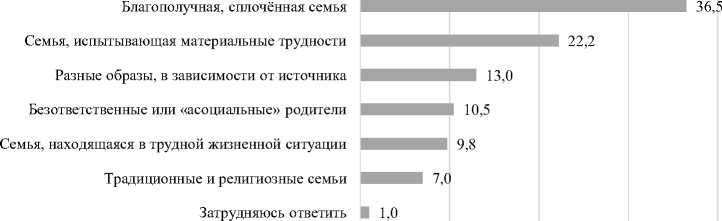
Рис. 2. Распределение ответов респондентов на вопрос «Какой образ многодетной семьи чаще всего транслируется в СМИ, по Вашему наблюдению?», в процентах
Fig. 2. Distribution of respondents’ answers to the question «What image of a large family is most often broadcast in the media, in your opinion?», in percentages
Источник: составлено автором по материалам авторского исследования.
мость материальных и жилищных трудностей для многодетных семей, вместе с тем обращая внимание на необходимость преодоления существующих в обществе и СМИ стереотипов относительно их материального положения [13]. Таким образом, выявленная в настоящем исследовании представленность в медиапространстве образа многодетных семей, испытывающих материальные трудности, имеет определённые объективные основания, однако сведение образа многодетности преимущественно к материальной уязвимости может приводить к его упрощению.
Что же касается представлений респондентов массового опроса о стереотипизированности или правдивости транслируемого СМИ образа многодетных семей, то в большинстве случаев к медиа-контенту по данной теме опрошенные татарстанцы относятся с умеренным доверием — 59,5% из них указали, что тому, как многодетные семьи представлены в СМИ, доверяют «частично». Только 10% опрошенных полностью доверяют представленному образу, а 12% респондентов считают его искажённым. Почти пятая часть затруднилась с ответом (18,5%). Это говорит о высокой доле критичности и скепсиса в оценках медиаобраза многодетных семей. В этой связи, представляется логичным то, что почти половина респондентов (47%) выразили желание видеть больше правдивых историй о многодетных семьях в информационном пространстве. При этом 30,5% считают это неактуальным или не выражают такой потребности, а 22,5% затруднились ответить. Таким образом, можно говорить о высоком запросе на корректное и объективное медиа-представление многодетных семей.
По признаку детности также выявлены статистически значимые различия (χ² = 25,699, p = 0,001). Многодетные респонденты значительно реже хотят изменений — лишь 32,6% выразили соответствующее желание, а 51,7% заявили, что не нуждаются в дополнительной репрезентации. В то же время половина бездетных и немногодетных выразила желание видеть более правдивые истории (50,5% и 51,4% соответ- ственно). Можно предположить, что многодетные семьи либо не рассчитывают на изменения, либо не видят смысла в трансформации образа, опираясь на собственный жизненный опыт, противопоставляемый медийному.
В отличие от многодетных респондентов, многодетные матери — участницы нашей серии глубинных интервью, хотели бы донести до широкой общественности правду о многодетности. В частности, большинство из них хотели бы сказать, что дети — это счастье и любовь: «Дети — это счастье» (информанты № 4 — трое детей, воз-раст:3 месяца, 2 и, 7 лет; № 14 — трое детей (5, 10, 12 лет); № 16 — четверо детей (5, 14, 17, 18)); «Многодетная семья — это счастье» (информант № 8, четверо детей, возраст: 2 и 7 лет, двойня по 13 лет). При этом некоторые информанты подчеркнули, что рождение детей требует зрелого подхода, а не подчинения ожиданиям общества: «Дети — это большое счастье, но в то же время большая ответственность» (информант № 12, трое детей, возраст: 2, 7 и 10 лет); «К созданию семьи нужно подойти осознанно, а не потому, что окружающие спрашивают: когда уже замуж и родишь?» (информант № 1, трое детей, возраст: 5, 13 и 18 лет); «Дети — это большая ответственность. Надо рожать не ради кого-то, а ради себя» (информант № 17, трое детей, возраст: двойня по 5 лет, 11 лет).
Кроме этого, некоторые открыто заявили о неприглядной стороне многодетности — финансовой нестабильности, социальном давлении и ограничениях для женщин: «Многодетные семьи и особенно матери — это счастье только снаружи, когда люди приходят, умиляются детям и уходят. Многодетность — это клетка, особенно когда ты не можешь полноценно зарабатывать, а на пособия не имеешь права. От нас ждут, что наши дети чемпионы, самые умные и т. п. Но как водить на кружки, если они стоят не меньше 2–3 тысяч на одного ребёнка? Хочу сказать, что семья — не для всех. Есть женщины с амбициями и талантами, которые могут принести больше пользы в профессии, но они оседают дома, потому что забо- та о детях полностью оказывается на них» (информант № 3, трое детей, возраст: двойня по 5 лет, 7 лет).
Выводы
Социальное принятие многодетности жителей Республики Татарстан характеризуется преобладанием позитивных и нейтральных оценок: большинство респондентов лично выражают позитивное отношение, либо занимают нейтральную позицию. Уровень открытого негативного отношения крайне низкий. Эмоциональное восприятие многодетных семей носит преимущественно позитивный характер: наиболее часто респонденты отмечают уважение, понимание и интерес. Негативные эмоциональные реакции распространены значительно реже. Таким образом, в обществе преобладает толерантное отношение к многодетности, но оно не всегда сопровождается высокой степенью включённости или поддержки.
Родительский опыт связан с различиями в эмоциональном восприятии многодетности. Многодетные респонденты чаще отмечают понимание и интерес к многодетным семьям, тогда как непонимание наиболее характерно для бездетных. При этом уважение несколько чаще отмечается немногодетными и бездетными респондентами. Материалы глубинных интервью дополняют эту картину: многодетность видится матерям одновременно как источник любви и счастья, высокая ответственность и повседневный труд, а в отдельных случаях — как привычная норма жизни.
Многодетные матери — участницы серии глубинных интервью, между тем счи- тают отношение общества к многодетным семьям преимущественно положительным. Женщины нередко сталкиваются с восхищением, похвалами и уважением. Однако отмечается и селективность отношения: благополучные семьи вызывают уважение, тогда как к нуждающимся часто применяются стереотипы. Зафиксированы отдельные случаи осуждения, а также необходимости оправдываться перед окружающими. Стереотипы в отношении многодетных семей и матерей варьируются от положительных («большая семья — это счастье», «мудрые и терпеливые родители») до критических («рожают ради пособий», «дети недополучают внимания»). Амбивалентность общественных установок сохраняется, однако позитивный образ значительно преобладает. Так, большинство наших информантов не ощущают сильного давления со стороны общества, однако отдельные случаи трудностей в профессиональной сфере, в общественных местах, свидетельствуют о важности достижения гибкости социальной среды.
СМИ и социальные сети занимают заметное место в представлениях респондентов о многодетных семьях. В восприятии многодетных респондентов медийный образ таких семей чаще характеризуется позитивно, тогда как среди бездетных и немногодетных чаще встречаются указания на материалы, в которых многодетные семьи представлены как испытывающие материальные трудности или имеющие признаки асоциальности. При этом доверие к подобному контенту носит частичный характер, что указывает на неоднозначность восприятия транслируемых образов многодетности.
