
Обзор существующих типов, современных методов анализа, изготовления и испытаний стержневых заполнителей
Журнал: Космические аппараты и технологии.
Рубрика: Новые материалы и технологии в космической технике
Статья в выпуске: 2, 2026 года.
Бесплатный доступ
Стержневые заполнители являются новым типом материала для трехслойных панелей и имеют ряд уникальных свойств в сочетании с высокими прочностью и жесткостью. Данный тип заполнителя начал исследоваться относительно недавно и еще не нашел широкого применения в конструкциях. С целью определения основных направлений исследований выполнен обзор существующих типов, методов изготовления, анализа и испытаний стержневых заполнителей. Наиболее популярными типами являются пирамидальный и объемно-центрированный кубический. Выявлены наиболее перспективные методы изготовления в зависимости от исходного материала: трехмерная печать для металлов; укладка, вставные стержни и сборка из нарезанных пластин для композитных заполнителей. В работе рассмотрены вопросы моделирования стержневого заполнителя. С целью сокращения размерности моделей большинством исследователей используются осредненные характеристики заполнителя. Однако практически отсутствуют данные по применимости данного метода во всем диапазоне возможных изменений параметров заполнителя. Методы испытаний сильно ограничены, для их расширения требуется создание и отработка реальных конструкций. Таким образом, дальнейшие исследования должны быть направлены на исследование указанных типов заполнителей, отработку методов их изготовления и испытаний, на повышение точности расчетов и их соответствия реальным конструкциям.
Короткий адрес: https://sciup.org/14138841
IDS: 14138841 | УДК: 629.7/620.22 | DOI: 10.26732/j.st.2026.2.04
Overview of existing types, modern methods of analysis, manufacture and testing of truss lattice cores
Truss lattice cores are new type of material for three-layer panels and have a number of unique properties combined with high strength and stiffness. This type of core has been studied recently and has not found wide application in structures yet. In order to determine the main research directions, a review of existing types, methods of manufacturing, analysis and testing of lattice cores has been performed. The most popular types are pyramidal and body-centered cubic. The most promising manufacturing methods have been identified, depending on the source material: 3D-printing for metals; laying, insertion rods and assembly from cut plates for composite cores. The paper considers the issues of lattice core modeling. In order to reduce the size of models, most researchers use averaged lattice characteristics. However, there is practically no data on the applicability of this method in the entire range of possible changes in the core parameters. The test methods are very limited, and their expansion requires the creation and testing of real structures. Thus, further research should be aimed at researching these types of truss lattice cores, developing methods for their manufacture and testing, improving the accuracy of calculations and their compliance with real structures.
Текст статьи Обзор существующих типов, современных методов анализа, изготовления и испытаний стержневых заполнителей
Заполнитель – это материал или некоторая структура, применяемая для заполнения пространства внутри какой-либо конструкции. Как правило, заполнитель применяется в трехслойных панелях и оболочках. В таких конструкциях обшивки воспринимают растягивающие и сжимающие усилия, сдвиг в плоскости. Сдвиг вне плоскости, растяже-
ние и сжатие из плоскости воспринимаются заполнителем [1].
В корпусах космических аппаратов (КА) применяются сэндвич-панели с сотовым заполнителем. Сотовый заполнитель не является единственным возможным типом заполнителя для трехслойных конструкций. Известны такие типы заполнителя, как соты, губчатый материал (пена), ячеистые структуры.
– Одним из типов структур, появившихся относительно недавно, является ячеистый материал [2; 3]. Данные структуры представляют собой массив ячеек, состоящих из элементов (поверхностных или стержневых) определенной конфигурации. Благодаря большому количеству и |_ ОСМИНЕСКИЕ АППАРАТЫ VI технологии н^»н варьируемых параметров, таких как количество, форма, размеры и материал ячеек, появляется возможность получения материала с требуемыми характеристиками при минимальной плотности [3]. Обзоры выполненных к настоящему времени исследований ячеистых структур представлены в статьях [2–9]. Данные обзоры показывают большое разнообразие существующих типов заполнителя и выявляют имеющиеся проблемы.
За последние годы было выполнено значительное количество работ, посвященных исследованию ячеистых структур. Некоторые результаты этих 104 работ представлены в статьях [10–26].
Анализ вышеприведенных публикаций позволил выявить характерные особенности выполненных в них исследований. Подавляющее большинство этих исследований посвящено определению механических свойств искомых структур. К методам исследования относятся экспериментальные тестирования, конечно-элементный анализ и соответствующие аналитические расчеты. Дискретная структура при математическом моделировании заполнителя зачастую заменяется сплошной средой с приведенными характеристиками. Такая замена осуществляется с помощью процедуры гомогенизации, основные идеи которой изложены, например, в монографии [3].
Новые материалы и конструкции появляются ввиду необходимости повышения эффективности технических решений. Реализация достоинств ячеистых заполнителей требует решения комплекса задач. Эти задачи связаны с определением рациональной структуры заполнителя, соответствующей внешним нагрузкам с учетом технологических ограничений.
В настоящем обзоре приведена классификация одного из типов ячеистых заполнителей – стержневого заполнителя (структуры). Описаны возможные виды стержневых заполнителей. Представлены способы изготовления стержневых заполнителей из металла и из композиционных материалов. Даны основные методы расчета конструкций со стержне- вым заполнителем и методы их экспериментального исследования. В заключении даны основные перспективные направления изучения стержневых заполнителей.
1. Существующие типы ячеистых структур
Ячеистые структуры можно классифицировать по регулярности на периодические и структуры с переменными характеристиками (толщины элементов ячеек, форма и размеры ячеек). Так как ячеистые структуры еще не нашли широкого применения в трехслойных конструкциях, большинство авторов изучают периодические структуры, что упрощает анализ.
По топологии ячеистые структуры делятся на образованные поверхностями и образованные
Том 10
стержнями [2]. В данной работе рассматриваются периодические ячеистые структуры, образованные стержнями – стержневые заполнители. Данный тип заполнителя разрабатывается для применения в силовых конструкциях.
Стержневые заполнители можно разделить на следующие типы:
– Пирамидальные. Среди них, в свою очередь, можно выделить:
^ со стержнями, сходящимися в вершине;
^ со стержнями, не пересекающимися в вершине.
– Кубические. Среди них можно выделить:
^ со стержнями вдоль ребер куба;
^ объемоцентрированные;
^ гранецентрированные;
/ кубические.
– Представляющие собой правильные многогранники. Например:
/ октаэдрические;
^ тетраэдрические;
^ додэкаэдрические.
Также имеются многие другие редко исследуемые разновидности [2].
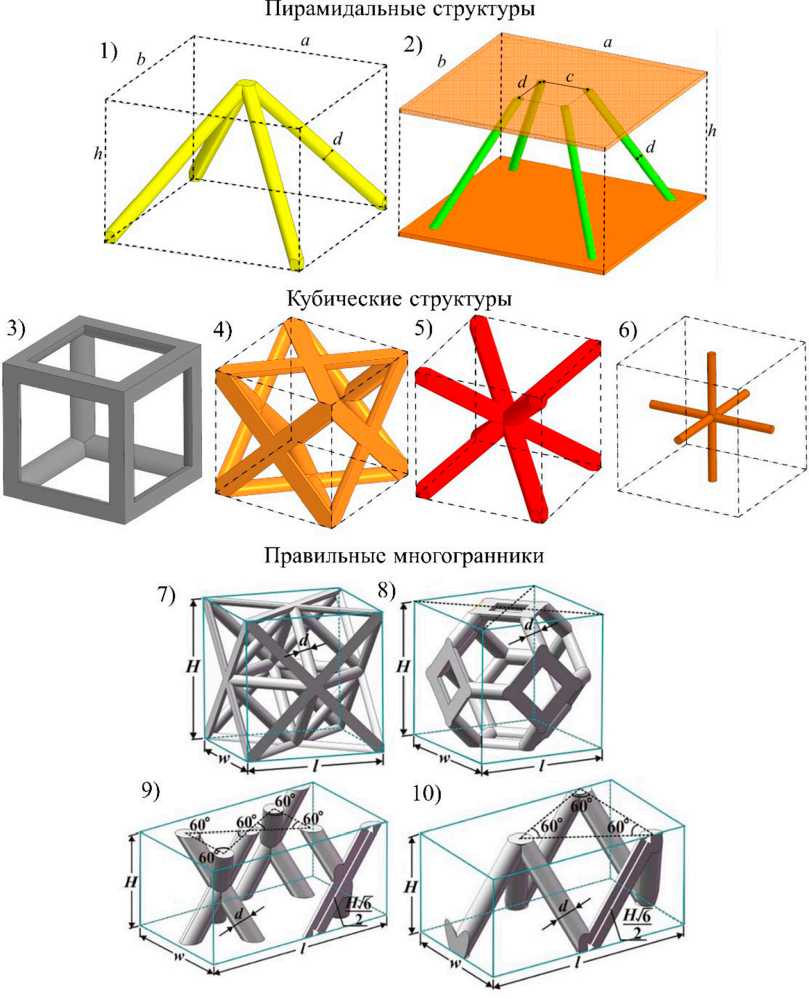
На рисунке 1 представлены варианты пирамидального заполнителя, на рисунке 2 – варианты кубического заполнителя, на рисунке 3 – примеры других вариантов заполнителей.
-
2. Технология производства
-
2.1. Металлические стержневые заполнители
-
2.1.1. Литье
-
2.1.2. Сборка при помощи сварки
На данный момент стержневые заполнители, как правило, изготавливаются из двух типов материалов: металлические и композиционные материалы (преимущественно углепластики).
Стержневые заполнители из металлов и сплавов изготавливают следующими способами:
– литье [26];
– сварка отдельных стержней с обшивками [11];
– 3D-печать [21].
Литье для стержневых структур в настоящее время широко не используется. Данный способ обладает преимуществами, ключевое из которых – простота и изученность процесса. Однако в применении к стержневым структурам может возникнуть проблема качества отливок ввиду малых размеров элементов структуры. Методика процесса литья и полученный образец представлены на рисунке 2.
Способ создания металлических стержневых структур с применением сварки описан в [11]. В качестве стержней могут использоваться прутки
Пирамидальные структуры
Правильные многогранники
Кубические структуры
Ж" -. 5) /<"
Рисунок 1. Классификация стержневых структур: 1 – пирамидальный с пересекающимися стержнями; 2 – пирамидальный с непересекающимися стержнями; 3 – кубическая структура со стержнями вдоль ребер; 4 – гранецентрированная; 5 – объёмно-центрированная; 6 – кубическая; 7 – октетная структура;
8 – тетракаэдакахедрон; 9 – структура Кагоме; 10 – тетраэдр
и трубки из материалов, имеющих высокие механические характеристики и позволяющих получать стабильные по свойствам решетки. К недостаткам, в свою очередь, относятся: большое количество соединяемых элементов; длительное время изготовления. Описание процесса изготовления данным методом и полученный образец представлены на рисунке 3.
-
2.1.3. 3D-печать
-
2.2. Композитные стержневые структуры
Наиболее распространенным методом производства металлических решетчатых структур в настоящее время является 3D-печать [4; 69; 19; 21]. К ее преимуществам относятся: возможность печати практически любых форм; достаточно высокая скорость. Недостатки метода: ограничения по размерам печати; ограничения по разрешающей способности печати; большой разброс характеристик.
Пример напечатанной цилиндрической оболочки со стержневым заполнителем представлен на рисунке 4 [21]. Такие оболочки в перспективе могут применяться для летательных аппаратов с активно охлаждаемым корпусом, что может способствовать повышению допустимых скоростей полета.
Из литературы известны следующие способы изготовления композитных стержневых структур:
– горячее прессование [16];
– сборка при помощи защелкивающего соединения [10];

Том 10
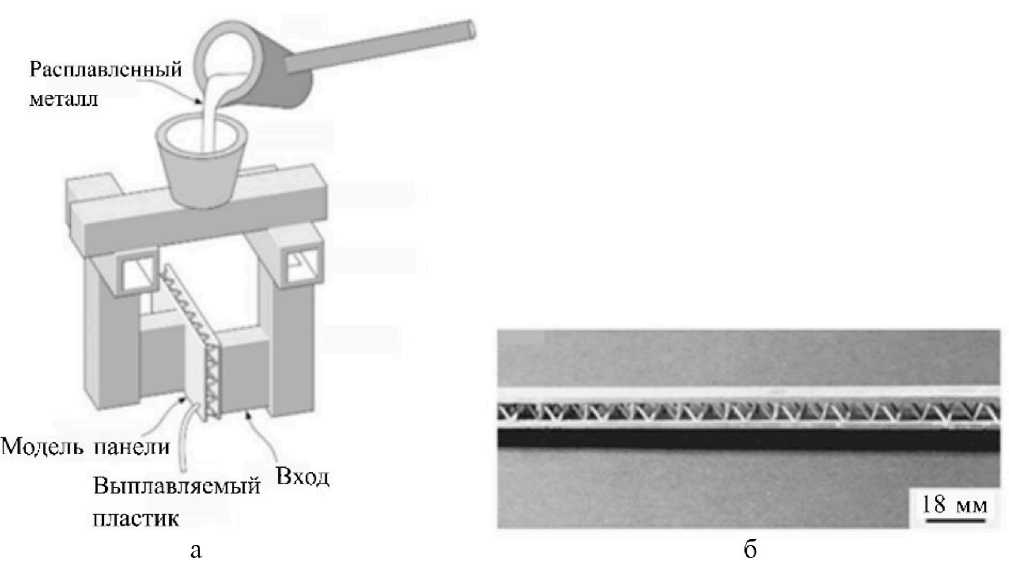
Рисунок 2. Процесс литья и характерный пример полученной структуры: а) процесс литья; б) готовая структура
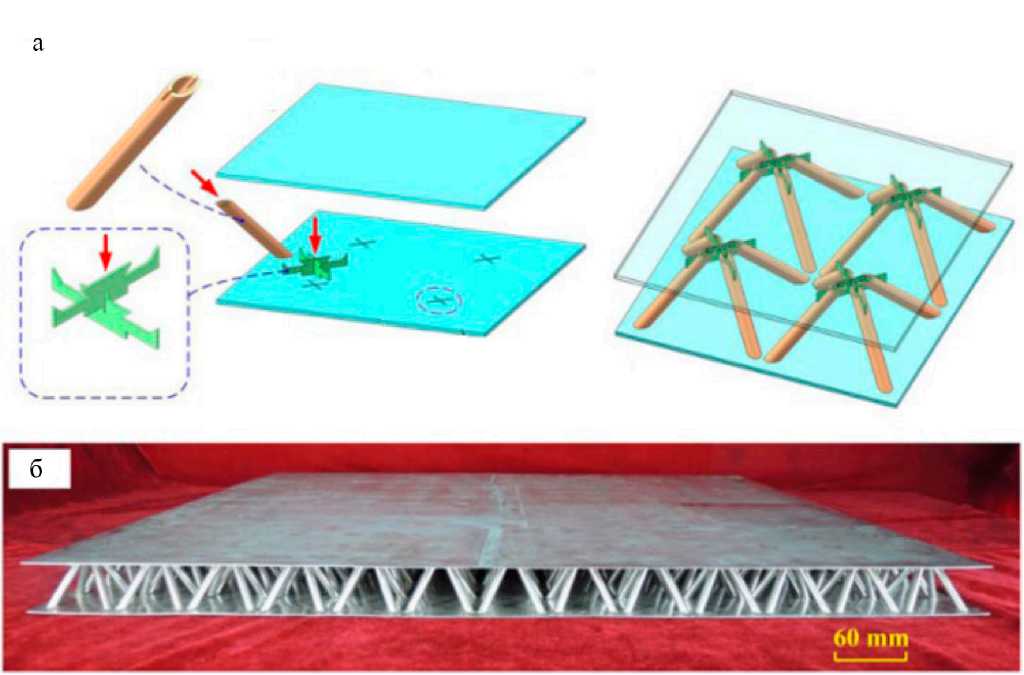
Рисунок 3. Технология изготовления и пример сварной панели: а) процесс сборки; б) готовая структура
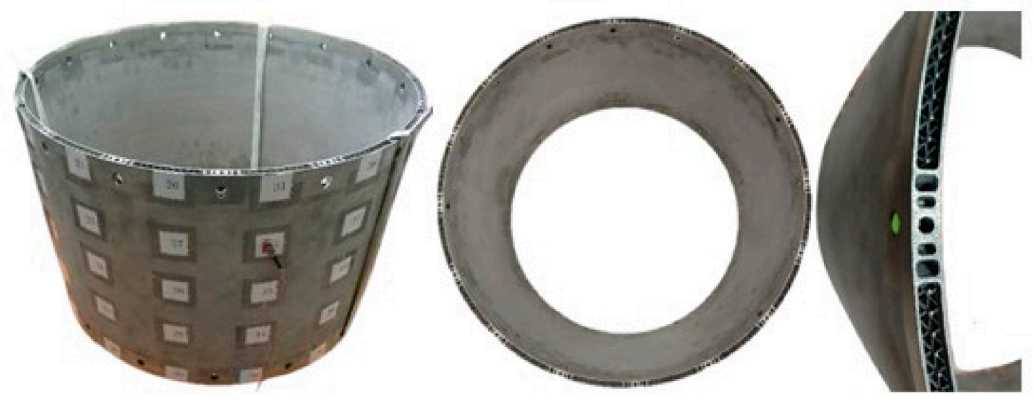
Рисунок 4. 3D-печатная цилиндрическая оболочка со стержневым заполнителем
– 3D-печать [20];
– другие методы [26].
-
2.2.1. Горячее прессование
-
2.2.2. Сборка защелкивающимся соединением
-
2.2.3. 3D-печать композитных
Метод горячего прессования позволяет создавать композитные стержневые структуры быстрее других методов. Применение данного способа описано в статье [16]. К недостаткам относятся: использование рубленого волокна, что негативно сказывается на жесткостных и прочностных характеристиках. Технологический процесс для данного метода представлен на рисунке 5.
Данный метод наиболее часто встречается в зарубежной литературе в настоящее время [10; 13; 22]. Существует множество способов изготовления стержней для сборки: вырезание из композитных пластин при помощи водной резки [13]; прессование пластин по форме стержней, с их последующей обработкой и нарезкой [10]; 3D-печать [22].
Процесс изготовления при помощи вырезания из пластин представлен на рисунке 6, при помощи 3D-печати – на рисунке 7.
стержневых структур
Встречаются попытки [12; 22] непосредственной печати стержневых структур углепластиками на 3D-принтере. Такая технология сталкивается 107 с рядом проблем: качество соединения слоёв; прогиб незатвердевших участков; низкие механические характеристики. Для решения проблем с провисанием используются различные поддержки.
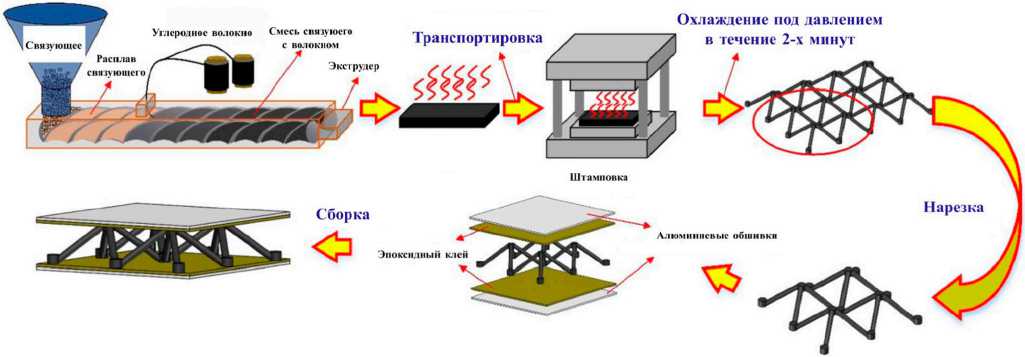
Рисунок 5. Технологический процесс изготовления углепластикового стержневого заполнителя методом горячего прессования
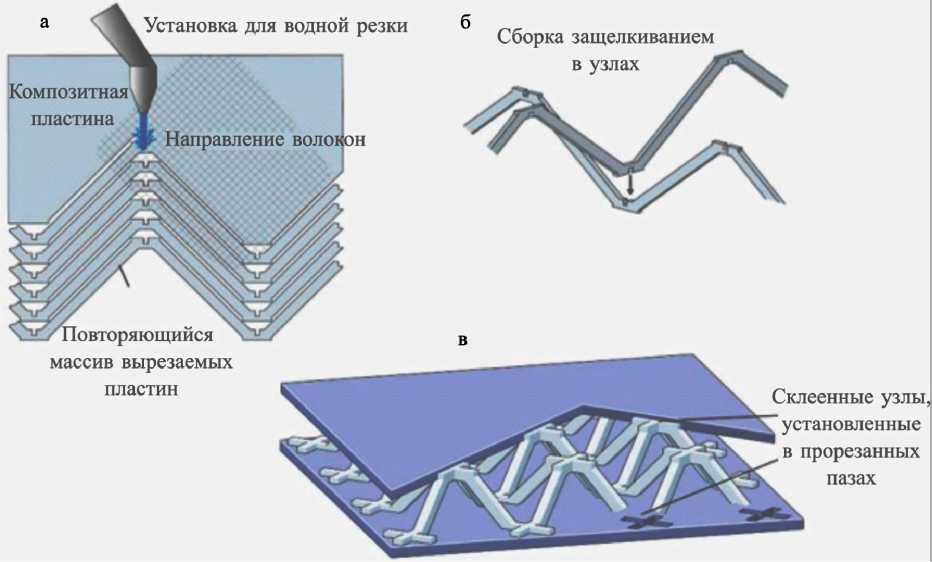
Рисунок 6. Процесс изготовления стержневого заполнителя с защелкивающимся соединением
Том 10
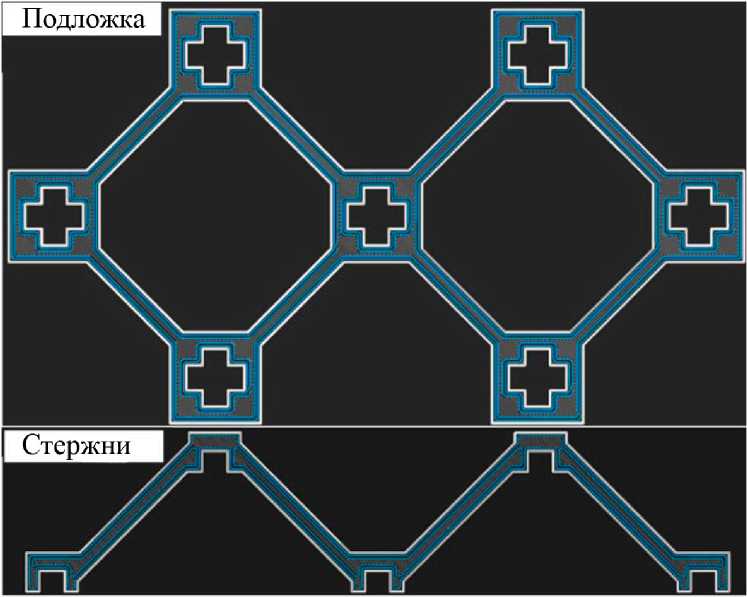
Рисунок 7. Траектории печати деталей
Печать в поддерживающей матрице описана в работе [22]. Данный метод позволяет устранить проблему провисания нитей при печати и подходит для создания решеток практически любой топологии (рисунок 8).
-
2.2.4. Укладка нитей в пазы
-
2.2.5. Вставка стержней
Пирамидальный заполнитель может быть сформирован путем укладки непрерывных волокон в пазы (рисунок 9) и последующей полимеризацией [26]. Данный метод хорошо известен и используется при изготовлении сетчатых силовых конструкций корпусов для космических аппаратов.
К недостаткам такого метода относятся множественное пересечение нитей и увеличение толщины в данной области с изменением механических характеристик.
Стержни для заполнителя могут быть изготовлены по отдельности при помощи какой-либо технологии, обеспечивающей максимально возможные механические характеристики [23]. На рисунке 10 приведен технологический процесс изготовления панели со вставными стержнями.
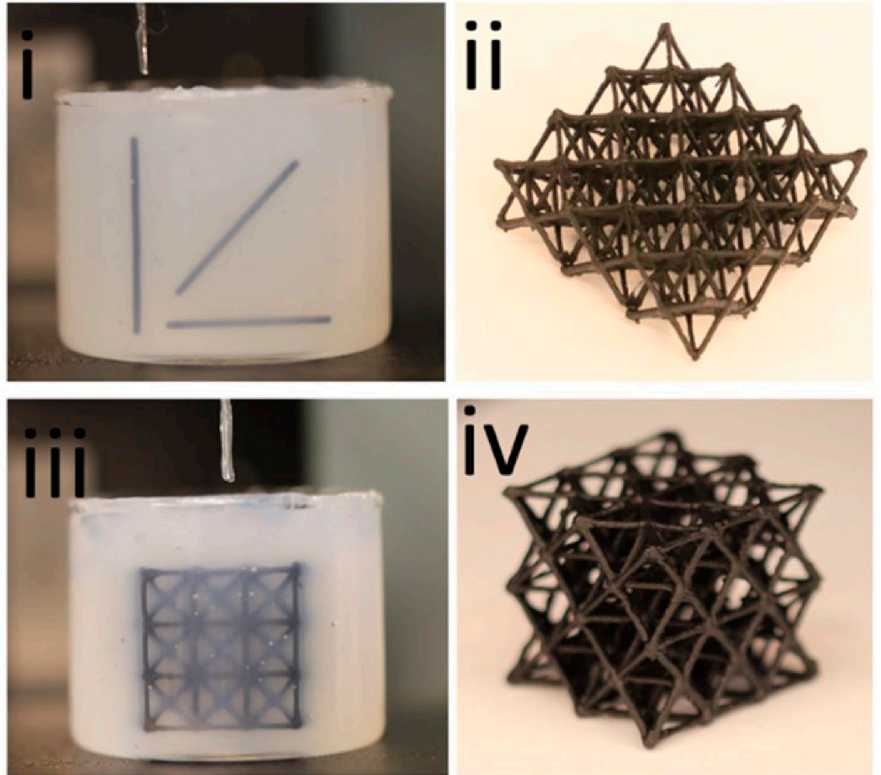
Рисунок 8. 3D-печать с использованием поддерживающей матрицы
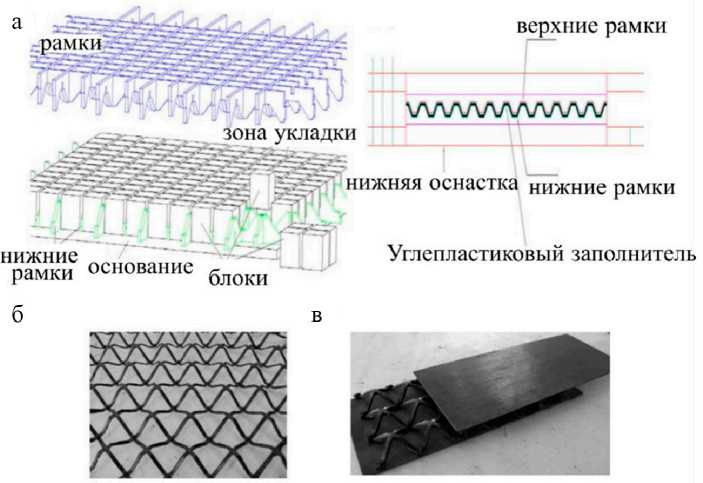
Рисунок 9. Изготовление заполнителя путем укладки нитей в пазы
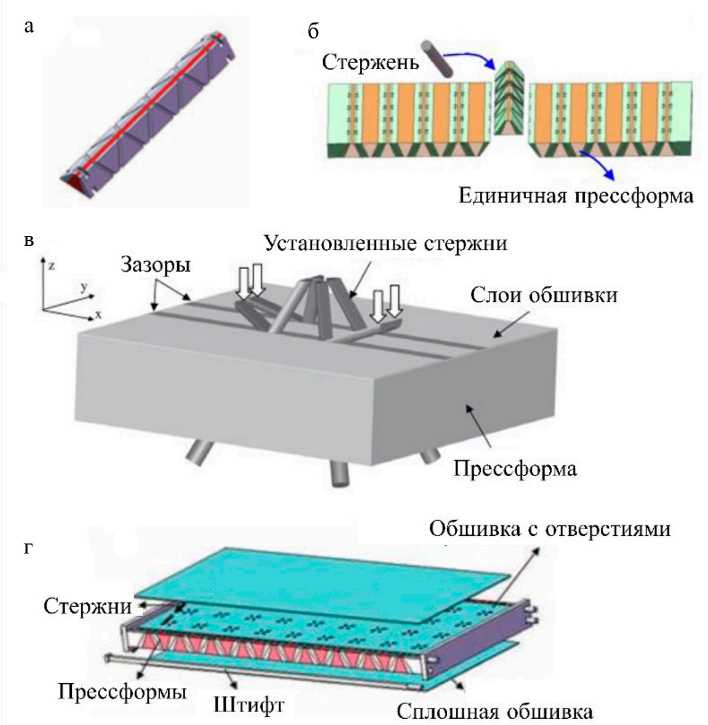
Рисунок 10. Технологический процесс изготовления панели со вставными стержнями
-
2.3. Сравнение методов производства стержневых структур
В таблице 1 приведено сравнение описанных выше технологий изготовления стержневых структур по ключевым показателям.
Согласно представленным в таблице 1 результатам можно сделать следующие выводы:
– характеристики металлических заполнителей зависят от используемого материала и могут быть довольно высокими, однако при этом велика и плотность;
– для композитных структур свойства существенно зависят от технологии;
– с точки зрения скорости наиболее перспективной технологией является горячая штамповка, но при этом крайне низки механические характеристики материала заполнителя;
Том 10
Сравнение методов изготовления стержневых структур
Таблица 1
|
Технология изготовления |
Изготавливаемые структуры |
Время изготовления |
Сложность процесса |
Жесткость материала заполнителя, ГПа |
Прочность материала заполнителя, МПа |
|
|
Металлические структуры |
||||||
|
Литье |
Любые |
Среднее |
Низкая |
Зависит от применяемого металла |
||
|
Сварка |
Любые |
Долго |
Средняя |
|||
|
3D-печать |
Любые |
Среднее |
Низкая |
|||
|
Композитные структуры |
||||||
|
Горячее прессование |
Пирамидальные |
Быстро |
Низкая |
11 [24] |
224 [24] |
|
|
Из пластин |
Вырезанные |
Пирамидальные, октетные |
Долго |
Средняя |
90 [33] |
700 [33] |
|
Штамповка |
104[14] |
1000[14] |
||||
|
3D-печать |
5 [20] |
117 [20] |
||||
|
3D-печать с поддержкой |
Любые |
Среднее |
Высокая |
3 [19] |
59 [19] |
|
|
Укладка нитей в пазы |
Пирамидальные |
Долго |
Низкая |
Близко к последнему методу |
||
|
Вставка стержней |
Пирамидальные |
Среднее |
Низкая |
Ограничено характеристиками нитей |
||
– наилучшие характеристики достигаются для вставных стержней и при укладке нитей в пазы;
– структуры, вырезанные из пластин, облада- ют довольно высокими характеристиками.
-
3. Применение стержневых структур
По результатам анализа современных работ в области проектирования, изготовления и испытаний стержневых структур можно выделить следующие возможные области их применения в конструкциях летательных аппаратов:
– панели силовых конструкций, в том числе криволинейные [19];
– крылья летательных аппаратов, выполняющие роль топливных баков;
– сопла реактивных двигателей, теплообменники;
– виброизолирующий материал.
Наиболее простыми в изготовлении ячейками являются пирамидальная и объёмно-центрированная кубическая. Поэтому изучение решетчатых структур целесообразно начинать с этих структур одновременно с разработкой методов их изготовления.
На рисунке 11 показано место стержневых заполнителей среди других материалов по прочности. Из представленной информации видно, что композитные стержневые структуры могут превзойти по удельной прочности практически все известные материалы.
-
4. Определение упругих характеристик
-
4.1. Осредненные характеристики
Ввиду малых размеров элементов стержневой структуры в сравнении с размерами конструкции расчет методом конечных элементов с использованием объемных конечных элементов затруднен. Это потребует неоправданно большого количества вычислительных ресурсов. Поэтому в практике расчета стержневых структур применяют два метода: использование осредненных характеристик и построение упрощенной дискретной модели.
и континуальные модели
С целью уменьшения времени расчета во многих работах используются осредненные характеристики стержневых заполнителей. Для этого дискретная структура заменяется сплошной средой с эквивалентными характеристиками [14; 15; 17; 25]. Такому осреднению легко поддается плотность. Сложнее обстоит вопрос с определением упругих характеристик. В общем случае стержневая структура эквивалентна анизотропному материалу. Но с целью упрощения расчета характеристик в большинстве случаев его можно представить как ортотропный, а иногда и изотропный материал.
Как правило, определение осредненных упругих характеристик осуществляется в предположении, что элементарная ячейка ведет себя как пространственная ферма. К ячейке прикладываются единичные силы в различных направлениях
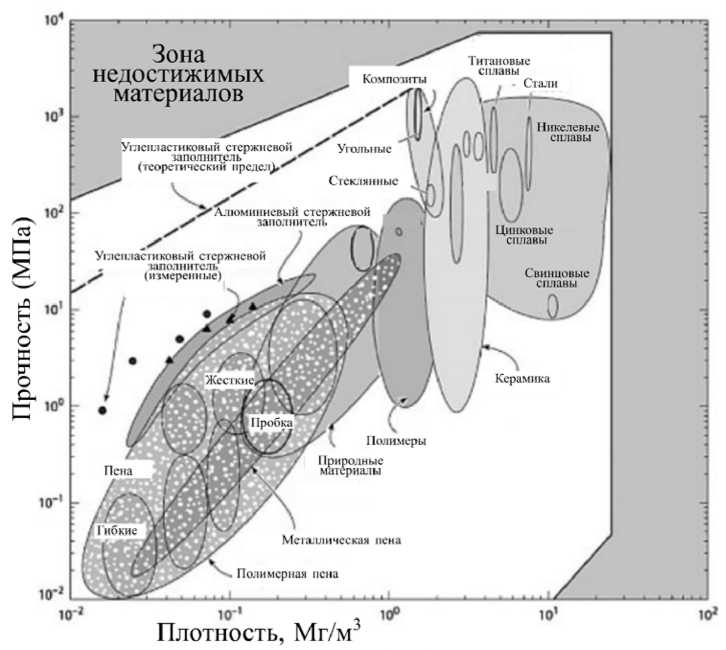
Рисунок 11. Сравнение материалов по прочности
и определяются перемещения. Полученные таким образом модули упругости присваиваются объему, ограничивающему элементарную ячейку. К недостаткам метода относится пренебрежение изгиб-ными деформациями. Также занижается жесткость в узлах пересечения стержней. Такой подход, как показано в работе [18], при достаточно толстых стержнях может привести к существенному занижению жесткости.
Также существуют различные программы (например, [24]), позволяющие рассчитывать приведенные характеристики на основе конечноэлементной модели с объемными элементами. Данный метод хорош тем, что расчеты можно параметризовать и определить оптимальные параметры ячейки для достижения, например, максимального модуля сдвига при минимальной массе. Также при обеспечении обоснованно выбранного размера конечных элементов такой расчет является наиболее точным.
Найденные осредненные характеристики используют в приближенных методах (например, метод Бубнова – Галеркина) либо в численных методах (например, метод конечных элементов).
Следует отметить, что расчет прочности по модели с осредненными характеристиками практически невозможен. Для адекватной оценки прочности по модели с осредненными характеристиками необходимо проводить испытания и создавать критерии прочности, учитывающие тип заполни- теля, его параметры, материал, способ изготовления и вид нагружения по аналогии с критериями прочности для композиционных материалов.
Та же проблема присутствует и при решении задач на устойчивость, гидрогазодинамических задач и других. Данная проблема обуславливает необходимость развития дискретных моделей.
-
4.2. Дискретные модели
-
5. Методы расчета
-
5.1. Приближенные методы
-
Дискретные модели для стержневых структур строятся при помощи балочных конечных элементов. При этом балочная модель не эквивалентна подробной дискретной модели, выполненной объемными элементами. В узлах пересечения стержней жесткость для балочной модели будет заниженной. Данная проблема может быть нивелирована использованием в узлах пересечения элементов с отличными от самого стержня жест-костными параметрами [18].
При помощи дискретной модели можно оценивать прочность и устойчивость заполнителя.
В качестве приближенных методов используются такие, как:
– Лежандра – Ритца [14];
– Рэлея – Ритца [15];
– Бубнова – Галеркина [25].
If I— 0СМ1ЛМЕ АППАРАТЫ VI
ТЕХНОЛОГА иен
Для использования данных методов многослойная пластина заменяется однослойной с приведенными характеристиками. Данные методы позволяют решать задачи проектирования и анализа достаточно быстро. Однако осреднение характеристик не всегда позволяет получать адекватные результаты, особенно для крайних значений параметров заполнителя: толстые стержни, редкое расположение стержней.
-
5.2. Метод конечных элементов
-
5.2.3. Моделирование обшивок поверхностными элементами, заполнителя – объемными элементами с осредненными характеристиками
-
5.2.4. Моделирование поверхностными элементами с заданной слоистой структурой и осредненными характеристиками заполнителя
-
6. Методы испытаний
-
5.2.1. Моделирование объемными элементами
Расчет методом конечных элементов по-
112 зволяет учитывать особенности структуры в зависимости от способа моделирования. Способ представления заполнителя в конечноэлементной модели имеет решающее значе- ние и напрямую влияет на размерность задачи. Также необходимо учитывать способ представления заполнителя в зависимости от задачи и необходимости моделирования поведения самого заполнителя. Примеры конечно-элементных моделей стержневого заполнителя представлены на рисунке 12.
Том 10
Данный метод может несколько уменьшить размерность модели, но является неточным и при определенных характеристиках заполнителя приводит к значительному отклонению в расчетных характеристиках.
Данный метод является наименее ресурсоемким, особенно для многослойных панелей. Он может быть использован для имитации жесткости трехслойных панелей в крупных конечноэлементных моделях. Аналогично предыдущему методу требует определения осредненных характеристик.
При данном способе построения модели обшивки и заполнитель моделируются объемными конечными элементами. Это приводит к значительному размеру модели. Может быть использовано при решении задач прочности на небольших фрагментах либо для точного определения осред-ненных характеристик.
Испытания на прочность при сжатии – наиболее простой метод испытаний стержневого заполнителя. Он позволяет установить нагрузку, которую способны выдержать стержни заполнителя с учетом условий соединения с обшивками. В зависимости от параметров заполнителя стержни либо деформируются пластически, либо теряют устойчивость. Данный метод испытаний позволя-
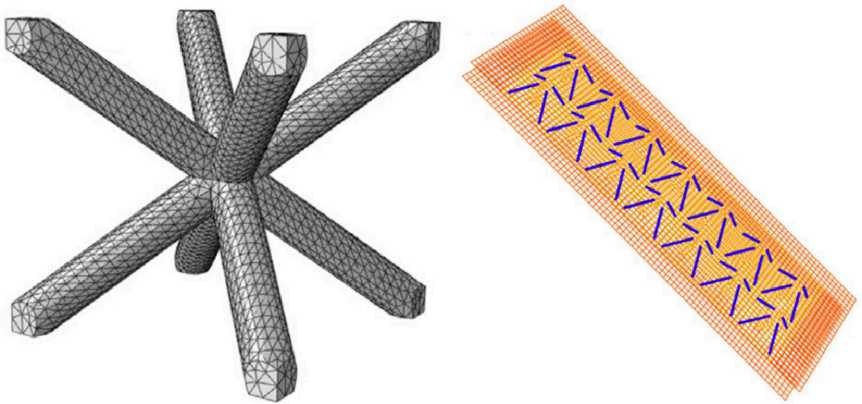
Рисунок 12. Варианты КЭМ стержневого заполнителя. Слева – объемные элементы, справа – балочные элементы
-
5.2.2. Моделирование обшивок поверхностными элементами, заполнителя – балочными Наиболее популярный метод, когда необходимо учитывать особенности поведения заполнителя [23]. В данном случае заполнитель может изгибаться, а в точках соединения с обшивками передавать изгибающие и крутящий моменты. При некоторых параметрах заполнителя моделирование балочными элементами приводит к погрешности [18].
ет выявить несовершенства технологии изготовления. Испытывать на сжатие можно и отдельные стержни. Это позволяет определять характеристики материала стержня с учетом технологии изготовления для использования в расчетах.
Испытание на сдвиг является наиболее важным испытанием для заполнителя. Благодаря ему определяется сдвиговая жесткость и прочность заполнителя. Для испытания на чистый сдвиг панель устанавливается в испытательной машине под углом.
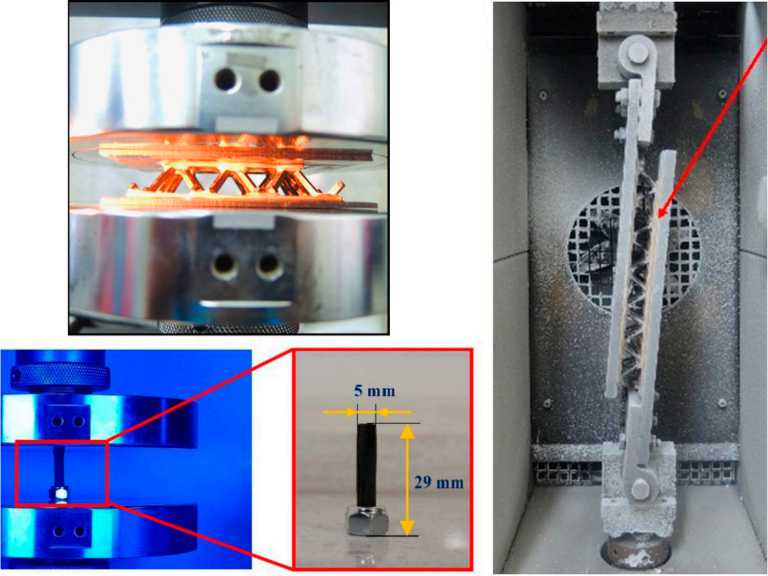
Рисунок 13. Образцы для испытаний на сжатие и на сдвиг
Примеры образцов для испытаний представлены на рисунке 13.
Для определения динамических характеристик проводят модальные испытания, в том числе определение собственных частот колебаний заполнителя или пластины в целом; определение коэффициентов вибропередачи.
Заключение
В работе рассмотрена классификация стержневых заполнителей. Приведены основные виды, технологии изготовления. На основе анализа имеющейся информации можно сделать выводы о наиболее популярных на данный момент типах стержневых заполнителей и методах их изготовления. Для композитных стержневых заполнителей это пирамидальный заполнитель, изготовляемый методом вырезания из пластин и собирающийся при помощи защелкивающихся соединений. Для металлического стержневого заполнителя это объемоцентрированная решетка, изготавливаемая методом трехмерной печати.
Металлический стержневой заполнитель уже нашел применение в некоторых современных образцах космической техники, преимущественно в ракетных двигателях и системах охлаждения. В то же время композитный стержневой заполнитель в реальном производстве на данный момент не используется ввиду множества проблем, связанных в основном с технологией изготовления.
Были изучены методы расчета и испытаний стержневых заполнителей. Наиболее распространенным расчетным методом является моделирование заполнителя как сплошной среды с осредненными характеристиками. Следует отметить, что практически ни в одной статье не делается попыток анализа допустимости такого решения и его влияния на точность результатов. Валидация на основе результатов испытаний проводится для малой выборки и не для всех возможных вариантов параметров заполнителя по объективным причинам. Испытания проводятся, как правило, на прочность и жесткость при сжатии и при сдвиге.
Таким образом, следует отметить, что множество вопросов, возникающих при проектировании, производстве и испытаниях стержневого заполнителя остаются нерешенными. Особенно это касается, заполнителя из композиционных материалов, который может в теории обеспечить характеристики лучше, чем у существующих типов заполнителей. К уникальным характеристикам таких материалов относятся способность описывать практически любую криволинейную поверхность, доступность внутреннего пространства, возможность получения требуемых характеристик в зависимости от задачи. В перспективе открывается возможность проектирования оптимальных материалов, подходящих под конкретную задачу с минимальной массой за счет варьирования характеристиками отдельных ячеек.
Том 10
Список литературы Обзор существующих типов, современных методов анализа, изготовления и испытаний стержневых заполнителей
- HEXCEL. Honeycomb sandwich design technology. 1998.
- Benedetti M., Plessis A., Ritchie R. O., Architected cellular materials: A review on their mechanical properties towards fatigue-tolerant design and fabrication // Materials Science & Engineering R. 2021. 144. 100606.
- Gibson L. J., Ashby M. F., Harley B. A. Cellular Materials in Nature and Medicine. Cambridge University Press, 2010.
- Hanks B., Berthel J., Frecker M., Simpson T. W., Mechanical properties of additively manufactured metal lattice structures: Data review and design interface // Additive Manufacturing. 2020. 35. 101301.
- Hunt C. J., Morabito F., Grace C., Zhao Y., Woods B. K. S. A review of composite lattice structures // Composite Structures. 2022. 284. 115120.
- Milner B., Gradl P., Shedden G., Brooks M., Pitot J., Lopez E. et al. Metal additive manufacturing in aerospace: A review // Materials & Design. 2021. 209. 1110008.
- Miao X., Hu J., Xu Y., Su J., Jing Y. Review on mechanical properties of metal lattice structures // Composite Structures. 2024. 342. 118267.
- Liu R., Chen W., Zhao J. A Review on Factors Affecting the Mechanical Properties of Additively Manufactured Lattice Structure // Journal of Materials Engineering and Performance. 2024. 33. 4685–4711.
- Khan N., Riccio A. A systematic review of design for additive manufacturing of aerospace lattice structures: Current trends and future directions // Progress in Aerospace Sciences. 2024. 149. 101021.
- Wu Q., Ma L., Wu L. A novel strengthening method for carbon fiber composite lattice truss structures // Composite Structures. 2016. 153. 585–592.
- Hu B., Wu L. Z., Xiong J., Ma L., Yang W., Jin Y. Mechanical properties of a node-interlocking pyramidal welded tube lattice sandwich structure // Mechanics of Materials. 2019. 129. 290–305.
- Zhang P., Han Z., Ran X., Sun S., Fu H. Path design and compression behavior of 3D printed continuous carbon fiber reinforced composite lattice sandwich structures // Composite Structures. 2022. 296. 115893.
- Zhang J., Zhao T., Yi Y., An Q., Yanagimoto J. Additive manufacturing assisted fabrication of octet truss structures using continuous carbon fiber composites and the resulting mechanical responses // Journal of Materials Processing Technology. 2023. 319. 118089.
- Meng S., Wang Q., Zhong R., Qin B. Legendre–Ritz solutions for vibration characteristics of three-dimensional double-layer lattice truss sandwich plates // Thin–Walled Structures. 2024. 203. 112185.
- Yang X., Chen Z., Yang J., Liu H. Static and dynamic response of pyramidal lattice sandwich plate with composite face sheets reinforced by graphene platelets // Engineering Structures. 2024. 310. 118122.
- Zhao R., Gu X., Wu T., Li Y., Zhao X., Li H., Liang J. Compression behavior of direct compounded compression molded short carbon fiber reinforced thermoplastic pyramidal lattice truss core // Composites Part B. 2024. 284. 111686.
- Chen Y., Zhong R., Wang Q., Chen L., Qin B. Free vibration analysis and multi-objective robust optimization of three dimensional pyramidal truss core sandwich plates with interval uncertain parameters // European Journal of Mechanics / A Solids. 2024. 108. 105401.
- Cadart T., Hirschler T., Bahi S., Roth S., Demoly F., Lebaal N. An optimal penalty method for the joint stiffening in beam models of additively manufactured lattice structures // International Journal of Solids and Structures 2025. 306. 113107.
- Zhang X., Zhou H., Shi W., Zeng F., Zeng H. Vibration Tests of 3D Printed Satellite Structure Made of Lattice Sandwich Panels // AIAA Journal. 2018. 326. 084082.
- Chen Q., Shishvan S., Zhang S., Shaikeea A., Park J., Xu Z. et al. Embedded 3D printing of isotropically enhanced lattice structure with programmable elasticity via three-dimensional fiber alignment // Additive Manufacturing. 2025. 105. 104783.
- Cao X., Lin Y., Fan H. Large-diameter metal matrix composite lattice truss sandwich cylinder: Additive manufacturing, testing and analyzing // Composite Structures. 2023. 304. 116445.
- Li X., Cong F., Zhang Y., Qin Z. Effect of high-low temperature on the compressive and shear performances of composite sandwich panels with pyramidal lattice truss cores // Composite Structures. 2022. 292. 115675.
- Lou J., Wu L., Ma L., Xiong J., Wang B. Effects of local damage on vibration characteristics of composite pyramidal truss core sandwich structure // Composites: Part B. 2014. 62. 73–87.
- ANSYS. URL: https://ansys.com (дата обращения: 28.04.2026).
- Ma T., Zhang W., Zhang Y., Arner A. Nonlinear vibrations, bifurcations and chaos of piezoelectric composite lattice sandwich plate with four simply supported edges // Chaos, Solitons and Fractals. 2024. 183. 114940.
- Subramaniyan S. K. Manufacture and Testing Carbon Fiber Lattice Core Sandwich Structures // Thesis submitted in accordance with the requirements of the University of Liverpool for the degree of Doctor of Philosophy. University of Liverpool, 2019.
