
Occurrence and Distribution of Individual Toxic Chemical and Pesticide Residues in Agricultural Soils
Журнал: Бюллетень науки и практики @bulletennauki
Рубрика: Сельскохозяйственные науки
Статья в выпуске: 10 т.12, 2026 года.
Бесплатный доступ
The rapid growth of the global population has increased food demand, leading to the intensive application of chemical inputs in agriculture to enhance crop productivity. Although the use of agrochemicals has played a crucial role in reducing yield losses, their long-term and excessive application has raised serious concerns regarding environmental contamination and human health risks. Since the early twentieth century, a wide range of pesticides and chemical formulations have been introduced to control agricultural pests and diseases. However, subsequent studies have revealed that many of these substances, particularly those extensively used during the Soviet era, persist in agricultural soils despite currently being banned. The present study aimed to assess the presence and individual concentrations of toxic chemical and pesticide residues in agricultural soils, with a particular focus on long-term cultivated areas of the Samukh region, where intensive farming practices have been implemented for decades. Soil samples were collected from cultivated fields and analyzed through a monitoring-based approach to evaluate residue occurrence and potential accumulation patterns. The study further examined the possible implications of residual contamination for soil quality, environmental sustainability, and human health. The findings emphasize the importance of continuous monitoring of agricultural soils and highlight the need for environmentally sound management practices to minimize chemical contamination and support the development of sustainable and safe agricultural systems.
Короткий адрес: https://sciup.org/14139264
IDS: 14139264 | УДК: 632.95:504.054 | DOI: 10.33619/2414-2948/131/33
Наличие и распределение остаточных количеств токсичных химических веществ и пестицидов в сельскохозяйственных почвах
Быстрый рост мирового населения увеличил спрос на продовольствие, что привело к интенсивному применению химических удобрений в сельском хозяйстве для повышения урожайности. Хотя использование агрохимикатов сыграло решающую роль в снижении потерь урожая, их длительное и чрезмерное применение вызвало серьезные опасения по поводу загрязнения окружающей среды и рисков для здоровья человека. С начала XX века для борьбы с сельскохозяйственными вредителями и болезнями был внедрен широкий спектр пестицидов и химических препаратов. Однако последующие исследования показали, что многие из этих веществ, особенно те, которые широко использовались в советскую эпоху, сохраняются в сельскохозяйственных почвах, несмотря на действующие запреты. Целью настоящего исследования была оценка наличия и индивидуальных концентраций остатков токсичных химических веществ и пестицидов в сельскохозяйственных почвах, с особым акцентом на долгосрочно обрабатываемые участки Самухского района, где в течение десятилетий применялись интенсивные методы ведения сельского хозяйства. Образцы почвы были собраны с обрабатываемых полей и проанализированы для оценки наличия остатков и потенциальных закономерностей их накопления. В исследовании также были изучены возможные последствия остаточного загрязнения для качества почвы, экологической устойчивости и здоровья человека. Полученные результаты подчеркивают важность непрерывного мониторинга сельскохозяйственных почв и необходимость применения экологически безопасных методов управления для минимизации химического загрязнения и поддержки развития устойчивых и безопасных сельскохозяйственных систем.
Текст научной статьи Occurrence and Distribution of Individual Toxic Chemical and Pesticide Residues in Agricultural Soils
Бюллетень науки и практики / Bulletin of Science and Practice
UDC 632.95: 504.054
The intensive use of chemicals and pesticides in agriculture has become a major concern in Azerbaijan, particularly in regions with long-established farming practices such as Samukh district. The increasing demand for higher crop productivity has driven the widespread application of agrochemicals to prevent crop losses and maintain yields. While these practices provide significant benefits in crop protection, they can also lead to the accumulation of toxic chemical and pesticide residues in soils, posing long-term risks to soil quality, the environment, and human health. Agricultural soils in Samukh, like other fertile areas in the country, serve as both a reservoir and a transport medium for chemical compounds. Repeated application of fertilizers, pesticides, and other agrochemicals can result in residue accumulation beyond natural background levels, potentially affecting soil fertility, microbial activity, and nutrient cycling. Persistent chemical residues, especially from organochlorine pesticides, are particularly concerning due to their long half-lives, potential for bioaccumulation, and mobility through soil and water systems. Understanding the occurrence and spatial distribution of these residues is essential for assessing environmental risks and developing sustainable agricultural practices [7-9].
Previous studies in Azerbaijan have highlighted the presence of agrochemical residues in cultivated soils, but comprehensive monitoring at the district level remains limited. Assessing residue dynamics in Samukh's soils can help identify contamination hotspots, evaluate potential risks to crops and human health, and inform appropriate remediation and management strategies. The present study focuses on the occurrence and distribution of individual toxic chemical and pesticide residues in soils collected from agricultural fields in the Samukh district. It aims to determine the presence, concentration levels, and spatial variation of these residues to better understand their potential impacts on soil health, crop safety, and environmental sustainability. The findings provide critical information for the development of guidelines for safer agrochemical use and improved environmental monitoring in one of Azerbaijan’s key agricultural regions.
Materials and methods
The study was conducted at the experimental fields of the Cotton Research Institute. The site was selected based on the availability of plant monitoring records and accessibility for continuous observation. Soil samples were collected from the institute's cotton fields five times throughout the year using a soil auger and subsequently submitted to the relevant laboratory for analysis (Figure 1).
The study began in the field before sowing during the spring season. The first soil sampling was carried out on April 6, 2024, and sowing was performed approximately ten days later. Samples were collected from two different soil depths and analyzed for two parameters. The samples were specifically taken to determine residues of agrochemical substances and pesticides. For agrochemical residue analysis, soil samples were collected five times a year at a depth of 0–30 cm at three-month intervals.
For pesticide residue analysis, soil samples were collected three times a year at a depth of 0–20 cm at six-month intervals. The soil sampling schedule throughout the year is presented in Table 1.
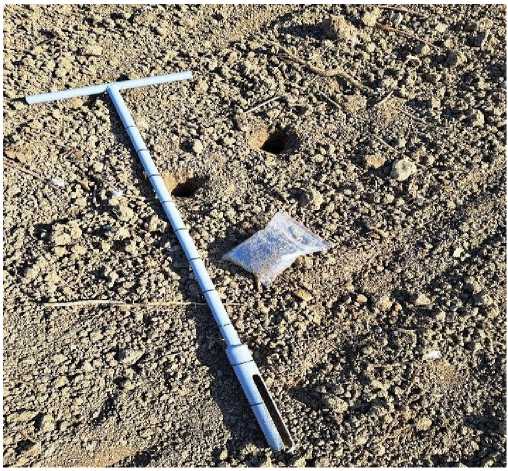
Figure 1. Soil auger for collecting soil samples
Table 1
SOIL SAMPLING DATES
|
Sampling dates for determination of agroche |
Sampling dates for determination of agrochemical residues |
|
06.04.2024 |
06.04.2024 |
|
05.07.2024 |
|
|
27.09.2024 |
27.09.2024 |
|
04.01.2025 |
|
|
16.04.2025 |
16.04.2025 |
During soil sampling, particular attention was paid to ensuring that no agrochemical substances or pesticides had been applied to the field prior to sample collection. This precaution was necessary because the presence of such substances could result in abnormal or misleading analytical results. To prevent such occurrences, the sampling process was carried out in constant coordination with the responsible personnel of the Cotton Research Institute [12].
The cotton variety cultivated in the experimental field was “Ganja 160.” Several additional considerations were observed during sample collection: sampling points were located at least 10–15 meters away from field boundaries adjacent to roads; the surface soil at the sampling point was cleared before inserting the auger to prevent contamination from external materials; areas affected by fuel or lubricants from agricultural machinery were avoided; samples were collected using dedicated sampling bags and were not exposed to direct sunlight; samples were collected at regular time intervals to accurately monitor soil conditions across the experimental field; and during the cotton vegetation period, samples were taken from the inter-row spaces of the field.
Soil Sample Analysis: The soil samples collected from the experimental field were subjected to comprehensive analyses in two specialized laboratories. The general chemical composition of the soil was analyzed at the Soil, Plant, and Water Laboratory of Azerbaijan State Agrarian University, while pesticide residue determination was performed at the Caspian Environmental Laboratory (CEL) LLC [14].
General soil analyses were conducted for 15 different parameters, including physicochemical properties, macro- and microelement content, and organic compounds such as chlorinated compounds, organophosphorus, and organic nitrogen. Pesticide residue analysis covered 39 different pesticides, including triazine herbicides. All analyses were carried out using standard chemical methods in accordance with internationally recognized protocols to ensure accuracy and reproducibility. For the general soil analyses, soil samples were processed and tested for nutrient content, pH, organic matter, and other relevant physicochemical parameters. Pesticide residues were extracted from the soil samples and quantified using advanced chromatographic and spectrometric techniques. The results obtained from the general soil analyses are summarized in Table 2, while pesticide residue concentrations are reported separately in the corresponding section.
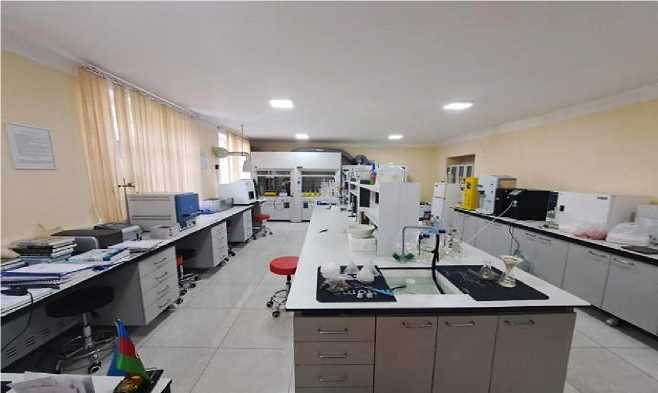
Figure 2. Soil, Plant, and Water Laboratory at Azerbaijan State Agrarian University
Table 2
RESULTS OF THE SOIL SAMPLE COLLECTED ON 05.04.2024
|
Test Name |
Result |
Unit |
Method |
Standards |
|
pH |
7.1 |
Saturation |
6.5-7.5 |
|
|
EC25 |
0.42 |
Ms/cm |
Saturation |
0.5-1 |
|
Carbonate Content (CaCO 3 ) |
12.3 |
% |
Calorimeter |
5-15 |
|
Humus |
2.75 |
% |
Walkley-Black |
2-4 |
|
Nitrogen (N) |
0.14 |
% |
Kjeldahl |
0.09-0.17 |
|
Phosphorus (P2O5) |
43.4 |
ppm |
Sodium Bicarbonate |
60-90 |
|
Potassium (K2O) |
570 |
kg/ha |
1 N Ammonium Acetate |
250-500 |
|
Calcium (Ca) |
6800 |
ppm |
1 N Ammonium Acetate |
1431-2860 |
|
Magnesium (Mg) |
362 |
ppm |
1 N Ammonium Acetate |
55-114 |
|
Sodium (Na) |
275 |
ppm |
1 N Ammonium Acetate |
|
|
Iron (Fe) |
6.2 |
ppm |
DTP Solution |
2.5-4.5 |
|
Copper (Cu) |
1.15 |
ppm |
DTP Solution |
>0.2 |
|
Zinc (Zn) |
0.76 |
ppm |
DTP Solution |
0.7-2.4 |
|
Manganese (Mn) |
3.4 |
ppm |
DTP Solution |
14-50 |
As evident from the analysis results, soil parameters such as pH, electrical conductivity, carbonate content, humus, nitrogen, and zinc were within the normal range, whereas phosphorus and manganese were below the standard limits. On the other hand, potassium, calcium, magnesium, iron, and copper exceeded the reference values. The table above provides a detailed description of the analysis, including the methods used, measurement units, and reference standards [10].
Furthermore, the results of other soil samples collected throughout the year are summarized in Table 2. This allows for easy comparison of the data and facilitates the observation of variations in soil properties over different periods of the year, taking into account the effects of climatic conditions and other environmental factors. As shown in the table above, significant variations in the concentrations of macro- and microelements in the soil were observed across different months of the year. These variations can be attributed to changes in climatic conditions, the presence or absence of cultivation, and tillage activities carried out in the soil during different periods. In addition to determining the concentrations of macro- and microelements, individual pesticide residues were analyzed for 39 different parameters. The pesticide residue analysis differs from other soil analyses in that samples were collected twice a year, i.e., once every six months. This sampling interval was established because, as noted by the laboratory, pesticide degradation in soil occurs over a long period, necessitating a six-month gap between consecutive samples. Soil analyses for the parameters presented in Tables 2 and 3 were conducted accordingly.
Table 3
RESULTS OF GENERAL OBSERVATIONS CONDUCTED THROUGHOUT THE YEAR
|
Analysis Name |
2024 |
2025 |
Standard |
|||
|
05.04. |
05.07. |
27.09. |
07.01. |
16.04. |
||
|
pH |
7.1 |
7.2 |
7.7 |
7.2 |
7.4 |
6.5-7.5 |
|
EC25 |
0.42 |
0.48 |
0.37 |
0.52 |
0.46 |
0.5-1 |
|
Carbonate Content (CaCO 3 ) |
12.3 |
10.7 |
62 |
6.8 |
- |
5-15 |
|
Humus |
2.75 |
3.1 |
1.6 |
2.4 |
2.4 |
2-4 |
|
Nitrogen (N) |
0.14 |
0.17 |
0.24 |
0.091 |
0.12 |
0.09-0.17 |
|
Phosphorus (P 2 O 5 ) mg/kg |
43.4 |
55.4 |
47 |
45 |
58 |
60-90 |
|
Potassium (K 2 O) |
570 |
642 |
1183 |
345 |
476 |
250-500 |
|
Calcium (Ca) mg/kg |
6800 |
6241 |
3935 |
2462 |
1786 |
1431-2860 |
|
Magnesium (Mg) mg/kg |
362 |
298 |
230 |
3.1 |
284 |
55-114 |
|
Sodium (Na) mg/kg |
275 |
5.7 |
171 |
240 |
246 |
- |
|
Iron (Fe) mg/kg |
6.2 |
5.9 |
4.8 |
6.1 |
5.7 |
2.5-4.5 |
|
Copper (Cu) mg/kg |
1.15 |
1.46 |
2.3 |
4.3 |
3.1 |
> 0.2 |
|
Zinc (Zn) mg/kg |
0.76 |
1.1 |
1.3 |
1.9 |
1.2 |
0.7-2.4 |
|
Manganese (Mn) mg/kg |
3.4 |
4.2 |
2.8 |
2.4 |
4.6 |
14-50 |
|
Aluminum (Al) mg/kg |
- |
2.4 |
3.1 |
4.3 |
- |
- |
|
Silicon (Si) mg/kg |
- |
4.9 |
2.45 |
3.1 |
- |
4-14 |
|
Boron (B) m/kg |
- |
0.9 |
- |
- |
- |
0.8-2 |
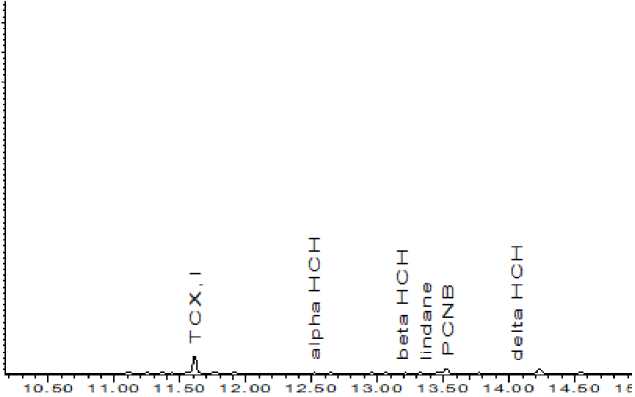
As can be seen from Table 4 and the graphs, analyses were carried out for 38 parameters. However, inconsistencies were detected in four of them. In addition, the laboratory provided the following information: “p,p'-DDT and endosulfan pesticides were detected in the soil. Although these pesticides may not currently be in use, they might have been applied in the past. The degradation period of these substances can last up to 25–40 years. Furthermore, it was noted that “very low concentrations of alpha-HCH, beta-HCH, lindane, and delta-HCH pesticides were detected; however, their concentrations were below the method’s detection limit and are therefore recorded as <1.
Table 4
DETERMINATION OF ORGANOCHLORINE PESTICIDES
|
Parameter |
Parameter Organochlorine pesticides |
Parameter |
Parameter Organochlorine pesticides |
|
alpha HCH |
˂ 1 |
pp DDE |
164 |
|
beta HCH |
˂ 1 |
pp DDD |
2,6 |
|
Lindane |
˂ 1 |
pp DDT |
36 |
|
delta HCH |
˂ 1 |
Endosulfan I |
1,7 |
|
Aldrin |
˂ 1 |
Endosulfan II |
˂ 1 |
|
Dieldrin |
˂ 1 |
Endosulfan sulfate |
˂ 1 |
|
Endrin |
˂ 1 |
Heptachlor |
˂ 1 |
|
Endrin Ketone |
˂ 1 |
Heptachlor epoxide |
˂ 1 |
|
Endrin Aldehyde |
˂ 1 |
Methoxychlor |
˂ 1 |
Table 5
DETERMINATION OF ORGAN PHOSPHORUS, ORGAN CHLORINE, NITROGEN-BASED PESTICIDES, THIAZINE HERBICIDES
|
Parameter |
Organ phosphorus, organ chlorine, nitrogen-based pesticides, thiazine herbicides, mcg/kg |
Parameter |
Organ phosphorus, organ chlorine, nitrogen-based pesticides, thiazine herbicides, mcg/kg |
|
İsoproturon |
˂ 2,5 |
Viclozoline |
˂ 2,5 |
|
Metoxuron |
˂ 2,5 |
Alachlor |
˂ 2,5 |
|
Molinate |
˂ 2,5 |
Cyanazine |
˂ 2,5 |
|
Trifuralin |
˂ 2,5 |
Metolachlor |
˂ 2,5 |
|
Simazine |
˂ 2,5 |
Parathion |
˂ 2,5 |
|
Carbofuran |
˂ 2,5 |
Pendimethalin |
˂ 2,5 |
|
Atrazine |
˂ 2,5 |
Chlorfenvinfos |
˂ 2,5 |
|
Propazine |
˂ 2,5 |
A-Chlordane |
˂ 2,5 |
|
Terbuthylazine |
˂ 2,5 |
Gamma-Chlordane |
˂ 2,5 |
|
Sebuthylazin |
˂ 2,5 |
Pyriproxyfen |
˂ 2,5 |
|
Metobromuron |
˂ 2,5 |
As the results indicate, Endosulfan I was detected in small amounts in the soil sample collected on 05.04.2025, although it was not found in other samples. The other three pesticides are persistent and, despite one year having passed, remain in the soil. DDT, DDE, and DDD—primarily known as dichlorodiphenyltrichloroethane (DDT)—are colorless, tasteless, and odorless crystalline organochlorine compounds. Initially developed for pest control, they later became infamous for their environmental impact. DDT was first synthesized in 1874 by the Austrian chemist Othmar Zeidler. Its insecticidal properties were discovered in 1939 by the Swiss chemist Paul Hermann Müller. During the second half of World War II, DDT was used to control malaria and typhus transmitted by insects [9, 11].
DDT is a persistent organic pollutant that readily adsorbs to soil and sediments. Depending on environmental conditions, its half-life in soil can vary from 22 days to 30 years. Factors contributing to its degradation include photolysis, as well as aerobic and anaerobic biological breakdown. Due to its hydrophobic nature, DDT and its metabolites are taken up by aquatic organisms and adsorb onto particulate matter in water. According to the National Pesticide Information Center, DDT’s degradation time in water is estimated to be 150 years. Its degradation products, DDE and DDD, are also persistent and have similar chemical and physical properties. DDT and its breakdown products can be transported from warmer regions to the Arctic through global distillation, entering local food chains. Because of its lipophilic nature, DDT can bioaccumulate in predatory birds. It is toxic to various animals, including cancer cells, daphnia, marine mollusks, and fish. DDT, DDE, and DDD accumulate in the food chain, particularly in organisms at the top, such as predatory birds, mainly in their fatty tissues. DDT and DDE are metabolically stable. In humans, the half-life of these compounds ranges from 6 to 10 years. Despite being banned for many years, studies conducted in 2018 still detected DDT residues in European soils and rivers. DDT and its degradation products, DDE and DDD, caused eggshell thinning and population declines in many predatory bird species in North America and Europe [14].
DDT acts as an endocrine disruptor. Most studies indicate it is not directly nontoxic, although it is potentially carcinogenic to humans. DDE acts as a weak androgen receptor antagonist but not as an estrogen. The main component of DDT, p,p’-DDT, exhibits little to no androgenic or estrogenic activity. Its minor component, o,p’-DDT, shows weak estrogenic activity. The US National Toxicology Program classifies DDT as “moderately toxic,” and the WHO classifies it as “moderately hazardous” for rats, with an LD50 of 113 mg/kg.
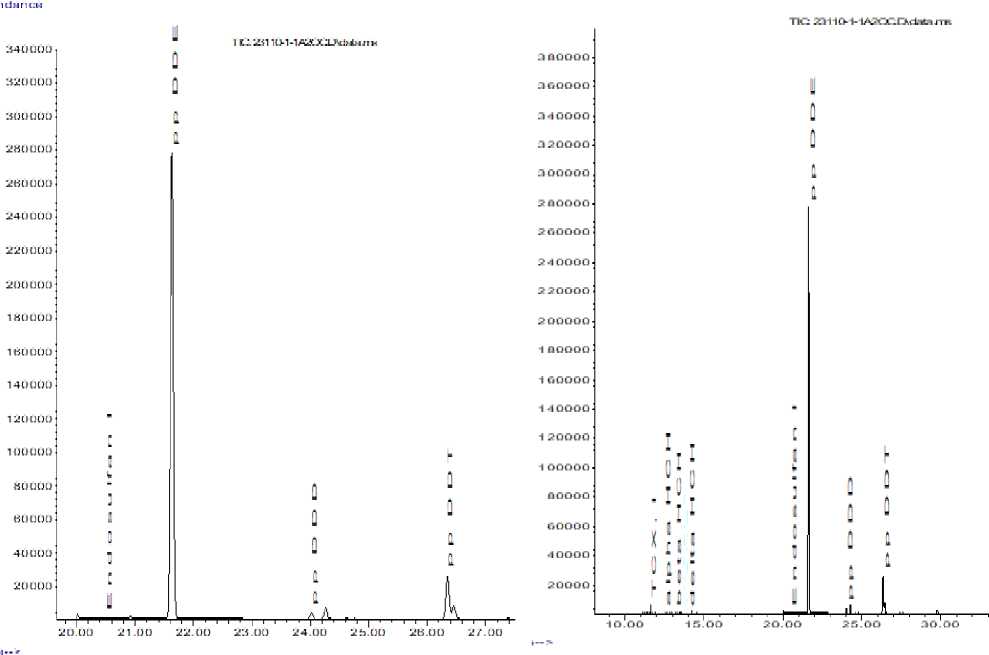
Figure 3.
Occurrence graph of endosulfan, ppDDE, ppDDD and ppDDT pesticides encountered
Figure 4. Overall graph of pesticides
The analyses were conducted continuously throughout the year, and inconsistencies were observed in the results. In subsequent months, discrepancies were again detected in four parameters. Overall, these results have been consolidated and are presented in a simplified form in Table 6.
Endosulfan is acutely neurotoxic to insects, mammals, and humans. The US EPA classifies it as a Category I poison based on an LD50 of 30 mg/kg for female rats; it is considered “Highly Acutely Toxic.” The WHO considers it moderately hazardous for rats, with an LD50 of 80 mg/kg. Doses as low as 35 mg/kg have been shown to be lethal in humans. Chronic exposure may cause skin rashes and irritation in agricultural workers. Endosulfan is a widespread environmental contaminant. It is semi-volatile and resistant to degradation processes in the environment. It can remain in the atmosphere for long periods and travel far from its point of application, being detected in many environmental compartments. For example, the US National Park Service’s 2008 report found that endosulfan commonly contaminates the air and water of US national parks and accumulates in plants and fish, even in parks far from areas of use [12].
120000 1 1ОООО
1 ООООО
ОО ОО О аоооо 70000 60000 50 00 0 40000 30 00 0 20000
1ОООО
-
Figure 5. Occurrence graph of Alpha HCH, beta HCH, delta HCH and lindane
Table 6
OVERALL GRAPH OF ONE-YEAR RESULTS
|
Parameter |
05.04.2024 |
27.09.2024 |
16.04.2025 |
|
ppDDE |
164 |
312 |
287 |
|
ppDDD |
2.6 |
3.1 |
2.8 |
|
ppDDT |
36 |
47 |
51 |
|
Endosulfan I |
1.7 |
<1 |
<1 |
Endosulfan has also been detected in remote regions such as the Arctic Ocean and Antarctic atmosphere. It has been transported across the Atlantic Ocean and accumulated in the Caribbean Sea and Sahara Desert sands. This compound is one of the most widespread organochloride pesticides in the global atmosphere. Endosulfan degrades into endosulfan sulfate, endosulfan diol, and endosulfan furan, all of which have structures similar to the parent compound and share the same toxicological characteristics according to the EPA. The estimated half-life of total toxic residues (endosulfan and its derivatives) ranges from 9 months to 6 years, with endosulfan sulfate being the predominant form in soils. α-HCH, β-HCH, γ-HCH, and Lindane (Hexachlorocyclohexane, HCH, C 6 H 6 C l6 ) are a group of polychlorinated organic compounds with six carbons, each substituted with one chlorine and one hydrogen. There are nine stereoisomers that differ in the stereochemistry of the chlorine substituents. These isomers are variously toxic pesticides and persistent organic pollutants.
α-HCH is an organochlorine compound and a byproduct of the production of the insecticide lindane (γ-HCH), which has not been manufactured or used in the U.S. for over 20 years. It is a stable, white, powdered solid at environmental temperatures. Since 2009, under the Stockholm Convention on Persistent Organic Pollutants, α-HCH and β-HCH have been classified as persistent organic
Бюллетень науки и практики / Bulletin of Science and Practice Т. 12. №10 2026 pollutants (POPs) due to their environmental persistence, bioaccumulative potential, and long-term effects.
β-HCH, another HCH isomer, is also a byproduct of technical-grade lindane production, usually constituting 5–14% of it. It is considered a persistent organic pollutant due to its environmental stability, bioaccumulative nature, and long-range transport potential.
This pesticide was widely used in the 1960s–1970s, particularly on cotton crops. Even though it has been banned for more than 30 years, traces of β-HCH can still be detected in water and soil.
γ-HCH and lindane have been used both in agriculture and in pharmaceuticals for lice and scabies. Both the EPA and WHO classify lindane as “moderately acutely toxic.” The oral LD50 for rats is 88 mg/kg, and the dermal LD50 is 1000 mg/kg. Most poisoning cases were related to agricultural use, exposure of workers to treated seeds, and occupational exposure [10].
When used in agriculture, 12–30% of lindane is released into the atmosphere, where it undergoes long-range transport and deposition through rainfall. Lindane in soil can enter surface water and even groundwater, bioaccumulating in the food chain. Human exposure was mostly through agricultural use and consumption of processed agricultural products such as meat and milk. After the cessation of agricultural use in 2006, human exposure decreased significantly.
Over time, lindane in soil, sediments, and water is broken down by algae, fungi, and bacteria into less harmful compounds, though this process is relatively slow and dependent on environmental conditions.
Results
As the results indicate, Endosulfan I was detected in a small amount in the sample taken on 05.04.2025, although it was not found in other samples. The other three types of pesticides, however, persist in the soil, remaining even after one year due to their long-lasting nature.

4,5
2,8
Категория 1 Категория 2 Категория 3 Категория 4
—•—Ряд1 —•— Ряд2 —•— Ряд3
-
Figure 6. Overall graph of one-year results
As can be seen from the tables above, significant variations in the levels of elements in the soil and the residual levels of pesticides are observed at different times of the year. This is due to the agrotechnical and chemical measures carried out in the cultivated area during the season. The differences among the collected samples arise from processes such as fertilization, hoeing, weed control, thinning, and irrigation after sowing. All measures and cultivation activities undertaken by the scientific staff of the Cotton Research Institute are reflected in Table 7.
As seen in the table, samples were taken before the implementation of measures to ensure the accuracy of the results. Furthermore, despite the use of pesticides in the cultivated area, no significant differences were observed in the results due to pesticides. This is attributed to the fact that the pesticides detected in the soil are not currently in use [5].
According to our research, the detected pesticides are included in the list of active substances banned in the Republic of Azerbaijan by the decision of the Board of the Food Safety Agency of the Republic of Azerbaijan, dated August 31, 2021, No. 23. The production, import, transportation, and use of 191 pesticides containing these active substances are prohibited in the Republic of Azerbaijan (Decision No. 23 of August 31, 2021, by the Board of the Food Safety Agency of the Republic of Azerbaijan).
Table 7
AGRO TECHNICAL AND CHEMICAL MEASURES CARRIED OUT IN THE FIELD (2024)
|
Events |
Date |
|
|
Day |
Month |
|
|
Plowing |
20 |
I |
|
Harrowing |
15 |
II |
|
Herbicide application |
14 |
IV |
|
Raking and harrowing |
15 |
IV |
|
Sowing |
17 |
IV |
|
Initial irrigation |
11 |
V |
|
Maintenance work |
24 |
V |
|
First cultivation |
26 |
V |
|
First hoeing |
27 |
V |
|
Application of growth stimulant |
2 |
VI |
|
Thinning |
9 |
VI |
|
Second hoeing |
12 |
VI |
|
Second cultivation |
18 |
VI |
|
Application of Poly Plant fertilizer |
21 |
VI |
|
Pesticide application |
5 |
VII |
|
Application of top dressing fertilizer (ammonium nitrate) |
6 |
VII |
|
Third hoeing |
8-10 |
VII |
|
Second application of growth stimulant |
14 |
VII |
|
First irrigation |
15 |
VII |
|
Second irrigation |
20-25 |
VIII |
|
Commencement of field harvesting |
26 |
IX |
Additionally, with the inclusion of 47 more active substances in the "List of Active Substances Banned in the Republic of Azerbaijan," dated December 29, 2022, a total of 238 pesticides have been prohibited from production, import, transportation, and use within the country (Amendment to Decision No. 23 of August 31, 2021, by the Board of the Food Safety Agency of the Republic of Azerbaijan, dated December 29, 2022).
As seen in the table, the residual amounts of pesticides detected in the analysis do not exceed the permissible concentration limit (PCL). This indicates that the amount present in the soil does not pose a threat to the environment or human health [3]. To more accurately determine the reason for the presence of these pesticides in the soil, the active ingredients of the chemical agents used in pest control in the field were analyzed based on the information obtained about the applied preparations. According to the provided data, the following preparations were used in the field: Quadrat 247 SC, Fonis 250 SC, Oncara 240 SC, Royzole SC, Seprain, and Hoprole Xtra.
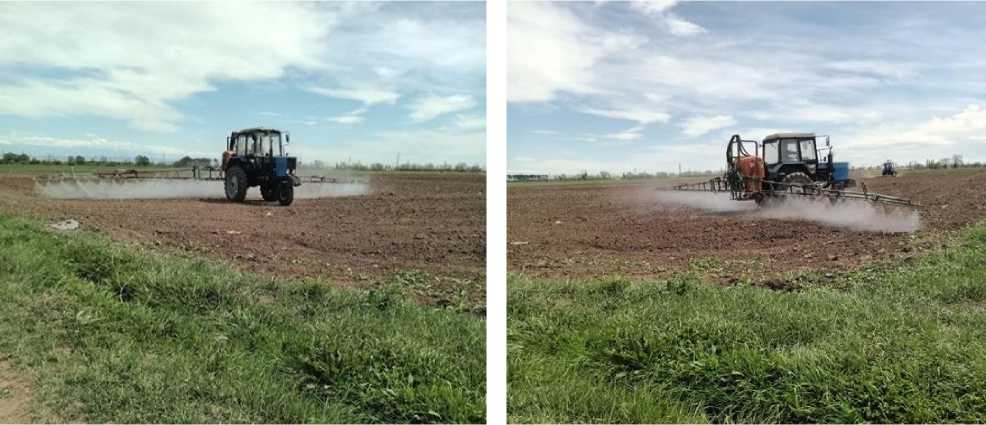
Figure 7. Herbicide use against weeds in the field
The active ingredients of these preparations are listed in Table 8 of the State Register of Pesticides and Biological Preparations of the Food Safety Agency of the Republic of Azerbaijan (AQTA), dated 01.05.2024.
Table 8
CHEMICAL COMPOSITION OF PREPARATIONS USED IN AGRICULTURE
|
Name of the Preparation |
Type of Preparation |
Category of Preparation |
Active Ingredient |
Harmful organism |
|
Quadrat 247 SC |
Pesticide |
Insecticide |
Lambda Cyhalothrin + Thiamethoxam |
Against the moral |
|
Fonis 250 SC |
Pesticide |
Insecticide |
Imidacloprid |
Against the moral |
|
Oncara 240 SC |
Pesticide |
Insecticide |
Thiamethoxam |
Against the moral |
|
Royzole SC |
Pesticide |
Insecticide |
Spiromesifen |
Against Sovka |
|
Seprain |
Pesticide |
Acaricide |
Abamectin (52 g/L), Etoxazole (104 g/L) |
Against Sovka |
|
Hoprole Xtra |
Pesticide |
Insecticide |
Indoxacarb |
Against Sovka |
As seen in the table, there is no correlation between the pesticides used in agricultural fields and those detected in the soil. This clearly indicates that the internationally banned persistent organic pollutants found in the cultivated land were used many years ago but are no longer in use [4].
As a result of our one-year study conducted in the agricultural fields located in the Samukh district, which served as the object of our research, several agro-ecologically significant findings were obtained. These findings include the physical properties of the soil as well as its elemental and chemical composition [2].
Based on continuous field observations and laboratory analyses, residues of 38 pesticide compounds were analyzed in the soil, and residues of 8 pesticide types were detected. One of these pesticides, endosulfan, was detected during the initial analysis; however, in subsequent analyses, its concentration in the soil was below the instrument detection limit (1 µg/kg or 1 ppm). Therefore, although its presence was confirmed, its exact concentration could not be quantified. In addition, although below the detection limit, residues of four pesticides—α-HCH, β-HCH, δ-HCH, and lindane—were also detected. Furthermore, three other pesticides—DDT, DDE, and DDD—were consistently detected in all three laboratory analyses conducted during the annual study period.
Despite their detection, it was determined—based on both international standards and national regulations—that the concentrations of all detected pesticides in the soil were several times lower than the maximum permissible concentration (MPC) limits.
Moreover, based on analyses of physicochemical soil parameters such as pH, humus content, electrical conductivity, carbonate content, and the concentrations of macro- and microelements, the soil type and agrochemical characteristics of the study area were identified. The soil was determined to exhibit transitional properties between light gray-brown (chestnut) and calcareous gray-brown (chestnut) subtypes of gray-brown (chestnut) soils [1].
The high calcium (Ca) content in the soil was explained from both scientific and practical perspectives. It was established that the calcareous nature of the parent material involved in soil formation, along with the high calcium content of the subartesian irrigation waters used in the area, is directly correlated with the elevated calcium levels observed in the soil.
The fact that the concentrations of other elements in the agricultural soil remained within normal ranges indicates that the field has been managed according to scientifically based agronomic practices. For future researchers planning to conduct studies on this topic, it is recommended to verify in advance that the laboratory performing the analyses uses modern reagents and is capable of detecting pesticide compounds relevant to current agricultural practices. In addition, when collecting samples for pesticide residue analysis, prior communication with field supervisors is essential to obtain information on the timing of the most recent pesticide application. Soil samples should be collected using standardized methods from a minimum depth of 20 cm.
By considering these methodological aspects, future studies will yield results that more accurately reflect actual field conditions.
Acknowledgments. The Department of Soil Science and Agrochemistry of the Azerbaijan State Agrarian University and the Institute of Plant Protection and Technical Plant Science Research provided technical support for this study. We sincerely thank these organizations for their contributions.
