
Сортовые различия в восприимчивости мягкой яровой пшеницы к грибной инфекции семян
Журнал: Вестник Красноярского государственного аграрного университета @vestnik-kgau
Рубрика: Агрономия
Статья в выпуске: 6, 2026 года.
Бесплатный доступ
Цель исследования – определить сортовую специфику восприимчивости восьми районированных в Красноярском крае сортов мягкой яровой пшеницы к возбудителям грибной инфекции семян. Объекты исследования – сорта мягкой яровой пшеницы Канская, Свирель, Красноярская 12, Алтайская 70, Курагинская 2, Новосибирская 31, Лидер 80, Бейская. Зерно отличалось высокой распространенностью внутренней инфекции, которая в среднем по сортам составила 66,6 %. Инфекция была представлена фитопатогенными грибами Fusarium sporotrichioides Sherb. (возбудитель фузариоза колоса) и Bipolaris sorokiniana (Sacc.) Shoemaker (возбудитель корневой гнили, листовой пятнистости и «черного зародыша»). Средняя по сортам распространенность F. sporotrichioides составила 13,4 %, варьируя от 3 % у сорта Красноярская 12 до 20 % у сорта Новосибирская 31. При этом сорт Красноярская 12 статистически значимо (p < 0,05) уступал остальным сортам по распространенности F. sporotrichioides, в то время как статистически значимых различий между сортами Канская, Свирель, Алтайская 70, Курагинская 2, Новосибирская 31, Лидер 80 м Бейская по данному показателю не выявлено. Средняя распространенность B. sorokiniana составила 53,3 %, варьируя от 0 % у сорта Красноярская 12 до 87 % у сорта Алтайская 70. По распространенности B. sorokiniana сорта образуют две четко обособленные группы. Первую группу составляют сорта Канская, Свирель и Красноярская 12 со средней по группе распространенностью 4,3 %. Вторую группу составляют сорта Алтайская 70, Курагинская 2, Новосибирская 31, Лидер 80 и Бейская со средней по группе распространенностью 82,7 %. Сорт Красноярская 12 может рассматриваться как источник повышенной выносливости к F. sporotrichioides и B. sorokiniana, а сорта Канская и Свирель – как источник повышенной выносливости к B. sorokiniana.
Короткий адрес: https://sciup.org/140316382
IDS: 140316382 | УДК: 632 | DOI: 10.36718/1819-4036-2026-6-118-129
Varietal differences in soft spring wheat susceptibility to seeds fungal infection
The objective of the study is to determine the varietal specificity of susceptibility of eight soft spring wheat varieties zoned in the Krasnoyarsk Region to pathogens causing fungal seed infections. The objects of the study were the following soft spring wheat varieties: Kanskaya, Svirel, Krasnoyarskaya 12, Altayskaya 70, Kuraginskaya 2, Novosibirskaya 31, Lider 80, and Beyskaya. The grain was characterized by a high prevalence of internal infection, which averaged 66.6 % across varieties. The infection was rep-resented by the phytopathogenic fungi Fusarium sporotrichioides Sherb. (the causative agent of fusarium head blight) and Bipolaris sorokiniana (Sacc.) Shoemaker (the causative agent of root rot, leaf spot, and black bud). The average prevalence of F. sporotrichioides across varieties was 13.4 %, varying from 3 % for the Krasnoyarskaya 12 variety to 20 % for the Novosibirskaya 31 variety. At the same time, the Krasnoyarskaya 12 variety was statistically significantly (p < 0.05) inferior to other varieties in the preva-lence of F. sporotrichioides, while no statistically significant differences were found between the Kanskaya, Svirel, Altayskaya 70, Kuraginskaya 2, Novosibirskaya 31, Lider 80 and Beyskaya varieties in this indica-tor. The average prevalence of B. sorokiniana was 53.3 %, ranging from 0 % for the Krasnoyarskaya 12 cultivar to 87 % for the Altayskaya 70 cultivar. Based on the prevalence of B. sorokiniana, the cultivars form two clearly distinct groups. The first group consists of the Kanskaya, Svirel, and Krasnoyarskaya 12 cultivars, with an average prevalence of 4.3 %. The second group consists of the Altayskaya 70, Kuraginskaya 2, Novosibirskaya 31, Lider 80, and Beyskaya cultivars, with an average prevalence of 82.7 %. The Krasnoyarskaya 12 cultivar can be considered a source of increased tolerance to F. sporo-trichioides and B. sorokiniana, while the Kanskaya and Svirel cultivars can be considered a source of in-creased tolerance to B. sorokiniana.
Текст научной статьи Сортовые различия в восприимчивости мягкой яровой пшеницы к грибной инфекции семян
Введение. Пшеница является ведущей зерновой культурой в мире, селекционная работа по которой ведется постоянно и сохраняет свою актуальность. Селекция пшеницы направлена на повышение урожайности, адаптацию к различным условиям среды, улучшение качества семян и устойчивость к болезням и вредителям [1–3]. При возделывании пшеницы одной из проблем является происходящее в процессе вегетации заражение семян фитопатогенными грибами p.р. Fusarium [4–6] и Bipolaris [7, 8]. Эти грибы способны вызывать инфекционные заболевания у широкого спектра сельскохозяйственных растений, из зерновых культур им больше всего подвержена пшеница [9].
Заболевания, вызываемые грибами р. Fusarium , называются фузариозами. У пшеницы фу-зариоз может проявляться в виде корневой гнили, листовой пятнистости, поражения колоса и семян. Кроме экономических потерь, фузариозы могут приводить к ухудшению качества зерна и накоплению микотоксинов. Продуцируемые грибами р. Fusarium микотоксины способны вызывать нарушения работы сердечно-сосудистой, нервной систем, желудочно-кишечного тракта [10–13]. Например, содержание в зерне 0,1 мг/кг токсина Т-2, основными продуцентами которого являются F. sporotrichioides , F. langsethiae , F. acuminatum и F. poae , способно сделать его полностью непригодным для использования.
Грибы р. Bipolaris вызывают корневые гнили, листовые пятнистости, а также «черный зародыш» семян. Инфицирование семян этими патогенами приводит к снижению их качества и всхожести, а также накоплению микотоксинов. Один из микотоксинов, который может производиться грибами р. Bipolaris , является стеригматоцистин (СТЦ), обладает мутагенными, токсическими и тератогенными свойствами. Основным органом-мишенью является печень. При употреблении даже в малых дозах стеригматоцистин может способствовать развитию злокачественных опухолей печени и пищевода; кроме этого, он вызывает снижение иммунитета [15, 16].
Для борьбы с грибными инфекциями применяют фунгициды, однако селекция более устойчивых сортов – стратегический подход, так как химические средства не всегда способны обеспечивать полную защиту [17, 18]. Устойчивость сортов к инфекции является относительным признаком. При теплой и влажной погоде в период цветения количество устойчивых линий может снижаться, а сорта могут демонстрировать разную сортовую восприимчивость к данным патогенам. Сортовые различия в восприимчивости играют ключевую роль в стратегии защиты посевов и обеспечении продовольственной безопасности [19, 20].
Современный ассортимент сортов пшеницы различен по сортовой восприимчивости к гриб- ным инфекциям семян. Сорта можно разделить на классы в зависимости типа устойчивости к данному заболеванию. А. Местерхази (Á. Mes-terházy) еще в 1997 г. выделил пять классов по типу устойчивости: устойчивость к проникновению патогена в ткани растения, устойчивость к распространению патогена по колосу, устойчивость зерен к заражению патогеном, толерантность к инфекции, то есть способность растения сохранять урожайность при заражении, и устойчивость к накоплению микотоксинов [21, 22].
В России опубликованы многочисленные исследования по сортовой восприимчивости пшеницы к грибным инфекциям семян. Это и характеристика устойчивых сортов к фузариозу, и результаты многолетних наблюдений за устойчивостью сортов пшеницы в различных регионах, и результаты оценки сортов мягкой пшеницы на устойчивость к фузариозу колоса [23–25], и оценка сортов пшеницы различного происхождения с комплексной устойчивостью к фузариозу и другим болезням, и оценка сортовой восприимчивости пшеницы в Центральном, Северо ‑ Западном, Южном и Сибирском федеральных округах, и исследования подходов защиты пшеницы от фузариоза, включая селекцию устойчивых сортов [26–28], и обзоры стратегий защиты пшеницы от фузариоза с акцентом на селекцию устойчивых сортов, и результаты многолетних испытаний сортов пшеницы с выявлениями сортов с повышенной устойчивостью к фузариозу колоса, и проведение сравнительной оценки сортов яровой пшеницы по устойчивости к B. sorokiniana , и изучение влияния агротехнологий на развитие гельминтоспориоз-ной корневой гнили на сортах яровой пшеницы [29–31]. Однако данные по восприимчивости сортов пшеницы к грибным инфекциям в лесостепной зоне Красноярского края малочисленны [32, 33], хотя данная зона является одной из перспективных по возделыванию пшеницы [34]. Настоящая работа призвана расширить знания о сортовых различиях в восприимчивости пшеницы к грибным инфекциям семян в лесостепной зоне Красноярского края.
Цель исследования – определить сортовую специфику восприимчивости восьми районированных в Красноярском крае сортов мягкой яровой пшеницы к возбудителям грибной инфекции семян.
Объекты и методы. Объект исследования – зерно восьми сортов мягкой яровой пшеницы селекции Красноярского научно-исследовательского института сельского хозяйства – обособленного подразделения ФИЦ КНЦ СО РАН (Красноярский НИИ СХ): Свирель, Канская, Красноярская 12, Бейская, Курагинская 2; селекции Сибирского научно-исследовательского института растениеводства и селекции – филиала Федерального исследовательского центра Института цитологии и генетики Сибирского отделения Российской академии наук (СИБ НИИ РС – филиал ИЦИГ СО РАН): Новосибирская 31; селекции Федерального Алтайского научного центра агробиотехнологий (ФАНЦА): Алтайская 70, Лидер 80. В исследовании использовали зерно урожая 2024 г., полученное в ОПХ «Минино» Емельяновского района (лесостепная зона Красноярского края).
Для выявления внутренней инфекции предварительно продезинфицированное зерно (100 зерен каждого сорта) раскладывали в чашки Петри на агаризованную среду Чапека – Докса [35]. Для предотвращения бактериального роста в среду добавляли ципрофлоксацин в количестве 5 мг/л. Инкубирование проводили в течение 7 сут при температуре (25 ± 1) °С в соответствии с ГОСТ Р 52325–2005 «Семена сельскохозяйственных растений. Сортовые и посевные качества. Общие технические условия». Видовую идентификацию выделенных из семян грибов проводили по культурально-морфологическим признакам [36, 37]. Статистическую значимость различий между сортами по распространенности инфекции определяли тестом χ2 с использованием пакета STATISTICA 10.
Результаты и их обсуждение. При визуальной оценке семян изучаемых сортов были выявлены семена с характерные признаками фуза-риоза и «черного зародыша» (рис. 1), у отдельных сортов такие семена составляли 90 %. В среднем, доля семян с признаками «черного зародыша» составила 53 % от общего числа проанализированных экземпляров.
Микробиологический анализ показал, что по распространенности внутренней инфекции семян сорта существенно различаются (рис. 2).
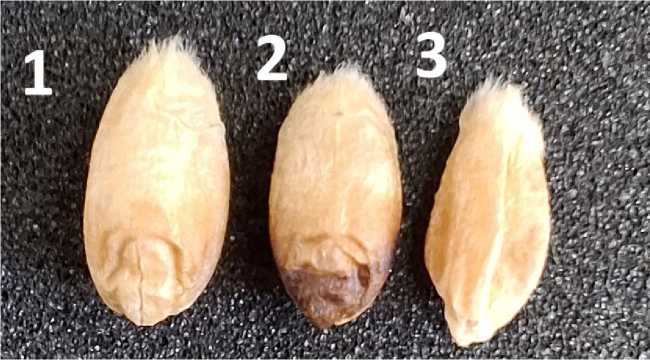
Рис. 1. Семена пшеницы: 1 – здоровые семена; 2 – с признаками «черного зародыша»;
3 – с признаками фузариоза
Wheat seeds: 1 – healthy seeds; 2 – with signs of "black germ";3 – with signs of Fusarium infection
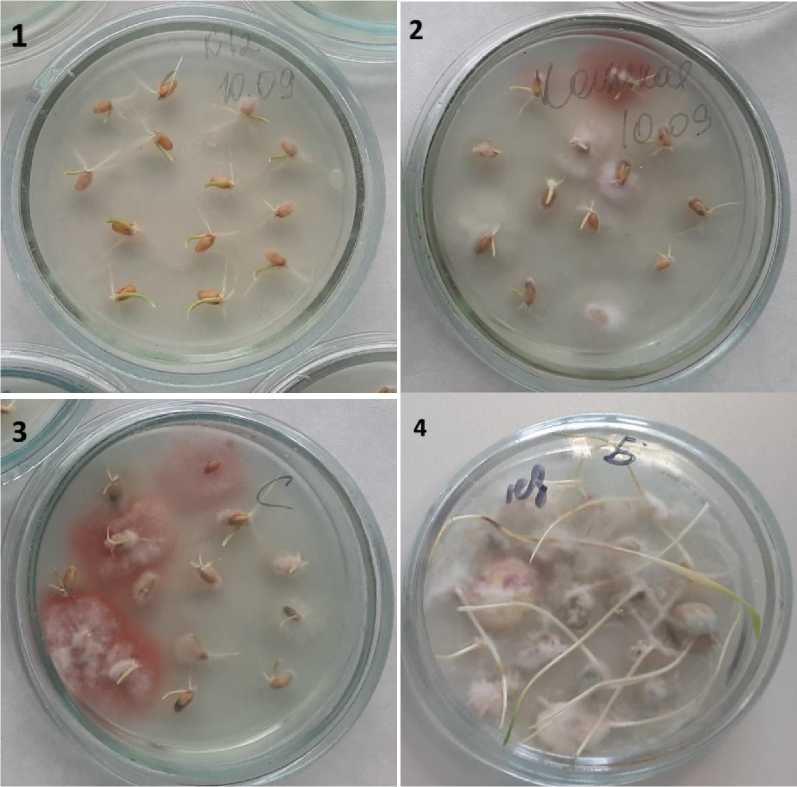
Рис. 2. Семена пшеницы с разным уровнем внутренней инфекции после 7 сут инкубирования на среде Чапека-Докса при температуре (25 ± 1) °С.
1 – Красноярская 12; 2 – Канская; 3 – Свирель; 4 – Бейская
Wheat seeds with varying levels of internal infection after 7 days of incubation on Czapek-Dox medium at (25 ± 1)°C. 1 – Krasnoyarskaya 12; 2 – Kanskaya; 3 – Svirel; 4 – Beyskaya
Патогенный комплекс был представлен фи-топатогенными грибами Fusarium sporotrichioi-des Sherb. (возбудитель фузариоза колоса) и
Bipolaris sorokiniana (Sacc.) Shoemaker (возбудитель корневой гнили, листовой пятнистости и «черного зародыша») (рис. 3, 4).
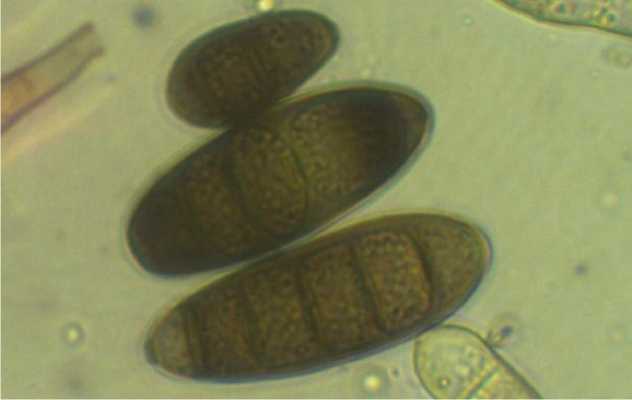
Рис. 3. Конидии изолята B. sorokiniana, выделенного из изучаемых семян Conidia of a B. sorokiniana isolate obtained from the seeds under study
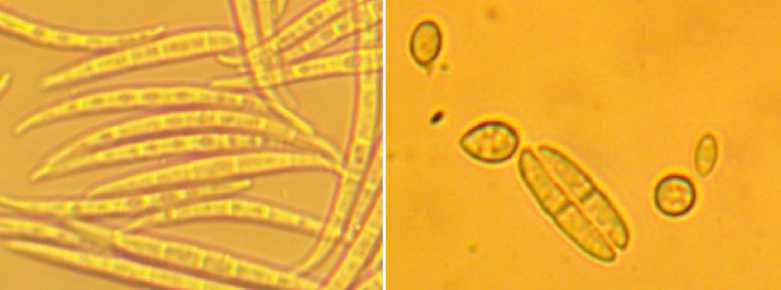
Рис. 4. Микроконидии (слева) и макроконидии (справа) изолята F. sporotrichioides, выделенного из изучаемых семян
Microconidia (left) and macroconidia (right) of an *F. sporotrichioides* isolate obtained from the seeds under study
В среднем по сортам распространенность внутренней инфекции семян составила 66,6 %, при этом представители B. sorokiniana статистически значимо (p < 0,001) преобладали в патогенном комплексе. Так, если средняя по сортам распространенность F. sporotrichioides составила 13,4 %, варьируя от 3 % у сорта Красноярская 12 до 20 % у сорта Новосибирская 31, то средняя распространенность B. sorokiniana была 53,3 %, варьируя от 0 % у сорта Красноярская 12 до 87 % у сорта Алтайская 70. При этом в целом по сортам наблюдаются статистически значимые (p < 0,001) различия как по общей распространенности, так и по таксономическому составу семенной инфекции. Так, сорт Крас- ноярская 12 статистически значимо (p < 0,05) уступал остальным сортам по распространенности F. sporotrichioides, в то время как статистически значимых различий между сортами Канская, Свирель, Алтайская 70, Курагинская 2, Новосибирская 31, Лидер 80 м Бейская по данному показателю не выявлено. По распространенности B. sorokiniana сорта образуют две четко обособленные группы. Первую группу составляют сорта Канская, Свирель и Красноярская 12 со средней по группе распространенностью 4,3 %. Вторую группу составляют сорта Алтайская 70, Курагинская 2, Новосибирская 31, Лидер 80 и Бейская со средней по группе распространенностью 82,7 % (рис. 5).
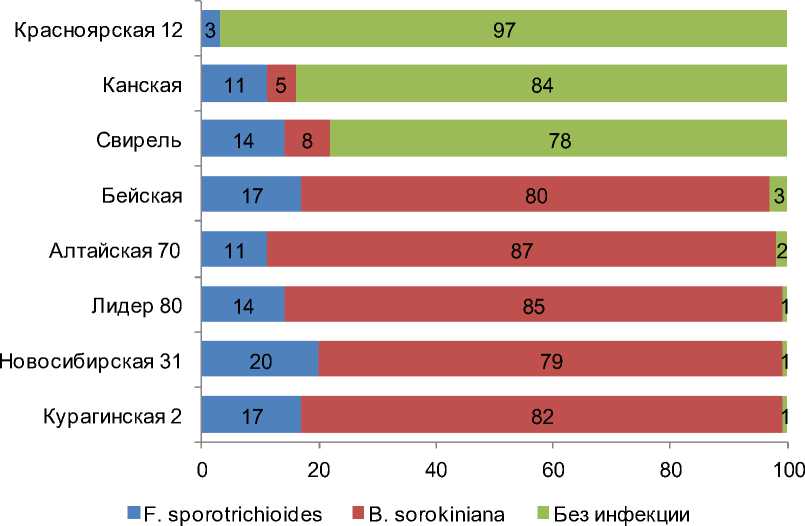
Рис. 5. Таксономический состав и распространенность семенной инфекции у исследуемых сортов, %
Taxonomic composition and prevalence of seed infection in the studied cultivars, %
Из восьми сортов Красноярская 12 продемонстрировала минимальную распространенность внутренней инфекции семян, максимальную устойчивость к возбудителям семенной инфекции. Следует отметить, что в 2023 г. в ОПХ «Минино» данный сорт также показал низкий уровень заражения семян как представителями р. Fusarium, так и к другим фитопатогенным грибам. На втором месте по устойчивости к инфекции семян находится сорт Канская, на третьем – сорт Свирель. Замыкают список по устойчивости сорта Алтайская 70, Курагинская 2, Новосибирская 31, Лидер 80 и Бейская с распространенностью семенной инфекции в пределах 97–99 %, что в первую очередь объясняется их высокой чувствительностью к поражению B. sorokiniana. При этом наши данные по сорту Новосибирская 31 согласуются с результатами ранее проведенных исследований по сортовой восприимчивости яровой пшеницы к представителям р. Fusarium [38] и изучению таксономии-ческого состава фитопатогенов в лесостепной зоне Красноярского края [39]. Во всех указанных работах сорт Новосибирская 31 идентифицирован как один из наименее устойчивых, или самый восприимчивый. Это подчеркивает необходимость ограничения возделывания данного сорта в зонах с высоким инфекционным фоном, проведения обязательного протравливания семян перед посевом и мониторинга фитосани-тарного состояния посевов.
Заключение. Проведенные исследования показали высокие и статистически значимые различия между изучаемыми сортами по восприимчивости к семенной инфекции. На основе полученных результатов сорт Красноярская 12 можно рекомендовать как источник повышенной выносливости к F. sporotrichioides и B. soroki-niana , а сорта Канская и Свирель – как источник повышенной выносливости к B. sorokiniana . Следует также рекомендовать ограничить возделывание сортов Алтайская 70, Курагинская 2, Новосибирская 31, Лидер 80 и Бейская в районах с высоким инфекционным фоном, отдавая предпочтение сортам Красноярская 12, Канская и Свирель, либо применять усиленные меры защиты, такие как протравливание семян перед посевом, соблюдение севооборота, использование фунгицидов в период вегетации.
Можно также отметить существенные изменения в видовом составе доминирующих фито-патогенных грибов рода Fusarium, произошедшие в районе проведения исследований. Согласно работам 80-х гг. XX в., для данной местности были характерны F. avenaceum и F. gib-bosum, он же F. acuminatum. Данные исследо- ваний 2001 и 2004 гг. фиксируют в этой зоне присутствие F. oxysporum и комплекса видов Fusarium oxysporum (FOSC), а также F. graminearum (в составе комплекса FSAMSC) [40–42]. Примечательно, что в более ранних работах [43] данные виды были типичны для зон тайги, подтайги и степи. Согласно публикации 2008 г., в рассматриваемой зоне доминировали представители комплексов видов F. tricinctum (FTSC) и F. sambucinum, (FSAMSC) [43]. Наши исследования показали абсолютное преобладание вида F. sporotrichioides, также относящегося к комплексу видов FSAMSC. Идентификация нами F. sporotrichioides согласуется с выводами исследователей [43–45], показавших, что для Сибири, наряду с другими комплексами видов р. Fusarium, характерно распространение именно представителей комплекса FSAMSC, в котором отмечены F. poae, F. sibiricum, F. culmorum, а F. sporotrichioides по культурально-морфологическим и молекулярногенетическим признакам встречается более чем в 70 % случаях изученных образцов [45]. Следует отметить, что F. sporotrichioides является продуцентом целого комплекса микотоксинов: Т-2 и НТ-2 токсины, диацетоксискирпенол (DAS) и неосоланиол (NEO) [46]. С учетом выявленного доминирования F. sporotrichioides в лесостепной зоне Сибири, а также его повышенной опасности как продуцента микотоксинов, необходим регулярный мониторинг фитосанитарного состояния посевов и семенного материала, а также разработка целенаправленных мер борьбы с данным патогеном.
