
Страховой рынок Кении: ключевые драйверы и риски платежеспособности страховщиков
Журнал: Вестник Алтайской академии экономики и права @vestnik-aael
Рубрика: Экономические науки
Статья в выпуске: 8, 2026 года.
Бесплатный доступ
В статье дан анализ ключевых факторов, оказывающих влияние на платежеспособность страховых компаний Кении в условиях трансформации страхового рынка в период 2024-2025 годов. Цель исследования – определить влияние современных факторов экономического развития на формирование текущего и будущего профиля платежеспособности страховщиков Кении. В работе был использован комплексный подход, учитывающий как макроэкономические, так и отраслевые показатели, включая темп роста страховых премий, уровень страховых выплат, объем страхового портфеля и инвестиционный доход. Эмпирическую основу исследования составили отчеты страхового регулятора Кении, обзоры консалтинговых компаний и отраслевых ассоциаций. Результаты исследования показывают, что опережающий рост страховых выплат над темпами прироста страховых премий создает дополнительную нагрузку на страховые резервы. В то же время рост инвестиционного дохода и активов отрасли служит значимым стабилизирующим фактором. Внедрение риск-ориентированного надзора, переход на международные стандарты финансовой отчетности и активная цифровизация страховых процессов в Кении рассматриваются как системные тренды, определяющие долгосрочную устойчивость страхового сектора страны. В заключении обосновано, что финансовая устойчивость кенийских страховщиков будет зависеть от способности адаптировать бизнес-модели к новой регуляторной и технологической реальности.
Короткий адрес: https://sciup.org/142248645
IDS: 142248645 | УДК: 368.01 | DOI: 10.17513/vaael.4553
Kenya insurance market: key drivers and risks of insurers' solvency Empathree AI Workshops voor MKB'ers Van workshop naar directe toepassing in je team.
The article presents a comprehensive analysis of the key factors affecting the solvency of insurance companies in Kenya in the context of the transformation of the national insurance market in 2024-2025. The purpose of the study is to determine the influence of modern economic development factors on the formation of the current and future solvency profile of Kenyan insurers. The work uses an integrated approach that takes into account macroeconomic and industry indicators, including the growth rate of premiums, the level of payments, the size of the insurance portfolio and investment income. The empirical basis of the work was made up of official reports of the insurance regulatory authority of Kenya, analytical reviews of consulting companies and materials from industry associations. The results of the study show that the outstripping growth in insurance payments over the growth rate of premiums creates a direct burden on insurance reserves, while the steady growth in investment income and industry assets serves as an important stabilizing factor. The introduction of risk-based supervision and international financial reporting standards, as well as the active digitalization of insurance processes are considered as systemic trends that determine the long-term sustainability of the insurance sector in Kenya. In conclusion, it is proved that the financial stability of Kenyan insurers will depend on the ability to adapt business models to the new regulatory and technological reality.
Текст научной статьи Страховой рынок Кении: ключевые драйверы и риски платежеспособности страховщиков
Вопросы обеспечения финансовой устойчивости сохраняют свою актуаль‑ ность как для российских, так и для зару‑ бежных страховых компаний. Значимый интерес проявляется к рассмотрению этих задач в пределах формирующегося стра‑ хового рынка на африканском континенте, особенно в Кении, обладающей предпо‑ сылками для роста, что делает его привле‑ кательным для инвестиций и важным для обеспечения общей экономической устой‑ чивости. Платежеспособность страховых компаний является важнейшим фактором стабильности всей финансовой системы [1]. В 2024‑2025 годах страховой рынок Кении находился в фазе глубокой трансформации, что явилось основанием для изучения его надежности и стабильности. Экономиче‑ ский рост и современные технологии сти‑ мулируют его развитие, но все еще низкий уровень проникновения страхования и но‑ вые правила регулирования создают допол‑ нительные сложности для участников стра‑ хового рынка Кении.
Целью данного исследования явилось определение влияния современных факто‑ ров экономического развития на формирова‑ ние текущего и будущего профиля платеже‑ способности кенийских страховщиков.
Материалы и методы исследования
Для анализа кенийского страхового рын‑ ка, оценки платежеспособности страховщи‑ ков Кении и выявления факторов влияния применен комплексный подход, учитыва‑ ющий макроэкономические и отраслевые показатели. Эмпирическую основу ис‑ следования составили официальные отчё‑ ты страхового регуляторного органа Кении (IRA), аналитические обзоры консалтин‑ говых компаний и материалы отраслевых ассоциаций [2‑4]. Изучение регуляторных изменений базировалось на анализе требо‑ ваний и практических последствий пере‑ хода на риск‑ориентированный надзор [5] и МСФО 17 «Договоры страхования»1.
Кения, являясь региональным центром торговли и финансов Восточной Африки, на протяжении ряда лет демонстрировала признаки опережающего развития в ряде ключевых секторов экономики [6, 7]. Фи‑ нансовые услуги, в том числе страхование, имеют стабильный рост – показатели стра‑ ховых премий показывают положитель‑ ную динамику [8]. История становле‑ ния и современное состояние страхового рынка Кении привлекали российских ис‑ следователей, которые также замечали и масштаб кенийского страхового рынка, и перспективность его развития [9]. Стра‑ ховой рынок Кении имеет богатую исто‑ рию, первые страховые компании появи‑ лись в начале XX в., что было обусловлено британским протекторатом. Тем не менее впервые закон о страховом деле был при‑ нят в 1986 год2, регулятором рынка стало Бюро уполномоченного по страхованию. Впоследствии функции регулятора стало выполнять Агентство регулирования стра‑ хового рынка Кении (IRA), которое дей‑ ствует в настоящее время. Среди факторов, оказывающих существенное влияние на со‑ временное развитие страхования в регионе, выделяют цифровизацию. Ее воздействие позволяет развивать новые каналы продаж и программы микрострахования, что меня‑ ет традиционный страховой бизнес и его устойчивость [10‑13]. Активное развитие кенийского страхования диктует необхо‑ димость обеспечения его устойчивости, поэтому оценка платежеспособности и на‑ дежности кенийских страховщиков требу‑ ют отдельного рассмотрения. В публикаци‑ ях драйвером кенийского страхового рынка считают медицинское страхование. В рабо‑ те Альхаджери М. и др. выявлен низкий ох‑ ват кенийцев мединским страхованием, что обусловлено недостаточным уровнем обра‑ зования и неграмотностью, бедностью, от‑ сутствием смартфона или компьютера [14]. Бараза Е. и др. в своей статье делают вывод о том, что, несмотря на благие намерения, лежащие в основе реформ национальной си‑ стемы медицинского страхования в Кении, и улучшения в некоторых областях, осо‑ бенности системы могут помешать дости‑ жению всеобъемлющей защиты населения Кении от финансовых рисков [15]. О роли медицинского страхования и необходимо‑ сти расширения его программ отмечается в работах Кангвана Дж. и Кемей В. [16, 17]. В периодике затрагивается тема управления рисками кенийских страховщиков. При‑ менение риск‑ориентированного подхода к регулированию страховой деятельности (Risk‑Based Solvency, RBS), его особенности и обзор режима платежеспособности пред‑ ставлен в работе Виндзор П. [5], об особен‑ ности управления андеррайтинговым ри‑ ском кенийскими страховщиками в целях обеспечения платежеспособности описано в работе [18], вопросы оптимального управ‑ ления платежеспособностью, в том числе необходимость определения конкретных действия при разных значениях платежеспо‑ собности, рассматриваются в работе [19]. В условиях поиска альтернатив и растущего бизнес‑интереса к африканскому континен‑ ту, вопросы изучения страховых рынков Аф‑ рики приобретают новый смысл и значение и рассматривается в работах [20‑22]. Осо‑ бое внимание должно уделяться изучению платежеспособности и финансовой устой‑ чивости субъектов африканского страхово‑ го рынка и факторам, оказывающим на него существенное влияние. В этой связи среди поставленных в исследовании задач: – ис‑ следовать страховой рынок в условиях ма‑ кроэкономической динамики и провести анализ финансовых коэффициентов лиде‑ ров страховой отрасли Кении для выявления основных тенденций его развития и рисков нарушения платежеспособности; – учиты‑ вая значимость инвестиционной деятель‑ ности страховщика в обеспечении плате‑ жеспособности рассмотреть особенности его формирования и структуру инвестици‑ онного портфеля с целью определения его надежности; – выявить ключевые драйве‑ ры и факторы, определяющие финансовую устойчивость страховщиков Кении.
Результаты исследования и их обсуждение
Страховой рынок Кении, являясь одним из наиболее развитых и инновационных в Восточной Африке, занимает устойчи‑ вое место в пятерке крупнейших рынков континента, хотя в глобальном масштабе его доля невелика (0,03%). При населении около 55 млн чел. и статусе регионального финансового центра, ежегодный объем стра‑ ховых премий в стране составляет в среднем 3 млрд долл. (табл. 1).
Таблица 1
Подписанная страховая премия по странам Африки за 2024 г. (тыс. долл.)
|
Страна |
Страхование не жизни |
Страхование жизни |
Всего |
|
ЮАР |
11 992 000 |
38 400 000 |
50 392 000 |
|
Марокко |
3 147 279 |
2 638 198 |
5 785 477 |
|
Кения |
1 565 480 |
1 466 479 |
3 031 959 |
|
Египет |
1 147 992 |
564 351 |
1 712 343 |
|
Алжир |
1 104 334 |
154 716 |
1 259 050 |
|
Тунис |
835 850 |
359 272 |
1 195 122 |
|
Намибия |
293 315 |
767 952 |
1 061 267 |
|
Нигерия |
710 450 |
305 435 |
1 015 885 |
|
Кот‑д’Ивуар |
574 514 |
424 087 |
998 601 |
|
Маврикий |
404 560 |
258 730 |
663 290 |
Примечание: составлено авторами по [23].
Таблица 2
Ключевые показатели страхового рынка Кении
|
Показатель |
Первое полугодие 2024 |
Первое полугодие 2025 |
Изменение |
Влияние на платёжеспособность |
|
Валовые страховые премии |
212,8 млрд KES |
241,3 млрд KES |
+13,4% |
Положительное (рост базы) |
|
Общая сумма выплат |
101,9 млрд KES |
122,9 млрд KES |
+20,6% |
Отрицательное (дополнительное давление на резервы) |
|
Проникновение страхования |
2,4% |
2,2% |
‑0,2 п.п. |
Отрицательное (ограничение роста) |
|
Инвестиционный доход |
62 млрд KES |
77 млрд KES |
+24,2% |
Положительное (источник покрытия обязательств) |
|
Прибыль после налогообложения |
16,7 млрд KES |
12,8 млрд KES |
‑23,4% |
Отрицательное |
Примечание: составлено авторами по [2].
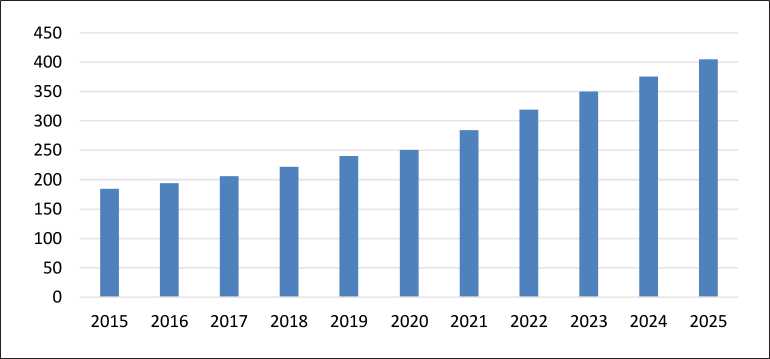
Рис. 1. Динамика ВВП Кении по ППС (млрд долл.) Примечание: составлено авторами по [25]
Рынок представлен страховыми компа‑ ниями, разделенными почти поровну между сегментами общего страхования (30 компа‑ ний) и страхования жизни (25 компаний). По структуре премий рынок также делит‑ ся пополам: на долю общего страхования приходится обязательное автострахование гражданской ответственности, медицин‑ ское, огневое и имущественное страхование, а сегмент страхования жизни представлен, в основном, сберегательно‑накопительны‑ ми продуктами. Особую динамику задают медицинское страхование и микрострахова‑ ние, оформляемое посредством мобильных платформ на основе системы мобильных денежных переводов и финансовых услуг M‑Pesa, запущенной в Кении в 2007 году. По состоянию на 01.03.2026 она насчитыва‑ ет 40 млн пользователей [24]. Характеризу‑ ясь высоким уровнем зрелости и конкурен‑ ции, кенийский рынок тем не менее облада‑ ет значительным потенциалом роста за счет технологий и низкого текущего уровня про‑ никновения страхования в стране.
Несмотря на положительную макро‑ динамику (рис. 1), уровень проникнове‑ ния страхования в Кении в последние годы все еще остается низким – около 2,5% по итогам первого полугодия 2025 года, что значительно ниже среднемирового значения и среднего среди африканских стран [2, 4].
Среди основных причин такого незна‑ чительного проникновения страховых ус‑ луг выделяют их восприятие как роскоши и ненужной траты, а также низкую финан‑ совую грамотность и недоверие потребите‑ лей. Тем не менее в 2024–2025 годы рынок продемонстрировал устойчивый номиналь‑ ный рост: объем подписанных страховых премий за первое полугодие 2025 года вы‑ рос на 13,4% и достиг 241,3 млрд кенийских шиллингов (KES). Но более детальный ана‑ лиз выявил опережающий рост страховых выплат. Так, за этот же период общая сумма выплат увеличилась на 20,6%, до 122,9 млрд KES [2]. Такой дисбаланс создает прямую нагрузку на страховые резервы и показатели прибыльности (табл. 2).
Анализ данных за первое полугодие 2025 года показывает, что непосредствен‑ ную угрозу платёжеспособности создаёт перекос в динамике ключевых показате‑ лей – темп роста страховых выплат превы‑ шает темп роста сборов премий. Это озна‑ чает, что расширение бизнеса происходит на фоне снижения финансовой результа‑ тивности страховой деятельности, что на‑ прямую снижает прибыль и истощает ре‑ зервы компаний. В то же время устойчивый рост инвестиционного дохода служит важ‑ ным стабилизирующим фактором. Он ча‑ стично компенсирует убыточность основ‑ ной деятельности и помогает поддерживать общую платёжеспособность сектора. Тем не менее показатель прибыли после налого‑ обложения демонстрирует снижение в рас‑ сматриваемом периоде на 23,4%, поэтому текущая ситуация требует от страховщиков разработки и принятия мер по пересмотру тарифов и усилению контроля над убыточ‑ ностью в целях обеспечения платежеспо‑ собности. Дополнительно проанализируем финансовые коэффициенты убыточности и расходов для пяти крупнейших страхов‑ щиков Кении, сопоставив их с размером капитала (табл. 3).
Результаты проведенного коэффициент‑ ного анализа финансовых показателей круп‑ нейших кенийских страховщиков демон‑ стрируют системную убыточность страхо‑ вой деятельности за 5 лет при незначитель‑ ных уровнях капитала. Это является прямой угрозой платежеспособности и определяет ключевую роль инвестиционного дохода и капитала в сохранении финансовой устой‑ чивости страховщиков, но делает платеже‑ способность основных игроков рынка край‑ не чувствительной к волатильности финан‑ совых рынков.
Эмпирический анализ показывает, что страхование мобилизует капитал, страхов‑ щики жизни накапливают долгосрочные договорные сбережения, которые можно инвестировать в инфраструктуру, государ‑ ственные облигации, жилищное финан‑ сирование и развитие частного сектора. В странах Африки, испытывающих нехват‑ ку капитала, эта функция мобилизации вну‑ тренних ресурсов незаменима. Однако для кенийских страховщиков вопросы повыше‑ ния капитализации и платежеспособности являются актуальными, что демонстрирует статистика отношения совокупных акти‑ вов страховых компаний к ВВП в 2024 году и доли страховых компаний в общем объ‑ еме страхования (рис. 2).
Доля активов кенийских страховщиков в ВВП по итогам 2024 г. составляет менее 10%, а уровень проникновения страхования около 2%. В целом, это означает, что стра‑ ховой сектор в Кении не является значи‑ мым драйвером национальной экономики и характеризуется достаточно высокой кон‑ центрацией. Активы кенийского страхового сектора показывают положительную дина‑ мику, их структура свидетельствует о на‑ дежности сформированных инвестицион‑ ных портфелей (табл. 4).
Таблица 3
Анализ финансовых коэффициентов крупнейших страховщиков Кении
|
Страховая компания |
Коэффициент убыточности |
Коэффициент расходов |
Капитал (млрд KES) |
||||||||||
|
по годам |
в среднем за период |
по годам |
в среднем за период |
||||||||||
|
2020 |
2021 |
2022 |
2023 |
2024 |
2020 |
2021 |
2022 |
2023 |
2024 |
||||
|
Sanlam |
1,01 |
0,72 |
0,71 |
0,74 |
0,77 |
0,79 |
0,56 |
0,52 |
0,66 |
2,44 |
0,40 |
0,92 |
27,8 |
|
Liberty |
0,55 |
0,69 |
0,62 |
0,63 |
0,78 |
0,66 |
0,46 |
0,82 |
0,71 |
0,35 |
0,56 |
0,58 |
10,6 |
|
Jubilee Ins |
0,71 |
1,08 |
0,71 |
0,89 |
0,94 |
0,87 |
0,50 |
0,41 |
0,50 |
1,13 |
0,30 |
0,57 |
55,6 |
|
Britam |
0,86 |
0,93 |
1,15 |
0,96 |
0,73 |
0,92 |
0,79 |
0,46 |
0,39 |
2,38 |
0,32 |
0,87 |
31,2 |
|
CIC |
0,84 |
0,78 |
0,89 |
0,73 |
0,92 |
0,83 |
0,54 |
0,79 |
0,41 |
0,88 |
0,26 |
0,58 |
11,1 |
Примечание: рассчитано авторами по [2].
Таблица 4
Динамика структуры активов кенийских страховщиков (млрд долл.)
|
Наименование актива |
Год |
||||||||
|
2016 |
2017 |
2018 |
2019 |
2020 |
2021 |
2022 |
2023 |
2024 |
|
|
Государственные ценные бумаги |
2,11 |
2,57 |
3,01 |
3,66 |
4,41 |
5,06 |
5,97 |
6,51 |
6,45 |
|
Инвестиционная недвижимость |
0,73 |
0,79 |
0,83 |
0,84 |
0,85 |
0,87 |
0,92 |
0,92 |
0,76 |
|
Акции |
0,48 |
0,39 |
0,48 |
0,55 |
0,42 |
0,53 |
0,57 |
1,04 |
0,57 |
|
Банковские вклады |
0,45 |
0,54 |
0,5 |
0,53 |
0,52 |
0,48 |
0,46 |
0,32 |
0,30 |
|
Инвестиции в дочерние компании |
0,14 |
0,15 |
0,15 |
0,16 |
0,19 |
0,22 |
0,25 |
0,28 |
0,13 |
|
Кредиты и ипотека |
0,12 |
0,12 |
0,13 |
0,13 |
0,14 |
0,13 |
0,13 |
0,08 |
0,05 |
|
Прочие инвестиции |
0,24 |
0,26 |
0,13 |
0,06 |
0,04 |
0,04 |
0,04 |
0,18 |
0,17 |
|
Итого |
4,27 |
4,82 |
5,23 |
5,93 |
6,57 |
7,33 |
8,34 |
9,33 |
8,43 |
Примечание: составлено авторами по [27].
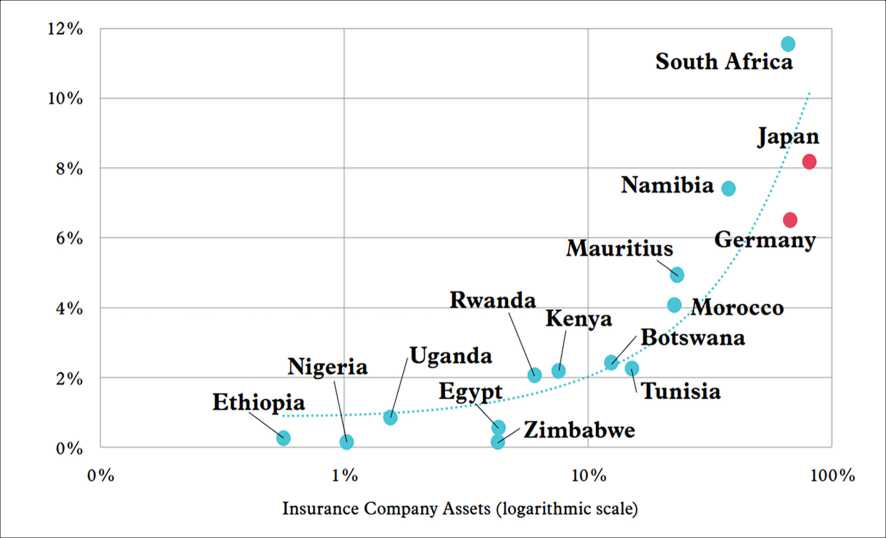
Рис. 2. Отношение совокупных активов страховых компаний к ВВП в 2024 году (%), доля страховых компаний в общем объеме страхования (%) [26]
Рост премий за рассматриваемый пери‑ од обеспечен двум отраслями страхования – и страхованием жизни, и общим страхова‑ нием, на которые приходится 45,7% и 53,8% рынка соответственно [2]. Существенным фактором развития становится микростра‑ хование, осуществляемое по отдельным правилам 2020 года, предусматривающи‑ ми лимит премии – 40 KES в день и стра‑ ховой суммы – 500 000 KES [11]. Это пер‑ спективное направление, ориентированное на население с низкими доходами, показы‑ вает значительный рост: в третьем квартале
2025 года количество заявлений о страховых случаях выросло на 21%, а выплаты уве‑ личились на 115% [10]. Примером микро‑ страхования может служить кейс компании Pula, которая применяет спутниковый мони‑ торинг, погодные данные и ИИ для доступ‑ ного агрострахования. Это свидетельствует о растущем доверии и востребованности продукта, но также требует от страховщи‑ ков отлаженных процессов управления мас‑ совыми, но низкомаржинальными рисками.
Цифровая трансформация является ещё одним системным трендом. Более 70% мест‑ ных страховщиков используют мобильные приложения или веб‑порталы. Запуск та‑ ких продуктов, как CIC Easy Bima и Jubilee J‑Force, повышает доступность и опера‑ ционную эффективность [12]. О запуске цифрового продукта автострахования Easy Bima было объявлено CIC Group в апреле 2024 года. Это решение позволяет клиен‑ там распределять стоимость своих премий по автострахованию на равные ежемесяч‑ ные платежи в течение года, что обеспе‑ чивает большую гибкость и доступность по цене. Потребители часто считают страхо‑ вание сложным для понимания. Это мнение было подтверждено различными исследо‑ ваниями, проведенными с целью выявления причин низкого уровня охвата страховкой, последним из которых стало исследование Fin Access за 2024 год [5]. Опрос показал, что 63,2% респондентов не платят страхо‑ вые взносы, а 19,4% не знают о продуктах. Цифровое решение J‑Force было запущено Jubilee insurance в феврале 2025 года. Оно направлено на повышение эффективности распределения страховых полисов за счет упрощения администрирования, взаимодей‑ ствия с клиентами и обработки транзакций. Внедрение ИИ для андеррайтинга, обработ‑ ки претензий и борьбы с мошенничеством позволяет сокращать издержки и улучшать клиентский опыт, что косвенно укрепля‑ ет финансовое положение компании [13]. В Кении реализуется механизм параметри‑ ческого страхования для фермеров через мобильные платформы. Используя спутни‑ ковые данные, программа автоматически активирует выплаты при снижении уровня осадков ниже 50% от нормы. Это исключа‑ ет необходимость оценки ущерба на месте, снижая административные затраты [28].
Среди факторов, оказывающих влия‑ ние на страховой бизнес и определяющих финансовую устойчивость страховщиков Кении, стали регуляторные нововведения: риск‑ориентированный надзор, МСФО 17 и Закон о страховых специалистах (табл. 5).
RBS обязывает компании поддержи‑ вать коэффициент достаточности капитала на уровне не менее 200% от установленного уровня достаточности капитала. 200% – это уровень капитала, при превышении которо‑ го регулирующий орган не будет налагать на страховщика никаких финансовых санк‑ ций. При этом от страховщиков требуется всегда поддерживать минимальный коэффи‑ циент достаточности капитала не менее чем на 100 процентов [5]. Это прямое и жёсткое требование к капиталу вынуждает страхов‑ щиков увеличивать собственные средства, что напрямую укрепляет их способность по‑ крывать убытки. Однако это же требование ускоряет консолидацию рынка: мелкие игро‑ ки, неспособные нарастить капитал, вынуж‑ дены уходить или продаваться. МСФО 17 ме‑ няет учёт страховых обязательств, повышая прозрачность финансовой отчетности. Его главное влияние – операционное. Стандарт повышает волатильность отчётной прибыли из‑за постоянных корректировок оценочных допущений, что осложняет управление.
Таблица 5
Влияние ключевых регуляторных инициатив на платёжеспособность
|
Регуляторная инициатива |
Суть и требования |
Непосредственное влияние на платёжеспособность |
|
Риск‑ ориентированный надзор (RBS) |
Требование поддерживать коэф‑ фициент достаточности капита‑ ла на уровне не менее 200% от установленного законом миниму‑ ма. Реализуется через внедрение электронной системы отчётности. |
Прямое укрепление. Принуждает компа‑ нии наращивать капитальные буферы, со‑ размерные принимаемым рискам. Ведёт к консолидации рынка, так как мелкие игро‑ ки могут не соответствовать требованиям. |
|
МСФО 17 «Договоры страхования» |
Новый стандарт учёта, требую‑ щий более прозрачной оценки обязательств по договорам стра‑ хования и признания прибыли с течением времени. |
Повышение прозрачности и волатильно‑ сти. Приводит к реструктуризации балан‑ сов, повышает волатильность отчётной прибыли из‑за изменений в оценочных до‑ пущениях, требует значительных затрат на внедрение. |
|
Закон о страховых специалистах (2025) |
Введение обязательного лицензи‑ рования и экзаменов для страхо‑ вых агентов и андеррайтеров. |
Косвенное укрепление. Повышение про‑ фессионализма в продажах и андеррайтин‑ ге должно снизить репутационные риски и риски неадекватного ценообразования. |
Примечание: составлено авторами.
Помимо этого, переход на международ‑ ные стандарты требует существенных ин‑ вестиций в информационные системы, что формирует дополнительную финансовую нагрузку для страховщиков. Закон о стра‑ ховых специалистах3, который вводит ли‑ цензирование для страховых посредников (агентов) и андеррайтеров, оказывает кос‑ венное влияние на платежеспособность, но его действие системно – закон направлен на повышение профессионализма в страхо‑ вой сфере, что в перспективе должно сни‑ зить риски неадекватного ценообразования и улучшить качество страхового портфеля. Безусловно, это оказывает положитель‑ ное влияние в контексте долгосрочной устойчивости сектора. Внедрение риск‑ ориентированного надзора (RBS) с исполь‑ зованием современных ИТ‑решений по‑ зволило регулятору сократить время под‑ готовки отчётности с 6 месяцев до 45 дней и более эффективно выявлять страховые организации с повышенным риском. Это свидетельствует о том, что выявление не‑ добросовестных страховщиков, имеющих проблемы с платежеспособностью, будет осуществляться более оперативно.
Заключение
Проведенный анализ показал, что в по‑ следние годы на платежеспособность стра‑ хового сектора Кении существенное нега‑ тивное влияние оказывают рыночные риски.
Обусловленные опережающим ростом стра‑ ховых выплат над страховыми премиями, они создают прямое давление на страховые резервы и диктуют необходимость пересмо‑ тра андеррайтинговой политики страховщи‑ ка. Помимо них дополнительную нагрузку несут новые регуляторные требования, за‑ ключающиеся в соблюдении стандартов RBS и формировании финансовой отчетно‑ сти по МСФО 17. Они влекут за собой су‑ щественное увеличение операционных рас‑ ходов, что труднодостижимо для небольших игроков страхового рынка Кении.
Тем не менее эти проблемы компен‑ сируются значительным ростом активов отрасли и инвестиционного дохода. Поло‑ жительным фактором для развития кений‑ ского страхования рассматривается актив‑ ное использование цифровых технологий для снижения издержек и выхода на но‑ вые рынки, например. В среднесрочной перспективе можно ожидать продолжения консолидации рынка в связи с усилением регуляторной нагрузки на бизнес и углу‑ бления проникновения страхования, в том числе за счёт внедрения микрострахования и инноваций. В условиях высокой убыточ‑ ности инвестиционная деятельность ста‑ новится критически важным источником поддержания платёжеспособности. Финан‑ совую устойчивость кенийских страховщи‑ ков в ближайшие годы будет определять не столько текущий объём премий, сколько способность адаптировать бизнес‑модели к новой, более требовательной регулятор‑ ной и технологической реальности решить проблемы, связанные с управлением, ри‑ сками и ликвидностью.
