
Synthesis of collagen nanoparticles from eggshell membrane and its applications with special emphasis on wound healing and water purification
Journal: Journal of Stress Physiology and Biochemistry @jspb
Article in issue: 3 т.21, 2025.
Free access
Collagen, one of the foremost copious proteins in the human physique, is a versatile natural polymer that is used in various fields of science ranging from biomedicine like tissue engineering, wound healing, and drug delivery to environmental cleansing agents including removal of oil and dyes from polluted water. This protein is very well-known because of its distinctive nature of biocompatibility, biodegradability and bioavailability owing to its composition that consists of proline, glycine and hydroxyproline. Collagen nanoparticles is one of the everlasting applications of this protein as it provides lower toxicity, increases shelf-life of the sample, improved water-binding capacity and ensures controlled and targeted release of the sample. These biologically beneficial properties increase their significance for functioning in biological systems. This review will provide insights on the various methods of collagen extraction and the major sources of this protein. The review also highlights on different types of collagen nanoparticles that can be synthesized and its diverse applications in multiple areas.
Similar articles in the section Pharmacology. Therapeutics. Toxicology




Short address: https://sciup.org/143184740
IDS: 143184740
Text of the review article Synthesis of collagen nanoparticles from eggshell membrane and its applications with special emphasis on wound healing and water purification
Eggshell membrane (ESM) is primarily composed of complete protein called collagen (Ruff et al. , 2009a; Han et al. , 2023). he membrane mainly contains type I collagen, type V collagen, and type X collagen (Han et al. , 2023; Matsuoka et al. , 2019). Eggshells also contain various types of amino acids like arginine, glutamine, proline, etc (Nagamalli et al. , 2017; León-López et al. , 2019). Its ingredients are widely used in medicine, pharmaceutical, cosmetics and other industries. Soluble protein, collagen, keratin and other products are successfully extracted from eggshells currently (Chi et al. , 2022). Eggshells are majorly made of two important components which are the eggshell and eggshell membrane and its composition is 10-12% and 1.02% respectively (Chi et al. , 2022; Han et al. , 2023). Collagen is a biochemical product mainly found in the skin and bones of cattle and poultries. Collagen is mainly used in cornea repair, tissue replacement and skin graft. Its demand is increasing nowadays (Ponkham et al. , 2011), but after the outbreak of mad cow disease, bovine spongiform encephalopathy and food-and-mouth disease crises, it resulted in a hypothesis suggesting the transfer of the infectious agents from animals to humans that is not entirely confirmed due to which, there was a significant reduction in collagen trade (Dazrulhafizi et al. , 2023; Ponkham et al. , 2011). Collagen is a protein of utmost importance as it provides structural support to various tissues in the body, including skin, bones, and connective tissues (Shoulders & Raines, 2009). While traditional collagen sources often come from mammals like cows and pigs, exploring alternative sources has several potential benefits (Jafari et al. , 2020) . Hen eggs offer a cost-effective source of complete protein when compared to meat, poultry, and fish. As a result, eggs are known for their wide consumption and affordability globally (Ponkham et al. , 2011). he production of chicken eggs for human consumption approximates up to >68 million tons annually across the globe. he eggshell membrane (ESM) is abundantly available as a derivative of the food industry, associated with the eggshell (Ahmed et al. , 2019). he eggshell membrane contains various proteins, glycoproteins, and other bioactive molecules (Lien et al. , 2022; Shi et al. , 2021).
However, due to its insoluble and stable nature, studying its formation and protein constituents can be challenging. Researchers have made efforts to characterize the eggshell membrane, but a complete understanding is still an ongoing process (Du et al. , 2015). he proteomic examination of the eggshell membrane indicated the presence of over a hundred proteins, with 40% of them identified as collagen and cysteine. his composition imparts outstanding biocompatibility and biodegradability to eggshell membranes (Elkhenany et al. , 2022).
Collagen, characterized by its triple helical structure, is a readily accessible biodegradable fibrous protein. Substantial quantities of collagen-containing waste are produced in various protein processing industries, including slaughterhouses, meat packing, leather, and related sectors ( hanikaivelan et al. , 2012). Collagen, a prominent biomaterial, finds extensive use in diverse clinical and industrial demands due to its remarkable biological characteristics. Collagen's key attributes— biocompatibility, biodegradability, and low antigenicity make it a highly suitable polymer for a diverse array of applications. hese features contribute to its effectiveness and safety in various medical and industrial contexts, making collagen a versatile and valuable material in domains like tissue engineering, wound healing, and cosmetic formulations (Shalaby et al. , 2023a). Given its ability to stimulate the development of multiple cell layers in injured skin, collagen has been suggested as an optimal choice for wound dressing products. his property makes collagen well-suited for promoting effective wound healing by providing a supportive environment for cellular growth and tissue regeneration (Shalaby et al. , 2023b). he extracellular matrix, largely composed of collagen, serves as a structural framework in tissues, and leveraging collagen in medical dressings capitalize on its natural affinity with the body's biological processes. he exceptional biological activity and biocompatibility of collagen make it an advantageous material for medical dressings, facilitating optimal wound healing and tissue regeneration while minimizing adverse reactions (Li et al. , 2020a)
whether in the form of nanoparticles (AgNPs) or other configurations, exhibits outstanding germicidal activity against a diverse array of microorganisms, including bacteria, viruses, and fungi. Silver nanoparticles (AgNPs) have found widespread applications across various biomedical studies owing to their potent antibacterial capabilities and selective toxicity towards microorganisms (Cardoso et al. , 2014) . It also provided excellent tensile properties and aided in better fibril alignment almost resembling the original skin (Kwan et al. , 2011a). Indeed, silver nanodots (AgNPs) have attracted considerable interest in recent decades because of their exceptional antimicrobial properties. hese nanoparticles display potent antibacterial, antiviral, and antifungal activities, positioning them as promising candidates in divergent fields like medicine, healthcare and beyond ( alapko et al. , 2020). he goal of the study is to exploit the advantageous properties of collagen nanofibers to develop a wound-healing environment that not only prevents infections through the antimicrobial activity of silver but also enhances tissue regeneration by providing a supportive scaffold for cellular processes. his integrated approach may have the potential to improve the overall effectiveness of wound care, promoting faster and more successful healing outcomes (Rath et al. , 2016).
Clearing oil spill:
Crude oil stands as a vital natural resource, holding immense significance in the progress of human civilization. Among the various sources of energy, oil and gas stand out as the predominant ones (Mottaghi et al. , 2021). he relentless growth of economies and societies renders the extensive extraction of oil and its transportation via marine routes an unavoidable necessity (Pete et al. , 2021; Ouyang et al. , 2023). he growing trend of globalization has become a significant factor leading to an excessive dependence on oil energy, resulting in continuous environmental pollution. In the last thirty years, the frequency of oil spill accidents has significantly risen, with various oil carriers being responsible for these incidents (Wolok et al. , 2020). One of the significant instances of marine pollution arises from oil contamination, stemming from both accidental incidents and routine ship operations (Aliyu et al. , 2015).
Oil spills pose a severe menace to the aquatic habitat, needlessly endangering the existence of marine life forms (Malhas & Amadi, 2023). Each barrel of oil transported globally through waterways poses a risk to the environment in terms of potential spills. While every oil spill carries the potential for disaster, the extent of long-term damage relies more on the promptness and effectiveness of cleanup rather than the volume of oil spilled (Pete et al. , 2021). he environment and various species face substantial consequences due to water pollution caused by synthetic dyes and oil spills (Assanvo et al. , 2023). In the initial decades of the 20th century, artificial dyes supplanted natural pigments derived from animals and plants. hey became widely utilized in various applications, including coloring substances for fabric, dyeing processes, printing, pharmaceuticals, paper production, leather manufacturing, foodstuffs, and medicine. Consequently, a substantial volume of tainted wastewater was generated (Shalaby et al. , 2023a). Every year, numerous oil spills occur worldwide, causing significant environmental catastrophe to a great depth in the marine waters (Rahmati et al. , 2022). A successful clean up procedure is necessary for addressing a crude oil spill in seawater (Sayed et al. , 2021).
Sources of collagen hree main amino acid sequence that are required for the synthesis of collagen, that is, proline-lysine-glycine. Collagen, being the super abundant protein in the human body, aids in the genesis of connective tissue, thereby imparts a supporting network to brace the organs and cells. he connective tissue also assists in delivering nutrients, preserving fats, and restoring damaged tissues. Collagen is also a crucial component of bones, skin, muscles, tendons and cartilage. Apart from these, collagen as a biomaterial is also used in cosmetics, skin regeneration templates and biodegradable matrices.
he major sources of collagen as nutriments are:
i Fish and meat: High protein-rich foods nurture collagen production as they consist of amino acids like proline, glycine and hydroxyproline that help in the synthesis of collagen. Some of the major protein-rich foods are fish, poultry and meat. It is abundantly found in the connective tissue and bones of meat. Hence, bone broth is a very good source of collagen. Marine sources also contribute to a major source of collagen.
he skin and bones of fish, shellfish and sharks also contain collagen. Although eggs do not possess connective tissue, they are still a great source of collagen as the egg white contains excessive quantity of proline. he eggshell membrane contains collagen type V and type X.
ii Vegetables: Vegetables are important precursors of collagen as they contain natural vitamin C. Primarily green leafy vegetables like spinach, lettuce, kale and other salad greens are key sources as they also contain antioxidant activities apart from boosting collagen production. Vegetables like bell peppers and tomatoes also consist of nutrients like zinc that boost collagen production. Legumes like chickpeas, kidney beans, peas and lentils are excellent sources of collagen as they naturally provide proteins, copper and vitamin C that in turn allow for the production of essential amino acids which further improves the production of collagen. Garlic contains a high amount of sulphur and it is a trace mineral that magnifies collagen production in the body.
iii Vitamins: Vitamin C is a major precursor in the building of pro-collagen. his can be obtained majorly from citrus fruits like oranges, lemons, limes and grapefruits and from tropical fruits like mango, pineapple, kiwi and guava. Guava is a great source of zinc which is another cofactor for collagen synthesis in the body. Consumption of gooseberries, raspberries and strawberries increases the synthesis of collagen thus helping to tighten the skin and therefore, delaying the process of aging.
Major sources of collagen from animal skin:
i Bovine skin: Bovine skin and tendon tissues from male and female cattle were cumulated from the local abattoir and were shifted to the laboratory on ice (Sorushanova et al. , 2021). Collagen, as a protein, can be obtained or derived from cow hides. Bovine collagen is abundant in essential amino acids like glycine and proline. Glycine plays a role in joint repair and muscle development. Proline helps in the regeneration of the skin and also assists in wound healing. Bovine collagen aids in ameliorating arthritis, prevents deprivation of the skeletal framework and provides a long-lasting natural skin.
ii Porcine skin: Porcine collagen is obtained from the skin and bones of pigs. Porcine collagen is considered to be similar to human collagen as they are easily digested and absorbed. Porcine collagen is also rich in proline and glycine thus, assisting in tissue repair and proper growth. Porcine collagen provides better cellular adhesive properties. he cross-linked collagen matrix demonstrated the capability of fibroblast support and maintenance over longer times by the presence of cells (De Luca et al., 2016).
iii Marine skin: Marine organisms like fish, jellyfish, sponges and other invertebrates are eternal sources of collagen. Consumption of marine collagen peptides showed an increased incidence in hydroxyproline content and other essential amino acids that further showed improved skin regeneration properties, intensified dermal amplification and unvaried provision of collagen fibres in the region of the dermis. It also elevated the production of A P in the body (De Luca et al. , 2016).
Major sources of collagen supplements
Supplemental collagen is the hydrolysed form of collagen as they are broken down into its simpler form which can be absorbed easily when consumed. Hydrolysed collagen is primarily available in the powdered form and also in capsulated form. hese supplementary collagens are used for the same functions as that of dietary collagen in the body. It also helps in boosting gut health and ameliorates cardiovascular diseases as collagen makes arteries flexible and increases its elasticity, in turn, preventing atherosclerosis.
Types of collagen i Collagen type I: It is also called fibril-forming collagen. It consists of alpha 1 and alpha 2 chains. ype I is existent in skin, tendon, large blood vessels, fibrocartilage, connective tissue, intestine and uterus. It is the most prevalent type of collagen in the body. Its function is to repair and replace tissues (Muthukumar et al., 2018).
ii Collagen type II: It is known as fibrillar collagen and contains α1 chain. It is primarily present in cartilage, vitreous and invertebrate discs. It contributes substantially in nurturing the skeletal framework of the body and also provides biomarkers for osteoarthritis.
iii Collagen type III: ype III is again called the fibrillar collagen and is also composed of α1 chain. It is present in the dermis, intestine, bone marrow, blood vessels and the heart valve. It mainly forms a network of reticular fibres that forms the supporting tissue for the internal organs and is also involved in cardiovascular development.
iv Collagen type IV: It is also named basement membrane collagens and is made up of α1, α2, α3, α4, α5 and α6 chains. It is located in between the epithelial cells and the connective tissues that forms the general basement membrane. ype IV generally supports the matrix organization and assists in platelet adhesion and aggregate formation.
v Collagen type V: It is the fibril-forming collagen and is incorporated with chains of α1, α2, α3 and α4a polypeptides. It is found in the hair, nails, cornea and placental membranes. It is responsible for collagen fibrillogenesis and matrix assembly.
vi Collagen type VI: It is also designated as microfibrillar collagen. It consists of α1, α2, α3, α4b, α5c, α6 chains. It is present in the Descemet’s membrane, tendon, muscles and in the central part of the invertebral disc. Collagen type VI aids in platelet adhesion and aggregation of vascular endothelial regions.
vii Collagen type VII: ype VII collagen is also called the anchoring fibrils. It is made of an α1 chain.
he site of type VII collagen is skin, placenta, lungs and cornea. As the name suggests, its main role is to anchor fibrils at the dermal-epidermal junction.
viii Collagen type VIII: his is also termed networkforming collagens and constitutes of α1 chain. Class VIII collagen is situated in endothelial cells and Descemet’s membrane. his type of collagen notably renders a duty in regulating the migration of smooth muscle cells and is also involved in the movement of endothelial cells.
ix Collagen type IX: Collagen type IX also known as fibril-associated collagen with interrupted triple helices (FACI ). hey are made up of α1, α2 and α3 chains and are found particularly in the cartilage. ype IX collagen functions in forming fibres in articular cartilage.
x Collagen type X: ype X collagen is also labelled as network-forming collagens. hey are mainly present in the hypertrophic cartilage and consist of α1 chains. It mainly operates in the mineralization of cartilage.
xi Collagen type XI: hese are the fibril-forming collagen consisting of α1, α2 and α3 chains of collagen which are positioned in the vitreous humour, cartilage and intervertebral disc. It is involved in the structuring of the pericellular matrix.
xii Collagen type XII: ype XII collagen also known as fibril-associated collagen with interrupted helices (FACI ) consists of α1 chain and they are primarily situated in the perichondrium and the articular surface of the body. his type of collagen is responsible for controlling osteoblast differentiation and bone matrix formation.
xiii Collagen type XIII: his type of collagen is also called transmembrane collagens and it constitutes of α1 chain. hey are predominantly present in foetal skin, bone and intestinal mucosa. ype XIII collagen majorly functions in cellular adhesion.
Various methods in extraction of collagen he method for extracting collagen differs based on the raw source used, but its aim is always to remove all non-collagenous substances and isolate pure collagen as the final outcome. his involves,
-
• pre-treating the source tissue
-
• extracting collagen
-
• purifying it further (Matinong et al. , 2022)
Preliminary treatment
Preliminary treatment is mainly employed to disintegrate the covalent inter-particle attachments connecting the collagen fragments (Matinong et al., 2022). As collagen in animal connective tissue is crosslinked, it breaks down at a slow pace, even when boiled. herefore, a mild chemical treatment is necessary to break these cross-links before extraction. his involves using less concentrated acids and bases to partially hydrolyze the collagen, which helps to maintain the integrity of the collagen chains while disrupting the cross-links.
-
• Acid pre-treatment:
In acid pretreatment, the epidermal shreds are plunged into a dilute acid solution at a regulated degree of temperature. he acid penetrates into the derma, causing its expansion, hence, doubling or tripling its proportion comparatively and breaking down the cross- links through hydrolysis.
-
• Alkaline pre-treatment:
he alkaline process involves treating the original substance with a suspension containing a base. Pretreatment involves the use of mild alkalis like sodium hydroxide (NaOH) and calcium hydroxide (Ca(OH) 2 ) (Matinong et al. , 2022).
Alkaline pretreatment of tissues at low temperatures is a commonly used method for removing non-collagenous proteins, often serving as a preliminary step in the separation and refinement of fish collagen (Meng et al. , 2019)
he duration of the pretreatment depends on the stratification of the matter used. Alkalis are particularly effective for extracting collagen from large and dense substances. While using NaOH, the pretreatment process may take several days to weeks to complete.
-
• Skin specific pretreatment:
Depending on the source or characteristics of the skin, the specific pretreatment methods that may be required are soaking, fleshing, dehairing, and cutting.
Extraction raditional separation techniques were mostly depending on chemical hydrolysis, employing acids, alkalis, or saline solubilizers. Occasionally, these chemical extraction processes are supplemented by ultrasound or microwave assistance, as well as the use of enzymes to facilitate the extraction.
While chemical hydrolysis is prevalent in industrial applications, biological processes involving enzyme supplementation show greater promises, particularly when aiming for products that boast high nutritional value and enhanced qualities.
-
• Acid hydrolysis:
Both inorganic and organic acids can effectively break bonds in collagen, facilitating the extraction of fibrils. In acidic conditions, collagen molecules acquire a net positive charge, resulting in electrostatic repulsion that helps in molecular separation. Acid hydrolysis can be conducted using organic acids like acetic acid, citric acid, and lactic acid, as well as inorganic acids such as hydrochloric acid (Matinong et al. , 2022).
-
• Alkaline hydrolysis:
Alkaline hydrolysis is another method utilized for collagen extraction, typically employing aqueous solutions of sodium hydroxide (aq. NaOH) or potassium hydroxide (aq. KOH). Alkalis possess the tendency to hydrolyse collagen fibrils, potentially leading to the degradation of amino acids such as cysteine, histidine, serine, and threonine during the process. However, extractants such as calcium oxide, calcium hydroxide, and sodium carbonate may also be employed for this purpose.
Salt solubilization is less frequently utilized. Neutral brine solutions provide greater efficacy in collagen solubilization and are frequently employed in extraction processes. Various salts used include citrates, phosphates, sodium chloride, and ris-HCl.
-
• Enzyme hydrolysis:
Enzyme hydrolysis can be combined with conventional chemical methods. his approach provides improved reaction accuracy and causes slighter damage to collagen. Consequently, it holds the potency to enhance both the yield and integrity of the extracted collagen product.
Furthermore, enzymatic hydrolysis offers several advantages over chemical hydrolysis. hese include enzymatic specificity, the ability to control the extent of hydrolysis, operates under moderate conditions, and a lower salt content in the resulting hydrolysate.
-
• Ultrasound-assisted hydrolysis:
Ultrasound finds extensive application in enhancing mass transfer during wet processes, particularly in tasks such as mixing, extraction and drying, which are crucial in various applications. Utilizing ultrasound waves with a frequency of 20 kHz or higher in the course of collagen isolation enhances the gain of the material and shortens the time required for the process. he collagen extraction process is impacted by both the ultrasound's amplitude and treatment duration. Research indicates that higher amplitudes can reduce extraction time and improve yield. Ultrasound waves comprise alternating compression and rarefaction cycles that can transmit through solid, liquid, or gas mediums, causing molecules to detach from their original positions to shift (Kumar et al., 2020). Ultrasound-assisted extraction (UAE) involves the use of mechanical energy from ultrasound waves to the samples. Sonication leads to cavitation, the creation of tiny vacuum bubbles or voids within the liquid. hese bubbles collapse at the solid sample, generating confined elevated temperatures (around 45°C) and pressures (around 50 MPa). Ultrasound treatment is typically simple, diminishes reliance on corrosive chemicals, and offers an economically viable and safe extraction method.
-
• Supercritical fluid extraction (SFE):
-
• Deep eutectic solvent:
he utilization of deep eutectic solvent (DES) presents an environmentally sustainable method for extracting collagen from various sources including plants, animals, and marine organisms. his method involves the establishment of hydrogen bond interactions, characterized by at least one hydrogen bond acceptor (HBA) and a hydrogen bond donor (HBD) (Jafari et al. , 2020b).
Post extraction purification
In addition to collagen, a raw collagen extract generally includes neutral salts and non-collagen proteins. o isolate collagen fractions with different molecular weights, the extract must be purified through various steps, including filtration and centrifugation. One common purification technique is "salting out," where a high concentration of salt is added to the extract to precipitate either the target proteins or the unwanted proteins from the solution (Matinong et al., 2022).
Collagen nanoparticles
Collagen nanoparticles are a highly favourable biomaterial because of their various beneficial advantages such as increased bioavailability, high biocompatibility, enhanced biodegradability, and high tensile strength. hese properties are majorly available in natural polymeric nanoparticles. Other efficient natural nanoparticles are keratin, soy, silk, and elastin nanoparticles.
Collagen is an abundant protein present in the body. It is extensively used in drug delivery, in the production of hydrogels, cancer therapy, and collagen shields for eye disease.
Collagen nanoparticles are more beneficial than other naturally occurring nanoparticles because they provide a high contact surface, low toxicity, minimum amount of antigenicity, and increased cationic-charge density potential due to the presence of abundant amino acids in the protein. hese collagen nanoparticles also increase cell retention, maintain their shape under heat, and reduce the danger of byproducts created during its metabolism (El-Sawah et al. , 2024).
-
• Collagen-silver nanoparticle composites:
For centuries, silver has been harnessed in its ionic or nanocrystalline state for its antimicrobial properties, effectively combating severe bacterial infections, including those caused by antibiotic-resistant strains. Currently, silver nanoparticles (Ag NPs) hold significant utility across various domains like medicine and biosensing. heir smaller size and larger surface area confer robust chemical, magnetic, and plasmonic attributes, rendering them indispensable in diverse applications (Grigore et al. , 2017) .
Recent advancements in silver-infused dressings have expanded their applicability to various wound types that exhibit colonization or infection. Numerous studies have been conducted to integrate silver nanoparticles into collagen hydrogels for applications in tissue engineering.
-
• Collagen-copper nanoparticle composites:
Copper nanoparticles (Cu NPs) have garnered significant attention in wound healing research owing to their potent antibacterial characteristics, effectively inhibiting a broad range of bacterial strains. hese nanoparticles release Cu2+ ions, which induce disruption in cell walls and membranes by modifying protein structure or interfering with enzyme function (Kushwaha et al. , 2022).
he collagen-Copper Oxide matrix loaded with Copper Oxide nanoparticles (CuO NPs), along with the incorporation of various herbs such as Andrographis paniculata , Senna auriculata , and Mimosa pudica , exhibited remarkable efficacy against bacterial strains, particularly S. aureus and E. coli (Kushwaha et al. , 2022).
-
• Collagen-curcumin nanoparticles:
Intrinsic plant-based ingredients like curcumin (CUR) are recognized for their antimicrobial and antiinflammatory properties. When CUR is combined with collagen scaffolds, it causes a decline in laceration, absolute re-epithelialization, and the genesis of granulated tissue. his suggests that CUR-infused nano collagen scaffolds serve as an effective template for epidermal revival.
-
• Collagen- itanium dioxide ( iO 2 ) nanoparticles:
Over the past few decades, there has been increasing engrossment in hybrid materials incorporating nanoparticles, particularly due to their diverse range of applications. iO 2 nanoparticles, for instance, are widely utilized in cosmetics and sunscreen products. Studies have documented the antibacterial properties of iO 2 nanoparticles against various types of bacteria, including both gram-positive and gramnegative strains (Kalirajan et al. , 2019).
he oil removal process relies on a straightforward adsorption mechanism, and it does not display unmediated interactivity between the oil and collagen molecules within the hybrid scaffolds. Another significant contributor to the oil sorption capacity of collagen materials is the highly porous arrangement created during the freeze-drying process. he oil adsorption is likely facilitated by capillary action, which promotes the scattering of oil into the empty spaces within the macropores of the hybrid scaffold. his phenomenon results in pores with relatively hydrophobic surfaces, promoting high oil adsorption. Incorporating iO2 nanoparticles into the hybrid collagen scaffold may enhance surface severity at the nanoscale and increase hydrophobicity, thereby facilitating rapid oil adsorption.
-
• Collagen-magnetic nanoparticles:
Combining nanoparticles with non-toxic polymers can create nanobiocomposites, which hold substantial promise for various biomedical and environmental applications. Magnetic iron oxide has shown minimal cytotoxicity even at high concentrations, making it an excellent magnetic material for bio-diagnostics and visualizing purposes. he interaction between helical collagen fibres and spherical superparamagnetic iron oxide nanoparticles (SPIONs) has been confirmed through colorimetric, microscopic, and spectroscopic techniques. his nanocomposite exhibits specific oil absorption and magnetic tracking abilities, making it ideal for oil removal applications ( hanikaivelan et al. , 2012).
-
• Collagen-hydroxyapatite (HA):
Collagen is widely acknowledged as a highly beneficial natural biomaterial. In biomedical applications, it can be processed into scaffolding material to improve cell migration, aid in recovery of injuries, and support tissue rejuvenation.
Hydroxyapatite (HA) is widely used as an artificial bone replacement material and has gained substantial attentiveness for rigid tissue implementations because of its biological activity, bioresorbable, and compostable properties. Nevertheless, HA's inherent brittleness, low fracture toughness, and vulnerability to fatigue failure pose challenges. o address these issues, composite materials combining HA with polymers such as collagen are highly recommended for osseous remodelling. Currently, a loosely structured and porous HA/Collagen composite has been evolved, offering sponge-like resilience and excellent handling qualities (Xie et al., 2023) .
-
• Collagen- chitosan nanoparticles:
Chitosan is a linear polycarbohydrate derived from the deacetylation of chitin; a native polymer found in the exoskeletons of crustaceans. It is a homopolymer comprising of D-glucosamine units (deacetylated) and N-acetyl-D-glucosamine units (acetylated), connected by β-(1,4) glycosidic bonds. Chitosan is extensively utilized in cosmetics and skincare formulations due to its antibacterial, antioxidant, and skin-regenerating properties.
Enzymatic, acidic, or alkaline hydrolysis of collagen can be employed to obtain collagen peptides, also known as collagen hydrolysates, which is the primary structural protein found in skin, bones, and connective tissues. he decreased molecular weight of collagen peptides showed enhanced bioavailability compared to intact proteins.
he use of collagen peptides in food supplements, cosmetics, and pharmaceutical products is experiencing rapid growth. Pickering emulsions stabilized with polysaccharide/protein complex particles have gained increasing research recognition as they demonstrate high stability and long shelf life. Emulsions stabilized by solid particles, known as Pickering emulsions adsorb at the interface between oil and water. hey are recognized as environmentally favourable options to traditional emulsion systems because they do not require added emulsifiers(Cheng et al. , 2020)
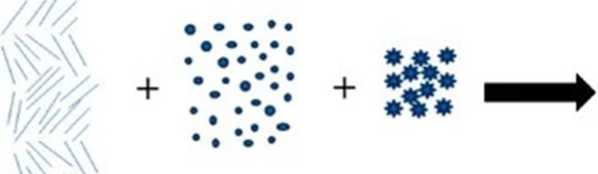
Biocompatibility
Biodegradability'
Cost-effective production
Collagen is a natural protein that helps to migrate fibroblasts and keratinocytes
Collagen
Nanopart ides
Antimicrobial agent
Figure 1. he advantages of collagen nanoparticles. Courtesy: (Grigore et al. , 2017)
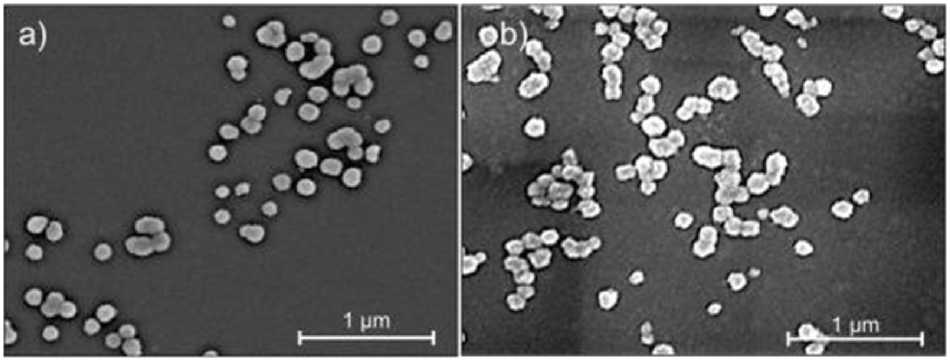
Figure 2. SEM images showing stable collagen-peptide functionalized chitosan nanoparticles after the drug discharge process. a ) pH 1.5, and b ) pH 7.4. Courtesy: (Anandhakumar et al. , 2017)
UNT
HYB
SNT
NCS
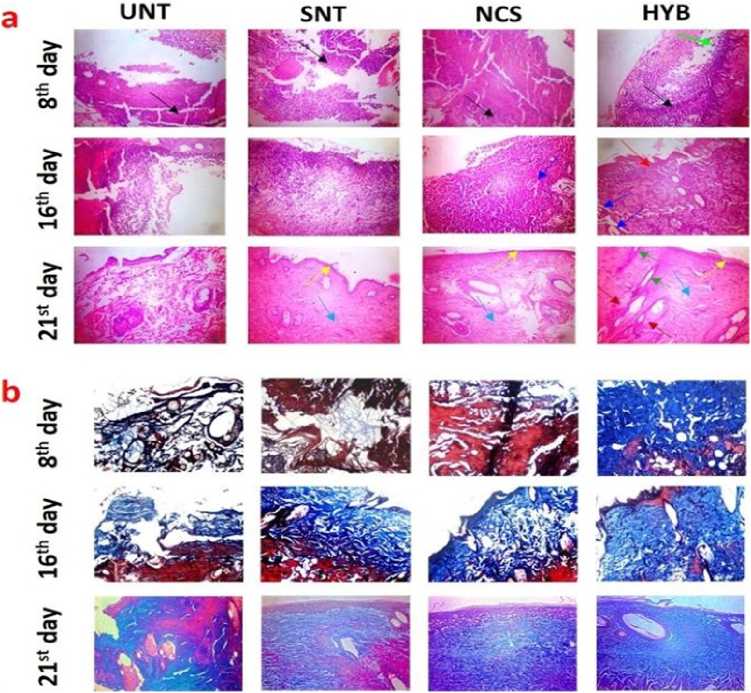
Figure 4. issular analysis. (a) H&E staining of granulation tissue collected from all categories at various days, black colour arrows demonstrating the inflammatory cells, light green colour arrow showing the new fibroblasts, red colour arrows showing the new epithelium, yellow colour arrows revealing the epidermis, sky blue colour arrows showing the dermis layer, navy blue colour arrows illustrating the blood vessels, dark green colour arrows showing the new hair follicles and brown colour arrows elucidating the sebaceous gland. (b) Masson trichrome staining of granulation tissue collected from all groups at different days showing the collagen deposition. he blue colour region in the images shows the deposition of collagen. Courtesy: (Kalirajan et al. , 2019)
Applications of collagen
Drug delivery:
Collagen-peptide functionalized chitosan nanoparticles were found to be an effectual carrier system for encapsulation and it was an evident biomaterial for the release of doxorubicin which is a drug that is used to treat cancer. In-vitro drug release was experimentally performed using buffers like phosphate-buffered saline, acetate-buffered saline, and hydrochloric acid buffer as release medium utilizing the dialysis method. he collagen nanoparticle containing the appropriate buffer was placed in a dialysis membrane tubing in a standard flask kept in an incubator shaker. he aggregate of doxorubicin that was released was assessed through the UV-visible spectroscopy by estimating the increase in absorbance value.
hese in-vitro drug liberation profiles revealed that the drug release emerges in two types of stages which are the burst release stage up to 20 hours and the sustained release stage from 20 hours to 1 week. At disparate pH values, it was noticed that the release of drugs was increased when the pH was decreased from an alkaline (pH 7.4) value to an acidic (pH 1.5) value. he concentration of the drug released was increased for a week because the drug doxorubicin contains an amino group with a pka of 8.6 and phenol groups with a pka of 9.5. he electrostatic interaction between the amino group of the drug and the carboxyl group of the collagen peptide chitosan nanoparticle is primarily involved in the encapsulation of the drug and the drug-nanoparticle interaction is stronger at higher pH values which then lead to lower drug release. his proves that when the pH is decreased to an acidic level, the amount of drug released is of a higher concentration (Anandhakumar et al. , 2017).
Collagen nanobiosponge:
he leather and tanning industry is known to produce plenty of collagen waste. his biowaste can be used to produce collagen nano bio-sponges. he textile industry also releases excess dyes into water bodies which in small proportions can be toxic for both humans and marine organisms. his collagen bio-sponge can be used for the eradication of dye from water bodies hence assisting in water remediation.
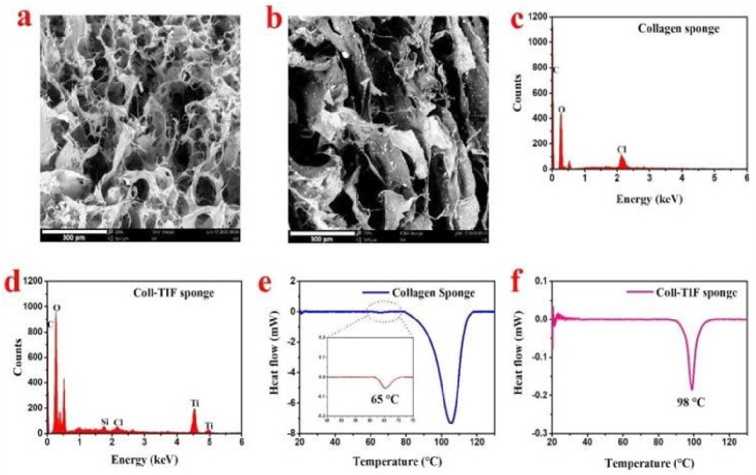
itanium dioxide nanoparticles were surface functionalized using ammonia and water. he surface functionalized titanium dioxide nanoparticles were crosslinked with collagen fibres by Ethyl-3-(3-dimethylaminopropyl) carbodiimide/N- hydroxysuccinimide (EDC/NHS) coupling. hen, the synthesised collagen-titanium dioxide functionalized fibres (coll- IF) were dissolved in glacial acetic acid, following which it was transferred to Petri plates and kept for freezing. he coll- IF obtained was then lyophilized to procure the collagen-titanium dioxide functionalized nano bio-sponge.
he F IR spectroscopy revealed the mechanical stability of the degradable collagen nano bio-sponge and this bio-sponge also showed great potency in degrading rhodamine B under visible light irradiation which is a dye component that contaminates water. Hence, this costeffective collagen-titanium dioxide functionalized nano biosponge is a credible approach for water bioremediation (Nagaraj et al. , 2021).
Cosmetics:
Collagen is a great source to boost the properties of an eternal and perpetual skin. Formulating collagen into beauty products has shown benefits in enhancing skin health, moisture and elasticity and, together with daily usage, will reduce signs of aging (Lo and Fauzi, 2021). hus, collagen is one of the natural components used in various cosmetic products. Supplementation of marine collagen peptides to assess the clinical parameters of the dermis of the face. Collagen from fish skin was derived and formulated into gelatinous capsules along with grape skin extract, coenzyme Q, luteolin, and selenium which were developed with the commercial name CELERGEN.
his marine collagen peptide was subjected to assessment for various parameters of the skin like epidermal and dermal thickness, aging, elasticity, and sebum content through ultrasound examinations. It was shown that the CELERGEN enhanced skin elasticity and sebum production. he photoprotective effect of dietary marine collagen peptides was also tested on mice after chronic UV irradiation. his test indicated that dietary collagen supplementation did improve the immunity of the skin causing decreased loss of water from the skin helping in hydrated skin, restoring cutaneous collagen and elastin levels and it also maintained type I and type III collagen ratio. Hence, dietary marine collagen peptides as a supplement showed a significant potency in preventing the degeneration of the skin and thus assisting in skin replenishment (De Luca et al., 2016).
Wound healing:
Collagen scaffolds that were prepared from cowhide also showed a significant influence on wound healing when it was tested on Albino Wistar rats. he Wistar rats were subjected to skin burn and then treated with collagen scaffolds. he results were observed after 21 days. It was observed that the collagen scaffolds influenced regeneration and thorough re-epithelialization of the degraded part of the skin within 21 days of ministration. Histological analysis was done by Hematoxylin and Eosin (H&E) staining and Masson’s trichrome staining. On the 0th day, H&E staining of the seared wound tissue showed the deprivation of junctures between the dermis and epidermis, and there was complete damage of the skin appendages which can be classified as a gaping second-degree burn. he collagen scaffold accelerated this wound healing by the 8th day and, by the 16th day, the wounded tissue showed less inflammation. At the end of tissue treatment on the 21st day, the histological analysis showed completely developed cells and tissues with good skin formation, hair papilla, sebaceous glands, dermal, and epidermal layers with newly formed blood vessels. Masson’s trichrome staining also revealed a high expression of collagen fibres by the 16th day of treatment which positively increased by the 21st day of treatment. It also showed the tightly packed collagen fibres, hence proving that collagen scaffolds are indeed extraordinary proteins that aim to manifest a promising approach in tissue regeneration and wound healing which in turn, can be utilized for tissue engineering (Kalirajan et al. , 2019).
Water purification:
Water contamination caused by synthetic dyes and oil spills has a profound effect on the environment and various species (Sayed et al., 2021). In the early 20th century, synthetic dyes were replaced by natural dyes derived from animals and plants across various applications, including fabric dyeing, printing, pharmaceuticals, paper production, leather processing, and food production. his shift led to a substantial increase in coloured wastewater generation, with the textile industry emerging as the largest consumer of dyes, accounting for 60% of the total usage (Shalaby et al., 2023a). Recently, there has been considerable interest in composites made from biopolymers sourced from natural or biological origins. By combining nanoparticles with biodegradable polymers, nanobiocomposites can be created, offering promising applications in both biomedical and environmental fields ( hanikaivelan et al., 2012). Matured collagen, known for its high crosslinking and water insolubility has been recognized as an effective biopolymer adsorbent material. It can be enhanced by blending with metals, polymers, and/or other biopolymers to enhance efficiency and recovery (Shalaby et al., 2023a). Iron oxide nanoparticles, specifically magnetic iron oxide have demonstrated minimal cytotoxicity even at significantly high concentrations. his characteristic makes iron oxide nanoparticles exceptionally suitable as magnetic materials for bio-diagnostics and imaging applications ( hanikaivelan et al., 2012). he integration of magnetic nanoparticles with collagen polymer presents a novel approach to leverage unique properties in collagen biopolymer-magnetic nanoparticle interactions. his innovative combination effectively stabilizes collagen waste fibers. Specifically, the magnetic iron oxide nanoparticles are strategically employed to enhance the removal of dyes from wastewater through magnetic tracking. However, there has been limited exploration in utilizing reusable biological materials derived from waste. he integration of polymers derived from biological sources with diverse materials into a single composite combining nanoparticles is highly desirable to enhance its properties for specific application (Shalaby et al., 2023a).
CONCLUSION
In contemporary times, nanomaterials offer promising avenues for combating microbial diseases and disorders. Chronic wounds, particularly those plagued by drug-resistant microbes, present a significant challenge to the healthcare system. Recent research has shown that composite hydrogels containing antibiotic-loaded nanoparticles and collagen are effective for promoting wound healing and preventing the formation of microbial biofilms in chronic wounds. While collagen has been used in biomedical research for many years, recent studies focus on silver nanoparticles stabilized with collagen, exploring their biocompatibility and antibacterial properties. Silver and silver-collagen nanoparticles possess dual capabilities: they can effectively eradicate microorganisms while also promoting skin regeneration and the distinctive properties of silver nanoparticles suggest they can effectively prevent wound infections and enhance the healing of damaged tissues. Collagen exhibits excellent properties such as biocompatibility, biodegradability, thickening, and water-binding capacity. Moreover, utilizing non-mammalian sources or extracellular matrix components for collagen production enhances cost effectiveness. hus, collagen provides an optimal structure for cellular ingrowth to facilitate effective wound healing.
Water pollution caused by synthetic dyes and oil spills greatly affects the environment and living organisms. In response, a low-cost, eco-friendly, and easily biodegradable magnetic hybrid bio-sponge nanocomposite using renewable resources like collagen can be used. It was experimentally demonstrated that collagen and magnetic collagen nanocomposites can adsorb dye, thereby reducing the cytotoxicity of polluted water, and can also accumulate under the influence of a magnetic field.
CONFLICTS OF INTEREST he authors declare that they have no potential conflicts of interest.
List of abbreviations
ESM- Egg Shell Membrane
UAE- Ultrasound Assisted Extraction
SFE- Supercritical Fluid Extraction
DES- Deep Eutectic Solvent
HBA- Hydrogen Bond Acceptor
HBD- Hydrogen Bond Donor
Ca (OH) 2 - Calcium Hydroxide
Aq. NaOH- Aqueous Sodium Hydroxide
Aq. KOH- Aqueous Potassium Hydroxide
Ag NPs- Silver Nanoparticles
Cu NPs- Copper Nanoparticles
CuO NPs- Copper Oxide Nanoparticles
CUR- Curcumin iO2– itanium Dioxide
SPIONs- Superparamagnetic Iron Oxide Nanoparticles
HA- Hydroxyapatite
EDC/NHS- Ethyl-3-(3-dimethylaminopropyl) carbodiimide/N- hydroxysuccinimide
