
Территориальные споры в Южно-Китайском море в фокусе медиагеографии
Бесплатный доступ
В статье представлены результаты медиагеографического исследования поведения глобальной интернет-аудитории по отношению к конфликту в Южно-Китайском море. Автор адаптирует теоретико-методологический инструментарий медиагеографии к анализу медийного и ментального пространств конфликта и анализирует статистику Google Trends в рамках пространственно-временной системы координат. Полученные результаты могут стать основой для прогнозирования векторов развития поведения резидентов и политических элит государств, вовлеченных в территориальные споры в Южно-Китайском море.
Похожие статьи в разделе Международные отношения. Мировая политика. Внешняя политика
Короткий адрес: https://sciup.org/170211772
IDS: 170211772
South China Sea Territorial Disputes in the Focus of Media Geography
The article presents the results of a media geographic study of the global Internet audience's behavior in relation to the conflict in the South China Sea. The study is based on the application of media geography methods in political science, which focus on the study of quantitative parameters (big data) characterizing the behavior of Internet audiences in various geographic locations in the context of international relations. The author adapts the theoretical and methodological tools of media geography to the analysis of the media and mental spaces of the conflict and analyzes Google Trends statistics within the framework of a spatial-temporal coordinate system. Main research methods: rank analysis, content analysis of mass media texts and documents from open sources, political media metrics. The author reveals correlations between the media space of the conflict, mediated by national media of different countries, and the mental space manifested and recorded in Internet users' requests. The author concludes that ideas about territorial disputes in the South China Sea in the minds of people in different countries of the world are formed under the influence of the media and the cultural and historical stereotypes and political narratives they broadcast, which is manifested in user requests and user reactions on the network. The interest of Internet users in this topic was registered in 110 geographic locations, the greatest activity was shown by residents of the countries involved in the conflict (China, Vietnam, Brunei, Malaysia, Philippines), as well as other states of the Southeast Asian Region (Cambodia, Singapore, Myanmar). The obtained results can become the basis for predicting the vectors of behavior development of residents and political elites of the states involved in territorial disputes in the South China Sea.
Текст научной статьи Территориальные споры в Южно-Китайском море в фокусе медиагеографии
Южно-Китайское море продолжает оставаться источником напряженности в Азиатско-Тихоокеанском регионе. Многолетние территориальные споры1 между КНР и странами АСЕАН (Вьетнам, Бруней, Малайзия, Филиппины) приобрели глобальный характер из-за вмешатель- ства США, Австралии, Великобритании, Канады, Японии и др. государств, заинтересованных в контроле над важной логистической и экономической артерией, через которую проходит более 20% мировой морской торговли (общая стоимость ежегодно проходящих по этому пути товаров составляет более 7 трлн долл.1), а также в разработке природных ресурсов, в первую очередь крупных запасов нефти и газа. Соединенные Штаты Америки опасаются перехода региона под контроль Китая, «что будет угрожать политическим и экономическим интересам США, а также безопасности их союзников. Поэтому Вашингтон последовательно наращивает оборонное сотрудничество с оппонентами Китая и собственное военное присутствие в Южно-Китайском море»2. Регион остается ареной острых конфликтов, включая инциденты с применением силы. Рост военной экспансии КНР в Южно-Китайском море определяется стремлением противостоять усилиям военных альянсов AUKUS и QUAD, нацеленных на комплексное сдерживание Китая [Якова и др. 2022].
Страны Юго-Восточной Азии опасаются вооруженного конфликта, который становится все более вероятным. Руководство Филиппин в декабре 2023 г. заявило о риске перерастания столкновений между китайскими и филиппинскими морскими силами в международный конфликт. В апреле 2024 г. в акватории Южно-Китайского моря прошли маневры Balikatan 2024 (с участием более 16 тыс. американских и филиппинских военнослужащих), которые преследовали явно выраженную цель – «экстраполировать силу в регионе в ответ на освоение моря со стороны Пекина»3. Государства – члены АСЕАН и КНР в очередной раз предприняли попытку выработать обновленный Кодекс поведения в Южно-Китайском море, который будет представлять собой свод правил на основе Конвенции ООН по морскому праву и иных международных норм, направленных на достижение стабильности в спорных водах4. Документ планируется согласовать в 2025–2026 гг.5
Российская Федерация считает контрпродуктивными попытки вмешательства внерегиональных сил в урегулирование территориальных проблем в Южно-Китайском море. Эту позицию страны подтвердил глава МИД РФ С.В. Лавров по итогам совещания Россия–АСЕАН (2024): «Россия выступает за то, чтобы без вмешательства извне соответствующие территориальные споры решались заинтересованными странами, и приветствовали продолжающийся диалог между АСЕАН и КНР по формированию кодекса поведе- ния в этом регионе»1. Мировые массмедиа акцентируют внимание на рисках трансформации конфликта в международный.
Теоретико-методологическая база исследования. Теоретическую основу исследования составили труды российских и зарубежных авторов по истории и современному состоянию международных отношений в Азиатско-Тихоокеанском регионе [Васильев, Шавлай 2020; Золотухин 2017; Золотухин, Зайцев 2022; Канаев 2015; Колотов 2019; Лукин 2023; Мишин 2020; Мосяков 2020; Райков 2013; Storey 2014] и медиагеографические исследования международных отношений [Мулина, Якова 2025; Николайчук, Якова, Янгляева 2024; Якова 2024]. Исследование базировалось на применении методов медиагеографии в политологии, которые акцентируют внимание на изучении количественных параметров ( big data ), характеризующих поведение интер-нет-аудиторий различных географических локаций в контексте международных отношений. На основе медиагеографического подхода проведен анализ медийного и ментального пространств конфликта (территориальные споры в Южно-Китайском море), выявлены их основные характеристики и степень корреляции, что может стать основой для прогнозирования векторов развития поведения резидентов и политических элит разных стран мира в условиях развития кризисных процессов. Эмпирической базой для анализа стали big data , извлеченные из поисковой системы Google . Основные методы исследования – ранговый анализ, контент-анализ текстов массмедиа и документов из открытых источников, политическая медиаметрия. Исследование проводилось поэтапно с акцентом на динамику пространственно-временных характеристик объекта исследования.
Результаты исследования. Ранговый анализ статистики системы Google позволил определить популярность интернет-запросов по теме «территориальные споры в Южно-Китайском море» по всем странам мира2 (см. табл. 1).
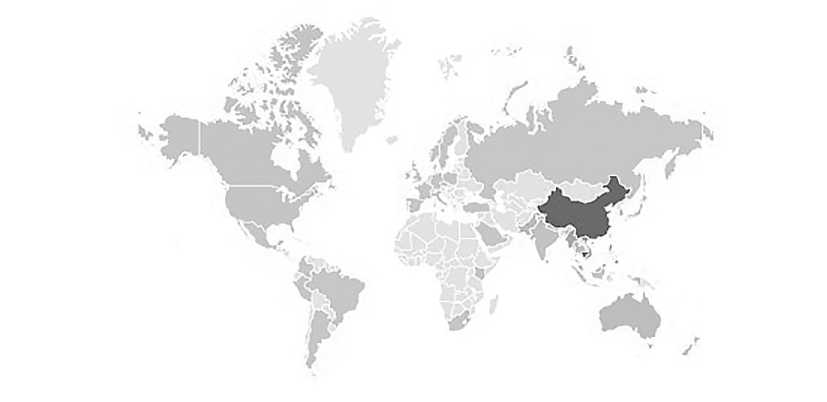
Интерес к теме проявлен в 49 странах мира (с учетом территорий с малым числом запросов – 110), что свидетельствует о заметном присутствии смысловой морфоскульптуры («территориальные споры в Южно-Китайском море», «конфликты в Южно-Китайском море») в глобальном ментальном пространстве. Ранжированный список (см. табл. 1, рис. 1) возглавляет Китай. Это обусловлено его активной ролью в данном случае регионального соперничества. В первую десятку входят также непосредственные участники территориальных споров: Бруней, Вьетнам, Филиппины, Малайзия (страны АСЕАН).
Камбоджа занимает 2-е место по относительной популярности запросов о конфликтах в ЮКМ, хотя не является их участником. В последнее десятилетие Камбоджа оказывает поддержку Китаю в его территориальных претензиях к Вьетнаму. Высокий уровень интереса к данной теме можно объяснить присутствием в медийном пространстве информации о конфликтах соседнего Вьетнама (граница с которым составляет более 1 000 км). Можно высказать и предположение, что население и власти Камбоджи заинтересованы в мониторинге ситуации и поощрении устремлений Китая в сторону силовой парадигмы решения конфликта и создания дилеммы региональной безопас-
Таблица 1
Соотношение относительной популярности поискового запроса «территориальные споры в Южно-Китайском море» по всем странам мира (первые 30 стран в рейтинговом списке)
|
Ранг |
Страна |
Относительная популярность |
Ранг |
Страна |
Относительная популярность |
|
1. |
Китай |
100 |
16. |
Индия |
5 |
|
2. |
Камбоджа |
83 |
17. |
ОАЭ |
5 |
|
3. |
Бруней |
64 |
18. |
США |
3 |
|
4. |
Сингапур |
55 |
19. |
Канада |
3 |
|
5. |
Вьетнам |
40 |
20. |
Бангладеш |
3 |
|
6. |
Филиппины |
33 |
21. |
Индонезия |
3 |
|
7. |
Мьянма |
29 |
22. |
Норвегия |
1 |
|
8. |
Малайзия |
12 |
23. |
Франция |
1 |
|
9. |
Австралия |
11 |
24. |
Швейцария |
1 |
|
10. |
Республика Корея |
11 |
25. |
ЮАР |
1 |
|
11. |
Пакистан |
11 |
26. |
Бельгия |
1 |
|
12. |
Непал |
9 |
27. |
Дания |
1 |
|
13. |
Шри-Ланка |
9 |
28. |
Чехия |
1 |
|
14. |
Таиланд |
7 |
29. |
Саудовская Аравия |
1 |
|
15. |
Новая Зеландия |
7 |
30. |
Швеция |
1 |
Источник: статистика Google Trends . Период: 2004-2025 гг. Дата запроса 01.07.2025.
ности, поскольку это автоматически ведет к секьюритизации двусторонних камбоджийско-вьетнамских отношений. Об этом красноречиво говорит не только контент, но и интернет-статистика местных медиа.
4-е место занимает Сингапур, не являющийся участником территориальных споров и не поддерживающий ни одну из сторон конфликта, но вовлеченный в противостояние в силу своего географического расположения у берегов Южно-Китайского моря. Руководство Сингапура выступает за поиск решений в многостороннем формате и позиционирует себя в качестве посредника в урегулировании противоречий, но в то же время оказывает логистическую поддержку американским военным самолетам и кораблям в регионе и поддерживает Филиппины и Вьетнам в противостоянии с КНР. Здесь мы должны учитывать то обстоятельство, что Республика Сингапур представляет собой островной город-государство, три четверти населения которого составляют этнические китайцы. При этом, с одной стороны, экономическое сотрудничество с Китайской Народной Республикой является для Сингапура стратегически важным фактором, а с другой – жизненно необходимо встроиться в такую систему региональной безопасности, которая бы позволяла про-
Источник: Google Trends . Период: 2004–2025 гг. Дата запроса 01.07.2025 г.
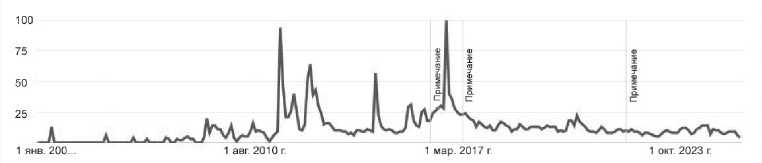
Рисунок 1. Распределение стран мира по относительной популярности запроса «территориальные споры в Южно-Китайском море» по всем странам мира
Источник: Google Trends . Период: 2004–2025 гг. Дата запроса 01.07.2025 г.
Рисунок 2. Динамика изменения популярности запроса «территориальные споры в Южно-Китайском море» по всем странам мира тивостоять неизбежному политическому напору крупнейшего глобального игрока. Все это отражается в интернет-поведении жителей республики.
У Мьянмы (7-е место) – многолетние связи с Китаем. Руководство страны высказывалось за соблюдение Декларации о поведении сторон в ЮжноКитайском море и дипломатическое урегулирование конфликта. В последние годы Мьянма охвачена гражданской войной, но сотрудничество с Китаем продолжается1. После военного переворота 2021 г. социальные сети стали основным средством коммуникации, особенно среди молодежи и городского населения. Активизация медийного поведения нового поколения в рамках цифровой информационной среды может служить индикатором стремления к стабилизации внутренней ситуации в этой стране и привлечению зарубежных кредитов для экономического возрождения по типу вьетнамского спурта, для чего необходимо стать контрастным игроком в системе международных территориальных споров.
Пики активности интернет-аудиторий (см. рис. 2) связаны с событиями в регионе Южно-Китайского моря: конфликт обострился в июне 2011 г., когда военные корабли стран-участниц на протяжении нескольких дней находились в состоянии боевой готовности (из-за столкновения китайских и вьетнамских судов); летом 2012 г. обострились отношения между Китаем и странами АСЕАН (Вьетнам, Филиппины, Малайзия и Бруней) из-за архипелага Спратли и Парасельских островов; в мае 2014 г. произошло вооруженное столкновение вьетнамских и китайских судов в районе Парасельских островов, что усилило напряженность в регионе; в июле 2016 г. Международный трибунал в Гааге принял решение по конфликту между КНР и Филиппинами из-за спорных островов в Южно-Китайском море в пользу Манилы. Все эти события активно освещались мировыми массмедиа и вызвали рост числа запросов интернет-пользователей по теме территориальных споров в ЮКМ.
На втором этапе проведено исследование медийного пространства конфликта по национальным сегментам. Медийное пространство конфликта можно определить как динамическую коммуникативную среду, формируемую совокупностью медиатекстов (новостные сообщения, аналитические материалы, визуальный контент и др.), которые конструируют, транслируют и интерпретируют конфликтную ситуацию в публичном поле. Для выявления основных характеристик медийного пространства конфликта в ЮжноКитайском море был проведен мониторинг и контент-анализ публикаций по теме исследования (ключевые слова «территориальные споры в ЮжноКитайском море» и связанные с ними смысловые выражения). В выборку были включены онлайн-версии СМИ на национальных языках стран – участниц конфликта: китайская газета «Жэньминь жибао» (на китайском языке), вьетнамская газета VietNamNet (на вьетнамском и английском языках), филиппинская газета Balita (на тагальском языке), малазийская газета Harian Metro (на малазийском языке), брунейская газета Media Permata (на малайском языке)1. Результаты контент-анализа показали, что массмедиа КНР, Вьетнама, Филиппин, Малайзии и Брунея уделяют теме территориальных споров пристальное внимание, активно освещая события в регионе Южно-Китайского моря с позиций их национальной принадлежности. Интерес интернет-аудиторий к теме конфликта коррелирует с публикационной активностью национальных массмедиа.
Выводы. Медиагеографические исследования глобального ментального пространства показали, что представления о территориальных спорах в Южно-Китайском море в сознании людей разных стран мира формируются под влиянием медиа и транслируемых ими культурных и исторических стереотипов и политических нарративов, что проявляется в поисковых запросах и пользовательских реакциях в сети. Интерес интернет-пользователей к этой теме зарегистрирован в 110 географических локациях, наибольшую активность проявили резиденты стран, вовлеченных в конфликт (КНР, Вьетнам, Бруней, Малайзия, Филиппины), а также других государств региона ЮгоВосточной Азии (Камбоджа, Сингапур, Мьянма). Медийное пространство конфликта, опосредованное национальными медиа, оказывает определенное влияние на формирование ментального пространства, проявленное в запросах интернет-пользователей разных стран. Результаты медиагеографического анализа могут стать основой прогнозирования векторов развития поведения резидентов и политических элит стран –участниц территориальных споров в Южно-Китайском море (и государств, заинтересованных в экономическом контроле в регионе) в условиях развития конфликтных процессов.
Кризис в Южно-Китайском море вышел за пределы региона и становится глобальным. США опасаются усиления китайского контроля и наращивают сотрудничество с оппонентами Китая и военное присутствие в Южно-Китайском море. По оценкам российских и зарубежных экспертов, в этой части планеты сохраняется опасность военного конфликта с участием не только региональных стран, но и ведущих держав. Россия поддерживает усилия КНР и стран АСЕАН по защите мира и выступает за формат решения конфликта на основе норм международного права. Актуальность урегулирования территориальных споров в Южно-Китайском море для Российской Федерации обусловлена внешнеполитическими интересами в Юго-Восточной Азии: в условиях формирования нового мирового порядка это направление становится одним из ключевых для реализации российской стратегии построения многополярной системы международных отношений.
