
Understanding the Dynamics of Trust and Engagement in E-Commerce Recommender Systems: Trends and Influences
Journal: International Journal of Information Engineering and Electronic Business @ijieeb
Article in issue: 2 vol.18, 2026.
Free access
With increasing developments in artificial intelligence and the need for more personalized digital experiences, user trust and engagement have become relevant factors to be considered for the success of e-commerce recommender systems. This study presents a bibliometric analysis of research trends from 2003 to 2023 by exploring the evolution of trust and engagement in this domain. Using data from the Scopus database, we investigated publication trends, influential works, key contributors, and emerging research themes. Our results reveal a surge in research output between 2020 and 2023, which shows an increasing scholarly appreciation of trust as a critical determinant of user engagement of recommender systems. The leading role of China in global contributions emphasized its reliance on social commerce models, where recommendations are powered by a community-based trust mechanism to drive user engagement. While foundational topics such as collaborative filtering and machine learning remain central, emerging themes (explainability, blockchain integration, and adaptive AI) highlight a shift toward more user-centric and secure systems. These reinforce trust through transparency and security while boosting engagement through active personalization. Thematic evolution from algorithmic development to AI-driven innovations shows how transparency, personalization, and security serve as vital trust-building influencers that drive user engagement in recommender systems. Also, regional disparities in research output, especially in Africa and South America reveal considerable gaps in understanding culturally specific trust factors and engagement patterns. This indicates the need for collaborative studies to develop inclusive recommender systems tailored to local context to bridge these gaps. These findings reflect that trust and engagement are not simply complementary features, but fundamental pillars that are influencing the future of e-commerce recommender systems. As AI advances toward explainable, secure, and adaptive designs, this research calls for urgent globally inclusive frameworks that address both technological sophistication and cultural diversity to ensure that recommender systems emerge as equitable tools for global e-commerce.
Similar articles in the section Computer communication. Computer networks
Short address: https://sciup.org/15020245
IDS: 15020245 | DOI: 10.5815/ijieeb.2026.02.03
Text of the scientific article Understanding the Dynamics of Trust and Engagement in E-Commerce Recommender Systems: Trends and Influences
Published Online on April 8, 2026 by MECS Press
In the age of digital transformation, recommender systems have emerged as an integral part of many websites and online platforms [1]. They are relevant in different domains, such as e-commerce, social media, and content platforms. The systems analyse a large volume of user data and identify patterns to provide personalized recommendations [2]. However, the effectiveness of these systems depends on two critical factors: user trust and engagement. User trust in recommender systems is paramount, as it affects the readiness of users to accept and act on the recommendations provided [3]. High levels of user trust can lead to increased engagement, higher adaptation rates, and improved user retention, while a lack of trust can undermine the effectiveness of the recommendations and hinder user interaction. Therefore, to bridge this gap, a bibliometric analysis is essential to map the research domain, track progress, and identify future directions in this critical area of study.
User trust in recommender systems is essential for encouraging a positive relationship between users and the platform. When users trust a recommender system, they are more likely to accept and act upon the recommendations provided. Trust influences user satisfaction and the overall usefulness of the system. It motivates users to share their data, which in turn enhances the personalization of recommendations [3]. Building this trust involves transparency in how recommendations are generated. It ensures data privacy and delivers consistent, relevant suggestions that align with user preferences. For instance, the study of Liao et al. [4] highlights that users inherently trust collaborative filtering-based recommender systems more than content-based or demographic filtering, independent of the system's actual performance. This suggests that users find recommendations generated through similar-user preferences more credible, potentially due to a sense of social validation. In another study, Cai et al. [5] presents the importance of tailoring conversational recommender systems (CRSs) to individual users to foster trust, as "one-size-fits-all" approaches may not meet diverse user expectations. It finds that trust propensity and domain knowledge are critical factors positively influencing user trust in CRSs. Users with higher trust tendency and domain expertise are more likely to trust these systems, regardless of who initiates the interaction. Choudhury et al [6] show that user trust significantly enhances the performance of recommender systems by improving accuracy and tackling key challenges like cold start issues, data sparsity, and vulnerability to malicious attacks. With the combination of user similarity with trust propagation, their proposed trust matrix allows for more tailored recommendations. Among the four models tested, the (DNN) with the trust model outperformed others with an accuracy of 83% and an MSE of 0.74. This revealed that trustbased recommendations lead to more precise and reliable suggestions for users, especially when user data is limited or variable. Zhao et al. [7] stresses that incorporating user trust, specifically through distinguishing unilateral and mutual trust, improves recommendation accuracy in sparse data environments. Their TrustTF model integrates social trust and implicit feedback into traditional tensor factorization. It provides richer interaction data beyond just user-item-context information. This approach improves prediction accuracy more effectively than models lacking trust information, it shows that user trust is key to refining recommendations. Furthermore, Ahmadian et al. [8] use user trust data to improve recommendations when rating data is sparse. They apply a sparse autoencoder, which extracts compact, meaningful features from trust relationships, as it reduces data size and computational demands. This approach increases accuracy and efficiency; it outperforms traditional methods.
Modern recommendation systems are also targeted at improving the user experience by optimizing user engagement [9]. High levels of engagement are indicative of user satisfaction and can lead to increased usage frequency, loyalty, and long-term retention. Factors such as the quality of recommendations, user interface design, and the system’s ability to adapt to changing user preferences all play significant roles in driving engagement [10]. Some studies, such as Zou et al. [11] emphasize the crucial role of long-term user engagement in recommender systems, especially in feed streaming applications on mobile apps. They show the need to optimize for sustained user interest rather than just immediate interactions, as this increases the overall efficiency of recommendations. Also, given the complexity of user behaviors, such as instant feedback (like clicks) and delayed feedback (such as dwell time and revisits), the study employs a reinforcement learning framework called FeedRec to effectively model these behaviors. Therefore, the study revealed that concentrating on long-term engagement improves user retention and satisfaction. Chen et al. [12] introduce a Simulation-to-Recommendation (Sim2Rec) approach to optimize long-term user engagement in sequential recommender systems. It develops a user simulator to explore diverse behavior patterns. Sim2Rec addresses the challenges of predicting user feedback and minimizes risks associated with real-world sampling. The method trains a context-aware policy that adapts to various user responses to enable more personalized recommendations. This policy shows strong transferability to unseen environments that leads to significant performance improvements in both synthetic settings and the real-world ride-hailing platform DidiChuxing, thereby improving user engagement through more robust recommendations. Steinert et al. [13] highlight the importance of user engagement in improving recommender systems (RS) for people with dementia (PwD) and their caregivers. They integrated audiovisual data to assess the PwD's level of engagement, the observed that the RS can deliver more tailored and enjoyable content that enhances user satisfaction and motivation while alleviating the "Paradox of Choice." This focus on engagement helps users find suitable activities more easily to support their long-term interests by promoting sustained interaction with cognitive and social activations. Gupta [14] reveals that implementing a hybrid recommender system significantly enhances user engagement on a social media platform. Kulev et al. [15] in their study also stress the crucial role of user engagement in a recommender system designed to promote physical activity among elderly individuals. They examined minute-by-minute fitness data, which allows the system to provide personalized recommendations that cater to the unique lifestyles of senior adults
Improving trust and engagement in recommender systems is therefore essential for encouraging users to accept and actively follow the recommendations provided. When users trust a system, they are more likely to rely on it [4]. This promotes greater interaction and consistent use, which improves the value and effectiveness of the system. Engagement ensures that users feel participated in the recommendation process, and it encourages regular interactions that allow the recommender to continuously refine its suggestions. collectively, trust and engagement create a supportive cycle where users benefit from increasingly personalized recommendations that result in higher satisfaction, adherence, and longterm commitment to the system. This cycle strengthens user outcomes and reinforces the ability of the system to make impactful recommendations.
It is apparent that the growing importance of user trust and engagement in the success of recommender systems cannot be overstated. Nevertheless, most existing studies usually concentrate on technical advancements such as algorithmic efficiency and accuracy. They usually overlook the evolving role of trust in influencing consumer behaviour, purchasing decisions, and platform loyalty. Also, a comprehensive examination of research progress, key contributors, and collaboration networks in this field is lacking. Without such insights, developing recommender systems that fully address user concerns, foster trust, and enhance long-term engagement remains a significant challenge. To bridge this gap, this study conducts a bibliometric analysis to map research trends, assess thematic evolution, and identify future directions in e-commerce recommender system development. This is to provide strategic insights for improving trust mechanisms and engagement tactics in e-commerce platforms.
2. Overview of Trends in User Trust and Engagement in E-commerce RS
Research on user trust and engagement in e-commerce recommender systems cuts across multiple disciplines, such as computer science, human-computer interaction, marketing, and psychology. This section provides an integrated overview of key studies and emerging trends (Figure 1), which establishes a foundation for the bibliometric analysis.
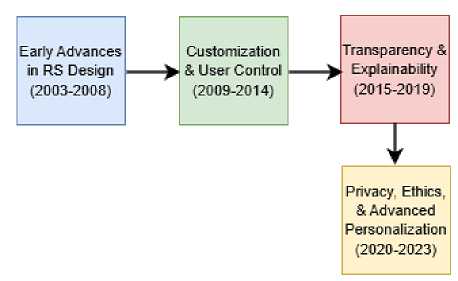
Fig. 1. Trends of user trust and engagement in e-commerce RS (2003-2023)
-
2.1 Early Advances in Recommender System Design (2003-2008)
-
2.2 Customization and User Control (2009-2014)
-
2.3 Transparency and Explainability (2015-2019)
-
2.4 Privacy, Ethics, and Advanced Personalization (2020–2023)
The early 2000s saw the rise of foundational algorithms that formed the backbone of modern recommender systems, with substantial input from both academia and industry. Collaborative filtering began as one of the most prominent techniques during this period, driven by platforms like Amazon [16, 17]. This approach employed patterns in user-item relations, such as purchase history and ratings, to generate personalized recommendations. Linden et al. [16] showed how collaborative filtering algorithms could use a combination of user behaviour and similarity metrics to provide highly relevant product suggestions. Simultaneously, content-based filtering gained significant momentum as an alternative approach; it focuses on item attributes rather than user behaviour [18]. Mooney and Roy [19] explored how these systems analysed item metadata, such as descriptions, tags, and categories, to recommend similar items that matched user preferences. Though effective in providing accurate recommendations, content-based filtering faced challenges in handling diverse user preferences and suffered from the cold-start problem, where recommendations were limited for new users or items with insufficient data [20]. Also, during this foundational period, research efforts predominantly emphasized improving algorithmic accuracy [21], often measured by metrics like Mean Absolute Error (MAE) and Root Mean Squared Error (RMSE). The assumption was that accurate recommendations would naturally lead to a better user experience and trust. However, early studies began to question this assumption, as they discovered that accuracy alone might not suffice to promote user trust and engagement. For instance, Sinha and Swearingen [22] conducted groundbreaking research on the importance of transparency in recommender systems. Their study revealed that users were more likely to trust systems that provided explanations for their recommendations, even if the recommendations themselves were not perfectly accurate. Their findings laid the groundwork for a shift in focus from purely algorithmic performance to factors influencing user trust and satisfaction. Lam et al. [23] also emphasized that accuracy alone is not sufficient for recommender systems to be truly effective. Without addressing privacy concerns and ensuring data security, users may distrust the system, regardless of its performance.
Between 2009 and 2014, recommender systems saw a significant evolution with a stronger emphasis on personalization and user control. As systems matured, it became clear that a one-size-fits-all approach was no longer sufficient to meet the diverse needs and preferences of users. This period marked the rise of hybrid systems, which combined collaborative filtering (CF) and content-based filtering (CBF) methods to enhance recommendation accuracy and relevance [24]. These hybrid systems capitalized on the strengths of both techniques to provide more personalized and dynamic recommendations by harnessing user preferences, behaviour, and item characteristics [25]. A notable shift during this period was the increasing importance of user control in recommender systems [24]. Research by Knijnenburg et al. [26] showed that user satisfaction and engagement were significantly enhanced when systems gave customizable features, such as the ability to filter or adjust recommendations based on specific preferences. These findings indicated that users were more likely to trust and engage with systems that allowed them to control the scope and type of recommendations they received. Feedback mechanisms also evolved significantly during this period. One of the most widely adopted features was the thumbs-up/thumbs-down rating system, which allowed users to provide simple feedback on recommendations. This feedback loop empowered the system to refine future recommendations iteratively to make them more aligned with the user's tastes and preferences. Studies, such as those by Dooms et al. [27], found that incorporating such explicit user feedback into the recommendation process led to improvements in the system’s accuracy and relevance.
Also, the increasing use of personal data for generating recommendations raised significant privacy concerns. As e-commerce platforms and social media sites collected large amounts of user data, users became more aware of how their personal information was being utilized. Research by Toch et al. [28] highlights that personalization in RS usually leads to privacy risks, as these systems rely heavily on user data to provide tailored recommendations, which often expose sensitive information. As a result, the period saw a surge in discussions surrounding data protection and privacypreserving techniques. Many systems began to implement techniques to protect user data, such as anonymization and explicit consent requests, to mitigate privacy concerns and build user trust [29, 30].
Between 2015 and 2019, transparency and explainability became critical areas of innovation in recommender systems. The rise of Explainable AI (XAI) during this period led to the development of techniques that improved how recommendations were communicated to users. Tintarev and Masthoff [31] laid the foundation for explainability in recommender systems by identifying core goals, such as helping users make informed decisions, increasing trust, and improving user satisfaction. Studies during this period provided strong evidence that supported the value of explainability in building trust. Abdollahi and Nasraoui [32] demonstrated that transparent systems that provide justifications for recommendations greatly enhanced user confidence and satisfaction. Sharma and Ray [33] also emphasize that explanations in recommender systems enhance personalization by helping users understand and evaluate recommendations. They highlight the role of explanations in reducing information overload, improving user trust, and increasing system effectiveness, especially in e-commerce, social networking, and search engines. Cheng et al . [34] introduced MMALFM, a model that enhances explainability in recommender systems. They integrated user reviews and images to justify recommendations, which made them more transparent and interpretable. When users understood the rationale behind a recommendation, they were more likely to accept and engage with the suggestions. This alignment between user expectations and system output reduced perceived risks and improved the overall user experience. Furthermore, the integration of social proof became a prominent feature in recommender systems. Social proof, such as user reviews, ratings, and testimonials, uses the collective wisdom of the community to validate recommendations. Wei et al . [35] highlighted that incorporating aggregated feedback from other users created a sense of trustworthiness and reliability, specifically in e-commerce settings. Platforms like Amazon prominently display ratings and reviews alongside product recommendations, which assists users make more confident decisions based on shared experiences. Major platforms like Netflix and Spotify further transformed the user experience by integrating explainability into their recommendation strategies. Netflix began providing explanations such as "Because you watched (a specific title)," which linked recommendations to the user’s viewing history. Likewise, Spotify introduced features like “Recommended for You” playlists. This provides contextual reasons for song suggestions, such as genre preferences or listening patterns [36]. These initiatives help to improve transparency and increase user engagement.
The most recent phase in the evolution of e-commerce recommender systems has been marked by a sharp emphasis on privacy, ethics, and advanced personalization techniques, which shows the expanding complexity of user needs and regulatory frameworks. Privacy concerns have taken centre stage, especially as users and policymakers demand greater control over personal data. Federated learning and on-device processing have appeared as key solutions in this area [37]. These techniques allow models to be trained directly on users' devices without transmitting sensitive data to centralized servers. This assists in lowering the risk of data breaches and improving user trust [38]. When data processing is decentralized, systems can give personalized recommendations while maintaining user privacy. A vital consideration in regions with stringent data protection laws such as the General Data Protection Regulation (GDPR) in Europe. Ethical considerations have also gained prominence during this [39, 40]. Researchers and developers are focusing more on tackling issues of algorithmic bias and fairness in recommender systems. Bias in recommendation algorithms can lead to unequal treatment of user groups, perpetuating social inequalities or reinforcing stereotypes. To counter these challenges, techniques such as adversarial debiasing and fairness-aware learning have been introduced. They ensure that recommendations are equitable and inclusive [41]. Also, explainability has become a critical ethical requirement, as users demand transparency in how recommendations are generated. For instance, systems that provide clear, understandable reasons for their suggestions have been shown to encourage trust and improve user satisfaction.
Advanced personalization techniques have further transformed the domain of recommender systems. They assist them in offering highly engaging and context-aware content. Deep learning models, such as recurrent neural networks (RNNs), attention mechanisms, and transformers, have been extensively utilized to capture complex user behavior and preferences over time. Contextual recommendations have also become a focal point, with systems dynamically adapting to users' current context, such as location, time, or mood. Platforms like TikTok exemplify this trend. It uses sophisticated algorithms to analyze user interactions in real-time to deliver highly engaging, personalized content [42]. These advancements have elevated user engagement to unprecedented levels that confirm the potential of advanced AI technologies in delivering tailored experiences. However, balancing these advanced personalization techniques with privacy and ethical considerations remains a major challenge. Over-personalization risks create filter bubbles, where users are exposed only to limited content that can restrict their perspective. Similarly, while privacy-preserving techniques like federated learning gives solutions, they sometimes require trade-offs in computational efficiency and system complexity [43]. Ethical problems persist as well, particularly in ensuring that AI-driven recommendations align with societal values and do not inadvertently exploit users’ psychological vulnerabilities. Moving forward, research in this domain must strive to harmonize these competing priorities, developing frameworks that integrate privacy, ethics, and personalization into cohesive and sustainable recommender systems.
Although significant progress has been made in understanding user trust and engagement in e-commerce recommender systems, several gaps remain in the literature. First, there is a lack of comprehensive bibliometric analyses that systematically map the evolution of research in this field, which could provide relevant insights into trends, influential works, and emerging themes over time. Second, there is no holistic trust measurement, current studies do not capture the multi-faceted nature of trust, which includes cognitive, emotional, and behavioral dimensions. Third, the integration of emerging technologies, such as blockchain, into recommender systems remains understudied. Blockchain’s decentralized and secure nature could address critical issues like data privacy, transparency, and trust to provide a promising avenue for future research. Fourth, there is inadequate understanding of long-term engagement, most research focus on short-term metrics like click-through rates while they ignore sustained user retention and loyalty. Finally, ethical concerns, such as algorithmic bias and data privacy are under investigated in terms of their real-world impact on user trust and engagement. When these are addressed, there will be a significant advancement in the field that could pave way for more secure, transparent, and user-centric e-commerce platforms.
In conclusion, this literature review has traced the evolution of e-commerce recommender systems. It highlights key phases from early advances in design (2003-2008) to the current focus on privacy, ethics, and advanced personalization (2020-2023). The development through customization and user control (2009-2014) and transparency and explainability (2015-2019) emphasizes the responsiveness of the field to user needs and technological advancements. To further map this evolution, the following section conducts a systematic bibliometric analysis. This approach provides a quantitative and objective framework for identifying trends, key contributors, and collaboration networks. Such an analysis is vital for understanding the development of user trust and engagement, as these concepts are central to the success of recommender systems and have evolved significantly over time. With the application of bibliometric methods, this study will provide a broad and structured overview of the field, identified future research directions and existing gaps.
3. Methodology
This study employs bibliometric analysis to systematically examine the evolution of trust and engagement in ecommerce recommender systems. A combination of co-citation analysis, keyword mapping, and thematic clustering were used to identify major research trends, influential authors, and collaboration networks. Also, performance analysis metrics such as publication growth rate, citation impact, and geographical research distribution were applied to assess knowledge production in the field. This approach was adopted to understand the progression and future directions of trust and engagement studies in e-commerce recommender systems.
The dataset for this study was extracted from the Scopus database due to its broad coverage of peer-reviewed literature in diverse disciplines and its provision of access to high-quality journals [44, 45]. The dataset was extracted on November 19th, 2024, and the search focused on articles published between 2003 and 2023. The search was conducted using the following combinations of key terms: ("User trust" OR "Trust in recommender systems" OR "Trust in recommendation systems") AND ("Recommender systems" OR "Recommendation systems" OR "Collaborative filtering" OR "Personalized recommendation systems") AND ("User engagement" OR "User interaction" OR "User behavior" OR "User satisfaction"). This combination of search terms allowed the retrieval of studies that discuss different aspects of user trust and engagement within the context of recommender systems. The search scope included the occurrence of these terms in the title, abstract, and keywords of the articles.
The Preferred Reporting Items for Systematic Reviews and Meta-Analyses (PRISMA) guidelines were utilized to refine the extracted dataset because of its reputation as a widely recognized and robust method for systematic reviews and meta-analyses [46, 47]. During the identification phase, relevant studies were selected based on the search query. The screening phase excluded specific document types such as book chapters, reviews, and conference reviews. Only journal articles and conference papers were included. Also, studies published in languages such as Chinese, Persian, and Spanish were excluded, restricting the dataset to English-language publications to ensure accessibility and uniformity. After applying these criteria, 522 studies were selected from the pool of 577 sources. The refined dataset was exported in CSV format for further analysis. The procedure is illustrated in Figure 2, which presents the PRISMA flow diagram. Bibliometric analysis was carried out using R-Studio (version 4.4.2), a widely used integrated development environment (IDE) for the R programming language [48]. The analysis was driven by the Bibliometrix R package, a comprehensive tool created exclusively for bibliometric research.
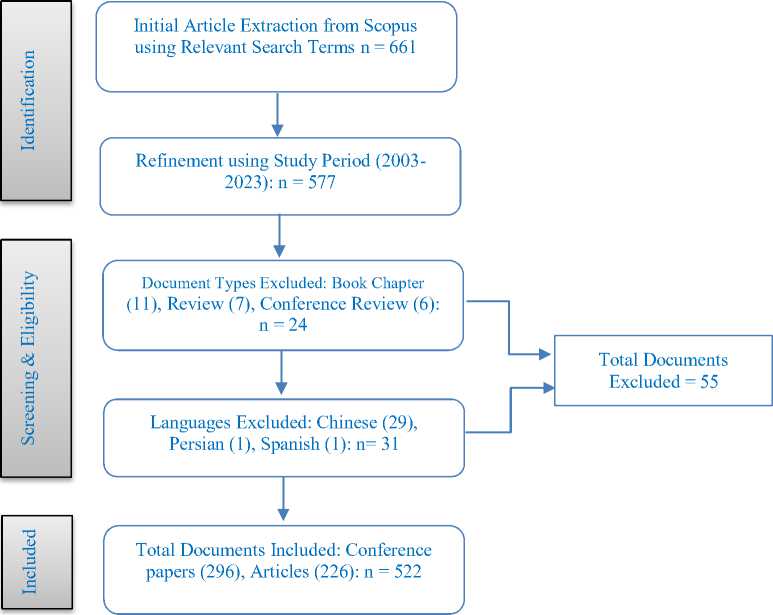
Fig. 2. PRISMA Flow Diagram for the Search Strategy and Study Selection Process.
-
3.1 Results and Discussions
-
3.1.1 Temporal Trends in Research Output
Figure 3 shows a significant upward flow in the number of publications related to user trust and engagement in recommender systems. Between 2003 and 2010, research activity was relatively sparse. This reflects the nascency of recommender system technologies and limited academic focus on user-centric concerns such as trust and engagement. The modest growth during this period suggests that foundational models prioritized algorithmic accuracy over user experience factors. A noticeable increase occurred between 2011 and 2015. This shows a rising recognition of trust and engagement as critical to system effectiveness. This period coincides with the rise of social media and personalized ecommerce platforms, where user satisfaction became central to platform success. By 2015, annual publications had reached 23, which marked a pivotal shift in research priorities. From 2016 onward, the publication rate accelerated rapidly, culminating in 80 papers in 2023. This surge aligns with the mainstream integration of AI, machine learning, and explainable recommendation techniques in real-world systems. It also reflects increasing academic and industrial concern about ethical AI, data privacy, and user autonomy. All of which influence trust and engagement.
-
-
3.2 Trends in Source Production Over Time
In Figure 4, the cumulative publication trend from 2003 to 2023 shows a significant rise in research on user trust and engagement in recommender systems, from 2015 onward. From 2003 to 2010, the growth in relevant publications was slow, with a steady increase across various publication venues. After 2010, a marked surge became evident, this aligns with advancements in machine learning and artificial intelligence. Key sources such as the ACM International Conference Proceedings Series, CEUR Workshop Proceedings, and the Conference on Human Factors in Computing -Proceedings demonstrated substantial growth which highlighted the increasing importance of user-centric themes in recommender systems research. Also, Lecture Notes in Computer Science (LNCS) emerged as a significant contributor to the field, it showcases the interdisciplinary nature of recommender systems research by bridging technical innovations and user-focused aspects. Its consistent growth, particularly after 2015, underscores its role in exploring practical applications of recommender systems while addressing user trust and engagement. Other venues such as IEEE Access and Information Sciences have also played a notable role in advancing this domain. The overall trend illustrates a shift toward improving the usability, trustworthiness, and overall user experience of recommender systems as AI technologies continue to gain prominence to enhance user engagement.
However, a notable concern is that the upward trend in publication volume may not directly translate into practical impact or real-world adoption. Some of the literature remains theoretical, with limited insights into how proposed models perform in live systems or how they address long-term user retention and restoration of trust user. This limitation suggests a gap between academic output and practical implementation, which should be explored in future research.
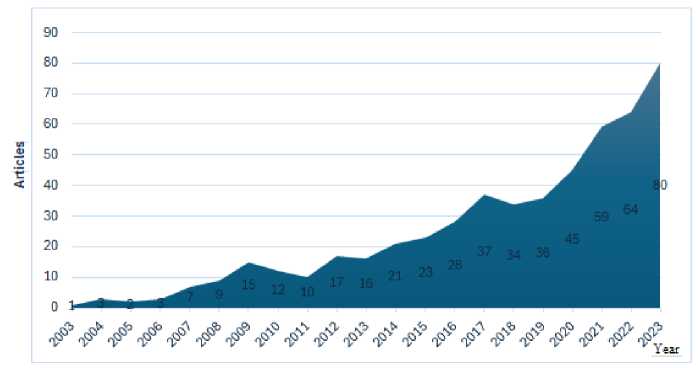
Fig. 3. Trends in Research Output
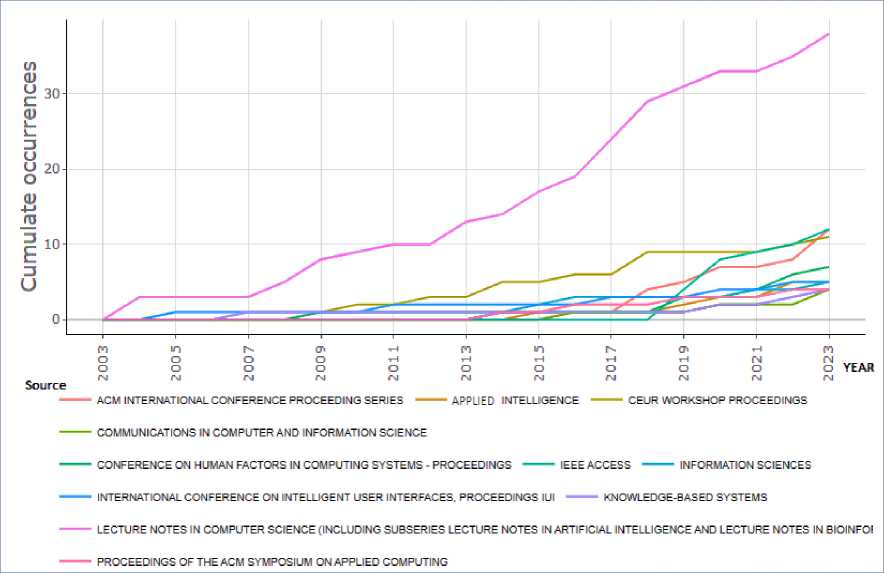
Fig. 4. Sources’ Production Over Time.
The number of articles published in various sources as shown in Table 1 provides further insights that align with the earlier discussion on publication growth trends in user trust and engagement in recommender systems research. Lecture Notes in Computer Science (38) published in Germany tops as the most prominent source, this shows its significant role during the growth in the field. Key venues like ACM International Conference Proceedings Series (12), IEEE Access (12), and CEUR Workshop Proceedings (11) show increasing contributions from the mid-2010s, which coincides with advancements in AI and machine learning. Lower contributions from sources like Conference on Human Factors in Computing Systems - Proceedings (7), Applied Intelligence (5), and Knowledge-Based Systems (4) indicate slower initial growth but stress the increasing focus on user-centric research. These trends confirm the growing scholarly interest in trust and engagement and the importance of specific venues in influencing the development of the research domain.
Table 1. The Top Ten Most Relevant Sources.
|
Sources |
Articles |
Country |
Scimago Journal Rank |
H-index |
|
Lecture Notes in Computer Science |
38 |
Germany |
0.61 |
470 |
|
ACM International Conference Proceeding Series |
12 |
USA |
0.25 |
151 |
|
IEEE Access |
12 |
USA |
0.96 |
242 |
|
CEUR Workshop Proceedings |
11 |
Germany |
0.19 |
66 |
|
Conference On Human Factors in Computing Systems - Proceedings |
7 |
USA |
0.00 |
229 |
|
Applied Intelligence |
5 |
Netherlands |
1.19 |
95 |
|
Information Sciences |
5 |
USA |
2.24 |
227 |
|
International Conference on Intelligent User Interfaces, Proceedings IUI |
5 |
USA |
0.00 |
68 |
|
Communications In Computer and Information Science |
4 |
Germany |
0.20 |
69 |
|
Knowledge-Based Systems |
4 |
Netherlands |
2.22 |
169 |
-
3.3 Authors And Geographical Distribution Analysis
-
3.4 Global document citation
Table 3 lists the top ten most cited articles; it highlights the evolution of research on user trust and engagement in recommender systems. Early influential studies, such as those by Flavián et al. [49] and O'Donovan et al. [50], laid the foundation with trust frameworks and user modelling approaches that remain relevant. More recent works, like Shin [51], stand out for their exceptional annual citation rates and normalized impact, which points to their relevance in modern AI-driven systems. This advancement illustrates a shift from early knowledge-based systems and foundational trust metrics (2000–2010) to AI-enhanced, trust-aware systems (2010–2020), and, more recently, to neural network and deep learning approaches (post-2020). The interdisciplinary nature of these contributions, published across venues such as Information Management , IEEE Transactions , and Knowledge-Based Systems , reflects a blend of technical innovation and psychological insights. These works collectively emphasize the growing focus on designing trustworthy, adaptive, and engaging recommendation technologies, tailored to meet user-centric challenges.
From Table 2, the notable researchers in the field were Zhang J. (13, 4.84), Chen Y. (9, 2.46), Wang X. (9, 1.94) and Yan Z. (7, 2.46) documents fractionalized frequency, respectively. These values indicate that Zhang J. has had a significant influence, which shows a high level of engagement and consistent contributions to research on user trust and engagement in recommender systems. The fractionalized frequencies of Chen Y. and Yan Z. (2.46) respectively, and Wang X. (1.94) suggest their collaborative efforts, with their contributions shared across multiple co-authored studies. This highlights their impactful role in advancing research in this emerging domain.
Table 2. Notable Researchers in User Trust and Engagement RS Research.
|
Authors |
Articles |
Articles Fractionalized |
|
Zhang J |
13 |
4.84 |
|
Chen Y |
9 |
2.46 |
|
Wang X |
9 |
1.94 |
|
Wang Y |
9 |
2.74 |
|
Yan Z |
9 |
3.00 |
|
Zhang X |
9 |
2.35 |
|
Zhang Y |
9 |
2.43 |
|
Zhang H |
8 |
2.15 |
|
Wang L |
7 |
2.58 |
|
Chen H |
6 |
1.28 |
Also, top 10 Country specific production is shown in Figure 5 with China leading significantly at 645 documents. This outputs the advanced integration of social commerce models where AI-powered recommendations used community trust mechanism to drive unprecedented engagement rates. Also, the USA followed with 214 documents. Other notable contributors include India (91), Germany (78), and the UK (54), this indicates a strong participation from both developed nations and emerging ones. Asia dominates the research domain, led by China and India, this shows that the region is increasing investment in academic and technological advancements. In contrast, regions such as Africa and South America appear underrepresented. This could be as a result of challenges like limited access to computational resources, insufficient funding for large-scale AI research and lack of localized datasets tailored to regional needs. Potential solutions include improving research funding, promoting collaborations between developing countries, and developing culturally and linguistically appropriate technologies. These measures could help unlock untapped potential and promote more equitable innovation in the global e-commerce recommender systems research domain. Europe also plays a significant role, with Germany, the UK, and Spain among the top contributors. This distribution emphasizes the need for strategic collaboration to bridge gaps, predominantly in underrepresented regions. Partnerships between leading contributors, such as China and the USA, and emerging contributors, like Indonesia and Iran, could enhance global research output. Furthermore, the high output of developed nations reflects their robust infrastructure and funding for academic research, while the increasing participation of countries like Indonesia and Iran signals promising growth. Understanding these trends can inform policies to encourage global equity in research and accelerate innovation through cross-regional collaboration. These regions face unique challenges including limited access to computational resources, insufficient funding for large-scale AI research, and the lack of localized datasets tailored to regional needs. Addressing these disparities requires targeted strategies such as enhancing regional research funding, fostering South– South collaborations, and developing culturally and linguistically appropriate technologies. These measures could help unlock untapped potential and promote more equitable innovation in the global e-commerce recommender systems research domain.
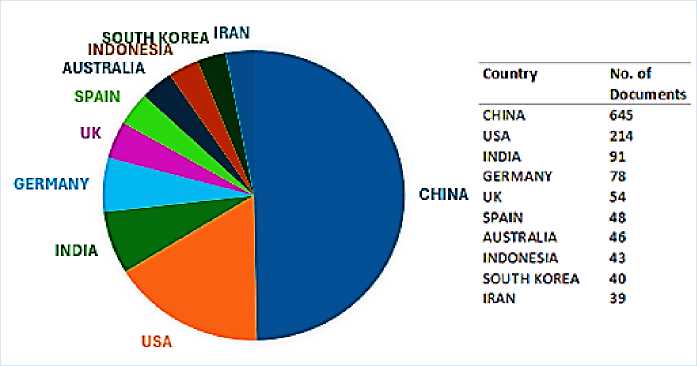
Fig. 5. Country-specific Production.
Table 3. Top 10 Most Globally Cited Documents in User Trust and Engagement RS Research.
Paper DOI Total Citations (TC) TC per Year Normali zed TC Flavián C, 2006, Inf. and Manag. 1175 61.84 2.94 O'donovan J, 2005, Int. Conf. Intell. User Interfaces Proc IUI 709 35.45 1.98 Shin D, 2021, Int J Hum Comput Stud 549 137.25 24.50 Guo G, 2015, Proc Natl Conf Artif Intell 446 44.60 10.66 Mobasher B, 2007, ACM Trans Internet Technol 408 22.67 3.76 Cramer H, 2008, User Modell User Adapt Interact 334 19.65 5.00 Deng S, 2017, IEEE Trans Neural Networks Learn Sys 263 32.88 10.91 Zhou T, 2010, Ind Manage Data Sys 210 14.00 7.50 Guo G, 2016, IEEE Trans Knowl Data Eng 197 21.89 8.94 PU P, 2007, KNOWL BASED SYST 186 10.33 1.71
3.5 Co-Authorship Network Visualization of Collaboration Patterns Among Authors
The collaboration network in Figure 6 focuses on the key contributors and their roles within the research network. "Zhang J" emerges as a central figure with strong connections to "Guo G" and "Braivicius G." They form a significant collaborative sub-network. Meanwhile, "Chen Y" plays a vital role in connecting diverse research groups and collaborating significantly with authors like "Wang Y" and "Zhang X." This reveals their broad influence across the network. Smaller clusters, such as those led by "Zhang C," "Zhang S," and "Zhang H," focus on specialized subfields while maintaining some external connections. Peripheral authors like "Rafailidis D," "Dong Y," and "Yan Z" are involved in niche areas, with fewer collaborations. Bridging figures, including "Wang Y," "Zhang X," and "Chen H," link different research groups to encourage cross-disciplinary interactions. Generally, the network reveals a balance of central figures that are advancing collaboration and smaller teams that are contributing specialized knowledge.
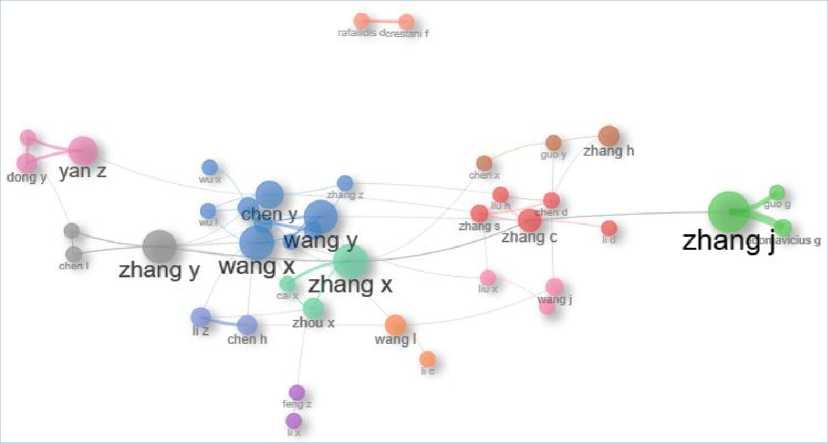
Fig. 6. Co-authorship Network
-
3.6 Analysis of Country-Level Collaboration Networks
-
3.7 Analysis of Keyword Relationships in Research Networks
-
3.8 Thematic Patterns Analysis
-
3.8.1 Research Theme Map
-
This co-authorship network in Figure 7 depicts the collaborative research relationship between nations, indirectly illuminates the global context of Recommender Systems (RS) research and its relevance to understanding trust and engagement in e-commerce. The dominance of China and the USA signifies their influential role in shaping RS development, while the strong interconnectedness of various countries, notably within regional clusters like Europe (Austria, Switzerland, Belgium) and Asian-Middle Eastern group (Singapore, India, Qatar) stresses the global nature of this research field. This interconnectedness implies that cultural differences, regional legal frameworks, and diverse technological infrastructures probably play a major role in how trust is perceived, and engagement is adopted in ecommerce RS. Therefore, considering the impact of cultural differences on user trust, tackling potential data sharing and privacy concerns in international collaborations, and acknowledging the global nature of e-commerce trends are important for a complete understanding of trust and engagement dynamics in RS.
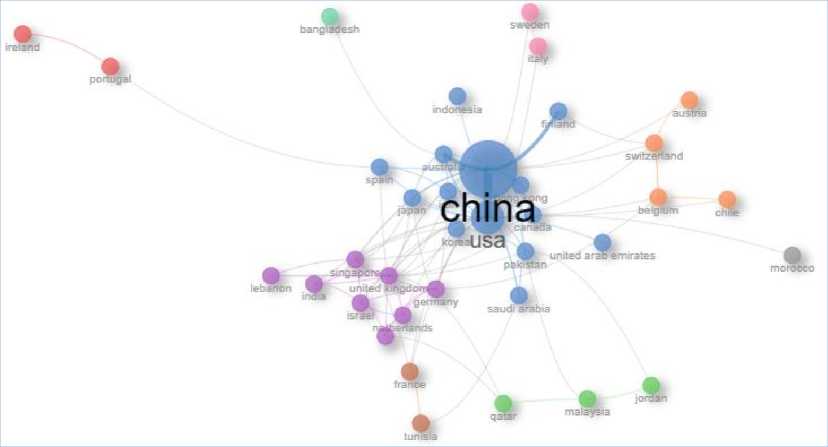
Fig. 7. Collaboration Network Among Countries
This co-occurrence network in Figure 8 reveals the pivotal role of trust and recommender systems as central nodes. It reveals a research area deeply intertwined with user-centric considerations and algorithmic techniques. The prominence of collaborative filtering highlights its significant influence on trust dynamics, while the distinction between trust and user trust suggests a nuanced exploration of user-specific trust perceptions. The network also emphasizes the importance of social factors, as evidenced by the presence of social networks and social trust, and the growing recognition of explanations and explainable recommendations as crucial for building transparency. Furthermore, the inclusion of privacy, security, user experience, and user satisfaction underscore the multifaceted nature of trust in e-commerce RS, where technological advancements like knowledge graphs are being investigated to enhance both recommendations and user confidence. In essence, the network portrays a research domain focused on understanding and optimizing the complex relationship between trust, recommendation algorithms, and user engagement within the context of e-commerce.
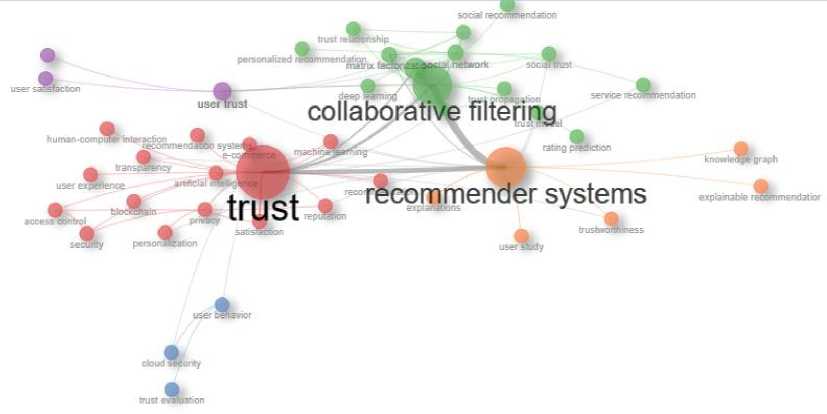
Fig. 8. Keyword Co-occurrence Network
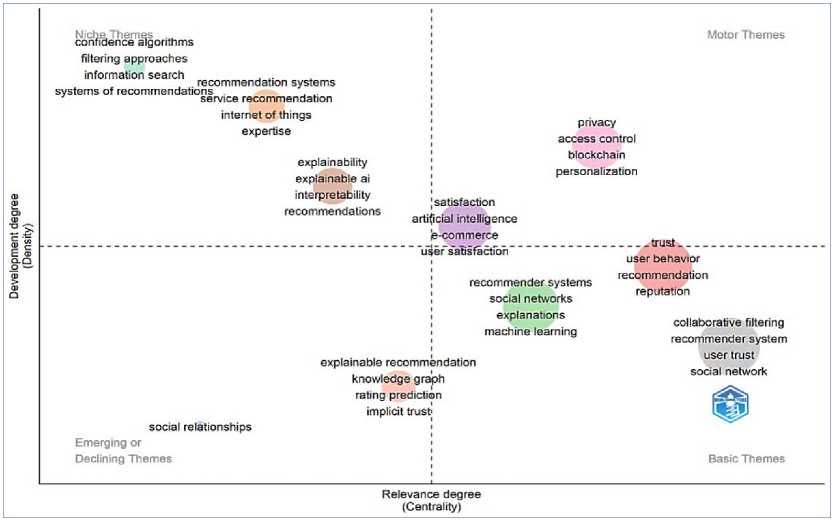
Fig. 9. Thematic Map of User Trust and Engagement RS Research
Thematic map in Figure 9 shows that motor themes such as privacy, access control, blockchain, and personalization are both well-developed and highly relevant, as they drive innovation in secure and adaptive recommendations. Basic themes like trust, user behaviour, collaborative filtering, and machine learning form the foundation of the field require further refinement to address issues like scalability, bias, and fairness. These central areas are critical for building user engagement and ensuring system reliability. Niche themes like IoT, expertise, and confidence algorithms are emerging, with significant potential for domain-specific applications, such as smart environments and service recommendations. Lastly, Emerging or declining themes like explainable recommendations, knowledge graphs, and implicit trust reflect either nascent or diminishing areas of focus. Explainable recommendations and knowledge graphs are gaining influence for enhancing transparency and usability, while traditional methods like rating prediction may be losing relevance.
-
3.9 Thematic Evolution Across Time Periods
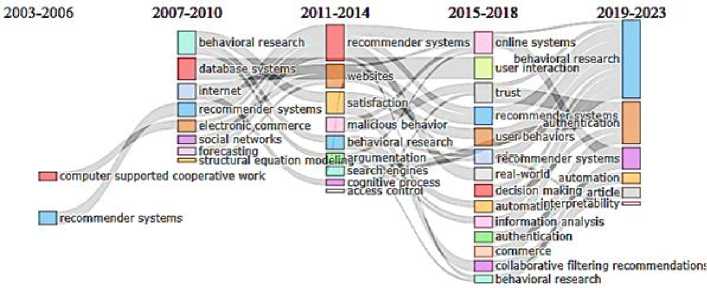
The timeline visualization in Figure 10 illustrates the evolution of research topics in e-commerce recommender systems from 2003 to 2023. It shows a shift from foundational algorithmic work to more user-centric and application-driven approaches. Early research (2003-2010) concentrated primarily on the development of recommender system algorithms, database systems, and applications in electronic commerce and social networks. During this period, topics like behavioural research and social networks gained prominence, which reflected the rising interest in understanding user behaviour and integrating recommender systems into commercial and online platforms. From 2011 onwards, there was a noticeable shift towards improving the user experience and combating issues like malicious behaviour, user satisfaction, and authentication. In recent years (2019-2023), the focus expanded to include collaborative filtering, decision-making automation, and automatic interpretability, which highlights the increasing importance of automation, security, and transparency in recommender systems. This progression indicates a move toward creating more personalized, transparent, and secure systems that enhance user trust and engagement in real-world applications, with interdisciplinary research, blending behavioural, security, and machine learning insights.
2019-2023
। behavioral research recommender systems
\database
.■.<05i^r trust satisfaction^^
malicious
■havior
I | behavioral research
[□recommender systems
[online systems behavioral research
□ forecasting .
«=» structural equation
□ computer supported cooperative work internet •'< .
I | recommender systems □ electronic.commerce □□social networks
П re^oinmender systems □ real-world automation^] □ decision making'artideQ □ automatioterpretabilrty= □1 Information analysis
I | authentication
2003-2006
2007-2010
2011-2014
2015-2018
□ collaborative filtering recommendation' □□behavioral research
Fig. 10. Thematic Evolution of User Trust and Engagement RS Research
-
3.10 Trending topics
-
3.11 Theoretical and Practical Implications of The Study
-
3.11.1 Theoretical Implications of the Study
-
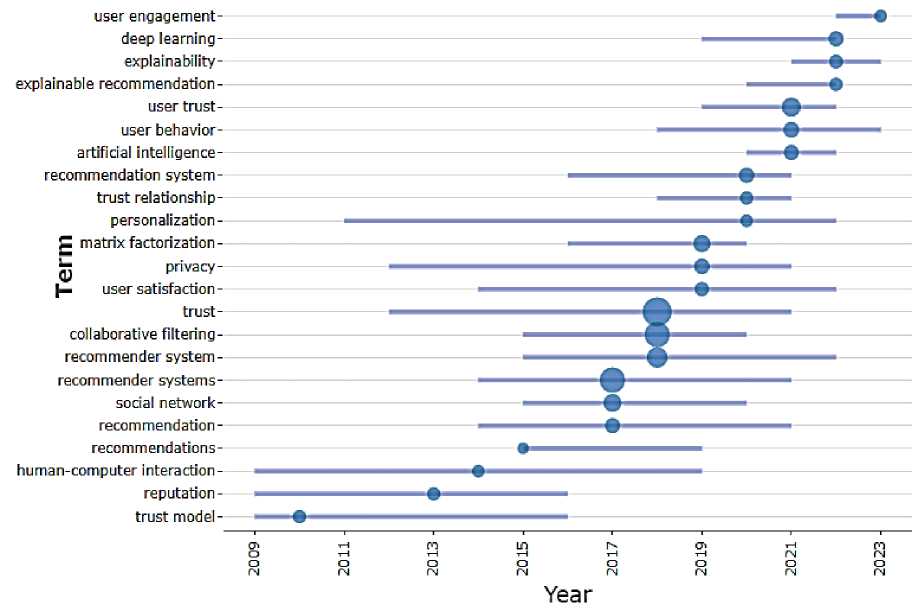
Fig. 11. Trending topics of user trust and engagement RS research
Figure 11 shows a visible evolution in e-commerce Recommender Systems (RS) research that transitioned from foundational studies on trust models and basic recommendation algorithms in the early years to a pronounced focus on user-centric aspects in recent times. The emergence of topics like user trust, user behaviour, user satisfaction, and privacy highlight a shift towards understanding and prioritizing the user experience. Notably, the increasing prominence of explainability and explainable recommendation signifies an increasing recognition of the importance of transparency in building user trust. Simultaneously, the integration of advanced AI techniques, such as deep learning and artificial intelligence, underscores the ongoing effort to enhance RS performance. In general, the graph reveals a clear movement from algorithmic development to a more human-centered approach that shows the central role of trust, transparency, and user engagement in contemporary RS research.
This study makes significant theoretical contributions by reconceptualizing the role of trust and engagement in ecommerce recommender systems. Traditionally, recommender systems research has prioritized algorithmic accuracy as the primary determinant of success. However, our findings demonstrate that trust and engagement have emerged as equally critical, interdependent factors that fundamentally shape user interactions with recommendation technologies. The paradigm shift from accuracy-centric models to user-centred approaches reflects a broader recognition that technical performance alone cannot guarantee system adoption or long-term use.
Trust operates as a foundational prerequisite for recommendation acceptance; it serves as a gatekeeper that mediates the willingness of users to engage with system suggestions. Without trust established through transparency, privacy preservation, and explainability, even highly accurate recommendations may be disregarded. Simultaneously, engagement functions as a reinforcing mechanism that sustains and deepens trust over time. When users actively interact with personalized recommendations, provide feedback, and experience serendipitous discoveries, their confidence in the system grows. This creates a positive feedback loop. Traditional linear models are challenged by this reciprocal relationship of technology acceptance and points to the need for more dynamic theoretical frameworks.
In addition, some existing literature emphasize short-term metrics such as click-through rates on recommended items, this study emphasizes the importance of long-term user retention and loyalty as critical indicators of sustainable engagement and trust in e-commerce recommender systems. Designing systems that prioritize transparency, adaptability, and consistent relevance can help promote deeper user relationships that contribute to enduring business value.
The theoretical significance of trust and engagement-driven strategies such as privacy-preserving mechanisms, explainable AI, and adaptive personalization is reinforced by their adoption in real-world e-commerce platforms. Leading companies like Amazon, Alibaba, and Netflix implement variations of these strategies to address user privacy, increase recommendation transparency, and encourage long-term engagement.
The study also brings to light salient cultural dimensions within the trust and engagement dynamic that have been largely overlooked in existing literature. The dominance of research from certain regions, such as the emphasis of China on social commerce and trust-based recommendation mechanisms contrasts sharply with the underrepresentation of others, such as Africa’s informal and community-driven recommendation networks. This imbalance reveals significant gaps in our theoretical understanding and suggests that current models may fall short in capturing culturally diverse conceptions of trust and engagement. To advance the field, future theoretical frameworks must adopt more inclusive and contextually grounded perspectives that reflect the global diversity of user interactions with recommender systems.
3.12 Practical Implications
4. Conclusion, Future Work and Limitations of the Study4.1 Future Work and Limitations of the Study
In practice, the study focuses on the necessity for developers and organizations to put emphasis on user trust and engagement in e-commerce recommender system design. With user-centred factors becoming an essential element of system functionality, e-commerce RS should integrate transparent algorithms, privacy protection and methods to explain recommendations to users. Practices of explainable AI can close this gap in trust, to make systems interpretable and transparent to non-technical users. Also, transparent interfaces that provide explanations for why certain items are recommended can meaningly increase perceived trustworthiness. Interactive features such as allowing users to provide feedback or adjust recommendation preferences can encourage a sense of control and personalization. Prior research in [55, 56] supports the idea that explainable recommendations and intuitive user interface (UI) elements enhance user satisfaction, trust, and long-term engagement. E-commerce platforms can benefit from incorporating such trust-aware user interface approaches to complement backend algorithmic fairness and privacy mechanisms. Platforms like Amazon, Alibaba, and Netflix demonstrate how transparent interfaces and explanation-based recommendations enhance user trust and engagement. They provide features such as verified reviews and “Because you watched…” prompts. Thus, they make their algorithms more understandable and user-centric and hence translate complex personalization mechanisms into intuitive experiences.
According to the study, international cooperation among nations and industries, mostly between developed and developing nations, can further enhance the global scale and fairness of e-commerce recommender system innovation. In addition, researchers must stay up to date with the most recent developments in AI and deep learning and how they can be applied to enhance personalization despite addressing scalability, bias, and fairness challenges. Implementing these research findings within real-world systems will assist in creating more solid, adaptive, and friendly e-commerce recommender systems that can enhance user satisfaction and long-term loyalty. A notable example is the collaboration between Microsoft and Flipkart, which demonstrates how international partnerships and advanced AI technologies can enhance personalization, scalability, and fairness in recommender systems, and eventually improve user satisfaction and loyalty.
The integration of blockchain and adaptive AI presents a promising pathway to enhance trust and user engagement in recommender systems. Blockchain ensures transparency, data integrity, and user control through decentralized architectures and auditable data trails. Smart contracts can further enhance trust by allowing users to define and manage how their data is used. Meanwhile, adaptive AI enables real-time personalization by continuously learning from user behavior and contextual signals. This can lead to more relevant and engaging recommendations. These two technologies combined can promote a trusted and dynamic recommendation environment that supports fairness, accountability, and improved user satisfaction. Platforms like Wibson use blockchain to ensure data transparency and user control, services like Netflix apply adaptive AI to personalize recommendations in real time to enhance user satisfaction.
Innovative technologies and methods are also suggested to be explored in depth to enhance e-commerce recommender systems. For instance, applying digital twin technology to model user behaviour to enhance careful testing of recommendation approaches. Emotion-tracking systems that adapt suggestions dynamically based on the moods of real-users for in-dept engagement can be included. Further, multi-agent recommender systems (MARS) can make AI agents collaborate and drive personalization, privacy, and explainability. Also, gamified feedback and collaborative recommendations in real-time for group shopping can facilitate maximum learning and user engagement in developing adaptive, trustworthy, and user-focused solutions for future e-commerce issues. Although still in its nascent stage, quantum computing (QC) can be utilized to efficiently solve difficult optimization problems for huge ecommerce datasets to encourage more scalability and tailored recommendations. These low-explored techniques can propel e-commerce recommender systems past the traditional filtering to become more intuitive, interactive, and user centric. For instance, digital twin technology can be used to simulate user behaviour, preferences, and interactions in real-time and test recommendation strategies more precisely, A fashion e-commerce platform could integrate facial emotion recognition to detect when a user is feeling down or stressed. MARS can enhance trust and engagement in ecommerce recommender systems by enabling collaborative, specialized AI agents to handle different tasks. ecommerce RS. E-commerce platforms could implement a feature where friends or family can shop together in real-time, vote on items, earn discount points as a team, and get tailored suggestions based on shared preferences. A timer-based game might encourage them to finalize purchases within a set time to unlock group discounts. Additionally, quantum optimization algorithms such as the Quantum Approximate Optimization Algorithm (QAOA) can be used to dynamically determine the most relevant product combinations for individual users during high-pressure scenarios like flash sales.
The dynamics of trust and engagement in e-commerce recommender systems from year 2003 to 2023 are thoroughly discussed in this study. It identified the important trends, key contributors, and thematic evolutions in the field. The results indicate a concept shift on emphasis from algorithms to focus on user-centred techniques, driven by advancements in AI, machine learning, and privacy techniques. With significant growth in relevant research from 2020 and 2023, trust, transparency, and user engagement have emerged as critical factors for improving the efficiency of recommender systems. Prominent nations like China and the US, as well as important contributors like Zhang J. and Chen Y., have been instrumental in developing the domain to enhance innovation and collaboration. Two of the most referenced studies that laid the foundation with trust frameworks and user modelling techniques are Flavián et al. [15], which has 1,175 citations, and O'Donovan et al. [34], which has 709 citations. With 38 publications, Lecture Notes in Computer Science (LNCS) has become a major contributor in the domain of research. Also, by bridging technical innovations and user-focused factors, LNCS exemplifies the interdisciplinary nature of recommender systems research. Co-authorship collaboration patterns reveal balance among the key figures that are driving broad research connections and smaller teams that are also contributing niche, specialized expertise. China and the United States are underlined as the major connectors and influencers in country-level collaborative networks. The UK, Singapore, Germany, and other nations serves as vital links between various research clusters that encourage communication between otherwise disparate groups. Opportunities to strengthen peripheral collaborations are pointed out in the network. Keyword cooccurrence networks highlight central themes such as trust, recommender systems, and collaborative filtering. Trust is closely connected to keywords such as privacy, security, transparency, and reputation. This shows its critical role in ensuring system reliability and for promoting user acceptance. These insights emphasize the necessity of integrating technical innovation with user-centred design to enhance the reliability and acceptance of recommendation systems. These insights emphasize the necessity of integrating technical innovation with user-centred design to enhance the reliability and acceptance of recommendation systems. Emerging themes such as explainable AI, blockchain integration, and privacy mechanisms underline the need for systems that balance technical sophistication with user-centric design.
The timeline visualization (2003–2023) reveals the evolution of recommender system research from algorithmic foundations to user-centric and application-driven approaches. By 2011, the focus had shifted from algorithms and ecommerce to authentication, malicious behaviour, and user experience. The focus on automation, collaborative filtering, and transparency in recent years indicates a shift toward systems that are secure, personalized, and trustworthy. This advancement demonstrates how insights from machine learning, security, and behaviour could be applied to provide more practical real-world applications. In addition, trending topics emphasize the growth of explainable recommendations, user engagement, and deep learning while highlighting the ongoing significance of trust and collaborative filtering. Traditional techniques like matrix factorization are being replaced with advanced AI-driven innovations that improve trust and adaptability, which shows an emphasis on transparency and user-centricity. Overall, this study underlines the importance of interdisciplinary research in advancing personalized, transparent, and secure recommender systems that meet the evolving expectations of users in the digital era.
Future research must focus on the formulation of explainable AI methods and integration of privacy-preserving technologies such as blockchain to support user trust and participation in e-commerce recommender systems. To respond to the sophisticated needs of global e-commerce networks, attempts should be made to fix scalability, bias, and fairness. Through cooperative approaches, research activities in developing countries (such as South America and Africa) can be accelerated, and this will result in more coordinated contributions to the domain. Moreover, cross-cultural trust understanding, real-world deployment issues, and long-term participation strategies need to be explored to ensure that recommender systems support user-expectation and ethical considerations. The effect of personalized recommendations on engagement and trust needs to be further studied with a focus on accuracy versus user-centric features. Researchers can make e-commerce recommender systems innovative. This will ensure their flexibility to the rapidly evolving user needs and technological advancements.
It is also important to continue exploring the intersection of behavioural science, human-computer interaction, and machine learning as it affects the field. For instance, AI can provide powerful personalization algorithms, but without behavioural insights into user trust dynamics or HCI principles for transparent and intuitive interfaces, even accurate recommendations may fail to inspire user confidence. Behavioural scientists can provide models of user perception, trust-building mechanisms, and ethical considerations, while HCI researchers can help design interfaces that enhance user understanding and control. A more intentional convergence of these fields could lead to recommender systems that are technically robust and also human-centered, ethically aligned, and culturally adaptive. These are critical elements for sustainable trust and long-term engagement.
The coverage of the study is narrowed down to a particular database, which might result in excluding important publications from local or low-grade journals. It could also result in the fact that certain areas do not contribute proportionately. Future studies could expand the scope of our bibliometric analysis by incorporating multiple databases (e.g., Scopus, IEEE Xplore, SpringerLink, and regional repositories). This is to ensure broader coverage, especially of underrepresented regions and publications in local or lower-tier journals.
Also, the study also points out regional disparities in research output. This mostly stem from various structural challenges which include uneven distribution of research infrastructure, disparities in access to funding and advanced training and limited participation in global academic networks. Although this study primarily focused on mapping existing contributions, we identify these gaps as a limitation. Future work should dig deeper into understanding these systemic barriers and explore interventions that promote inclusive and geographically diverse research ecosystems.
Author Contributions Statement
Folasade O. Isinkaye – Conceptualization, Methodology, Supervision, Data Curation and Software Implementation, Writing Drafted the initial manuscript, Writing Review and Editing.
Michael O. Olusanya – Supervision, Writing Review and Editing.
Soyemi Jumoke – Writing Drafted the initial manuscript, Writing Review and Editing.
All authors have read and agreed to the published version of the manuscript.
Conflict of Interest Statement
The authors declare no conflicts of interest.
Funding Declaration
No funding was received for this study.
Data Availability Statement
The bibliometric data analyzed in this study were retrieved from the Scopus database. The dataset used for analysis is available from the corresponding author upon reasonable request.
Ethical Declarations
This study is based on a bibliometric analysis of published literature and does not involve human participants, animals, or personal data. Therefore, ethical approval was not required.
Declaration of Generative AI in Scholarly Writing
During manuscript preparation, the authors used generative AI tools to assist with language editing and to improve text clarity. The authors reviewed and edited the content as needed and take full responsibility for the final content of the manuscript.
