
Жанрово-содержательная трансформация специализированного спортивного издания на примере журнала «Легкая атлетика» (1955-2022)
Журнал: Вестник Новосибирского государственного университета. Серия: История, филология @historyphilology
Рубрика: Журналистика и медиакоммуникации в исторической перспективе
Статья в выпуске: 6 т.25, 2026 года.
Бесплатный доступ
Анализируется жанровосодержательная трансформация специализированных спортивных печатных СМИ на примере журнала «Легкая атлетика», просуществовавшего с 1955 по 2022 г. Методом контентанализа исследуются 4 220 публикации из 180 выпусков издания. Изучаются жанровые, тематические и визуальные особенности, а также форма, локальность, рубрики и герои материалов. Полученные результаты демонстрируют, что происходит уменьшение количества используемых жанров, исчезает многоуровневая рубрикация, осуществляется переход к визуально ориентированной модели, а освещение спортивных дисциплин становится более поверхностным.
Короткий адрес: https://sciup.org/147254566
IDS: 147254566 | УДК: 070 | DOI: 10.25205/1818-7919-2026-25-6-103-116
Genre and content transformation of a specialized sports publication: a case study of “Athletics” (1955-2022)
This article offers a comprehensive analysis of genre and content transformation within specialized sports print media, exemplified through a case study of Russia’s dedicated sports publication, the “Athletics” (1955–2022). The research utilizes a content analysis of 4,220 publications across 180 issues, representing the entirety of the publication period. It investigates evolutionary modifications across multiple dimensions, including genre structure dynamics, thematic development, visual design changes, publication formats, geographical scope, rubric system evolution, and patterns of protagonist selection. Findings indicate notable degradation trends: a marked reduction in genre diversity accompanied by a shift from analytical to brief informational content; a decline in content depth despite continued emphasis on athletic disciplines; the complete disappearance of the multilevel rubric system; and a transition towards a visually oriented publication model. These patterns reflect both the specific evolution of this publication and broader transformative processes within Russian specialized sports journalism during the Soviet and postSoviet eras. The results demonstrate how specialized media adapt to evolving patterns of media consumption while concurrently experiencing a decline in their distinctive professional identity.
Текст научной статьи Жанрово-содержательная трансформация специализированного спортивного издания на примере журнала «Легкая атлетика» (1955-2022)
Acknowledgements
The Study was Conducted under the state assignment of Lomonosov Moscow State University
Современная система спортивной прессы претерпевает значительные изменения под влиянием цифровизации и потребительских практик. Если традиционно ядро составляли газеты и журналы с четким функциональным разделением – оперативно-новостной функцией газет и аналитико-интерпретационной специализацией журналов, то сегодня наблюдается конвергенция форматов и платформ. По мнению М. В. Шкондина, в современный век, когда «более востребованным средством мобильного информационного взаимодействия с массовой аудиторией становятся электронные СМИ, особенно телевидение, интернет-издания, а также разветвленная система радиостанций, информационных агентств», неуклонно «сужается медиапространство газетной периодики, снижается периодичность выхода общероссийских и региональных газет» [Шкондин, 2013, с. 41]. Ученый отмечает устойчивую тенденцию к потере позиций печати в структуре технологической подсистемы массовых медиа: «В общероссийской массовой аудитории увеличивается количество тех, кто не выписывает и не покупает газет, то есть доля их нечитателей. Газета как новостной продукт теряет значительную часть своих качеств, поскольку периодику значительно обгоняют по оперативности доставки информации СМИ, построенные на других медийных платформах» [Там же]. Без инвесторских средств, рекламы и других сторонних источников финансирования, на самоокупаемости пресса уже не в состоянии работать, не говоря уже о получении прибыли. «Экономическая подсистема газетной периодики не сбалансирована, и это связано с реальным состоянием российской экономики», – уверен В. Л. Иваницкий [2009, с. 121]. Это напрямую воздействует на редакционную деятельность. Чтобы выдержать конкуренцию и удовлетворить интересы аудитории, регулярно приобретающей печатную продукцию, изданиям приходится менять форматы и искать свою нишу на рынке. Это оказывает влияние на другие подсистемы: происходит ограничение реальной аудитории, претерпевают изменения содержательные и функциональные модели.
Значимым трендом стала повсеместная миграция контента в цифровую среду с акцентом на мультимедийность и интерактивность [Как новые медиа изменили журналистику, 2016]. Ключевые игроки рынка перестроили свою работу вокруг цифровых экосистем, где текстовые материалы интегрированы с видеостримами, подкастами и статистическими платформами в реальном времени. Социальные сети стали не просто каналами дистрибуции, а полноценными редакционными платформами, где формируется значительная часть спортивного дискурса. Современная медиасреда превратилась в сложную структуру, в рамках которой работают и конкурируют различные субъекты – профессиональные СМИ, «новые профессионалы» (блогеры, инфлюенсеры, лидеры мнений, ведущие пабликов и авторы телеграм-каналов), социальные медиа и аудитория [Вартанова, 2021].
Особенностью современного этапа является рост влияния специализированных цифровых проектов, фокусирующихся на аналитике данных и нишевых видах спорта. Параллельно наблюдается кризис традиционных бизнес-моделей – доходы от продажи печатных версий продолжают снижаться, что компенсируется развитием подписочных моделей и спонсорских интеграций. Трансформация затронула и региональную спортивную журналистику, где на смену печатным изданиям пришли агрегаторы новостей на базе местных медиахолдингов и независимые спортивные блоги, часто существующие исключительно в мессенджерах и социальных сетях.
Теоретическое осмысление этих процессов находит отражение в работах современных исследователей спортивной журналистики [Михайлов, Мостов, 2005; Алексеев, Ильченко, 2016]. Важной представляется концепция спортивной медиакоммуникации, под которой понимается «информационное взаимодействие между социальными субъектами (личностями, группами, организациями и т. д.), основанное на производстве, распространении и потреблении спортивной массовой информации», а также данная в рамках спортивной медиакоммуникации характеристика спортивной информации, подразделяющейся на массовую, специализированную и профессиональную [Войтик, 2013, с. 29]. Для изучения влияния цифровых технологий на деятельность спортивных медиа актуальны идеи М. И. Бабюка о трансформации системы коммуникации в спорте под воздействием технического прогресса, перераспределении значимости компетенций спортивных журналистов и об образовании современных спортивных медиаспециалистов [Бабюк, 2019], а также рассуждения М. Н. Даниловой [2018] о том, что спортивная журналистика идет на переднем крае цифрового перехода, и проведение крупных спортивных событий способствует появлению новых технологических решений для их освещения. Необходимо принимать во внимание и преобразования в мотивационной структуре профессиональной деятельности [Вырковский и др., 2017] и профессиональноценностных ориентациях журналистов [Хафизова, 2018].
Исследования взаимодействия новых технологий со спортивной сферой и медиа широко представлены в зарубежном научном дискурсе – изучаются процессы интеграции и потребления спортивных СМИ [Rowe, 2003; Billings, 2011], анализируется изменение общественного пространства и коммуникации между людьми [Messaris, Humphreys, 2006], эволюция аудитории и потребителей медийной информации [Napoli, 2010; Bernstein, Blain, 2002], а также преобразования в медиаработе и осознании роли профессиональных журналистов [Van Dijck, Poell, 2015].
При всех этих процессах сохраняется значение крупных федеральных СМИ, которые радикально изменили форматы работы – от создания студий прямого эфира до разработки мобильных приложений с персонализированными push-уведомлениями. Современная спортивная пресса превратилась в гибридную систему, где традиционные функции информирования и анализа дополнены интерактивными сервисами и технологиями иммерсивного погружения, формируя принципиально новую медийную систему вокруг спортивной тематики. Однако существует пласт изданий, которые сложно адаптируются к современным цифровым процессам, в частности, специализированные спортивные печатные СМИ – газеты и журналы, которые освещают один или несколько смежных видов спорта и содержат информацию, направленную на аудиторию, регулярно интересующуюся определенным видом спорта и понимающую его специфику [Эшкинина, 2024]. На примере журнала «Легкая атлетика», просуществовавшего почти семьдесят лет (1955–2022), исследуется жанрово-содержательная трансформация специализированного спортивного печатного издания, в том числе под влиянием новых технологий.
Методом контент-анализа были изучены 4 220 публикаций из 185 выпусков журнала «Легкая атлетика» за 1955, 1960, 1973, 1989, 1998, 2000–2022 гг. Год исследования выбирался по следующему принципу: 1955 г. – первый год существования журнала; 1960, 1973, 1989, 1998 – годы, определенные компьютерной программой случайных чисел в рамках периодов смены учредителей издания; все годы после 2000 г. до закрытия журнала в 2022 г. – это годы, позволяющие фиксировать постепенные изменения, связанные с появлением новых технологий. В качестве теоретической основы для проведения исследования были использованы классификации жанровой системы периодической печати А. В. Колесниченко [2008] и А. А. Тертычного [2017].
Исследование материалов было проведено по семи группам категорий: жанры (заметка, репортаж, корреспонденция, отчет, интервью, опрос, комментарий, аналитическая статья, другое), темы (подготовка бегуна, подготовка прыгуна, подготовка метателя / толкателя, подготовка ходока, подготовка многоборца, антидопинг, профилактика заболеваний и травм, лучшие легкоатлеты, судейство на соревнованиях, тренерская работа, личный опыт, российские соревнования, международные соревнования, анализ легкоатлетических видов, другое), рубрики (эстафета, бег и здоровье / спорт и здоровье, за рубежом, трибуна читателя, под флагом сборной, техника и методика, Бегай! Прыгай! Метай!, наука – практике, личный опыт, юбилей, приглашаем к дискуссии, кинограмма, другое), форма публикации (текст, фото с подписью, текст с фото или рисунком), характер публикации (фактографический, позитивный, положительный с элементами критики, критический, проблемный), локальность (мир / другие страны, республики СССР, Россия, республики в составе России, край / область, город / район, коллектив, семья), герой (действующий спортсмен, бывший спортсмен, тренер, судья, врач, болельщик / читатель, чиновник, другой).
Необходимо отметить, что с 2011 г. значительно уменьшилось количество публикуемых материалов. Это связано с сокращением годового выпуска – с 12 до 6–8 номеров. В 2020 г. издали только два номера, а в 2022 – три.
Из табл. 1 видно, что в жанрах публикаций доминируют аналитические статьи и интервью. Эти два жанра преобладают в каждом номере на протяжении всего периода существования журнала. Следующим по частотности жанром является заметка. Реже встречаются корреспонденция, комментарий и репортаж. До 2016 г. представлено большое жанровое разнообразие, тогда как после этого года количество используемых жанров сократилось вдвое. Однако с 2017 г. стало больше материалов в жанре отчета, как правило, это публикации с соревнований, ранее представленные в виде репортажей. В категории «другое» встретились дневниковые записи, отрывки из художественных книг, письма читателей, беседы, рецензии, прогнозы, рекомендации, анкеты.
За почти 70-летний период жанровая палитра публикаций претерпела существенные изменения: от богатого разнообразия в середине XX в. к заметному упрощению в наши дни. Если в 1955–2010 гг. сохранялось устойчивое равновесие между аналитическими статьями, интервью и заметками при активном использовании репортажей и корреспонденции, то после 2011 г. произошел резкий спад как в количестве материалов, так и в жанровом разнообразии. Особенно показательно постепенное исчезновение таких трудоемких форматов, как репортаж и корреспонденция, на смену которым пришли более лаконичные и оперативные формы подачи информации. При этом аналитическая статья на протяжении всего периода сохраняла статус доминирующего жанра, что свидетельствует о неизменной потребности аудитории в глубоком осмыслении событий. Современный период характеризуется концентрацией на основных жанрах при значительном сокращении общего объема публикаций.
Основные темы (табл. 2), которые затрагиваются в журналах за изученный период, – анализ легкоатлетических видов, российские соревнования, лучшие легкоатлеты, личный опыт. В каждом номере также встречается тема подготовки спортсменов в каком-либо виде легкой атлетики. Чаще всего – бег и прыжки. Реже – метание и многоборие. И крайне редко – тема подготовки ходоков. Международные соревнования также довольно часто освещаются в номерах журнала. В современном состоянии «Легкой атлетики» реже встречаются статьи о профилактике заболеваний и травм, судействе на соревнованиях. Темы тренерской работы и личного опыта спортсменов актуальны в любом периоде существования журнала.
Жанры публикаций журнала «Легкая атлетика»
Publication genres in “Legkaya Atletika” magazine
Table 1
|
Год |
Количество материалов |
Жанр |
||||||||
|
Заметка |
Репортаж |
Корреспонденция |
Отчет |
Интервью |
Опрос |
Комментарий |
Аналитическая статья |
Другое |
||
|
1955 |
143 |
28 |
4 |
5 |
– |
36 |
– |
5 |
54 |
11 |
|
1960 |
274 |
51 |
6 |
14 |
– |
67 |
– |
9 |
123 |
4 |
|
1973 |
265 |
52 |
10 |
16 |
– |
65 |
– |
20 |
91 |
11 |
|
1989 |
273 |
45 |
1 |
20 |
– |
73 |
– |
10 |
107 |
17 |
|
1998 |
227 |
42 |
3 |
6 |
3 |
61 |
2 |
9 |
93 |
8 |
|
2000 |
224 |
36 |
9 |
17 |
3 |
44 |
2 |
16 |
81 |
16 |
|
2001 |
206 |
30 |
5 |
12 |
2 |
43 |
1 |
20 |
80 |
13 |
|
2002 |
234 |
41 |
7 |
18 |
5 |
37 |
3 |
23 |
82 |
18 |
|
2003 |
182 |
35 |
4 |
11 |
3 |
39 |
1 |
13 |
71 |
5 |
|
2004 |
201 |
40 |
6 |
134 |
4 |
45 |
2 |
11 |
73 |
7 |
|
2005 |
203 |
38 |
5 |
15 |
2 |
37 |
3 |
15 |
74 |
14 |
|
2006 |
191 |
36 |
4 |
16 |
1 |
39 |
2 |
14 |
70 |
9 |
|
2007 |
221 |
44 |
6 |
14 |
2 |
40 |
3 |
13 |
88 |
11 |
|
2008 |
230 |
28 |
8 |
17 |
3 |
48 |
2 |
16 |
89 |
13 |
|
2009 |
219 |
90 |
11 |
20 |
10 |
35 |
– |
6 |
43 |
4 |
|
2010 |
166 |
43 |
4 |
13 |
8 |
20 |
– |
15 |
57 |
6 |
|
2011 |
97 |
25 |
2 |
8 |
2 |
17 |
– |
6 |
36 |
1 |
|
2012 |
80 |
12 |
4 |
2 |
6 |
22 |
– |
4 |
29 |
1 |
|
2013 |
74 |
9 |
3 |
7 |
8 |
12 |
– |
3 |
32 |
– |
|
2014 |
84 |
17 |
4 |
7 |
5 |
16 |
– |
7 |
23 |
5 |
|
2015 |
90 |
10 |
4 |
5 |
4 |
16 |
1 |
8 |
38 |
4 |
|
2016 |
77 |
9 |
3 |
7 |
9 |
11 |
– |
6 |
29 |
3 |
|
2017 |
68 |
– |
6 |
– |
20 |
2 |
– |
– |
30 |
10 |
|
2018 |
50 |
– |
4 |
– |
12 |
8 |
– |
2 |
22 |
2 |
|
2019 |
78 |
– |
9 |
– |
16 |
12 |
– |
8 |
27 |
6 |
|
2020 |
25 |
– |
2 |
– |
6 |
4 |
– |
1 |
11 |
1 |
|
2022 |
38 |
6 |
– |
– |
3 |
17 |
– |
7 |
4 |
1 |
С 2000-х гг. значительно возросло внимание к антидопинговой тематике, профилактике заболеваний и травм. Например, антидопинг, практически не упоминавшийся в 1955 г., к 2004–2005 гг. достиг пика, отражая растущую озабоченность проблемами чистоты спорта. Специальный раздел об этом вели врачи сборных команд. Они писали о влиянии различных препаратов на организм, о методах восстановления, публиковали списки запрещенных препаратов. Кризисный период после 2011 г. характеризуется резким сокращением общего количества публикаций и существенным упрощением тематической палитры. В 2022 г. остаются в основном темы антидопинга и российских соревнований, что свидетельствует о смещении фокуса на текущие события и проблемные вопросы.
Доминирующей рубрикой (табл. 3) за весь изученный период является «Техника и методика». Сколько бы лет ни проходило, как бы ни менялись облик журнала, его содержание, редакторы, авторский состав, этой рубрике всегда уделено большое внимание, что свидетельствует о читательском запросе на прикладные знания и экспертные мнения. В 1950– 1960 гг. активно разрабатывалась рубрика «За рубежом». Публиковалось много материалов о жизни и тренировках иностранных легкоатлетов. Было много интервью с мировыми звездами этого спорта и их тренерами. В 1973 г. на второе место по количеству материалов вышла рубрика «Наука – практике», демонстрирующая нюансы подготовки отечественных легкоатлетов с помощью научных подходов.
В 1989 и 1998 гг. популярностью пользовались рубрики «Бег и здоровье» и «Эстафета». В первой описывались всевозможные причины травм легкоатлетов, их профилактика, а также различные комплексы упражнений для укрепления и восстановления мышц, связок и суставов. Во второй шло двустороннее общение с молодыми легкоатлетами, еще школьниками. Они присылали свои письма с вопросами, а редакция подробно отвечала.
С 2000 по 2017 г. в «Легкой атлетике» несколько ведущих рубрик – «Техника и методика», «Наука – практике», «Бегай! Прыгай! Метай!» и «Личный опыт». В «Технике и методике» в этот период часто перепечатываются материалы из выпусков советского времени. В рубрике «Наука – практике» подробно описываются новые методы развития спортивных качеств, биомеханика бега, специальные лабораторные исследования. В рубрике «Бегай! Прыгай! Метай!» досконально разбираются легкоатлетические виды: бег, прыжки и метание. В «Личном опыте» спортсмены делятся своими впечатлениями от соревнований, рассказывают о некоторых моментах из личной жизни, а также советуют упражнения для подготовки. В сентябрьском выпуске 2015 г. в этой рубрике были опубликованы записи из дневника бегуньи, описывающей дни Чемпионата Мира в Пекине. Помимо перечисленных рубрик единично встречались следующие: «Советы молодым легкоатлетам», «Обмен опытом», «Обзоры книг», «Пособие тренеру», «Школа Олимпиады», «Шаги Спартакиады», «Обгоняя время», «На стадионах страны и мира», «Обсуждаем, советуем, спорим», «Судейская страничка» и др. Это непостоянные рубрики, созданные специально под какое-то событие, актуальное на тот момент.
После 2017 г. наблюдается стремительное сокращение количества рубрик. Если в 2015– 2016 гг. еще сохранялось 5–7 постоянных разделов, то к 2018 г. остаются лишь три базовые рубрики, а к 2022 г. рубрикация полностью исчезает. Публикации представляют собой набор разрозненных материалов без системной организации.
Форма публикаций в журнале на протяжении всего периода существования «Легкой атлетики» оставалась одинаковой (рис. 1). Лидирует «текст с фото или рисунком», оставаясь всегда основным способом подачи информации и подчеркивая важность визуального контента для читательского восприятия. С 2009 г. наблюдается постепенное сокращение текстового контента при росте визуального. Этот период отражает медийную цифровую тенденцию к большей наглядности и оперативности подачи информации, когда читатели стали отдавать предпочтение визуально насыщенным материалам, ставшим наиболее качественным благодаря совершенствованию технологий.
Publication themes in “Legkaya Atletika” magazine
Table 2
|
Год |
о со со о £ § S S к & ч н О св В § |
Тема |
||||||||||||||
|
К! й 5 10 к |
о 5 S в о и К |
сё ° 5 ^ 5 |
Р й р О * |
СО & о о |
Я |
св И « S к Ч Я 5 Й я н Я в Й R ч о ю и |
в 2 & [ О |
о u X св « 1 ” и |
§ Я св 2 |
о ЗЯ р |
И св я я о “ я о |
3 к я я ч я О св Я со св О я я со * & S ° |
2 « со о о о Р Й □ я я я В со |
|||
|
1955 |
143 |
8 |
5 |
3 |
– |
– |
– |
– |
18 |
2 |
17 |
22 |
10 |
10 |
48 |
– |
|
1960 |
274 |
11 |
8 |
8 |
2 |
6 |
– |
– |
43 |
10 |
25 |
33 |
12 |
11 |
104 |
1 |
|
1973 |
265 |
16 |
9 |
3 |
1 |
3 |
– |
1 |
52 |
3 |
37 |
22 |
15 |
13 |
90 |
– |
|
1989 |
273 |
4 |
4 |
2 |
4 |
2 |
8 |
30 |
54 |
2 |
31 |
26 |
11 |
9 |
82 |
4 |
|
1998 |
227 |
12 |
9 |
5 |
4 |
6 |
3 |
5 |
19 |
1 |
11 |
57 |
14 |
16 |
72 |
6 |
|
2000 |
224 |
14 |
13 |
5 |
2 |
4 |
11 |
9 |
26 |
4 |
15 |
16 |
14 |
13 |
40 |
8 |
|
2001 |
206 |
11 |
9 |
6 |
2 |
3 |
14 |
7 |
18 |
3 |
19 |
23 |
23 |
20 |
42 |
6 |
|
2002 |
234 |
15 |
12 |
8 |
3 |
5 |
1 |
6 |
27 |
5 |
24 |
33 |
18 |
19 |
51 |
7 |
|
2003 |
182 |
9 |
7 |
4 |
2 |
4 |
15 |
5 |
20 |
4 |
18 |
26 |
16 |
12 |
39 |
1 |
|
2004 |
201 |
10 |
9 |
7 |
1 |
5 |
17 |
18 |
21 |
3 |
16 |
18 |
17 |
19 |
37 |
3 |
|
2005 |
203 |
12 |
8 |
6 |
2 |
4 |
3 |
21 |
20 |
3 |
19 |
24 |
220 |
18 |
39 |
4 |
|
2006 |
191 |
11 |
9 |
7 |
3 |
6 |
2 |
4 |
23 |
2 |
23 |
23 |
17 |
15 |
41 |
5 |
|
2007 |
221 |
14 |
16 |
9 |
2 |
5 |
2 |
3 |
24 |
5 |
26 |
27 |
16 |
17 |
48 |
7 |
|
2008 |
230 |
12 |
6 |
2 |
1 |
3 |
2 |
3 |
19 |
7 |
35 |
36 |
21 |
20 |
59 |
4 |
|
2009 |
219 |
11 |
8 |
7 |
5 |
6 |
3 |
5 |
86 |
3 |
29 |
12 |
11 |
14 |
13 |
6 |
|
2010 |
166 |
8 |
3 |
3 |
1 |
2 |
3 |
11 |
21 |
– |
15 |
25 |
19 |
21 |
26 |
6 |
|
2011 |
97 |
9 |
6 |
2 |
2 |
3 |
4 |
12 |
14 |
– |
5 |
4 |
8 |
9 |
18 |
1 |
|
2012 |
80 |
5 |
2 |
– |
– |
– |
– |
7 |
10 |
– |
11 |
12 |
7 |
10 |
14 |
2 |
|
2013 |
74 |
4 |
5 |
4 |
– |
– |
2 |
4 |
9 |
1 |
3 |
14 |
6 |
9 |
11 |
2 |
|
2014 |
84 |
5 |
5 |
3 |
2 |
2 |
4 |
8 |
11 |
3 |
5 |
2 |
8 |
8 |
17 |
1 |
|
2015 |
90 |
3 |
1 |
1 |
1 |
2 |
4 |
11 |
1 |
4 |
12 |
12 |
15 |
20 |
3 |
|
|
2016 |
77 |
5 |
3 |
2 |
1 |
1 |
3 |
6 |
15 |
1 |
2 |
5 |
10 |
8 |
12 |
3 |
|
Год |
о со со о S i § 1 § Й в § |
Тема |
||||||||||||||
|
к! й к |
К |
сё 2 § “ п □ н о Й о S |
Р й р О * |
СО & о о |
я Д Я S g И d К " |
й и [ О |
и |
§ Я Н |
о ЗЯ 3 р |
я я И cd о со О я д о со АО Я |
3 к я я ч я О cd СО cd О Я я со * & S ° |
С И со ООО Й □ Е я Я £ со 5 Ь < |
CL |
|||
|
2017 |
68 |
14 |
6 |
2 |
– |
– |
– |
2 |
6 |
– |
4 |
10 |
12 |
6 |
6 |
– |
|
2018 |
50 |
10 |
6 |
4 |
– |
– |
3 |
2 |
6 |
– |
6 |
– |
8 |
– |
4 |
1 |
|
2019 |
78 |
12 |
8 |
6 |
– |
– |
4 |
2 |
8 |
– |
12 |
8 |
10 |
– |
6 |
2 |
|
2020 |
25 |
5 |
3 |
2 |
– |
– |
1 |
1 |
3 |
– |
3 |
– |
4 |
– |
2 |
1 |
|
2022 |
38 |
– |
– |
– |
– |
– |
1 |
14 |
3 |
– |
1 |
11 |
5 |
2 |
– |
1 |
|
Итого |
4220 |
250 |
180 |
111 |
40 |
71 |
108 |
190 |
587 |
63 |
416 |
501 |
544 |
314 |
941 |
85 |
Таблица 3
Рубрики журнала «Легкая атлетика»
Sections of “Legkaya Atletika” magazine
Table 3
|
Год |
6 я CL |
Рубрика |
||||||||||||
|
cd |
О 1-0 О м я |
cd К 5 к g |
CL о о зД L О |
cd я 5 о а Н д |
cd cd |
CL Д cd cd |
о зД 3 |
зД 2 |
S К □ и Й « |
cd S S & |
CL |
|||
|
1955 |
143 |
– |
– |
36 |
– |
– |
55 |
– |
19 |
– |
– |
– |
– |
33 |
|
1960 |
274 |
– |
– |
69 |
– |
– |
95 |
– |
46 |
– |
– |
– |
– |
64 |
|
1973 |
265 |
– |
12 |
34 |
15 |
– |
80 |
– |
32 |
19 |
– |
16 |
– |
57 |
|
1989 |
273 |
28 |
42 |
24 |
41 |
– |
73 |
– |
6 |
2 |
– |
8 |
7 |
42 |
|
Год |
6 Й § О о о Я Я ч о ^ |
Рубрика |
||||||||||||
|
к! Н |
м Я и 5 |
& |
5 |
ч |
Я 5 я |
ЗЯ го Я |
й Я |
о ЗЯ |
ЗЯ 2 |
S К □ и |
S S & О |
|||
|
1998 |
227 |
– |
54 |
59 |
3 |
– |
90 |
5 |
8 |
– |
– |
– |
– |
8 |
|
2000 |
224 |
– |
18 |
21 |
– |
14 |
46 |
– |
40 |
41 |
– |
– |
– |
44 |
|
2001 |
206 |
– |
22 |
15 |
– |
– |
45 |
– |
37 |
35 |
– |
– |
– |
52 |
|
2002 |
234 |
13 |
30 |
11 |
– |
7 |
51 |
– |
39 |
38 |
– |
– |
– |
45 |
|
2003 |
182 |
4 |
7 |
40 |
– |
4 |
47 |
– |
19 |
39 |
– |
– |
– |
22 |
|
2004 |
201 |
2 |
39 |
17 |
– |
8 |
41 |
29 |
20 |
18 |
– |
– |
– |
27 |
|
2005 |
203 |
31 |
12 |
9 |
– |
19 |
42 |
8 |
11 |
24 |
– |
– |
11 |
36 |
|
2006 |
191 |
12 |
9 |
3 |
– |
18 |
45 |
6 |
21 |
37 |
– |
– |
– |
40 |
|
2007 |
221 |
19 |
9 |
12 |
– |
14 |
48 |
14 |
31 |
36 |
– |
– |
– |
38 |
|
2008 |
230 |
17 |
10 |
15 |
– |
13 |
61 |
9 |
39 |
42 |
– |
– |
– |
24 |
|
2009 |
219 |
13 |
17 |
31 |
– |
23 |
21 |
– |
19 |
– |
8 |
– |
16 |
71 |
|
2010 |
166 |
– |
16 |
15 |
– |
22 |
21 |
– |
20 |
10 |
4 |
– |
12 |
46 |
|
2011 |
97 |
– |
– |
3 |
– |
– |
15 |
– |
31 |
17 |
– |
– |
6 |
25 |
|
2012 |
80 |
– |
2 |
16 |
– |
10 |
– |
– |
19 |
3 |
1 |
– |
10 |
19 |
|
2013 |
74 |
– |
14 |
– |
2 |
12 |
– |
12 |
5 |
2 |
– |
10 |
17 |
– |
|
2014 |
84 |
– |
– |
– |
– |
– |
16 |
14 |
20 |
10 |
– |
– |
– |
24 |
|
2015 |
90 |
– |
– |
– |
– |
– |
14 |
15 |
23 |
9 |
– |
– |
8 |
21 |
|
2016 |
77 |
– |
– |
– |
– |
– |
17 |
10 |
5 |
7 |
6 |
3 |
– |
29 |
|
2017 |
68 |
– |
– |
4 |
– |
– |
16 |
2 |
6 |
2 |
4 |
2 |
– |
32 |
|
2018 |
50 |
– |
– |
– |
– |
– |
8 |
– |
8 |
6 |
– |
– |
– |
28 |
|
2019 |
78 |
– |
– |
– |
– |
– |
15 |
– |
15 |
13 |
– |
– |
– |
35 |
|
2020 |
25 |
– |
– |
– |
– |
– |
4 |
– |
4 |
3 |
– |
– |
– |
14 |
|
2022 |
38 |
Нет рубрик |
||||||||||||
|
Итого |
4220 |
139 |
313 |
434 |
61 |
164 |
966 |
124 |
543 |
413 |
23 |
39 |
87 |
876 |

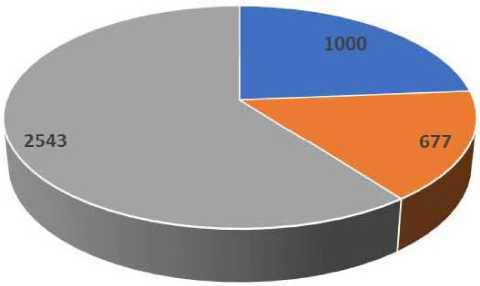
Рис. 1. Форма публикаций в журнале «Легкая атлетика» Fig. 1. Publication formats in “Legkaya Atletika” magazine
текст фото с подписью текст с фото или рисунком
На протяжении всего периода наблюдается устойчивое преобладание фактографических публикаций (рис. 2), которые составляют основу содержания. Этот нейтральный информационный подход сохраняет лидирующие позиции все время. Позитивные и положительные материалы с элементами критики демонстрируют волнообразную динамику. Проблемные публикации сохраняют значительное присутствие, особенно в ранний период (1955–1989 гг.), затем их количество постепенно снижается. Критические материалы проявляют интересную динамику – всплеск в 2009 г., после чего следует постепенное снижение. После 2017 г., несмотря на общее сокращение количества публикаций, сохраняется баланс между фактографическими и оценочными материалами. В 2022 г. наблюдается некоторое оживление в категориях положительных публикаций с элементами критики, а также проблемных материалов.
На протяжении всего периода действующие спортсмены остаются главными героями публикаций (рис. 3), составляя основу контента. Этот тренд подтверждает ориентацию спортивной журналистики на актуальные события и соревновательную деятельность. Тренеры занимают вторую позицию по частоте упоминаний, что подчеркивает признание их важнейшей роли в спортивной системе. Материалы о спортсменах, завершивших карьеру, демонстрируют рост с 2000-х гг., достигая пика в 2009 г. Это свидетельствует о развитии исторической составляющей спортивной журналистики и интересе к спортивному наследию. Чаще всего упоминаются как раз те спортсмены, которые были действующими в советское время, с участием которых были написаны статьи в предыдущие десятилетия. Судьи, врачи, болельщики и чиновники остаются на периферии внимания. С 2017 г. появляются нетипичные герои: представители антидопинговых агентств, исследователи, публикующие научные статьи по легкой атлетике, члены семей спортсменов.
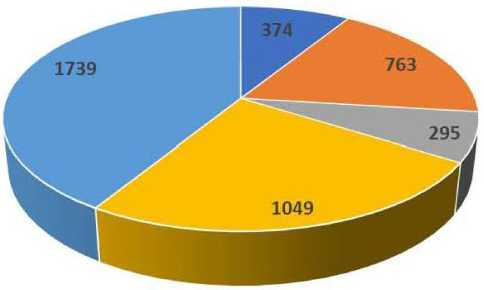
позитивный положительный с элементами критики критический проблемный фактографический
Рис. 2. Характер публикаций в журнале «Легкая атлетика» Fig. 2. Nature of publications in “Legkaya Atletika” magazine действующий спортсмен спортсмен, закончивший профессиональную карьеру тренер судья врач болельщик чиновник другой
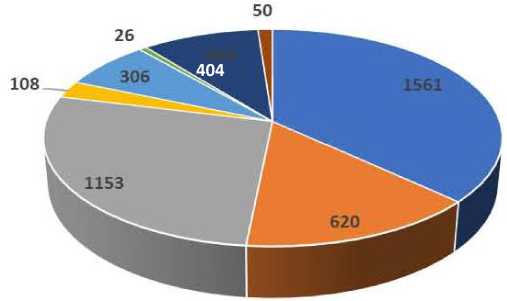
Рис. 3 . Герой публикаций в журнале «Легкая атлетика» Fig. 3. Protagonists in “Legkaya Atletika” magazine
Локальность материалов меняется в зависимости от периода издания «Легкой атлетики». В советское время следующий рейтинг: республики, входящие в состав СССР; коллектив; мир, другие страны. Изредка встречаются край, город, район, область, семья. В современный период – Россия, мир. Сейчас исчезла система коллективов: нет строгого разделения на «Динамо», «Трудовые резервы», «ЦСКА», «Крылья советов», и не проводятся соревнования между ними. В советское время это было обязательным, каждый спортсмен должен был принадлежать к определенному коллективу. Публикации о краях, областях, городах и районах демонстрируют относительную стабильность в течение долгого времени, но с 2010-х гг. наблюдается их постепенное сокращение, что свидетельствует об уменьшении внимания к локальной тематике.
Проведенный комплексный анализ жанрово-содержательной трансформации журнала «Легкая атлетика» за период с 1955 по 2022 г. позволяет констатировать системное преобразование издания, отражающее общие тенденции развития отечественной спортивной журналистики. За почти семидесятилетний период наблюдается последовательный регресс по всем ключевым параметрам – от содержательного наполнения до формальных характеристик.
Качественные изменения проявляются в радикальном упрощении жанровой палитры – от многообразия аналитических и методических форматов к доминированию кратких информационных сообщений. Тематика публикаций эволюционировала от технических вопросов подготовки спортсменов к более широкому освещению социальных аспектов спорта, сохраняя при этом традиционный интерес к соревновательной деятельности и анализу спортивных дисциплин. Упрощение рубрикации с многоуровневой системы, включавшей как методические разделы, так и дискуссионные и отражавшей ориентацию журнала на профессиональную аудиторию и стремление к диалогу с читателем, до базовых разделов и полного исчезновения рубрик к 2022 г. демонстрирует общую тенденцию к снижению качества и глубины контента, трансформацию специализированной информации в поверхностную информационную.
Изменение формы публикаций демонстрирует переход от текстоцентричной модели к визуально ориентированной. Сохранение лидирующих позиций за комбинированным форматом подтверждает, что синтез текста и изображения остается наиболее эффективным способом коммуникации в спортивной журналистике. Эволюция характера публикаций отражает движение от доминирования фактографических и проблемных материалов в середине XX в. к более сбалансированному сочетанию различных подходов в 2000-х гг., с последующей унификацией и сокращением разнообразия в современный период. Сохранение фактографического подхода как основного свидетельствует о важности объективной информации в спортивной журналистике. Изменение локальности материалов отражает исторические изменения государственного устройства и переориентацию информационной политики. От доминирования союзных республик в советский период произошел переход к фокусу на Российской Федерации с постепенным сокращением внимания к локальным темам. Современный период характеризуется сочетанием национального, международного и регионального уровней при минимальном освещении локальных сообществ.
Эволюция выбора героев отражает общую трансформацию спортивной журналистики – от развернутой системы персонажей к упрощенной модели с фокусом на ключевых действующих лицах. Сохранение приоритета действующих спортсменов и тренеров подтверждает ориентацию на актуальную спортивную повестку, тогда как сокращение внимания к другим категориям свидетельствует о специализации и оптимизации контента.
Современный журнал утратил преемственность с богатыми традициями советской спортивной журналистики и свою уникальную нишу спортивно-методического и аналитического издания для профессионального сообщества. В последние годы существования журнал представлял собой существенно упрощенную версию, сохранив название, но потеряв содержательную глубину и профессиональную значимость, что отражает общий кризис отраслевой спортивной прессы в России.
