
Cenotaphs in Roman Burial Practices in Anatolia
Journal: Brief Communications of the Institute of Archaeology @ksia-iaran
Section: Железный век и античность
Article in issue: 282, 2026.
Free access
This study aims to examine the architectural, epigraphic, and socio-cultural dimensions of cenotaph practices in Anatolia from the Roman Imperial period through the Byzantine era. Cenotaphs dedicated to prominent figures such as Gaius Caesar and Traianus were constructed with distinct architectural features, while two cenotaphs attributed to Germanicus have been reported, though their exact locations remain unidentified. Popular practices are represented through typological variations at necropoleis such as Magnesia on the Maeander, Aizanoi, Attaleia, and Juliapolis. In Perge, the term «cenotaph» became a widespread epigraphic expression, with individuals commissioning empty sarcophagi during their lifetime and inscribing the term on their tombstones. In the Uşak Kayağıl Necropolis, 33 cenotaphs dated to the Roman period illustrate the diffusion of this practice among the general population, highlighting a collective commemorative impulse within the social memory. During the Christian era, 13 cenotaphs recorded in Milas offer local examples of the tradition’s transformation. The Christian cenotaph tradition began with symbolic burials placed around Emperor Constantine’s actual tomb. These structures commemorated saints and martyrs whose remains were not present, marking the shift toward spiritual memorials in Christian architecture. Notable examples include those built for sacred figures at Church No. 3 in Olympos and the Balatlar Church in Sinop. Although formal distinctions exist between elite monuments and popular structures, no definitive architectural typology or widespread convention has yet been identified for cenotaphs in Anatolia.
Similar articles in the section Archaeology

Short address: https://sciup.org/143185737
IDS: 143185737 | DOI: 10.25681/IARAS.0130-2620.282.120-136
Кенотафы в римских погребальных обрядах Анатолии
Цель настоящего исследования состоит в изучении архитектурных, эпиграфических и социально-культурных особенностей практики сооружения кенотафов в Анатолии начиная с Римской империи и заканчивая византийским периодом. Кенотафы, посвященные таким выдающимся людям, как Гай Юлий Цезарь и Траян, имеют уникальные архитектурные особенности. Известно, что было сооружено два кенотафа в память о Германике, однако их точное местонахождение не установлено. Есть несколько типов кенотафов, самые популярные представлены в таких некрополях, как Магнезия на реке Меандр (современное название Мендерес), Айзаной, Атталея и Юлиополис. В г. Перге слово «кенотаф» широко использовалось в качестве эпиграфической надписи. Еще при жизни горожане заказывали для себя пустые саркофаги, при этом на надгробной плите высекалось слово «кенотаф». Такая надпись высечена на 33 кенотафах римского периода в некрополе Ушак Каягыл, что подтверждает распространение данной практики среди всех слоев населения и отражает коллективный импульс, побуждавший сохранять в социальной памяти воспоминания об умерших. Анализ 13 кенотафов в г. Миласе показывает, как с распространением христианства менялась и сама традиция. В христианский период первыми кенотафами стали символические захоронения вокруг реальной могилы императора Константина. Христианские кенотафы увековечивали память святых и мучеников, похороненных в других местах, что ознаменовало собой переход к созданию духовных мемориалов в христианской архитектуре. Ярким примером такой традиции являются мемориалы святым в церкви № 3 в Олимпосе и церкви Балатлар в Синопе. Хотя по формальным признакам памятники для элиты и для простого народа отличаются друг от друга, оптимальная архитектурная типология или общие правила классификации пока не разработаны.
Text of the scientific article Cenotaphs in Roman Burial Practices in Anatolia
This study explores burial customs in Anatolia from the Roman Imperial period through the Byzantine era, incorporating the spread of Christianity, with particular focus on the concept of the cenotaph. The term originates from the Ancient Greek word «kenotaphion» (κενοτάφιον), combining «kenos» (empty) and «taphos» (tomb),
thus signifying an «empty tomb» erected in memory of a deceased individual ( Beu Dachin et al ., 2018. P. 101; Pausanias . Description of Greece, 2.23.3; Xenophon . Anabasis. 6.4.9). Such symbolic constructions served as integral components of death cults and commemorative rituals ( Harris , 2006. P. 190).
In Ancient Greek society, cenotaphs were built to honor individuals who died in battle or whose bodies could not be recovered, ensuring their souls would not be left unclaimed in the afterlife ( Homer . Odyssey, I.291, IV.584). These monuments were often public and enabled ritual practices in service of the death cult ( Özünur et al. , 2022. P. 44). Occasionally, a large stone would symbolically represent the body of the deceased ( Kurtz, Boardman , 1971. P. 100). Cenotaphs were particularly significant for those lost at sea, whose remains could not be retrieved. Through these funerary rites, families sought both spiritual comfort for the deceased and social and religious closure for themselves ( Laubry , 2016. P. 83).
The concept of the cenotaph figures prominently in Ancient Greek literature. Euripides’ tragedy «Helen» portrays the symbolic burial of a man lost at sea ( Euripides . Helen, 1011–1020; Haussker , 2009. P. 26). Similarly, in the opening of Homer’s Odyssey, Athena advises Telemachus to construct a burial mound and perform funerary rites if he learns of his father’s death abroad ( Homer . Odyssey, 1.289–292). This tradition’s continuity is confirmed by the second-century author Chariton ( Chariton. Callirhoe, 4.1.3). Roman poet Vergil also underscores its literary significance in the «Aeneid», where such commemorative structures are often referred to as heroa, monuments dedicated to heroic figures ( Vergilius . Aeneid, 3.303–305; cf. 9.213–215).
By the late Roman Republic, commemorative monuments constructed in addition to actual tombs for prominent generals and statesmen began to serve not only as sites of memory but also as instruments of political representation ( Çetinkaya , 2011. P. 27). During the Roman Imperial period, cenotaphs built in Anatolia – particularly in relation to the concept of memoria – continued to commemorate distinguished individuals, reflecting both personal remembrance and imperial ideology.
With the spread of Christianity, Christian converts were tortured and executed under Roman rule. In Late Antiquity, however, martyrs came to be venerated as saints, becoming central themes in Christian literature. Their death narratives inspired early churches and ecclesiastical identity ( Mitchell , 2020. P. 23). In Carthage, as Ter-tullian emphasized in his «Apologeticum», «the blood of the martyrs is the seed of the Church» ( Tertullian. Apologeticum, 50). This theological framework shaped the Christian understanding of the cenotaph. In Anatolia, cenotaphs are generally encountered within church architecture, serving as spiritual memorials for saints and martyrs.
Cenotaphs in the Roman Imperial Period
Cenotaphs during the Roman Imperial period were initially constructed for high-ranking individuals and soldiers, but gradually evolved into a customary practice among civilians as well. The Roman jurist Florentinus, who lived in the late second century CE, conducted legal assessments concerning burial practices (Florentinus. Digest, 11.7.42). In Roman law, the legal status of cenotaphs and the question of their sacredness (res religiosae) remained subject to considerable debate (Laubry, 2016. P. 83). Ancient and modern legal commentators have proposed two distinct categories of cenotaphs in an effort to clarify this issue:
Cenotaph of Necessity ( Cenotaphium Necessitatis ): monuments erected in honor of individuals whose bodies could not be interred. These were typically built for soldiers who had died abroad and whose remains could not be repatriated.
Cenotaph of Memory ( Cenotaphium Memoriae ): supplementary monuments constructed alongside existing graves ( Ferreti , 2000; Ricci , 2006. P. 39, 40).
Despite the complexity of this legal discourse, scholars have suggested that cenotaphs located in public spaces or bearing symbolic and monumental significance could, within the Roman world, be granted the status of res religiosae (sacred places). This legal privilege distinguished them – albeit partially – from res publicae (public property). Their role in preserving collective memory justified their exclusion from private ownership and commercial circulation. Thus, these monuments served both commemorative and civic functions and were subject to legal protections ( Paturet , 2018).
The practice of translatio cadaveris (transportation of the body) was shaped by Roman legal regulations, but also constrained by practical and economic factors. Although Roman law emphasized funerary procedures and set specific rules for transferring human remains, the desire to be buried in one’s homeland was often unattainable due to distance and cost. This predicament fostered the construction of symbolic graves such as cenotaphs ( Novotnik , 2019). Within this framework, the Roman ritual of funus imaginarium (imaginary funeral) enabled families to conduct symbolic burial ceremonies for those whose bodies were absent. Through these rites, mourning could be completed and the memory of the deceased honored ( Carroll , 2009. P. 828; Laubry , 2016. P. 83).
After the Varus disaster in CE 9 at the Teutoburg Forest, the remains of Roman soldiers were collected by Germanicus in CE 15, and a burial mound was constructed ( Tacitus . Annals, 1.60–62). In Rome, the return of bodies from distant provinces was not limited to wealthy or civilian elites. When identification was possible, the families of fallen soldiers were sometimes able to repatriate remains independently. Roman funeral associations ( collegia ) contributed to burial expenses for both civilian and military members. However, such costs did not generally cover long-distance transportation of remains. There is no evidence that military burial funds provided for the repatriation of soldiers’ bodies. Even in cases where families never learned the fate of their loved ones, remembrance endured. From the third century onward, epitaphs commemorating lost soldiers ( desiderati ) became increasingly common ( Carroll , 2009. P. 825, 828).
Beyond soldiers, one of the most significant cenotaph examples in Rome was the monument dedicated to Julius Caesar. In Glanum, Gaul, around 30–20 BCE, the Iulii family erected a memorial celebrating their lineage. Yet, whether certain inscriptions genuinely indicate cenotaphs remains a matter of scholarly interpretation. Some tombstones are described as «cenotaph-like», and the presence of grave offerings often complicates their identification ( Novotnik , 2019). Nero Claudius Drusus, adopted son of Augustus, died in 9 BCE. Although his ashes were placed in Augustus’ mausoleum, Roman soldiers built the Drususstein monument in Mainz in his honor. This columnar structure functioned as a cenotaph and served as a site for annual commemorative rites ( Suetonius . Claudius, 1.3; Panter , 2007).
In modern terminology, structures identified as monumental tombs do not always correspond to Roman cenotaphs. Frischer has examined three commemorative complexes: the altar-column structure erected for Julius Caesar at the site of his cremation in the Roman Forum; the altar at Pisa dedicated to Lucius and Gaius Caesar; and the altar in Herculaneum dating to the first century CE, honoring M. Nonius Balbus following his state funeral. Inscriptions on these altars clarify their purpose and, in two of the three cases, indicate their specific function. These monuments were constructed publicly, as the commemorated individuals were regarded as parentes (ancestors) or patroni (protectors) of the state ( Suetonius. Caesar. 85; CIL; XI, 1420). Furthermore, they served as focal points for annual mourning ceremonies. Frischer contends that, strictly speaking, these structures should not be considered cenotaphs ( Frischer , 1984. P. 51, 52). Nonetheless, the term «cenotaph» remains contested in the scholarly literature. This study interprets symbolic tombs or commemorative monuments honoring the dead within the conceptual framework of the cenotaph.
Cenotaphs were by no means restricted to the city of Rome. In Anatolia, examples commissioned by both imperial authorities and private individuals have been examined under two distinct categories: imperial monuments and vernacular funerary traditions.
Imperial Cenotaphs
Cenotaphs constructed during the Roman Imperial period reflect the concept of memoria , commemorating not only the deceased but also embodying imperial ideology and cultural representation (Fig. 1). One of the earliest examples in Anatolia is the cenotaph of Gaius Caesar , grandson and adopted son of Augustus, designated heir to the Roman throne. Gaius died in Lycia’s Limyra in AD 4 upon returning from Armenia. Though his body was transported to Rome for interment in Augustus’ mausoleum ( Borchhardt , 2002), a cenotaph was built outside the Hellenistic city walls of Limyra to mark the place of his death ( Borchhardt , 1974).
Surviving remains indicate a structure with a square base of 16 × 16 meters. Its foundation consisted of rusticated stone blocks interlocked and arranged around an opus caementicium core (Fig. 2). The podium, also of opus caementicium , stood approximately 4.70 meters high. The monument included a recessed marble superstructure atop the square limestone foundation, clad in marble on its façade ( Ganzert , 1984. P. 66–100). Evidence recovered in 2003 supports this interpretation, including a marble pier with vegetal ornamentation ( Plattner , 2012. P. 258). The cenotaph was proposed to have had a pyramidal roof ( Borchhardt , 1974) (Fig. 3)1.
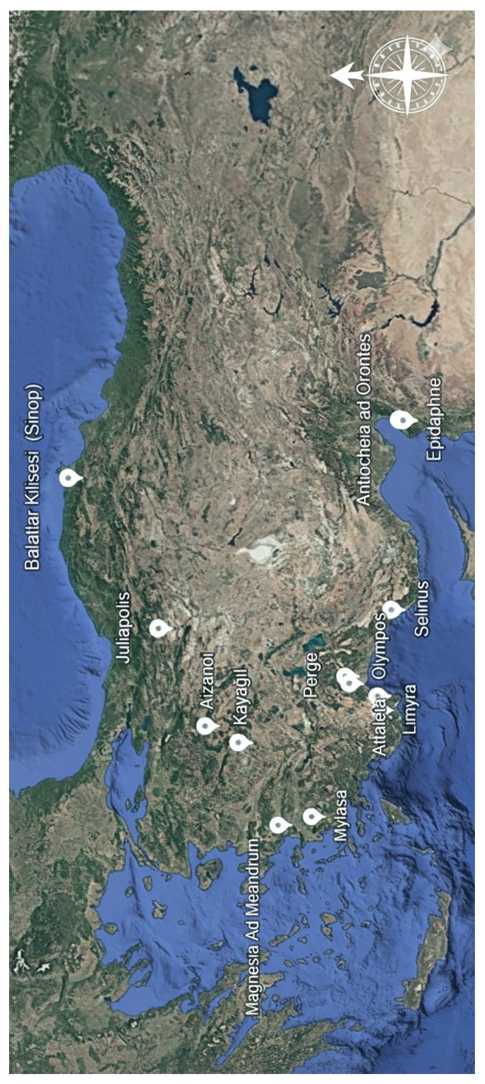
Fig. 1. The map shows the cenotaphs of Anatolia
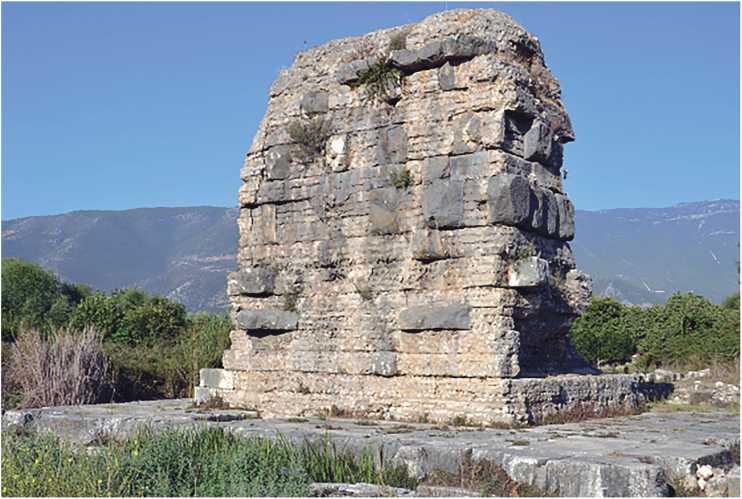
Fig. 2. The present condition of the Gaius Caesar Cenotaph in Limyra (vide: Prochaska et al. , 2014. P. 224)
Encircling the base of the podium was a frieze approximately 63 meters in length and 2.10 meters in height ( Prochaska et al. , 2014. P. 223). The southern frieze possibly depicts the transvectio equitum (equestrian parade) of 15 July 6 BC in Rome; the western frieze features Roman and Parthian figures that, though not depicted in combat, may allude to the peace agreement of AD 2. The northern frieze includes a chariot scene, interpreted either as a processus consularis , a victory celebration, or Gaius Caesar’s funeral procession ( pompa funebris ). The eastern frieze illustrates a grand sacrificial offering in typical Roman style ( Borchhardt , 2002). While these themes are characteristic of Roman Imperial art, they are rarely found in Asia Minor. Despite the Roman stylistic appearance, stylistic analysis suggests that the reliefs were executed by craftsmen of Asia Minor origin ( Töpfer , 2018. P. 49).
Another imperial cenotaph example is attributed to Germanicus , heir to the throne and prominent general, who died in AD 19 in Antioch on the Orontes ( Tacitus , Annals. 2.73). Two distinct commemorative structures are reported: a cenotaph erected in Antioch at the site of cremation, and a mound constructed at Epidaphne, transforming the location of death into a sacred space ( Cass. Dio , 57.18.1–10). No archaeological remains of these monuments survive.
Emperor Trajan (r. AD 98–117) died in Selinus en route back to Rome from his Parthian campaign. Coins from Selinus refer to him as «Traiano Selino» and depict a four-columned temple-like structure with a Zeus-like imperial figure. The first
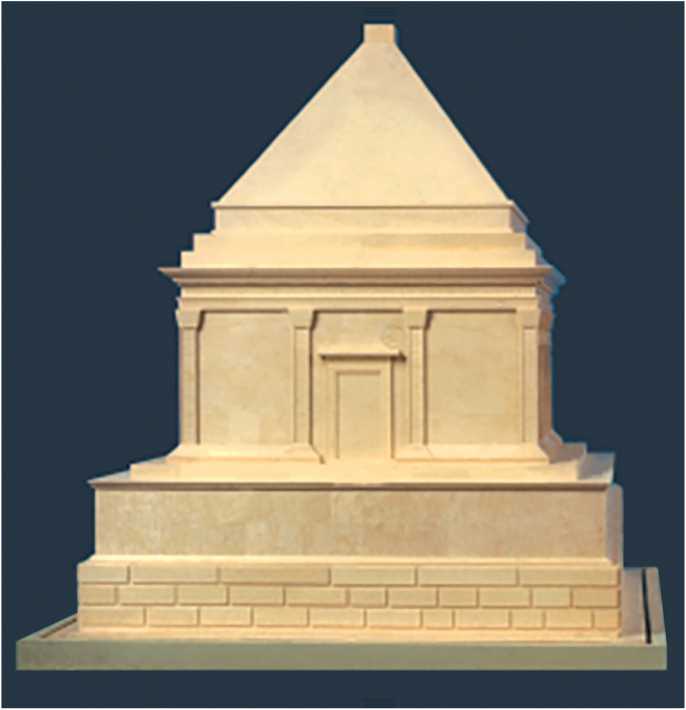
Fig. 3. Reconstruction model of the Cenotaph of Gaius Caesar in Limyra (vide: Prochaska et al. , 2014. P. 224)
scholar to mention a cenotaph in this city was Beaufort ( Beaufort , 1818. P. 188, 189). The structure, later known as Şekerhane Köşkü, also saw use in the Seljuk period ( Türkmen, Winterstein , 2009. P. 175). Excavations by the Alanya Museum in 2003 unearthed corner block foundations of a square chamber. The building was two-storied, with an upper level housing a naos and pronaos . A step provided access between sections, and a marble-paved naos was identified. A staircase of 16 steps connected the northwest corner to the lower level. A large moulded block in the southern wall functioned as a passageway to the second story. Numerous reused architectural elements confirm its Roman origin. Upper-story finds included several marble relief fragments depicting human figures. Both western and eastern facades featured plastered flooring approximately 3 meters wide. Inside, two nested rooms lacked windows, supporting the interpretation of a funerary function. The presence of a temenos enclosure further supports its identification as a cenotaph ( Karamut , 2005. P. 2, 3) (Fig. 4).
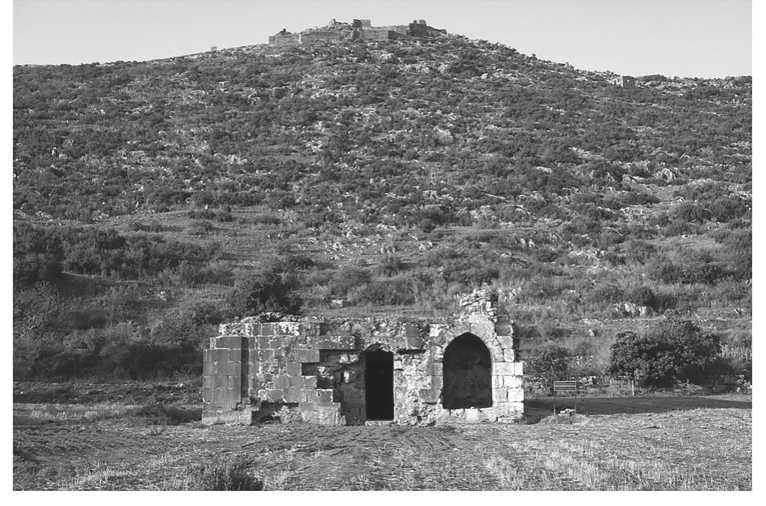
Fig. 4. Trajan cenotaph (vide: Winterstein , 2013. P. 158)
Recent investigations confirm dimensions of approximately 14 × 22 meters. Reconstruction revealed a tetrastyle prostyle plan, with paired columns at the corners and sides in Corinthian order, rising atop a substantial podium. While its temple-like appearance does not inherently contradict its function as a cenotaph ( Winterstein , 2013. P. 172), Hoff’s 2016 study posits the structure as a cult temple dedicated to Trajan rather than a funerary monument ( Hoff , 2016). Nevertheless, the building is treated as a cenotaph within the scope of this analysis.
These commemorative monuments dedicated to figures such as Gaius Caesar, Germanicus, and Emperor Trajan across Anatolia not only manifest the evolving funerary practices of different imperial periods but also demonstrate the ideological and architectural expressions of Roman imperial cults. As monumental tombs became more prevalent in the Roman Empire, structures like Şekerhane Köşkü illustrate both collective and individual commemorative traditions and underscore the architectural and cultural diversity of the era.
Cenotaph Practices among the General Population
Cenotaphs have been identified in cities dating back to the Roman Imperial Period in Anatolia. However, inscriptions discovered in the Pamphylia region, specifically in the necropolis of Perge, explicitly refer to the term cenotaph . Outside of Pamp-hylia, the use of this terminology appears only sporadically. Scholars have suggested that this phenomenon may be associated with the inhumation burial practice or
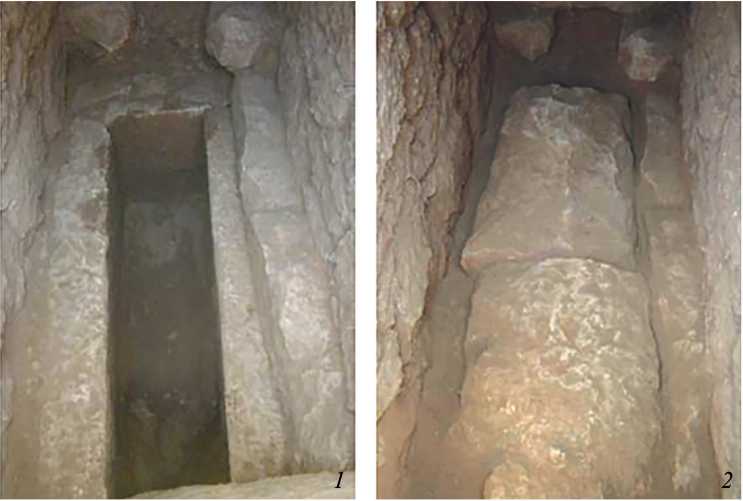
Fig. 5. Magnesia ad Meandrum cenotaph (vide: Koçak , 2013. I/J Plate LIII. Fig. 82)
the inclusion of the deceased’s portrait within the tomb ( Mansel, Akarca , 1949. P. 8; Yılmaz , 2016. P. 263).
In another Pamphylian city, Attaleia, tomb inscriptions frequently contain architectural terms such as heroon and cenotaphion . These inscriptions, dated between the I and III centuries CE, are present in considerable numbers ( Varkıvanç, Kökmen , 2011. P. 225). Yet, it remains unclear whether the term c enotaphion in these texts denotes a symbolic tomb or reflects a structural classification. For instance, although six skeletons were found in a grave dated to the early III century CE during the 2016 excavations in Perge, the tombstone bears the term cenotaphion ( Yılmaz , 2016. P. 263). This inscription may indicate that individuals commissioned their sarcophagi prior to death. Similar examples are also documented in Rome ( Toynbee , 1971. P. 76; Soylu Yılmaz , 2021).
Excavations in the western necropolis of Magnesia ad Meandrum uncovered a double-layered sarcophagus. While human remains were discovered in the upper section, no skeletal remains were found in the lower compartment (Fig. 5: 1 ). This suggests that the lower level may have functioned as a cenotaph. Artifacts recovered from the upper tomb chamber (Fig. 5: 2 ) – such as an amphoriskos and a strigil – are believed to have been used by athletes. Based on architectural and archaeological data, the tomb is interpreted as a cenotaph dated to the II–III centuries CE ( Koçak , 2013. P. 49, 50).
Another striking example of cenotaphic practice is observed at the ancient city of Aizanoi. Tomb 1, located in trench D9J, featured an empty sarcophagus and
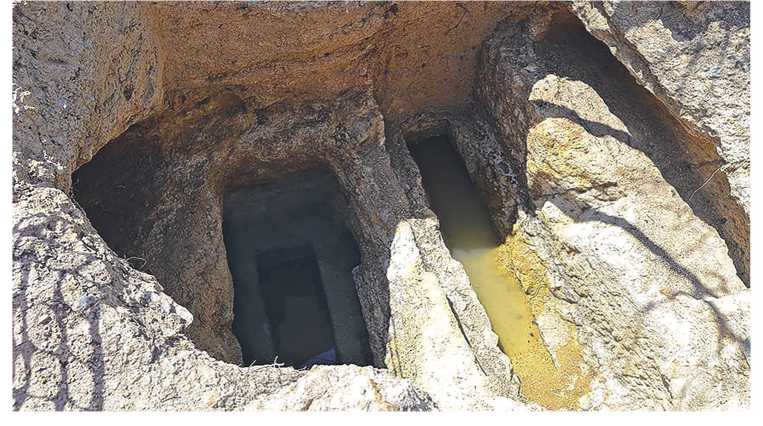
Fig. 6. Cenotaph Tombs from Kayaağıl, Uşak (vide: Uşak’ın 2 bin yıllık…)
associated grave arrangements, identifying the site as a cenotaph. The eagle and ka-lathos motifs carved into the lid, along with oil lamps positioned at the east and west ends of the tomb, indicate a ceremonial function. Additionally, features such as exterior spatial arrangements and nail placements carry symbolic meaning, further reinforcing the site’s alignment with Roman cenotaph practices ( Özer , 2018. P. 212, 213).
A singular example of a cenotaph has been uncovered in the Juliopolis necropolis, located in Nallıhan, Ankara Province. The tomb, dated to the I–III centuries CE, lacked skeletal remains, but contained a Charon coin . According to ancient belief, without a burial ritual, the soul could not find peace nor reach Hades, the underworld. Consequently, even in the absence of a corpse, a ceremony was conducted and the coin was placed to ensure the soul’s journey ( Arslan et al. , 2012. P. 171).
Popular mani (festations of the practice are evident in the Kayağıl Necropolis near Uşak. Dated to the Roman and post-Roman periods, this necropolis comprises simple earthen burials and rock-cut tomb complexes identified during surface surveys ( Dinç et al ., 2016. P. 526). The majority of the 33 tombs lacked human remains. These graves are interpreted as symbolic cenotaphs erected by the populace in memory of loved ones lost in battle (Uşak’ta arkeologları…; Uşak’ın 2 bin yıllık… (Fig. 6). This assessment suggests that the concept of symbolic tombs may have extended beyond elite contexts into broader public commemorative culture.
In conclusion, the practice of cenotaph construction in Roman Imperial Anatolia manifested across both elite and popular contexts, varying in form and symbolism. Architectural configurations, epigraphic records, and funerary rituals all reveal how this commemorative phenomenon diversified across regions. Initially rooted in Pagan Roman tradition, the cenotaph underwent transformation with the spread of Christianity – a process essential to understanding cultural continuity from antiquity to present belief systems.
Cenotaphs in the Christian Tradition
In Christian tradition, a cenotaph is a symbolic tomb built to honor the memory of saints or martyrs, yet it contains no physical remains. The origin of this practice may be traced to the Christian belief surrounding the empty tomb of Jesus ( Evcim , 2023. P. 294). According to the Gospel accounts, following the resurrection of Jesus, the scene of the empty tomb was witnessed by myrrh-bearing women, and this ico-nographic theme became a frequent subject in early Christian church art ( Öncelen , 2023; Matthew. 27:57–66; Mark. 15:44–47; Luke. 23:50–56; John. 20:1–2). In this context, the «empty tomb» is not a symbolic structure representing absence, but a real grave that once housed a body and is now vacated ( Bolt , 1996. P. 33).
The significance of the empty tomb extends beyond iconography to architectural and sacred spatial meanings. Within this framework, the distinction between structures dedicated to martyrs and cenotaphs becomes important. In Christian theology, the term martyr is directly linked to the cult of martyrdom; hence, the concepts of «martyr» and «cenotaph» diverge. Martyrs were commemorated by sacred buildings known as martyria , constructed over their tombs, or their relics were removed and placed beneath the altars of basilicas ( Sharafeldean , 2025. P. 135; Bilir , 2020). In contrast, cenotaphs do not contain bodily remains. During the early Christian period, it was common to construct cenotaphs at locations associated with the life or death of martyred Christians. As this practice spread, churches began to function not only as places of worship but also as memorial and funerary monuments.
In Christian burial tradition, churches served as monumental structures preserving sacred memory beyond their role as liturgical venues. These buildings shaped communal religious experience both through ritual practice and their conceptualization as holy spaces. From the late IV century CE, increasing veneration of martyrs and saints played a decisive role in the development of iconographic programs. During this period, relics were frequently removed from their original burial sites and reinterred beneath altars in local churches. These churches were often named after the saint and decorated with apsidal mosaics depicting the saint in communion with Christ – emphasizing the theological significance of the practice. From the V century onward, churches that housed mausoleums or burials within urban contexts gained importance not only as custodians of martyr remains but also as religious centers that housed the actual tombs or monumental commemorations of bishops ( Evcim , 2023. P. 299, 303). These developments were pivotal in shaping both the martyria tradition and the relationship between cenotaphs and sacred architecture.
The theological underpinnings of the cenotaph tradition found expression in the literary sources of Antiquity. In « Vita Constantini» Eusebius describes the construction of a church over Jesus’s burial site in Jerusalem not merely as a grave, but as a terrestrial symbol of the resurrection miracle ( Eusebius . Vita Constantini , IV.40–47). This account focuses not on physical remains, but on the spatial materialization of faith and sacred memory, showing how the classical Roman concept of memoria took on ceno-taphic meanings within Christianity.
One of the earliest cenotaph examples within a church setting is found in the Church of the Holy Apostles ( Havariyyun ) in Constantinople, where Constantine’s mausoleum was located. The mausoleum featured sarcophagi or sculptural tombs
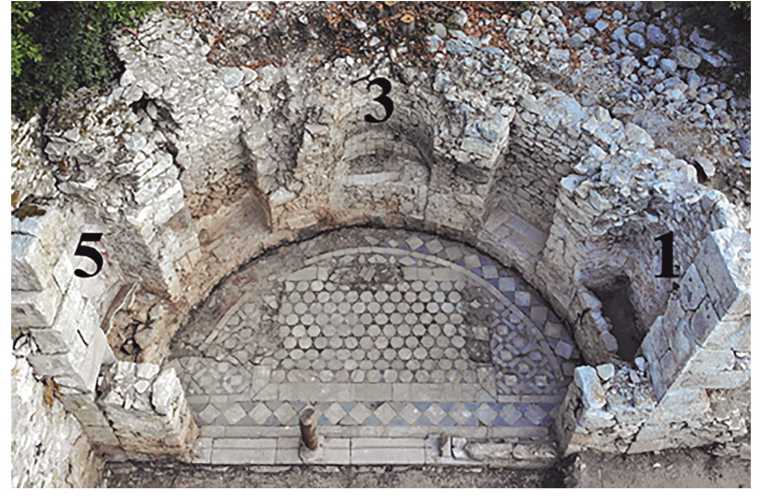
Fig. 7. Olympos. No. 3 Church Exedra Cenotaph (vide: Uçkan Olçay et al. , 2022. P. 21)
1, 3, 5 – arched niches symbolically dedicated to the twelve apostles. These are among the earliest cenotaphic representations in Christian architecture (Özyurt, Kara Pilehvarian, 2018. P. 155). Constantine’s commissioning of this structure marked a significant moment, symbolizing both the continuity of Roman heritage and the rising status of Christianity.
Constantine’s capital-based building efforts found varied expressions in Anatolian Byzantine churches. For example, Church No. 3 at the ancient city of Olym-pos was constructed in a three-naved basilical plan characteristic of the Early Byzantine period. On the church’s northern façade, an exedra from an earlier building phase contains three arched niches, mimicking arkosolium -type tombs. These tombs lack human remains and are interpreted as cenotaphs. Mosaic analyses show the church was built between the late V and early VI centuries and was abandoned by the VII century. While it remains uncertain whether these structures were genuine martyria , the tombs are considered cenotaphs within the context of Church No. 3 at Olympos ( Uçkan Olcay et al ., 2022. P. 422; Uçkan Olcay, Evcim , 2021) (Fig. 7).
A similar example has been documented at the Church of Balatlar in Sinop. During excavations, a rectangular flat stone used as a tomb cover revealed a surface – etched figure – interpreted as a cross symbolizing Christ crucified on Golgotha. Though faint, this image aligns with early Christian symbolism. Balatlar’s origins date to the Roman period, and the structure was later converted into a church with changing functions ( Soylu Yılmaz , 2021. P. 237, 238).
The diversity of cenotaph practices in the Byzantine era is further supported by archaeological data from Muğla – Milas. Excavations conducted in 2014 within the YEAŞ-YLI coal mining region focused on the documentation, registration, and conservation of cultural heritage at the Belentepe Settlement and Necropolis, as well as the Hüsamlar Archaeological Protection Zone. Within grid 14DRNC/16-H, part of a mosaic-paved courtyard was identified as necropolis. Of 15 tombs from the Late Byzantine period, 13 were identified as cenotaphs ( Savran, Ertük , 2016. P. 547).
The cenotaph in Olympos reflects the formal imitation of arkosolium -type tombs and is associated with commemorative traditions of the early Christian period. At Balatlar, the cenotaph honored a person who died far from Sinop, demonstrating how regional belief systems shaped funerary commemoration. Excavations in Milas confirm the widespread use of cenotaphs in Late Byzantine necropoleis, validating the presence of symbolic tombs. These archaeological findings are crucial for understanding how cenotaphs functioned monumentally and ritually – shedding light on the religious and social structures of the time.
Collectively, these examples show that cenotaphs in Christianity played an important role in honoring the memory of those lost or distant, expressing reverence toward sacred figures, and reinforcing the sanctity of religious centers.
Conclusion
Funerary practices in Anatolia evolved around the concept of the cenotaph, spanning from the Roman Imperial period through Byzantium and into the Christian tradition. These symbolic structures – meaning «empty tombs» – played an essential role in preserving individual memory, facilitating the soul’s peaceful passage to the afterlife, and enabling ritual commemoration. The Roman notions of memoria and sacredness found continuity in Christian beliefs through the cults of martyrs and saints.
Cenotaphs were constructed not only for imperial figures or prominent individuals but also by ordinary people. Notable examples from the imperial period include the cenotaph of Gaius Caesar at Limyra and that of Emperor Trajan at Selinus (Şe-kerhane Köşkü). The monumental podium and friezes of Gaius Caesar’s cenotaph emphasize his achievements and public legacy, while Trajan’s cenotaph stands out with its architectural features – although scholarly debate persists over whether it was truly a cenotaph or a cult temple, it is treated as a cenotaph in this study. Data regarding the cenotaphs dedicated to Germanicus at Antiocheia ad Orontes and Epidaphne remain limited.
Cenotaph practices also became widespread among the general population. In the necropolis of Perge, funerary inscriptions demonstrate the terminological adoption of the term «cenotaph». Many tombstones bearing this term from Attaleia’s necropolis are housed in the Antalya Museum. Examples such as the double-tiered sarcophagus at Magnesia ad Maeandrum, the cenotaph-like sarcophagus at Aizanoi, and the cenotaph in Juliopolis containing a Charon coin all reflect the diversity of individual and symbolic burial rituals. The Kayağıl Necropolis in Uşak, where 33 symbolic graves were documented, is a rare communal cenotaph zone, likely constructed by local people to memorialize loved ones who died far away.
In the Christian era, the cenotaph tradition continued through emblematic examples such as Jesus’s empty tomb and the symbolic graves situated near Constantine’s mausoleum. Within Christian theology, the notions of memoria and sacredness were often sustained through church architecture. Structures like Church No. 3 at Olympos and the Balatlar Church in Sinop contain cenotaphs dating to the Christian period. Additionally, a necropolis in Muğla revealed 13 cenotaph-like tombs from the Christian era.
While there is no fixed typology among Roman-period cenotaphs in Anatolia, it is evident that each region developed its own architectural practices and symbolic forms. This diversity also extended into Christian church architecture. Over time, cenotaphs evolved from singular, personal commemorations into broader communal traditions, as represented by multiple cenotaphs in various Anatolian contexts. Cenotaph finds exhibit regional and chronological variations in terms of both material culture and religious symbolism – ranging from inscriptions commemorating the deceased to coins deposited for the soul’s journey, and from empty tombs to Christian symbols such as the cross.
In sum, cenotaph practices in Anatolia manifested in varying forms across elite tomb architecture and popular commemorative monuments. Architectural arrangements, inscribed records, and symbolic burial rituals collectively reveal the multifaceted nature of this tradition across regions. Originating in pagan Roman funerary commemorations, the cenotaph underwent significant transformation with the rise of Christianity, contributing to a continuum that stretches from antiquity into modern belief systems.
