
Цифровизация как фактор развития экономических систем при логистическом управлении IT-ресурсами
Журнал: Региональная экономика. Юг России @re-volsu
Рубрика: Фундаментальные исследования пространственной экономики
Статья в выпуске: 2 т.14, 2026 года.
Бесплатный доступ
Цифровая экономика является одним из основных драйверов, стимулирующих экономический рост в стране, меняя не только традиционные методологические основы, но и облик, структуру экономики каждого региона. Внедрение современных технологий во все экономические процессы и циклы, включая производство, распределение, обмен и потребление, трансформирует бизнес-модели, что, в свою очередь, приводит к появлению новой фундаментальной основы для развития бизнеса и общества. Целью данной работы является исследование роли цифровизации как фактора развития экономических систем при управлении IT-ресурсами в контексте логистики их распределения. В статье проведен анализ макроэкономических показателей и уровня цифровизации отраслей, по результатам которого выявлена положительная динамика цифровой трансформации национальной экономики. Методологическую основу исследования составили системный подход, методы экономико-статистической обработки данных. Результаты: в работе представлен рейтинг регионов по уровню цифровизации, оценены цифровые компоненты каждого субъекта, обозначена существенная региональная неравномерность уровня цифровой зрелости субъектов Российской Федерации. Несмотря на увеличение инвестиций и высокий уровень распространения базовых цифровых решений в отраслях народного хозяйства, внедрение более сложных наукоемких технологий остается ограниченным из-за необходимости крупных финансовых вложений и дефицита высококвалифицированных кадров в IT-сфере. В заключение подчеркивается необходимость проведения дифференцированной государственной политики для выравнивания цифрового развития субъектов Российской Федерации с учетом региональных особенностей, повышения уровня цифровой грамотности и широкого использования цифровых инструментов как ключевого условия достижения национальной цели по цифровой трансформации экономики и социальной сферы к 2030 году. Вклад авторов. Н.В. Спешилова – формулирование научной проблемы и цели исследования, разработка методологического подхода к оценке влияния цифровизации на развитие экономических систем, подбор инструментария; Е.В. Чмышенко – определение структуры работы, анализ и оценка динамики статистических показателей, обобщение результатов исследования и формулирование рекомендаций по достижению долгосрочных макроэкономических эффектов; Ю.А. Олейник – подбор научной литературы, поиск и формирование базы фактических статистических данных, характеризующих развитие цифровой экономики в России, а также визуальное представление информации.
Короткий адрес: https://sciup.org/149151820
IDS: 149151820 | УДК: 330:004 | DOI: 10.15688/re.volsu.2026.2.4
Digitalization as a Factor in the Development of Economic Systems in Logistics Management of IT Resources
The digital economy is one of the main drivers stimulating economic growth in the country, changing not only the traditional methodological foundations but also the appearance and structure of the economy of each region. The introduction of modern technologies into all economic processes and cycles, including production, distribution, exchange, and consumption, transforms business models, which, in turn, leads to the emergence of a new fundamental basis for the development of business and society. The purpose of this paper is to study the role of digitalization as a factor in the development of economic systems in the management of IT resources in the context of logistics for their distribution. The article analyzes macroeconomic indicators and the level of digitalization of sectors, which revealed the positive dynamics of the digital transformation of the national economy. The methodological basis of the study was a systematic approach: methods of economic and statistical data processing. Results are as follows: the paper presents a ranking of regions by the level of digitalization, evaluates the digital components of each region, and identifies a significant regional unevenness in the level of digital maturity of the federal entities of the Russian Federation. Despite increased investments and a high level of dissemination of basic digital solutions in the sectors of the national economy, the introduction of more complex knowledge-intensive technologies remains limited due to the need for large financial investments and a shortage of highly qualified personnel in the IT sector. In conclusion, the need for a differentiated state policy to align the digital development of the regions of the Russian Federation is emphasized, taking into account regional peculiarities and increasing the level of digital literacy and the widespread use of digital tools as a key condition for the achievement of the national goal of digital transformation of the economy and social sphere by 2030. Authors’ contribution. N.V. Speshilova – formulation of a scientific problem and research objectives, development of a methodological approach to assessing the impact of digitalization on the development of economic systems, selection of tools; E.V. Chmyshenko – structure development of the paper, analysis and dynamics evaluation of statistical indicators, summarizing research results, and formulating recommendations for achievement of long-term macroeconomic effects. Yu.A. Oleynik – selection of scientific literature, search and formation of a database of factual statistical data characterizing the development of the digital economy in Russia, as well as visual representation of information.
Текст научной статьи Цифровизация как фактор развития экономических систем при логистическом управлении IT-ресурсами
DOI:
В настоящее время цифровая экономика является одной из основных движущих сил, стимулирующих развитие как отдельного предприятия, региона, так и страны в целом, поскольку элементы цифровой экономики позволяют качественно изменять бизнес-процессы хозяйствующих субъектов, государственное управление и по- вседневную жизнь граждан. Однако ее развитие в региональном разрезе происходит неравномерно – одни субъекты демонстрируют стремительное цифровое развитие, другие сталкиваются с инфраструктурными и кадровыми проблемами. Цифровая экономика включает в себя различные элементы, связанные с цифровой инфраструктурой, ресурсами, технологиями, нормативно-правовой базой и др.
Важным фактором развития цифровой экономики является цифровизация, которая предполагает системный процесс перевода рабочих процессов из аналоговой формы в цифровую, сопровождающийся внедрением современных технологий для оптимизации деятельности. Цифровизация является основной предпосылкой цифровой трансформации внутренних процессов через призму цифровых возможностей, что меняет саму логику функционирования субъекта.
В РФ процесс цифровизации территорий реализовался в рамках национальной программы «Цифровая экономика» и федеральных проектов «Цифровая экономика субъектов РФ», «Информационная инфраструктура», «Цифровое государственное управление» и других, которые направлены на формирование единого цифрового пространства, обеспечение равного доступа регионов к цифровым технологиям, развитие цифровой инфраструктуры [Петрова, Усачева, 2025]. По данным исследования цифрового развития ключевых отраслей экономики интегральный индекс цифровизации в 2024 г. составил 37,9 %. На рисунке 1 представлены лидирующие отрасли в области цифровизации.
Не менее важным условием является грамотное и эффективное управление IT-ресурсами, которое представляет собой сложную задачу, поскольку процесс цифровизации сталкивается с различными проблемами, такими как лицензирование, дефицит кадров, отсутствие стандартов, финансовые ограничения и др. Логистические принципы управления в этом отношении играют существенную роль, регулируя обеспечивающие ресурсные потоки между территориями.
Данные цифровой экономики РФ
Чтобы системно оценить эффективность, масштабы и динамику цифровизации в России, необходимо прежде всего обратиться к базовым макропоказателям, отражающим вклад цифровой экономики в создание валовой добавленной стоимости, уровень инвестиций в создание, развитие, эксплуатацию или использование информационно-коммуникационных технологий (далее – ИКТ), кадровый потенциал сектора и развитие ключевых цифровых сервисов и инфраструктур. В таблице 1 представлены основные

Рис. 1. Лидирующие отрасли в области цифровизации, % Примечание. Составлено по: [Пульс цифровизации ... , 2024].
Таблица 1
Динамика основных показателей цифровой экономики в РФ за 2020–2024 годы
|
Показатель |
2020 г. |
2021 г. |
2022 г. |
2023 г. |
2024 г. |
Темп роста 2024 г. к 2020 г., % |
|
Доля валовых внутренних затрат на развитие цифровой экономики в ВВП, % |
3,8 |
3,6 |
3,3 |
3,1 |
3,3 |
–0,5 п.п. |
|
ВВП в текущих ценах, млрд руб. |
107 315,3 |
130 795,3 |
171 041 |
176 413,6 |
200 039,5 |
186,4 |
|
Валовые внутренние затраты на развитие цифровой экономики, млрд руб. |
4 063 |
4 848 |
5 161 |
5 471 |
6 673 |
164,2 |
|
Расходы на ИКТ, млрд руб. |
225,1 |
205,1 |
271,6 |
263,8 |
311,9 |
138,6 |
|
Численность специалистов по ИКТ, тыс. чел. |
1 764,6 |
1 756,4 |
1 931,7 |
1 991,6 |
2 205,9 |
125,0 |
|
Объем рынка инфраструктурных облачных сервисов, млрд руб. |
40,1 |
61,9 |
90,7 |
121,5 |
165,6 |
413,0 |
|
Объем рынка IoT, млрд руб. |
135,0 |
149,0 |
137,0 |
158,0 |
225,0 |
166,7 |
|
Доля продаж через Интернет в общем объеме розничного товарооборота, % |
3,9 |
5,1 |
6,0 |
11,3 |
15,2 |
11,3 п.п. |
Примечание. Составлено по: [Абдрахманова и др., 2026; Социально-экономическое положение ... , 2022; 2023; 2025; Торговля в России ... , 2025; CNews Analytics ... , 2025; Российский рынок ... , 2025; Интернет вещей, IoT ... , 2025; Абашкин и др., 2026].
показатели, отражающие общее состояние и динамику цифровой экономики в РФ за последние пять лет.
Согласно данным таблицы 1, доля валовых внутренних затрат на развитие цифровой экономики в ВВП на протяжении последних пяти лет находилась в диапазоне от 3,1 до 3,8 % и за этот же период сократилась на 0,5 п.п., что обусловлено более быстрыми темпами роста ВВП относительно валовых внутренних затрат на развитие цифровой экономики (прирост ВВП за 2022– 2024 гг. составил 86,4 %, а прирост внутренних затрат на развитие цифровой экономики – 64,2 %). Каждая пятая крупная и средняя компания страны использует цифровые платформы и облачные сервисы.
Среди субъектов малого бизнеса данные цифровые инструменты также широко распространены – 2/3 малых предприятий РФ применяют цифровые платформы, а каждый пятый представитель малого бизнеса использует облачные сервисы [Шипы и тернии ... , 2026]. Расходы на ИКТ показали рост за 2020–2024 гг. на 38,6 %, что связано с масштабным переходом на российские облачные сервисы и онлайн-платформы (с 01.01.2025 начал действовать запрет на использование зарубежного программного обеспечения на критически важных объектах, поэтому в 2024 г. более половины компаний произвели замену используемых зарубежных программных решений отечественными аналогами), увеличением количества предприятий, внедривших шифрование для защиты данных от кибератак, количество которых вырос- ло в 2024 г. на 25 % относительно прошлого года, а также более активной интеграцией и использованием искусственного интеллекта в деятельности предприятий ввиду увеличения его вычислительной мощности, универсальности и аналитичности. Это потребовало дополнительных инвестиций. В целом по многим отраслям наблюдается рост инвестиций в цифровизацию в 2024 г. по сравнению с 2023 г. (рис. 2), особенно в нефтегазовой, машиностроении и фармацевтике, однако сущет-свуют и отрицательные значения.
Численность специалистов по ИКТ демонстрирует рост на 25 % за рассматриваемый период. Основным фактором увеличения показателя выступает государственная поддержка, которая предоставляется в форме льгот для IT-компаний; образовательных программ переподготовки специалистов из смежных сфер, а также частичной репатриации IT-специалистов; политики импортозамещения, стимулирующей спрос на экспертов (владеющих отечественными и Open Sourсe решениями) и конкурентоспособный уровень зарплат в отрасли. Тем не менее руководители многих IT-компаний отмечают кадровую проблему, поскольку большинство существующих IT-специалистов не имеют глубоких знаний, то есть их квалификации недостаточно для работы с прорывными технологиями.
В свою очередь, объем рынка инфраструктурных облачных сервисов за последние пять лет вырос более чем в четыре раза. На это также оказал влияние уход из России западных вендоров, который вызвал необходимость массового
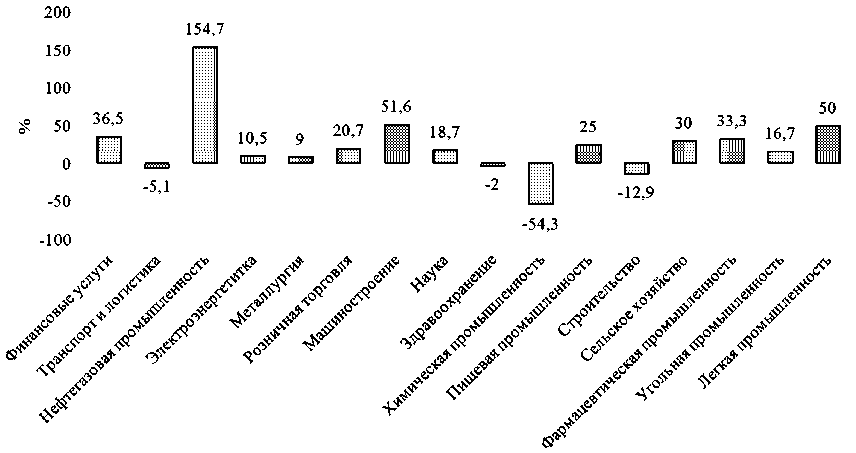
Рис. 2. Размер инвестиций в цифровизацию в 2024 г., % Примечание. Составлено по: [Пульс цифровизации ... , 2024].
замещения программного обеспечения, для производства которого нужны облачные сервисы и инфраструктура. Последние помогают частично компенсировать дефицит IT-специалистов, так как они позволяют компаниям запускать проекты быстрее и получать круглосуточную поддержку от высококвалифицированных специалистов без необходимости содержать собственный штат высококвалифицированных работников.
Более активное внедрение искусственного интеллекта в деятельность предприятий стимулирует спрос на аренду серверов с графическими ускорителями, которые используются для создания моделей генеративного искусственного интеллекта. Объем рынка Интернета вещей показал рост на 66,7 %, с 135 до 225 млрд руб. за 2020–2024 гг., что обусловлено увеличением количества подключенных устройств в сетях IoT в России и привлекательностью IoT-технологий, так как 97 % опрошенных компаний (по данным аналитического агентства ORO) удовлетворены внедрением IoT – они сокращают расходы на электроэнергию и персонал на 12–21 %, а средний срок окупаемости составляет 1,8 года [Никифоров, 2024].
Доля продаж через Интернет в общем объеме розничного товарооборота выросла за пятилетний период с 3,9 до 15,2 %, что связано с системным характером цифровизации розничной торговли в России. Онлайн-каналы продаж не просто растут сами по себе, а последовательно увеличивают свою долю в общем розничном обороте, вытесняя или дополняя традиционные форматы торговли. Основными факторами активного роста электронной коммерции являются: изменение потребительских привычек, развитие инфраструктуры маркетплейсов и перестройка торговых цепочек на фоне санкционного давления, благодаря которому маркетплей-сы стали важным каналом дистрибуции. Исходя из исследования, проведенного Передовой инженерной школой, в 2024 г. самым популярным цифровым решением среди российских предприятий стал электронный документооборот (далее – СЭД), он внедрен в 216,7 тыс. обследованных предприятиях.
Практически 157 тыс. организаций имеют вебсайты, а 143 тыс. организаций используют электронный обмен данными. Остальные виды цифровых технологий пока мало распространены, главным образом, из-за отсутствия квалифицированных кадров. Так, промышленные роботы и автоматизированные линии внедрены в 7 056 обследованных организациях, аддитивные технологии есть у 4 404 организаций, а цифровые двойники имеют только 3 554 российских организации [Использование цифровых технологий ... , 2025].
Из приведенных данных можно сделать вывод, что с ростом наукоемкости технологии сокращается круг компаний, способных внедрять ее с должной степенью эффективности. На практике бизнес чаще выбирает проверенные цифровые решения системы коммуникации, электронного документооборота и сетевого взаимодействия, дающие стабильный эффект. В то же время внедрение передовых цифровых технологий остается ограниченным из-за необходимости крупных финансовых вложений и дефицита квалифицированных кадров. Это приводит к возникновению цифрового разрыва: базовые технологии распространяются повсеместно, в то время как инновационные решения внедряются лишь фрагментарно, демонстрируя неоднородность процесса цифровой трансформации, что требует реализации принципов и подходов логистического управления. В отраслях промышленности также наблюдается неравномерность внедрения и использования цифровых решений (см. рис. 3).
Технологии больших данных для основных производственных и бизнес-процессов применяют 68,9 % предприятий, 14,6 % – используют платные облачные сервисы (основная доля приходится на ритейлы, здравоохранение и финансовые организации). Применение программных систем в 2024 г. представлено на рисунке 4.
Из рисунка 4 видно, что помимо СЭД, информационная безопасность (далее – ИБ) в последние годы стала критически важным элементом ведения бизнеса. Расходы российских компаний на ИБ и управление рисками в 2025 г. по сравнению с 2024 г. выросли на 29 %, а по сравнению с 2023 г. на 84 %. Цифровизация закупок также приобретает особое значение для обеспечения стабильности, снижения затрат и рисков в условиях турбулентности среды.
Инфраструктурные показатели цифровой экономики представлены в таблице 2.
Как видно из данных таблицы 2, доля численности домохозяйств, имеющих доступ в Интернет, увеличилась с 80 до 90,4 %. Из них доля населения, которое имеет широкополосный доступ, выросла с 77 до 89,8 % за пять лет. Соответственно, по данным на 2024 г. только 0,6 % пользуются Интернетом со скоростью соединения ниже 256 Кбит/с. 89,8 % населения имеют до- ступ по любой из технологий, который обеспечивает подключение к глоабльной сети со скоростью выше 256 Кбит/с.
Благодаря этому появилась возможность удаленно работать или учиться, проводить видеоконференции, смотреть фильмы в высоком качестве, пользоваться государственными и коммерческими сервисами и т. д. При этом в отдельных регионах доля численности домохозяйств, имеющих широкополосный доступ в Интернет превышает 98 % (республика Татарстан, ЯНАО), а некоторые регионы заметно отстают от общероссийского показателя (например, в Кировской области показатель составляет 78,1 %, в Псковской области – 81,7 %, в республике Чувашия – 82,8 %) [Кузина и др., 2025].
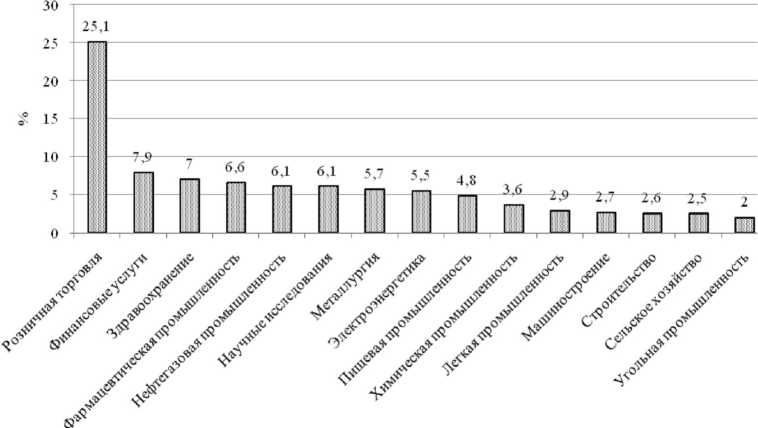
Рис. 3. Отраслевое применение технологий ИИ, 2024 г., % Примечание. Составлено по: [Пульс цифровизации ... , 2024].
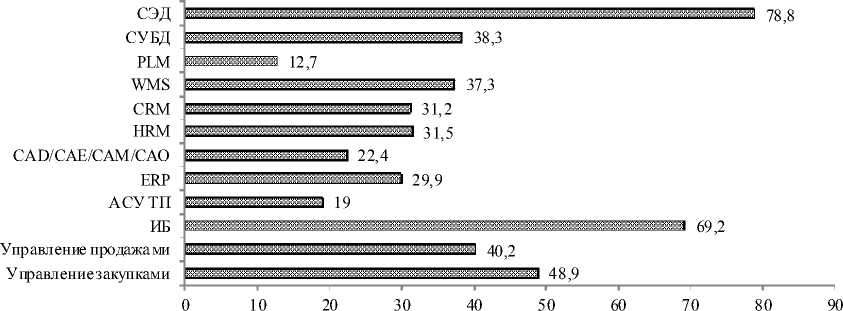
Рис. 4. Отраслевое применение программных систем в 2024 г., %
Примечание. Составлено по: [Пульс цифровизации ... , 2024].
Таблица 2
Динамика инфраструктурных показателей цифровизации российской экономики
|
Показатели |
2020 г. |
2021 г. |
2022 г. |
2023 г. |
2024 г. |
Темп роста 2024 г. к 2020 г., % |
|
Доля численности домохозяйств, имеющих доступ в Интернет, включая широкополосный, % |
80,0 |
84,0 |
86,6 |
87,9 |
90,4 |
9 |
|
Доля численности домохозяйств, имеющих широкополосный доступ в Интернет, % |
77,0 |
82,6 |
85,5 |
87,3 |
89,8 |
9,8 |
|
Число подключений к сетям 5G, LTE, млн ед. |
211 |
222 |
214 |
214 |
234 |
110,9 |
Примечание. Составлено по: [Абашкин и др., 2026].
Цифровизация как инструмент влияния на развитие регионов
Цифровизация затрагивает различные аспекты экономики, общества, образования, культуры и, как следствие, изменяет качество жизни. С целью оценки влияния цифровизации экономики на качество жизни населения А.И. Ростовцев в своей работе проводит анализ корреляционной зависимости показателей ИКТ с показателем качества жизни населения, по результатам которого наибольшая взаимосвязь установлена между численностью активных абонентов мобильного широкополосного доступа к Интернету и качеством жизни [Ростовцев, 2025].
Н. Зубаревич подчеркивает, что мобильный широкополосный доступ к сети выступает катализатором социально-экономического развития, влияя на здоровье, доступ к знаниям, возможности трудоустройства и коммуникации. Хотя в 2020 г. доступ к такому Интернету был у 77 % населения, в половине регионов его качество оставляло желать лучшего [Земцов и др., 2022]. А.И. Ростовцев отмечает, что «регионы с высоким уровнем мобильного широкополосного доступа к сети Интернет обычно имеют и лучшую инфраструктуру, поэтому нельзя сказать, что первично, развитие широкополосного доступа к сети Интернет или общее развитие региона – широкополосный доступ к сети Интернет является лишь одним из благоприятных факторов развития инфраструктуры региона, само его наличие является косвенным признаком, среди прочих, определяющим качество и уровень жизни населения» [Ростовцев, 2025: 178–179].
Анализируя сведения таблицы 2, можно сказать, что число подключений к сетям 5G, LTE в среднем растет на 2,7 % в год. Это связано с тем, что для запуска 5G в России операторы считают оптимальным диапазон частот на уровне 3,4–3,8 ГГц. Однако эту полосу занимают Министерство обороны РФ и Роскосмос, поэтому для запуска 5G ее применять невозможно, а использование более высоких диапазонов характеризуется быстрым затуханием радиосигнала и плохим проникновением препятствий, что вызывает необходимость установки большого количества станций. По данным за 2024 г., зоны с 5G покрытием пока есть только в Москве, Санкт-Петербурге и Новосибирске, они работают в тестовом режиме. В соотвествии с планам Минцифры России, до 2028 г. технологии 5G будут внедрение во всех городах миллионниках, до 2030 г. – в горо- дах с населением более 500 тыс. человек и до 2035 г. – в городах с населением более 100 тыс. человек. Тем не менее за 2020–2024 гг. число подключений к сетям 5G, LTE выросло с 211 млн единиц до 234 млн, что повышает доступность беспилотного транспорта, внедрения телемедицины, обслуживания большего количества устройств на квадратный километр и др.
Таким образом, в целом можно говорить о позитивной динамике цифровизации отечественной экономики в 2020–2024 годы. Несмотря на небольшое снижение доли валовых внутренних затрат на цифровую экономику, остальные показатели демонстрируют стабильный рост (повышение доступности цифровых услуг, рост численности ИКТ-специалистов, рост объема IoT-рынка, рынка инфраструктурных облачных сервисов и др.), что свидетельствует о постепенном укреплении цифровых сегментов и их растущем вкладе в экономическое развитие страны. Хотя даже при общем росте показателей сохраняются значительные различия в региональном разрезе – наблюдается неравномерный уровень цифровизации субъектов РФ.
По данным Центра экспертизы и координации информатизации, 49 обследованных регионов имеют уровень цифровой трансформации ниже 70 % и у 39 субъектов РФ наблюдается уровень цифровой трансформации выше 70 %. Рейтинговая оценка проведена на основании 9 направлений, включая инфраструктуру (К1), госуслуги (К2), умный город (К3), здравоохранение (К4), образование (К5), проекты искусственного интеллекта (К6), открытые данные (К7), экономика и инновации (К8), коммуникации (К9), которые агрегируют 20 показателей [Рейтинг цифровизации ... , 2025]. По итогам января – апреля 2025 г. Центром экспертизы и координации информатизации был составлен рейтинг российских регионов по уровню цифровизации. Топ-10 субъектов представлен в таблице 3.
Согласно таблице 3 и источнику [Рейтинг цифровизации ... , 2025], лидирующие позиции в рейтинге занимают регионы с развитой промышленной базой, системой здравоохранения, финансов, транспортной инфраструктуры, крупным бюджетом и др. Так, Москва является лидером по уровню цифровизации, главным образом благодаря тому, что 99,7 % территории города покрыто сетями LTE, которые предоставляют возможность пользоваться цифровыми сервисами в любое удобное время. К тому же в Москве есть зоны покрытия 5G в павильоне «Умный город» на Выс- тавке достижений народного хозяйства, где крупные компании, стартапы и предприниматели тестируют свои разработки. Кроме того, в Москве внедрена Единая медицинская информационноаналитическая система, которая позволяет записаться к врачу онлайн, оперативно просматривать результаты инструментальных и лабораторных исследований, оценивать качество оказания медицинских услуг и др.
Белгородская область также является ведущим регионом по уровню цифровой трансформации среди всех субъектов РФ благодаря высокому качеству оказания цифровых государственных услуг и активному внедрению цифровых инструментов обратной связи.
Республика Татарстан имеет высокий уровень цифровизации, занимая третье место в рейтинге (92 балла) благодаря реализации проектов «Smart City» (в регионе внедрены интеллектуальные системы управления трафиком, умное освещение, датчики экологии, используются информационные системы в сельском хозяйстве, которые позволили повысить точность отчетности и сократить трудозатраты до 99 тыс. часов в год). Помимо этого, в Казани запущен центр компетенций по искусственному интеллекту, где стартапы совместно с аграрным университетом создают решения для промышленности и сельскохозяйственного сектора.
Ямало-Ненецкий автономный округ занимает четвертое место в рейтинге. В регионе создана единая площадка для размещения и обработки данных всех государственных и муниципальных информационных систем округа – ЦОД ЯНАО, в с. Нори и п. Зеленый Яр установили антенно-мачтовые сооружения и современное радиорелейное оборудо- вание, что позволило подключить к качественной связи социально-значимые объекты. К тому же в регионе активно развивается сервис Единой карты жителя Ямала «Морошка», которая предоставляет доступ к электронной библиотеке, дает возможность покупать билеты на культурные мероприятия и копить баллы за получение услуг. Следует отметить, что в 2024 г. в регионе завершены работы по переводу в электронный вид всех государственных и муниципальных услуг.
Интерес представляет Оренбургская область, которая за последний год поднялась на 6 позиций [Рейтинг цифровизации ... , 2025] благодаря позиционированию ИТ-сектора как приоритетного. В 2024 г. в Оренбургской области зарегистрировано 326 экономических субъектов в сфере ИТ, что создает потенциал для повышения уровня цифровой зрелости региона. При этом в регионе разработаны цифровые платформы «Пульс региона» (позволяет в режиме реального времени видеть ситуацию по всей области), «ИТ-навигатор Оренбургской области» (используется для взаимодействия и наращивания профессионального сообщества в сфере цифровых технологий), а также «Единый портал государственных и муниципальных услуг (функций)» (применяется для обратной связи с населением).
Отстающими по уровню цифровой зрелости регионами являются Республика Тыва (35 баллов), Тамбовская и Тверская области (обе по 36 баллов). Из-за труднодоступности территорий, низкого интернет-покрытия и недостатка квалифицированных кадров в данных регионах практически не реализуются цифровые проекты. Тем не менее они имеют базовую цифровую инфраструктуру для запуска цифровизации.
Таблица 3
Рейтинг регионов России по уровню цифровизации по данным за январь – апрель 2025 г., в баллах
|
Место в рейтинге |
Регион |
К1 |
К2 |
К3 |
К4 |
К5 |
К6 |
К7 |
К8 |
К9 |
Итог, балл |
|
1 |
Москва |
9,7 |
14,0 |
9,5 |
9,7 |
9,1 |
9,4 |
5,0 |
14,2 |
14,4 |
95 |
|
2 |
Белгородская область |
9,1 |
13,5 |
8,8 |
9,3 |
8,9 |
8,5 |
4,3 |
13,7 |
13,9 |
94 |
|
3 |
Республика Татарстан |
8,9 |
13,0 |
8,5 |
9,0 |
8,7 |
8,8 |
4,0 |
13,5 |
12,6 |
92 |
|
4 |
ЯНАО |
8,5 |
12,8 |
8,1 |
8,7 |
8,1 |
8,2 |
3,7 |
12,8 |
12,1 |
90 |
|
5 |
ХМАО |
8,7 |
12,5 |
8,0 |
8,3 |
8,4 |
7,9 |
3,3 |
12,6 |
12,3 |
89 |
|
6 |
Челябинская область |
8,4 |
12,2 |
7,9 |
8,5 |
8,0 |
7,8 |
3,5 |
12,3 |
11,8 |
88 |
|
7 |
Свердловская область |
8,2 |
12,0 |
7,8 |
8,1 |
7,9 |
7,5 |
3,8 |
12,0 |
11,7 |
87 |
|
8 |
Санкт-Петербург |
8,9 |
12,3 |
9,4 |
8,6 |
8,2 |
8,8 |
4,4 |
12,5 |
12,9 |
86 |
|
9 |
Московская область |
8,5 |
12,8 |
7,7 |
8,0 |
8,1 |
7,1 |
3,9 |
11,9 |
12,0 |
85 |
|
10 |
Новосибирская область |
8,1 |
11,8 |
7,5 |
7,9 |
7,6 |
8,2 |
3,6 |
11,7 |
11,6 |
84 |
Примечание. Составлено по: [Рейтинг цифровизации ... , 2025]. * – максимально возможные значения по направлениям: К1 – 10, К2 – 15, К3 – 10, К4 – 10, К5 – 10, К6 – 10, К7 – 5, К8 – 15, К9 – 15 (в общей сумме 100).
Однако существует множество других рейтингов, результаты которых могут существенно различаться как по показателям и индикаторам оценки, так и по количеству показателей. Представим пример по количеству рейтингов по критерию «Умный город» в таблице 4.
По итоговому рейтингу, составленному Kept, Москва является одним из лидеров среди умных городов, уступая лишь Сингапуру, благодаря реализации программы развития умного города; высокой посещаемости цифрового городского портала, где доступ к большому перечню документов открывается непосредственно на городском портале; высоким результатам по качественным критериям за исключением развития телекоммуникаций. По направлению «Умный бизнес и занятость» г. Москва занимает 3-е место в рейтинге, уступая только по критерию участия в международных конференциях.
По направлению «Устойчивое развитие» г. Москва занимает 4-е место, благодаря хорошему качеству воздуха, большой площади зеленых насаждений на квадратный метр и развитию умных технологий в энергетическом секторе (умные освещение, электросети, здания, счетчики) [Рейтинг умных городов ... , 2025].
Таким образом, для оценки цифровизации в настоящее время применяются различные рейтинги, что позволяет определять место того или иного региона в развитии цифровой экономики. Тем не менее их разнообразие представляет определенную проблему для сравнительного анализа и обобщения полученных данных. Каждый рейтинг использует свои уникальные критерии, что приводит к несопоставимости результатов, поэтому возникает вопрос о репрезентативности и объективности рейтингов.
Выводы
Проведенное исследование показало, что крупные города России, как правило, имеют раз- витую инфраструктуру и высокоскоростной интернет, мобильную связь LTE, 5G, а также целые экосистемы онлайн-сервисов. В то же время в небольших городах и селах жители часто испытывают трудности с доступом к сети, что затрудняет развитие электронных услуг, коммерции, цифровых платформ для развития бизнеса и в целом социально-экономическое развитие таких территорий. Кроме того, цифровое неравенство приводит к усилению экономического, которое может наблюдаться в ограничении финансовых возможностей или барьеров для трудоустройства.
В сфере образования цифровое неравенство во многом связано с отсутствием необходимых устройств, что приводит к недостаточным цифровым навыкам, которые ограничивают возможности людей получать информацию и учиться, и, как следствие, к потере конкурентоспособности при трудоустройстве. Негативные последствия могут проявляться в сфере здравоохранении, политики и других областях.
В результате анализ показателей цифровизации регионов и отраслей РФ за последние годы позволяет сделать вывод, что, несмотря на неравномерность регионального цифрового развития, обусловленную системными проблемами, цифровизация остается ключевым фактором повышения эффективности национальной экономики. Инновационные разработки и внедрение цифровых технологий обеспечивают стратегический задел для национальной безопасности и устойчивого развития российской экономики [Спеши-лова и др., 2024].
Положительная динамика основных показателей свидетельствует об эффективном управлении IT-ресурсами и формировании устойчивых цифровых сегментов. Последние способны генерировать как количественные, так и качественные эффекты, включая повышение производительности труда, снижение издержек предприятий, расширение экспортного потенциала, уменьшение импортозависимости, а также повышение
Таблица 4
|
Наименование рейтинга |
Группы показателей |
|
Индекс цифровой жизни российских городов |
1. Транспорт. 2. Финансы. 3. Торговля. 4. Здравоохранение. 5. Образование. 6. СМИ. 7. Администрация |
|
Рейтинг НИИТС |
1. Умная экономика. 2. Умное управление. 3. Умные жители. 4. Умные технологии. 5. Умная среда |
|
Рейтинг Kept |
1. «Умное городское управление». 2. «Умный образ жизни». 3. «Умный транспорт». 4. «Умный бизнес и занятость». 5. «Устойчивое развитие» |
Примечание. Составлено по: [Иванова, Карагулян, 2021; Рейтинг умных городов ... , 2025].
Пример рейтингов «умных городов»
качества производимой продукции или оказываемых услуг – как в реальном, так и государственном секторе экономики. Для достижения долгосрочных макроэкономических эффектов цифровизации необходимо:
– проведение политики, направленной на выравнивание регионального цифрового развития, как на федеральном, так и региональном уровнях, которая включает федеральные законы, подзаконные акты и др.;
-
– повышение уровня цифровой грамотности, поскольку ее индекс вышел на плато и третий год подряд составляет 71 п.п. из 100 возможных (рис. 5);
-
– учет региональных особенностей при планировании мероприятий по цифровизации, например, создание региональных IT-кластеров;
– использование цифровых инструментов при создании наукоемких технологий (цифровых экосистем и платформ, моделирования технологических и физических процессов, маркетплей-са программного обеспечения и оборудования для научной и образовательной сферы (рис. 6) (данные за 2024 г. отсутствуют в открытом доступе)).
В 2025 г. запущен проект «Экономика данных и цифровая трансформация государства» (краткое наименование «Экономика данных»). Проект пришел на смену национальной программе «Цифровая экономика», завершившейся в 2024 году. Он нацелен на ускорение цифрового развития страны, укрепления кибербезопасности, поддержания российских цифровых разработок и др. Особого внимания заслуживает
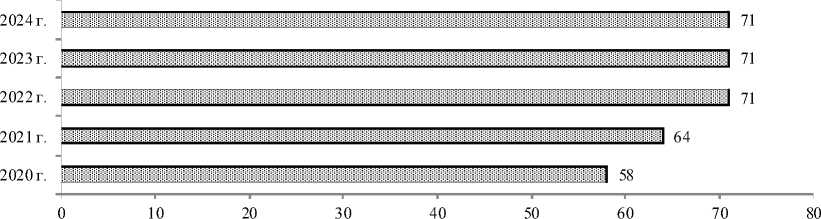
Рис. 5. Индекс цифровой грамотности НАФИ по шкале от 0 до 100 п.п.
Примечание. Составлено по: [Индекс цифровой грамотности-2024 ... , 2025].
El 2023 g 2022 О2020
Передовые методы организации и управления производством
«Зеленые» технологии»
Технологии промышленных вычислений и больших данных
Производственная информационная система и автоматизация управления производством
Связь, управление и геоматика
Технологии автоматизированной идентификации, наблюдения и/или контроля
Производство, обработка, транспортировка и сборка
Проектирование и инжиниринг
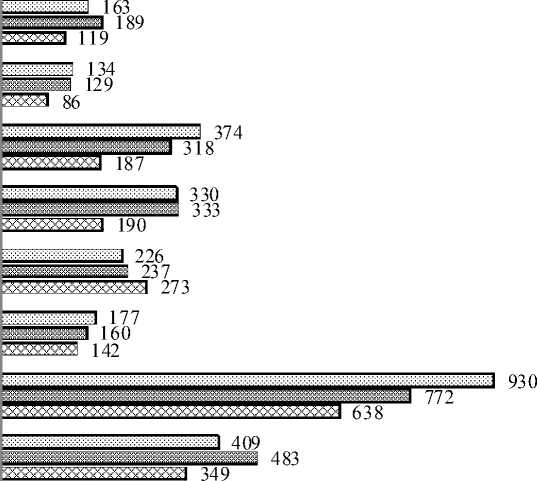
Рис. 6. Разработка передовых производственных технологий по видам и уровню новизны, ед. Примечание. Составлено по: [Гохберг и др., 2025].
логистическое управление потоками цифровых и кадровых ресурсов для повышения эффективности функционирования регионов. Таким образом, цифровизация экономических систем выходит на новый уровень, который позволит ускорить изменение и адаптацию в отраслях и регионах новых бизнес-моделей, направленных на создание и развитие экосистем.
