
Conceptual Model of the Ontology of the Russian Arctic Zone in the Context of Logistics and Digital Infrastructure Development
Journal: Arctic and North @arctic-and-north
Section: Social and economic development
Article in issue: 62, 2026.
Free access
The Arctic region has significant potential for the extraction of mineral and energy resources. However, effective resource development requires careful and balanced decisions that minimize environmental impact and ensure sustainable resource management. This article discusses the development of a conceptual model of the ontology of the Arctic zone of the Russian Federation, focused on logistics and digital infrastructure. Ontology is a powerful tool for organizing areas of knowledge, providing a formal representation of concepts and their interrelationships. The main classes, relations, attributes and rules of functioning of the ontological model are defined. The significance of digitalization and logistic routes in the extreme climate of the Arctic is demonstrated. The proposed ontology systematizes information about logistics and digital components of the Arctic region of Russia. It allows creating a structured knowledge base that will enable stakeholders to analyze complex interdependencies, develop effective management strategies and make informed decisions that contribute to sustainable development in this vulnerable ecosystem. In developing the ontology, we aim to provide a unified view of the Arctic’s logistics and digital sphere, which helps stakeholders better navigate the complex system of challenges and opportunities.
Similar articles in the section Production and services according to economic sectors
Short address: https://sciup.org/148333284
IDS: 148333284 | UDC: [338.47:004](985)(045) | DOI: 10.37482/issn2221-2698.2026.62.81
Text of the scientific article Conceptual Model of the Ontology of the Russian Arctic Zone in the Context of Logistics and Digital Infrastructure Development
DOI:
This research was supported by the grant No. 23-78-10190 from the Russian Science Foun dation,
The harsh climate, unpredictable weather conditions, and permafrost pose significant technical and logistical obstacles to the development of Arctic resources, including the region’s abundant energy resources [1–4]. These challenges, combined with growing concerns about envi-
-
∗ © Trifonova N.V., Fadeev A.M., Ilin I.V., Levina A.I., Dubgorn A.S., 2026
This work is licensed under a CC BY-SA License
SOCIAL AND ECONOMIC DEVELOPMENT
Nina V. Trifonova, Alexey M. Fadeev, Igor V. Ilin, Anastasia I. Levina, Alissa S. Dubgorn … ronmental impact and the need to pay attention to the rights of indigenous peoples, require the creation of a reliable and adaptable management structure. In their research, the authors of the article consider the development of key communication subsystems — logistics and digital — as drivers of the Arctic zone management system [4–8]. These subsystems enable the movement of people, material assets, and information, thereby providing key channels for the movement of value within the region. This makes them key elements of the region’s management and development system and poses the task of systematizing knowledge about these subsystems.
Ontologies are a powerful tool for structuring and organizing knowledge areas. They provide a formal representation of concepts and their interrelations, facilitating information exchange, knowledge integration, and informed decision-making. In the context of the Arctic oil and gas industry, ontology serves as a critical roadmap guiding sustainable development [9]. The creation of ontology for the Russian Arctic zone will provide a clear understanding of the multifaceted aspects of Arctic logistics and digital infrastructure, which, in turn, will be the first step towards effective analysis of data on the state of the region. Establishing relationships between the key entities of the system(s) under consideration creates the preconditions for a more in-depth analysis and identification of opportunities for implementing new types of connections. Ontology will also create a common language for information exchange between various industry stakeholders — governments, researchers, and indigenous communities, enabling effective interaction and collaborative decision-making.
The aim of this article is to develop a conceptual ontology model for the Arctic zone of the Russian Federation in the context of the development of logistics and digital infrastructure.
In order to achieve this aim, two objectives were formulated, which form the basis of this article:
-
• compiling a glossary of terms for the subject area;
-
• defining key elements of the ontology.
This study consists of several structural parts, each of which performs its own function in the process of scientific analysis. The first part, methodology, covers the definition of the fundamental approaches on which the study is based, as well as the development of a glossary of key concepts in the subject area. The second part, results, is a review of current scientific literature in the field of ontology development, followed by a presentation of the proposed ontology, as well as its refinement and adaptation in the context of logistics and digital infrastructure. The final part of the study is devoted to summarizing the results of the analysis and formulating conclusions based on the results obtained.
By creating this ontology, we aim to promote a common understanding of the Arctic logistics and digital sector, enabling stakeholders to navigate a complex system of challenges and opportunities. This knowledge infrastructure will facilitate informed decision-making, ensuring the sustainable, responsible, and balanced use of the Arctic’s enormous energy potential, taking into account the region’s unique environment and the rights of indigenous peoples.
Materials and methods
The ontology lifecycle is built around prototype refinement. It goes through separate stages, each of which corresponds to specific actions provided for by the chosen approach. As a result, the ontology enters a maintenance state, during which knowledge is collected, evaluated, and documented throughout the entire lifecycle. [10]
In order to standardize the conceptual framework of the article, a glossary of key terms is provided:
-
• ontology — a formalized representation of knowledge in the form of classes, attributes, and relationships between them;
-
• Arctic zone of the Russian Federation — the territory of the Russian Federation, including northern regions, sea routes, and island formations;
-
• logistics infrastructure — a set of transport routes, terminals, and storage facilities that ensure the movement of goods and passengers;
-
• digital infrastructure — technological solutions, including data centers, telecommunications networks, and digital services;
-
• indigenous peoples — ethnic groups traditionally living in the Arctic region and practicing traditional economic activities;
-
• environmental risks — potential negative impacts of logistics and industrial projects on the environment;
-
• regulatory impact — legislative and regulatory measures governing logistics and digital activities in the Arctic;
-
• stakeholders — interested parties involved in the planning, implementation, and management of infrastructure projects.
Developing the ontology in the context of the logistics and digital industries of the Arctic Zone of the Russian Federation is a complex, multi-stage process that cannot be implemented without a clearly structured algorithm of actions. In this case, the ontology serves as the basis for a deeper understanding and organization of knowledge, as well as for the effective implementation of new technologies and processes in this specific geographic and economic environment. To successfully create the ontology for the logistics and digital industries in the Russian Arctic, it is necessary to divide the entire process into five clear and logically sequential stages, each with its own goals and objectives. This approach will ensure systematic and structured work, as well as enable the effective integration of knowledge and innovation in these areas (Fig. 1):
|
Г 1 Identify the main classes and concepts of ontology --г |
* |
Describe the relationships between concepts |
♦ |
Identify attributes |
Propose operations and logical rules for the ontology
Evaluate the ontology according to the criteria
Fig. 1. Ontology description algorithm (compiled by the authors).
While the first four stages are limited by the functional capabilities of certain software tools, the criteria used in the last stage can be individually selected in accordance with the purpose of using ontology. Thus, the criteria for evaluating ontology can be both general [11–12] and new, defined for a specific ontology. The evaluation of the ontology for the logistics and digital sectors of the Arctic requires consideration of various aspects covering its structure, content, and relevance for specific applications. We propose using the following criteria:
-
• Coverage and completeness: Does the ontology cover the scope of relevant concepts, from geological formations and extraction methods to environmental regulations and socio-economic impacts? Does it provide sufficient detail for specific applications? Does the ontology address the unique challenges and opportunities presented in the Arctic environment, such as permafrost, extreme weather conditions, and indigenous communities?
-
• Structure and organization: Is the ontology structured logically and consistently, with clear definitions and relationships between concepts? Does the ontology use a clearly defined hierarchy to organize concepts, allowing for efficient navigation? Is the ontology modular, allowing specific modules to be added or removed to suit different applications?
-
• Accuracy and validity: Are the definitions and relationships in the ontology based on scientific knowledge and industry standards? Does the ontology accurately reflect real concepts and relationships in the Arctic logistics and digital sectors?
-
• Usability and applicability: Is the ontology accessible and understandable to both technical and non-technical users? Does the ontology meet the specific requirements of different applications, such as exploration and production planning, environmental impact assessment, or policy development?
-
• Ethical and social considerations: Does the ontology respect the rights and interests of indigenous peoples? Does the ontology include concepts and relationships relevant to minimizing the sector’s impact on the Arctic environment?
-
• Maintenance and evolution: Is the ontology designed to accommodate future changes and updates in the sector and the Arctic environment? Are academic stakeholders and relevant communities involved in the development and maintenance of the ontology?
Analysis of the ontology according to the proposed criteria will provide a comprehensive assessment of its quality, suitability, and potential for the Arctic logistics and digital sector.
Results
The creation of the ontology for the Russian Arctic zone is an important task for systematizing knowledge and developing effective strategies in the fields of logistics, ecology, and digital technologies. The scientific literature presents various approaches to constructing ontologies in the Arctic context.
The study [7] examines the creation of ontology for the Russian Arctic zone, as well as the development and advancement of a knowledge base in this area. Furthermore, the article [13] analyzes the environmental aspects of the Arctic zone, including greenhouse gases and ice melt, which also requires the creation of specialized ontologies for assessing and managing environmental risks. The research [14] discusses various approaches to classifying regions of the Arctic zone and the need to develop appropriate ontologies for the effective management and development of these regions.
However, these studies do not propose a specific ontology for the Arctic zone. In contrast, this study proposes the development of the ontology that will serve as a basis for a deeper understanding and organization of knowledge, as well as for the effective implementation of new technologies and processes in this specific geographic and economic environment. The Arctic logistics and digital sectors are complex systems in which stakeholders compete for influence and benefit. However, these systems cannot be considered in isolation from their environment. The Arctic zone offers diverse potential benefits to stakeholders, but it is important to recognize the region’s complex and sensitive nature.
Let us define the main classes of the ontology (Fig. 2):
-
• logistics infrastructure;
-
• stakeholders;
-
• indigenous peoples and their interests;
-
• economic entities;
-
• legal and regulatory aspects;
-
• digital infrastructure;
-
• natural and climatic factors;
-
• geographical objects.
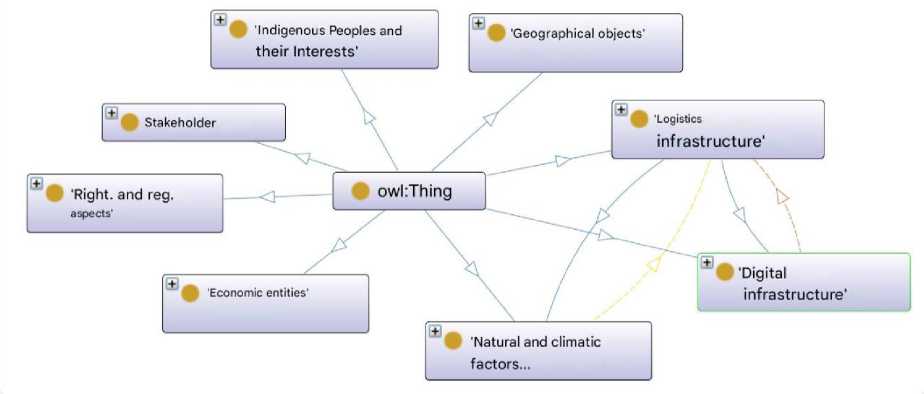
Fig. 2. Upper level of the ontology (compiled by the authors).
The conceptual model of the Arctic zone ontology includes the following main classes:
-
• geographical objects: regions, sea routes, ports, transport hubs, climatic zones;
-
• logistics infrastructure: sea, river, air, road, and rail routes, warehouses, terminals, and transshipment points;
-
• digital infrastructure: data centers, satellite communications, 5G networks, fiber optic lines, and IoT devices;
-
• economic entities: transport companies, industrial enterprises, government agencies, and international partners;
-
• natural and climatic factors: ice conditions, shipping seasonality, meteorological conditions, and environmental risks;
-
• legal and regulatory aspects: international agreements, public policy, regulations, and safety standards;
-
• indigenous peoples and their interests: traditional economic practices, ecosystem services, and ethno-cultural aspects;
-
• stakeholders: public and private organizations, local communities, investors, international organizations, and research institutes.
The proposed ontological model takes into account the following key relationships (Table 1):
Table 1
Key relationships in the ontology developed
|
Name |
Description of relationships |
|
Logistics connectivity |
Routes connect transport hubs and ports |
|
Digital integration |
Digital infrastructure supports logistics infrastructure |
|
Regulatory impact |
Regulations govern logistics and digital infrastructure |
|
Environmental impact |
Economic actors influence environmental risks |
|
Impact on indigenous peoples |
Logistics and digital infrastructure impact local communities |
|
Role of stakeholders |
Interaction of various stakeholders in the planning and implementation of infrastructure projects |
|
Accessibility of facilities |
Natural and climatic factors influence logistics infrastructure |
Thus, Fig. 3 shows not only the basic classes of ontology, but also the relationships between them. The figure highlights two classes, which we will discuss in detail below.
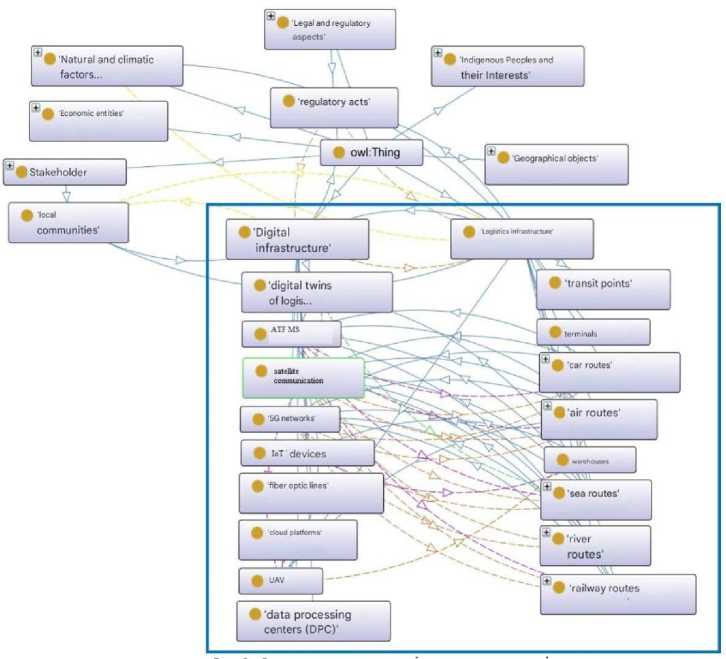
Fig. 3. Relationships in the ontology (compiled by the authors).
Let us consider the classes of digital infrastructure and logistics infrastructure.
The logistics infrastructure of Russia’s Arctic zone is a complex system of transport routes, warehouse complexes, and terminals that ensure the delivery of cargo and passengers in harsh climatic conditions. The development of this infrastructure plays a key role in the development of the region, supporting local communities and the economic development of the country [15–18].
Sea transport is the primary means of cargo transporting in the Arctic [16–17]. The main transport artery is the Northern Sea Route (NSR), connecting the European part of Russia with the Far East. The advantages include the ability to transport large consignments of cargo, independence from road conditions, and a shorter route between Europe and Asia. However, the seasonality of shipping due to ice conditions and the high cost of icebreaker support are limitations in this area.
Rivers play an important role in the Arctic transport system, especially in the summer, when they become navigable. The main types of transportation include the delivery of fuel, food, and building materials to remote regions. These are limited by the short navigation season and the need to transfer cargo to other modes of transport at ports.
Air transport provides efficient connections between regions, especially in conditions of permafrost and the absence of year-round roads. Passenger transportation, mail delivery, medical evacuation, and supplying remote settlements are the main uses of air transport in the Arctic region. However, there are challenges including high transportation costs, limited airport capacity, and dependence on weather conditions.
Roads in the Arctic consist of winter roads (temporary winter roads) and permanent highways, but their length is extremely limited. They are characterized by poor road surface quality, challenging climatic conditions, and high maintenance costs.
Rail transport provides freight and passenger transportation between major logistics hubs [19]. Projects to expand the Arctic railway network are accompanied by high construction and operating costs and the need to adapt to permafrost conditions.
An important part of the logistics infrastructure is cargo storage and transshipment facilities, such as terminals and hubs in major ports (Murmansk, Sabetta) and at railway junctions (Vorkuta, Labytnangi).
Logistics centers provide cargo distribution, containerization, and servicing of ships and vehicles.
Transshipment hubs are used to transfer cargo between different modes of transport, for example, from rail to ships or from sea transport to aviation.
Digital infrastructure is the foundation for efficient transport management, climate change monitoring, and support for communities in remote areas. Its development is critical for the digitalization of the Arctic economy [20–22].
Data centers (DCs) are key elements of the digital infrastructure, providing data storage, processing, and analysis. Their functions include supporting cloud services, processing data from monitoring sensors, and ensuring the operation of government and corporate services. Data centers contribute to improving the stability of information systems, developing remote administration, and reducing data transmission delays. However, high operating costs due to climatic conditions and the need for autonomous power supply are key challenges that need to be addressed.
Satellite communications play a vital role in ensuring communication in remote areas. Gonets, Yamal, Roscosmos projects, and private companies provide internet connections, environmental monitoring, and communications with sea and air vessels. The disadvantages are signal delays and the high cost of satellite data transmission.
The development of high-speed communication networks provides high bandwidth for digital services and the Internet of Things (IoT). Experimental zones in large cities (Murmansk, Norilsk) support autonomous transport, infrastructure monitoring and remote control of industrial facilities.
IoT enables automated monitoring of infrastructure assets, including sensors for monitoring ice conditions, systems for monitoring the condition of pipelines and transport routes, devices for tracking the movement of ships, aircraft and motor vehicles, and smart weather stations for forecasting weather conditions.
Each of the presented classes has a number of attributes:
-
• for logistics infrastructure: length, seasonality, throughput capacity;
-
• for digital infrastructure: reliability level, coverage area, cyber security level.
The logistics and digital infrastructures of the Arctic zone of the Russian Federation are closely interrelated, as digital technologies enable the optimization of transport flows, monitoring of route conditions and management of logistics facilities in extreme climatic conditions. The main types of interrelationships between these infrastructures are as follows:
-
• supports — digital infrastructure ensures the operation of logistics systems;
-
• implements — digital technologies enable the implementation of automated logistics processes;
-
• can duplicate — alternative digital solutions (e.g., unmanned aerial vehicles) can replace or complement traditional logistics routes.
In this context, it is necessary to introduce new elements and connections, such as:
-
1. Automated and robotic warehouses
-
1.1. Connectivity “ implements ”: IoT devices enable the automation of warehouse operations.
-
1.2. Connectivity “ supports ”: satellite communications and 5G networks ensure the uninterrupted operation of remote logistics centers in the Arctic.
-
-
2. Unmanned aerial vehicles (UAVs) for cargo transportation
-
2.1. Connectivity “ can duplicate ”: UAVs can replace traditional air routes, especially in hard-to-reach areas.
-
2.2. Connectivity “ implements ”: satellite navigation systems, cloud platforms, and artificial intelligence enable autonomous drone control.
-
-
3. Intelligent transport corridors
-
3.1. Connectivity “ supports ”: digital twins of routes allow for ice conditions to be predicted and vessel routes to be adjusted.
-
3.2. Connectivity “ implements ”: automated traffic management systems (ATMS) reduce costs and delivery times.
-
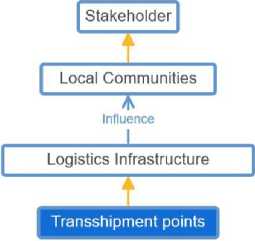
Figures 4–14 show the relationships between the ontology entities.
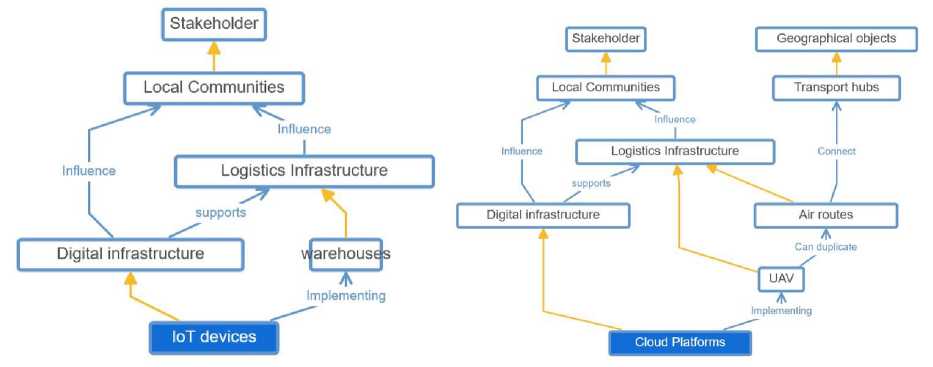
Fig. 4. Relationships between entities of the ontology’s digital infrastructure: IoT devices, cloud platforms (compiled by the authors).
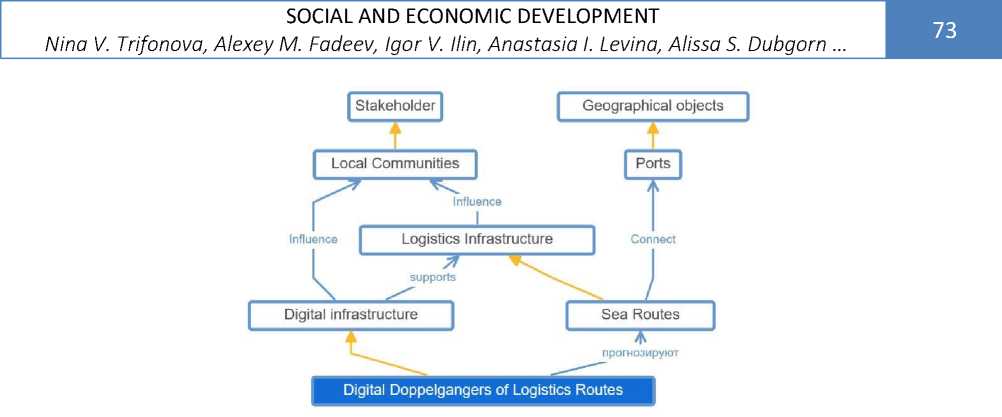
Fig. 5. Relationships between entities of the ontology’s digital infrastructure: digital twins of logistics routes (compiled by the authors).
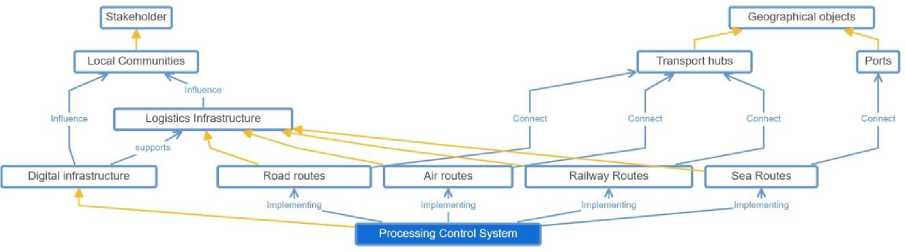
Fig. 6. Relationships between entities of the ontology’s digital infrastructure: automated process control systems (compiled by the authors).
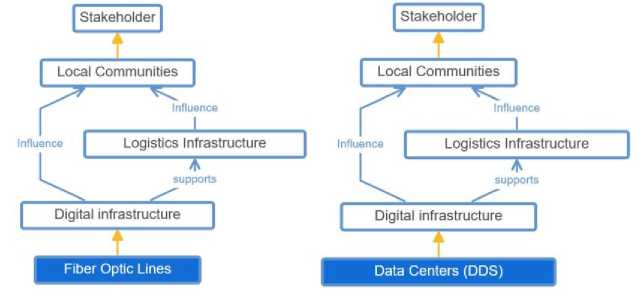
Fig. 7. Relationships between entities of the ontology’s digital infrastructure: fiber optic lines, data centers (compiled by the authors).
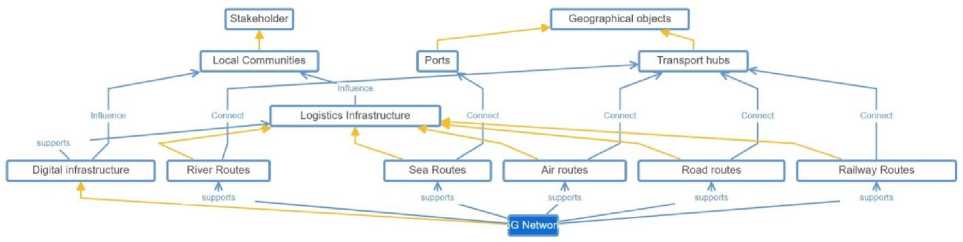
Fig. 8. Relationships between entities of the ontology’s digital infrastructure: 5G networks (compiled by the authors).
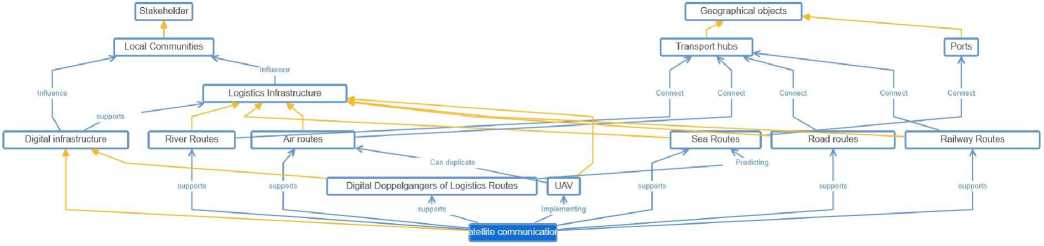
Fig. 9. Relationships between entities of the ontology’s digital infrastructure: satellite communications (compiled by the authors).
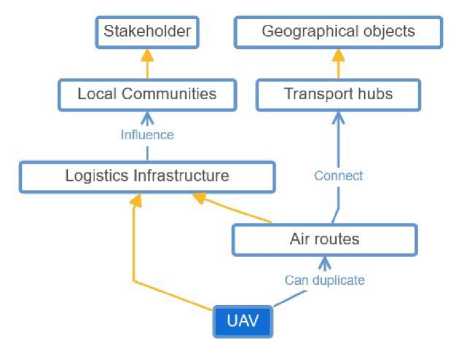
Fig. 10. Relationships between entities of the ontology’s logistics infrastructure: UAVs (compiled by the authors).
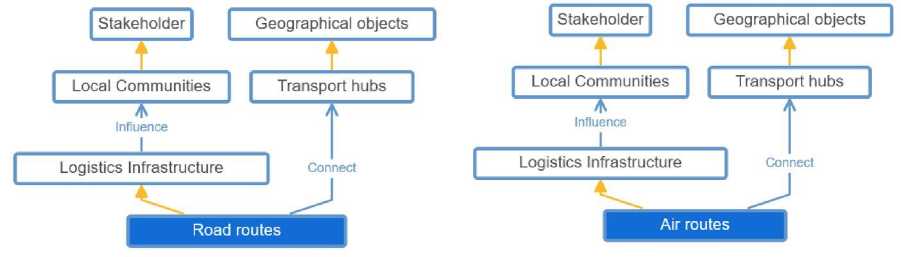
Fig. 11. Relationships between entities of the ontology’s logistics infrastructure: road routes, air routes (compiled by the authors).
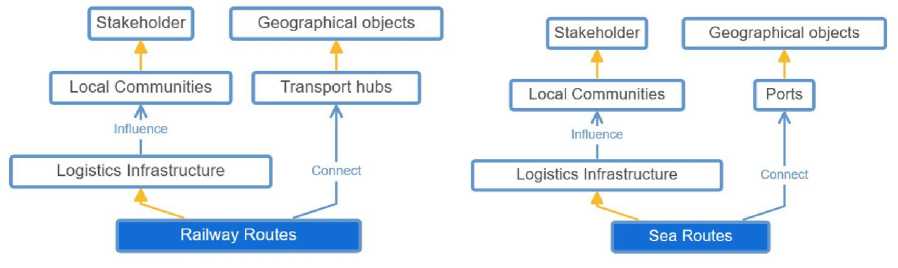
Fig. 12. Relationships between entities of the ontology’s logistics infrastructure: rail routes, sea routes (compiled by the authors).
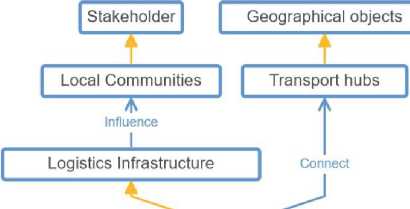
River Routes
Fig. 13. Relationships between entities of the ontology’s logistics infrastructure: transshipment points, river routes (compiled by the authors).
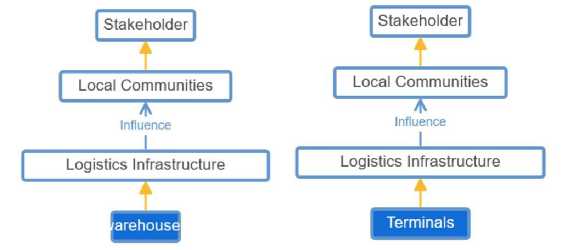
Fig. 14. Relationships between entities of the ontology’s logistics infrastructure: warehouses, terminals (compiled by the authors).
The following logical rules are proposed for the effective use of the ontology:
• optimization of logistics flows based on digital data;
• forecasting climate and ice conditions for shipping;
• analysis of the level of infrastructure digitalization and its impact on transport processes;
• automated risk assessment of logistics routes based on historical data;
• assessment of the impact of infrastructure projects on the traditional practices of indigenous peoples;
• development of mechanisms for compensating damage to indigenous peoples and their involvement in regional planning and development processes;
• management of interactions between stakeholders to coordinate economic, environmental, and social aspects.
The proposed ontology combines the scope of relevant concepts and provides sufficient detail for specific applications. It covers the unique challenges and opportunities presented in the Arctic environment, such as permafrost, extreme weather conditions and indigenous communities. The ontology is structured logically and consistently, with clear definitions and relationships between concepts, using a strict hierarchy to organize concepts for effective navigation. It is modular, allowing specific modules to be added or removed according to different applications. The definitions and relationships in the ontology are based on scientific knowledge and industry standards. The model accurately reflects real concepts and relationships in the Arctic logistics and digital sectors. The ontology is easily understood by both technical and non-technical users and meets the specific requirements of various applications. It respects the rights and interests of indigenous communities and includes concepts and relationships relevant to minimizing the sector’s impact on the Arctic environment. Stakeholders in the sector, academia and relevant communities involved in the development and maintenance of the ontology can make the necessary changes and updates.
Conclusion
The development of logistics and digital infrastructure in Russia’s Arctic zone is a strategically important area. The logistics system includes sea, river, air, road, and rail routes, as well as warehouses, terminals, and transshipment points. Digital infrastructure, represented by data centers, satellite communications, 5G networks, and IoT devices, plays a key role in managing these processes. Its development will improve the economic efficiency, safety, and resilience of transport and industrial systems in the extreme Arctic climate.
The development of the ontology for the Arctic zone of the Russian Federation in the context of logistics and digital infrastructure allows for the systematization of knowledge and improved management of transport flows and digital assets in the region. The implementation of digital technologies and ontological models contributes to more efficient use of resources, risk reduction and increased competitiveness in the Arctic region. An important aspect is the consideration of the interests of indigenous peoples, which will ensure a balance between economic development and the preservation of their traditional way of life. Involving stakeholders in the decisionmaking process contributes to more sustainable and balanced development of the region.
