
Design of an Android-Based Information System for Marketing Organic Agricultural Products
Journal: International Journal of Education and Management Engineering @ijeme
Article in issue: 1 vol.16, 2026.
Free access
The increasing affordability of smartphones and the rapid development of internet connections have significantly shifted consumer shopping patterns from traditional offline methods to online platforms. This transformation has been further accelerated by the COVID-19 pandemic, which forced many businesses and consumers to adapt to digital transactions. However, organic farmers in East Kalimantan continue to face challenges in marketing their products due to limited market access, lack of digital literacy, and logistical barriers. This research presents the development of an Android-based marketplace application aimed at improving the marketing of organic agricultural products by local farmers. The system increases accessibility, enhances efficiency, and supports sustainable agricultural practices. The development process involves observation and analysis, utilizing UML for system modeling. The marketplace was developed using Android Studio, MySQL for database management, and API integration to facilitate secure digital payments and location-based map services. Key features of the system include product management, real-time inventory tracking, digital payment gateways, and logistics support tailored to local needs. Initial implementation results demonstrate that this system effectively expands market reach, enhances marketing efficiency, and supports the sustainability of organic farming. Additionally, it contributes to building a robust digital ecosystem for the agricultural sector in Indonesia.
Similar articles in the section Agriculture in general
Short address: https://sciup.org/15020225
IDS: 15020225 | DOI: 10.5815/ijeme.2026.01.04
Text of the scientific article Design of an Android-Based Information System for Marketing Organic Agricultural Products
Indonesia's organic agriculture sector holds significant potential, but smallholder farmers continue to face key challenges: limited market access, poor logistics, and insufficient digital literacy. These obstacles hinder their ability to compete in a rapidly digitizing market. While digital tools can empower farmers, access to technology and digital platforms remains uneven. Additionally, many existing systems do not cater to users with low technical skills. This research proposes a dedicated Android-based marketplace system to support organic farmers, focusing on intuitive design, offline capabilities, and ease of access. Smartphones have revolutionized communication and business processes, including agricultural marketing [1,2]. Almost all sectors, including agriculture, can now be accessed via smartphones, revolutionizing traditional practices and enabling farmers to adopt more efficient and modern approaches [3,4]. Indonesia’s favorable tropical climate supports a wide variety of organic farming initiatives, such as various subsectors on food crops, horticulture, plantations, livestock, fisheries, and forestry [5,6]. This sector fulfills domestic food needs and provides employment to millions of Indonesians [7,8]. Two main trends dominate the agricultural market: organic and non-organic farming. Organic farming has gained increasing attention due to shifting consumer preferences toward healthier, environmentally friendly products [9,10]. Research shows that organic products are associated with reduced environmental impact and better health outcomes, further driving demand [11,12]. This trend presents opportunities and challenges for farmers, as they need to differentiate their organic products from non-organic ones to capture niche markets [13,14]. A dedicated marketing platform that emphasizes the unique value of organic products can help bridge this gap and enable better communication between producers and consumers [15,16]. The rapid growth of e-commerce and marketplace platforms offers unprecedented opportunities for farmers to expand their market reach [17,18]. These platforms align well with changing consumer shopping behaviors, which now favor online transactions for convenience and variety [19,20]. Designing a marketplace-based information system tailored to the needs of organic farmers can.
Increase marketing efficiency and reduce operational challenges [21,22]. UML (Unified Modeling Language) provides a structured approach to system modeling, ensuring optimal performance and adaptability [23,24]. To ensure accessibility and scalability, this marketplace application will be developed using Android programming, a widely used and open-source platform that allows developers to integrate various APIs for enhanced functionality [25-30]. APIs enable features such as secure payment gateways, location-based services, and real-time inventory management, ensuring seamless user experiences. This Android-based marketplace is expected to facilitate the marketing, management, and transactions of organic products, thereby increasing the competitiveness and productivity of Indonesia’s agricultural sector.
2. Methodology
This research was carried out at Duta Hydroponics, which produces various organic agricultural products. This farmer group is one of the farmer groups located in Sungai Kunjang District, Samarinda City, East Kalimantan Province. This research focuses on the development and design of a marketplace-based information system. The system design method used adopts the UML method. The work process of this research carries out the data collection stage using the observation method and the SLDC method in the system design process.
The System Development Life Cycle (SDLC) outlines the stages involved in developing an information system. The system development life cycle presents an organized methodology or process for building a system [5]. SLDC consists of components called building blocks, which consist of input, model, output, technology, hardware, software, database and control components [6]. The stages of the SDLC method can be seen in Fig. 1.
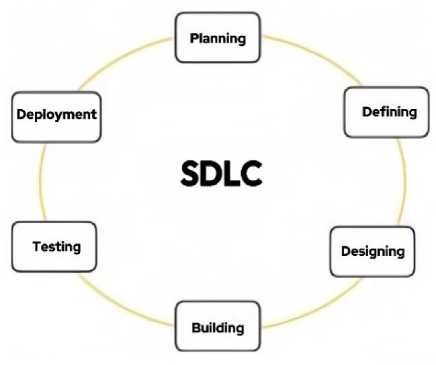
Fig. 1 explains the process steps in the SLDC method. This method is a reference for developing a marketplacebased information system application in marketing organic agricultural products. The SDLC method consists of six phases, guiding developers in creating information system software [7]. This SDLC is used to design, develop, and produce quality, reliable, cost-effective, and timely software products in the software industry. The activities in each phase are detailed below, illustrating the progression from planning to deployment.
Fig. 1. SDLC stages
a. Planning, the activity carried out is determining the system to be developed, namely building a marketplacebased application.
b. Defining, the activity carried out is determining the system to be developed, namely building a marketplacebased application.
c. Designing, this phase translates software requirements from the requirements analysis stage to a design representation so that it can be implemented into a program at the next stage.
d. Building, in this phase, namely building the technical architecture. DBMS uses MySQL. In this application there are several features that will be built, namely features for searching for goods, purchasing, basket and payment features, delivery of goods, payment methods and courier services for notification and assessment of goods and services.
e. Testing, after the marketplace application for selling organic products has been created, testing is then carried out on the effectiveness of the program by determining an assessment of the system testing.
f. Deployment, in this phase, the actual product development begins according to the designed architecture.
3. Result and Discussion
Based on the information system application development method, namely SDLC, as explained in Fig. 1, which states the activities of each phase so that the stages of activity, interrelationships, resources and requirements required are depicted, this method will guide the work on information system application development. The design method used in this case is UML which involves several diagrams such as use case and activity diagrams. Use cases can describe a set of marketplace-based information system scenarios for marketing organic products. In this Use Case description, you can see the interaction between the user and the system being created. The use case presentation can be seen in Fig 2.
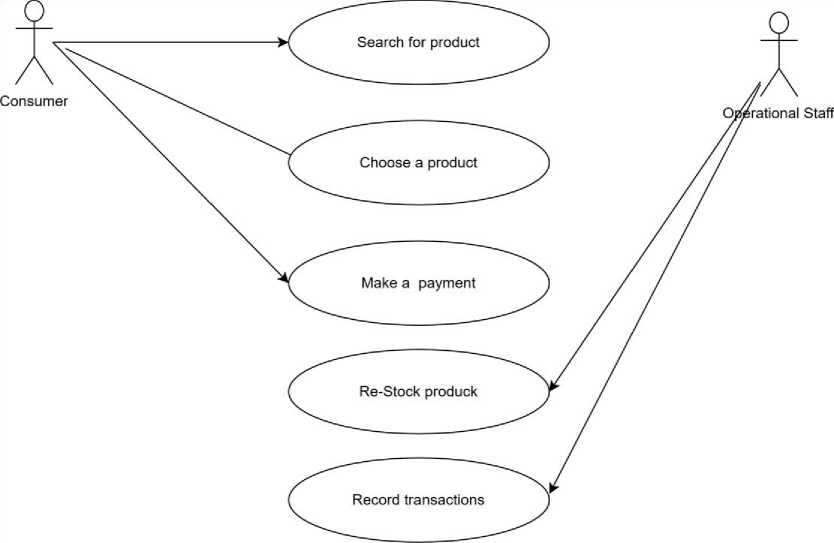

Fig. 2 illustrates user-system interaction through a use case diagram, detailing the core functionalities such as login, browsing, ordering, and tracking transactions, which are critical for streamlining the user journey. The usecase diagram as a whole is able to present the performance of the system being built. A clearer picture of system performance in the UML diagram can be seen in Fig. 3.
Fig. 2. Use Case Diagram
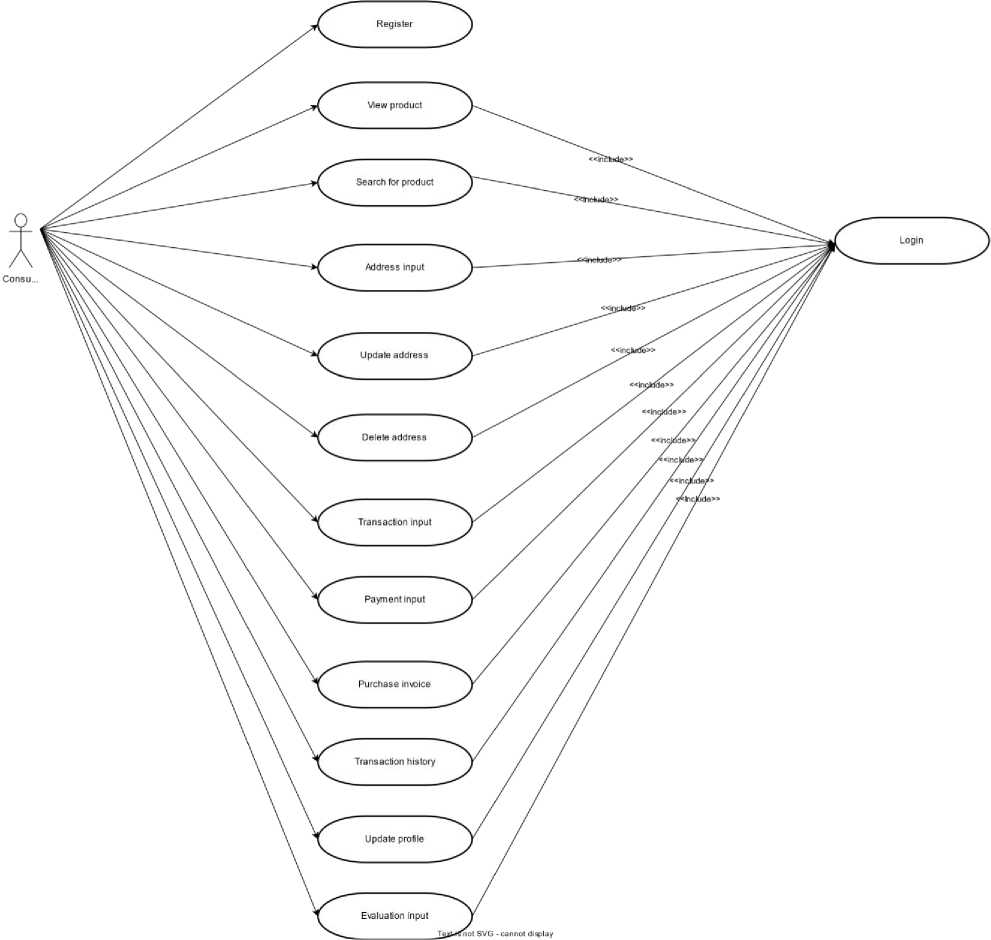
Fig. 3. Use Case of System Performance in the Interaction Between Consumers and the System
Fig. 3 is a clear depiction of interaction activities between actors and the system. This description is able to provide an efficient system presentation when implemented. After describing the marketplace-based information system scenario with a use case diagram, the next stage is designing the activity diagram of the business process that occurs as shown in Fig. 4.
Table 1. System Testing
|
Scenario Testing |
The results Expected |
Results Testing |
Conclusion |
|
The user clicks "Continue" without entering an address |
The system prompts a validation error with the message "Address must be filled in", ensuring required data integrity |
√ |
Succeed |
|
Fill in the address then click the continue button` |
The system will accept by displaying the transaction paid page |
√ |
Succeed |
|
The payment method is not filled in then click the create order button |
The system will refuse and display the message "Payment method must be filled in" |
√ |
Succeed |
|
Fill in the payment method and click the create order button |
The system will receive the message "Successfully placed an order" and display a successful transaction page complete with an invoice |
√ |
Succeed |
The feature test results in Table 1 are evaluated based on several key indicators. After the testing process is carried out, the implementation process can be seen to improve the performance of the system that has been built. The implementation process carried out includes.
-
3.1 Home Menu Display
-
3.2 Search Page
The home menu display is the initial display of the information system that has been built. This information system is based on Android which can be run on mobile devices. The results of the home menu display can be seen in Fig. 5.
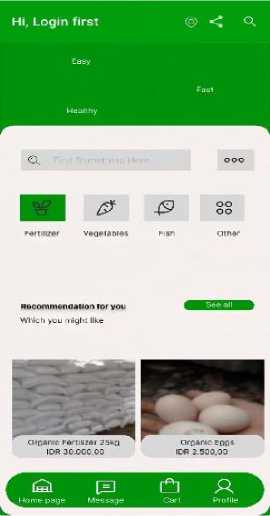
Fig. 5. Home Menu Display
Fig. 5 shows the home menu display in the organ product marketing system. This display presents a list of products being marketed containing the information that has been provided. This information can later be updated by farmers to adjust it to existing data.
The search page is a display provided for users to search for a product. The search process can be carried out by having a list of products provided. This display can be presented in Fig. 7.
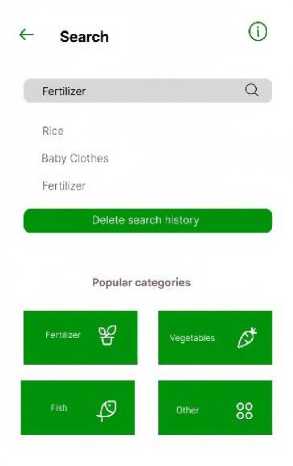
Fig. 6. Search Page
Fig. 6 shows the search process provided in the system. To get the appropriate organic products that consumers are looking for, you can do it in the search form, before buying you can first look at the description of the goods and comments from previous buyers, then also complement customer satisfaction by giving stars. These stars are shown for the suitability of the goods and photos of delivery speed. as well as service by existing shop owners.
-
3.3 Display of Transaction and Delivery Process
Display of the transaction process starting from product selection to the payment process. This process provides an effective transaction flow, where the user simply selects the product and determines the purchase amount. After the transaction is carried out, the delivery process will be determined by the user to confirm the address and delivery mode. The display of this process can be seen in Fig. 8.

йЭ------ в ■ О
Delivery Payment Finished
О Shipping address
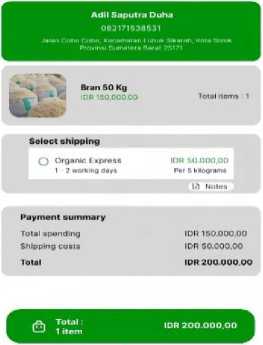
Fig. 7. Transaction and Delivery Process
Fig. 7 is the result of the display of the transaction and delivery process. The transaction results display will present the buyer's report that has been made. In the final process of this system, the user will be able to provide a direct assessment to assess a product and how the system works. Based on this discussion, the implementation of the Androidbased marketplace information system that has been built provides an effective and efficient system for marketing organic products. With these results, the system design process using the UML method has been optimal and is used as an alternative solution in marketing organic products for farmers. This information system also provides direct benefits in changing market share and promotion. Not only that, but this research can also have a positive effect on developing farmers' productivity.
4. Conclusion
This research concludes that a structured SDLC approach supported by UML can produce a reliable and scalable marketplace application. This solution significantly improves the digital marketing capability of organic farmers and lays a foundation for further expansion. This solution significantly improves the digital marketing capability of organic farmers and lays a foundation for further expansion. The results of this research also explain that an information system built on a marketplace basis can produce a marketplace system that helps the agricultural product management process. In this way, this information system can be used as a solution to increase stability and encourage increased production for farmers in marketing organic products.
