
Digital Transformation of Marketing in the Industrial Market of Northern Regions: Challenges and Prospects
Journal: Arctic and North @arctic-and-north
Section: Social and economic development
Article in issue: 61, 2025.
Free access
Digital transformation of marketing in the industrial market of northern regions is becoming increasingly important. It allows companies to effectively build a B2B interaction strategy and improve customer service quality using digital technologies, software and digital marketing tools. In addition, digital technologies contribute to improving the effectiveness of operational marketing solutions, expand opportunities for entering new markets and create personalized offers for customers. This research is aimed at analyzing the challenges and prospects of digital marketing transformation in the industrial market of northern regions. In order to achieve this goal, a systematic approach was used as a general scientific research method, and a comparative analysis of existing digital marketing transformation practices was carried out when processing and systematizing data. During the work, a conceptual model of digital transformation was created, which includes strategic and operational approaches to marketing management, emphasizing the importance of integrating data and analytics to optimize customer interaction. Special attention is paid to the adaptation of these approaches to the specifics of northern regions. The scientific contribution consists in systematizing existing knowledge about the digital transformation of marketing and offering new methods and tools that contribute to the effective integration of digital solutions into management processes. The research results can be successfully applied in the practical activities of industrial enterprises in northern regions, as well as in educational institutions for training specialists in the field of management, marketing management and digital marketing.
Similar articles in the section Production and services according to economic sectors

Short address: https://sciup.org/148332683
IDS: 148332683 | UDC: [338.45:004](985)(045) | DOI: 10.37482/issn2221-2698.2025.61.5
Text of the scientific article Digital Transformation of Marketing in the Industrial Market of Northern Regions: Challenges and Prospects
DOI:
In recent years, the global economy has experienced rapid growth in digital technologies, fundamentally changing the way businesses operate and interact with customers. This transformation is particularly noticeable in marketing, where traditional approaches are giving way to innovative methods based on data and high technology. Digital transformation of marketing in the industrial markets of northern regions is becoming not only relevant but also essential to ensure the competitiveness and survival of enterprises in a highly competitive market. Understanding the specific challenges and prospects of this transformation allows industrial companies in Russia to adapt to the dynamic conditions of the modern market, ensuring sustainable development and successful implementation of business strategies.
The relevance of this study lies in the fact that many industrial enterprises in northern regions face difficulties in integrating digital technologies into their marketing strategies for interacting with customers, as well as new challenges arising in the process of digital transformation of the marketing complex.
The theoretical basis of the study was provided by the works of both Russian and foreign researchers who have made a significant contribution to the understanding of modern marketing management and the application of its tools in the digital economy. Among the foreign researchers, the following can be highlighted: Beverland M. [1], Chaffey D. [2], Hanna R. [3], Kannan P. [4], Lips-man A. [5], Tiago M. [6], and others. Among the Russian researchers, the following can be noted: Hussein I.D. [7], Golubkov E.P. [8], Mann I.B. [9], Feofanova O.Yu. [10], and others.
Research shows that a lack of knowledge about digital tools and methods of their application in marketing can lead to missed opportunities, reduced competitiveness of companies, loss of customers and revenue. According to an online survey of 1,331 top managers (representing a wide range of regions, industries, and company sizes) conducted by McKinsey in 2022, 70% of companies are not realizing the potential of digital transformation due to the lack of a clear strategy and understanding of changing market practices 1. This result highlights the need for in-depth study of the specifics of digital marketing transformation in the industrial sector of northern regions, as well as the development of effective methodological approaches that will help avoid common mistakes and ineffective management decisions in the field of marketing.
The object of the study is strategic and operational marketing decisions applied in industrial markets of northern regions in the context of digitalization. The subject of the study is the conceptual foundations of digital transformation in marketing, including specific challenges and prospects, as well as forms and methods of their application in this context. It is important to note that the approaches that worked in previous decades often cannot be effectively applied in the context of rapid introduction of new technologies and changing customer expectations.
The aim of this study is to develop the conceptual foundations of digital marketing transformation in the industrial market of northern regions, as well as to identify specific challenges and opportunities in this area. To achieve this goal, the following objectives need to be addressed:
-
• develop and substantiate a conceptual model of digital marketing transformation for the industrial sector of northern regions, taking into account the most effective practices and technologies applied both in Russia and abroad;
-
• research modern trends and main directions of digital transformation of marketing in the industrial market of northern regions, including analysis of the current state and prospects for development;
-
• identify the characteristics and key aspects of digitalization of the marketing complex of industrial companies in northern regions, as well as areas for integrating modern digital technologies into marketing activities;
-
• study the mechanisms and strategies for managing digital marketing transformation in the context of the current challenges of the digital economy, with a focus on industrial companies in northern regions;
-
• identify the key challenges faced by industrial companies in northern regions in the process of digital marketing transformation and propose a model for their effective solution.
Thus, the study reveals issues of digital marketing transformation in the industrial market of northern regions, which can serve as a basis for practical recommendations to improve the efficiency and adaptability of enterprises.
Conceptual model of digital marketing transformation
Digital transformation has become an integral part of business strategies in various markets, including industrial markets in northern regions. The latest technologies, such as big data, artificial intelligence, the Internet of Things, and others are not only transforming business processes but also significantly influencing marketing decisions. The current, aggressive external environment of industrial markets in Russia’s northern regions requires business to be flexible and able to quickly adapt to changing conditions.
In today’s world, marketing is undergoing significant changes under the influence of digital technologies. Figure 1 presents a conceptual model of digital marketing transformation.
Strategic Vision for Digital Transformation of Marketing
Strategic goals, objectives, priorities
Strategic alternatives
Software
Big Data
Hardware
Cloud computing
Mobile applications
Digital technologies in B2B marketing

CRM
Automatization
Digital B2B Marketing Tools
Planning and Analytics
Content Marketing
E-mail Marketing
Digital transformation of marketing in industrial markets of northern regions
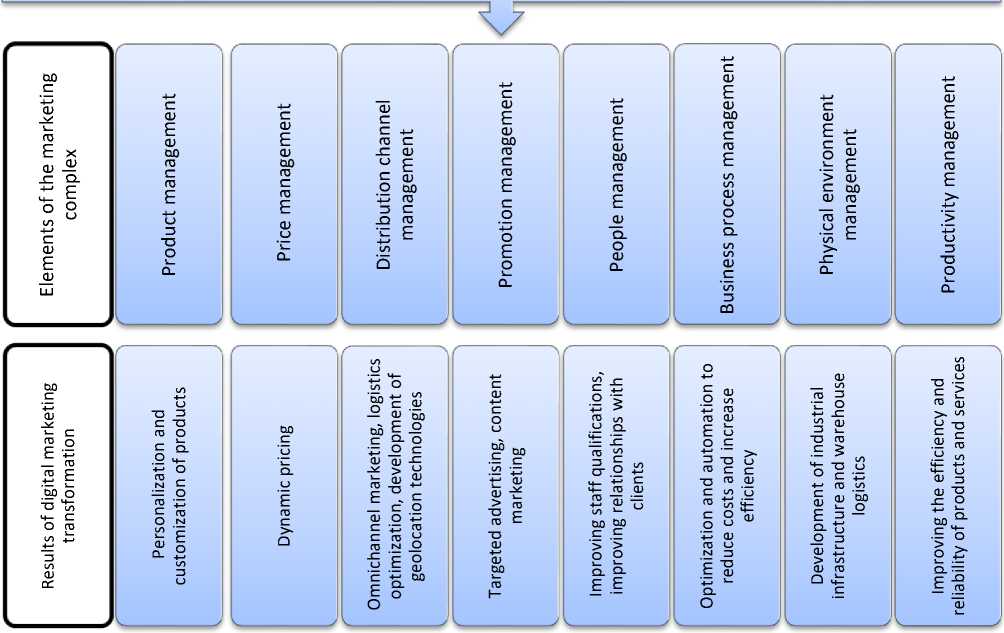
Fig. 1. Conceptual model of digital marketing transformation in the B2B marke t 2.
Let us take a closer look at the presented model of marketing transformation in the industrial markets of northern regions. The model focuses on the process of digital marketing transformation, taking
-
2 Source: compiled by the authors.
into account the specific characteristics of northern regions. The uniqueness of these territories is determined by a number of factors. Firstly, climatic conditions: extremely low temperatures in winter and a short growing season require a special approach to analyzing customer needs and forecasting demand. Secondly, limited human resources and the inaccessibility of certain territories necessitate the effective distribution of labor and the accelerated introduction of digital tools to compensate for staff shortages. Thirdly, the specific natural, climatic and economic conditions of the region imply a high degree of uncertainty in the external environment: seasonal fluctuations in supplies, difficulties in organizing logistics and regular changes in factors affecting customer behavior. This requires flexibility in adapting marketing strategies.
Trends in the digital transformation of industrial marketing in northern regions
The strategic level of digital marketing transformation opens new business horizons for industrial companies, forming the basis for the creation of a new digital culture. This level requires adaptation to rapidly changing environmental conditions and business model transformation. The strategic vision is the direction and goal for subsequent digital marketing transformation actions. In the northern regions, the emphasis is on sustainable development: the use of renewable energy sources and the efficient distribution of resources. Sustainability is not limited to economic efficiency; it is also a matter of corporate social responsibility.
Modern digital technologies offer industrial companies new opportunities to develop and optimize marketing processes, which is particularly relevant for companies in northern Russia and other regions of the world with similar conditions. Let us take a closer look at each component of digital technologies for industrial marketing, as shown in Figure 1.
-
1. Software and hardware. Using specialized software allows companies to optimize production processes and marketing strategies. An example of best practice in the implementation of the Internet of Things (IoT) is Vestas (headquartered in Aarhus, Denmark), the world’s largest wind turbine manufacturer. Vestas actively uses IoT to manage its wind farms. Using data collected from thousands of sensors installed on turbines worldwide, the company optimizes energy generation and predicts maintenance needs 3. As a result, Vestas successfully maintains a high level of customer service, as well as the reliability and performance of its turbines.
-
2. Cloud computing. Moving data and applications to the cloud provides flexibility and costeffectiveness in resource management. For example, manufacturing companies in the northern region, such as Severstal, are actively implementing cloud solutions; it allows them to scale capacity and reduce IT infrastructure costs 4.
-
3. Mobile applications. Industrial companies are increasingly using mobile applications to improve communication and interaction with partners and customers. For example, an application for remote equipment monitoring can significantly reduce downtime and increase service efficiency.
-
4. Big Data. Analyzing large volumes of data plays a key role in strategic decision-making. Companies use analytics platforms to study customer behavior, predict trends, and optimize complex production processes. Gazprom Neft is an example of successful using big data, where data analysis helps to implement energy efficiency strategies 5.
-
5. Artificial Intelligence (AI). The implementation of AI allows for the automation of routine processes and the provision of more personalized solutions for customers. Companies can use chatbots to interact with partners or customers, as well as machine learning algorithms to optimize production processes.
The set of digital B2B marketing tools includes six elements.
-
1. Planning and analytics. The use of planning and analytics platforms helps marketing professionals develop more accurate and relevant strategic plans. An example is the use of Power BI analytics, which provides powerful tools for data visualization and analytics [11]. One of the best practices for using analytical platforms in conjunction with AI is ALROSA (headquartered in Mirny, Russia). The company actively uses analytical platforms to improve the efficiency of data mining and processing, which has significantly reduced production costs and strengthened its competitive position in the global market 6.
-
2. SEO (search engine optimization). Although SEO has not been used very actively by industrial enterprises, it has recently gained popularity. Increasing the visibility of professional websites through SEO helps to attract potential customers and strengthen a company’s online reputation.
-
3. Content marketing. Creating useful and educational content is useful for strengthening the brand and the company’s position as an expert in its field. For example, blogs and videos on YouTube or Rutube can explain complex technical aspects and promote the company’s innovations.
-
4. Email marketing. This is one of the most effective tools for retaining customers and increasing loyalty. Case studies of successful industrial companies show that well-designed newsletters can significantly enhance the effectiveness of other marketing campaigns.
-
5. CRM systems. Customer relationship management remains a critical aspect, especially in the B2B segment. Using systems such as Bitrix helps to integrate customer information and optimize interaction at all stages of the customer cycle.
-
6. Marketing automation. Automation tools help to optimize routine tasks and to direct resources to more important strategic areas. An example is the implementation of HubSpot, which automates email campaigns, social media management, and analytical processes 7.
Digital transformation of the marketing complex in the industrial market of northern regions
The 8Ps concept is an expansion of the traditional 4Ps marketing concept (Product, Price, Place, Promotion), described by Professor E. Jerome McCarthy in 1960 in his textbook “Basic Marketing. A Managerial Approach”. This expansion includes four additional elements: People, Processes, Physical Evidence, and Performance. The 8Ps concept is often associated with the work of Philip Kotler, although the term 8Ps is not as widely used in modern research as the 4Ps. The main drawback of the 8Ps concept is often cited as its complexity, associated with the large number of elements, which makes the management process labor-intensive for small companies. Nevertheless, according to the authors of the article, the 8Ps concept reflects the modern nature of marketing in the industrial market better than others.
-
1. Product in the industrial market includes an assortment portfolio, product or service characteristics, and brand. Today, a product is no longer viewed solely as a physical object, but includes services and digital goods. Digitalization makes it possible to create unique offers based on data about consumer preferences and behavior. Personalization is becoming a key factor in interacting with customers in the industrial market, as each company in this segment has its own specific requirements and expectations. Machine learning algorithms allow not only analyzing customer behavior, but also predicting future actions. For example, in northern regions, it is necessary to adapt offers to extreme operating conditions and the needs of the target audience. This may include the development of special protective mechanisms or the improvement of operating conditions for equipment used in harsh climatic and physical conditions. Vestas can be mentioned among the best practices, as it develops climate-resistant wind turbines for various geographic regions, which allows the company to adapt its offerings to the needs of different markets 8.
-
2. Price in the industrial market includes pricing policy, pricing strategies, discounts, and payment terms. In the digital economy, dynamic pricing is becoming a common practice. Using big data processing technologies, industrial companies can set prices that adapt to demand in real time, making pricing more flexible and effective. Pricing strategy should take into account not only cost, but also customer perception of value. For example, Norilsk Nickel uses highly accurate price modeling based on market trends and demand analysis to remain competitive in the international market 9.
-
3. Place in the industrial market includes distribution channels, points of sale, logistics, and geographic coverage. Access to products has become significantly easier due to online platforms. An important aspect is the use of geolocation technologies to direct consumers to the nearest sales points. For example, Atomflot (a vessel base in Murmansk, Russia) is actively involved in the creation and support of ports and logistics centers in the Arctic 10.
-
4. Promotion in the industrial market includes product promotion (sales, promotional events), advertising, direct marketing, and PR. Advertising and product promotion have become digital, with the focus shifting to a personalized approach to the client, which is possible due to user data analysis technologies. The need for unified customer expertise has led to the integration of communication channels. In today’s digital world, customers can interact with companies through a variety of platforms (omnichannel marketing), including social networks, email, and mobile applications. Creating a unified platform where customers can obtain information and services is becoming the basis for improving customer service. An example of this is the company Arcticgas (Russia) and its founders Novatek and Gazpromneft, which organize international conferences and seminars to engage potential clients and partners, as well as promote environmentally friendly products based on natural gas, such as liquefied natural gas (LNG) 11.
-
5. People are of key importance in industrial market marketing. This includes not only company employees who interact with customers and provide high-quality customer service, but also the buyers themselves. Understanding their needs and preferences helps to create more effective marketing strategies and improve service quality. An example of best practice is Stora Enso (headquartered in Helsinki, Finland), one of the leaders in the forestry industry, which actively involves its employees in sustainable development processes. Employee engagement takes place through training programs on sustainable development and environmental protection in northern regions, environmental committees and groups, competitions for ideas and innovations to reduce environmental impact and optimize resources, etc. 12
-
6. Process es also play an important role in the marketing complex of industrial companies. These include all business processes in the supply chain, from new product development to delivery to the customer. Process optimization helps to reduce costs, to improve customer service, and to increase customer satisfaction, which ultimately contributes to reducing customer outflow, increasing loyalty and the likelihood of repeat purchases. An example of best practice in this area is Equinor (headquartered in Stavanger, Norway), which is implementing digital transformation technologies to improve the efficiency of its oil and gas production processes. Equinor actively uses robotic solutions and automation to reduce human intervention in routine and hazardous operations
13.
This not only reduces the risk of errors, but also improves safety at the field. Control systems allow operations to be carried out remotely, reducing the need for on-site personnel, which is especially important for hard-to-reach and hazardous fields in northern regions.
-
7. Physical Evidence refers to all the material elements that surround the product and customer interaction. In the industrial market, this can mean the quality of packaging, the condition of warehouses and production infrastructure. For example, Gazprom Neft continuously monitors and renovates its points of sale and gas stations to improve customer service 14.
-
8. Performance is measured in terms of efficiency and reliability of products and services. Continuous monitoring and improvement of performance ensures long-term competitiveness and financial stability. The main key performance indicators (KPIs) in supply chain management in the industrial market are logistics service quality indicators. These indicators include the following: order fulfillment by the specified deadline; completeness of order fulfillment; accuracy of order parameters in terms of assortment; reliability and timeliness of communication with customers; presence of customer complaints; availability of stocks; presence of unplanned situations: product returns, out-of-stock (OoS), increases in transport tariffs [12, pp. 57–58]. Another group of indicators for industrial enterprises in northern regions includes environmental risks, emissions into the environment, and work on sustainable development of the enterprise.
Thus, in the context of digital transformation, the marketing complex of industrial enterprises requires rethinking and integration with the new IT tools mentioned in the previous section. The digital transformation of marketing in the industrial markets of northern regions involves a wide range of changes, in which each element interacts with the others to create the most effective business model.
Change management in digital marketing transformation
The topic of changes in the process of digital marketing transformation is widely covered in research by foreign and Russian scientists. Among the most authoritative foreign studies, the following are worth mentioning: O’Reilly C. and Tushman M. 15, Schwab K. [13], and Ritson M. 16 These studies examine how companies can adapt to market changes, including digital transformation, by creating organizational structures that facilitate both innovation and exploitation of existing resources. They also discuss how modern technologies are changing not only business practices but also fundamental aspects of marketing. Among the key challenges is the need to rethink traditional approaches to branding and customer interaction.
Among the most relevant Russian studies, the following are worth noting: Bespyataya M.N. [14], Guzeev L.O. [11], Kuznetsova E.I. [15], Morozov K.D. [16], and Petrova S.A. [17]. The article by Bespyataya M.N. examines how digital transformation affects marketing, focusing on digital technologies and understanding the value chain for consumers [14]. Guzeev L.O. analyzes the key aspects of the digital transformation process in marketing, including technological innovations, changes in consumer behavior, new strategies and tools, as well as development prospects [11]. Kuznetsova E.I. and Rusavskaya A.V. use the example of media business to identify the main problem of digitalization that influences all qualitative changes in the market: data management. The article emphasizes that modern organizations have become more active in interacting with their audience and receiving feedback through the implementation of technology [15]. Morozov K.D. and Sharonov D.I. consider the problems of communication innovations, the cultural dynamics of prosumerism, and the communication strategies used by manufacturers. The key aspect is the mass digitalization of society and its penetration into different areas of human life. Modern communications have influenced society, revealing a completely new type of consumer with new forms of attitude and ideas about values and things that affect the representation of goods and services on the market [16]. The article by S.A. Petrova and V.M. Mikhailova discusses the impact of the digital economy on the marketing activities of enterprises in terms of the components of the marketing complex. The authors note that digital transformation has significantly influenced marketing, transferring it almost entirely to the digital environment [17].
All of the above studies emphasize the importance of adapting marketing strategies in the context of digital change and offer various approaches to solving the emerging problems.
The authors applied the Nadler-Tushman model to characterize the changes that occur in an industrial company during digital transformation. The Nadler-Tushman congruent change management model examines organizational change through the prism of four interrelated elements: tasks, organizational structure and systems, culture, and personnel. Each of these elements is subject to changes at three key stages of transformation: optimization, regulation, and automatization (Table 1).
Table 1
Digital marketing transformation management 17
|
Elements |
Optimization |
Regulation |
Automatization |
|
Tasks |
Improving the efficiency of marketing processes through data analysis and improving current strategies |
Introducing clear regulations and standards for the use of digital tools and channels |
Automatization of processes such as email marketing and advertising campaign management using technologies |
|
Organizational structure and systems |
Creating cross-functional teams to quickly respond to market changes |
Formalization of roles and responsibilities within new digital processes |
Implementation of specialized positions and teams to manage automated processes |
-
17 Source: compiled by the authors.
Culture
Creating an innovative culture that encourages experimentation and adaptation
Establishing norms and values that support digital transformation and working with new tools
Adoption of data and analytics as the basis for decision making, it requires a change in employee mindset
Personnel
Training employees in new technologies and approaches in marketing, the importance of continuous learning
Providing clear qualifications and skills required to perform new tasks in the digital environment
Recruiting specialists with high digital skills and an aptitude for working with data
The first stage is optimizing the business process of marketing management in the industrial markets of northern regions. At this stage, manufacturing companies analyze existing processes and identify bottlenecks hindering development. Optimization methods include data analysis, process re-engineering, and implementation of tools adapted to the specifics of northern regions. At this stage, marketing tasks focus on improving existing marketing process and working methods. The organizational structure becomes more flexible, which facilitates a more rapid response to changes. The organizational culture emphasizes innovation and readiness for changes, which contributes to employee engagement. Staff training becomes a priority to develop the necessary competencies, taking into account the specific challenges of digitalization and sustainable development.
The second stage is regulating the marketing business process, which includes the documentation and standardization of actions and procedures. This stage involves the introduction of clear standards and procedures to streamline work processes in the digital environment. Formalized structures are created within organizations to clearly define roles and responsibilities. The culture is focused on compliance with norms and rules aimed at supporting digital transformation. At the same time, it becomes important to define the qualification requirements for personnel to ensure the fulfilment of new tasks in the conditions of northern regions.
The third stage is automatization of the marketing business process. At this stage, companies implement the modern technologies described above to automate routine tasks and free up resources for strategic initiatives adapted to the needs of the northern regions. Marketing processes are undergoing profound digitalization, which requires not only technical implementation but also changes in the operational model itself. The organizational structure begins to include specialized teams and roles responsible for automated processes. The organizational culture is shifting its focus to data and analytics as fundamental elements for strategic and operational marketing decisions. When recruiting personnel, attention is focused on skills in working with modern digital tools and analytics necessary for effective work in the industrial market of the northern regions.
Addressing the problems of digital marketing transformation
Over the past five years (2020–2024), Russian and international researchers have identified the following five groups of issues and challenges in digital marketing transformation:
-
• integration of new technologies [18], [19];
-
• problems with data and its analysis [20], [21];
-
• staff training [22], [23], [24];
-
• changes in consumer preferences [25], [26], [27];
-
• cybersecurity and data protection [28], [29].
Integrating new technologies into marketing strategy is a critical task for companies in the context of rapid digital development. Every year, the market offers innovations, from artificial intelligence to process automation, which can significantly improve marketing. However, implementing these technologies requires time and resources, as well as changes in corporate culture and structure. Many organizations face difficulties in choosing the right tools and platforms, as well as in configuring and integrating them into existing systems. This can lead to ineffective investments and difficulties in achieving planned results. In addition, the lack of a unified platform for managing all tools complicates the situation. Studies [18] and [19] emphasize the importance of a comprehensive approach to technology integration in order to achieve sustainable results.
The collection, storage, and analysis of large amounts of data have become key challenges for digital marketing. Companies face problems with the proper organization of data and the use of powerful analytical tools. The need to process large amounts of information requires qualified specialists and technologies capable of ensuring effective analysis. Mistakes at this stage can lead to incorrect conclusions and wrong strategic decisions. Moreover, issues of confidentiality and data protection are becoming increasingly relevant, especially given new laws such as the General Data Protection Regulation (GDPR). Studies [20], [21] highlight important aspects of data management and analysis methods for achieving competitive advantages.
In the context of digital transformation, employee training and development are a key task. New technologies require specific skills, and lack of training can become an obstacle to the successful implementation of digital tools. Companies that do not pay sufficient attention to this aspect risk losing their competitiveness. This is emphasized by studies [22], [23], [24], which focus on the need to develop systematic and individual training programs for employees.
The dynamic change in consumer preferences is another problem faced by marketers. In a highly competitive environment and under the influence of digital technologies, consumer preferences can change rapidly. The need to quickly respond to changing consumer preferences complicates long-term planning and requires marketers to be flexible and have an intuitive understanding of current trends. Studies [25], [26], [27] deepen the understanding of this issue and highlights the importance of exploring consumer behavior.
With the increase in digital marketing and its dependence on data, cybersecurity is becoming an increasingly pressing issue. Vulnerabilities in systems can lead to data leaks, which can undermine consumer trust and lead to financial losses. It is important for companies not only to protect their own data, but also to maintain a high level of security for customer information. This requires the implementation of multi-level protection systems and regular training of employees in cybersecurity rules. Studies [28], [29] focus on the necessary measures and strategies to ensure security within digital marketing.
Based on data from five groups of digitalization problems and challenges, the authors propose a model for managing digital marketing transformation in the industrial market (Fig. 2).
Figure 2 is a schematic interpretation of the processes and challenges of digital marketing transformation, using the management model proposed by the authors.
The challenges of digital marketing transformation

Management functions according to A.Fayol

Elements of the conceptual model of digitalization

-
1. Hyperactive external environment and changes in consumer behavior
-
2. The rapid change of technologies and the need for their integration
-
3. Lack of skills among employees and the need for staff training
-
4. Cybersecurity and infrastructure constraints
-
5. The need for analytics and big data, problems with them
-
1. Planning
-
2. Organization
-
3. Motivation
-
4. Control
-
5. Coordination
-
1. Planning of the marketing mix and the use of digital technologies and digital marketing tools
-
2. Change management of digital marketing transformation, as well as optimization, regulation and automation of the process
-
3. Employee training and skills development
-
4. Creating an adaptive team structure and developing cybersecurity
-
5. Implementation of software tools, including for analytics and big data


Fig. 2. Conceptual model of digital marketing transformation management 18.
The first block in the figure is devoted to the external challenges and problems faced by organizations during the digital transformation of marketing in the industrial market of northern regions. As mentioned above, northern regions face specific challenges, such as remoteness of customer locations, impact of climatic conditions, and limited infrastructure, which complicate digital transformation.
The second block in the figure presents the five management functions according to A. Fayol: planning, organization, motivation, control, and coordination [30]. These five functions represent standard management activities necessary for effective marketing in the context of digitalization. Planning requires adapting strategies not only to the influence of the digital environment, but also to the regional characteristics of northern markets. Organization focuses on adjusting internal processes, taking into account geographical characteristics, for the effective implementation of marketing initiatives. Motivation becomes a difficult task due to staff distraction and requires additional initiatives to maintain the engagement and effectiveness of the marketing team. Control and coordination ensure that the plan is consistent with actual actions in complex logistical schemes, which contributes to the achievement of marketing goals.
The third block of the conceptual model consists of five elements, some of which have been described in previous sections of this article. The first element is the process of planning a marketing complex using digital technologies adapted to the conditions of northern regions and tools for achieving strategic and operational goals. The second element is related to managing changes in the field of digital transformation, taking into account specific regional requirements, as well as optimizing, regulating and automating processes to increase the effectiveness of marketing activities.
Employee training and skills development are critical to successful digital transformation in the context of northern regions. Companies in the industrial market are faced with the need to implement new technologies, which requires employees to undergo continuous training and adaptation. For example, data analysis skills and understanding of digital tools adapted to regional conditions are becoming essential. Research shows that companies that invest in training programs focused on regional specifics demonstrate higher competitiveness and adaptability in the markets. According to research by publications such as Harvard Business Review 19, 20, 21 McKinsey 22, and others, companies that actively train their employees report increased efficiency and productivity. Organizations can use methods such as online courses, seminars, and workshops to improve their employees’ professional skills, focusing on such aspects as data analytics, social media management, and digital communication.
Creating an adaptive team structure also plays a crucial role in the digitalization of processes, especially in northern regions. Flexible teams with cross-functional skills ensure rapid response to market changes. A Deloitte study 23 emphasizes the importance of forming such teams for achieving sustainable success in the era of digital transformation. Adaptive team structures based on Agile and Scrum technologies have become standards in many industries, as they enable rapid response to changes. These working methods promote closer collaboration between marketing, IT, and sales departments, ensuring consistency in the implementation of digital transformation strategies.
Cybersecurity development has become an urgent necessity in the digital age. Implementing a robust data security system helps industrial companies avoid leaks and protect confidential information. An article in the MIT Sloan Management Review 24 argues that companies should implement comprehensive security strategies, including employee education on cyber threats and the use of modern data encryption technologies. Effective cybersecurity can be achieved by creating specialized security departments and implementing advanced technologies, such as artificial intelligence and machine learning, to identify threats at early stages.
Thus, the management model described represents a comprehensive approach to managing the modern challenges associated with the digital transformation of industrial marketing in the rapidly changing environment of northern regions.
Conclusion
This study conducted a comprehensive assessment of digital marketing transformation in the northern industrial market, focusing on the challenges and opportunities companies face in the context of modern changes. The results demonstrate that digital transformation is becoming critical for the successful operation of enterprises in a rapidly changing environment, particularly in the context of northern regions, where unique climate conditions and remoteness from major markets create additional challenges. The implementation of new digital technologies, such as artificial intelligence, the Internet of Things, big data, and others, not only transforms business processes but also significantly impacts marketing decisions.
The authors developed and substantiated a conceptual model of digital marketing transformation for industrial markets in northern regions. Northern industrial markets require a more accurate and in-depth analysis of specific customer needs, consideration of labor resource constraints, and adaptation to rapidly changing, aggressive external conditions. This leads to the transformation of marketing strategies, goals, and priorities. In addition, northern regions have specific requirements for logistics and IT infrastructure, which play a key role in shaping approaches to digital transformation.
Modern digital technologies provide industrial enterprises with new opportunities for developing and optimizing marketing processes, which is particularly relevant for enterprises in the northern region of Russia and other regions of the world with similar conditions. In northern regions, particular attention is paid to sustainable solutions, such as the use of renewable energy sources and effective resource management.
The study identified key aspects of digitalization of the marketing complex, including the integration of the latest digital technologies into the 8Ps (Product, Price, Place, Promotion, People, Process, Physical Evidence, Performance). In the context of digital transformation, the marketing complex of industrial enterprises requires rethinking and integration with new IT tools. The ultimate goal of digital marketing transformation in northern industrial markets is to create a process in which each element interacts with the others, creating an effective business model.
In the modern digital economy, effective mechanisms and strategies have been developed for managing changes. The authors used the Nadler-Tushman congruence model to describe the changes a company undergoes during digital marketing transformation. The model includes four elements: tasks, organizational structures and systems, culture, and personnel. Each of these elements changes at three key stages: optimization, regulation, and automation.
Based on the analysis, a model for managing digital marketing transformation was proposed, adapted to the conditions of northern regions. This management model addresses the main challenges hindering digital transformation processes, which are caused by:
-
• market turbulence, including frequent changes in the composition of suppliers, consumers and their needs;
-
• rapid development of digital technologies and, consequently, the need to quickly adapt to changing conditions;
-
• level of readiness (or unreadiness) of personnel for change and their ability to continuously learn and develop cross-functional knowledge, skills and competencies in the field of digital transformation;
-
• weak cross-functional coordination between internal departments, which prevents all organizational structures, programs, and processes from focusing their efforts on advancing through the stages of digital transformation;
-
• infrastructural limitations related to technologies and technical means, organizational structures, and legal mechanisms supporting transformation processes;
-
• cyber threats and the need for enterprises to create a reliable data protection system.
The findings of the study can serve as a basis for the development of future digital transformation strategies aimed at improving the efficiency and adaptability of industrial enterprises in the digital economy, which is particularly relevant for the complex external environment of northern regions. The implementation of the proposed models can help strengthen companies’ positions in the markets and increase their resilience to external challenges.
