
Edtech и вузы: конкурировать нельзя сотрудничать - где поставить запятую?
Рубрика: Экономические науки
Статья в выпуске: 11, 2025 года.
Бесплатный доступ
Цель исследования - разработка комплексной модели взаимодействия государства, университетов, бизнеса и EdTech-платформ, ее математическая формализация, описание параметров и стратегий субъектов, а также условия равновесия и области практического применения. Методологической основой исследования являются институциональный подход, системный подход, прикладная математика, в частности, раздел исследование операций, включающий теорию игр и равновесие Нэша. В статье представлена общая концепция модели. Выделены пять основных субъектов экономики данных в сфере образования: государство, бизнес, Университеты, EdTech-компании, Человек. Государство рассматривается в роли регулятора и инвестора, бизнес - в роли инвестора и потребителя образовательных услуг, а университеты и EdTech-платформы - в роли производителя образовательных услуг. В центре такой модели находится человек, рассматриваемый как субъект. Данная модель позволяет определить стратегии субъектов, позволяющие найти баланс интересов при взаимодействии.
Похожие статьи в разделе Экономические науки в целом. Политическая экономия
Короткий адрес: https://sciup.org/14137015
IDS: 14137015 | УДК: 330: | DOI: 10.24412/2220-2404-2025-11-29
Edtech and universities: compete or cooperate - where to put the comma?
The purpose of the study is to develop a comprehensive model of interaction between the government, universities, businesses, and EdTech platforms, as well as to formalize it mathematically, describe the parameters and strategies of the actors, and determine the conditions for equilibrium and practical application. The study is based on an institutional approach, a systems approach, and applied mathematics, specifically the field of operations research, which includes game theory and Nash equilibrium. The article presents a general concept of the model. It identifies five main actors in the data economy in the field of education: the government, businesses, universities, EdTech companies, and individuals. The state is considered as a regulator and an investor, business as an investor and a consumer of educational services, and universities and EdTech platforms as a producer of educational services. At the center of such a model is a person, considered as a subject. This model allows you to determine the strategies of the subjects that help you find a balance of interests in your interactions.
Текст научной статьи Edtech и вузы: конкурировать нельзя сотрудничать - где поставить запятую?
Введение.
Современная экономика характеризуется интенсивной цифровизацией и стремительным ростом значимости данных. Цифровые решения, как инструмент сокращения трансакционных издержек, проникают во все сферы экономики: материальное производство и сферу услуг. Не ис- ключением является образование, относимое авторами к сфере услуг. В пользу отнесения образования к рынку говорит наличие соответствующих атрибутов: платное образование, спрос, предложение, равновесная цена и пр. При этом данная услуга является социально значимой (общественно значимым благом) и может рассматриваться только через призму обще-
ственного сектора экономики. Лонгитюдные исследования показывают тесную взаимосвязь между эффективностью системы образования и государственными расходами на образование – с одной стороны, и показателями экономического развития – с другой. В этом смысле, эффективность интеграции цифровых образовательных технологий и использующих их компаний (EdTech) в национальную систему профессионального образования является одним из ключевых факторов устойчивой и динамичной экономики России.
В контексте настоящего исследования, под системой образования понимается совокупность государственных и негосударственных образовательных организаций, регулятора (Минобрнауки и Минпросвещения) и бизнес.
Каждый субъект, участвуя в цифровизации образования, преследует собственные цели и интересы.
Государство стремится обеспечить качество человеческого капитала и общественное благосостояние.
Бизнес заинтересован в высокой отдаче от инвестиций в человеческий капитал.
Университеты нацелены на укрепление репутации и финансовой устойчивости через цифровизацию образовательных программ, а EdTech-компании стремятся занять значимую долю на рынке образовательных технологий и получить максимальную выручку.
Из-за различий в целях и ресурсах этих участников возникает необходимость в создании аналитической модели их взаимодействия. Проведенное исследование позволяет учитывать взаимозависимость стратегий субъектов и выявлять оптимальные решения, которые были бы приемлемыми и выгодными для всех участников.
Цель исследования и методология.
Целью настоящего исследования является разработка комплексной модели взаимодействия государства, университетов, бизнеса и EdTech-платформ, ее математическая формализация, описание параметров и стратегий субъектов, а также условия равновесия и области практического применения. При этом государство рассматривается в роли регулятора и инвестора, бизнес рассматривается в роли инвестора и потребителя образовательных услуг, а университеты и EdTech-платформы рассматриваются в роли производителя образовательных услуг. В центре такой модели находится человек, рассматриваемый как субъект.
Методологической основой исследования являются институциональный и системный подходы, прикладная математика, в частности, раздел «Исследование операций», включающий теорию игр и равновесие Нэша.
В ходе исследования нашли применение общенаучные методы: аналитический, сравнительноаналитический метод; частно научные методы: метод системного анализа, метод экспертных оценок.
Проведенное исследование опиралось на результаты научных исследований ученых-экспертов в сфере экономики образования [1–6], а также на анализ экспертных мнений в области развития EdTech [7–14].
Объект и предмет исследования.
Объектом исследования является национальная система образования, рассматриваемая с точки зрения институциональной экономики, т. е. как комплекс институтов, которые регулируют процессы производства, распределения, обмена и потребления образовательных услуг.
Предметом исследования являются закономерности движения материальных, финансовых и трудовых ресурсов в сфере образования.
На рисунке 1 показана демографическая карта потоков образовательных ресурсов на рынке труда России по состоянию на 2022 год. Карта демонстрирует наиболее значимые с точки зрения рынка образования потоки: детское образование и высшее образование. При этом поток, приходящий на высшее образование с рынка труда, сопоставим с потоком, приходящим с предыдущих уровней образования (общее и среднее образование).
На карте не показан рынок дополнительного профессионального образования, однако по масштабу потоков лиц, желающих получить профессиональное образование различного уровня, можно судить о его размерах. На карте также демонстрируется большое количество лиц, попадающих на рынок труда, при этом не получивших образование на последнем уровне. Данные потоки представляют собой потенциал для развития рынка EdTech-образования, они готовы к рынку труда, при этом желают повысить свой уровень образования.
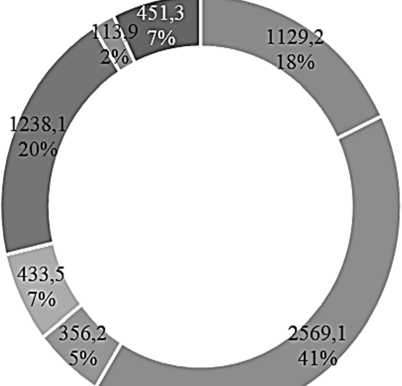
Сделанные выводы подтверждаются объемами рынка образования России по состоянию на 2022 год (рис. 2). На диаграмме показаны объемы рынка образования в государственном и негосударственном секторах. Образование детей (дошкольное, общее образование, а также дополнительное образование детей) занимает в совокупности 64 % рынка.
Общее образование (начальное и среднее) демонстрируют самый большой рост – более 40 % с 2019 по 2022 год (рис. 3). При этом все уровни образования демонстрируют устойчивый рост. Более высокие показатели роста среднего профессионального образования по сравнению с высшим связаны скорее с политикой регулятора, нежели с качественными показателями.
рабочим профессиям
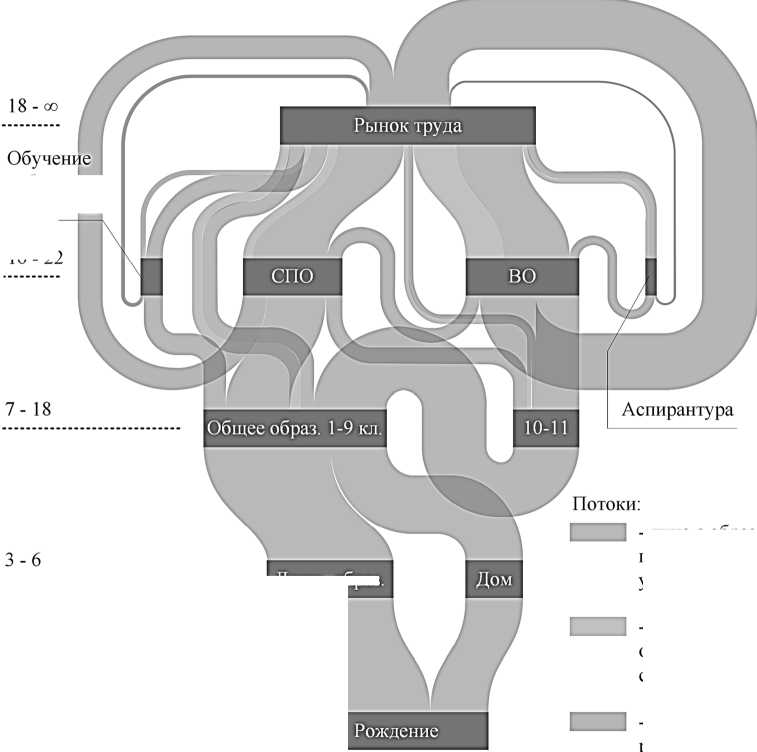
- лица с образованием, переходящие на следующий уровень, или рынок труда
- лица, не завершившие образование, переходящие на следующий рынок труда
16-22
Дошк. образ.
Масштаб потоков: I---------------1 1 млн.
I------1 500 тыс.
q ? Н 100 тыс.

- обратные потоки (лица с рынка труда, поступающие на обучение различного уровня
Рисунок 1 – Потоки образовательных ресурсов на рынке труда России .
(Составлено автором).
-
■ Дошкольное образование
-
■ Общее образование
-
■ Дополнительное образование детей
-
■ Среднее профессиональное образование
-
■ Высшее образование
-
■ Проф. подготовка, переподготовка и повыш. квалиф.
-
■ Прочие расходы в образовании
Рисунок 2 – Структура рынка образования России , млн руб .
(Составлено автором).
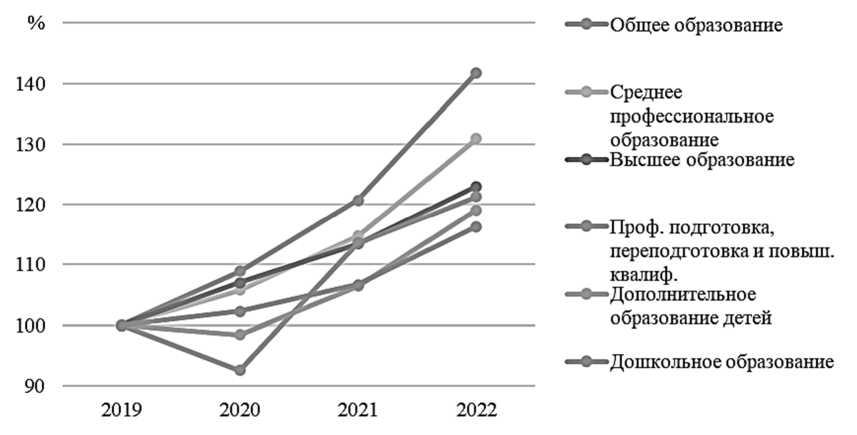
Рисунок 3 – Динамика рынка образования России (Составлено автором).
В целом рисунок 3 подтверждает тезис об увеличении влияния образования на социальноэкономические показали в будущем и, как следствие, увеличении его значения для государства. Доминирующую позицию весьма рельефно сформулировал Президент России В.В. Путин в своём выступлении: «Знания – лучшая валюта XXI века». В этом смысле, EdTech-платформы демонстрируют наилучшие возможности конфигурации имеющихся ресурсов для достижения наилучшего результата. В отличие от традиционных университетов, демонстрирующих определенную инертность в вопросе внедрения новых технологий и делающих это скорее под воздействие регулятора и учредителя, для платформ цифровые технологии являются инструментом получения конкурентных преимуществ.
Обзор литературы .
Базовую позицию российского регулятора в отношении развития цифровых решений в сфере образования можно обобщить как: цифровизация не заменит традиционное обучение, а лишь дополнит и расширит его возможности. Обзор источников, посвященных развитию рынка и продуктов EdTech в России, показывает, что драйверами рынка являются высшее образование и детский сегмент. Все публикации можно условно разделить на четыре группы.
Первая группа – опросы и мониторинги. Это публикации, основанные на статистических отчетах, в том числе на результатах мониторинга и социологических опросах в сфере образования [15–17].
Согласно отчету «EdTech Industry Report 2025», к 2029 году объём глобального рынка EdTech и умных классов вырастет с 214,73 млрд долларов в 2025 году до 445,94 млрд долларов, с годовым темпом роста 20 %, а «EdTech будет определять будущее обучения, способствовать инновациям и расширять глобальный доступ к качественному образованию» [15].
Авторы исследования «Исследование рынка корпоративного обучения в 2024 году» [16] говорят о том, что бизнес начал активнее использовать метрики для оценки отдачи от инвестиций в развитие сотрудников. Наиболее популярные критерии [16]: удовлетворённость сотрудников (66 %), качественная трансформация продукции или оказываемых услуг (47 %), динамика прибыли, изменение рыночной стоимости продукта и его конкурентоспособности (44 %), снижение затрат (30 %).
В «Отчёте об искусственном интеллекте в образовании за 2024 год» [17] показаны наиболее успешные кейсы применения технологии: расширенные возможности обучения, автоматизация повторяющихся задач, доступ к образовательным ресурсам, помощь в оценке заданий, поддержка специального образования, инновационные инструменты обучения и профессиональное развитие.
Вторая группа – сценарное прогнозирование. Группа содержит варианты стратегического планирования сферы образования, создание различных сценариев развития [18–22]. Это результаты научных исследований, посвященных выявлению и снижению рисков.
В статье «Прогнозы на 2025 год от участников edtech-рынка» [18] участники рынка предполагают замедление роста рынка несмотря на то, что edtech пока закрывает малую долю рынка образования. Ставки, в основном, делаются на профессиональное образование. Авторы статьи идентифицируют точки рост edtech-рынка: легализация и прозрачность работы, персонализация, непрерывное обучение, эффективные форматы корпоративного обучения, общение и поддержка.
Авторы статьи «Тренды в онлайн-обучении в 2025 году» [19] справедливо прогнозируют рост платформенного образования и укрупнение игроков edtech-рынка. В части краткосрочного прогноза прогнозируется рост сегмента, связанного с детским образованием, здоровьем, психологией и узкоспециализированными профессиями.
В статье «Тренды EdTech 2025: как ИИ, блок-чейн и метавселенные изменят обучение» [20] приведены численные прогнозы цифровизации образования: «к 2028 году объём рынка ИИ в EdTech составит 21 млрд долларов» и «к 2030 году мировой рынок метавселенных может достичь 5,8 трлн долларов, а среднегодовые темпы роста приблизятся к 45 %».
Авторы статьи «Education 2030: как будут развиваться EdTech-сценарии и кого нужно нанимать под каждый из них» [21] ключевую роль в цифровой трансформации сектора образования отводят человеку: «Независимо от того, какой сценарий окажется ближе к реальности – или как они будут переплетаться в гибридные модели, ясно одно: в центре трансформации образования стоит человек. Не технологии определяют будущее – а те, кто умеет с ними работать. Преподаватели, продуктовые лидеры, C-level в EdTech и корпоративном обучении – именно они перезапускают экосистему обучения».
В публикации «Как развивается EdTech: ключевые тенденции 2025 года» [22] планируется «сдвиг от стандартизированных обучающих платформ к по-настоящему персонализированному управлению обучением», при этом «платформы которого адаптируются к уникальным потребностям и скорости обучения отдельных студентов». По мнению авторов «Искусственный интеллект (ИИ) останется преобразующей силой в 2025 году, изменяя академические и административные ландшафты высшего образования. Грамотность в области ИИ станет главным приоритетом для университетов, готовя студентов к критическому взаимодействию с технологией, которая будет всё больше влиять на их карьеру и повседневную жизнь» [22].
Третья группа – алгоритмы и технологии. Это исследования локального эмпирического характера, включающие опыт применения различных алгоритмов и технологий в образовании [23–27].
В книге «Психометрики в EdTech» [23] показаны практические решения для тех, кто создаёт образовательные продукты в EdTech и стремится проектировать процесс обучения максимально продуманно. Автор ставит вопрос об эффективности современных метрик в образовании: «Невозможно, посмотрев на двух студентов, сказать, кто из них лучше знает предмет. Нет инструментов, которые, подобно весам или рулетке, покажут, каков запас знаний у человека».
Статья «Data science for analyzing and improving educational processes» [24] содержит методы аналитики и алгоритмы машинного обучения, которые облегчают процесс оценки знаний обучающихся. Авторы выделяют следующие группы методов: методы машинного обучения, методы визуализации данных, методы обработки естественного языка (NLP) и методы анализа социальных сетей.
Авторы статьи «Использование data science для образования: пример социально-эмоционального обучения» [25] рассматривают применения методов науки о данных в образовании, в частности, в контексте социального-эмоционального обучения. В статье делается акцент на связи между актом и результатом обучения: «срочно требуется больше исследований, особенно связанных с измерением результатов и их прогнозированием, и их связью с конкретными вмешательствами».
В исследовании «Образовательный анализ данных и аналитика обучения: возможности и перспективы для онлайн-образования» [26] утверждается, что аналитика обучения – важный инструмент для развития студентов, планирования учебного процесса и даже принятия решений на уровне учреждения. Авторы рассматривают, как анализ данных может улучшить процесс обучения, например, за счёт отслеживания прогресса студентов и выявления закономерностей.
В статье «Этические вызовы для аналитики обучения» [27] предлагается обратить внимание на одну из этических проблем, связанных с использованием данных в обучении: невозможность контролировать, кто и для каких целей использует информацию о студентах.
Четвертая группа – экономика образовательных платформ. Это публикации, посвященные платформенному образованию [28–31]. Авторы таких статей рассматривают цифровые образовательные платформы через призму экономики.
В статье «Экономическая модель цифровых образовательных платформ» [28] представлена экономическая модель развития цифровых образовательных платформ, включающая определение эффективности инвестиций в человеческий капитал, использование ресурсов системы образования и отдачу от образования.
Исследование «Институциональные условия развития цифровых образовательных платформ» [29] показывает, каким образом платформенные решения в образовании могут быть встроены в существующие национальные модели развития человеческого капитала.
Интерес представляет исследование «Этапы и сценарии развития цифровых образовательных платформ» [30], автор которого показывает процесс инкорпорирования существующих информационных систем образовательных организаций в цифровые образовательные платформы.
Автор статьи «Цифровые платформы как новые субъекты образовательных отношений» [31] по-
казывает, как цифровые платформы с искусственным интеллектом могут выступать самостоятельными субъектами образовательных отношений, постепенно минимизируя значение образовательных организаций.
Общая концепция модели:
Модель взаимодействия рассматривает пять основных субъектов экономики данных в сфере образования:
-
• Государство формирует условия, определяет уровень финансирования, регулирует и стимулирует цифровизацию и развитие образования;
-
• Бизнес инвестирует в подготовку человеческого капитала, ожидая возврата инвестиций в виде повышения производительности и прибыли;
-
• Университеты интегрируют цифровые решения в образовательные программы, стремясь к росту репутации и финансовой устойчивости;
-
• EdTech-компании разрабатывают и внедряют инновационные цифровые решения в сфере образования, ориентируясь на захват рынка и получение прибыли;
-
• Человек выступает как непосредственный потребитель образовательных услуг и активный участник процесса формирования человеческого капитала.
Механизмы взаимодействия.
-
• Государство как регулятор и инвестор
Финансирование и регулирование:
-
– Гранты и субсидии университетам и EdTech-стартапам;
– Создание налоговых льгот для бизнеса, инвестирующего в образование.
Стандартизация:
– Установление стандартов качества образования и требований к навыкам.;
– Регулирование рынка EdTech-платформ для защиты пользователей.
Мониторинг и аналитика:
– Анализ рынка труда для выявления дефицитов кадров;
– Поддержка платформ для сбора данных о спросе на навыки (например, через открытые данные).
-
• Университеты и бизнес: связь теории и практики
Совместные образовательные программы:
– Бизнес участвует в разработке курсов (например, «программы под заказ» для IT, энергетики или медицины);
– Стажировки, практики и кейс-стади в университетах, организованные работодателями.
Инновационные лаборатории:
– Совместные проекты с бизнесом для внедрения технологий в образовательный процесс (например, VR-лаборатории для медицинских вузов).
-
• EdTech-платформы как связующее звено
Технологии для образования:
– Платформы предоставляют университетам инструменты для онлайн-обучения, AI-ассистенты для студентов, аналитику успеваемости;
– Разработка микропрофессиональных курсов для бизнеса (например, корпоративное обучение).
Доступность и масштабируемость:
– Платформы обеспечивают доступ к образовательным ресурсам в регионах с дефицитом вузов;
– Партнёрство с университетами для дистанционного образования.
-
• Обратная связь и адаптация
Анализ спроса на навыки:
– Бизнес передает университетам и EdTech данные о потребностях рынка;
– Государство использует эти данные для корректировки образовательных программ.
Оценка эффективности:
– Университеты и платформы анализируют результаты обучения через метрики вроде уровня трудоустройства студентов или эффективности корпоративных курсов.
-
• Научные исследования и инновации
Совместные проекты:
– Университеты и технологические компании работают над разработкой новых решений (например, AI для персонализированного обучения);
– Государство финансирует исследования через гранты.
Цели и интересы субъектов модели.Государство G.
Государство стремится к обеспечению устойчивого развития человеческого капитала и равного доступа к образованию. В стратегической перспективе это выражается в повышении качества образовательных услуг и адаптации системы образования к вызовам цифровой экономики. Тактически государство заинтересовано в развитии цифровой образовательной инфраструктуры, стандартизации и поддержке новых форматов обучения. С экономической точки зрения, оно ориентировано на оптимизацию бюджетных расходов, повышение занятости и конкурентоспособности национальной экономики.
Бизнес В.
Для бизнеса ключевым интересом является наличие кадров, обладающих актуальными профессиональными и цифровыми компетенциями. Стратегически компании заинтересованы в интеграции с образовательной средой с целью формирования кадрового резерва. Тактические интересы включают участие в разработке программ, создание корпоративных университетов и взаимодействие с EdTech-платформами. Экономическая мотивация выражается в снижении затрат на обучение персонала и повышении эффективности производства.
Университеты U.
Университеты действуют как проводники науч- ных знаний и подготовки кадров. Их стратегический интерес заключается в повышении академического статуса и привлечении внешнего финансирования. Тактические цели связаны с обновлением образовательных программ, развитием цифровых сервисов и интеграцией с платформами EdTech. С экономической стороны университеты стремятся к диверсификации доходов, увеличению доли платных образовательных услуг и участию в совместных проектах с бизнесом.
EdTech-компании Е .
Цель EdTech-компаний заключается в трансформации образовательного процесса посредством технологий. Стратегически они заинтересованы в масштабировании решений, выходе на международные рынки и формировании стандартов цифрового обучения. Тактически – в разработке персонализированных и адаптивных курсов, использовании технологий искусственного интеллекта, геймификации и анализа образовательных данных. Экономически модели EdTech ориентированы на монетизацию платформ и образовательного контента, а также на привлечение венчурных инвестиций.
Человек Н.
Заинтересован в получении качественного и доступного образования, отвечающего требованиям рынка труда при минимизации личных затрат (финансовых и временных) и максимизации перспектив трудоустройства, карьерного роста и повышения дохода.
Таблица 1
Интересы субъектов модели
|
Субъект |
Инте ресы |
||
|
Стратегические |
Тактические |
Экономические |
|
|
Государство |
Качество образования, равный доступ, человеческий капитал |
Цифровизация, стандартизация, регулирование |
Оптимизация расходов, рост производительности, налогооблагаемая база |
|
Бизнес |
Квалифицированные кадры, интеграция с образованием |
Корпоративное обучение, участие в программах |
Снижение затрат, рост производительности, уменьшение текучки кадров |
|
Университеты |
Академическая репутация, интернационализация, финансирование |
Обновление программ, цифровые сервисы, сотрудничество с EdTech |
Рост дох одов, коммерциализация знаний, привлечение студентов |
|
EdTech-компании |
Масштабируемость, инновации, формирование стандартов |
Адаптивные курсы, геймификация, сбор данных |
Продажа решений, подписки, инвестиции и аналитика |
|
Человек |
Качественное и релевантное образование |
Оптимальное распределение времени и средств, выбор фо рмата обучения |
Максимизация карьерного роста и дохода при минимальных личных затратах |
Целевые функций полезности субъектов взаимодействия.
Исходя из структуры интересов, можно перейти к формализации поведения субъектов в рамках кооперативно-конкурентной среды. Предположим, что каждый субъект принимает решения о вложении ресурсов в совместную образовательную систему, стремясь максимизировать собственную полезность, при этом учитывая поведение других участников.
Рассмотрим модель с четырьмя участника-ми/субъектами: государством (G), бизнесом (B), университетами (U) и EdTech-компаниями (E). Каждый из них выбирает уровень инвестиций в совместную деятельность:
x G , х в , х и , х Е , х н > 0.
Общее качество образования Q определяется совокупным вкладом всех участников:
Q = ax G + ^x B + yx u + 8x E + g x H .
Функция полезности каждого актора состоит из двух частей:
-
• Выгода от участия в системе, зависящая от общего качества Q ;
-
• Издержки на собственные инвестиции (возможно, с убывающей отдачей).
Каждый субъект имеет свою целевую функцию U , отражающую его интересы:
Государство.
UG = aiQ + a2SG + a3I - CG, где Q - качество человеческого капитала (измеряемое через квалификацию выпускников); SG - социальнная стабильность (рост занятости, снижение безработицы); I - уровень инноваций в стране; CG - расходы государства на проекты; at - коэффициент значимости
Бизнес.
UB = № + Д2Н + p3PR - Св, где R - экономический эффект (повышение прибыли за счет квалифицированных кадров); Н - улучшение HR-бренда и доступ к талантам; PR - рост репутации и социальных инвестиций компании; CB - затраты бизнеса на финансирование и поддержку проектов; pt - коэффициент значимости.
Университеты.
