
Emerging Themes and Research Directions in MOOCs and Micro-credentials
Journal: International Journal of Modern Education and Computer Science @ijmecs
Article in issue: 6 vol.17, 2025.
Free access
Massive Open Online Courses (MOOCs) and micro-credentials have emerged as key innovations in modern education, offering scalable, flexible access to learning and skill development. Despite their potential, challenges such as low learner engagement, high dropout rates, and uncertainty over the value of digital credentials remain. This study analyzes 3,743 publications from 1970 to 2024 using bibliometric and text analytics to uncover research trends, influential studies, and dominant themes in the field. Results show a surge in research from 2014 to 2020 driven by digital technology adoption and the COVID-19 pandemic followed by a decline as hybrid learning models became normalized. Key themes include learner motivation, engagement strategies, digital badges, and ethical concerns tied to data-driven education. While advancements in learning analytics and personalization show promise, the study underscores the need for standardized credentialing, scalable engagement frameworks, and ethical governance in online education. Critical gaps remain, particularly in evaluating the long-term impact of micro-credentials on employability and understanding adoption differences across regions and socio-economic groups. Limitations include reliance on the Web of Science and author-provided keywords, which may narrow the scope. Despite this, the study provides a systematic overview and offers practical insights for improving MOOCs and micro-credentials as tools for lifelong learning and global educational equity.
Similar articles in the section Fundamentals of education. Theory, policy, etc.

Short address: https://sciup.org/15020061
IDS: 15020061 | DOI: 10.5815/ijmecs.2025.06.07
Text of the scientific article Emerging Themes and Research Directions in MOOCs and Micro-credentials
Massive Open Online Courses (MOOCs) and micro-credentials have become central to the evolution of modern education systems, offering scalable, flexible, and accessible learning opportunities. Initially, conceptualized as experimental tools to democratize education, MOOCs has emerged as critical platforms for addressing the educational needs of diverse global audiences. Micro-credentials, including digital badges, complement this evolution by enabling learners to showcase specific skills without committing to traditional degree programs, appealing to professionals in a fast-changing job market [1]. The COVID-19 pandemic served as a critical point, dramatically accelerating the adoption of MOOCs and micro-credentials as institutions worldwide seek for alternatives to in-person learning during widespread closures [2]. This shift reinforced the importance of scalable and adaptive models capable of meeting varied learner needs.
Despite these advancements, MOOCs and micro-credentials face persistent challenges. High dropout rates and limited learner engagement highlight a gap in sustaining motivation within self-directed environments [3]. Moreover, even though digital badges and micro-credentials have become more popular, it is still unclear how valuable and well-received they will be in the long run in the labor market [4]. The integration of advanced technologies like learning analytics has added a new dimension to online education by enabling personalization but concerns around data privacy and ethical use remain as a significant barrier [5]. Given these complexities, understanding the interplay between technological innovation, learner behavior, and educational outcomes is crucial for shaping the future of MOOCs and micro-credentials [6]. This study seeks to address these gaps by analyzing publication trends, identifying influential studies, and uncovering recurring themes within the research field to provide a roadmap for advancing online education. However, this study relies solely on the Web of Science (WoS) database, which may exclude relevant research indexed in other sources such as Scopus and Google Scholar. Additionally, the global adoption and outcomes of MOOCs and micro-credentials may vary significantly across socio-economic and regional contexts differences which are acknowledged in this study but not empirically examined. These limitations frame important directions for future research.
2. Research Objective
This bibliometric analysis aims to provide a comprehensive understanding of research trends in MOOCs and micro-credentials. The study’s objectives are as follows:
• To analyse the growth and publication trends in this research fields, identifying key periods of focused academic activity and major influences.
• To identify influential studies and themes within MOOCs and micro-credentials research through bibliometric analysis with focused on citation patterns and high-impact publications.
• To identify recurring themes and connections within this research field by analysing the patterns of author’s keywords, capturing the primary focus areas and emerging topics in the field.
3. Literature Review
4. Methodology
The significance of these objectives lies in their ability to map the evolution and focus of research in MOOCs and micro-credentials, giving insights on how interest in the field has developed over time and been influenced by changing needs and external events. By pinpointing influential studies, this analysis provides a foundation that highlights the core theories and findings which have shaped current understanding, offering valuable insights for both scholars and practitioners as they build on existing knowledge. Additionally, by examining patterns in author keywords to uncover recurring themes and connections, this study identifies the main research areas as well as gaps that remain unexplored, ultimately guiding future research toward a more detailed and well-rounded understanding of online education. Together, these objectives create a clear view of the field's progress and open new paths for exploring both established and emerging topics.
The existing literature on MOOCs and micro-credentials highlights the field’s dynamic evolution and the interplay of technological, pedagogical, and societal factors shaping its growth. Early studies emphasized the potential of MOOCs to democratize education by removing barriers related to geography, cost, and institutional access [7]. However, these works also identified critical challenges, such as low completion rates and limited engagement, which remain central to ongoing research [8,9]. Recent studies have expanded this scope by examining how MOOCs can foster lifelong learning, particularly for adult learners who seeks to upskill or reskill their ability in competitive job markets [10]. Micro-credentials, particularly digital badges, have attract significant attention for their role in validating specific skills and competencies. Research underscores their appeal to non-traditional learners and professionals, but questions were raised and focused on their credibility and industry acceptance. For instance, several studies highlight the need for standardized frameworks to ensure the value of digital credentials across sectors [11]. Additionally, while micro-credentials are often linked to enhancing employability, however the field is still lack with empirical evidence on their long-term career impact [12]. Some real-world implementations highlight these concerns and possibilities. For example, Coursera has partnered with major technology companies to offer industry-aligned micro-credentials that professionals can stack toward a larger certification. Similarly, edX and FutureLearn have collaborated with public universities in countries like India and the United Kingdom to embed micro-credentials into formal degree programs. However, systematic assessments of their career and income outcomes remain limited, pointing to a gap in impact evaluation.
Technological advancements, including learning analytics and artificial intelligence, has reshaped research priorities in MOOCs. Learning analytics, for example, enables institutions to track student behavior, identify at-risk learners, and personalize content delivery [13]. Despite these advantages, ethical concerns related to data privacy and autonomy present significant challenges to the adoption of such tools [14]. Researchers have called for transparent policies and frameworks to mitigate these risks while maximizing the benefits of data-driven education [15]. Emerging themes like motivation, engagement, and accessibility dominate the research landscape. Intrinsic and extrinsic motivation are the critical factors that influence learner persistence, particularly in self-paced environments. Studies show that gamification, goal-setting, and collaborative learning can enhance engagement, but the efficacy of these strategies varies across learner demographics [16, 17]. Similarly, accessibility initiatives, such as open education resources, aim to make quality education available to all but require further research to evaluate their effectiveness in underserved communities [18].
The COVID-19 pandemic acted as a trigger for research in online education, bringing new urgency to the exploration of scalable and adaptable learning models. Studies from this period highlight the rapid adoption of hybrid and online learning systems as institutions sought to ensure educational continuity [19]. However, as the field transitions beyond the pandemic, research is shifting toward understanding the long-term implications of these changes on education systems globally [20]. For instance, Hybrid learning shows opportunities for balancing digital and inperson learning experiences, though its implementation remains uneven across regions [21]. To support this evolution, interdisciplinary collaboration between universities, policymakers, and industry stakeholders is increasingly necessary. Such partnerships can help align learning outcomes with labor market needs, create standards for credential recognition, and promote policy frameworks that sustain quality and equity across learning environments. Overall, the literature shows a profession that is changing due to new technology and changing student demands. While MOOCs and microcredentials have demonstrated potential for broadening access and enhancing skills, critical gaps remain in understanding their long-term impact, ethical considerations, and scalability. Addressing these challenges through focused research can help refine online education models to better meet the needs of learners and industries alike.
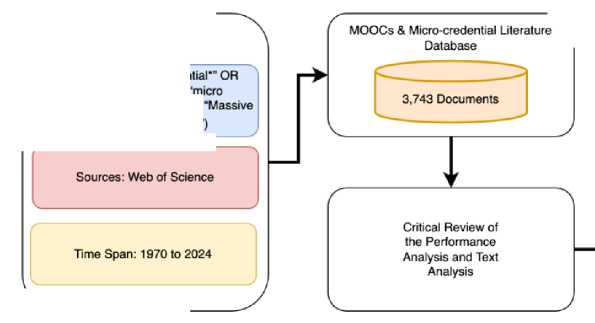
Adapting the established bibliometric techniques outlined by [22,23], the methodology for this study is divided into literature analytics and text analytics. Literature analytics centers on measuring productivity and impact, utilizing metrics like publication counts and citation numbers to identify significant contributors within a field. In contrast, text analytics examines research content by analysing author keywords to map the main themes. This analysis highlights core topics and patterns, helping to clarify research priorities and emerging areas within the field, providing a deeper understanding of the factors that drive ongoing inquiry. Together, these steps allow the model to generate clear and interpretable topic representations, making it possible to identify meaningful themes within large sets of text data. The bibliometric methodology for this study is illustrated as Figure 1. While bibliometric and keyword-based text analytics are widely accepted in scholarly mapping, their application to MOOCs and micro-credential research poses both strengths and limitations. These methods are effective in detecting long-term publication trends and high-level research clusters. However, they may not capture more nuanced pedagogical innovations, institutional strategies, or learnerspecific dynamics unless explicitly tagged in metadata. Additionally, relying solely on author-provided keywords may lead to under-representation of emergent themes that have yet to become standardized within the field.
Paper Searching Criteria
Actionable Insights
4.1 Data Collection
Data for this study was collected from the Web of Science (WoS) Core Collection, chosen because it includes a wide range of high-quality, peer-reviewed research articles [24,25,26]. The search was done on October 14, 2024, and included publications from 1970 to 2024 to provide a complete picture of the field’s development. The search terms focused on “MOOCs” and “micro-credentials” and looked at topics (titles, abstracts, and keywords). The details is illustrated in the Table 1.
4.2 Data Analysis
5. Literature Analytics
5.1 Exploratory Data Analysis (EDA)
Table 1. Paper Searching Criteria
|
Parameter |
Details |
|
Collection |
Web of Science Core Collection |
|
Search Field |
Topic (titles, abstracts, keywords) |
|
Search String |
(“micro-credential*” OR “microcredential*” OR “micro credential*”) OR (“MOOC” OR “Massive Open Online Courses”) |
|
Date Range |
All years (1970-2024) |
Initially, the data collection has resulted a 7,688 records. After applying inclusion and exclusion criteria (see Table 2), the data has reduced to a total of 3,743 articles for analysis.
Table 2. Inclusion and Exclusion Criteria
|
Parameter |
Details |
|
Document Type |
Inclusion: Article Exclusion: Retracted Publication, Data Paper, Proceedings Paper |
The exploratory data analysis (EDA) report, summarized in Table 3, provides a comprehensive overview of research patterns on MOOCs and micro-credentials from 1992 to 2024. Over this 32-year span, a total of 3,743 documents were published, supported by 159,994 references and receiving 56,097 citations. Each document received an average of 144.96 citations, reflecting the significant academic interest and influence of this field in educational research. These citation metrics highlight the enduring relevance of MOOCs and micro-credentials in scholarly discussions, particularly as the field continues to adapt to technological advancements and global educational challenges. The dataset comprises contributions from 11,459 authors, showcasing the multidisciplinary nature of this research domain. Additionally, 18,725 unique keywords were identified, indicating a wide range of topics and themes within the field. On average, 116.97 documents were published annually, with noticeable growth during periods of technological innovation and global crises such as the COVID-19 pandemic. This steady increase underscores the academic community's recognition of MOOCs and micro-credentials as essential tools for addressing evolving educational demands.
These findings set the stage for further exploration of key research trends and thematic areas. The large number of unique keywords suggests that the field has diversified significantly, branching into subtopics such as learner engagement, digital credentialing, and hybrid learning models. From a theoretical perspective, the EDA highlights the broad scope of the field, encompassing topics ranging from foundational educational frameworks to cutting-edge technologies like learning analytics. Practically, the consistent growth in publications suggests that MOOCs and microcredentials have gained traction as viable solutions for improving access to education and addressing workforce development needs. The analysis also identifies gaps that warrant further research. For instance, while the field has demonstrated robust growth, questions remain about the long-term impact of MOOCs and micro-credentials on learner outcomes and institutional practices. Additionally, with an increasing focus on hybrid and adaptive learning models, it is essential to examine how these systems can integrate with traditional educational structures to create more sustainable learning environments. These insights provide a roadmap for future research aimed at enhancing the scalability, accessibility, and effectiveness of MOOCs and micro-credentials in diverse educational contexts.
Table 3. Exploratory Data Analysis Report
|
Parameter |
Details |
|
Timespan |
1992-2024 |
|
Total Number of Documents |
3,743 |
|
Total Number of References |
159,994 |
|
Average Documents per Author |
0.33 |
|
Average Documents Per Year |
116.97 |
|
Total Number of Authors |
11,459 |
|
Total Number of Author’s Keyword |
18,725 |
|
Total Number of Citations |
56,097 |
|
Average Citations Per Author |
48.57 |
|
Average Citations per Document |
144.96 |
-
5.2 Documents Per Year
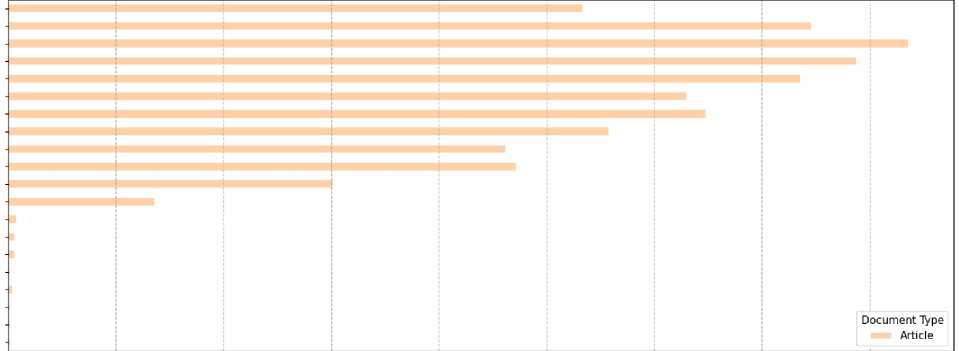
The publication trends illustrated in Figure 2 showcase the evolution of research on MOOCs and micro-credentials, reflecting their adaptation to technological advancements and global events. Between 1992 and 2010, publication activity was minimal, with few studies recorded during this period. This aligns with the early development phase of online education, which was constrained by limited internet infrastructure and accessibility challenges [29]. Research at the time primarily focused on theoretical explorations rather than practical implementations. A significant rise in publications occurred between 2011 and 2013, driven by the introduction of major MOOC platforms such as Coursera and edX [30]. These platforms revolutionized online learning by providing scalable, affordable, and accessible educational opportunities to a global audience. This period marks the transition from experimental online courses to widely recognized educational models, prompting increased academic interest in understanding their potential.
The period from 2014 to 2019 saw rapid growth in publications, peaking at 324 articles in 2018. During this time, MOOCs gained institutional recognition, with research efforts focusing on improving learner engagement, course design, and completion rates [31]. The consistent growth reflects the academic community's commitment to addressing challenges associated with scaling online education and enhancing its effectiveness for diverse learner groups. The COVID-19 pandemic in 2020 marked another significant phase in the publication trend. As educational institutions worldwide shifted to online learning during widespread lockdowns, research output surged to address urgent challenges in maintaining educational continuity [31]. This period underscores the critical role of MOOCs and micro-credentials in providing scalable solutions during a global crisis.
2 015
0 50 100 150 200 250 300 350 400
Count
Fig. 2. Document Per Year
However, a decline in publication activity is evident from 2023 onward, with only 267 articles published in 2024. This decreases likely reflects a shift in research priorities as institutions transition to hybrid or in-person learning models, balancing the benefits of online and traditional education. The reduced urgency for purely online education post-pandemic has prompted the academic community to explore how MOOCs and micro-credentials can integrate into a broader educational ecosystem [32,33]. These trends highlight key insights into the evolution of the field. The theoretical contributions include identifying turning points such as the launch of MOOC platforms and the COVID-19 pandemic, which shaped research directions and priorities. Practically, the decline in publications post-2023 suggests an opportunity to revisit earlier frameworks and adapt them to hybrid education models, where online and in-person elements coexist.
-
5.3 Citations Per Year
The citation trends for MOOCs and micro-credentials research, as shown in Figure 3, provide a clear picture of the field's evolution in response to technological advancements and global events. Between 1992 and 2010, citations were minimal, reflecting the early stages of online education when research was constrained by limited internet infrastructure and accessibility [29]. During this period, studies focused primarily on theoretical and experimental frameworks, with little practical implementation. A significant shift occurred in 2011 and 2012, with citations rising to 520 and 573, respectively. This increase aligns with the launch of major MOOC platforms such as Coursera and edX, which revolutionized online education by offering scalable, affordable, and flexible learning opportunities to a global audience [30,34]. These platforms marked the transition from experimental online courses to fully operational systems, generating widespread academic and public interest.
-
5.4 Research Impact Analysis
The research impact analysis underscores the influence of key studies in shaping the field of MOOCs and microcredentials while addressing persistent challenges. Table 4 provides a detailed overview of three impactful studies, including their citation counts and usage metrics, which offer valuable insights into their relevance over time. Usage counts, a measure of how often articles meet users’ information needs, reveal shifts in research priorities and highlight the ongoing evolution of the field. The study “MOOCs: A Systematic Study of the Published Literature 2008-2012” holds a significant place in foundational MOOC research with 592 citations, reflecting its substantial academic influence during the early stages of the field [37]. This study focused on early challenges such as learner engagement, accessibility, and course structure, establishing a baseline for understanding the potential and limitations of MOOCs. However, its low recent usage (4 in the past 180 days) suggests that the field’s focus has shifted to more contemporary issues, such as the integration of advanced technologies and hybrid learning models. This highlights the evolving nature of MOOCs research and the need to revisit foundational frameworks in light of current trends.
From 2013 to 2018, citation trends demonstrate rapid growth, peaking at 8,177 in 2015 and remaining consistently high throughout this period. This surge coincided with the height of the MOOC movement, during which institutions worldwide began adopting these platforms to improve learner engagement, course design, and completion rates [35]. The increased adoption of MOOCs during this period reflects their growing role in addressing institutional needs for scalability and innovation in education delivery. The COVID-19 pandemic in 2020 marked another pivotal phase for MOOCs, as institutions shifted to online learning to ensure educational continuity during widespread lockdowns. Citations during this period remained high, peaking at 5,951 in 2020 and 4,832 in 2021 [31]. These numbers underscore the critical role of MOOCs and micro-credentials in addressing the unprecedented educational challenges posed by the pandemic [32]. The surge in citations reflects the urgency to scale and adapt educational models to meet diverse learner needs. However, a sharp decline in citation counts is evident from 2022 onward, with numbers dropping to just 1,216 in 2024. This decline likely reflects a reduced urgency for fully online education as the pandemic subsided and institutions increasingly embraced hybrid or in-person learning models [36]. The declining citations suggest a shift in research priorities, emphasizing the need to explore how MOOCs and micro-credentials fit into a post-pandemic educational ecosystem.
These trends provide several insights into the evolution of MOOCs and micro-credentials research. Theoretical contributions from this analysis include the identification of key turning points—such as the launch of MOOC platforms and the COVID-19 pandemic—that shaped the field's trajectory. Practically, these findings suggest an opportunity to revisit earlier frameworks and adapt them to current needs, such as hybrid education models that integrate online and in-person learning. Moreover, the decline in citations highlights a need for forward-looking research that addresses long-term challenges, such as sustaining engagement and expanding the reach of micro credentials in diverse contexts.
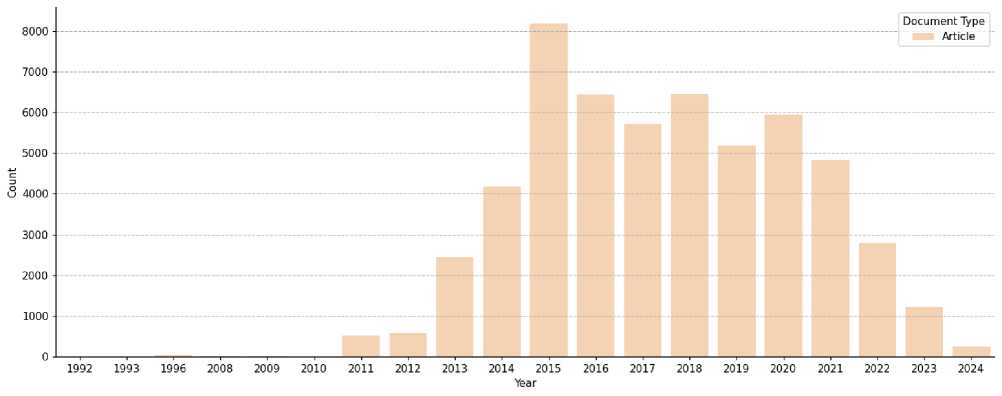
Fig. 3. Citations Per Year
Another critical study, “Learning in MOOCs: Motivations and Self-Regulated Learning in MOOCs”, with 351 citations and 17 recent usage counts, highlights the enduring importance of motivation and self-regulation in online learning [38]. This research emphasized how independent learning environments, like MOOCs, require students to develop strong self-motivation and effective time management skills to succeed. Despite its age, the study remains relevant, addressing high dropout rates and underscoring the persistent challenges of maintaining learner engagement and motivation. Its findings continue to guide efforts to design interventions that improve self-regulation and engagement in MOOCs. The study “Self-Regulated Learning Strategies Predict Learner Behavior and Goal Attainment in MOOCs” demonstrates sustained interest in understanding the correlation between learner behaviours and success, with 492 citations and 32 recent usage counts [39]. This work emphasizes the importance of self-regulated learning strategies in improving goal attainment and reducing attrition in MOOCs. By identifying specific behaviours and strategies that lead to better outcomes, the study has influenced course design practices, encouraging the development of tools and resources that empower learners to independently manage their progress.
Together, these studies reveal how foundational research has evolved to address both enduring and emerging challenges in MOOCs and micro-credentials. From early structural issues to current efforts to enhance learner autonomy and engagement, the field has made significant progress. The findings align with the study’s objectives by highlighting gaps, such as the continued struggle with learner motivation, and offering actionable insights for designing more effective and inclusive online education systems. These insights emphasize the need to develop frameworks that integrate motivational strategies, self-regulation tools, and adaptive technologies to improve long-term learner outcomes.
Table 4. Research Impact Analysis
|
Article Title |
Times-Cited |
Usage-Count-Last-180-days |
Usage-Count-Since-2013 |
|
MOOCs: A Systematic Study of the Published Literature 2008-2012 |
592 |
4 |
765 |
|
Learning in MOOCs: Motivations and self-regulated learning in MOOCs |
351 |
17 |
666 |
|
Self-regulated learning strategies predict learner behavior and goal attainment in Massive Open Online Courses |
492 |
32 |
774 |
6. Text Analytics 6.1 Word Cloud of Author’s Keywords
The word cloud analysis (figure 4) highlights key research themes and emerging priorities in MOOCs and microcredentials, reflecting trends and gaps that warrant further exploration. Prominent keywords like “online learning,” “higher education,” and “students” emphasize the shift toward digital platforms, particularly accelerated by the COVID-19 pandemic. This global transition underscores the need for long-term research to evaluate the impact of digital education on learner engagement, mental health, and academic success [36]. The findings also highlight the importance of creating flexible and inclusive systems that accommodate diverse learner needs, especially those from underserved populations. Keywords such as “motivation,” “engagement,” and “distance learning” point to significant challenges faced by students in online courses. Self-paced and remote environments often lead to disengagement as learners struggle without the immediate support typical of traditional classrooms. While interventions like gamification and personalized feedback show potential in improving learner focus, they are not universally effective [34], [35]. More research is needed to design reliable strategies that sustain motivation and foster engagement. For instance, incorporating collaborative tools, real-time feedback mechanisms, and community-building features could create more interactive and rewarding learning experiences.
The terms “learning analytics,” “performance,” and “satisfaction” reflect the growing adoption of data-driven tools in education. Learning analytics allows educators to track student behavior, identify struggling learners, and tailor content delivery to individual needs [40]. However, ethical concerns, including data privacy and transparency, present barriers to their widespread use. Institutions must develop clear guidelines that balance the benefits of analytics with respect for learner autonomy and trust. If implemented responsibly, learning analytics has the potential to significantly enhance educational outcomes without compromising ethical standards. Keywords like “digital badge” and “open education” illustrate evolving approaches to credentialing and accessibility. Digital badges, increasingly favoured by professionals and adult learners, provide a quick way to certify specific skills. However, their inconsistent acceptance in the job market highlights the need for collaboration between educational institutions and employers to establish standardized and credible frameworks [41]. Similarly, open education, represented by terms like “open educational resources,” showcases the democratization of learning materials but raises questions about their efficacy in serving underrepresented learners [42]. Further research is essential to optimize these initiatives for diverse learner groups and ensure equitable access to quality education.
These findings align with the study’s objectives by identifying recurring themes such as learner motivation, engagement, ethical considerations, and credential standardization. From a theoretical perspective, the word cloud contributes to the academic discourse by exposing gaps in current research, such as the limited understanding of the long-term impact of digital badges or the role of open resources in addressing educational inequities. Practically, these insights suggest actionable strategies for stakeholders, including the integration of community-driven engagement tools, the creation of ethical guidelines for data analytics, and the establishment of industry partnerships to enhance credentialing frameworks.
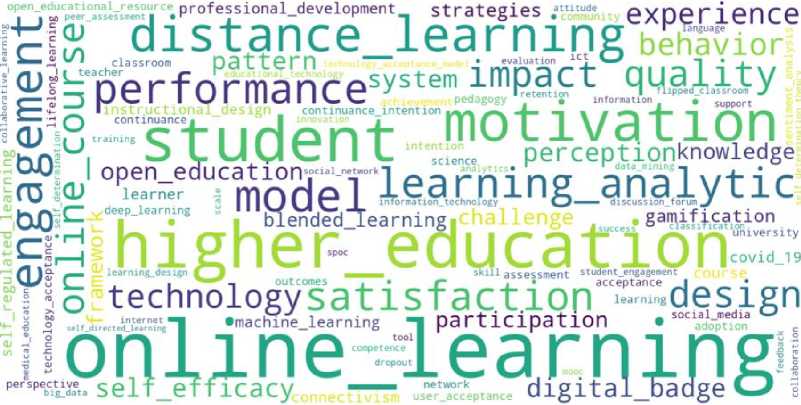
Fig. 4. Word Cloud of Author’s Keyword
-
6.2 Top 10 Keyword Co-occurrence
-
6.3 Clustered Tree Map
The keyword co-occurrence analysis in table 5, broadens our understanding of critical themes in MOOCs and micro-credentials research by uncovering the relationships between key terms. The keyword “online learning” cooccurs with terms such as “distance education,” “open online learning,” and “massive open online learning,” reflecting the diversity of digital education models and the growing demand for scalable and inclusive learning systems [36]. Similarly, “higher education”, associated with “impact,” “transnational higher education,” and “higher education policy,” highlights global challenges related to aligning policies, maintaining equity, and ensuring quality standards. These findings suggest a critical opportunity for policymakers to develop frameworks that address internationalization while maintaining local relevance [29, 30]. Learner-focused factors also play a central role, as evidenced by “students”, which co-occurs with “university students,” “students’ motivation,” and “strategies.” This highlights the importance of tailored strategies to improve learner engagement and persistence. The term “motivation”, connected to “achievement,” “participation,” and “self-efficacy,” underscores the dual importance of intrinsic and extrinsic motivational factors in sustaining learner success, particularly in self-paced online environments. Complementing this, “engagement”, linked to “online,” “student engagement,” and “social engagement,” emphasizes the need to foster interaction and community within MOOCs, with practical solutions such as collaborative tools and gamified learning experiences addressing these challenges [34, 43].
Table 5. Top 10 Keyword Co-occurrence
|
Top 10 Keywords |
Keywords Co-occurrence |
|
Online Learning |
“distance education”, “open online learning”, and “massive open online learning” |
|
Higher Education |
“impact”, “transnational higher education” and “higher education policy” |
|
Students |
“university students”, “students’ motivation”, and “strategies” |
|
Motivation |
“achievement”, “participation”, and “self-efficacy” |
|
Engagement |
“online”, “student engagement” and “social engagement” |
|
Distance Learning |
“open and distance learning”, “social media”, and “quality” |
|
Learning Analytics |
“student”, “education”, and “engagement” |
|
Satisfaction |
“students”, “continuance intention”, and “technology acceptance” |
|
Digital Badge |
“badge system implementation”, “perceptions”, and “professional development” |
|
Open Education |
“open educational resources”, “e-learning”, and “behaviour” |
The keyword “distance learning” co-occurs with “open and distance learning,” “social media,” and “quality,” highlighting the increasing integration of new technologies into remote education while pointing to persistent concerns around maintaining quality standards. Similarly, “learning analytics”, which links to “student,” “education,” and “engagement,” reflects the growing use of data-driven tools for enhancing learner outcomes but also exposes critical ethical concerns, such as data privacy and transparency, that need to be addressed [40 , 44]. The keyword “satisfaction”, connected to “students,” “continuance intention,” and “technology acceptance,” underscores the importance of userfriendly platforms and technology-driven innovations to enhance learner satisfaction and retention rates [43, 45]. Emerging trends in credentialing are represented by “digital badge”, associated with “badge system implementation,” “perceptions,” and “professional development.” These terms highlight the potential of digital badges in improving employability, but their inconsistent acceptance in the job market suggests an urgent need for standardized frameworks to validate their credibility [11, 41]. Lastly, “open education”, linked to “open educational resources,” “e-learning,” and “behavior,” emphasizes its promise to democratize education but also points to gaps in understanding its effectiveness for underrepresented learner groups [46]. Further research could optimize these systems to better support diverse learning needs.
Together, these findings highlight the interconnected challenges and opportunities in online education, aligning closely with the study’s objectives of identifying influential themes and connections. Recurring issues such as learner engagement, motivation, credential standardization, and ethical considerations remain pivotal. The analysis contributes to theoretical advancements by identifying gaps in current research and offers actionable insights for practitioners, such as designing collaborative tools to boost engagement and forming partnerships with industries to enhance the credibility of digital credentials. The inclusion of connections, such as between “distance learning” and “social media,” also reveals overlooked opportunities to leverage social platforms for improving learner interaction and satisfaction. These findings provide a roadmap for advancing MOOCs and micro-credentials, ensuring their accessibility and adaptability to meet diverse learner needs.
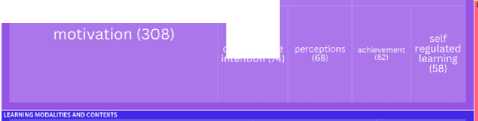
Based on the clustered tree map in Figure 5, it reveals key themes in MOOCs and micro-credentials research, categorizing them into distinct areas: learning modalities, learner behavior, educational technology, performance and outcomes, and course design. These clusters provide a comprehensive view of the field’s priorities and challenges, aligning with the study’s objective of uncovering thematic patterns and emerging trends. The Learning Modalities and Contexts cluster includes keywords such as “online learning,” “distance learning,” and “blended learning,” reflecting the growing need for flexible and adaptable education systems [30]. The COVID-19 pandemic accelerated the adoption of online and hybrid models, establishing them as essential components for maintaining learning continuity [47]. This shift highlights the importance of scalable educational frameworks that cater to diverse learner demographics, particularly those in underserved areas. However, the effectiveness and long-term impact of these modalities require further research, particularly in terms of balancing digital accessibility with rigorous academic standards [47]. The Learner Attributes and Behavior cluster, represented by terms such as “motivation,” “engagement,” and “self-efficacy,” emphasizes the critical role of learner persistence in self-directed environments. High dropout rates in MOOCs remain a persistent challenge, often caused by lack of support, motivation fatigue, and poorly structured course design [48]. While strategies like gamification, peer-to-peer interaction, and real-time instructor feedback show promise, their success varies across different demographic groups. Institutions should pilot these interventions with built-in feedback mechanisms to iteratively assess their effectiveness across age, gender, and language cohorts [49]. These findings stress the need for frameworks that support both intrinsic and extrinsic motivation, fostering a sense of accountability and connection among learners.
The Educational Technology and Analytics cluster anchored by terms like “learning analytics,” “machine learning,” and “gamification” reflects the expanding role of data in guiding instruction. These technologies help institutions personalize content, detect disengagement early, and track learner progress [15, 44]. However, ethical issues like data privacy and transparency make it difficult to fully adopt these technologies [50]. To address this, institutions need clear rules that protect students' privacy while making the most of analytics. For example, using anonymized data or gaining students’ consent can balance innovation with trust. The Performance and Outcomes cluster includes terms like “satisfaction,” “impact,” and “outcomes,” focusing on how the success of MOOCs and micro-credentials is measured. Student satisfaction, retention rates, and long-term career outcomes serve as key indicators of program effectiveness [43], [51]. This highlights the need for robust metrics that go beyond completion rates to assess the true impact of online education. For instance, incorporating real-time feedback mechanisms during courses could improve learner experiences and provide actionable insights for course refinement.
Lastly, the Educational Design and Quality cluster encompasses terms such as “instructional design”, “quality”, and “framework”. These keywords underline the importance of well-structured courses that meet the diverse needs of learners across regions and disciplines [51]. Ensuring consistency and quality across online programs is critical for maintaining institutional credibility [52]. Flexible instructional frameworks that adapt to local contexts and cultural variations could address regional disparities in online education. Additionally, focusing on multilingual course offerings and localized content could further democratize access to high-quality education. Together, these clusters reveal the interconnected challenges and opportunities shaping the landscape of MOOCs and micro-credentials. The analysis contributes to theoretical advancements by identifying recurring gaps, such as the need for robust motivational frameworks, ethical data usage policies, and standardized approaches to course design. Practically, the findings highlight actionable insights for educators, such as integrating gamification strategies to boost engagement, enhancing course quality through localized content, and implementing transparent guidelines for educational analytics. Furthermore, connections between clusters, such as the role of analytics in improving engagement and satisfaction, offer novel perspectives on how these themes interact to influence learner success.
I LEARNEHATTP1BUTESAND BEHAVIOR
EDUCATIONAL DESIGN AND QUALITY students (335)
engagement (199)
participation (82)
model (156)
quality (107)
strategies (77)
self efficacy (79)
design (109)
framework instructional
design (55)
behavior (77)
learner (65)
continuance intention (74)
learning analytics (139)
distance learning (184)
open education (74)
INOLOGY AND ANALYTICS
patterns (82)
gamification (62)
technology (103)
machine learning (58)
connectivism (56)
tFORMANCE AND OUTC
online learning (543)
blended learning (72)
impact (111)
performance satisfaction
online courses (92)
lifelong learning (52)
acceptance outcomes
Fig. 5. Clustered Tree Map
7. Making Sense the Analytics
This study looks at the growing role of MOOCs and micro-credentials in shaping modern education. By using bibliometric and text analytics, it identifies important trends, challenges, and opportunities in online learning. Below are the main insights, written in line with the research objectives.
-
• Insights 1
The analysis highlights a significant increase in publications during the peak years from 2014 to 2020, driven by advancements in technology and the widespread adoption of online learning during the COVID-19 pandemic. This surge reflects the global shift toward scalable education models to meet growing demands. The recent decline in publications after 2020 suggests a transition towards hybrid education and a normalization of online learning, indicating the need for further exploration of sustainable and integrated educational approaches.
-
• Insight 2
The bibliometric analysis reveals that foundational studies conducted in the early 2010s remain highly influential, particularly in shaping the initial understanding of MOOCs' structure and challenges. Highly cited works explore themes such as learner engagement, instructional design, and the scalability of MOOCs, showing their lasting impact on the field. The citation patterns also highlight a consistent focus on improving course completion rates and learner satisfaction, which remain critical areas of interest in both academic and institutional contexts.
• Insight 3
8. Limitation
9. Conclusion
The keyword analysis reveals recurring themes such as “online learning”, “motivation”, and “engagement”, which highlight the persistent challenges of maintaining learner interest in digital environments. Emerging topics like “digital badges” and “learning analytics” underscore a growing interest in alternative credentialing and data-driven personalization. These trends reflect the field's ongoing efforts to make education more accessible, adaptable, and relevant to diverse learners. Connections between recurring keywords also show an increasing emphasis on lifelong learning and the need for ethical frameworks to guide the use of advanced educational technologies.
This study has several limitations that should be acknowledged. First, the reliance on the Web of Science (WoS) as the sole data source may have excluded relevant studies indexed in other major databases such as Scopus, Google Scholar, or PubMed. This could limit the comprehensiveness of the findings and introduce bias by overlooking research published in region-specific or non-indexed journals. Second, the analysis heavily depends on author-provided keywords, which might not fully capture the nuanced content of the articles. Variations in terminology across studies could lead to inconsistencies in identifying trends and themes, potentially skewing the results. Third, while the study provides insights into the evolution of MOOCs and micro-credentials, it does not address variations in adoption and impact across different regions or socioeconomic groups. This limits the generalizability of the findings, particularly in understanding the effectiveness of these educational models in diverse contexts. Addressing these limitations in future research could enhance the depth and applicability of insights into online education.
This study provides a comprehensive understanding of MOOCs and micro-credentials as transformative tools in modern education. By applying bibliometric and text analytics, the research highlights significant findings that reveal the evolution and current priorities of the field. Key themes identified include persistent challenges such as learner motivation, engagement, and ethical considerations in learning analytics, alongside emerging topics like digital badges and hybrid education models. These findings emphasize the critical role of MOOCs and micro-credentials in addressing evolving educational demands, particularly during pivotal periods such as the COVID-19 pandemic, which accelerated the adoption of online learning systems globally. The study successfully achieved its objectives by mapping publication trends, identifying influential research, and uncovering recurring themes and gaps in the field. The analysis showed a significant growth in research activity during the peak years of 2014 to 2020, driven by advancements in technology and the increasing relevance of MOOCs in providing scalable and accessible education. Influential studies addressing learner engagement, motivation, and course design were identified, alongside gaps in areas such as the long-term impact of digital credentials and ethical challenges in data-driven education. These contributions provide a roadmap for addressing current and future challenges in MOOCs and micro-credentials research.
Theoretical contributions of the study include extending the academic discourse on scalable education models by providing new perspectives on research trends and identifying critical gaps in the literature. The findings emphasize the need for sustained exploration of the long-term impact of MOOCs and digital credentials, particularly in their ability to support employability and workforce development. Practically, this study offers actionable insights for educators and policymakers, such as integrating collaborative tools and gamification strategies to boost engagement and forming industry partnerships to enhance the credibility of digital badges. Future research should target four key areas. First, the long-term impact of digital badges on employability and workforce development requires further investigation, especially across diverse industries and socio-economic contexts. Second, ethical concerns surrounding data privacy, algorithmic transparency, and user consent in learning analytics must be addressed to promote responsible and trustworthy implementation. Third, hybrid education models, blending online and face-to-face learning, warrant deeper study to evaluate their effectiveness, scalability, and learner satisfaction across demographics. Fourth, the influence of language, digital infrastructure, and policy support on MOOC adoption should be assessed to better support marginalized regions and populations. Addressing these gaps will help refine MOOCs and micro-credentials to ensure their long-term impact, adaptability, and equity in global education ecosystems.
While the study provides valuable insights, certain limitations must be acknowledged. The reliance on Web of Science as the sole data source may have excluded relevant studies from other databases, and the analysis’s dependence on author-provided keywords could introduce inconsistencies in identifying themes. Furthermore, the findings do not account for regional and socio-economic variations, which limits the generalizability of the results. Addressing these gaps will help refine MOOCs and micro-credentials to ensure their scalability, inclusivity, and adaptability to the changing demands of global education. In addition, future progress in MOOCs and micro-credentials depends on stronger interdisciplinary collaboration. Integrating perspectives from academia, industry stakeholders, and policymakers can accelerate the development of high-quality, relevant, and scalable educational models. For example, academic institutions can focus on pedagogical research, industries can offer real-world alignment and skill demand insights, while policymakers can support standardization, funding, and accessibility policies. Such collaboration is essential to ensure that these educational innovations are not only theoretically sound but also practical, credible, and responsive to labor market needs.
Acknowledgment
We would like to acknowledge the grant funder, UTP-FUI Collaborative Research Fund (CRF) (015ME0-384) for funding this research paper.
