
Integrating Quantum Computing with Cloud Systems: Opportunities, Challenges, and Future Prospects
Journal: International Journal of Wireless and Microwave Technologies @ijwmt
Article in issue: 1 Vol.16, 2026.
Free access
Cloud computing can be revolutionized by quantum computing which will offer the world more computational power than has ever been seen to solve complex issues. Quantum computing coupled with cloud computing enables the remote access to quantum resources, thus greatly minimizing the cost, technical, and operational difficulties of having quantum hardware owned and maintained in the field. The integration makes large-scale data processing, cryptography, and optimization tasks as well as new applications in artificial intelligence efficient in terms of their computation. This work is a review of the existing approaches, system, and systems to quantum cloud computing, the main algorithms, software applications, implementation plans, and real-life examples. We find that quantum cloud computing provides significant enhancements in computational speed and parallelism, scalability, as well as provides the capability to process data securely and to execute quantum circuits remotely. However, there are still a few obstacles such as stability of qubits, error correction, noise reduction, and effective resource utilization, which restrict the practical use of quantum cloud services. The findings indicate that, irrespective of these challenges, quantum computing with the use of cloud computing platforms offers meaningful potentials to scientific discovery, business, and an AI-based innovation. The paper wraps up by noting that further research should be done to enhance the reliability of quantum hardware, optimize quantum algorithms, and design quantum cloud computing security systems, enabling quantum cloud computing to be adopted more broadly as a more transformative model of computation and ensuring that quantum cloud computing can grow sustainably.
Similar articles in the section Computer hardware
Short address: https://sciup.org/15020197
IDS: 15020197 | DOI: 10.5815/ijwmt.2026.01.02
Text of the scientific article Integrating Quantum Computing with Cloud Systems: Opportunities, Challenges, and Future Prospects
The idea of quantum mechanics first surfaced in scientific writings when atomic physicists made their discoveries in the early 20th century [1]. The suggestion to apply quantum mechanics to computing was first put forth by Richard Feynman in 1981 [2]. Nevertheless, it wasn't until the early 2000s, when groundbreaking companies like IBM stepped in, that the first prototypes of quantum computers began to emerge, due to the difficulties in maintaining the stability of qubits, which depend on quantum superposition and entanglement [3]. Although still in the developmental phase, quantum computers are projected to complete tasks in just 200 seconds that would take the most advanced supercomputers 10,000 years [4]. As a result, quantum computing holds significant potential for rapidly solving complex problems, such as molecular behavior analysis [5]. Moreover, as it expands into military, civil, and commercial applications, quantum computing is expected to be a transformative technology shaping the future [6].
Despite their advantages, quantum computers require highly controlled environments due to their sensitivity to external factors such as heat, temperature, and noise, making them expensive and difficult to stabilize for end users [7]. To address this challenge, researchers have proposed integrating quantum computing with cloud computing, allowing broader access to quantum resources [8]. This approach, known as quantum cloud computing, involves housing quantum computers in highly isolated data centers while providing remote access to users. Through this model, researchers can leverage quantum computing as a platform service to run quantum applications and algorithms efficiently [9].
However, the practical implementation of quantum computers remains a challenge due to their demanding operational requirements, including ultra-low temperatures and precise environmental control [10], [11]. Given these limitations, cloud-based quantum computing has emerged as the most viable solution, allowing remote access to quantum resources without the need for direct ownership or maintenance of quantum devices.
In this model, quantum machines are housed in specialized data centers and accessed via cloud platforms, allowing engineers and researchers to execute quantum circuits and retrieve results remotely. This strategy promotes a wider acceptance and speeds up progress in quantum computing, especially during the present phase of noisy intermediatescale quantum (NISQ) devices, which, despite having limited qubit coherence and being sensitive to noise, are crucial for advancing toward fault-tolerant quantum computing. The integration of quantum computing with cloud infrastructure, known as quantum cloud computing (QCC), significantly reduces barriers to entry by offering researchers and developers the ability to utilize quantum computing resources without needing to possess or manage specific quantum hardware. QCC has already begun to influence various fields, including cryptography, quantum machine learning, and complex system simulations [13]. Given its rapid advancements and growing impact, a comprehensive evaluation of QCC's development and its parallels with classical cloud computing is essential. Finally, this paper aims to explore these developments and serve as a valuable resource for researchers in the fields of quantum and cloud computing, especially in the context of integrating quantum computing with cloud systems in terms of opportunities, challenges, and future prospects.
2. Computational Complexity Theory (CCT)
There is a common misconception that quantum computers operate by processing all possible states simultaneously, instantly arriving at correct solutions. However, quantum computing relies on superposition, where states exist as a probability-weighted combination rather than being individually processed. While quantum computers excel in specific areas, such as integer factorization using Shor’s algorithm [14], they are not guaranteed to be exponentially superior to classical computers for all problems. Many NP-complete problems remain outside the scope of efficiently solvable quantum problems (BQP), and there is no conclusive evidence that quantum computing will render classical supercomputers obsolete. Moreover, quantum computing will not eliminate the need for cloud-based computing models; rather, it will reinforce their importance. Due to the high costs and complexity of quantum hardware, cloud platforms will serve as an accessible gateway, offering quantum computing as a serviceJust as cloud computing has revolutionized the Internet of Things (IoT) by providing scalable and on-demand computing resources, it is predicted to make quantum computing capabilities more accessible through a pay-per-use model. This model is expected to promote wider adoption and facilitate practical uses across different fields. As previously mentioned, computational complexity theory (CCT) is essential for comprehending how quantum computing can be integrated into cloud infrastructures. Figure 1 depicts the theoretical boundaries of both classical and quantum algorithms, establishing a foundational framework for assessing their distinct abilities and limitations.
Quantum computing offers exponential speedups for specific problems, such as factorization and unstructured search, which are intractable for classical computers under standard complexity assumptions. However, leveraging these advantages within cloud environments presents challenges related to algorithm efficiency, error correction, and computational resource allocation. The distinction between classical and quantum complexity classes, such as P, NP, BQP, and QMA, highlights the potential for cloud-based quantum services to solve problems beyond classical capabilities. Understanding these complexity classes is essential for optimizing hybrid quantum-classical cloud architectures, ensuring that quantum speedups are effectively harnessed while mitigating computational overhead. Thus, integrating quantum computing with cloud systems requires not only advancements in hardware and infrastructure but also a thorough understanding of computational complexity. Computational problems can be classified based on their resource requirements and solvability, and Fig. 1 illustrates the hierarchical relationship between classical and quantum complexity classes. This classification provides a framework for understanding the types of problems that quantum computing can address more efficiently than classical systems, such as optimization, cryptography, and large-scale simulations [15]. The figure underscores the transformative potential of quantum computing in tackling problems that are currently intractable for classical systems.
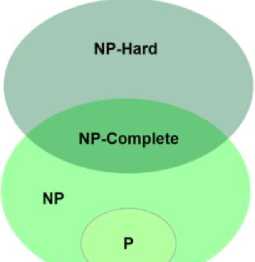
Fig. 1. The complexity of computational problems categorized into different classes accordingly [15].

3. Background, Goals and Contributions
Quantum the potential of quantum computing, which has enhanced computational power over the classical computing systems, has elicited a lot of interests in both academia and industries. More recent scientific studies have shown that quantum computing can address complex problems in a wide range of areas, such as healthcare, chemistry and physics [16]. Specifically, quantum algorithms have been shown to be far more effective than classical algorithms in fields including molecular simulation, optimization, and cryptography [18], and experimental progress is persistently demonstrated to work toward practical applications [19].
Nevertheless, quantum computing is still an obstacle as its access is largely hindered by the high cost and advanced isolation technologies that are needed to develop quantum computing. It has been shown [17] that quantum computing coupled with cloud computing can reduce these issues by cutting down costs and offering the required isolation, which can further ensure more access to end users. Other more recent works [20], [21] have also discussed prototype quantum cloud services (e.g., IBM Quantum Experience and Amazon Braket) and their democratization of access and speeding up research. Moreover, the current literature [22], [23] examined the trends, challenges, and hardware development in quantum cloud computing, and discussed both the practical deployment strategies, as well as the progress of large-scale quantum hardware. However, the current literature tends to be technical in nature, as opposed to the more detailed frameworks that reflect the intersection of two paradigms quantum and cloud.
Although these developments have taken place, more studies are necessary to identify the new trends and issues that are emerging as a result of convergence of the two paradigms. This is to the best of our knowledge one of the first major steps in the new field of quantum cloud computing, the product of quantum computing and cloud computing technologies.
The main contributions of the paper are given below:
Conceptual Background: This paper explains the principles of quantum mechanics in cloud computing and develops a framework describing its main principles and key ideas for guiding future studies.
The Challenges and Future Directions: We highlight the challenges related to quantum cloud computing and in particular those that might emerge in the process of integrating cloud computing and quantum paradigms. It is through this discussion that we would like to provide strategic guidance to researchers in this rapidly developing discipline.
The given work is aimed at contributing to the comprehension of the concept of quantum cloud computing and promoting the investigation of new possibilities and implications of its use.
4. Quantum Computing: Bridging the Gap Between Speculation and Innovation
In conventional computing systems, all operations, including data processing, communication, and storage, are facilitated by binary bits, which take on the values 0 or 1 [24]. In this context, the value 0 corresponds to a low voltage level in electronic circuits, while the value 1 represents a relatively high voltage level [25]. In contrast, quantum computing (QC), a rapidly developing field that has attracted considerable attention in academia and industry, proposes a paradigm shift by suggesting that bits can exist in states beyond the traditional 0 and 1 [26]. Figure.2. illustrates the fundamental operational differences between quantum computing and classical computing. QC works based on three fundamental principles derived from quantum physics [27], as illustrated in table.1. These principles are briefly described below:
Wave-particle duality: In quantum mechanics, particles, such as photons, exhibit both wave and particle properties [28]. This duality allows particles to exist in multiple places at once, rather than being confined to a single position.
Uncertainty principle: Also known as the Heisenberg Principle, this concept states that it is impossible to simultaneously determine the position and exact momentum of a photon [29].
Conjecture: This principle postulates that a quantum particle, such as a photon, can occupy multiple states or positions at the same time, making its exact position indeterminate [30]. This property allows quantum bits (qubits) to take on values beyond the binary values 0 and 1, enabling new approaches to computational functions such as communication and storage.
Quantum computing offers several advantages over classical computing systems [31], as illustrated in table.1. And expanded upon below:
Security: QC has the potential to rapidly crack traditional security algorithms, such as RSA (Rivest-Shamir-Adleman). This capability is behind the development of quantum cryptography, which promises significantly improved security frameworks.
Speed: QC exploits parallel processing capabilities, allowing multiple operations to be performed simultaneously. These results in significantly faster computational performance compared to conventional computers.
These qualities such as improved security based on quantum cryptography and accelerated speed due to parallel processing qualify quantum computing as a revolutionary technology whose implications are not limited to classical computing systems.
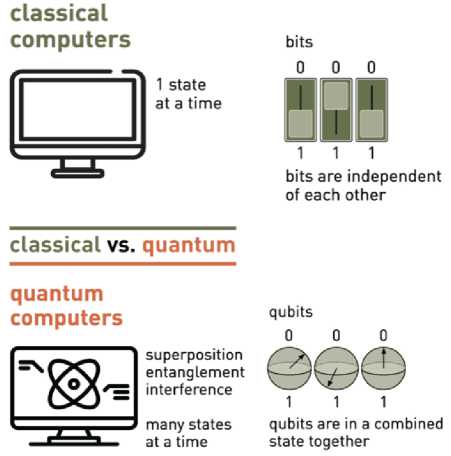
Fig. 2. Traditional computing vs quantum computing
Table 1. Comparing quantum computing advantages over classical computing based on three key principles of quantum mechanics
|
Principle |
Classical Computing |
Quantum Computing |
|
Wave-particle Duality |
Not applicable. |
Particles can act as waves, enabling unique computational capabilities. |
|
Uncertainty Principle |
Deterministic operations. |
Probabilistic outcomes, allowing for more flexible computations |
|
Superposition |
Bits are either 0 or 1 |
Qubits can be 0 , 1, or both simultaneously (superposition) |
|
Advantages |
Classical Computing |
Quantum Computing |
|
Speed |
Limited by classical physics |
Exponential speedup for certain problems (e.g., factoring) |
|
Security |
Relies on classical encryption |
Quantum encryption (e.g., QKD) offers theoretically unbreakable security |
|
Complex Problem Solving |
Struggles with large-scale optimization and simulation |
Excels at solving complex problems like molecular modeling and optimization |
5. Algorithms and Software Tools
This subsection explores the algorithms and software tools specifically designed for quantum computing, with a focus on their potential applications in quantum cloud computing.
Table .2, outlines a chronological overview of significant quantum computing algorithms. Quantum computing operates on fundamental principles derived from quantum mechanics. One of the initial proofs of quantum computational superiority is the Deutsch-Jozsa algorithm, created by David Deutsch and Richard Jozsa in 1992, showcasing how quantum computers can surpass classical ones in certain problem-solving scenarios. This deterministic quantum algorithm takes advantage of negative amplitude interference, a phenomenon that classical systems cannot achieve. Furthermore, the Deutsch-Jozsa algorithm served as a basis for the advancement of more sophisticated quantum algorithms. A prominent enhancement of this algorithm is the Bernstein-Vazirani algorithm, proposed by Ethan Bernstein and Umesh Vazirani in 1992. This algorithm tackles the hidden shift problem, which plays a crucial role in areas such as error correction and cryptography. In 1994, Daniel Simon presented Simon’s algorithm, revealing a substantial performance benefit over classical algorithms.
This algorithm is specifically designed to solve a black-box function that satisfies a given set of values, achieving an exponentially faster solution than any classical counterpart when executed on a quantum computer. Moreover, Simon’s algorithm played a pivotal role in inspiring the development of Shor’s algorithm, a quantum algorithm devised by Peter Shor in 1994, which is renowned for its efficiency in integer factorization.
Following the algorithms rooted in the Fourier transform, Grover's algorithm emerges as a quantum solution that provides greater enhancements over classical methods for unstructured search issues, leveraging amplitude amplification. This capability allows quantum computers to efficiently tackle problems that may pose significant challenges for classical systems. Additionally, quantum counting has been developed based on this principle [32]. In recent advancements, the quantum approximate optimization algorithm has been introduced as a hybrid approach that combines quantum and classical techniques to address problems in graph theory. This algorithm is expected to outperform classical methods, providing more efficient solutions [33].
Ultimately, Table 2 outlines the theoretical and practical advancements in quantum computing algorithms, highlighting their growing complexity and relevance. The evolution started with fundamental theoretical contributions, like Deutsch’s Algorithm from 1985, which illustrated the concepts of quantum superposition and interference. In 1994, Shor’s Algorithm provided one of the first practical applications of quantum computing by enabling efficient integer factorization, while Grover’s Algorithm in 1996 optimized quantum search strategies. As quantum computing matured, algorithms such as the Quantum Approximate Optimization Algorithm (2009) and the HHL Algorithm (2013) showcased quantum advantages in optimization and solving linear systems, respectively. The Variational Quantum Eigensolver (2018) bridged theoretical insights with practical applications, particularly in quantum chemistry simulations. Recent progress in combining quantum machine learning with advancements in quantum error correction has greatly sped up the move toward practical applications of quantum technologies. The increasing focus on developing scalable quantum algorithms highlights the sector's commitment to tackling current computational and hardware challenges. These initiatives play a crucial role in breaking down obstacles to adoption, facilitating the wider incorporation of quantum computing in various applications and industries.
Table 2. Timeline of quantum computing algorithms
|
Year |
Algorithm / Achievement |
|
1985 |
Deutsch's Algorithm (first quantum algorithm)| |
|
1994 |
Shor's Algorithm (integer factorization) |
|
1996 |
Grover's Algorithm (quantum search) |
|
2009 |
Quantum Approximate Optimization Algorithm |
|
2013 |
Harrow-Hassidim-Lloyd (HHL) Algorithm |
|
2018 |
Variational Quantum Eigensolver (VQE) |
|
2020 |
Quantum Machine Learning Algorithms |
|
2022 |
Advances in Quantum Error Correction |
|
Future |
Development of Scalable Quantum Algorithms |
Additionally, quantum software tools play a crucial role in advancing quantum computing, particularly in cloudbased environments. Several prominent quantum software frameworks facilitate quantum programming and hardware integration. Unlike quantum hardware, quantum software is still an emerging and relatively underdeveloped field. However, it is expected to evolve rapidly, leveraging complex quantum techniques to enhance computational performance [34]. Table.3. summarizes key quantum software tools, highlighting their types, features, developers, and optimization techniques. Qiskit, developed by IBM, is an open-source SDK that supports cloud execution and optimized quantum instructions, making it a widely used framework [35]. Similarly, Cirq and PyQuil are open-source SDKs designed to enable quantum algorithm development, though they lack specific optimization features [36]. Additionally, emerging quantum circuit frameworks, such as Qarkum Circuits and Qiantum Circuits, focus on leveraging quantum computing optimizations to enhance performance and efficiency [37].
Table 3. Quantum software tools
|
Tool |
Type |
Key Features |
Developer |
Optimization |
|
Qiskit |
SDK |
Open-Source, Cloud Execution |
IBM |
Optimized Instructions |
|
Cirq |
SDK |
Open-Source |
- |
- |
|
PyQuil |
SDK |
Open-Source |
- |
- |
|
Qarkum Circuits |
Quantum Circuits |
Optimized by Quantum Computing |
- |
Quantum Computing |
|
Qiantum Circuits |
Quantum Circuits |
Open-Source, SDK |
- |
Quantum Computing |
These tools represent a crucial step toward advancing quantum computing by providing researchers and developers with programmable, open-source, and optimized environments. While SDKs such as Qiskit and PyQuil focus on software-level implementations, quantum circuit frameworks introduce more hardware-optimized approaches. As quantum technology continues to evolve, further enhancements in software efficiency, error correction, and hardware compatibility will be pivotal in realizing the full potential of quantum computation.
6. Research Gaps and New Trends in Quantum Computing
The present state of quantum computing research highlights numerous significant gaps and new trends that are influencing the direction of the discipline. As outlined in Table 4, the research gaps and new trends in Quantum Computing (QC) can be categorized into several key areas: Quantum Artificial Intelligence (AI), Quantum Mechanicsbased Challenges, Quantum Internet, Quantum Cryptography, and Quantum Cloud. These areas represent both the challenges and opportunities for researchers in the field of QC.
Table 4. Research Gaps and New Trends in Quantum Computing
|
Category |
Research Gaps and New Trends |
|
Quantum Mechanics-based Challenges |
Addressing fundamental issues in quantum mechanics that impact the stability and scalability of QC systems. |
|
Quantum Artificial Intelligence (AI) |
Exploring the integration of QC with AI to enhance machine learning algorithms and computational efficiency. |
|
Quantum Internet |
Developing secure and efficient quantum communication networks for global connectivity. |
|
Quantum Cryptography |
Enhancing cryptographic techniques to ensure data security in the quantum era. |
|
Quantum Cloud |
Investigating the potential of cloud-based quantum computing for scalable and accessible QC solutions. |
Quantum Computing (QC) stands at the leading edge of technological advancement, yet it confronts considerable research shortcomings that must be tackled to unlock its complete capabilities. A key challenge stems from the fundamental principles of quantum mechanics, which influence the stability and scalability of quantum systems. Researchers are diligently striving to surmount these obstacles in order to develop more dependable quantum processors [36].
Another area of great promise is the convergence of QC and Artificial Intelligence (AI). Quantum AI seeks to transform machine learning by utilizing quantum algorithms to analyze complex datasets more effectively. This collaboration could usher in breakthroughs across diverse sectors, including healthcare and finance [38]. Recent progress in quantum machine learning algorithms reveals the potential for dramatic speed enhancements in data processing and optimization tasks [39].
The creation of a quantum internet is an additional crucial trend. This entails the establishment of secure quantum communication networks capable of transmitting information with unmatched security and speed. Quantum cryptography is essential in this context, as it aims to devise new cryptographic techniques that can withstand quantum threats, ensuring data integrity in the era of quantum technology [40]. The application of quantum key distribution (QKD) protocols has already demonstrated potential in establishing secure communication channels.
Finally, the Quantum Cloud signifies a groundbreaking trend, providing scalable and accessible quantum computing resources through cloud services. This movement democratizes access to QC, allowing a wider array of researchers and industries to explore and benefit from quantum technologies [41]. Cloud-based quantum computing platforms like IBM Quantum Experience and Google Quantum Cloud are leading the charge for widespread adoption and experimentation. In conclusion, addressing these research deficiencies and capitalizing on new trends in QC will necessitate interdisciplinary collaboration and imaginative strategies. The table above summarizes these essential areas, highlighting the challenges and opportunities that await researchers in this field.
7. Quantum Cloud Computing (Qcc)
This section explores the fundamental concepts, trends, applications, and difficulties associated with Quantum Cloud Computing (QCC). QCC represents a novel computing paradigm designed to enable user access to quantum computing through cloud platforms. With QCC, users will find it easier to utilize quantum computers, which are typically expensive and require extensive stabilization efforts. Figure 7 illustrates a general framework for quantum cloud computing. A quantum computer can be hosted on a cloud-based platform, providing access to end users via an Application Programming Interface (API) [42]. Additionally, quantum processing capabilities can be allocated to nodes such as edge and fog computing, which helps to decrease latency and reduce bandwidth congestion [43]. Cloud platforms offer the necessary environmental parameters (network infrastructure, storage, operating environment, etc.) for the quantum computer and manage the delivery of computation results from quantum computers across the network [44]. The integration of edge and cloud technologies with quantum computing is vital in the business sector, as it enhances both efficiency and sustainability, along with these numerous benefits. The network layer depicted in Figure 3 represents the computing technologies currently utilized in server-client interactions. With advancements in quantum internet technologies discussed in Section 2, significant enhancements in throughput and latency are anticipated for data communication.
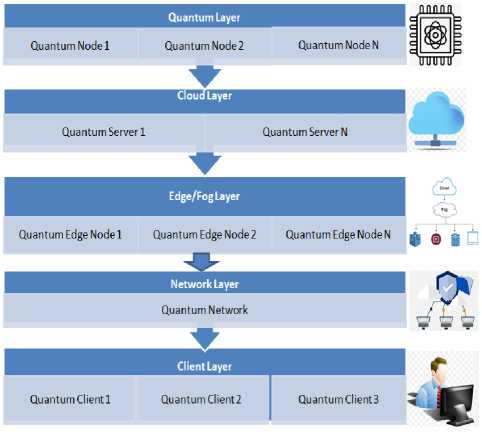
Fig. 3. Comprehensive Architecture of Quantum Cloud Computing
Figure 3, highlights the extensive integration of quantum technologies throughout all levels of the system, demonstrating the expected improvements in communication efficiency and overall performance. This integration is projected to enhance various components of the system, potentially resulting in quicker data processing, enhanced security, and more resilient communication protocols. The figure probably depicts how quantum technologies, including quantum computing, quantum communication, and quantum sensing, are incorporated at various tiers—from the physical layer to the application layer—to develop a more efficient and high-performing system. This comprehensive strategy aims to utilize the distinctive characteristics of quantum mechanics to address the limitations of classical technologies, laying the foundation for advanced communication systems.
Advancements in quantum cloud computing, which is expected to be one of the primary uses of quantum computing, are moving ahead swiftly [45]. Major cloud service providers like Microsoft (Quantum Development Kit), IBM (Quantum Experience), and Amazon (Braket) have started to offer quantum computing services, though these offerings currently have limited computational power [46], [47]. These initial efforts indicate that the ease of access and functionality of quantum cloud computing is likely to see substantial improvements in the near future. Additionally, cloud-based quantum computing (QCC) platforms are changing the way quantum computing is delivered and used, setting the stage for increased adoption and innovation in this area.
They provide an affordable, scalable, and easy-to-access option for both individuals and organizations to investigate quantum algorithms, collaborate worldwide, and take advantage of advanced technology without requiring a large initial investment. As quantum computing advances, QCC platforms will be essential in fostering innovation and broadening the accessibility of this transformative technology [48]. The potential advantages of quantum cloud computing can be summarized as follows table 5.
Table 5. Advantages of Cloud-Based Quantum Computing Platforms (QCC)
|
Advantage |
Description |
|
Accessibility and Democratization |
Decreases the necessity for specialized knowledge, making quantum computing more accessible to a wider audience. |
|
Enables global collaboration by providing equitable access to quantum resources via the internet. |
|
|
Facilitates the development and testing of quantum algorithms before execution on actual quantum computers. |
|
|
Cost Efficiency |
Lowers infrastructure expenses by removing the requirement to buy and maintain high-cost quantum hardware. |
|
There’s no requirement for expensive onsite physical security measures since cloud providers take care of security. |
|
|
Lowers expenses related to cloud platforms by enabling shared access to quantum resources. |
|
|
Scalability and Flexibility |
Provides on-demand resource allocation, allowing computation power to be scaled according to user needs. |
|
Allows for quick prototyping and testing of quantum algorithms without needing physical access to quantum computers.. |
|
|
Quickly adjusts computational capacity in response to demand, ensuring suitable resources for various challenges. |
|
|
Educational and Training Opportunities |
Offers cloud-based courses, tutorials, and interactive tools for learning about quantum computing. |
|
Enhances understanding of quantum computing principles through hands-on experimentation. |
|
|
Introduces quantum circuits and helps users understand the benefits of quantum computing. |
|
|
Access to Expertise and Support |
Utilizes the expertise of service platforms to help users create and optimize quantum algorithms. |
|
Encourages collaboration via community features like forums and shared workspaces. |
|
|
Allows newcomers to create quantum algorithms and run them on actual quantum computers. |
|
|
Reduced Risk and Increased Security |
Security management is handled by cloud providers, minimizing the risk of data breaches and unauthorized access. |
|
Guarantees high reliability and uptime for projects that are sensitive to time. |
|
|
Future-Proofing and Innovation |
Grants access to the newest advancements in quantum hardware and software. |
|
Supports hybrid quantum-classical workflows, enabling practical applications. |
|
|
Environmental Impact |
Encourages energy efficiency by distributing quantum resources among multiple users, leading to lower overall energy consumption. |
8. Quantum Cloud Computing: Current Applications, Emerging Trends, and Key Challenges
Quantum Cloud Computing (QCC) signifies a remarkable fusion of quantum computing and cloud technologies, presenting transformative potential across various sectors while also bringing forth distinctive challenges and emerging trends. Regarding applications , QCC is changing the landscape of cryptography and cybersecurity by facilitating the creation of quantum-resistant encryption techniques [49]. It is also speeding up drug discovery and molecular modeling via accurate simulations [50], addressing intricate optimization issues in logistics and finance, and improving artificial intelligence (AI) and machine learning (ML) with the help of quantum-enhanced algorithms [51].
The field is witnessing several emerging trends , including the development of hybrid quantum-classical workflows that leverage the strengths of both computational paradigms [52]. Quantum-as-a-Service (QaaS) platforms are making quantum resources more accessible to a broader audience [53], while advancements in error mitigation and correction techniques are enhancing the reliability of quantum systems. Additionally, interdisciplinary collaboration among quantum physicists, computer scientists, and engineers is driving significant innovation and progress in the domain.
Nonetheless, QCC contends with significant obstacles . Hardware constraints, including decoherence and noise, impede the scalability and dependability of quantum systems [54]. The quest for efficient quantum algorithms that surpass classical techniques remains a vital challenge [55]. Security and privacy issues, particularly the risk of quantum attacks on classical systems, need to be addressed [56]. Additionally, managing the surge in demand for quantum resources amid limited hardware availability continues to be a pressing challenge. In conclusion, quantum cloud computing is a swiftly developing area with enormous potential to revolutionize industries and tackle complex issues. While its applications are extensive and its trends encouraging, overcoming the related challenges will be essential to unlocking its complete potential. Table 6, illustrates the current applications, emerging trends, and major challenges associated with quantum cloud computing.
Table 6. Current Applications, Emerging Trends, And Major Challenges of QCC
|
Category |
Details |
|
Applications |
Cryptography and Cybersecurity |
|
Drug Discovery and Molecular Modeling |
|
|
Optimization Problems |
|
|
Artificial Intelligence and Machine Learning |
|
|
Trends |
Hybrid Quantum-Classical Workflows |
|
Quantum-as-a-Service (QaaS) |
|
|
Error Mitigation and Correction |
|
|
Interdisciplinary Collaboration |
|
|
Challenges |
Hardware Limitations |
|
Algorithm Development |
|
|
Security and Privacy |
|
|
Resource Allocation |
9. The Economic and Business Implications of Quantum Cloud Computing
Quantum Cloud Computing (QCC) is revolutionizing business practices and generating fresh economic prospects by facilitating innovative approaches to intricate challenges. By offering scalable and accessible quantum resources, QCC enables companies to refine supply chain processes, improve financial modeling, and create quantum-safe communication systems [57]. Both startups and established organizations are utilizing Quantum-as-a-Service (QaaS) platforms to test quantum algorithms without the burden of large initial investments, cultivating a new environment of quantum-driven innovation [58] Furthermore, QCC is propelling progress in artificial intelligence, allowing companies to enhance decision-making and predictive analytics through quantum-augmented machine learning [59]. The combination of quantum computing with cloud infrastructure is also opening doors for new revenue generation avenues, such as quantum software development and consulting opportunities [60]. However, the economic promise of QCC depends on overcoming obstacles like hardware constraints and the demand for skilled quantum personnel [61]. As various sectors increasingly embrace QCC, it is anticipated to create significant economic value, with projections indicating a multi-billion-dollar market by 2030 [62]. Governments and private sectors are investing heavily in quantum research and infrastructure, further accelerating its economic impact [63]. In conclusion, QCC is not only transforming existing industries but also paving the way for entirely new business models and economic paradigms.
10. The Transformative Role of Quantum-Enhanced Services
Quantum Cloud Computing (QCC) is significantly transforming industries by providing quantum-enhanced services, altering conventional methods of problem-solving and fostering innovation. By combining quantum algorithms with cloud technology, QCC boosts optimization, machine learning, and simulation abilities, delivering exceptional computational power [67]. For example, quantum-enhanced services are optimizing supply chain logistics, refining financial portfolio management, and accelerating drug discovery, resulting in quicker and more precise outcomes [68]. The emergence of Quantum-as-a-Service (QaaS) platforms has made quantum resources more accessible, enabling companies to explore quantum solutions without substantial initial costs [69]. In addition, quantum-enhanced machine learning is facilitating sophisticated data analysis and pattern identification, revolutionizing sectors such as healthcare and cybersecurity [70]. Nevertheless, the broad implementation of these services hinges on addressing obstacles like hardware constraints and the necessity for error correction [71]. As quantum technologies and algorithms advance, quantum-enhanced services are projected to become fundamental to the next wave of technological progress [72]. Both governmental and private entities are investing significantly in QCC to tap into its potential, positioning quantum-enhanced services as a major catalyst for future innovation and economic development [73]. In summary, QCC is not only improving current services but also laying the groundwork for completely new applications that were once considered inconceivable.
11. Emerging Research in Quantum Cloud Computing
Quantum cloud computing presents substantial possibilities as well as significant hurdles. Although recent research has made progress in areas such as computational efficiency, scalability, and security, it frequently emphasizes specific elements like quantum-enhanced AI or cryptography. This paper, however, sets itself apart by delivering an extensive examination of quantum cloud computing, focusing on the integration of quantum and classical systems, infrastructure, and security issues in practical cloud settings. It seeks to fill the gaps identified in earlier studies, providing a comprehensive view of the technological advancements needed for wider acceptance. Below table 7, summarizes major research findings, Implications, Challenges and their implications, offering a concise overview of the most recent advancements in quantum cloud computing. It also underscores the ongoing challenges that this paper intends to explore in more detail.
Below table 7, consolidates recent studies on quantum cloud computing, detailing pivotal findings, repercussions, and obstacles across fields like quantum-enhanced AI, qubit stability, quantum cryptography, and large-scale data processing. It illustrates how quantum computing could transform cloud systems through more efficient algorithms, improved security, and better resource management. Nevertheless, issues such as scalability, error correction, and hardware constraints continue to pose challenges. By exploring methodologies, identifying research gaps, and examining practical uses, the table points out essential areas for future research, highlighting the necessity for innovation and collaboration to advance quantum cloud computing. Despite this, notable challenges such as scalability, error correction, and hardware limitations are still present. This work investigates methodologies, recognizes research gaps, and reviews practical applications, pinpointing crucial areas for future investigation and stressing the importance of interdisciplinary collaboration to unlock the full potential of quantum cloud computing. This paper, however, expands on these contributions by offering a broader viewpoint on the incorporation of quantum computing within cloud infrastructures. It also pinpoint specific advancements required to address the limitations highlighted in the current literature.
Table 7. Comprehensive Analysis of Research in Quantum Cloud Computing: Findings, Implications, Challenges, and Applications
|
Research/Study |
Focus Area |
Key Findings |
Implications |
Challenges Addressed |
Methodology |
Research Gaps |
Practical Applications |
|
Quantum Cloud Computing and its Role in Next-Generation AI (2024) |
Quantum-enhanced AI |
Demonstrated the potential of quantum computing to accelerate AI model training and optimization tasks. |
Suggests the development of faster and more accurate AI algorithms in areas such as natural language processing and machine learning. |
Scalability of quantum algorithms for AI applications. |
Theoretical modeling and simulations |
Limited experimental validation |
AI-driven industries (e.g., healthcare, finance) |
|
Qubit Stability and Error Correction in Quantum Cloud Systems (2023) |
Qubit stability and error correction |
Investigated advanced error-correction techniques to address qubit instability in cloud environments. |
Improved reliability of quantum computing services for both commercial and research applications. |
Need for low-latency error correction mechanisms and robust qubit stabilization methods. |
Experimental validation |
Scalability of error-correction techniques |
Quantum cloud service providers |
|
Quantum Cryptography in Cloud: Current Trends and Future Directions (2024) |
Quantum cryptography |
Analyzed quantumresistant encryption methods and quantum key distribution in cloud computing. |
Quantum-resistant encryption has the potential to transform cloud security protocols, particularly for sensitive data handling. |
Development of fully quantum-resistant encryption algorithms. |
Literature review and case studies |
Lack of standardized quantumresistant protocols |
Cybersecurity, government, finance |
|
Challenges and Opportunities in Quantum Cloud Infrastructure (2023) |
Quantum infrastructure and resource allocation |
Explored challenges in efficient resource allocation, proposing hybrid classical-quantum architectures. |
More effective management of quantum cloud resources to enable cost-effective deployment. |
Balancing classical and quantum resource management within hybrid systems. |
Simulation and optimization models |
Limited real-world deployment |
Cloud service providers, research institutions |
|
Scalability Issues in Quantum Computing: A Roadmap for Cloud Integration (2024) |
Scalability and cloud integration |
Identified technical limitations hindering the scaling of quantum computing in cloud infrastructures. |
Addressing scalability is critical for quantum computing to achieve its full potential. |
Hardware constraints and the need for cloud systems capable of scaling quantum resources. |
Theoretical analysis |
Lack of scalable quantum hardware |
Large-scale data centers, AI industries |
|
Quantum Cloud Computing for Large-Scale Data Processing: Opportunities and Challenges (2023) |
Large-scale data processing |
Examined the potential of quantum cloud computing to optimize data-intensive processes, such as big data analysis. |
Quantum computing could significantly reduce processing times for large datasets, benefiting industries like healthcare and finance. |
Ensuring quantum systems can effectively handle large-scale data workloads. |
Case studies and benchmarks |
Limited real-world testing |
Healthcare, finance, logistics |
12. Limitations and Alternative Perspectives
Even though this paper underscores the potential of the quantum cloud computing, various shortcomings must be mentioned. It is a relatively new field and much of the reported progress is purely at the proof of concept stage, with small-scale demonstrations as opposed to full-scale implementations. The existing systems, e.g., IBM Quantum Experience and Amazon Braket, have small amounts of qubits and low coherence lengths, which limits the complexity of computable problems. Besides this, premium subscriptions are mandatory in some cases to access higher-order resources, which also presents a concern regarding fair accessibility in institutions. Certain seen improvements can also be explained by the development of classical cloud technologies and optimization techniques that make it difficult to attribute the benefits only to the quantum approaches. Moreover, the non-standardization of benchmarking and interplatform reproducibility restricts the external applicability of contemporary results. Understanding these limitations gives a more objective look and enhances that expectations are not held too high but instead future research is directed towards the issues of scalability, cost, and integration.
13. Conclusion
This paper has explored the integration of quantum computing with cloud systems, emphasizing the opportunities, challenges, and future prospects of this emerging paradigm. The primary objective was to analyze how quantum computing, with its superior computational capabilities, can enhance cloud-based applications while addressing inherent challenges such as Qubit stability, error correction, and efficient resource allocation. Through this analysis, we have demonstrated that quantum cloud computing has the potential to revolutionize data-intensive fields, including cryptography, artificial intelligence, and large-scale optimization problems.
The findings indicate that while quantum computing offers remarkable computational speed and efficiency, its integration with cloud systems presents several technical and practical hurdles. Among these, hardware limitations, high operational costs, and the necessity for quantum error correction mechanisms remain significant obstacles. Furthermore, security challenges, particularly in data encryption and access control, require novel approaches to ensure secure quantum-cloud interactions. Our discussion also highlighted the need for scalable quantum infrastructure, which is currently constrained by limited qubit coherence times and environmental sensitivity.
Despite these challenges, the prospects of quantum cloud computing remain promising. This paper has underscored the transformative impact that quantum-enhanced cloud services could have on various industries, enabling faster problem-solving and optimized resource utilization. Additionally, we have identified key research gaps, including improving qubit stability, developing efficient quantum algorithms, and enhancing cloud-based quantum security protocols. Addressing these gaps will be crucial in making quantum cloud computing a viable and accessible technology.
Ultimately, by providing these insights, this paper lays a foundation for further research and guides the development of practical quantum-cloud solutions, paving the way for groundbreaking innovations in scientific and industrial applications.
