
Культурные контакты в древности Тихоокеанского региона между Дальним Востоком России и Кореей
Журнал: Вестник Новосибирского государственного университета. Серия: История, филология @historyphilology
Рубрика: Археология Евразии
Статья в выпуске: 5 т.25, 2026 года.
Бесплатный доступ
В период неолита (6,5–5,8 тыс. л. н.), в эпоху раннего (3,4–2,9 тыс. л. н.) и позднего (III–II вв. до н. э.) палеометалла культуры российского Дальнего Востока продвигались на юг и были обнаружены в центральных и южных районах Корейского полуострова. Некоторые неолитические культуры Нижнего Амура и Приморья прослежены на побережье провинции Канвондо. Культуры Приморья эпохи раннего палеометалла были обнаружены на памятниках провинции Южная Кёнсан и в континентальной части провинции Канвондо. В провинциях Кёнгидо и континентальной части провинции Канвондо найдена керамика кроуновской культуры, относящейся к эпохе позднего палеометалла, а на прибрежных памятниках провинции Южная Кёнсан кроме посуды также обнаружен ранний кан. На памятниках II в. н. э. в провинции Кёнгидо и Канвондо зафиксирован кан ранней формы. Вероятно, древнее население центральных районов Кореи могло получить технологию строительства отопительной системы от кроуновцев.
Похожие статьи в разделе Kультурные остатки исторических времен
Короткий адрес: https://sciup.org/147253846
IDS: 147253846 | УДК: 904.02 | DOI: 10.25205/1818-7919-2026-25-5-103-126
Cultural Contacts in the Ancient Pacific Region between the Russian Far East and Korea
Purpose. Russia’s Primorsky Territory and the Korean Peninsula have different borders today, but they moved freely in prehistoric times when there were no borders. It is confirmed from the Neolithic Age to the Medieval Age. Results. The contacts were in 3 periods: in the Neolithic Age between 6500 and 5800 years ago, in the early Paleometal Age between 3400 and 2900 years ago, and in the late Paleometal Age between the 3rd and 2nd centuries BC in the Far East of Russia. In the Neolithic Age, presence of the culture of the lower Amur River and Primorsky Krai in Russia is confirmed along the coast of Gangwon-do in Korea. In the early Paleometal Age, Siniy gai culture in Primorsky Province was discovered on the inlands of Gangwon-do and Gyeongsangnam-do in Korea. Even in the late Paleometal Age, Krounovka culture pottery was found on the inlands of Gyeonggi-do and Gangwon-do, and the earlyondol and earthenware of Krounovka culture were identified in the coastal area of Gyeongsangnam-do (the southern coast of the Korean Peninsula). However, in Gyeonggi-do and Gangwon-do, Korea, early ondols are found in the sites of the 2nd century AD. At that time, people in the central part of Korea may have learned early ondol manufacturing technology and production techniques from Krounovka culture’s people. The cultural aspects of people on the Korean Peninsula who could have moved to the north during the Neolithic and early Paleometal Age have yet to be discovered. Conclusion. This paper explains Korea’s prehistoric cultural exchange, focusing on the Russian Far East, but I think it is necessary to compare Siberia and the Korean Peninsula as research continues in the future. We look forward to continuing joint research between the two countries.
Текст научной статьи Культурные контакты в древности Тихоокеанского региона между Дальним Востоком России и Кореей
,
,
В России на протяжении длительного времени исследуется наличие постоянных взаимосвязей культур между регионами Дальнего Востока России и Корейского полуострова, охватывающих временной промежуток с неолита до конца палеометалла [История Сибири…, 1968, с. 127, 264]. Кроме этого, в новых археологических данных из Кореи на первобытных памятниках провинций Южная Кёнсан и Канвондо фиксируются примеры, показывающие связь с культурами Дальнего Востока России [Ким Чже Ен, 2021].
Наличие таких контактов в древности между этими территориями было возможно благодаря сходным природным условиям. На Дальнем Востоке России культуры развивались в регионе, окруженном Сихотэ-Алинем и Тихим океаном. Подобная ситуация характерна и для Корейского полуострова: с севера на юг здесь протянулась непрерывная гряда Восточно-Корейских гор, а побережье омывается водами Тихого океана. Благодаря сходным природно-географическим условиям на этих территориях развивалось сходное хозяйство, и, видимо, неолитическое население свободно перемещалось в это время (рис. 1).
Контакты между Приморьем и Корейским полуостровом подтверждаются на этапе древнейшей керамики, в бойсманской культуре. Ранее были высказаны предположения о сходстве в технологиях производства и формах древней керамики этих регионов [Кан Чахва, 2002; Мыльникова, Нестеров, 2008]. Северо-восточная часть Восточной Азии, включая Приморье и Корейский полуостров, имели уникальную ранненеолитическую керамическую технологическую традицию, отличную от традиции южного Китая [Жущиховская, Мыльникова, 2020, с. 24–25]. Кроме того, были изучены связи между бойсманской культурой и памятником Сопхохан. Так, было проведено сравнение керамики с толстым венчиком с памятника Бойс-ман-2 с керамикой из ранних неолитических слоев памятника Сопхохан [Попов и др., 1997, с. 35].
В период 6,5–5,8 тыс. л. н. в археологических культурах на приморских территориях провинции Канвондо, т. е. в средней части Корейского полуострова, ведущее место занимала плоскодонная керамика. Сосуды по своей форме, орнаменту и технологии изготовления заметно отличаются от неолитической керамики южного и западного регионов Кореи, так как особенностью неолитической керамики Кореи в основном являются остродонные или округлые формы. Однако на памятниках восточного побережья Кореи в Мунамни, Осанни, Ман-сандоне и др. обнаружены плоскодонные сосуды. Скорее всего, подобная керамика имеет связь с неолитом Нижнего Амура и Приморья [Ким Чже Ен, 2015, с. 11–13].
В самом нижнем слое (VI слой) памятника Осанни обнаружены краснолощеные сосуды с тщательно выполненным орнаментом (рис. 2, 15, 18). Подобная керамика найдена в распо- ложенном рядом памятнике Мансадон [ИКН Емэк, 2008a]. Кроме того, на памятнике Му-намни обнаружены низкие банковидные сосуды с орнаментом (рис. 2, 10, 11). Для VI слоя Осанни по изученным жилищам № 1 и 2 получены радиоуглеродные даты 6600 ± 25 и 6750 ± 30 л. н. соответственно [ИКН Емэк, 2010]. За исключением о. Чечжудо с его древнейшей керамикой, это самые ранние датировки с неолитических памятников Кореи. Краснолощеная керамика выполнена очень качественно, и, учитывая отсутствие пока что объектов мастерских в континентальной части Корейского полуострова и самое раннее появление такой керамики, можно предположить, что она была завезена с другой территории.
В малышевской культуре Нижнего Амура также присутствуют краснолощеные сосуды. Среди них есть неорнаментированные экземпляры, но особенностью комплексов являются сосуды с прочерченным орнаментом, выполненным многозубчатым инструментом (рис. 2, 1 , 2 , 5 , 6 ). Сосуды плоскодонные, баночной формы, без горловины, с прямым или направленным внутрь венчиком. Такая керамика обнаружена на памятниках Нижнего Амура: в жилищах № 1–3 памятника Гася (рис. 2, 1 , 2 , 4 ) и на о. Сучу (рис. 2, 5 ) [Медведев, 2005, с. 243– 250]. Среди абсолютных датировок этой культуры самые ранние даты 6900 ± 260 л. н. (MГУ-410) получены из памятника Сикачи-Алян. В результате совместных исследований Института культурного наследия Кореи и ИАЭТ СО РАН на о. Сучу получены даты 6070 ± 90 л. н. (COAH-4347), 5830 ± 65 л. н. (COAH-843) [Деревянко и др., 2003; Медведев, 2005, с. 250]. Эти даты связаны с самым нижним слоем неолитического периода памятника Осанни.
В жилище на памятнике Осанни, где встречена краснолощеная керамика, обнаружена и глиняная фигурка в виде оленя (рис. 2, 12 ). Она очень похожа на фигурку из жилища № 26 на о. Сучу на Амуре (рис. 2, 3 ). Такие животные обитали в определенных природно-географических условиях, поэтому тот факт, что на разных территориях выявлены сходной формы глиняные фигурки животных, можно рассматривать как проявление одной культурной традиции.
Малышевская культура на Нижнем Амуре появилась 7 тыс. л. н., памятник Осанни сформировался 6,7 тыс. л. н. Учитывая датировки жилищ № 1 и 2 в Осанни, считаем, что датировки, связывающие памятники в Канвондо и малышевскую культуру, должны располагаться ближе к 6,5 тыс. л. н. Причина заключается в том, что в самом нижнем слое Осанни, кроме краснолощеной керамики, обнаружены также неорнаментированные сосуды местного изготовления (рис. 2, 13 , 14 , 16 , 17 ). Слой VI памятника Осанни можно отнести к этапу ассимилированной малышевской культуры. При этом нельзя исключать наличие памятников более раннего времени на пока еще не исследованной приморской территории КНДР.
На памятнике Мунамни и в верхних слоях (IV, V), по отношению к слоям с краснолощеной керамикой на памятнике Осанни, обнаружены другие типы сосудов. А именно присутствует керамика с налепом вдоль венчика (рис. 3, 28 , 29 ) и с выбитым орнаментом (рис. 3, 12– 19 ). Абсолютные датировки этих слоев определены с 6005 ± 30, 6151 ± 26 до 5850 ± 25, 5770 ± 25, 5760 ± 25, 5750 ± 25 л. н. [ИКН Емэк, 2010, с. 250–252]. Такая керамика тесно связана с сосудами сергеевского типа руднинской культуры Приморья [Батаршев, 2009, с. 101– 104]. На этих сосудах орнамент располагался в верхней части под венчиком и представлял собой оттиски штампа (рис. 3, 7 ) и волнистые налепные валики (рис. 3, 8–10 ). Посуда с двух территорий очень похожа по способу нанесения, типу и мотиву орнамента. Памятник Серге-евка-1 существовал в период 6700 ± 80 л. н. (AA-60608) [Там же, с. 51], Чёртовы Ворота – с 7010 ± 95 (ТЕRRA-b011300a36), 6825 ± 45 (СОАН-1212) до 5890 ± 45 л. н. (ЛЕ-4181) [Кузьмин и др., 1998, с. 14–15]. Для памятника Шекляево-7 получены даты 6455 ± 50 (AA-60059), 6280 ± 50 (AA-60056), 6045 ± 50 л. н. (AA-60055) [Ким Чже Ен и др., 2008, с. 398].
На объекте № 02-3 в Мунамни обнаружено нефритовое кольцо от серьги (рис. 3, 5 , 6 ) [ИКН Кореи, 2004, с. 60], которое можно сравнить с находкой подобного изделия из Чёртовых Ворот (рис. 3, 1 ) [Алексеева и др., 1991, с. 110].
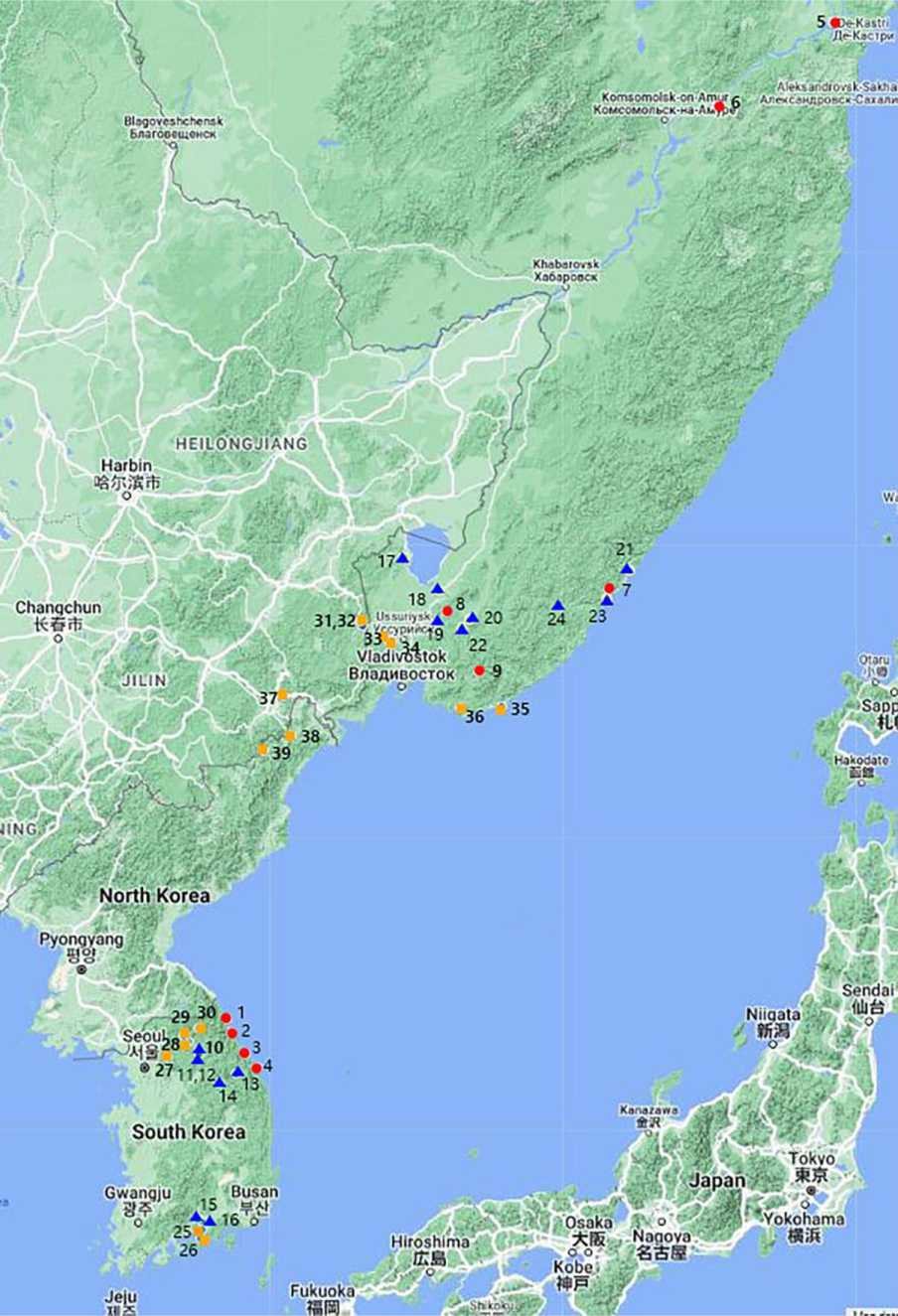
Рис. 1 . Расположение памятников периода неолита – палеометалла на Корейском полуострове и Дальнем Востоке России
-
• Памятники неолита: 1 – Мунамни; 2 – Осанни; 3 – Мансандон; 4 – Кёдон; 5 – о. Сучу; 6 – Гася; 7 – Чёртовы Ворота; 8 – Шекляево-7; 9 – Сергеевка-1.
▲ Памятники раннего палеометалла: 10 – Чхонджонни; 11 – Чхольджонни; 12 – Вэсампхори; 13 – Чхондонни; 14 – Аураджи, 15 – Пхёнгодон, 16 – Тэпхён, 17 – Харинская, 18 – Синий Гай-А, 19 – Реттиховка-Геологическая, 20 – Новогордеевка; 21 – Ветродуй; 22 – Анучино-14; 23 – Рудная Пристань; 24 – Суворово-6.
-
■ Памятники позднего палеометалла: 25 – Панджири; 26 – Ныкдо; 27 – Тэсонни; 28 – Юльмунни; 29 – Корери; 30 – Кодэри; 31 – Туанцзе; 32 – Дачэнцзы; 33 – Кроуновка-1; 34 – Корсаковское-2; 35 – Остров Петрова; 36 – Булочка; 37 – Мяпоу; 38 – Одон; 39 – Помый Кусок
Fig 1 . The location of Neolithic and Paleometal Age sites on the Korean Peninsula and the Russian Far East
-
• Neolithic sites: 1 – Munamri; 2 – Osanri; 3 – Mangsangdong; 4 – Gyodong; 5 – Suchu Isle; 6 – Gasya; 7 – Chyortovy Vorota; 8 – Sheklyaevo-7; 9 – Sergeevka-1.
▲ Early Paleometal (Bronze) Age sites: 10 – Cheonjeonri; 11 – Cheoljeongri; 12 – Oesampori; 13 – Cheondongri; 14 – Aulaji; 15 – Pyeonggeodong; 16 – Daepyeong; 17 – Harinskaya; 18 – Siniy Gay-A; 19 – Rettikhovka-Geologicheskaya; 20 – Kruglaya Dolina; 21 – Vetrodui, 22 – Anuchino-14; 23 – Rudnaya Pristan; 24 – Suvorovo-6.
-
■ Late Paleometal (Iron) Age sites: 25 – Bangri; 26 – Neukdo; 27 – Daeseongri; 28 – Yulmunri; 29 – Georyeri; 30 – Godaeri; 31 – Tuanjie; 32 – Dachengzi; 33 – Krounovka-1; 34 – Korsakovskoye-2; 35 – Petrova Isle; 36 – Bulochka; 37 – Miapou; 38 – Odong; 39 – Beomuiguseok
Рис. 2 . Находки, отражающие культурные контакты неолитических культур Дальнего Востока России и провинции Канвондо РК в период 6,5 тыс. л. н.: 1 , 2 , 4 – Гася; 3 – жилище № 26 Сучу; 5 , 6 , 8 , 9 – жилище № 25 Сучу; 7 – жилище № 24 Сучу; 10 , 11 , 13 – Мунамни; 12 , 14–16 – район С памятника Осанни на побережье Восточного моря
( 1–9 – по: [Деревянко и др., 2003]; 10 , 11 , 13 – по: [ИКН Кореи, 2004]; 12 , 14–16 – по: [ИКН Емэк, 2010])
Fig 2 . Relics related to Neolithic cultural exchanges between the Far East of Russia and Gangwon-do, Korea from 6500 years ago: 1 , 2 , 4 – Gasya; 3 – dwelling no. 26 Suchu Isle; 5 , 6 , 8 , 9 – dwelling no. 25 Suchu Isle; 7 – dwelling no. 24 Suchu Isle; 10 , 11 , 13 – Munamri; 12 , 14–16 – the area C of the Osanri site on the coast of the Eastern Sea
( 1–9 – after: [Derevyanko and et., 2003]; 10 , 11 , 13 – after: [National Research…, 2004]; 12 , 14–16 – after: [Yemaek… Institute, 2010])
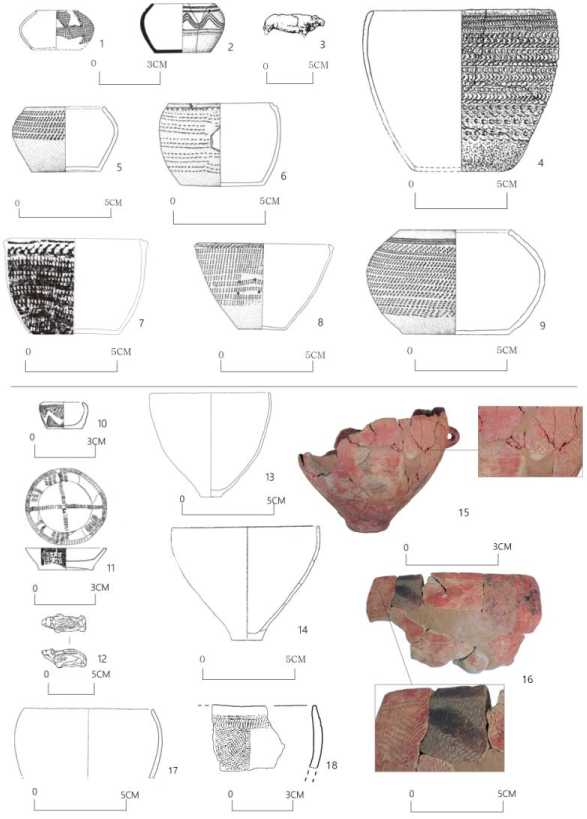

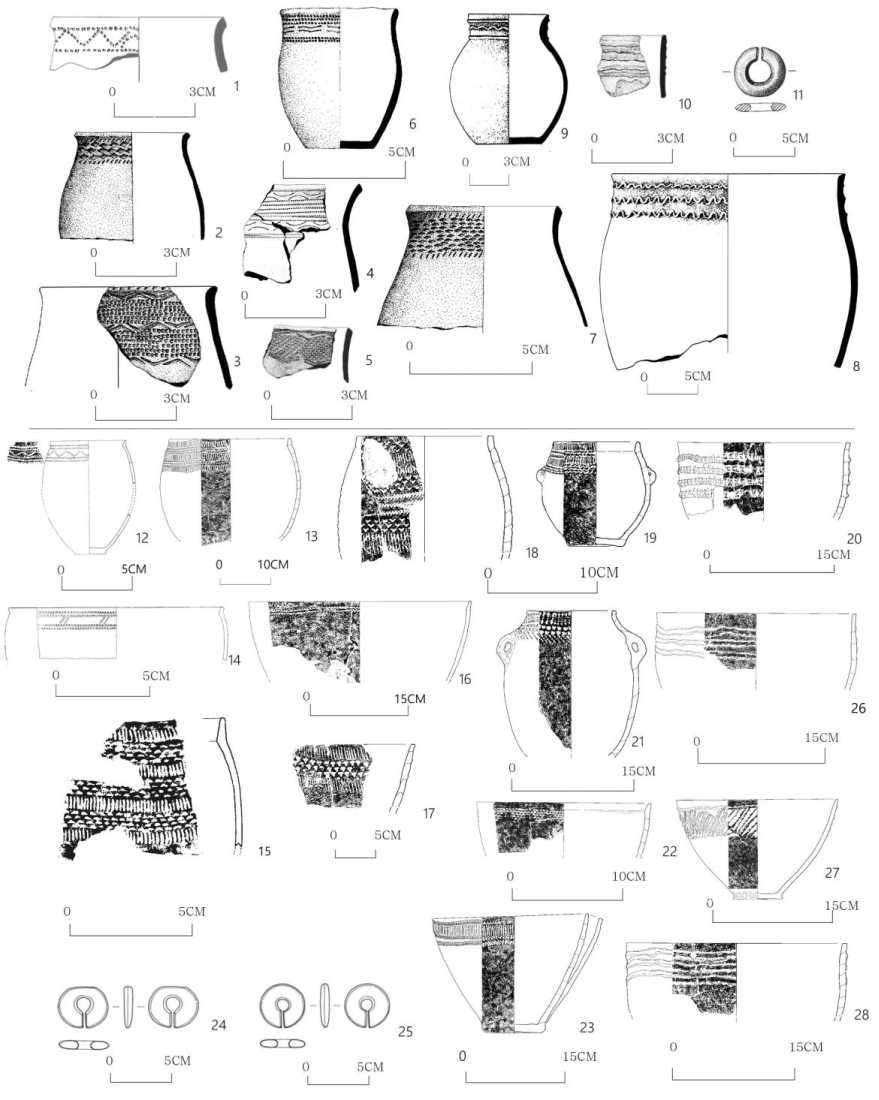
Рис. 3 . Находки, отражающие культурные контакты неолитических культур Дальнего Востока России и провинции Канвондо РК в период 6–5,8 тыс. л. н.: 1 , 6 , 8 , 9 – Шекляево-7; 2 , 3 , 5 , 7 – Сергеевка-1; 4 , 10 – Сиротинка; 11 – Чёртовы Ворота; 12–15 – районы А и В памятника Осанни; 16–25 – Мунамни, слой VII-1; 26 , 27 – Мунамни 02-3 ( 1 , 6 , 8 , 9 – по: [Ким Чже Ен и др., 2008]; 2 , 3 , 5 , 7 – по: [Батаршев, 2009]; 11 – по: [Алексеева и др., 1991]; 12–15 – по: [ИКН Емэк, 2010]; 16–27 – по: [ИКН Кореи, 2004])
Fig 3 . Relics related to Neolithic cultural exchanges between the Far East of Russia and Gangwon-do, Korea in the period 6000–5800 years ago: 1 , 6 , 8 , 9 – Sheklyaevo-7; 2 , 3 , 5 , 7 – Sergeevka-1; 4 , 10 – Sirotinka; 11 – Chyortovy Vorota; 12– 15 – area A and B of the Osanri site; 16–25 – Munamri VII-1st layer; 26-27 – Munamri 02-3
( 1 , 6 , 8 , 9 – after: [Kim Jae Youn et al., 2003]; 2 , 3 , 5 , 7 – after: [Batarshev, 2009]; 11 – after: [Alekseeva et al., 1991]; 12–15 – after: [Yemaek… Institute, 2010]; 16–27 – after: [National Research..., 2004])
Памятник Чёртовы Ворота представляет собой сгоревшее жилище в пещере, где были найдены скелеты пяти человек [Алексеева и др., 1991, с. 23–33]. Поскольку человеческие кости были собраны в одном месте жилища, то в этом можно увидеть некоторое искусственное действие. Видимо, пожар случился спустя некоторое время после того, как человеческие кости были помещены в одном месте в уже неиспользуемом жилище. Если это так, то можно предположить, что жилище было перепрофилировано под погребение.
Аналогичный памятник был обнаружен в провинции Канвондо в Корее. На памятнике Кёдон в пещере существовало жилище, которое впоследствии, после того как оно было заброшено, использовалось как погребение. На одном уровне помещено 3 костяка, 5 сосудов, каменное тесло и наконечники стрел, нефритовое изделие [Ким Воллён, 1963, с. 5–10]. Обнаружена плоскодонная керамика с оттиском орнамента на венчике. По особенностям керамики и типу погребения памятник Кёдон в Канвондо находит аналогии в некой традиции погребения сергеевского типа руднинской культуры в Приморье, когда местом для погребения служило заброшенное жилище.
Тем не менее, памятник Кёдон в Чхунчхоне был оставлен не представителями руднинской культуры, а уже ассимилированным населением. О наличии контактов населения на этих двух территориях могут свидетельствовать аналогии в керамике, погребальном обряде, а также наличие похожих типов украшений, представленных серьгами из нефрита. Однако особенность материальной культуры памятников в Корее такова, что традиция сергеевского типа руднинской культуры сохраняется, но из-за того, что есть также находки уже местного характера (ассимилированного населения), то датировки корейских памятников, по сравнению с памятниками в России, оцениваются периодом 6–5,8 тыс. л. н. На этой территории до обнаружения краснолощеной керамики в районе памятника Осанни не существовало традиции изготовления керамической посуды. Кроме того, на памятниках Кёдон, Осанни и Му-намни были обнаружены комбинированные рыболовные крючки (рис. 4), которые отсутствовали в Приморье, но имеются на Корейском полуострове.
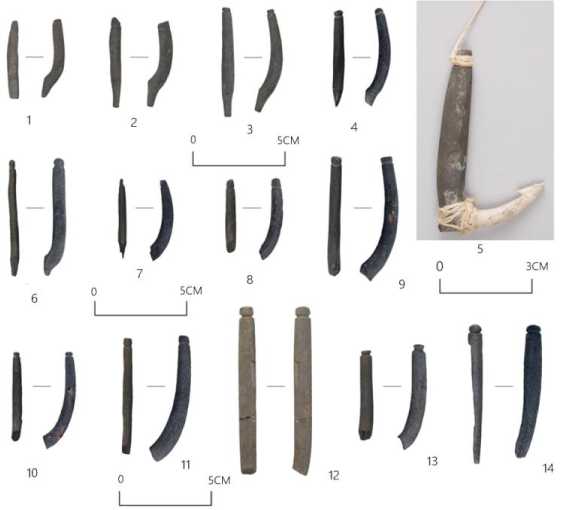
Рис . 4 . Комбинированные рыболовные крючки на памятнике Осанни в Корее периода 6–5,8 тыс. л. н. (по: [ИКН Емэк, 2010])
Fig 4 . Combined fishing hooks from Osanri, Korea in the period between 6000 and 5800 years ago (after: [Yemaek…, Institute, 2010])
Веткинская культура, произошедшая от новопетровской культуры в среднем течении Амура или культуры ананси в Маньчжурии, закрепилась в Приморском крае [Батаршев и др., 2017, с. 35–36], а население сергеевского типа руднинской культуры, как можно предположить, мигрировало в Корею, в провинцию Канвондо.
Неолитические памятники в Канвондо РК расположены вдоль морского побережья Восточного (Японского) моря к востоку от хребта Тхэбэк. Памятники руднинской культуры в Приморье и малышевской культуры на Нижнем Амуре в большинстве своем также обнаружены вдоль рек, впадающих в море. В Корее горный массив протянулся через всю территорию с севера на юг, на севере он переходит в Сихотэ-Алинь. Тут можно перемещаться на лодках вдоль прибрежной линии. Отметим, что на памятнике Осанни обнаружена деревянная лодка и глиняная фигурка в виде лодки.
После 5,8 тыс. л. н. неолитическая культура Приморья исчезает из приморских памятников Кореи [Ким Чже Ен, 2021, с. 201]. Вместо этого 5,1–4 тыс. л. н. появляется остродонная неолитическая керамика (рис. 5). Она отличается от керамики зайсановской культуры и керамики культур в Маньчжурии формой дна. Такая керамика была обнаружена в центральной и западной части (г. Сеул, пров. Кёнги) Корейского полуострова. В раннем палеометалле Кореи вновь появилась культура из Приморья.
В центральной и южной частях Кореи, а именно в провинциях Канвондо и Южная Кёнсан были обнаружены следы синегайской культуры палеометалла Приморья.
В отличие от эпохи неолита, в Канвондо ранние памятники данной эпохи обнаружены в континентальной части. К ним относятся Чхольджонни [ИКН Канвон, 2010], Тэсонни [КФ Кёнги, 2009], Хёнамни [ИКН Емэк, 2011] и Чхольджонни [ИКН Канвон, 2017]. В Канвондо расположены самые ранние памятники культуры эпохи бронзы в Южной Корее, чьи абсолютные датировки относятся к 3430–2900 л. н. [Ким Kвонджун, 2020, с. 70].
На вышеупомянутых памятниках обнаружены плоскодонный неорнаментированный сосуд с налепом вдоль венчика (рис. 6, 35 ), неорнаментированный сосуд с отогнутым наружу венчиком (рис. 6, 36 ) и сосуд с высокой горловиной (рис. 6, 37 ). Они по виду отличаются от типичной керамики этого времени в Корее. Среди каменного инвентаря имеется украшение в виде когок (рис. 6, 39 ) и прямоугольное изделие без отверстий (рис. 6, 38 ), а также каменный наконечник стрелы (рис. 6, 40 , 41 ) .
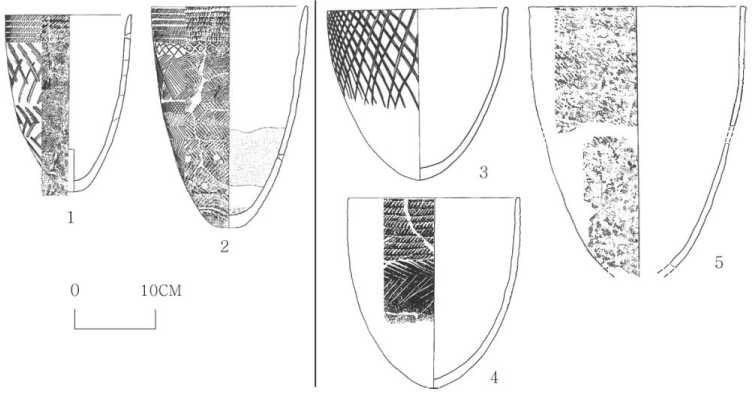
Рис . 5 . Керамика из неолитических памятников в бассейне р. Ханган (слева) и пров. Канвондо (справа) в Корее в период 5,1–4,8 тыс. л. н.: 1 , 2 – Амсадон; 3 – Чигённи; 4 – Чучхолли; 5 – Капхённи (по: [НМ Кореи, 2008])
Fig 5 . Pottery from Neolithic sites in Hangang river basin (left) and Gangwon-do (right), Korea in the period between 5100 and 4800 years ago: 1 , 2 – Amsadong; 3 – Gigeonglie; 4 – Jucheolri; 5 – Kapyongri (after: [National Museum..., 2008])
На памятнике Пхёнгодон в бассейне р. Намган в континентальной части пров. Южная Кёнсан также встречены сосуды с налепом вдоль венчика (рис. 6, 27 , 28 ). Среди них выделяются два типа: 1) сосуды с высокой горловиной и с отогнутым наружу венчиком (рис. 6, 28 ); 2) с венчиком вовнутрь (рис. 6, 27 ). Кроме того, найдены и каменные изделия в виде клюва (рис. 6, 30 , 31 ). Абсолютные даты этого памятника немного позднее, чем из Канвондо, и относятся к 3,1–2,9 тыс. л. н. [ИКН Кённам, 2011, c. 69].
Аналогии упомянутым выше находкам из памятников в провинциях Канвондо и Южная Кёнсан в Корее можно обнаружить в синегайской культуре Приморья. Например, сосуды с отогнутым наружу венчиком (рис. 6, 7 ), каменное изделие в виде клюва (рис. 6, 18 ), глиняное изделие (рис. 6, 17 ), украшение в виде когока (рис. 6, 21 ), каменные наконечники стрел (рис. 6, 19 , 20 ) найдены на памятниках Синий Гай-А, Харинская, Анучино-14. Кроме того, сосуды с налепом вдоль венчика обнаружены на памятниках Новогордеевка (рис. 6, 5 ), Рудная Пристань, жилище № 12 (рис. 6, 6 ). Также сосуд с высокой горловиной найден на памятнике Суворово-6 (рис. 6, 9 ) [Ким Чже Ен, 2018, с. 70–74].
На памятнике Пхёнгодон и расположенном рядом Тэпхённи обнаружено бронзовое украшение в виде когока (рис. 6, 34 ). Оно имеет большое сходство с самым специфичным бронзовым изделием в синегайской культуре (рис. 6, 22 , 23 ), его датировки также сходны с памятником Пхёнгодон [Ким Чже Ен, 2018]. Такое бронзовое изделие (рис. 6, 34 ) еще не встречалось на Корейском полуострове, за исключением памятника Тэпхён в Южной Кён-сан. В Канвондо найдено каменное изделие в виде когока (рис. 6, 39 ) в подражание бронзовому изделию. В этом могут быть прослежены тесные связи с насельниками синегайской культуры Приморья [Там же, с. 69–70].
Абсолютное датирование синегайской культуры было проведено на нескольких памятниках. Среди сосудов из памятника Синий Гай есть чаша с ковшеобразной ручкой (рис. 6, 4 ). Такая керамика (рис. 6, 1 ) также встречена на памятнике Реттиховка-Геологическая, относимом к зайсановской культуре позднего неолита Приморья [Ким Чже Ен и др., 2006, с. 55–56], эта особенность переходит в синегайскую культуру. В этом месте встречаются сосуды с неолитическим орнаментом, однако обнаружены и шлифованный каменный кинжал (рис. 6, 3 ) и каменное звездообразное изделие (рис. 6, 2 ), поэтому мало оснований для отнесения памятника только к позднему этапу неолита. К тому же сообщается, что просо обыкновенное и итальянское, обнаруженное на памятнике Реттиховка, по форме зерен и количеству отличаются от находок в неолите [Сергушева, 2013, с. 156, табл. 1]. Абсолютные датировки этого памятника 3610 ± 80 (COAH-6108), 3240 ± 80 л. н. (COAH-6109) [Ким Чже Ен, 2018, с. 58–59]. Это более ранние даты, чем полученные из памятника Синий Гай-А – 2875 ± 45 (СОАН-1540), 2820 ± 55 л. н. (СОАН-1541) [Яншина, 2004, с. 106].
В Приморье самые ранние даты эпохи палеометалла известны с памятника Глазовка мар-гаритовской культуры: 3605 ± 35 (AA 37114), 3580 ± 40 л. н. (UCR-3773), и с памятника Преображение-1: 3510 ± 70 л. н. (Вета-172568) [Cassidy et al., 2003, с. 302]. На Монастырке-3 получены даты 3420 ± 40 (ГИН-10218), 3340 ± 40 (ГИН-10219), 3400 ± 40 л. н. (ГИН-10220) [Дьяков, 1999, с. 39–40]. Маргаритовская культура существовала приблизительно 3,6– 3,4 тыс. л.н. Учитывая, что в Корее обнаружены находки синегайской культуры, можно предположить, что синегайская культура существовала раньше, чем показывают абсолютные датировки памятника Синий Гай-А, т. е. ок. 3,4 тыс. л. н. [Ким Чже Ен, 2018, с 59–62]. Поэтому время миграции части населения синегайской культуры на территорию провинций Канвондо и Южная Кёнсан в РК можно определить в целом периодом 3,4–2,9 тыс. л. н. на основе абсолютных датировок с территории Кореи [Там же, с. 65–74].
С IV–III вв. до н. э. в Корее начинается эпоха железа. В провинциях Кёнгидо и Канвондо на памятниках ок. II в. до н. э. появляются банковидные сосуды с пеньковой ручкой (см. рис. 5, 21–23 ), округлые сосуды с отогнутым наружу венчиком (см. рис. 5, 24 ) [Ким
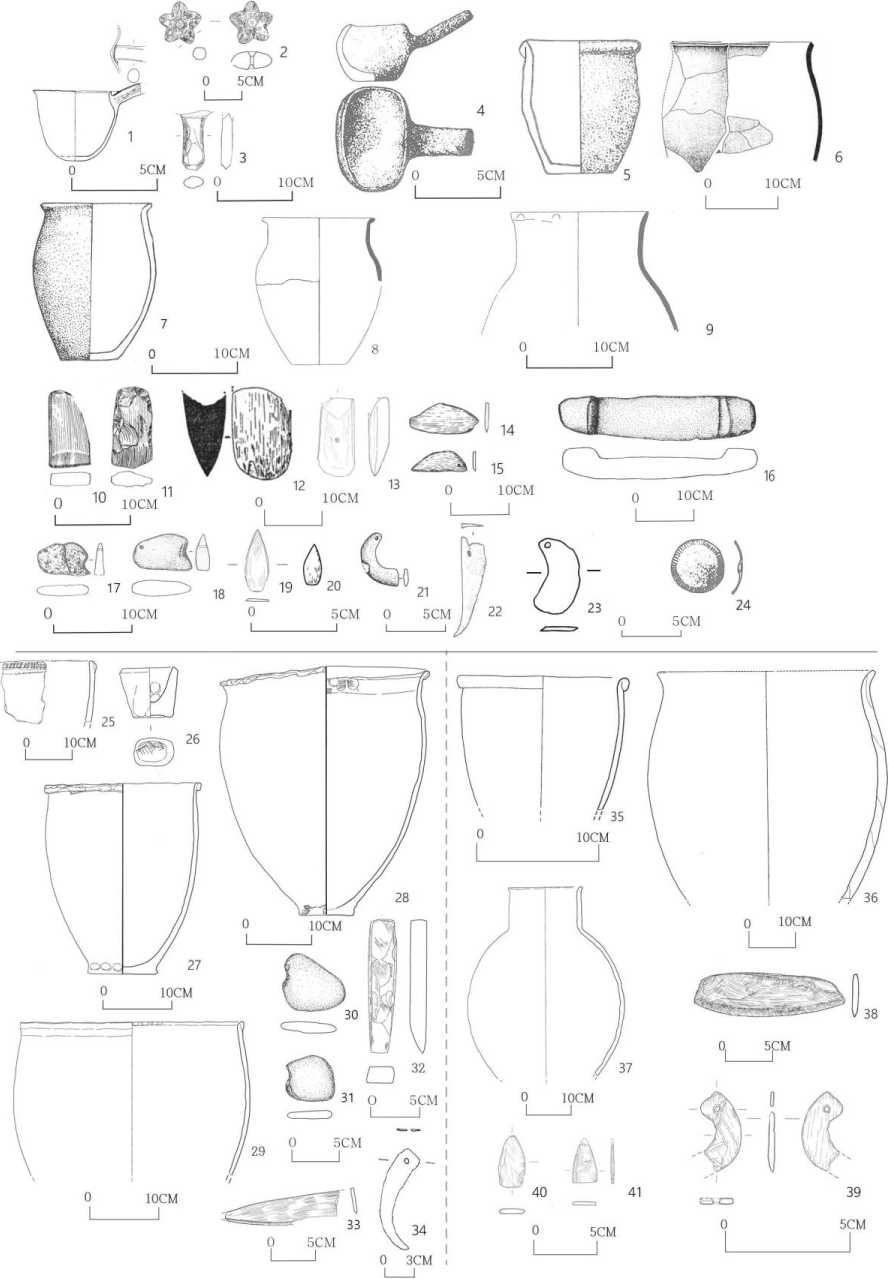
Рис. 6 . Находки, отражающие контакты культур раннего палеометалла Дальнего Востока России и провинций Канвондо и Кёнсандо РК в период 3,4–2,9 тыс. л. н.:
1–3 , 13 – Реттиховка-Геологическая; 4 , 7 , 21 , 22 , 24 – Синий Гай-А средний слой; 5 – Новогордеевка; 6 , 12 – Рудная Пристань, верхний слой, объект № 12; 8 – Анучино-14; 9 – Суворово-6; 10 , 11 , 14–18 – Харинская; 23 – Ветродуй; 25–33 – Пхёнгодон; 34 – Тэпхён; 35 – Чхондонни; 36 – Чхольджонни; 37 – Чхольджолли; 38 – Вэсампхори; 39 , 40 – Аураджи
( 1–3 , 13 – по: [Ким Чже Ен и др., 2006]; 4 , 5 , 7 , 21 , 22 , 24 – по: [Бродянский, 1996]; 6 , 12 – по: [Дьяков, 1992]; 8 , 9 – по: [Яншина, Клюев, 2005]; 10 , 11 , 14–18 – по: [Дьяков, 1989]; 23 – по: [Сидоренко, 2015]; 25–34 – по: [ИР Кён-нам, 2011]; 35 , 36 – по: [ИКН Канвон, 2010]; 37 – по: [ИКН Канвон, 2017]; 38 – 40 – по: [ИКН Канвон, 2011])
1–3 , 13 – Rettikhovka-Geologicheskaya; 4 , 7 , 21 , 22 , 24 – Siniy Gay-A middle layer; 5 – Kruglaya Dolina; 6 , 12 – Rudnaya Pristan upper layer object no. 12; 8 – Anuchino-14; 9 – Suvorovo-6; 10 , 11 , 14–18 – Harinskaya; 23 – Vetrodui; 25–33 – Pyeonggeodong; 34 – Daepyeong; 35 – Cheondongri; 36 – Cheoljeongri; 37 – Cheonjeonri; 38 – Oesampori; 39– 40 – Aulaji
( 1–3 , 13 – after: [Kim Jae Youn et al., 2006]; 4 , 5 , 7 , 21 , 22 , 24 – after: [Brodyansky, 1996]; 6 , 12 – after: [Diyakov, 1992]; 8 , 9 – after: [Yangshina, Klyuev, 2005]; 10 , 11 , 14–18 – after: [Diyakov, 1989]; 23 – after: [Sidorenko, 2015]; 25– 34 – after: [Gyeongnam Institute, 2011]; 35 , 36 – after: [Institute... Kanwon, 2010]; 37 – after: [Institute... Kanwon, 2017]; 38–40 – after: [Institute... Kanwon, 2011])
Чже Ен, 2017, с. 10–12]. В отличие от керамики, изображенной на рис. 5, 25 , сосуды с пеньковой ручкой и с отогнутым наружу венчиком тесно связаны с кроуновской культурой [Субботина, 2005; 2008, с. 242–252].
Кроме находок II в. н. э., обнаружены каны на памятниках Чхонджонни, Тэсонни, Юль-мунни и др. Внутри поселений, расположенных в бассейне р. Пукханган, только в нескольких жилищах найден ранний кан. Так, на памятнике Тэсонни всего исследовано 43 жилища, из них ранний кан обнаружен только в 4 жилищах [КФ Кёнги, 2009, с. 354], на памятнике Корери из 12 жилищ – в 4, на памятнике Кодэри из 24 – в 7 жилищах, и на памятниках Чхольджонни, Юльмунни выявлено только по одному жилищу с таким каном. Ранний кан в плане имеет Г-образную форму, сооружен вдоль стенки жилища. Кроме того, на этой территории в жилищах присутствует выделенный вход, и ранний кан расположен либо вдоль противоположной от входа стенки, либо на боковой стенке жилища [Ким Чже Ен, 2022, с. 67].
По сравнению с этими памятниками, на побережье провинции Южная Кёнсан ранний кан обнаружен на памятниках Панджири и Ныкдо, датируемых ок. III в. до н. э. (рис. 7, 16 , 17 ). На Ныкдо обнаружено свыше 43 ранних канов [Там же, с. 76–77]. Эти два памятника расположены наверху крутых холмов, характер перестройки жилищ очень запутанный. Форма раннего кана на памятнике Ныкдо Г-образная, большинство в разрезе туннельной формы, т. е. имеют П-образную форму (рис. 7, 16 ). Также встречается и кан Г-образной формы вдоль стенки жилища без каменных плашек (рис. 7, 17 ) [Ким Хён, 2006, с. 352–353].
Кроме этого, на памятнике Ныкдо встречена лоланская керамика, яёская керамика с Японских островов, ханьское бронзовое зеркало и ножевидные монеты из Китая, что говорит об активных контактах с окружающими территориями [Ли Чжэ Хён, 2008, с. 15–17]. Можно предположить и наличие контактов с кроуновской культурой Приморья.
Кроме Приморья кроуновская культура обнаружена на территории современных КНР и КНДР. На р. Раздольной, которая в Китае именуется Суйфун, открыты памятники Туанцзе и Дачэнцзы с подобным кроуновской культуре характером. Из-за находки керамики кро-уновской культуры и раннего кана она получила название туанцзе-кроуновская культура [Линь Юнь, 1985, с. 8–10]. Кроме того, подобные памятники обнаружены на р. Туманган в КНР и КНДР [Линь Юнь, 1985, с. 15; Ким Чже Ен, 2016, с. 115–117].
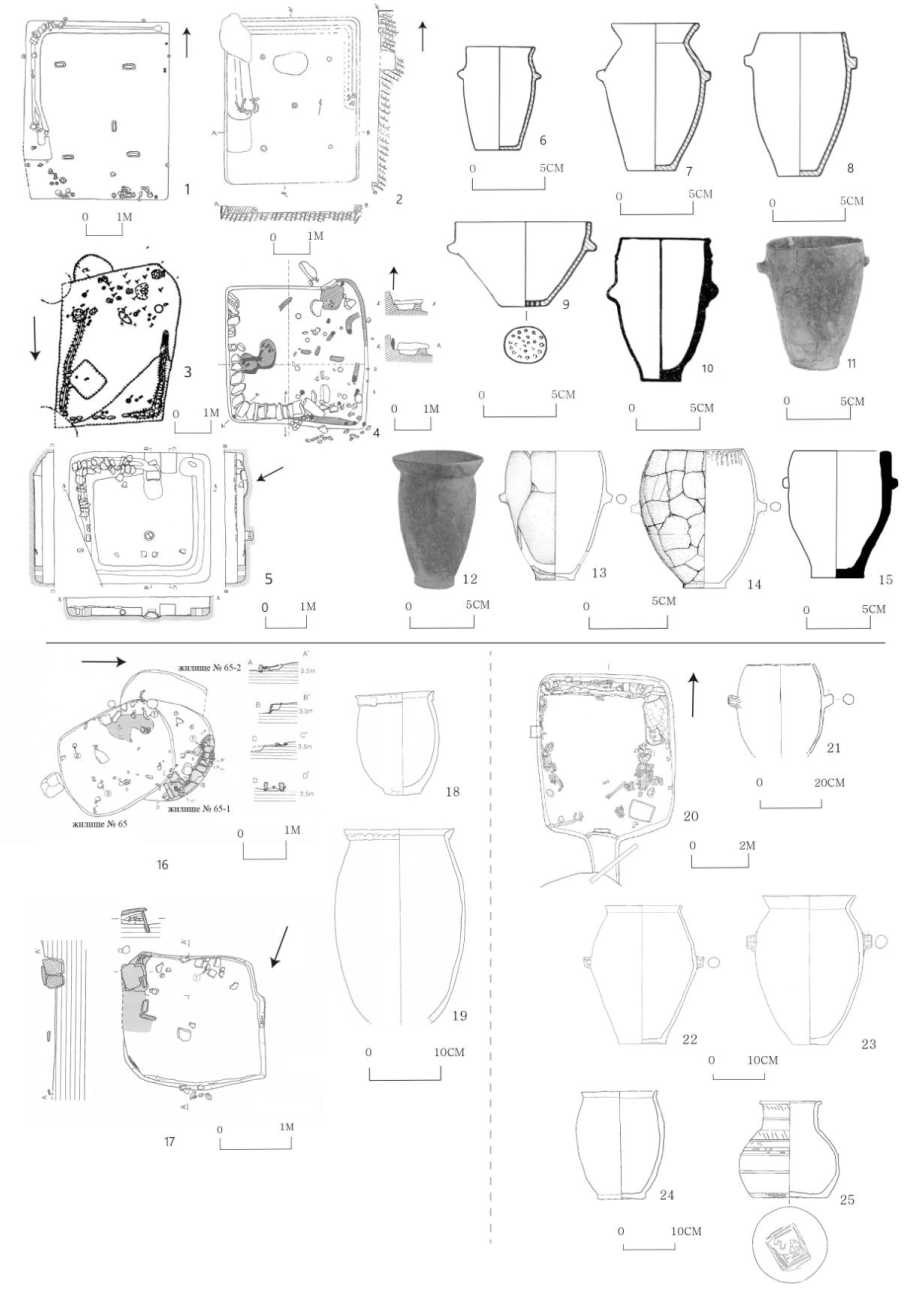
Рис. 7 . Находки, отражающие контакты культур позднего палеометалла Дальнего Востока России и провинций Канвондо и Южная Кёнсан РК в III в. до н. э. – II в. н. э.:
1 – Туанцзе, нижний слой этапа 1 жилища № 9; 2 – Туанцзе, нижний слой этапа 2 жилища № 1; 3 , 10 – Корсаков-ское-2; 4 – Остров Петрова; 5 – Мяпоу; 6–9 – Туанцзе; 10–12 – Кроуновка-1, раскопки 1957 г.; 13 , 14 – Булочка; 15 – Киевка; 16 – Ныкдо, жилище № 65-1; 17 – Ныкдо, жилище № Б-64; 18 , 19 – находки из жилищ Ныкдо; 20 , 22–25 – Юльмунни; 21 – Чхольджонни
( 1–15 , 20 , 22–25 – по: [Ким Чже Ен, 2022]; 16–19 – по: [Ким Хён, 2006]; 21 – по: [ИКН Канвон, 2010])
Fig 7 . Relics related to the cultural exchanges of late Paleometal epoch between the Russian Far East and Gangwon-do & Gyeongsangnam-do, Korea between the 3rd BC and 2nd century AD:
1 – Tuanjie lower layer stage 1 dwelling no. 9; 2 – Tuanjie lower layer 2 dwelling no. 1; 3 , 10 – Korsakovskoye-2; 4 – Petrova Isle; 5 – Miapou; 6–9 – Tuanjie; 10–12 – Krounovka-1 excavations 1957; 13 , 14 – Bulochka; 15 – Kievka; 16 – Neukdo dwelling no. 65-1; 17 – Neukdo dwelling no. B-64; 18 , 19 – finds from Neukdo dwellings; 20 , 22–25 – Yulmunri; 21 – Cheoljeongri ( 1–15 , 20 , 22–25 – after: [Kim Jae Youn, 2022]; 16–19 – after: [Kim Hyun, 2006]; 21 – after: [Institute... Kanwon, 2010])
Памятник Туанцзе двухслойный, нижний слой датируется палеометаллом, верхний слой относится к Бохаю. В нижнем слое всего было изучено 12 жилищ, которые делятся на два этапа. К 1-му этапу отнесены жилище № 9 (рис. 7, 1 ) и № 1 (рис. 7, 2 ) со схожей формой, но отличной по форме кана и строительному материалу, так что можно проследить процесс изменения формы кана [Ким Чже Ен, 2022, с. 50]. В жилище № 9 кан в плане имеет Г-образную форму, печка выложена камнем, а каналы обмазаны глиной. В жилище № 1 кан имеет в плане П-образную форму, печка выложена из глины, а каналы сложены из камня с глиной [ИКЦиА пров. Хэйлунцзян, 2011]. Также известно, что в жилище № 1 Дачэнцзы был исследован кан Г-образной формы [Сон Кихо, 2019, с. 123, табл. 3-1], но подробной информации нет.
В Приморье кроме памятника Кроуновка-1 [Окладников, Деревянко, 1973, с. 257–258] ранний кан известен на ряде памятников: Корсаковское-2 [Вострецов, Жущиховская, 1987, с. 25–26] (рис. 7, 3 ), № 15-Б на Булочке, Киевке [Вострецов, 1985, с. 60–61], Петрова Острове (рис. 7, 4 ) [Бродянский, 1996, с. 334–335]. Кан Г-образной формы выявлен на Кроуновке-1, в жилище № 1 [Деревянко и др., 2004, с. 79–89] и № 15-Б на Булочке [Деревянко и др., 2006, с. 59–66], в жилище № 3 Киевки [Вострецов, Жущиховская, 1990, с. 75–76], на Петрова Острове и др. Г-образный кан является самым распространенным и обнаружен даже в бассейне р. Чхончхонган и на южном побережье Корейского полуострова. Ранний кан, подобный кану П-образной формы на памятнике Туаньцзе (рис. 7, 2 ), обнаружен и на памятнике Корсаков-ское-2 (рис. 7, 3 ) [Вострецов, Жущиховская, 1987, с. 25–26]. Прямой в плане кан найден в жилище № 1 памятника Киевка [Вострецов, 1985, с. 60–61].
В бассейне р. Туманган на территории Китая на памятнике Мяпоу в жилищах № 2 и 4 были сооружены ранние каны квадратной формы (рис. 7, 5 ) [ИКЦиА пров. Цзилинь, 2013, с. 38–39]. В свою очередь, на корейской территории этого бассейна керамика кроуновской культуры обнаружена на 5-м и 6-м этапах памятника Помый Кусок и на памятнике Одон в Хвэрёне [Ким Чже Ен, 2016, с. 118–129], но о находке кана не сообщалось [ИАиЭ, 1960; Хван Кидок, 1975].
А. Л. Субботина относит нижнюю хронологическую границу кроуновской культуры к VII в. до н. э. [Субботина, 2008, с. 242–243]. Однако в южнокорейских научных кругах ее отодвигают к значительно более позднему времени: или к V в. до н. э. [Ким Чже Ен, 2016], или даже к IV в. до н. э. [Кан Инук, 2018]. На основании анализа нижнего слоя памятника Туанцзе, памятника Дачэнцзы и абсолютной хронологии жилища № Б-15 на Булочке можно сделать вывод, что культура не может быть датирована ранее V в. до н. э. [Ким Чже Ен, 2016, с. 124–126].
Кроме того, анализ сосудов с пеньковой ручкой позволил выделить три этапа развития культуры. Первый этап соответствует периоду V–III вв. до н. э.; второй – периоду III–I вв. до н. э.; третий – периоду I в. до н. э. – I в. н. э. Период распространения культуры из бассей- на р. Раздольная на побережье соответствует второму этапу, т. е. III–I вв. до н. э. [Ким Чже Ен, 2016, с. 123–124, табл. 1].
А. Л. Субботина на основе памятников в Приморье сначала разделила кроуновскую культуру на три этапа. Хронологические границы отличаются от позиции автора данной статьи. Тем не менее, в первый этап она включает памятники континентальной части, в третий этап – памятники на побережье и относит их к периоду III в. до н. э. – I в. н. э. [Субботина, 2005; 2008, с. 242–243].
Таким образом, хотя нижние границы кроуновской культуры не совпадают, но авторы сходны в том, что время распространения культуры на побережье произошло после III в. до н. э.
Причина того, что южнокорейские исследователи не поднимают границу культуры до VII в. до н. э., заключается в том, что эта культура соотносится с племенами окчо , появившимися в китайской летописи «Сань-го чжи» (сост. в III в. н. э.) в разделе «Описание восточных иноземцев» [Линь Юнь, 1985, с. 19–20]. Время первого упоминания окчо в летописи относится к 30 г. н. э. [Ли Хёнхе, 2010, с. 58–59]. И, даже если они существовали до этого времени, в научных кругах считается очень ранним время появления кроуновской культуры в VII в. до н. э.
Так или иначе, население кроуновской культуры Приморья около III в. до н. э. мигрировало из бассейна р. Раздольная и могло достигнуть не только побережья Приморья, но и региона провинции Южная Кёнсан и даже южных границ Кореи [Ким Чже Ен, 2022, с. 79–80]. Фоном, на котором ареал кроуновской культуры расширился, считается резкое понижение температуры [Субботина, 2005; 2008, с. 245–247]. Большинство корейских исследователей согласны с этим мнением [Ким Чже Ен, 2022, с. 77–79].
Однако кан, прослеженный на памятниках на территории провинций Кёнгидо и Канвондо в РК (рис. 8), появился во II в. н. э., позднее кроуновской керамики. На памятниках в этом районе кан обнаружен только в небольшом количестве жилищ, поэтому существует разница с ситуацией, когда кан был обнаружен в более чем 60 жилищах на памятнике Ныкдо, расположенном на южном побережье Корейского полуострова [Ким Хён, 2006, с. 353]. Поэтому культурные контакты в бассейне р. Пукханган, видимо, отличались от контактов предыдущей эпохи [Ким Чже Ен, 2022, с. 76–77].
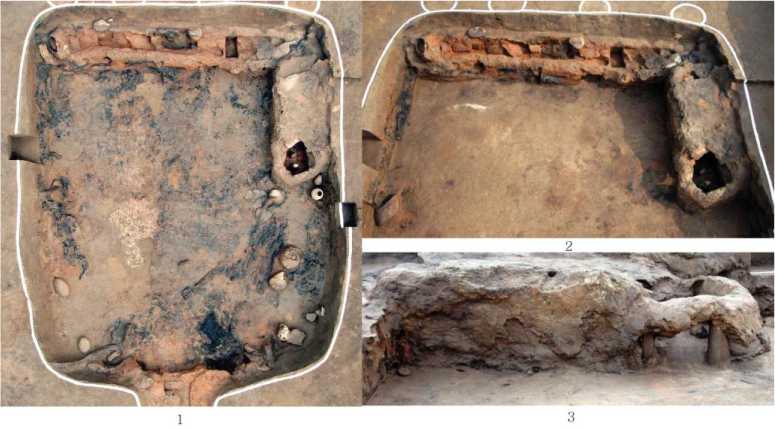
Рис. 8 . Ранний кан на памятнике Юльмунни в Канвондо, II в. н. э.:
1 – фото сверху; 2 – детально; 3 – детальное фото сбоку (по: [ИКН Емэк, 2008б])
Fig 8 . Early Kan at the Yulmunri site in Gangwon-do, 2 AD:
1 – photo from above; 2 – detailed photo; 3 – detailed side photo (after: [Yemaek… Institute, 2008b])
Была рассмотрена ситуация культурных обменов в древности между российским Дальним Востоком и Кореей на примере исследованных памятников в РК. Период неолита в хронологическом или территориальном аспектах являлся временем самых обширных контактов. Памятники, появившиеся 6,5–5,8 тыс. л. н. на морском побережье провинции Канвондо РК, связаны не только с Приморьем, но и с малышевской культурой неолита Нижнего Амура. Керамика и фигурки в виде медведя из самого нижнего неолитического слоя памятника Осанни имеют тесную связь с материалами Нижнего Амура. На основании датировок Осан-ни временем начала контактов считается период 6,5 тыс. л. н. Кроме того, аналогии сосудам, обнаруженным над этим слоем, по способу изготовления, орнаменту и морфологии можно зафиксировать в комплексах сергеевского типа руднинской культуры Приморья. Серьги из нефрита в виде колец, использование заброшенных жилищ в качестве погребений отмечены на обеих территориях. Автор считает, что данная традиция началась с неолитических культур российского Приморья. Однако население уже прошло ассимиляцию на приморских памятниках в провинции Канвондо, и это произошло 6–5,8 тыс. л. н. После этого неолитическая культура Приморья не обнаружена в Корее.
С наступлением эпохи палеометалла на памятниках в провинциях Канвондо и Южная Кёнсан в Корее появляются сосуды, каменные и бронзовые изделия синегайской культуры Приморья. В отличие от неолитического времени, в Канвондо памятники расположены в континентальной части, где обнаружены сосуды и каменные изделия синегайской культуры. В провинции Южная Кёнсан в материковой части в бассейне р. Намган на памятнике Пхёнгодон найдены сосуды и каменные изделия, а на памятнике Тэпхён даже своеобразное для синегайской культуры бронзовое изделие в виде когока . После неолита время контактов между двумя территориями относится к периоду 3,4–2,9 тыс. л. н.
В центральной части Корейского полуострова, в районе провинций Канвондо и Кёнгидо РК, а также в провинции Южная Кёнсан, был обнаружен ранний кан и керамика кроуновской культуры. Местом, где впервые в РК зафиксированы посуда и отопительная система кро-уновской культуры Приморья, является приморский памятник Ныкдо на юге Корейского полуострова, датируемый III в. до н. э. На этом памятнике обнаружены не только местные находки, но и сосуды, изготовленные в Китае и Японии, что обозначает его как место, выполнявшее функцию международного порта. Около II в. до н. э. на территории провинций Канвондо и Кёнгидо появляется керамика кроуновской культуры.
