
Между традицией и инновацией: трансформация художественного языка китайской реалистической живописи в начале XXI века
Журнал: Наследие веков @heritage-magazine
Рубрика: Мир искусства: история, теория, методология
Статья в выпуске: 2 (46), 2026 года.
Бесплатный доступ
Цель исследования – выявить и систематизировать основные направления трансформации художественного языка китайской реалистической живописи в начале XXI в. Материалами исследования послужили произведения Сюй Лэя, Юй Хун и Лю Сяодуна, каталоги выставок и кураторские тексты. Проанализированы синтез традиционных техник с цифровыми и экранными форматами, трансформация социальной тематики в сторону личного нарратива и выход реализма в межмедийное пространство. Выявлено, что мастера сохраняют традиционные техники (тушь, гунби), адаптируя их к экранной оптике, фотокадру и музейно-кураторским форматам. Предложена типология обновления художественного языка китайского реализма. Установлено, что изменения не отменяют дух реализма, а усиливают его аналитический потенциал и социальную рефлексивность. В результате реализм точнее артикулирует противоречивую духовную атмосферу социума, сохраняя преемственность и приобретая новые значения, адаптирующиеся к современным визуальным привычкам аудитории.
Короткий адрес: https://sciup.org/170213620
IDS: 170213620 | УДК: 75.03(510):[7.036.1+7.038.6]”198/201” | DOI: 10.36343/SB.2026.46.2.005
Between Tradition and Innovation: The Transformation of the Artistic Language of Chinese Realist Painting in the Early 21st Century
This article explores the evolution of Chinese realistic painting in the context of urbanization, digitalization, and institutional shifts at the beginning of the 21st century. The study aims to identify and systematize the main directions of transformation of the artistic language of Chinese realism. The analysis is based on the works of Xu Lei, Yu Hong, Liu Xiaodong, as well as exhibition catalogs and curatorial texts. Through visual analysis of representative works and interpretation of artistic language, the study identifies the main paths of transformation and strategies of expression at the intersection of tradition and innovation. The methodological framework combines historical-genetic and comparative-historical analysis, formal and stylistic analysis of compositions, color, line, and spatial structures, as well as contextual and iconological analysis situating the works within biographical, social, and philosophical contexts. A structural-typological method is applied to classify the three identified vectors of renewal. First, a visual analysis of key works was conducted; second, a structural‑typological method was applied to identify three vectors of renewal; and third, these vectors were interpreted in institutional and media contexts. The research shows that while masters preserve traditional techniques such as ink painting and gongbi, they adapt them to screen-based optics, photographic framing, and museum-curatorial formats. A typology of the renewal of Chinese realism's artistic language is proposed, which includes intermedia adaptation, thematic expansion (addressing gender, migration, and ecology), and an "experiential" perspective that shifts the emphasis from mimetic accuracy toward the experience of time and environment. The analysis demonstrates that these changes do not negate the fundamental spirit of realism but rather enhance its analytical potential and social reflexivity. As a result, realism articulates more precisely the contradictory spiritual atmosphere of contemporary society, maintaining continuity while acquiring new meanings compatible with current visual habits of audiences. The practical significance consists in refining research criteria and supporting curatorial decisions when working with realistic projects in contemporary museums. The findings open several avenues for further research: in-depth study of each of the three vectors across a broader range of authors and regional schools; comparative analysis with realist painting in other Asian and post-socialist contexts; and investigation of how emerging digital formats redefine the boundaries of the realist method.
Текст научной статьи Между традицией и инновацией: трансформация художественного языка китайской реалистической живописи в начале XXI века
Современное китайское искусство, существующее на стыке традиции и инновации, продолжает развиваться под влиянием бурных социальных изменений и технологического прогресса. Если в первой половине XX столетия в Китае преобладала идеологизированная социалистическая живопись, то уже в конце века усилилось взаимодействие с общемировым художественным процессом: в эпоху «реформ и открытости» китайские художники стали активно осваивать классическую западную живопись наряду с традиционными приемами. Именно в посткультурную революцию (после 1976 г.) начинают формироваться «деревенский реализм» и «живопись шрамов» - национальные вариации реалистической манеры, обращенные к повседневным сюжетам и коллективной памяти.
С XXI в. на язык китайской реалистической живописи оказали влияние процессы глобализации, цифровизации и урбанизации, что нашло воплощение в сочетании знаковых национальных традиций с самобытными инновациями. Исследование подобных гибридных трансформаций реализма в Китае представляется актуальным, поскольку именно в этих формах реалистическое искусство показывает свою способность отвечать на вызовы современности . Рассматриваемые практики пока описаны в научной литературе преимущественно фрагментарно. Исследователи уделяют внимание творчеству некоторых художников, отдельным течениям или медиа, тогда как целостный анализ художественного языка, возникающего на пересечении традиции и инновации, остается недостаточно разработанным.
В зарубежной историографии современного китайского искусства реализм трактуется как гибкий «режим репрезентации», способный адаптироваться к новым медиа и выставочным форматам. В работах Дж. Ф. Эндрюс и Шэнь Куйи [10], П. Глэдстона [14], Гао Минлу [13] и У Хуна [20] [21], а также в каталоге выставки Ink Art: Past as Present in Contemporary China («Искусство туши: прошлое как настоящее в современном Китае») [15] отражены различные аспекты перехода от реалистической традиции к неореализму и постсоциалистическим практикам, в которых живопись структурно связана с фотографией, видео, инсталляцией и материальным объектом.
На этом фоне особенно важна роль критика и куратора Ли Сяньтина (Li Xianting), который в ряде программных эссе и кураторских текстов начала 1990-х гг., прежде всего в материалах к выставке China’s New Art, Post-1989 («Новое китайское искусство после 1989-го») и связанных с ней публикациях [12] [17], вводит и закрепляет термины «циничный реализм» и «политический поп». Именно Ли Сяньтин предложил эти наименования для обозначения нового поколения художников, работающих с наследием социалистического реализма, массовой культурой и иронией постмодернизма, и тем самым легитимизировал новые стили как отдельные направления внутри современного китайского реализма. Однако даже в этих фундаментальных исследованиях и кураторских текстах медиальная гибридность - пересечение живописи с фотографией, видео, инсталляцией и цифровыми форматами - чаще всего фиксируется описательно, поверхностно, а не становится предметом анализа в рамках специально выстроенной теоретической модели. Основное внимание исследователи уделяют иконографии, идеологическому контексту и рыночной рецепции, вместе с тем осмысление реализма как межмедийной гибридной стратегии остается концептуально недооформленным.
В российской и китайской литературе вопрос проявления реализма в гибридных формах изучается преимущественно через анализ отдельных художественных направлений и творчества конкретных художников, однако именно здесь формируется понятийный аппарат, существенный для настоящего исследования. Работы Г. С. Гультяевой [1] и М. М. Ринчиновой [6] показывают, каким образом реалистическая живопись Китая XX в. эволюционирует от описанного С. П. Ломовым, Б.А. Каревым и Го Сяобинем [3] [24] социалистического реализма, ориентированного на советские образцы, к более сложным формам, сочетающим традиционную технику, западные стилистики и элементы визуальной культуры массовых медиа. После Ли Сяньти-на о «циничном реализме» и «политическом попе» писали С. Харченкова и О. Вельтхейс [16].
МИР ИСКУССТВА: ИСТОРИЯ, ТЕОРИЯ, МЕТОДОЛОГИЯ
THE WORLD OF ART: HISTORY, THEORY, METHODOLOGY
Возникшие относительно недавно разновидности реализма - «новая реалистическая живопись» и неореализм (Жу Вэньсин [25], Лю Хунли [26]), «тайцзи-неореализм» (Чжао Шуай и М. И. Гомбоева [7]), а также типологии реалистического и неореалистического направлений (Чжао Шуай и Б. М. Жал-санова [8]) - описываются перечисленными авторами как формы, в которых живопись изначально функционирует в окружении фото- и видеодокументации, кураторских инсталляций и цифровых технологий. При этом сами авторы, как правило, фиксируют гибрид-ность только на уровне констатации медиальной «смешанности», не предлагая единой теоретико-методологической рамки для анализа реализма в его межмедийном измерении. В результате мы имеем развитую систему терминов и стилевых маркировок (включая уже упоминавшиеся понятия «циничный реализм» и «политический поп», введенные Ли Сяньтином), но при этом существует лишь фрагментарное, несистематическое описание того, как именно реалистический метод реализуется в гибридных формах искусства конца XX - начала XXI в., что и определяет научную актуальность обращения к данной проблематике.
Цель исследования - установить и классифицировать основные векторы трансформации изобразительного языка китайской реалистической живописи в первые десятилетия XXI в. Мы стремились показать связь современного живописного языка Китая с эстетикой прошлого (гунби ( gongbi ), тушевой графикой, классическим сюжетом) и вместе с тем обретение этим языком новых средств художественной передачи и актуальных смыслов.
При этом внимание уделяется выявлению роли современных художников (Сюй Лэя, Юй Хун, Лю Сяодуна и др.) в изучаемых процессах, а также установлению институциональных и медиальных практик, формирующих художественную парадигму.
Эмпирической базой исследования послужил комплекс произведений китайской реалистической живописи конца XX - начала XXI в., репрезентирующих разные стратегии обновления художественного языка.
Важнейшими кейсами стали работы Сюй Лэя (р. 1963) - циклы, выполненные в технике гунби и тушевой живописи на шелке, Юй Хун (р. 1966) - серия «Свидетель роста» и близкие к ней автобиографические полотна и Лю Сяо-дуна (р. 1963) - крупноформатные многофигурные композиции 1990-2020-х гг., созданные в «полевых» условиях.
Выбор произведений указанных художников в качестве кейсов для рассмотрения обусловлен тем, что их творчество представляет собой три различных, но взаимодополняющих вектора обновления: синтез традиционных техник с западной живописью (Сюй Лэй), социально-документальный нарратив на основе личного опыта (Юй Хун) и кинематографический неореализм в условиях урбанизации (Лю Сяодун). Иные художники (Чжан Сяоган, Фан Лицзюнь) упоминаются для определения культурного контекста, но их творчество для данного исследования не является знаковым, так как оно в большей степени связано с постмодернистской иронией, а не с трансформацией собственно реалистического языка.
Учитывались также произведения представителей «деревенского реализма», «циничного реализма» и «портретного реализма» и проекты межмедийного характера, в которых живопись соседствует с инсталляцией, видео и цифровыми технологиями.
В качестве непосредственных источников использовались репродукции и каталогизированные данные музейных собраний, частных коллекций, материалы персональных и групповых выставок (каталоги, кураторские тексты, пресс-релизы [12] [15] [23]), критические статьи и теоретические исследования китайского реализма и неореализма на русском, китайском и английском языках. Особое внимание уделено работам, анализирующим становление реалистического и неореалистического направлений, феномен «деревенского реализма», институциональные изменения в художественной жизни Китая, а также трансформацию традиционных техник гунби и тушевой живописи в современном контексте. Такой корпус источников позволяет рассматривать художественный язык китайского реализма не изолированно, а в широком социокультурном и медиальном контексте.
Методологическую основу работы составляет комплексный междисциплинарный подход, сочетающий инструменты истории искусства, культурологии и визуальных исследований. Именно поэтому в представленной статье, во-первых, нашли свое применение историко-генетический и сравнительноисторический анализ, которые позволили проследить эволюцию реалистической живописи Китая от социалистического канона второй половины XX в. к неореализму и новейшим формам начала XXI в., а также сопоставить китайский материал с западными моделями реализма.
Во-вторых, использовался визуальный и формально-стилистический анализ произведений: рассматривались композиция, цвет, линия, фактура, тип кадрирования, способы работы с пространством и временем. Этот методологический инструмент предоставил возможность выявить формы и способы интеграции в традиционные техники (гунби, тушевую графику) элементов масляной живописи, фотографического и кинематографического видения, цифровой оптики.
В-третьих, применялся контекстуальный и иконологический анализ, ориентированный на чтение произведений с учетом биографического, социального и философского аспектов. В этой связи концепция тайцзи-неореализма используется как теоретическая рамка для интерпретации соотношения традиционного и модерного в творчестве Сюй Лэя, Юй Хун и Лю Сяодуна.
Наконец, структурно-типологический метод позволил выделить и описать три направления обновления художественного языка китайского реализма в начале XXI в.: синтез традиционных и современных техник, социально-документальный реализм с акцентом на личном нарративе и межмедийные формы, выводящие реалистическое изображение в пространство глобальной коммуникации и цифровых технологий.
Примененный подход обусловлен самой природой материала: трансформация художественного языка реализма требует одновременного учета формальных, исторических и социокультурных факторов, что не может быть обеспечено каким-либо одним методом.
Исследование проводилось в три этапа. На первом этапе с опорой на изучение имеющейся историографии выявлялись основные факторы трансформации реализма. На втором этапе с помощью формально-стилистического анализа трех кейсов (Сюй Лэй, Юй Хун, Лю Сяодун) выделялись конкретные приемы происходивших трансформаций. На третьем этапе структурно-типологический метод позволил сгруппировать эти приемы в три вектора, которые затем были интерпретированы в институциональном контексте.
Данное исследование вносит вклад в методологическую рефлексию реализма в китайской визуальной культуре XX в., поскольку показывает ограниченность подходов, которые либо редуцируют реализм до канона XIX в., либо трактуют его исключительно как идеологизированный стиль. В то же время мы исходим из понимания реализма не как относительно узкого художественного направления, присущего искусству XIX в., а рассматриваем его более широко, скорее, как способ духовно-практического освоения мира, реалистический подход, который на разных этапах истории искусства приобретает конкретноисторические формы - просветительский, критический, социалистический реализм и др. Именно поэтому научная значимость исследования усматривается еще и в понимании реализма как адаптивной формы художественного мышления, сохраняющей критический и аналитический потенциал при включении в новые медиальные и институциональные условия.
* * *
Прежде чем проводить анализ влияния глобализации и цифровизации на художественный язык, важно очертить исторические рамки становления реалистического и неореалистического направлений в Китае. Как отмечают Чжао Шуай и Б. М. Жалсанова, реализм и неореализм в китайском изобразительном искусстве возникают и оформляются в разные периоды XX в., становясь маркерами поворотных моментов культурной истории - от Синь-хайской революции и движения 4 мая до политики реформ и открытости [8, с. 175–177].
При этом истоки китайского реализма связаны с освоением западного и советского
МИР ИСКУССТВА: ИСТОРИЯ, ТЕОРИЯ, МЕТОДОЛОГИЯ
THE WORLD OF ART: HISTORY, THEORY, METHODOLOGY
опыта: через обучение китайских студентов в Академии художеств имени И. Е. Репина, изучение наследия передвижников и русской критической школы (И. Н. Крамской, И. Е. Репин, В. И. Суриков, В.А. Серов), что существенно расширило понимание реализма как направления, для которого характерно внимательное отношение к жизни народа и его надеждам [8, с. 178–179].
Существенную роль сыграл и социалистический реализм, воспринятый через советский канон: от художника требовалось «правдиво, конкретно и с сохранением истории» [1, с. 33] описывать действительность, совмещая историческую подоплеку сюжетов с задачами воспитания и трансформации сознания. На этом фоне неореализм, оформившийся во второй половине XX в., осмысляется исследователями как новая ступень по отношению к традиционному реализму: он сохраняет технический арсенал реалистической живописи, но смещает акцент к выражению личных эмоций и субъективного опыта, стремясь к более символическому, многослойному прочтению социальной реальности [5].
С конца 1970-х г. Китай постепенно встраивался в глобальную культурную коммуникацию: международный обмен искусством и выставками дал толчок соединению традиционного и инонационального. Как подчеркивает исследователь Ван Фэй, в условиях реформ и открытости изменился характер китайской живописи: «под влиянием зарубежных тенденций… воплощаются поиски контаминации национального, традиционного и привнесенного извне». Это способствует «стремительному вхождению» китайской живописи в пространство международных выставок, что «делает ее частью системы арт-рынка» [6 , с. 215].
Иллюстрацией этой тенденции стали аукционные рекорды и мировой спрос на современное китайское искусство. Например, в 2007 г. шестью из десяти самых дорогих картин на мировых торгах оказались работы китайских художников, в том числе Цзэн Фань-чжи и Юэ Миньцзюня, стоимость этих картин превысила стоимость картин Уорхола и Моне. Таким образом, художники нового поколения в Китае стали ориентироваться и на мест- ную публику, и на глобальный арт-маркет, формируя универсальный визуальный язык, сочетавший «передачу жизни народа и общества» с современными концептуальными практиками [26, c. 166–168].
Одновременно с глобализацией в Китае стремительно шло урбанизационное строительство и технологическая трансформация общества. Мегаполисы, быстрое развитие городов стали одной из главных тем современного искусства Поднебесной. Многие живописцы документируют последствия урбанизации: перенаселенность городских кварталов, транзитное положение мигрантов, столкновение старого и нового. Хотя специализированных исследований влияния урбанизации на китайскую живопись немного, очевидно, что социокультурная среда городов также нашла отражение в реалистических сюжетах (городские пейзажи, портреты рабочих, бытовые сценки на фоне неприглядных строек и древних храмов). Подобная тенденция в определенной степени роднит художников рубежа XX–XXI вв., поскольку именно в этот период сформировалось несколько направлений: в 1990-е гг.- «деревенский реализм» (фокус на крестьянской жизни) и «живопись шрамов» (осмысление травм культурной революции), а в начале XXI в. – «городской реализм» и «социальный ландшафт» [26, c. 244–251].
Цифровизация дала китайским художникам новые инструменты и культурные среды. Появились мультимедийные проекты, AR/VR-экспозиции и цифровые интервенции в классические техники. В последние годы наблюдается рост исследований, посвященных интеграции оцифрованного культурного наследия и технологий AR/VR. В существующих дискуссиях широко признается, что такие технологии трансформируют способ восприятия традиционной живописи тушью, превращая его из пассивного созерцания в более динамичный и интерактивный опыт. Высказываются даже предположения о появлении «метавселенной туши» - виртуальных пространств, в которых зритель может «попасть внутрь» традиционного пейзажа или свитка и взаимодействовать с ним [26]. Также усилилось влияние цифровой фотографии и видеоконтента: живопись все чаще строится подобно кинока- дру, с монтажной структурой и «прерывистой» реальностью. Важно, что вместе с новыми технологиями художники сохраняют социальную направленность: цифровые средства используются не для создания абстракций, а для реализации принципов углубленного реализма и документальности.
Преображение традиционных техник и синтез форм. В контексте современных исследований китайской живописи Сюй Лэй часто упоминается как один из ведущих авторов «ренессанса гунби». Галерея «INKstudio» определяет его как «ведущего художника возрождения гунби - придворной живописи с тонкой линией, использовавшейся для реалистического изображения фигур» [15, p. 153]. Китайское издание «China Daily» подчеркивает, что узнаваемость Сюй Лэя связана именно с «фигурным стилем гунби» и тщательной прорисовкой деталей, при этом художник сознательно вводит в классическую линейную манеру элементы западной живописи (работу с цветовой массой, пространством, светотенью), создавая символические и почти сюрреалистические сцены.
В новейших исследованиях по истории гунби отмечается, что с XX в. эта техника активно интегрирует методы западного реализма: точную передачу объема, анатомически выверенную фигуру, научно выстроенную перспективу и светотень, благодаря чему «реализм гунби» делает шаг в сторону гибридного искусства, соединяющего традицию и модернистскую визуальность [1] [3]. На этом фоне творчество Сюй Лэя можно трактовать как пример «реализма гунби»: тщательная проработанность формы у него сочетается с убедительной материальностью объектов и одновременно с интеллектуальной дистанцией и метафоричностью авторского взгляда.
Сюй Лэй родился в 1963 г. в городе Наньтун провинции Цзянсу, принадлежит к поколению художников, сформировавшихся на стыке позднемодернистской экспериментальной сцены 1980-х г. и возрождаемой традиции тушевой живописи. Он окончил факультет традиционного китайского искусства Нанкинской академии искусств (Nanjing Academy of Art) в 1984 г., после чего работал исследователем в Академии традиционной живописи Цзянсу, в конце 1980-х гг. участвовал в движении «Новая волна 85», имевшем большое значение для переосмысления реализма в китайском искусстве [22].
Уже в начале 1990-х г. Сюй сознательно возвращается к технике изящной линейной живописи гунби - к работе тушью и минеральными пигментами по тонкому шелку, к мотивам цветочно-птичьей живописи и к образам, восходящим к эпохам Сун и Мин. При этом он развивает особый тип «реализма гунби»: каждая деталь предметного мира - конская сбруя, «камни ученого», архитектурные фрагменты - прописана с фотографической точностью, но включена в сюрреалистически опустошенное пространство, в котором предметы становятся носителями памяти и меланхолического переживания времени [9].
Вместе с тем художник придал своим сюжетам символичную, сюрреалистическую и концептуальную форму за счет введения элементов западного искусства и истории. Например, в картине «Тысячи гор в полуночном сне» (2018) Сюй изображает тускло-белую лошадь с акцентом на детализацию и декоративное совершенство, присущее стилю гунби, а окружающие горы прописаны «западным» живописным приемом (маслом-пастелью). Это соединение броского сюрреализма и узнаваемых мотивов древних китайских свитков (лунных пейзажей, пагод, поэтических надписей) стало одним из магистральных пунктов в эстетике художника. Его подход, по словам куратора, «смешивает Восток и Запад, традицию и современность» [22] (перевод наш - Х. Ч. ) (рис. 1).
Если исходить из предложенной Чжао Шуай и М. И. Гомбоевой модели тайцзи-неореализма, в рамках которой современный китайский неореализм понимается как художественный способ гармонизировать конфликт традиционной культуры и стремительно модернизирующейся реальности, то творчество Сюй Лэя можно описать как своеобразный «тайцзи-неореализм туши». В его композициях древние предметы (каменные глыбы, лошади, старинные интерьеры) соседствуют с почти пустым фоном. Визуально такой подход воплощает принцип инь-янь: баланс за-
МИР ИСКУССТВА: ИСТОРИЯ, ТЕОРИЯ, МЕТОДОЛОГИЯ
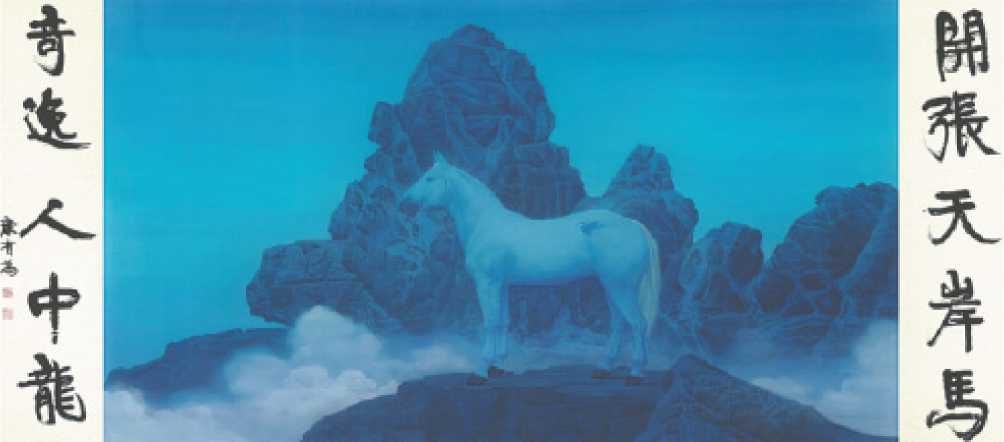
Рис. 1. Тысячи гор в полуночном сне (Сюй Лэй, 2018). Холст, масло, тушь. 154 × 270 см. Источник: [22]. Частное собрание. Копирайт Сюй Лэй. Воспроизводится в научных целях в объеме цитирования
Fig. 1. Thousands of Mountains in the Midnight Snow (Xu Lei, 2018). Oil on canvas, ink. 154 × 270 cm. Source:
[22]. Private collection. Copyright Xu Lei. Reproduced for scholarly purposes within the scope of fair citation
THE WORLD OF ART: HISTORY, THEORY, METHODOLOGY
полненного и пустого, прошлого и настоящего, личной меланхолии и коллективной культурной памяти [7, с. 161–165].
Одновременно с этим интерес Сюй Лэя к «вещной» стороне традиции (предметам старого быта, художественным коллекционным объектам) внутренне созвучен творческим задачам «деревенского реализма», который в современном контексте выполняет функцию своего рода маркера эпохи, фиксируя исчезающие формы жизни и локальную культурную идентичность. Если «деревенский реализм» Юго-Запада Китая обращен к крестьянским фигурам и сельским ландшафтам, то «реализм гунби» Сюй Лэя сосредоточен на постепенно уходящем духовном и материальном мире городского образованного сословия, превращая традиционные предметы в визуальный архив национальной памяти [4, с. 142–144].
Таким образом, формально живопись по-прежнему опирается на традиции (натуральные материалы, каллиграфически выверенные линии, растушевку), но содержание стало глобальным и концептуальным. Между тем подобное стремление к соединению традиционного языка с современным идейным содержанием не является исключительной прерогативой Сюй Лэя. Сходные процессы можно наблюдать и в творчестве других современных китайских художников. Так, Г. С. Гультяева называет Чжан Сяогана - одну из ключевых фигур современного китайского искусства - создателем моста между классическим реализмом и модернизмом в китайской живописи, имея в виду его известную серию «Большая семья» (1980–2000-е) с черно-белой фотографической стилизацией [1, c. 25–27].
В целом многие живописцы гибко комбинируют китайскую тушь и карандаш, масло и цифровые слои. В 2010-2020-е гг. развиваются техно-коллаборации: художники печатают кистевой рисунок на холсте по фотоподложке, применяют графические планшеты для планирования композиции и даже программы искусственного интеллекта, используя традиционный образец как скетч для нового видения. Именно такой эволюционный подход позволяет сохранить наследие и одновременно подвести его под актуальное зрительное восприятие, предупреждая о слепом копировании западных форм [26, c. 166–168].
Межмедийность и институциональные практики. Современный китайский реализм все чаще выходит за рамки «чистого холста». Появились и междисциплинарные проекты, в которых живопись соседствует с видео, перформансом, цифровыми инсталляциями. Например, масштабный проект Лю Сяодуна
«Вес тяжести бессонницы» (2016) включает не только само полотно («автопортрет художника у видеомонитора»), но и отснятый фрагмент этого процесса. Хронология работы сопровождается фото- и видеодокументацией, что размывает границу между живописью и новыми медиа. Аналогично групповые выставки современного искусства в Китае нередко смело сочетают картины с инсталляциями. Так, проект «Эволюция - Будущее публики» (Пекин, 2021) объединил реалистические полотна с дополненной реальностью и аудиогидом, позволяя зрителю «переживать» сюжет картины через мобильный телефон [3].
Институциональные изменения при этом укрепляют новые веяния. С конца 1990х гг. в Китае в большом количестве открываются государственные музеи, чьи экспозиции посвящены современному искусству (новые подразделения Галереи современного искусства в Пекине, Музей Луня в Шанхае и др.), что стимулирует развитие кураторских практик и критической среды. Одновременно формируется мощный частный арт-рынок: проходят новые торги в Гонконге и Шанхае, биеннале и арт-фестивали привлекают зарубежных коллекционеров. По словам китайского философа, основоположника современной эстетики Чжу Гуанцяня, понятие современного искусства в Китае давно стало на Западе частью «инновационного, подрывающего традиционные нормы авангардного стиля» (цит. по: [2, с. 246]), а сам рынок демонстрирует впечатляющий рост. При этом власть продолжает сочетать либеральность с патернализмом: государство поддерживает и авангард, и традицию [2, c. 246–248].
Например, разнообразие представленного на выставках контента - от новаторских мультимедиа до реалистических портретов - воспринимается как единый «культурный ландшафт». Важным каналом институциональной медиации стала цифровая и образовательная система: художественные академии – Центральная академия изящных искусств в Пекине (Central Academy of Fine Arts - CAFA), Суриковский институт и др. -адаптировали учебные программы, сочетая классическую академическую школу рисования с курсами новых медиа. Главенствующей становится дилемма: как сохранить визуальную уникальность китайского наследия при представляющемся неуклонным «шторме» мирового художественного процесса?
Таким образом, институции и арт-рынок в Китае одновременно способствуют обновлению реализма и закреплению его успеха на международной арене. Усилению интереса к реализму послужило и доминирование крупных китайских коллекционеров, открытие галерей и аукционы живописи (часто социалистического толка), а также активность кураторов, представляющих китайский реализм за рубежом (например, на Венецианской биеннале 1993 г. впервые широко показали «новый реализм» Китая европейские кураторы) [2].
Ведущие художники и их работы. Юй Хун родилась в 1966 г. в городе Сиань (провинция Шэньси) - регионе, который традиционно воспринимается как «историческое сердце» Китая. В 14 лет она переехала в Пекин, поступила в Среднюю школу при Центральной академии изящных искусств (CAFA), затем изучала масляную живопись на факультете живописи той же академии и в 1996 г. окончила магистратуру, а с 1988 г. начала преподавать в CAFA [23].
Такое перемещение из провинциального Сианя в столичный Пекин уже на биографическом уровне задает важный для неореализма конфликт центра и периферии, традиционного аграрного и современного городского. В начале 1990-х гг. Юй Хун вошла в круг художников «Нового поколения», которые, отталкиваясь от наследия социалистического реализма, развивали новый тип реалистической фигуративной живописи, сфокусированной на повседневной жизни и личном опыте [7, с. 159–161].
Основная серия Юй Хун «Свидетель роста» (р. 1999) - хроника жизни художницы через автопортреты, сопоставленные с событиями в Китае. Каждая картина - квадратный холст с изображение самой художницы в том или ином возрасте (от детства до зрелости). При экспонировании Юй дополняла свои полотна газетными вырезками и семейными фото, создавая диалог «социального и личного».
МИР ИСКУССТВА: ИСТОРИЯ, ТЕОРИЯ, МЕТОДОЛОГИЯ
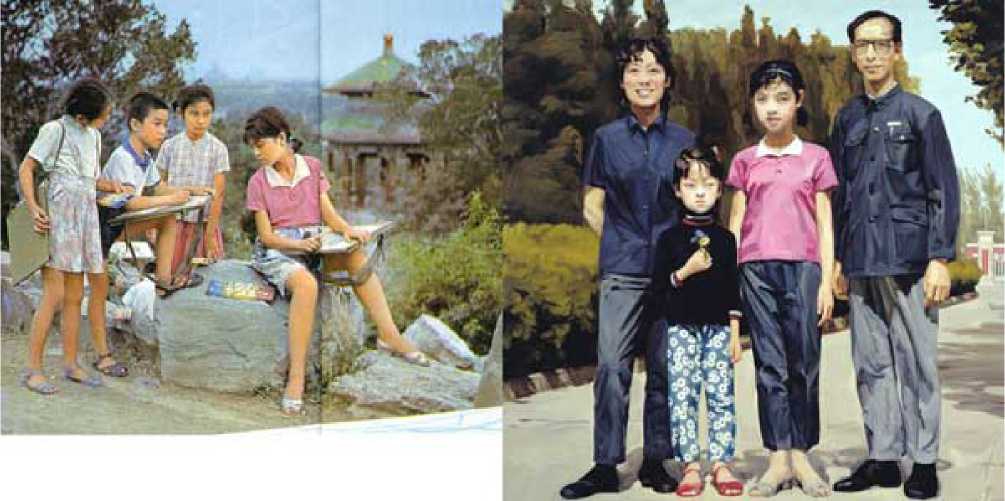
Рис. 2. Автопортрет с родителями (Юй Хун, 2000). Холст, акрил, 100×100 см. Источник: [23]. Частное собрание. Копирайт Юй Хун. Воспроизводится в научных целях в объеме цитирования
Автопортрет объединен с историческим фотоколлажем – иллюстрация серии «Свидетель роста», в котором личные жизненные сюжеты художницы смыкаются с социально-политическим контекстом времени
Fig. 2. Self-Portrait with Parents (Yu Hong, 2000). Acrylic on canvas, 100 × 100 cm. Source: [23]. Private collection. Copyright Yu Hong. Reproduced for scholarly purposes within the scope of fair citation
The self-portrait is combined with a historical photocollage – an illustration from the series Witness to Growth, in which the artist’s personal life narratives converge with the socio-political context of the era
THE WORLD OF ART: HISTORY, THEORY, METHODOLOGY
Одна из работ серии - «1978: двенадцатилетняя со своей семьей» (2000) (рис. 2) - реалистично изображает художницу с родителями (справа на картине): семейное спокойствие на фоне важного исторического рубежа (незадолго до экономических реформ) [5]. Композиция дополнена реальными фото из прошлого (слева на снимке). Таким образом творчество Юй Хун отражает то, как ее жизнь меняется вместе с Китаем от культурной революции до наших дней. Работа художницы - пример «социального ландшафта» в формате интимного дневника, личное содержание которого становится публичным. Стиль Юй Хун - откровенно правдивый реализм в технике масляной живописи (без идеализации), при этом каждое лицо и предмет написаны «как есть» с максимальным уважением к модели. Ее картины часто обсуждаются в контексте современного феминизма и семейной жизни, но главное - это документальная сила образов, передающая красоту деталей повседневной жизни, дружбы и любви на фоне социально-политических перемен [11].
В рамках концепции тайцзи-неоре-ализма, описывающей современное китайское реалистическое искусство как поле напряжения между традиционной культурой и ускоренной модернизацией, творчество Юй Хун занимает особое положение. Чжао Шуай и М. И. Гомбоева указывают, что неореализм 1990-х гг. постепенно смещается от темы рабочих-мигрантов и социального дна к более сложному анализу внутреннего конфликта между исторической памятью, философскими традициями и новой городской реальностью [7, с. 165]. В этом контексте стратегия Юй Хун -сопоставление личных воспоминаний с фотографиями из прессы и визуальными хрониками разных десятилетий - буквально реализует принцип инь-ян: на одном холсте сталкиваются частное и общественное, бытовое и официальное, национальная история и уязвимый опыт отдельного человека. Подобно тому, как «деревенский реализм» юго-запада Китая выводит на первый план «маленького человека» в пространстве сельской общины, Юй Хун концентрирует внимание на «малень- ких историях» женщин в городской среде социалистического Китая. Ее фигуративный реализм не столько документирует внешнее сходство, сколько фиксирует изменение статуса женщины - от безымянного объекта государственной иконографии к активному субъекту, чьи личные переживания становятся полноправным носителем исторического смысла [4, с. 142-150].
Лю Сяодун - символ «нового поколения» китайских реалистов. Его масштабные многофигурные полотна запечатлевают людей и места, подверженные влиянию стремительной модернизации. В отличие от красочной «эпической» живописи маоистской поры, Лю предпочитает почти документальную манеру: работая в натуре и «в поле», он создает картины, наполненные кинематографической динамикой и отражающие живой психологизм персонажей. Как отмечает критик, Лю использует «киночувствительность» - его холсты воспринимаются как кадры из фильма, они фиксируют миг, «перенасыщенный жизнью» [25, p. 26].
Лю Сяодун родился в 1963 г. в городе Цзиньчжоу (провинция Ляонин, СевероВосточный Китай) и относится к тому же поколению художников «Нового поколения», что и Юй Хун. Получив базовое и магистерское образование в Центральной академии изящных искусств (CAFA) в Пекине, он сохранил дисциплинированность социалистического реализма, но переориентировал ее с идеологически выверенных образов на «малые» истории людей, не попадающих в официальные репрезентации. Как подчеркивают кураторы и критики (см. упоминания в разделе по историографии вопроса), китайский неореализм, к которому сегодня причисляют Лю Сяодуна, формируется как ответ художников на драматические трансформации общества конца XX в. Мастера стремятся «представлять реальность без прикрас», фиксируя городские и сельские сцены повседневной жизни в момент ускоренной урбанизации и структурных перемен. На этом фоне Лю Сяодун оказывается одним из наиболее узнаваемых авторов неореалистической сцены, так как принципиально работает «с натуры», выезжая в сельские и приграничные регионы, организуя временные «полевые мастерские» и создавая крупноформатные полотна, на которых модели - крестьяне, шахтеры, рабочие-мигранты - изображены с непосредственной, почти документальной точностью [18].
В одном из проектов «Hot Bed No. 2» (2006) (рис. 3) Лю изобразил группу молодых женщин в нижнем белье, тонких платьях, топах и коротких юбках, некоторые из них отдыхают на соломенном покрывале. Несмотря на статичность сюжета, картина демонстрирует живую форму: тела женщин и предметы словно сняты неподвижным фотоаппаратом, а по фактуре видна авторская кисть. Критики отмечают, что работы Лю «превращают каждое мгновение жизни в театр человеческой судьбы» [19] (перевод наш - Х. Ч. ), изображая простых людей с пронзительностью, при которой каждый холст становится «театром реального» (рис. 4).
Подход Лю Сяодуна к работе в сельских, отдаленных районах (Синьцзян, Тибет, затопленные территории вокруг проекта «Три
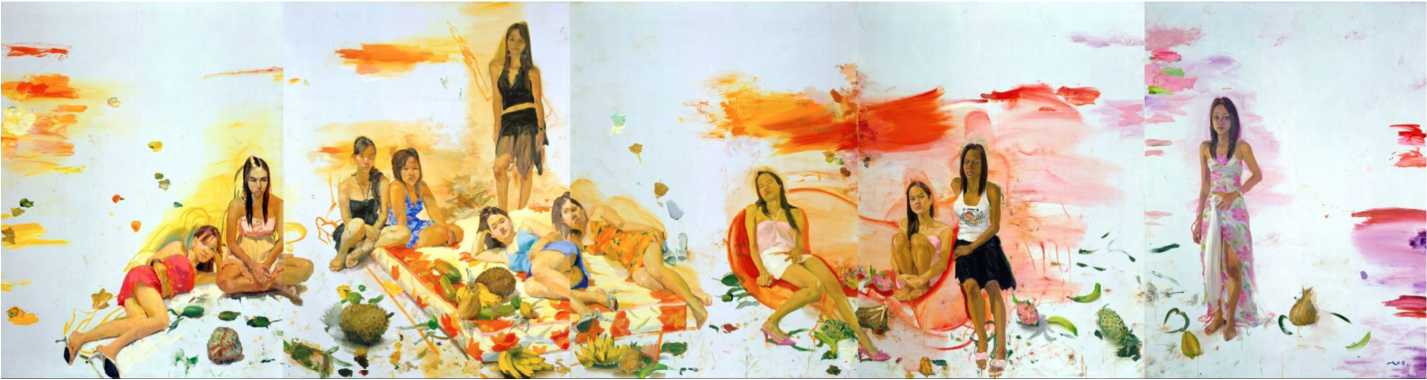
Рис. 3. Hot Bed No. 2 (Лю Сяодун, 2006). Холст, масло. 260 × 1000 см. Источник: [18]. Частное собрание. Копирайт Лю Сяодун. Воспроизводится в научных целях в объеме цитирования
МИР ИСКУССТВА: ИСТОРИЯ, ТЕОРИЯ, МЕТОДОЛОГИЯ
Fig. 3. Hot Bed No. 2 (Liu Xiaodong, 2006). Oil on canvas. 260 × 1000 cm. Source: [18]. Private collection. Copyright Liu Xiaodong. Reproduced for scholarly purposes within the scope of fair citation
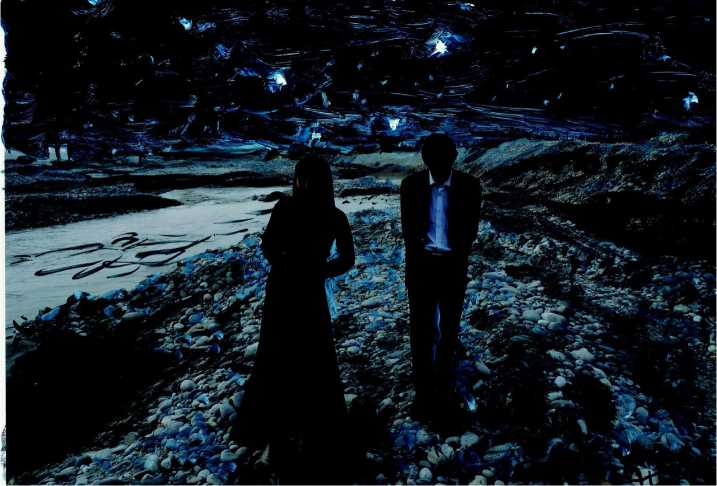
Рис. 4. The Big Dipper 2 (Лю Сяодун, 2012). Холст, масло. 250 × 300 см. Источник: [19]. Частное собрание. Копирайт Лю Сяодун. Воспроизводится в научных целях в объеме цитирования
Fig. 4. The Big Dipper 2 (Liu Xiaodong, 2012). Oil on canvas. 250 × 300 cm. Source: [19]. Private collection. Copyright Liu Xiaodong. Reproduced for scholarly purposes within the scope of fair citation
тов, через напряженные отношения между локальными телесными жестами и глобальными инфраструктурными изменениями. Его неореалистический метод можно охарактеризовать как «тайцзи-баланс» между эмпатическим вниманием к человеческой уязвимости и трезвым показом структурных сил, определяющих судьбу этих людей [7, с. 161–165].
В ряду «между традицией и модерном» следует упомянуть и другие заметные имена. Чжан Сяоган, как уже было указано, рассматривается искусствоведами как создатель моста «между
THE WORLD OF ART: HISTORY, THEORY, METHODOLOGY
ущелья») во многом перекликается с задачами «деревенского реализма». Однако если «деревенские реалисты» чаще всего изображают крестьян своей собственной провинции, то Лю Сяодун выступает в роли наблюдателя, выезжающего в разные точки страны и фиксирующего те группы населения, которые оказываются «оставленными» на периферии модернизационного проекта - рабочих-мигрантов, жителей зон экологических катастроф, маргинальные общины [19].
Концепция тайцзи-неореализма позволяет интерпретировать композиции Лю Сяодуна как визуализацию конфликта инь-ян между традиционными формами жизни и агрессивной индустриализацией. Как уже отмечалось ранее, Чжао Шуай и М. И. Гомбоева пришли к выводу, что эволюция китайского неореализма связана с переходом от прямого изображения рабочих-мигрантов к более сложному анализу «конфликта между традиционной культурой, философией и современной культурой» [7, c. 165]. В полотнах Лю Сяодуна этот конфликт прочитывается через противопоставление плотных, «живых» фигур и холодных индустриальных ландшаф- классическим реализмом и модернизмом» в китайской живописи прежде всего благодаря его известной серии «Большая семья» (1980–2000е), выдержанной в черно-белой фотографической стилизации. Художники «циничного реализма» 1990-х гг. (Фан Лицзюнь, Юэ Миньц-зюнь и др.) также работали в манере реализма (пусть и карикатурного), изображая публику, деприватизированную эпохой. В целом современный китайский реализм стал более личным и концептуальным, но не утратил связи с живописной традицией: он поддерживает преемственность мастерства (знание анатомии, композиции, техники гуаши) и открыт к диалогу с мировой художественной мыслью.
* * *
В настоящем исследовании впервые системно осмыслен синтез традиционных и современных техник, который в имеющейся литературе, как правило, затрагивался лишь фрагментарно - либо в контексте возрождения гунби, либо при описании цифровых и мультимедийных практик. На материале творчества Сюй Лэя, Юй Хун и Лю Сяодуна показано, что именно комбинирование туши, гунби, масляной живописи, фотографическо- го кадра, музейно-кураторских и цифровых форматов становится главным условием актуализации реализма в эпоху глобализации и цифровизации.
Уточняется интерпретация художественных направлений и картин ряда авторов. Творчество Сюй Лэя предлагается трактовать как вариант «тайцзи-неореализма туши», в котором традиционная линейная манера служит языком для осмысления исторической памяти и современных переживаний. Практика Юй Хун рассматривается как пример социально-документального реализма, в пространстве которого личный женский нарратив становится оптикой анализа национальной истории, а метод Лю Сяодуна - как кинематографический неореализм, фиксирующий маргинализированные группы в ситуации ускоренной модернизации.
Проведенное исследование позволило проследить, как в начале XXI в. меняется художественный язык китайского реализма на пересечении традиции и инновации. При этом можно утверждать, что реализм в китайской живописи не только не исчерпал себя, но, напротив, проявил высокую адаптивность к новым социокультурным условиям.
Анализ произведений Сюй Лэя, Юй Хун и Лю Сяодуна, а также институционального и медиального контекстов показал, что обновление реалистической манеры происходит по нескольким направлениям. С одной стороны, сохраняются и творчески трансформируются традиционные техники: тонкая линейная живопись гунби, тушевая живопись, академическая фигуративность. С другой стороны, в художественный язык активно включаются оптика фотографии и кино, цифровые технологии, новые музейно-кураторские форматы, в результате чего реалистическое изображение начинает функционировать в расширенном межмедийном пространстве.
Выделенные в работе три вектора обновления - синтез «техник», социальнодокументальный реализм с опорой на личный нарратив и межмедийный эксперимент - позволяют описать современный китайский реализм как гибридную и многоуровневую систему. Синтез техник обеспечивает преемственность с национальной традицией и одно- временно делает визуальный язык понятным зрителю, привыкшему к экранной культуре. Социально-документальный реализм, воплощенный, в частности, в автобиографических циклах Юй Хун и «полевых» проектах Лю Сяодуна, «переводит» классический интерес реализма на жизнь народа, на уровень индивидуального опыта, внутреннего конфликта и повседневных практик в эпоху урбанизации и миграции. Межмедийные формы отражают выход реализма за пределы «чистого холста» -в сферу видео, инсталляции, цифровых экспозиций и глобальной коммуникации.
Таким образом, китайский реализм начала XXI в. является отнюдь не архаичным стилем, конкурирующим с новыми медиа, но актуальным способом художественного мышления, позволяющим одновременно фиксировать конкретно-историческую реальность и рефлексировать ее противоречия. Именно благодаря синтезу традиционных и современных средств выразительности он остается востребованным и внутри Китая, и на международной сцене, обретая новые читательские и зрительские аудитории.
Полученные результаты подтверждают заявленную в начале работы актуальность: изучение синтеза техник, социальнодокументального реализма и межмедийного эксперимента важно не только для более четкого описания китайского искусства, но и для уточнения общих представлений о реалистическом подходе в искусствознании. Практическая значимость исследования заключается в том, что предложенная типология и интерпретации могут быть использованы при дальнейших академических изысканиях, в образовательных курсах по истории искусства Китая, а также при разработке кураторских концепций и музейных экспозиций, посвященных современному реализму.
Предложенная в статье типология обновления реалистического языка открывает несколько направлений для дальнейших исследований. Перспективным представляется, во-первых, углубленное изучение каждого из выделенных векторов (синтез техник, социально-документальный реализм, межмедийный эксперимент) на более широком корпусе работ авторов и региональных
МИР ИСКУССТВА: ИСТОРИЯ, ТЕОРИЯ, МЕТОДОЛОГИЯ
школ; во-вторых, сопоставительный анализ китайского реализма с аналогичными трансформациями в реалистической живописи других стран Азии и постсоциалистического пространства; в-третьих, исследование того, как новые медийные форматы (цифровые платформы, AR/VR, искусственный интел лект) переопределяют границы реалистического метода в актуальной художественной практике. Развитие этих направлений позволит не только расширить эмпирическую базу, но и уточнить теоретическую модель адаптивности реализма в условиях глобальной медиасреды.
Hueixin ZHANG
Between Tradition and Innovation: The Transformation of the Artistic Language of Chinese Realist Painting in the Early 21st Century
THE WORLD OF ART: HISTORY, THEORY, METHODOLOGY
