
Моделирование процессов ударного нагружения гетерогенных материалов на основе карбида бора с добавлением диборида хрома (CrB_2)
Рубрика: Математическое моделирование
Статья в выпуске: 1 т.19, 2026 года.
Бесплатный доступ
Представлены результаты комплексного экспериментально-расчетного исследования динамического поведения композиционных материалов системы B_4C-CrB_2 в диапазоне скоростей нагружения до 1650 м/с. Для описания отклика диборида хрома (CrB_2) предложен подход на основе аддитивной модели смеси, позволивший путем интерполяции имеющихся экспериментальных данных построить ударную адиабату материала в области скоростей до 2000 м/с. Валидация модели проведена путем сопоставления результатов численного моделирования высокоскоростного удара с экспериментальными данными. Критериями соответствия выступали геометрические характеристики кратера и морфология поверхности разрушения.
Похожие статьи в разделе Строительство инженерных сооружений
Короткий адрес: https://sciup.org/147253398
IDS: 147253398 | УДК: 624.074.4 | DOI: 10.14529/mmp260105
Mathematical Model of the Bronchial Tree with Alveoli. Deposition of Anthropogenic Particles in the Lungs
The mathematical model of the bronchial tree developed by the authors includes alveolar sacs. Alveolar sacs begin to appear in the human bronchial tree starting from the 15th generation of bronchi. Their number increases geometrically as they move down the bronchial tree, reaching a maximum in the terminal bronchi. The total number of sacs is more than 500 million. Human respiratory physiology imposes a number of conditions on the mathematical model of alveolar respiration. These conditions are uniform ventilation of the alveoli and minimal work associated with breathing. Therefore, the model must satisfy the condition of equal pressure in all 500 million alveolar sacs. Based on these conditions, a model of human alveolar inhalation was constructed. The alveolar pressure during inhalation, as determined in the model, is lower than atmospheric pressure, which is consistent with physiological data. Based on this model, calculations were made of the deposition of anthropogenic particles (cement dust and soot) in the lungs, which allows the risks to the respiratory system to be assessed. It has been shown that a decrease in air flow velocity (a decrease in inhaled air flow) contributes to an increase in particle deposition in the upper parts of the lungs. An increase in inhaled air flow reduces particle deposition, but at the same time, particles are ``driven'' into the lower parts of the lungs. Particle density has a negligible effect on their deposition compared to particle size and air flow velocity.
Текст научной статьи Моделирование процессов ударного нагружения гетерогенных материалов на основе карбида бора с добавлением диборида хрома (CrB_2)
Керамические композиционные материалы на основе карбида бора активно находят применение в качестве перспективных материалов для бронекерамики, защитных покрытий, элементов высокотемпературных энергетических установок. Одним из направлений модификации такой керамики является добавление боридов металлов IV-VI переходных групп. Так, например, диборид хрома (CrB2), привлекает значительное внимание благодаря уникальному сочетанию свойств: высокой твeрдости, температурной стойкости, химической инертности и хорошей теплопроводности [1–3]. Диборид хрома в ряду диборидов переходных металлов имеет самую низкую температуру эвтектического состава B4C-CrB2 , что позволяет снижать температуру горячего прессования для высоких (близких к 99%) значений относительной плотности таких гетерогенных керамик на 10% от температуры спекания чистого карбида бора. Диборид хрома может быть введен как добавка к керамике на основе чистого карбида бора путем протекания химической реакции карбидоборного восстановления оксида хрома в присутствии углеродного материала с большой удельной поверхностью для связывания всего стехиометрического кислорода [4]. Таким образом, процесс горячего прессования и химической реакции карбидоборного восстановления с образованием диборида хрома возможно проводить одновременно. В работах [5, 6] показано, что полученная керамика может характеризоваться относительно низкой пористостью(< 3%) высокими показателями твердости и модуля упругости, тем не менее не представлены оценки эффективности при ударном нагружении такого материала, что является актуальной задачей. В литературе представлены работы по оценке эффективности защитных элементов из B4C, TiB2 [7–9], однако исчерпывающей информации по оценке эффективности диборида хрома найти не удалось. Одним из подходов по оценке эффективности может быть численное моделирование процессов высокоскоростного соударения тел. Для проектирования устройств, работающих в условиях интенсивных динамических нагрузок, например при взрывном компактировании, необходимо знание уравнения состояния материала при экстремальных давлениях и температурах. Ударная адиабата (адиабата Гюгонио) является основным инструментом для описания такого поведения. Одной из основных проблем, на этапе численного моделирования является отсутствие подробной информации о динамических параметрах боридов переходных металлов, в частности CrB2 , позволяющих достоверно предсказывать механическое поведение при высоких скоростях и давлениях. Существуют различные подходы к определению ударных адиабат. На сегодняшний день существует большое количество литературы с экспериментальными данными по табличным значения ударных адиабат в широком диапазоне скоростей и давлений [9], однако адиабаты для диборида хрома в открытых источниках найдено не было. Еще одним подходом к определению адиабат является молекулярное динамическое моделирование, однако представленные данные требуют проверки экспериментальными методами. Для описания экспериментальных данных по адиабатам гетерогенных материалов активно развиваются новые модели, основанной на теории взаимопроникающих взаимодействующих континуумов [10]. Известны подходы к определению адиабаты соединения как сумма адиабат простых веществ, применяемых для карбидов и боридов [11]. Еще одним подходом, описанным в статье Дремина А.Н. является определение адиабаты одного из компонентов, зная адиабату смеси и адиабату второго компонента [12]. Таким образом, целью настоящей работы является получение ударной адиабаты диборида хрома для скоростей до 2 км/с для дальнейшего численного моделирования гетерогенных преград на основе карбида бора с добавлением диборида хрома. Настоящий подход по определению адиабаты диборида хрома направлен на интерполяцию адиабат Гюгонио в координатах давление-объем при определенном давлении, на основе объемов, занимаемых разными компонентами. Верификация полученных экспериментальных профилограмм проводилась по оценке глубины, диаметра и объема кратера при численном моделировании процесса высокоскоростного соударения. Полученные данные были использованы для численного моделирования ударного нагружения гетерогенных материалов на основе карбида бора с добавлением диборида хрома.
1. Постановка задачи
Рассмотрено высокоскоростное взаимодействие сферического ударника и комбинированной преграды из слоя керамики и металлической подложки (рис. 1 а). Геометрическая модель представляет собой: сферическую частицу с радиусом 2,4 мм, налетающую на пластину с диаметром 50 мм и толщиной 6–9 мм, выполненную из керамического гетерогенного материала. На тыльной стороне преграды установлена полубесконечная подложка из мягкого металлического сплава.
Рис. 1. Схема ударного нагружения: а – расчетная схема, б – схема постановки эксперимента. На рис.: 1 – снаряд (ударник); 2 – керамическая преграда;
3 – парафиновый слой; 4 – подложка из Д16Т
При ударном нагружении керамической преграды происходит ее разрушение, а ударник по инерции нагружает подложку, формируя на ней кратер. На рис. 1 б показана экспериментальная схема нагружения и геометрическая модель для численного моделирования. Скорость взаимодействия сферической частицы с пластиной была реализована в диапазоне от 1100 до 1650 м/с. Соотношение между толщиной и диаметром подложки выбирался примерно 1.
2. Материалы и методы 2.1. Экспериментальная часть
В качестве материала подложки (4) выбран алюминиевый сплав Д16Т, который имеет известные механические характеристики, необходимые для создания численной модели (см. рис. 1 а). Подложки (4) из прутка дюралюминия Д16Т диаметром 50 мм и толщиной 30 мм нагружались ударником (1) шарообразной формы из стали ШХ15 диаметром 4,8 мм и массой 0,45 г со скоростями 1150–1650 м/с. Для оценки кратера чистого Д16Т была использована подложка толщиной 40 мм. Преграда представляла собой цилиндр диаметром 51 мм из керамокомпозитного материала на основе карбида бора с добавлением диборида хрома от 0 до 10 об %. Масса керамических ввиду особенностей получения была постоянной а толщина изменялась в диапазоне 7–8,6 мм Получение преград из керамокомпозитного материала описано в работах [6, 13], а характеристики материалов преград представлены в табл. 1. Преграда (2) соединялась с разогретой подложкой с помощью слоя воска (3). Для достижения высоких скоростей взаимодействия порошка с мишенью в работе использовался электродинамический ускоритель масс (ЭДУМ) – рельсотрон [14]. В настоящей работе рельсовый ускоритель был реализован с использованием ≪ плазменного порш-ня ≫ , выступающего в качестве токовой арматуры, разгон которой осуществляется под действием электромагнитной силы в канале, образованном двумя параллельными электродами и диэлектрическими стенками. Плазменный поршень образовывался при коротком замыкании и последующем электро-взрыве медной фольги, изначально расположенной между электродами. Разгон ударника осуществлялся в пластиковом контейнере при осуществлении на него давления плазменного поршня. На участке баллистической траектории происходило аэродинамическое раскрытие контейнера. Это позволило осуществить высокоскоростное взаимодействие ударника с преградой с исходными характеристиками. Скорость пролета ударника была определена по результатам высокоскоростной съемки с использованием камеры Photron Fastcam SA-Z 480С. Частота съемки пролета ударника составила 100 кГц (10 мкс между кадрами с точностью не хуже 100 нс). Скорость ударника была рассчитана по времени прохождения им контрольного отрезка 100 мм, ограниченного маркерами. Относительная погрешность определения скорости при разрешении съемки около 0,3 мм/пикс (100 мм на 344 пкс) и времени экспозиции кадра 1 мкс составила 1,6%. В ходе взаимодействия ударник (1) и керамическая преграда (2) разрушаются, а в подложке (4) образуется кратер. Глубина и диаметр кратеров, образованных в результате ударного нагружения, на подложке (4) из Д16Т были измерены с помощью оптического профилометра по всей поверхности ударного взаимодействия. По построенным профилограммам с помощью программное обеспечения Gwiddon определялась глубина диаметр и объем кратера. Данные измерений геометрических параметров представлены в табл. 1.
Общая глубина пробития определялась по формуле:
h = ht + hs, где h - общая глубина пробития, ht - толщина преграды, hs - глубина кратера, оставшаяся на подложке. Данные экспериментов собраны в табл. 1, из которой видно, что всего было проведено 8 экспериментов, два из которых в сплошную подложку из Д16Т, два – в чистый карбид бора, и по два эксперимента в гетерогенный материал B4C-CrB2 c различным содержанием добавки диборида хрома.
Таблица 1
Данные высокоскоростного взаимодействия
|
Номер образца |
Состав образца, вес. % |
Масса образца m, г |
Толщина образца h t , мм |
Скорость ударника v b , м/с |
Глубина кратера эксп, мм |
Диаметр кратера, мм |
|
0.1 |
100 Д16T |
- |
- |
1182 |
||
|
0.2 |
100 Д16T |
- |
- |
1533 |
8,60 |
5,5 |
|
1.1 |
100 B 4 C |
32,80 |
8,35 |
1370 |
9,50 |
5,9 |
|
1.2 |
100 B 4 C |
33,40 |
8,60 |
1641 |
0,20 |
6,9 |
|
1.3 |
96,69 B 4 C + 3,31 CrB 2 |
34,12 |
8,40 |
1512 |
1,47 |
6,0 |
|
1.4 |
96,69 B 4 C + 3,31 CrB 2 |
33,60 |
8,20 |
1485 |
0,88 |
8,0 |
|
1.5 |
89,97 B 4 C + 10,03 CrB 2 |
31,94 |
7,30 |
1517 |
0,38 |
7,0 |
|
1.6 |
89,97 B 4 C + 10,03 CrB 2 |
30,76 |
7,02 |
1522 |
1,10 |
10,0 |
-
2.2. Результаты моделирования
Численные расчеты процесса взаимодействия твердых тел выполняли в программном комплексе ≪ Reactor3D ≫ [15, 16]. В котором реализованы в постановке Лагранжа уравнения баланса массы, импульса и энергии, подробно изложенные в работе [17]. Уравнения в частных производных преобразуются в явную разностную схему на треугольной (2D) и тетраэдральной (3D) сетках вдоль траектории каждой материальной частицы. Разностная сетка в произвольных многосвязных областях строиться динамическим способом. В качестве уравнения состояния используется термодинамически полное малопараметрическое уравнение состояния [18], которое отличается тем, что практически все параметры можно найти в справочниках по физико-механическим свойствам материалов. Для учета процессов разрушения система дополняется соотношениями, связывающими параметры напряженно-деформированного состояния с предельными величинами материалов.
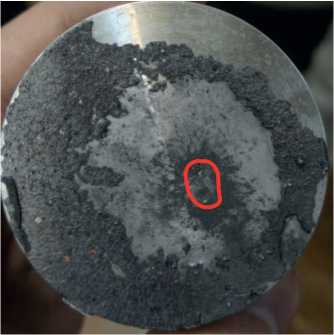
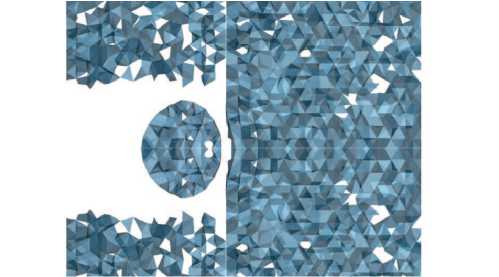
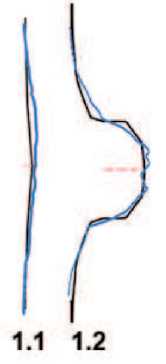
Моделирование поведения B 4 C при высокоскоростном нагружении воспроизводилось с использованием свойства подробно описанных и верифицированных в работе [19], в том числе параметры уравнения состояния и критерии разрушения. Используемые параметры были использованы для численного моделирования экспериментов 1.1; 1.2, где в качестве преграды использовался чистый карбид бора. В эксперименте 1.1, скорость взаимодействия ударника с преградой составила 1370 м/с, глубина кратера в алюминиевой подложке 0,2 мм, диаметр 6,9 мм. В эксперименте 1.2, скорость взаимодействия частицы с преградой составила 1641 м/с, глубина кратера в алюминиевой подложке 1,47 мм, диаметр 6,0 мм. Сравнение параметров кратера полученные из экспериментов и расчетов с учетом относительной погрешности показаны в табл. 2. Результаты моделирования находятся в пределах погрешности 10% от результатов экспериментов. Таким образом моделирование нагружения с параметрами керамики B 4 C, указанными в табл. 2, применимы для дальнейших исследований и соответствуют результатам эксперимента по интегральным параметрам кратера. Для более детальной верификации в экспериментах 1.1-1.2 проводилось сравнение не только интегральных параметров кратера, но и его геометрии. На рис. 2 представлено сопоставление расчетных и экспериментальных профилей. Показано, что в эксперименте 1.1, проведенном при относительно малой скорости (1370 м/с), формируется неглубокая, слабовыраженная каверна, показанная на рис. 2 в. Это затрудняет аналитическую оценку эффективности экрана и количественное сопоставление с моделью. Однако, в эксперименте 1.2 наблюдается формирование отчетливого кратера, что позволяет провести более корректное и надежное сравнение профилей. Полученные данные были использованы в дальнейших экспериментах, в которых скорость ударника была увеличена до 1500 ± 150 м/с, чтобы обеспечить образование более выраженного кратера на подложках для данной схемы испытаний.
а
б
Рис. 2. Ударное нагружение преграды из чистого карбида бора: а – фотография кратера после эксперимента 1.1, б – результат моделирования 1.1, в – сравнение профилей кратера при экспериментах 1.1 и 1.2 черная линия – результаты моделирование; синяя линяя – осредненный профиль
в
-
2.2.1. Нагружение гетерогенного материала карбид бора-диборид хрома
-
2.2.2. Построение адиабаты для диборида хрома
Перейдем к моделированию экспериментов 1.3 – 1.6 с учетом равномерно распределенных частиц CrB 2 по керамической матрице с заданной объемной концентрацией с учетом пористости гетерогенной преграды. Основной проблемой, на этапе моделирования является отсутствие информации о динамических параметрах CrB 2 для данных скоростей нагружения, которые в следующем разделе будут получены.
Ряд механических, упругих параметров, например модуль сдвига и объемный модуль сжатия, получены из работ [2,3], ударная адиабата для сжатий 1 ^ 1.1, что эквивалентно скорости взаимодействия до 1 км/с, взята из работы [1]. Для расширения области применимости параметров, предложено рассмотреть CrB 2 как смесь хрома (Cr) и бора (B) и при помощи соотношений аддитивной смеси [20] получить эффективные параметры, позволяющие провести моделирование высокоскоростного нагружения.
Р .
mix
Е
n i=1
α i
ρ 0i
En ai i=1
ρ 0i
En ai i=1 2 2
ρ 0 i C 0 i
^^^^^^^^^^в
En ai i=1 ρ0i n αi i=1 ρ0iλi
^^^^^^^^^^B
En ai i=1
ρ 0 i
2 ,
где P mix – давление в смеси; α – массовая концентрация; λ – тангенс угла наклона обобщенной кривой; C – скорость звука; индекс 0 – обозначает начальное состояние, i – номер компоненты; n – количество компонентов смеси.
Основываясь на упругих модулях и параметрах уравнения состояния из открытых источников для хрома [7, 21] и бора [22], установлено, что массовая концентрация (α) Cr составляет 79%, а B составляет 21% соответственно для монолитной гетерогенной преграды CrB2 . Построение адиабаты диборида хрома базировалось на интерполяции адиабат Гюгонио отдельных компонентов в координатах ≪давление – удельный объ-ем≫ при условии равенства давлений и с учетом парциальных объемов фаз. С исполь- зованием уравнения состояния смеси (1), были определены эффективные параметры материала, необходимые для численного моделирования процессов высокоскоростного нагружения. Полученное уравнение состояния, показано на рис. 3, параметры используемые в данном исследовании указаны в табл. 2.
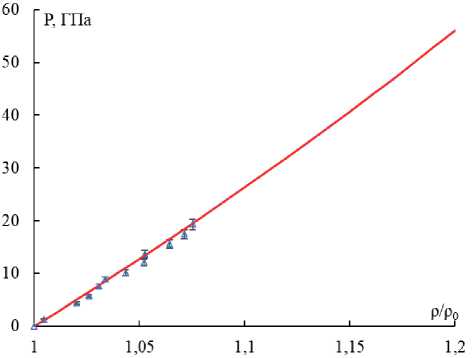
Рис. 3. Уравнение состояния CrB 2 : точки – эксперимент [1]; линия – аддитивная модель смеси
Таблица 2
Параметры используемых материалов: ρ – плотность материала, C 0 – объемная скорость звука в материале, λ – наклон прямой ударной волны в соотношении Ренкина – Гюгонио, G – модуль сдвига, K – объемный модуль сжатия, Y – начальный предел текучести, σ sp – предельное откольное напряжение
|
Материал |
ρ, г/см 3 |
C 0 , км/с |
λ |
G, ГПа |
K, ГПа |
Y, ГПа |
σ sp , ГПа |
|
Д16Т |
2,77 |
5,39 |
1,32 |
27,70 |
60,01 |
0,29 |
0,80 |
|
B 4 C |
2,52 |
8,11 |
1,61 |
178,94 |
214,81 |
10,85 |
10,85 |
|
CrB 2 |
5,2 |
6,92 |
1,33 |
175,05 |
240,21 |
5,20 |
6,11 |
-
2.3. Численное моделирование гетерогенных преград B 4 C-CrB 2
Численное моделирование экспериментов 1.3 – 1.6 с учетом равномерно распределенных частиц CrB 2 по керамической матрице с заданной объемной концентрацией с учетом пористости гетерогенной преграды представляет достаточно сложную задачу, требующую учет многих факторов, Решение данной задачи было произведено на основе предложенного в работах [19, 20] метода. В качестве модели динамически нагруженного гетерогенного материала используется модель прямого численного моделирования, подробно описанная в работах [16, 23]. Гетерогенный материал представляет собой композицию с заданными концентрациями компонент смеси, распределенных по объему счетной области. Минимальный размер гетерогенного ≪ включения ≫ – одна ячейка конечно-разностной расчетной сетки.
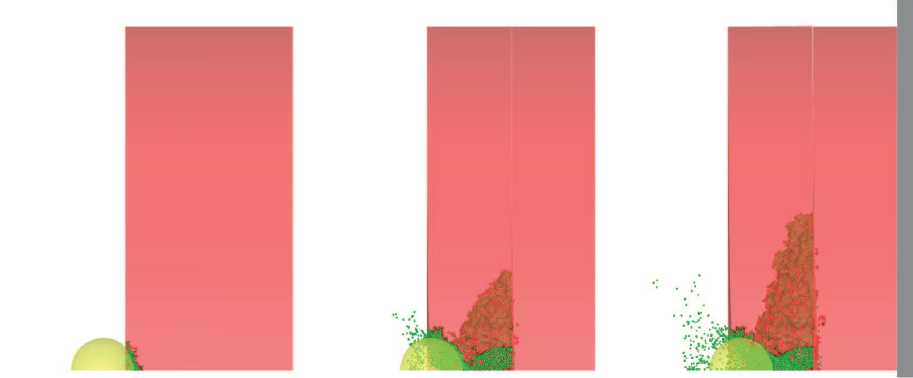
В каждой расчетной ячейке заданы физико-механические свойства компонент гетерогенного материала. При переходе из одной ячейки к другой свойства материала могут изменяться скачком. На границах ячеек выполняются условия совместности перемещения узлов компонент гетерогенного материала. Кинограмма процесса внедрения показана на рис. 4. При внедрении ударника из стали ШХ15 в гетерогенную металлокерамическую преграду формируется сложная волновая картина. В момент контакта в преграде генерируется ударная волна сжатия, фронт которой, по мере распространения вглубь материала, теряет стационарность вследствие взаимодействия с включениями диборида хрома. Разница акустических импедансов приводит к многократному отражению, вызывая дисперсию фронта и флуктуации полей давления и массовой скорости за ним. При выходе возмущенного ударного фронта на границу раздела ≪керамика – стальная подложка≫ происходит его расщепление. Ввиду того, что акустический импеданс стали превышает импеданс композита B4C–CrB2 , в подложку проходит волна сжатия. Интерференция отраженной волны сжатия с набегающим потоком и последующими волнами разгрузки от боковых поверхностей формирует в керамическом слое область сложного напряженно-деформированного состояния, характеризующуюся высоким уровнем сдвиговых напряжений и подавлением классических откольных эффектов вблизи тыльной поверхности керамики.
а
б
в
Рис. 4. Кинограмма внедрения в трехмерном расчете эксперимента 1.4: а – 2 мкс;
б – 4 мкс; в – 6 мкс
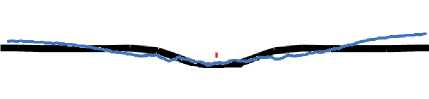
Количественный анализ показывает, что интегральные характеристики кратера согласуются с экспериментальными данными с расхождением, не превышающим 15%, что показано в табл. 3, Наряду с этим количественным соответствием, численная модель также адекватно воспроизводит и профиль кратера, как показано на рис. 5, Отметим увеличение расхождения между результатами моделирования и эксперимента не превышает 15%, поскольку это расхождение остается в допустимых пределах, можно заключить, что аддитивная модель смеси корректно определяет эффективные свойства материала.
а
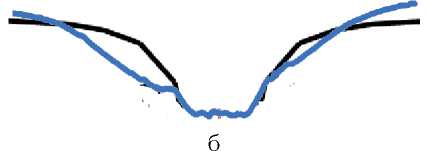
Рис. 5. Сравнение профилей кратеров: а – эксперимент 1.4; б – эксперимент 1.5; черная линия – результаты моделирование; синяя линяя – осредненный профиль, снятый с преграды после нагружения
3. Обсуждение результатов
Проведена валидация численного моделирования по результатам экспериментов: сопоставлены геометрические параметры кратера в преграде из чистого сплава Д16Т. Построена зависимость по глубине и диаметру кратера были сопоставлены с результатами экспериментов для чистого Д16Т, а также построена зависимость глубины пробития от массового содержания диборида хрома в преграде из карбида бора.
Таблица 3
Сравнение экспериментальных и расчетных геометрических параметров кратера
|
п/п |
Диаметр кратера эксп., мм |
Диаметр кратера расч., мм |
∆d, % |
Общая глубина пробития эксп., мм |
Общая глубина пробития расч., мм |
∆h, % |
Объем кратера, мм 3 |
Объем кратера расч, мм 3 |
∆V, % |
|
0.1 |
5,5 |
- |
- |
- |
- |
- |
157,5 |
- |
|
|
0.2 |
5,9 |
- |
- |
- |
- |
- |
187,8 |
- |
|
|
1.1 |
6,9 |
6,4 |
-7,81 |
8,55 |
10,05 |
14,93 |
3,3 |
3,4 |
+2,9 |
|
1.2 |
6,0 |
6,4 |
6,25 |
10,07 |
10,2 |
1,27 |
24,4 |
25,4 |
+3,9 |
|
1.3 |
8,0 |
- |
- |
9,28 |
- |
- |
13,6 |
- |
|
|
1.4 |
7,0 |
6 |
-16,67 |
8,58 |
8,52 |
-0,70 |
8,67 |
7,47 |
+16,1 |
|
1.5 |
10 |
9 |
-11,11 |
8,40 |
8,5 |
18,9 |
20,8 |
+9,1 |
|
|
1.6 |
9,0 |
- |
- |
8,42 |
-- |
19,6 |
-- |
+2,9 |
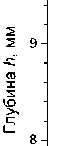
На рис. 6 показано, что общая глубина пробития подложек с использованием керамических преград меньше, чем глубина пробития для алюминиевого сплава Д16Т (серая область), что соответствует современным представлениям об использовании керамических преград для защиты от ударных нагрузок. Тем не менее, особенности получения образцов выбранной геометрии данной гетерогенной керамики нуждаются в оптимизации, и в данной работе режим горячего прессования приводит к высокой пористости, которая снижает механические свойства. С ростом содержания диборида хрома в рассматриваемом диапазоне в материале преграды общая глубина пробития уменьшается. Полученные при численном моделировании значения глубин пробития совпадают с экспериментальными данными.
1641*
10- 1370’1641
■1512 Д16Т без преграды
1370 1485’1485 1517^
-
■ Эксперимент
-
• Расчет
0 2 4 6 8 10
Содержание СгВ2, вес. %
Рис. 6. Зависимость общей глубины пробития от содержания диборида хрома в материале преграды
Выводы
-
1. Определены упругопластические, динамические параметры CrB 2 , позволяющие провести моделирование высокоскоростного нагружения преград из CrB 2 со скоростями взаимодействия 1600 м/с в соответствии с результатами экспериментов.
-
2. Установлено, что применение гетерогенных защитных слоев на основе B 4 C и CrB 2 повышает стойкость преграды в 1,3 – 1,6 раза по сравнению с монолитной преградой из алюминия.
-
3. Полученные при численном моделировании значения глубин пробития совпадают с экспериментальными данными с погрешностью не более 15%, что позволяет использовать предложенную численную модель с подобранными параметрами материала для прогнозирования процессов ударного нагружения преград из гетерогенного материала на основе карбида бора с добавление диборида хрома.
Работа выполнена при финансовой поддержке Российского научного фонда (2421-00353) с использованием оборудования центра коллективного пользования ≪ Ме-ханика ≫ (Институт теоретической и прикладной механики им. С.А. Христиановича СО РАН) и центра коллективного пользования ≪ Пластометрия ≫ (Институт машиноведения имени Э.С. Горкунова УрО РАН).
