
Мониторинг экономической безопасности фармотрасли на межстрановом уровне
Журнал: Вестник Волгоградского государственного университета. Экономика @ges-jvolsu
Рубрика: Управление экономическим развитием
Статья в выпуске: 2 т.28, 2026 года.
Бесплатный доступ
В условиях глобальной турбулентности и санкционного давления обеспечение экономической безопасности фармацевтической отрасли становится для России критическим императивом, непосредственно связанным с национальной безопасностью и технологическим суверенитетом. Целью данного исследования является разработка и апробация методики мониторинга экономической безопасности на межстрановом уровне, преодолевающей ограничения существующих подходов. На основе анализа статистики European Federation of Pharmaceutical Industries and Associations (EFPIA) автором проводится кластерный анализ ключевых отраслевых показателей европейских стран и России. Результатом является выделение четырех групп стран (кластеров): инновационного, производственного, социального и переходного, каждый из которых характеризуется уникальным профилем угроз и возможностей. Научная новизна работы заключается в предложении кластерно-дифференцированного подхода к назначению весовых коэффициентов при расчете интегрального индекса экономической безопасности фармацевтической отрасли, что позволяет повысить валидность оценки для стран с разнородными моделями развития. Положение России в социальном кластере свидетельствует о высокой уязвимости, обусловленной зависимостью от импорта субстанций, доминированием дженериков на внутреннем рынке и низким уровнем инвестиций в НИОКР. Практическая значимость исследования заключается в разработке адресных рекомендаций для государственной политики, а именно: обосновании перехода от текущей социально ориентированной модели к производственной через ускоренную локализацию и создание собственной базы активных фармацевтических ингредиентов (API) с последующей постепенной интеграцией в инновационный сегмент. Предложенная методика служит инструментом для стратегического планирования и выработки мер по противодействию конкретным угрозам в контексте глобальной конкуренции.
Короткий адрес: https://sciup.org/149151508
IDS: 149151508 | УДК: 338.28 | DOI: 10.15688/ek.jvolsu.2026.2.10
Monitoring of the Economic Security of the Pharmaceutical Industry at the Cross-Country Level
In the context of global turbulence and sanctions pressure, ensuring the economic security of the pharmaceutical industry is becoming a critical imperative for Russia, directly related to national security and technological sovereignty. The purpose of this study is to develop and test a methodology for monitoring economic security at the intercountry level that overcomes the limitations of existing approaches. Based on the analysis of statistics from the European Federation of Pharmaceutical Industries and Associations (EFPIA), the author conducts a cluster analysis of key industry indicators in European countries and Russia. The result is the identification of four groups of countries (clusters): innovative, productive, social, and transitional, each of which is characterized by a unique profile of threats and opportunities. The scientific novelty of the work lies in the proposal of a clusterdifferentiated approach to the assignment of weighting factors in the calculation of the integral index of economic security of the pharmaceutical industry, which makes it possible to increase the validity of the assessment for countries with heterogeneous development models. Russia’s position in the social cluster indicates high vulnerability due to dependence on imported substances, the dominance of generics in the domestic market, and low investment in research and development. The practical significance of the research lies in the development of targeted recommendations for public policy, namely, substantiating the transition from the current socially oriented model to a production one through accelerated localization and the creation of its own database of active pharmaceutical ingredients (API), followed by gradual integration into the innovation segment. The proposed methodology serves as a tool for strategic planning and developing measures to counter specific threats in the context of global competition.
Текст научной статьи Мониторинг экономической безопасности фармотрасли на межстрановом уровне
DOI:
Фармацевтическая промышленность – отрасль исследования, разработки, массового производства и распределения лекарственных средств (далее – ЛС), предназначенных для профилактики, облегчения течения и лечения болезней. Актуальность разработки способов мониторинга экономической безопасности фармацевтической отрасли РФ продиктована наличием множества проблем, представляющих угрозу национальным интересам в области сохранения здоровья населения, научно-технологического и промышленного развития [Указ Президента РФ от 13 мая 2017 г. № 208 ...]. Стратегическое влияние фармотрасли распространяется на многие сферы, определенные в Стратегии экономической безопасности РФ – ресурсно-сырьевую, производственную, научно-технологическую и финансовую, а также сферу обеспечения качества жизни населения.
Высокая зависимость от импорта фармацевтических субстанций и активных фармацевтических ингредиентов (до 90 %) создает уязвимость отрасли при изменении геополитической обстановки и в условиях экономических санкциях [Репринцева, 2020]. В производственной сфере наблюдаются: недостаточный уровень внедрения отечественных технологий производства, низкая степень модернизации производственных мощностей, а также ограниченные возможности для быстрого масштабирования производства при ро- сте спроса [Котлярова, 2017]. Слабая интеграция фундаментальной и прикладной науки, недостаточные объемы инвестиций в исследования и разработки российских фармпред-приятий, а также медленная трансформация научных результатов в рыночные продукты характеризуют состояние научно-технологической сферы фармацевтической отрасли [Лин и др., 2017]. Локализованные иностранные компании не спешат открывать исследовательские подразделения на территории России, их производства сосредоточены на выпуске давно известных препаратов. Несмотря на инвестиционную привлекательность растущего российского фармацевтического рынка, в финансовой сфере отрасли существует ряд угроз: ограниченный доступ предприятий к инвестиционным ресурсам, высокая стоимость кредитов, неразвитость венчурной инфраструктуры для стартапов по разработке ЛС (в том числе с искусственным интеллектом) [Купцова, 2020]. В сфере обеспечения качества жизни населения остро стоит вопрос экономической доступности лекарственных препаратов – как из дорогих инновационных, так и из жизненно важных категорий [Тельнова, 2021]. Проблемы фармотрасли, проявляющие себя на различных уровнях обеспечения экономической безопасности – от предприятий до регионов РФ, концентрируются на межстрановом уровне, где видна устойчивость и конкурентоспособность или ее слабые места на фоне динамичного развития мировой фармацевтики. Мировая фармацевтика ди- намично развивается за счет прорывов в биотехнологиях, цифровизации и инвестиций в НИОКР, концентрируя инновационный потенциал у ограниченного круга транснациональных корпораций-лидеров [Are Industry ... , 2024; Research ... , 2024]. Сложившаяся динамика создает как возможности для сотрудничества, так и серьезные вызовы для конкурентоспособности национальных фармотраслей, не обладающих сопоставимым научно-технологическим и финансовым базисом. Таким образом, задачи статистического наблюдения и мониторинга состояния экономической безопасности фармотрасли (далее – ЭБФО) требуют приоритетного внимания.
Объекты и методы исследования
Объектом исследования выступает экономическая безопасность фармацевтической отрасли на межстрановом уровне как широкая область, которая включает в себя множество национальных фармацевтических рынков и отраслей (в данном случае – стран Европы, включая Россию), рассматриваемых в сравнительной перспективе для выявления общих закономерностей, угроз и моделей устойчивости. Предмет исследования – совокупность количественных показателей и методических подходов, позволяющих провести мониторинг и дать интегральную оценку уровню экономической безопасности фармацевтической отрасли. Цель – разработка и апробация методики мониторинга ЭБФО на межстрановом уровне, для достижения которой поставлены задачи: провести анализ существующих теоретико-методических подходов; обосновать систему показателей для оценки ЭБФО на межстрановом уровне; отражающих производственный, инновационный, рыночный и социальный аспекты; провести кластерный анализ данных на основе выбранных показателей для выявления типовых моделей развития фармацевтических отраслей; разработать и апробировать методику расчета интегрального индекса ЭБФО с использованием дифференцированных весовых коэффициентов для каждого кластера; оценить положение России в полученной кластерной системе и определить практические рекомендации для государственной политики в области обеспечения ЭБФО.
Результаты и обсуждение
Теоретико-методическую базу мониторинга экономической безопасности отраслей промышленности составляют труды В.К. Сен-чагова, Л.И. Абалкина, В.П. Бауэра, С.Н. Ми-тякова, С.Ю. Глазьева, С.Н. Сильвестрова, В.Г. Старовойтова и других ученых. Для научно обоснованного мониторинга любой отрасли необходима методика, которая позволит количественно измерить уровень угроз экономической безопасности на основе системы индикаторов, объединенных в проекции, отражающие ключевые аспекты ее функционирования [Актуальные вопросы ... , 2021].
Вопросам обеспечения и мониторинга экономической безопасности фармацевтической промышленности посвящены труды З.М. Голанта, в которых предложены кластерный подход к обеспечению экономической безопасности и два направления мониторинга угроз – индикаторы конъюнктуры и индикаторы инновационных исследований, статистическая база для которых должна формироваться самими предприятиями, функционирующими на территориях фармацевтических кластеров России [Голант и др., 2010]. Апробация методики мониторинга не была проведена ввиду отсутствия на момент исследования необходимых данных. Большинство показателей, предложенных данным автором, не наблюдаются Росстатом или зарубежными статистическими ведомствами.
М.А. Лобанова подчеркивает необходимость мониторинга индикаторов, характеризующих оказание лекарственной помощи по рецептам, для снижения количества рецептов, находящихся на отсроченном обеспечении, и приведении мер экономической безопасности отрасли в соответствие с ее реальным состоянием [Лобанова, 2018]. Д.А. Кузнецов считает применимыми методы экономической безопасности на основе риск-ориентированно-го подхода (включающего мониторинг на основе ключевых рисковых показателей) для государственных систем лекарственного обеспечения [Кузнецов, 2023]. М.А. Федотова рассматривает риск-ориентированный подход как инструмент мониторинга и предотвращения коррупции в деятельности фармацевтических компаний России [Федотова, 2016]. Подходы, предлагаемые М.А. Лобановой, Д.А. Кузнецовым, М.А. Федотовой, применимы для мониторинга угроз на региональном уровне, на уровне предприятий.
Мониторинг показателей Стратегии экономической безопасности РФ ведется Росстатом по всем отраслям в совокупности [Информация для анализа показателей ...], а также публикуются ежегодные отчеты в динамике по группам ЛС. Пример данных о результатах работы фармотрасли представлен в таблице 1.
Приведенные в таблице 1 данные позволяют судить о краткосрочной и среднесрочной динамике фармпроизводства, однако они отражают преимущественно текущие операционные изменения, не раскрывая структуру и источники отраслевой устойчивости, что ограничивает применимость этих данных для комплексной оценки уровня экономической безопасности отрасли.
В Стратегии развития фармацевтической промышленности представлены ключевые целевые показатели на период до 2030 г. [Распоряжение Правительства РФ от 7 июня 2023 г. № 1495-р ...], которые потенциально могут быть использованы для мониторинга экономической безопасности. Показатели Стратегии развития фармотрасли полезны для отслеживания важных аспектов ЭБ, особенно связанных с импор-тозамещением и производственными мощностями. Однако для всесторонней оценки уязвимостей и долгосрочной устойчивости отрасли требуется расширение системы мониторинга за счет индикаторов инноваций, финансов, кадров и глубины цепочек создания стоимости.
Анализ научных и нормативно-правовых источников показывает, что в настоящее время на различных уровнях экономики требуется совершенствование методик мониторинга экономической безопасности фармотрасли, а комплексный подход к мониторингу на межстрановом уровне полностью не разработан.
Показатели экономической безопасности фармацевтической отрасли на межстрановом уровне. Несмотря на продвигаемую государством переориентицию российского фармацевтического экспорта на рынки дружественных стран [Евстратов и др., 2020], в международной статистике пока не сложилась полноценная статистическая база по фармацевтике для оценки экономической безопасности России на фоне нового ландшафта взаимоотношений. Выбор статистических показателей для оценки уровня экономической безопасности фармацевтической отрасли обусловлен не только их доступностью в статистической базе Европейской фармацевтической ассоциации (EFPIA), но и их содержательной значимостью с позиций экономической безопасности отрасли, экономической теории и теории отраслевых рынков. В основе выбора лежат следующие теоретические положения.
Объем производства фармацевтической продукции отражает реальный промышленный потенциал и уровень производственной автономии отрасли. Наличие устойчивого локализованного производства снижает внешние риски, включая санкционные, логистические и валютные [Маслеев и др., 2024]. Данный производственный показатель – ключевой индикатор импорто-независимости и физической доступности ЛС.
Объем рынка фармацевтической продукции интерпретируется как индикатор емкости спроса и уровня инвестиционной привлекательности отрасли. Масштаб рынка определяет условия конкуренции, цену инноваций и возможность масштабирования результатов НИОКР [Тимченко и др., 2012]. С точки зрения эконо-
Таблица 1. Динамика производства фармпродукции в России по данным Росстата (декабрь 2023 г.)
Table 1. Dynamics of pharmaceutical production in Russia according to Rosstat (December 2023)
|
Показатель |
Значение в декабре 2023 г. |
Δ к декабрю 2022 г. |
Δ к ноябрю 2023 г. |
|
Производство лекарств, млрд руб. |
59,3 |
+17,0 % |
–2,7 % |
|
Сыворотки и вакцины, млрд доз |
2,6 |
+93,8 % |
–7,9 % |
|
Вакцины в ампулах, тыс. штук |
242 |
–63,0 % |
×2,2 % |
|
Витамины, провитамины, производные, т |
45 |
+4,4 % |
–10,7 % |
|
Антибиотики, т |
217 |
+93,8 % |
–3,2 % |
Примечание. Составлено автором по: [Производство лекарств в России ...].
мической безопасности слишком малый рынок не сможет обеспечить устойчивость отрасли, а слишком быстро растущий создаст угрозу зависимости от импорта.
Доля дженериков (аналогов оригинальных ЛС, выпускаемых после окончания срока патентной защиты) отражает структуру лекарственного предложения. Значительная доля дженериков на рынке может означать высокий уровень экономической доступности ЛС (так как аналоги, как правило, дешевле оригинальных ЛС), что показывает низкую инновационную активность предприятий, ведь производство ЛС по известным формулам не требует существенных научных изысканий. В контексте экономической безопасности дженерики выступают как инструмент обеспечения доступности ЛС (социальная функция отрасли), но при этом ограничивают технологическую независимость страны – снижается ее роль в обеспечении национального суверенитета [Доржиева, 2023].
Объем затрат на НИОКР – основной показатель инновационного потенциала и технологической устойчивости. Низкие значения данного показателя следует рассматривать как сигнал о наличии уязвимостей стратегического характера (а также технологической фрагментации отрасли и внешнего патентного давления).
Исследование показателей экономической безопасности фармотрасли на межстрановом уровне.
В исследовании использован простой линейный метод нормализации по формуле 1. Нормирование величин статистических показателей проведено относительно максимального по каждому виду показателя. Нормирование показателей относительно максимального применялось в международных сопоставлениях в исследованиях Е.В. Балацкого и соавт. [Национальные модели ... , 2017], что позволило получить репрезентативные результаты. Использованы отчеты European Federation of Pharmaceutical Industries and Associations (EFPIA), включающие данные фармотрасли России, за 2021 год.
* xi i xmax , (1)
где xi * – нормированное значение показателя xi ; xi – значение показателя экономической безопасности фармотрасли; xi max – максимальное значение показателя в выборке.
На базе нормализованных значений показателей в программе Tibco Software проведен кластерный анализ (см. табл. 2). На дендрограмме (см. рис. 1) показаны результаты кластерного анализа, который объединяет страны в группы – кластеры на основе их схожести по пяти показателям. Для определения оптимального количества кластеров на дендрограмме обычно проводится «обрезка» дендрограммы на определенной высоте, что соответствует определенному уровню сходства между объектами. На данной дендрограмме визуально можно определить два крупных кластера. Очевидно, что для постороения эффективных стратегий обеспечения ЭБФО необходима более глубокая типологизация страновых данных.
Для более точного определения количества кластеров применен метод локтя (или «каменистая осыпь») – оценка внутрикластерной суммы квадратов (WCSS) для различных значений количества кластеров. На полученном графике «каменистой осыпи» (см. рис. 2) можно наблюдать «излом» в точке с координатами (4;1,2), который свидетельствует о наличии четырех кластеров в исследуемых данных.
Математически кластеры были сформированы на основе схожести стран по пяти параметрам с использованием метода k -средних, который минимизирует суммарное внутрикластер-ное расстояние. Данный подход позволяет группировать страны так, чтобы различия между ними в одном кластере были минимальны, а различия между кластерами максимальны.
В рамках предлагаемой методики интегральной оценки уровня ЭБФО обоснованным представляется использование кластерно-специфичных весовых коэффициентов (см. табл. 3–4). Такой подход согласуется с логикой многокритериальных моделей принятия решений (MCDA – SMART, TOPSIS, AHP, ELECTRE), в которых вес критериев адаптируется в зависимости от специфики объекта, среды или стадии развития. В частности, в теории портфелей и инвестиционного анализа признано, что структура и значимость критериев оценки зависят от контекста. Выявленные кластеры стран, характеризующиеся различной институциональной зрелостью, уровнем инновационности, социальной доступности и производственной автономности, предполагают различную сте- пень значимости отдельных индикаторов экономической безопасности.
Так, для стран с акцентом на дженерико-вое производство и локализацию производства критически важной становится доля воспроизведенных препаратов и уровень промышленного выпуска, в то время как для стран с выраженной инновационной моделью – приоритет сме- щается в сторону затрат на НИОКР и патентную активность. В кластере социально ориентированных фармсистем значимыми становятся показатели государственной поддержки через ОМС и устойчивость спроса.
Таким образом, кластерно-дифференцированный подход к весовым коэффициентам позволяет повысить чувствительность моде-
Таблица 2. Результаты нормирования, кластерного анализа и расчета уровней экономической безопасности фармотраслей на основе данных европейской статистики за 2021 год
Table 2. Results of normalizing, cluster analysis and calculation of levels of economic security of pharmaceutical industries based on data from European statistics for 2021
|
Страна |
Показатели экономической безопасности фармаотрасли x i |
Уровень ЭБФО |
|||||||||
|
1.1. Объем рынка, млн евро |
1.2. Доля дженериков на рынке, % |
2.1. Объем затрат на оплату ЛП в системах ОМС при оказании амб. помощи, млн евро |
2.2. Объем затрат на ИиР, млн евро |
3.1. Объем производства, млн евро |
|||||||
|
x i |
x i * |
x i |
x i * |
x i |
x i * |
x i |
x i * |
x i |
x i * |
L i |
|
|
I. Инновационный класте |
р |
||||||||||
|
Германия |
47 588 |
1 |
21,8 |
0,3907 |
48 648 |
1 |
8 540 |
1 |
34 579 |
0,578 |
0,8453 |
|
Швейцария |
6 127 |
0,1288 |
13,9 |
0,2491 |
6 090 |
0,1252 |
8 232 |
0,9639 |
59 823 |
1 |
0,6112 |
|
Великобритания |
28 811 |
0,6054 |
29 |
0,5197 |
13 204 |
0,2714 |
6 857 |
0,8029 |
27 772 |
0,4642 |
0,6170 |
|
II. Производственный кластер |
|||||||||||
|
Франция |
32 077 |
0,6741 |
18,5 |
0,3315 |
26 378 |
0,5422 |
4 451 |
0,5212 |
23 557 |
0,3938 |
0,4777 |
|
Италия |
24 143 |
0,5073 |
21 |
0,3763 |
7 505 |
0,1543 |
1 680 |
0,1967 |
34 400 |
0,575 |
0,4040 |
|
Испания |
18 442 |
0,3875 |
22,2 |
0,3978 |
11 747 |
0,2415 |
1 267 |
0,1484 |
17 457 |
0,2918 |
0,2984 |
|
III. Социальный |
кластер |
||||||||||
|
Австрия |
5 247 |
0,1103 |
48 |
0,8602 |
3 350 |
0,0689 |
283 |
0,0331 |
1 387 |
0,0232 |
0,1436 |
|
Бельгия |
6 728 |
0,1414 |
16,4 |
0,2939 |
5 588 |
0,1149 |
5 196 |
0,6084 |
43 300 |
0,7238 |
0,3092 |
|
Финляндия |
2 846 |
0,0598 |
18 |
0,3226 |
1 771 |
0,0364 |
234 |
0,0274 |
1 851 |
0,0309 |
0,0677 |
|
Греция |
5 468 |
0,1149 |
27,9 |
0,5 |
2 001 |
0,0411 |
95 |
0,0111 |
1 589 |
0,0266 |
0,0959 |
|
Венгрия |
2 668 |
0,0561 |
36,8 |
0,6595 |
1 168 |
0,024 |
298 |
0,0349 |
3 607 |
0,0603 |
0,1023 |
|
Ирландия |
2 553 |
0,0536 |
17,2 |
0,3082 |
2 076 |
0,0427 |
305 |
0,0357 |
19 305 |
0,3227 |
0,1267 |
|
Нидерланды |
7 073 |
0,1486 |
13 |
0,233 |
3 315 |
0,0681 |
900 |
0,1054 |
6 180 |
0,1033 |
0,1115 |
|
Норвегия |
3 055 |
0,0642 |
27,5 |
0,4928 |
1 358 |
0,0279 |
126 |
0,0148 |
1 432 |
0,0239 |
0,0795 |
|
Польша |
7 817 |
0,1643 |
55,8 |
1 |
2 099 |
0,0431 |
321 |
0,0376 |
2 515 |
0,042 |
0,1623 |
|
Португалия |
3 783 |
0,0795 |
22,8 |
0,4086 |
1 430 |
0,0294 |
121 |
0,0142 |
1 734 |
0,029 |
0,0757 |
|
Румыния |
4 946 |
0,1039 |
18,9 |
0,3387 |
1 590 |
0,0327 |
72 |
0,0084 |
655 |
0,0109 |
0,0708 |
|
Россия |
18 398 |
0,3866 |
31,6 |
0,5663 |
1 500 |
0,0308 |
706 |
0,0827 |
6 459 |
0,108 |
0,1761 |
|
Швеция |
4 872 |
0,1024 |
22,7 |
0,4068 |
2 808 |
0,0577 |
1 104 |
0,1293 |
9 616 |
0,1607 |
0,1293 |
|
Турция |
6 496 |
0,1365 |
29 |
0,5197 |
5 802 |
0,1193 |
71 |
0,0083 |
3 497 |
0,0585 |
0,1395 |
|
IV. Пе |
реходный |
кластер |
|||||||||
|
Болгария |
1 570 |
0,033 |
29,5 |
0,5287 |
460 |
0,0095 |
95 |
0,0111 |
291 |
0,0049 |
0,0902 |
|
Хорватия |
1 231 |
0,0259 |
35 |
0,6272 |
507 |
0,0104 |
40 |
0,0047 |
451 |
0,0075 |
0,1031 |
|
Кипр |
177 |
0,0037 |
0 |
0 |
108 |
0,0022 |
85 |
0,01 |
253 |
0,0042 |
0,0045 |
|
Чехия |
3 474 |
0,073 |
27 |
0,4839 |
1 543 |
0,0317 |
75 |
0,0088 |
950 |
0,0159 |
0,0961 |
|
Дания |
3 350 |
0,0704 |
31,9 |
0,5717 |
814 |
0,0167 |
1 114 |
0,1304 |
16 819 |
0,2811 |
0,2025 |
|
Эстония |
409 |
0,0086 |
20,2 |
0,362 |
176 |
0,0036 |
0 |
0 |
0 |
0 |
0,0563 |
|
Исландия |
215 |
0,0045 |
0 |
0 |
99 |
0,002 |
0 |
0 |
89 |
0,0015 |
0,0015 |
|
Латвия |
271 |
0,0057 |
44 |
0,7885 |
170 |
0,0035 |
0 |
0 |
321 |
0,0054 |
0,1212 |
|
Литва |
586 |
0,0123 |
24 |
0,4301 |
406 |
0,0083 |
0 |
0 |
0 |
0 |
0,0680 |
|
Мальта |
196 |
0,0041 |
0 |
0 |
123 |
0,0025 |
0 |
0 |
307 |
0,0051 |
0,0024 |
|
Сербия |
867 |
0,0182 |
30,7 |
0,5502 |
317 |
0,0065 |
0 |
0 |
0 |
0 |
0,0866 |
|
Словакия |
1 669 |
0,0351 |
21,4 |
0,3835 |
1 308 |
0,0269 |
35 |
0,0041 |
356 |
0,006 |
0,0707 |
|
Словения |
792 |
0,0166 |
21,9 |
0,3925 |
405 |
0,0083 |
230 |
0,0269 |
3 402 |
0,0569 |
0,0840 |
Примечание. Разработано автором.
ли к специфическим угрозам, внутренним ограничениям и стратегическим приоритетам каждой группы стран, что, в свою очередь, делает результат интегральной оценки обоснованным и применимым для целенаправленного управленческого воздействия.
Проведенная кластеризация позволила выявить четыре группы стран с различным уровнем ЭБФО и различной структурой угроз. Для углубленного анализа различий между кластерами и проверки валидности типологии проведен расчет индекса ЭБФО с использованием дифференцированных весовых коэффициентов по формуле 2.
L = Z n = 1 4' x * , (2)
где Li – значение уровня экономической безопасности фармотрасли i -й страны; ωi – вес показателя i ; xi * – нормированное значение показателя i .
Полученные кластеры не только статистически значимы, но и обладают содержатель- ной интерпретацией с позиции оценки ЭБФО. Инновационный кластер представляет собой максимально устойчивую модель ЭБФО, основанную на инновационной самодостаточности, высоком уровне локализации производства и контроле над критическими технологиями. Угрозы минимальны, но возможна зависимость от экспортных рынков и высокая стоимость ЛП. В производственном кластере ЭБФО обеспечивается за счет локализации производства и широкой доступности лекарств при зависимости от внешних источников инноваций. Социальный кластер, в который вошла Россия, отличается зависимостью от дженерикового сегмента и ограниченными инвестициями в НИОКР. При этом страны этого кластера демонстрируют сравнительно высокий уровень государственного участия в регулировании доступа к лекарственным средствам через систему ОМС, обладая значительным внутренним рынком, поддерживающим стабильность отрасли в краткосрочной перспективе.
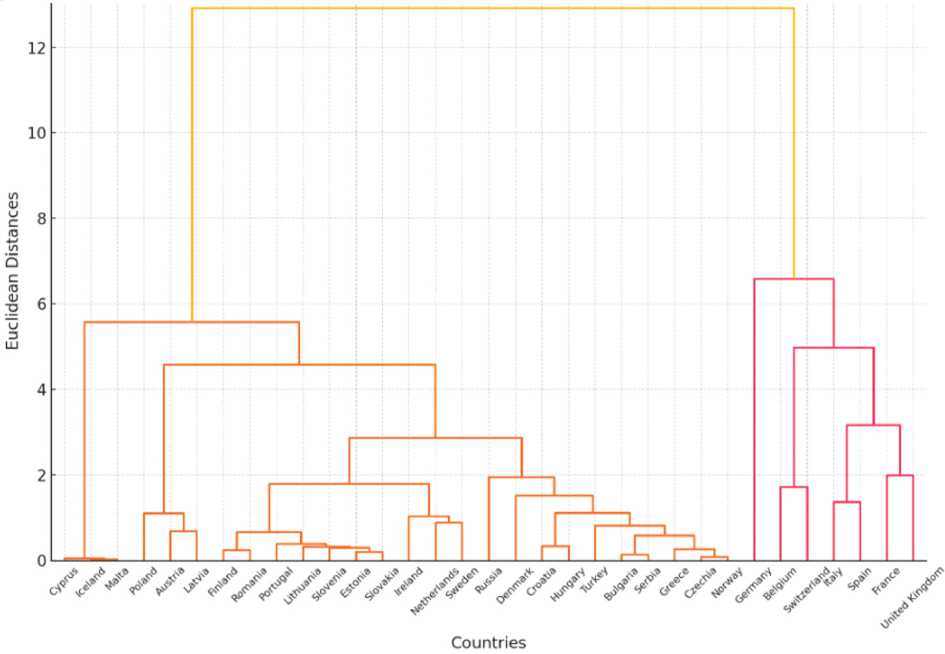
Рис. 1. Дендрограмма кластерного анализа нормированных данных о фармацевтических рынках
Fig. 1. Dendrogram of cluster analysis of normalized data on pharmaceutical markets Примечание. Разработано автором.
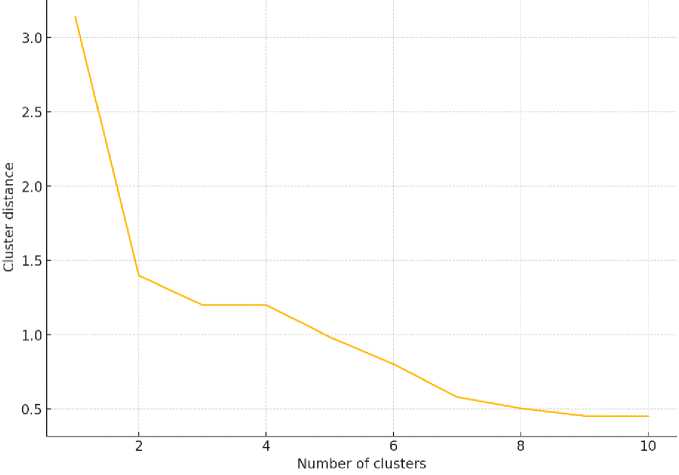
Рис. 2. График по методу локтя («каменистая осыпь») для определения количества кластеров в данных
Fig. 2. Elbow plot (scree plot) for determining the number of clusters in the data Примечание. Разработано автором.
Таблица 3. Структура рисков по кластерам
Table 3. Risk structure by cluster
|
Факторы рисков / Кластер |
I. Инновац. |
II. Произв. |
III. Соц. |
IV. Перех. |
|
Технологическая уязвимость (низкий уровень затрат на R&D) |
низкая |
умеренная |
высокая |
высокая |
|
Импортозависимость (недостаточный объем ЛП собственного производство) |
высокая |
низкая |
умеренная |
высокая |
|
Социальная нестабильность (неразвитая система компенсации расходов населения на ЛП за счет ОМС) |
умеренная |
умеренная |
низкая |
высокая |
|
Обеспечение доступа к новейшим ЛП (низкая доля дженериков на рынке) |
высокая |
низкая |
умеренная |
средняя |
|
Фактор объема рынка (малый рынок) |
низкая |
средняя |
высокая |
высокая |
Примечание. Разработано автором.
Таблица 4. Подбор весов ω i для показателей
Table 4. Selection of weights ω i for indicators
|
Критерий / Кластер |
I. Инновац. |
II. Произв. |
III. Соц. |
IV. Перех. |
|
1.1. Объем рынка, млн евро |
0,20 |
0,20 |
0,20 |
0,15 |
|
1.2. Доля дженериков на рынке, % |
0,15 |
0,20 |
0,10 |
0,15 |
|
2.1. Объем затрат на оплату ЛП в системах ОМС при оказании амб. помощи, млн евро |
0,10 |
0,10 |
0,40 |
0,20 |
|
2.2. Объем затрат на ИиР, млн евро |
0,40 |
0,20 |
0,10 |
0,25 |
|
3.1. Объем производства, млн евро |
0,15 |
0,30 |
0,20 |
0,25 |
|
Итого |
1,00 |
1,00 |
1,00 |
1,00 |
Примечание. Разработано автором.
Россия, как представитель социального кластера, характеризуется высокой долей дженериков в потреблении, что обеспечивает массовую доступность, но одновременно свидетельствует о недостаточном уровне технологической независимости. Низкие и нестабильные инвестиции в НИОКР, а также ограниченная доля производства с полным циклом синтеза субстанций формируют структурные уязвимости фармацевтической системы. В то же время объемы рынка и наличие институционального потенциала позволяют рассматривать положение страны в данном кластере как возможность для трансформации в сторону устойчивого роста. Таким образом, кластер 3 представляет собой промежуточную модель ЭБФО, сочетающую элементы доступности ЛП и растущего масштаба рынка с рисками технологической и инновационной зависимости. Для стран этого кластера, включая Россию, приоритетами должны стать: развитие локализованного производства, наращивание доли НИОКР в отраслевом бюджете, усиление стратегического планирования и внедрение механизмов прогнозируемого государственного спроса.
Страны переходного кластера находятся в зоне повышенного риска, поскольку ни один из факторов устойчивости не реализован в полной мере. Здесь требуется комплексная трансформация отрасли – как в сторону развития НИОКР, так и локализации производства.
Таким образом, полученные кластеры позволяют структурировать пространство угроз и потенциала устойчивости фармацевтической отрасли в международной фармацевтической системе. Для каждой группы стран может быть разработан специфический набор приоритетов государственной политики и инструментов обеспечения экономической безопасности, что делает кластерный подход не только аналитически значимым, но и прикладным инструментом стратегического планирования.
Научное и практическое значение результатов исследования для экономической безопасности России
Проведенный кластерный анализ имеет научное и практическое значение для обеспечения ЭБФО России. Сформулируем научное значение исследования. Анализ объективно подтверждает, что Россия (отнесенная к социальному кластеру) находится не в авангарде глобальной фарминдустрии, а в группе стран с уязвимой, зависимой от импорта, моделью. Это не субъективная оценка, а результат статистического моделирования. Предлагаемый методический подход представляет собой повторяемую методику для постоянного мониторинга положения страны в глобальной фармасистеме.
Практическое значение для ЭБФО России заключается в возможности выработки обоснованных на данных (data-driven) мер государственной и отраслевой политики, стратегическом позиционировании и выборе ниши России в глобальной фармасистеме. Так, из полученных результатов апробации методики видно, что Россия не может и не должна в краткосрочной перспективе пытаться «догнать и перегнать» инновационный кластер. Прямая конкуренция с Германией или Швейцарией в создании оригинальных препаратов – это дорого, долго и неэффективно. Тактическим решением для России в данной ситуации является укрепление позиции в социальном кластере и целенаправленное движение в сторону производственного кластера с закреплением лидерских позиций по параметрам объема производства ЛП и доли отечественных дженериков на внутреннем рынке. Стратегической целью – дальним горизонтом – станет постепенное наращивание инновационного компонента на основе укрепленной производственной и финансовой базы.
Направления обеспечения ЭБФО России тесно связаны с потенциалом международного сотрудничества, характер которого варьируется в зависимости от кластерной принадлежности стран-партнеров (см. табл. 5).
Таким образом, дифференциация стран по кластерам позволяет выстроить адресную внешнеэкономическую политику, направленную как на нейтрализацию исходящих угроз, так и на максимальное использование возможностей для кооперации.
Выводы
Проведенное исследование демонстрирует эффективность предложенного методического подхода к мониторингу ЭБФО. Межстра- новой кластерный анализ позволил совершить подход к стратегическому позиционированию России в системе глобальной фармаиндустрии.
Научная новизна работы заключается в разработке и апробации методики расчета интегрального индекса ЭБФО с применением кластерно-специфических весовых коэффициентов. Данный подход, основанный на принципах многокритериального принятия решений, позволяет учесть различную значимость одних и тех же индикаторов для стран с изначальном различными разными моделями развития фармотрасли (инновационной, производственной, социальной, переходной), что повышает точность и практическую ценность оценки.
С практической точки зрения результаты исследования предоставляют органам государственной власти и отраслевым компаниям четкий диагностический инструмент для формирования дорожных карт развития отрасли.
Таким образом, реализация предложенных мер на основе данных мониторинга позволит осуществить системную трансформацию российской фармотрасли и повысить ее устойчивость к внешним вызовам и угрозам, что является необходимым условием обеспечения национальной экономической и лекарственной безопасности.
Таблица 5. Направления обеспечения экономической безопасности фармотрасли России и потенциал международного сотрудничества в рамках полученных страновых кластеров
Table 5. The directions of ensuring the economic security of the Russian pharmaceutical industry and the potential for international cooperation within the framework of the received country clusters
|
Кластер |
Исходящие угрозы для России |
Возможности для России |
|
I. Инновац. |
– технологическое подавление: патентные барьеры, ограничение доступа к новейшим технологиям и знаниям, «утечка мозгов» |
– привлечение инвестиций: создание условий для локализации R&D-центров; – аутсорсинг исследований: участие в международных клинических испытаниях |
|
II. Производ. |
– конкуренция на рынке дженериков: страны с сильной производственной базой; – прямые конкуренты России на внутреннем и внешнем рынках качественных воспроизведенных препаратов |
– партнерство и кооперация: создание СП для локализации производства субстанций и готовых форм, обмен опытом в области GMP |
|
III. Соц. |
– ограниченность ресурсов: страны социального кластера не являются источником технологических угроз, но и не могут стать главными драйверами роста для российской отрасли |
– экспортные рынки: поставка российских дженериков и готовых препаратов в эти страны, создание общих рынков (аналогично ЕАЭС) |
|
IV. Перех. |
– нестабильные рынки и неустойчивая производственная база не представляют угрозы, но и не являются приоритетными для международного сотрудничества |
– экспорт готовой продукции: эти рынки могут быть освоены российскими производителями с минимальной конкуренцией при благоприятной геополитической обстановке |
Примечание. Разработано автором.
