
Motivating Features of the Concept of Life in the Turkish Linguistic Picture of the World
Journal: Bulletin of Science and Practice @bulletennauki
Section: Социальные и гуманитарные науки
Article in issue: 3 т.12, 2026.
Free access
The study examines motivating features and underlines the conceptualization of the concept of life in the Turkish linguistic picture of the world. Delving into cognitive linguistics and etymological dictionaries from different periods, it explores how the origins, from the point of view of different scholars, shape the semantic field of the concept of life in the Turkish language. The main point of this research is the essential role it plays in shaping the inner understanding of the concept of life among Turkish society, transferring its meaning and importance throughout time from the past to today. By exploring the etymological dictionaries, the study explores how the concept stayed at its origin and gained other meanings throughout time. Through this examination, the authors seek to clarify how the concept of life was formed, represented, and appreciated throughout the history of the Turkish linguistic view of the world.
Similar articles in the section Literature
Short address: https://sciup.org/14134768
IDS: 14134768 | UDC: 82-13 | DOI: 10.33619/2414-2948/124/86
Мотивирующие признаки концепта жизнь в турецкой языковой картине мира
Рассматриваются мотивирующие особенности подчеркивающие концептуализацию идеи жизни в турецкой языковой картине мира. Изучая когнитивную лингвистику и этимологические словари разных периодов, авторы исследовали, как истоки, с точки зрения разных ученых, формируют семантическое поле концепта жизнь в турецком языке. Основной целью этого исследования является существенная роль концепта , которую она играет в формировании внутреннего понимания концепции жизни в турецком обществе, передавая на протяжении всего времени от прошлого к сегодняшнему его смысл и важность. Изучая этимологические словари, авторы выявили, как понятие «жизнь» сохраняло свое первоначальное значение и приобретало другие значения на протяжении всего времени. Посредством этого исследования авторы стремятся прояснить, как формировалась, репрезентировалась и оценивалась концепция жизнь на протяжении всей истории турецкого языкового мировоззрения.
Text of the scientific article Motivating Features of the Concept of Life in the Turkish Linguistic Picture of the World
Бюллетень науки и практики / Bulletin of Science and Practice
UDC 82-13
The concept of life holds a unique and multifaceted place in culture, shaping worldview and the way individuals perceive their existence, purpose, and interactions. Within the framework of language, this concept reflects not only a collectivistic understanding of life but also affects how Turkish people navigate the world around them. In Turkish, a language deeply intertwined with history, traditions, and philosophy, the concept of *hayat* (life) encapsulates a rich array of meanings. According to V. I. Karasik, “there are unique research methods for deciphering the meaning of the concept and nearby designations: 1) definition (identification of semantic features); 2) contextual analysis (identification of associatively related semantic signs); 3) etymological analysis; 4) paremiological analysis; 5) interviewing, questioning, commenting” [1].
As noted by Y.S. Stepanov, “the complex structure of the concept includes every aspect of it, including its cultural component, original form, etymology, important historical aspects, associations, evaluations, and other elements” [2].
The present paper explores the motivating features that shape the concept of life in the Turkish linguistic picture of the world, examining how language reflects values, beliefs, and experiences shared within one nation and related to human existence.
Materials and methods of the research
Based on the conceptual methodology evolved by the Saint Petersburg-Kemerovo School of Conceptual Studies, initiated by Professor M.V. Pimenova, a strategy was used to approach the study of the concept “life” from the angle of its origins. This permitted the determination of one of the most important key points of the concept: the structure and genesis of meaning.
Etymological dictionaries of the Turkish language and works of Turkish literature form the foundation of this current study. The etymological dictionaries, which are the main source for studying and revealing the semantic evolution of meaning over time, are: Nişanyan, S. (2010). Sözlerin soyağacı: Çağdaş Türkçenin etimolojik sözlüğü . İstanbul: Everest Yayınları; Eren, H. (1999). Türk dilinin etimolojik sözlüğü . Ankara: Türk Dil Kurumu Yayınları; Ercilasun, A.B. (2014). Etimolojik Türkçe sözlük . Ankara: Akçağ Yayınları; Tekin, T. (2003). Türk dilinin etimolojik sözlüğü. Ankara: Türk Dil Kurumu Yayınları; and Kızıl, F. (2007). Osmanlıca-Türkçe etimolojik sözlük . İstanbul: Akçağ Yayınları.
Additionally, literary works from various genres and historical eras of Turkish literature were analyzed and used as a secondary tool for reflecting the setting of life in the language [3-8].
Results and discussion
The word "hayat" (life) was adopted into the Turkish language from Arabic, where it has retained its original meanings. It refers to life, existence, and energy. Over time, while the core meaning of the word in Turkish still indicates biological life, its significance has also expanded to encompass wider, more philosophical ideas, such as the nature of being or the experience of living. The study identified important features of the concept of life (hayat) using the information from etymological definitions of the Turkish language. The first and most common feature given in most of the resources is “yaşam,” meaning “living.” For Turkish people, life equals living, which is not just having life but feeling alive. ("Hayatın akışı içinde insan, yaşam üzerine düşünmeye ancak durabildiği anlarda vakit bulabiliyordu." Tanpınar, A. H. (2019). Huzur. Dergâh Yayınları. – A person in life has only time for thinking about living in the period he stands upon. Tanpınar, A. H. (2019). Huzur. Dergâh Yayınları). The next feature is “varoluş,” which means “existence.” "Hayat" is its vital, conscious form, and it is the ontological basis. All organisms “exist” in the world. ("Hayat bir imtihandır, varoluş ise sınavın kendisi." Ersoy, M. A. (1985). Safahat. – Life is an examination, existence is the test itself. Ersoy, M. A. (1985). Safahat). The feature “vitality” is objectified by the word “canlılık.” It is among the most fundamental and essential aspects of life. Without vitality, life would become meaningless and passive. Vitality is the source of life's energy and movement; it symbolizes the dynamism and activity that all living things exhibit. ("Hayatın ağırlığı karşısında insan, canlılık duygusunu yitirdiğinde tutunacak bir şey bulamaz." Atay, O. (2017). Tutunamayanlar. İletişim Yayınları. – When faced with the weight of life, a person loses their sense of vitality and finds nothing to hold onto. Atay, O. (2017). Tutunamayanlar. İletişim Yayınları).
The next feature is “sürekli bir akış”, which means “continuous flow”. It highlights that life is a continuous, fluid process that develops over time rather than a permanent or unchanging object. Understanding the essence of time itself, as well as the ideas of growth, aging, and change, depends on this continuous movement. (“Hayat bir sis, sürekli değişen, sürekli akan.” Tevfik, F. (2001). Şiirler.-Life is a fog, continuously changing, continuously flowing. Tevfik, F. (2001). Şiirler). The feature “change” is actualized by the word “değişim”. Life is dynamic, ever-changing, and everevolving. It is this continuous movement that brings about change and fresh experiences in our lives. Life would lose its vitality and dynamism in the absence of change, resulting in a condition of stasis where development and advancement are impossible. Essentially, life's constant motion is what keeps our path engaging, significant, and full of growth opportunities. (“Hayat, bir değişimin içindedir daima.” Kemal, Y. (1955). İnce Memed.-Life is always in a state of change. Kemal, Y. (1955). İnce Memed). Another important feature is “gelişim”, meaning “development”. Turkish people have always considered life as a means of gaining more influence and improving oneself. In life, development, education, and expansion are given priority in a positive course of change. It encompasses both the physical aspects of bodily development and the psychological/spiritual aspects of self-growth. (“Hayat bir aynadır, her gün kendi gelişimini yansıtır.” Tanpınar, A. H. (2003). Huzur. Dergâh yayınları. Life is a mirror, every day reflecting its own development. Tanpınar, A. H. (2003). Huzur. Dergâh yayınları). The feature “transformation” is objectified by the word “dönüşüm”. Transformation is defined as significant qualitative shifts in life — changes that are not merely quantitative but also qualitative. Regeneration, rebirth, and identity development are all part of it. (“Hayat içinde dönüşüm kaçınılmazdır.”Adıvar, H. E. (2001). Sinekli Bakkal. The transformation is inevitable in life. Adıvar, H. E. (2001). Sinekli Bakkal. The next feature is “yolculuk”, meaning “journey”. For Turkish society, life has always been considered a journey full of ups and downs. (“Hayat bir yolculuktu... ve bu yolculukta ne kadar az yük taşırsa insan, o kadar kolay yürür.” Rauf, M. (2002)). The life was a journey… and in this journey, the less you carry a load, the easier you go. Rauf, M. (2002). The feature “mana”, which means “morality”, is the next feature. For Turkish people, hayat (life) is about more than just being alive; it also has a specific meaning or purpose. For them, life is related to the things that matter, what people believe in, and their emotions about the world in this sense. Life might seem empty or perplexing if it lacks meaning (“Hayat, mananın dışa vurumudur.” Karakoç, S. (1970). Diriliş Neslinin Amentüsü). Life is the expression of morality. Karakoç, S. (1970). Diriliş Neslinin Amentüsü. The next important feature of the concept is “değer”, meaning “value”. Within the Turkish linguistic world, life (hayat) carries both intrinsic meaning and importance that is assigned from the outside. The perception and understanding of its value differ significantly among various cultures, communities, and personal viewpoints, with each one interpreting and assigning value in its own distinct manner. (“Kadının hayatı da bir değerdir; görülmelidir.” Adıvar, H. E. (2004)). Ateşten Gömlek. Kadının hayatı da bir değerdir ve böyle görülmelidir. Adıvar H. E. (2004). Ateşten Gömlek). “Dirilik” sözcüğü, “canlılık” özelliğini nesneleştirir. Türk nüfusunun önemli bir bölümü İslam'a bağlı olduğu için kültür, din ve kavramlar arasında güçlü bir ilişki vardır. İslam öğretileri ve Türk gelenekleri içinde “hayat”, zamanın geçişinden veya bedensel işlevlerden daha fazlasını ifade eder. Bize bir hazine olarak bahşedilmiş, değerli ve hayati bir şeyi temsil eder. “Dirilik”i kucakladığımızda hayat gerçekten anlam kazanır; bu da içimizde canlı, dinamik bir hissi temsil eder. (“İçimde kıpırdayan bir şey var, hayat gibi, diri gibi.” Kısakürek, N. F. (1960). Çile. İçimde hayat gibi, canlılık gibi bir şey hareket ediyor. Kısakürek, N. F. (1960). Çile). Bir diğer özellik olan “yaşam enerjisi” ise “yaşam enerjisi” sözcükleriyle ifade edilir. Yaşam enerjisi, canlıları besler ve onlara hayat verir. Canlılarda neşeyi, çatışmayı ve yaratıcılığı körükleyen görünmeyen bir güç olarak görülür. (“Feride, hayat dolu bir genç kızdı; yüzündeki gülümseme, içinde taşıdığı yaşam enerjisinin en güzel göstergesiydi.” Güntekin, R. N. (1922). Çalıkuşu. – Feride, hayat dolu bir genç kızdı; yüzündeki gülümseme, içinde taşıdığı yaşam enerjisinin en güzel göstergesiydi. Güntekin, R. N. (1922). Çalıkuşu). Bir sonraki önemli özellik ise “mücadele” anlamına gelen “mücadele”dir. Türk edebiyatında “hayat” kavramı, genellikle insan deneyiminin geniş bir yelpazesini kapsayan sürekli ve ısrarlı bir mücadele olarak temsil edilir. Doğanın unsurlarına, yoksulluğun zorluklarına, toplumdaki eşitsizliklere ve insanların yaşadığı içsel kargaşaya karşı bitmeyen bir mücadeleyi tasvir eder. (“Hayat burada omuz omuza verilen bir mücadeledir.” Kemal, O. (1947). Bereketli Topraklar Üzerinde. Hayat burada birbirimize omuz vererek verilen bir mücadeleydi. Kemal, O. (1947). Bereketli Topraklar Üzerinde). “Ruh” sözcüğü ise “ruh” özelliğini somutlaştırır. Türk kültürü, hayatı beden (beden) ve ruhun (ruh) birleşimi olarak görür ve bu, İslam mistisizmi (Tasavvuf) ve halk geleneklerinden büyük ölçüde etkilenir. Hayatın merkezi teması “ruh”dur. (“Hayatın maddi ağırlığı karşısında ruh, insanın sığınağı bileceği tek alandır.” Safa, P. (2019). Matmazel Noraliya'nın koltuğu. Hayatın maddi ağırlığı karşısında ruh, insanın sığına bileceği tek alandır. Safa, P. (2019). Matmazel Noraliya'nın koltuğu).
The feature “avlu” meaning “courtyard”. The word "hayat" evolved linguistically and culturally in Ottoman Turkish and other Anatolian languages, progressively taking on a meaning that went beyond merely expressing the idea of life or existence. It eventually came to refer to a specific architectural feature seen in conventional residential buildings. In particular, "hayat" started to refer to a semi-open public space that was an essential component of the home's design. This area was frequently planned as a veranda, a front hall, or a courtyard-like addition that was only partially covered but still accessible to the outside. ( “Bir avlu / kendine dönen hayat / açık sofra / beş on canlık .” Sarı, N. (2005). Mersin’de Mersin’li Hayat .- A courtyard/life turning inward/open table / five or ten souls. Sarı, N. (2005). Mersin’de Mersin’li Hayat ).Another feature, “ age”, is objectified by the word “yaş”.The fact that "yaş" has changed throughout time from meaning physical freshness to referring to the temporal duration of life illustrates the intimate connection between human ideas of time and aging and the environment. This linguistic change reflects a perspective on life that sees its progression through the lens of natural cycles, highlighting the connection between vitality, aging, and the passage of time in Turkish language and culture . ( “Her yaşta hayat farklı bir renk alır.” Pamuk, O. (1998). Benim Adım Kırmızı . Istanbul: Iletişim Yayınları. Life has a different color in every age. Pamuk, O. (1998). Benim Adım Kırmızı . Istanbul :Iletişim Yayınları).The next feature, “time,” is actualized by the word “ zaman”, which is used to denote time and lifespan. This word, which reflects on human existence, fate, and the passage of time, is often used with deep philosophical and poetic significance in both Ottoman and contemporary Turkish literature.( “Hayat bir nehirdir, zaman ise o nehrin akışıdır.” Tanpınar, A. H. (1949). Huzur . Dergâh yayınları. Life is a river, time is its flow.Tanpınar, A. H. (1949). Huzur . Dergâh yayınları). The feature “social value” is verbalized by the words “toplumsal değer”. As a social value, life (hayat) places the greatest emphasis on the collective, common features of life. Turkish literature and culture often depict life as being fundamentally connected to community, shared experiences, and traditions. In contrast to strictly individualistic notions, this perspective highlights the significance of social interactions, cooperation, and shared memory in shaping human existence. ( “Hayat sadece bireysel bir hak değil, vatan ve milletle paylaşılan ortak bir değerdir.” Kemal, N. (1873). Vatan Yahut Silistre . Life is not just an individual value. It is the value shared with the motherland and nation. Kemal, N. (1873). Vatan Yahut Silistre ).
Таблица
THE MOTIVATING FEATURES OF THE CONCEPT OF LIFE (HAYAT) IN THE TURKISH LINGUISTIC PICTURE OF THE WORLD
|
Motivating features |
t £ a ^ ^ ^ co 2 # > te Q Q о |
к "Й s 2 S 5«t 5 2 tel |
S 75 S £ 7 г c 3 ^ S Sa ■ s «5 j? sf ^ co О te ^ |
2 S ^ г S. £ "17 s В AS ^^§ •S £ ^ |
Co |
|
1.Hayat |
+ |
+ |
+ |
+ |
+ |
|
2.Yaşam |
+ |
+ |
+ |
+ |
+ |
|
3. Canlılık |
+ |
+ |
+ |
+ |
+ |
|
4.Varoluş |
+ |
+ |
+ |
+ |
+ |
|
5.Sürekli bir akış |
- |
- |
- |
- |
+ |
|
6.Değişim |
- |
- |
- |
- |
+ |
|
7.Gelişim |
- |
- |
- |
- |
+ |
|
8.Dönüşüm |
- |
- |
- |
- |
+ |
|
9.Yolculuk |
- |
- |
- |
- |
+ |
|
10.Mana |
+ |
- |
- |
- |
- |
|
11.Değer |
+ |
- |
- |
- |
- |
|
12.Dirilik |
- |
+ |
- |
- |
- |
|
13.Yaşam enerjisi |
- |
+ |
- |
- |
- |
|
14.Mücadele |
- |
+ |
- |
- |
- |
|
15.Ruh |
+ |
- |
- |
- |
+ |
|
16.Evlerin ortak yaşam alanı /Avlu - |
- |
- |
- |
+ |
|
|
17.Yaş |
- |
- |
+ |
- |
- |
|
18.Zaman |
- |
- |
- |
+ |
- |
|
19.Toplumsal değer |
- |
- |
- |
- |
+ |
The table shows 19 motivating features found through a deep analysis of the etymological dictionaries. As it is proven by the findings, the concept of life (hayat) has a wider meaning than just life in the Turkish linguistic picture of the world. At the top, there are the 5 most important etymological dictionaries of the Turkish language, which are: Nişanyan, S. (2010). Sözlerin soyağacı: Çağdaş Türkçenin etimolojik sözlüğü. İstanbul: Everest Yayınları; Eren, H. (1999). Türk dilinin etimolojik sözlüğü. Ankara: Türk Dil Kurumu Yayınları; Ercilasun, A.B. (2014). Etimolojik Türkçe sözlük. Ankara: Akçağ Yayınları; Tekin, T. (2003). Türk dilinin etimolojik sözlüğü. Ankara: Türk Dil Kurumu Yayınları; and Kızıl, F. (2007). Osmanlıca-Türkçe etimolojik sözlük. İstanbul: Akçağ Yayınları. Through the stable information from these sources, the motivating features depicted on the left of the table were found. The resources show that some of the features of the concept, such as “life,” “living,” “vitality,” “existence,” are found in all dictionaries, but some features, such as “continuous flow,” “development,” “change,” “transformation,” “journey,” “morality,” “struggle,” “soul,” “courtyard,” “age,” “time,” “social value,” are found in certain dictionaries as set forth in the table [1-8].
HAYAT
ETYMOLOGICAL DICTIONARIES OF THE TURKISH LANGUAGE
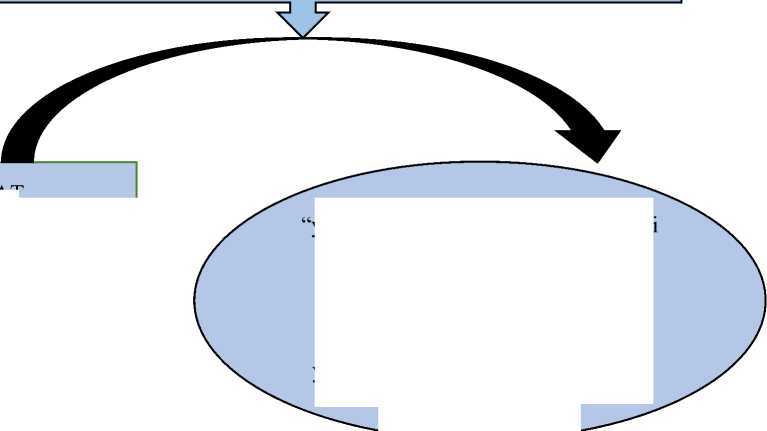
Figure. The concept of “Hayat” and its motivating features were collected from the Turkish Etymological Dictionaries .
yaşam”, “canlılık”, “varoluş”,“sürekli bir akış”,“değişim”, “gelişim”, “dönüşüm” , “yolculuk”, “mana”, “değer”, “dirilik”, “yaşam enerjisi”, “mücadele”, “ruh”, “evlerin ortak yaşam alanı / avlu”, “yaş”, “zaman”,
The table shows 19 motivating features found through a deep analysis of etymological dictionaries. As proven by the findings, the concept of life (hayat) has a wider meaning than just ‘life’ in the Turkish linguistic picture of the world.
At the top are the five most important etymological dictionaries of the Turkish language: Nişanyan, S. (2010). Sözlerin soyağacı: Çağdaş Türkçenin etimolojik sözlüğü . İstanbul: Everest Yayınları; Eren, H. (1999). Türk dilinin etimolojik sözlüğü . Ankara: Türk Dil Kurumu Yayınları; Ercilasun, A.B. (2014). Etimolojik Türkçe sözlük . Ankara: Akçağ Yayınları; Tekin, T. (2003). Türk dilinin etimolojik sözlüğü . Ankara: Türk Dil Kurumu Yayınları; and Kızıl, F. (2007). Osmanlıca-Türkçe etimolojik sözlük . İstanbul: Akçağ Yayınları. Through the stable information from these sources, the motivating features depicted on the left of the table were found. The resources show that some of the features of the concept, such as “life,” “living,” “vitality,” and “existence,” are found in all dictionaries, but other features, such as “continuous flow,” “development,” “change,” “transformation,” “journey,” “morality,” “struggle,” “soul,” “courtyard,” “age,” “time,” and “social value,” are found in certain dictionaries as set forth in the table.
The analysis of the concept hayat demonstrates that life in the Turkish linguistic picture of the world is understood not as a single, fixed concept but as a complex of multidimensional phenomena shaped by the language. Etymological data reveal that haya t extends beyond its biological sense to encompass existence. The richness of its semantic structure reflects a worldview in which life is perceived as a continuous flow, a meaningful journey, and a dynamic process. Additionally, the results indicate that the Turkish perspective on life is very collectivistic and values-driven. Concepts such as mücadele (meaning), değer (value), toplumsal değer (social value), and mana (meaning) emphasize the strong relationship between individual existence and society, tradition, and shared moral values. At the same time, characteristics like ruh (soul), dirilik (liveliness), and yaşam enerjisi (life energy) highlight the spiritual and emotional aspects of life, demonstrating the impact of Islamic philosophy, mysticism, and folk culture. Furthermore, the changing meaning of hayat — including its architectural interpretation as avlu and its links to time, age, and space — demonstrates how language reflects common experiences and collective memory within a culture. Therefore, the idea of life in
Turkish acts as a linguistic representation of the country’s historical journey, philosophical perspective, and cultural principles. In summary, this research verifies that hayat holds a significant role in the Turkish linguistic perspective, serving as an essential cultural idea through which Turkish speakers understand existence, identity, and their position in the world.
