
Обзор исследований рабочих органов сельскохозяйственных машин в среде цифровых двойников
Журнал: Агротехника и энергообеспечение @agrotech-orel
Рубрика: Технологии, машины и оборудование для агропромышленного комплекса
Статья в выпуске: 1 (50), 2026 года.
Бесплатный доступ
В статье представлен системный обзор современных исследований в области разработки цифровых двойников рабочих органов сельскохозяйственной техники. Целью работы является обобщение методологических подходов к моделированию взаимодействия машин с почвенной средой и биообъектами. На основе анализа трудов ведущих научных школ (Башкирский ГАУ, Тверская ГСХА, ИАЭП и др.) рассмотрено применение метода дискретных элементов (DEM) в среде Rocky DEM и нейросетевых технологий. Описаны результаты интеграции алгоритмов YOLOv5 для управления роботизированными органами и систем предиктивной оценки износа инструмента. Установлено, что современные цифровые двойники позволяют оптимизировать энергоемкость процессов и прогнозировать ресурс машин на всех этапах жизненного цикла. Сделан вывод о перспективности создания единых интеллектуальных платформ для перехода к концепции «Сельское хозяйство 4.0».
Похожие статьи в разделе Сельское хозяйство в целом
Короткий адрес: https://sciup.org/147253819
IDS: 147253819 | УДК: 631.311
Review of research on agricultural machinery working elements in a digital twin environment
The article presents a systematic review of current research in the field of developing digital twins for the working parts of agricultural machinery. The objective of the study is to synthesize methodological approaches to modeling the interaction between machines, the soil environment, and biological objects. Based on an analysis of the works of leading research schools (Bashkir State Agrarian University, Tver State Agricultural Academy, IAEP, and others), the application of the Discrete Element Method (DEM) within the Rocky DEM environment and neural network technologies is examined. The paper describes the results of integrating YOLOv5 algorithms for the control of robotic components and systems for the predictive assessment of tool wear. It has been established that modern digital twins allow for the optimization of process energy intensity and the forecasting of machinery resources throughout all stages of the life cycle. The study concludes with the promising potential of creating unified intelligent platforms for the transition to the "Agriculture 4.0" concept.
Текст научной статьи Обзор исследований рабочих органов сельскохозяйственных машин в среде цифровых двойников
Введение. Современный этап развития агропромышленного комплекса характеризуется переходом к интеллектуальному сельскому хозяйству, где ключевым инструментом повышения эффективности производства становятся цифровые двойники (Digital Twins). Цифровой двойник — это не просто статичная 3D-модель, а динамическая программная система, которая имитирует работу реального физического объекта в виртуальной среде, позволяя прогнозировать его состояние в различных условиях эксплуатации.
Для сельскохозяйственного машиностроения наиболее сложным и актуальным объектом моделирования являются рабочие органы (лапы культиваторов, сошники, диски), так как они работают в агрессивной абразивной среде и подвергаются переменным нагрузкам. Традиционные натурные испытания в почвенных каналах и полях требуют огромных временных и финансовых затрат. Внедрение технологии цифровых двойников позволяет перенести до 90% исследований в виртуальное пространство, обеспечивая высокую точность прогнозирования износа и энергозатрат.
Цель работы. Целью данной работы является проведение комплексного анализа современных исследований в области разработки цифровых двойников рабочих органов и движителей сельскохозяйственных машин, а также выявление наиболее перспективных направлений интеграции имитационного моделирования с алгоритмами искусственного интеллекта для оптимизации технологических процессов в АПК.
Материалы и методы исследования.
Базу исследования составили научные труды профильных институтов и университетов (Башкирский ГАУ, Тверская ГСХА, Саратовский ГАУ, ИАЭП, НГТУ им. Р.Е. Алексеева), опубликованные в период с 2019 по 2025 гг. Методология обзора базируется на сравнительном анализе технических решений, реализованных в средах Rocky DEM (метод дискретных элементов), ANSYS/APM FEM (метод конечных элементов) и САПР (Компас-3D). Рассмотрены алгоритмы машинного обучения (YOLOv5, ИНС) как компоненты цифровых двойников.
Результаты исследования и их обсуждение.
Базисом для любого цифрового двойника почвообрабатывающей машины является адекватная модель почвы. Наиболее глубокие исследования в этой области проведены учеными из Башкирского государственного аграрного университета (г. Уфа) [1].
В исследовании Мударисова С. Г. Фархутдинов И. М. и др., посвященном оптимизации параметров полосового культиватора, основной акцент сделан на обеспечении адекватности цифровой среды. Ученые доказали, что точность цифрового двойника напрямую зависит от настройки виртуального почвенного канала. Ими было научно обосновано, что размеры этого канала должны выбираться таким образом, чтобы исключить влияние его стенок на перемещение частиц почвы при прохождении рабочего органа. Доказано, что для исключения граничных эффектов (влияния стенок виртуального ящика на расчет сил) расстояние от лапы до стенки должно быть не менее 200 мм, а глубина канала — не менее 125 мм от нижней кромки орудия. Это позволило использовать среду Rocky DEM для точного расчета тягового сопротивления, что является критически важным показателем энергоэффективности агрегата (рисунок 1) [1].
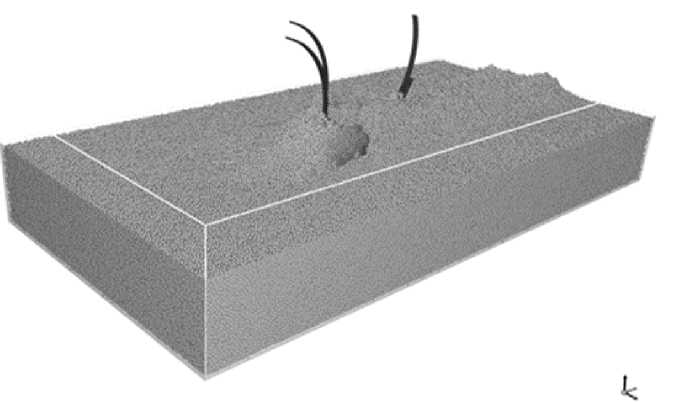
Рисунок 1 - Модель процесса обработки почвы полосовым культиватором (фрагмент программы Rocky Dem)
Параллельно с этим, в работах А. М. Мухаметдинова и соавторов (2025 г.) решается задача фундаментальной калибровки почвенной среды. Цифровой двойник рабочего органа не может считаться достоверным без точного воспроизведения свойств почвы (например, чернозема) [2]. Авторы детально исследовали контактную модель Герца-Миндлина с учетом когезионных сил (JKR). Это исследование позволило «научить» виртуальную почву вести себя как реальный суглинок, имитируя трение, липкость и сопротивление сдвигу. Благодаря этому цифровой двойник процесса почвообработки достигает 90–95% сходимости с полевыми испытаниями (рисунок 2) [2].
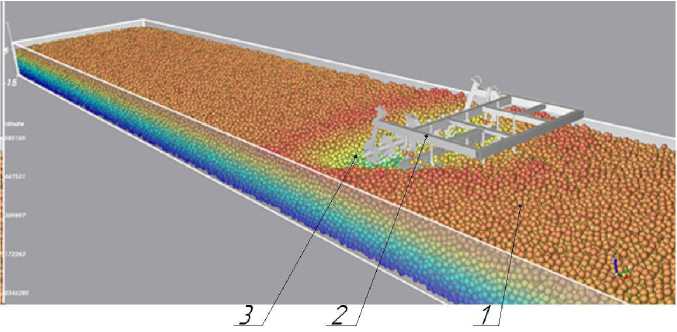
Рисунок 2 - Цифровой двойник почвенного канала для визуализации: 1 – почвенные частицы; 2 – почвообрабатывающая машина; 3 – визуализация области уплотненного посевного ложа после культивации
Ученые Тверской государственной сельскохозяйственной академии (Р.А. Кудласевич, М.В. Никифоров, А.В. Кудрявцев, А.С. Фирсов, В.В. Голубев) развивают направление автоматизированного проектирования (САПР) высевающих аппаратов для мелкосеменных культур (льна-долгунца, технической конопли) (рисунок 3) [3].
В их работе рассматривается применение систем CAD (Компас-3D) и модулей конечноэлементного анализа APM FEM.
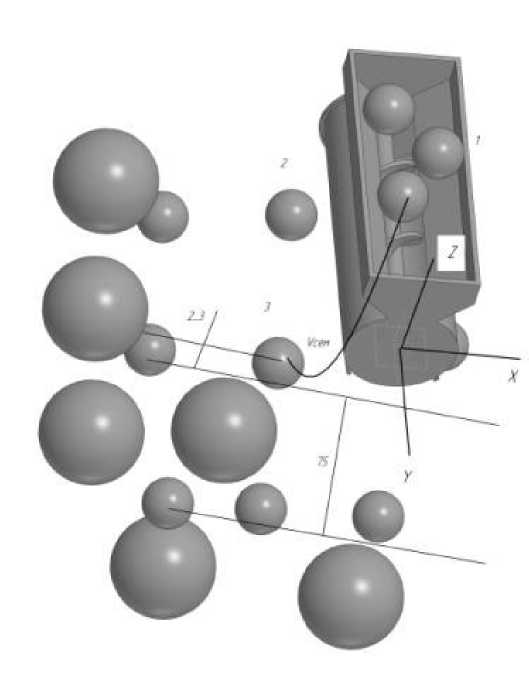
Рисунок 3 - Анимация функционирования инновационного высевающего аппарата
Исследователи создают 3D-модели инновационных высевающих аппаратов
(шнекового, щеточного) и проводят их виртуальные испытания. Семена в модели представлены как твердые сферические частицы (рисунок 4) [3].
Авторы используют цифровую среду для выявления конструктивных недостатков (например, неравномерности распределения семян) еще на этапе чертежа. Важной особенностью их работы является интеграция цифрового моделирования с аддитивными технологиями: оптимизированные в «цифре» детали (например, упругие элементы из PLA и ABS пластика) сразу распечатываются на 3D-принтере для лабораторных тестов. Это классический пример быстрого прототипирования [3].
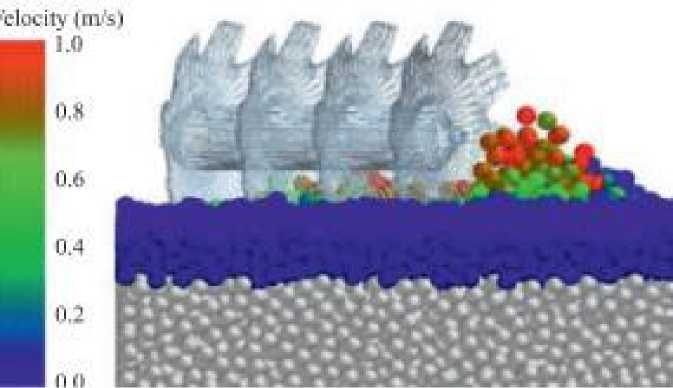
Рисунок 4 - Оценка напряжённого состояния почвы во взаимодействии с полусферическими рабочими органами
Важным дополнением к проектированию рабочих органов являются исследования И.А. Гайнуллина, посвященные моделированию взаимодействия колесных движителей с почвой [4].
В качестве основного инструмента используется программная среда Rocky DEM. Для описания физики взаимодействия принята контактная модель Герца-Миндлина, которая позволяет учитывать реологическое поведение среды через такие параметры, как модуль Юнга, коэффициент Пуассона, а также коэффициенты статического и динамического трения [4].
Особенностью работы является детальное моделирование почвенного массива как совокупности дискретных частиц (рисунок 5). Это позволяет анализировать не только интегральные показатели (сила тяги), но и внутренние процессы в почве, такие как формирование колеи и распределение напряжений в пятне контакта [4].
Созданный цифровой двойник позволяет проводить виртуальные испытания различных типов движителей без необходимости создания дорогостоящих физических прототипов. Основным преимуществом подхода является возможность прогнозирования уплотняющего воздействия техники на почву, что критически важно для предотвращения деградации агроценозов и сохранения структуры почвенного профиля [4].
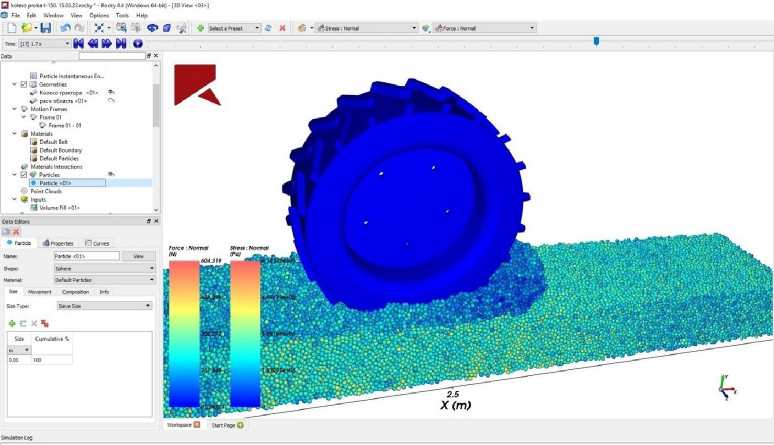
Рисунок 5 - Визуализация модели взаимодействия колеса с почвой
Альтернативный подход развивают ученые Саратовского университета генетики, биотехнологии и инженерии имени Н.И. Вавилова (А.А. Жиздюк, В.Н. Буйлов и др.).
В их работах цифровой двойник рассматривается как инструмент сервиса и эксплуатации. Они предлагают использовать данные телеметрии для мониторинга технического состояния машин в реальном времени. Такой подход позволяет перейти к предиктивному ремонту рабочих органов, основываясь на их фактическом износе, зафиксированном цифровой моделью (рисунок 6) [5].
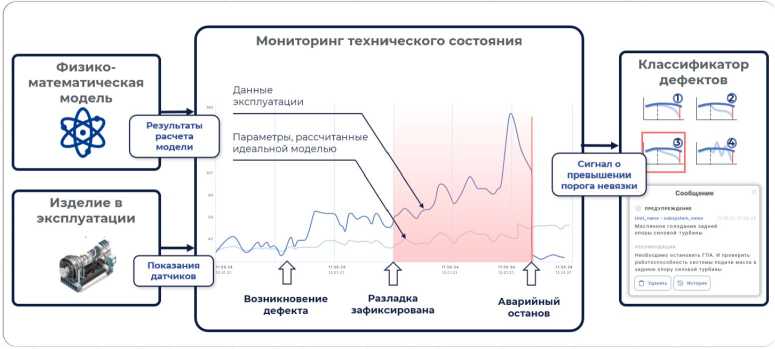
Рисунок 6 - Модель цифрового двойника технического состояния
Вопросам стратегического прогнозирования и методологии в условиях цифровой экономики посвящены работы ученых Орловского государственного аграрного университета имени Н.В. Парахина (Шестаков Р.Б., Филиппова-Глебова А.И.). Авторы подчеркивают, что цифровые двойники являются фундаментом для создания циркулярной экономики в АПК, позволяя моделировать новые параметры производственных процессов и минимизировать риски на этапе планирования. Их работы обосновывают экономическую эффективность цифровых двойников как инструмента снижения инвестиционных рисков. Моделирование позволяет заранее просчитать экономический эффект от внедрения новой машины в производственную цепочку [6].
Принципиально новое направление развивает А.Д. Комоедов (Институт агроинженерных и экологических технологий). В его исследованиях объектом моделирования выступает автоматизированный рабочий орган для борьбы с сорной растительностью в приствольных полосах [7].
Специфика данного цифрового двойника заключается в том, что он описывает киберфизическую систему. Цифровой двойник в данном случае включает в себя алгоритмы компьютерного зрения. Исследователь использовал нейросеть YOLOv5 для распознавания культурных растений (рисунок 7). В виртуальной среде отрабатывалась кинематика ножа: он должен успеть отклониться на угол 60,25° при обнаружении стебля картофеля и вернуться обратно для срезания сорняка [7].
Моделирование позволило найти баланс между скоростью движения агрегата и временем реакции гидропривода, обеспечив удаление 92,2% сорняков без повреждения культуры [7].
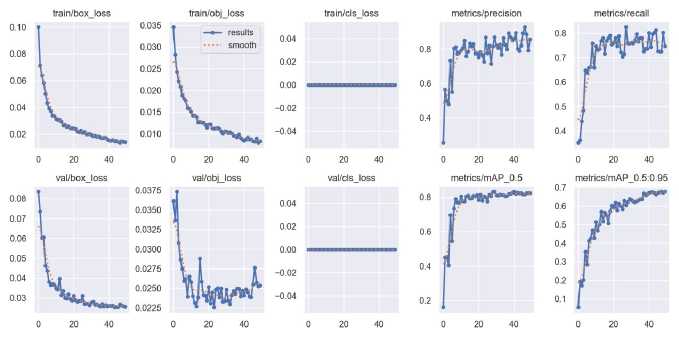
Рисунок 7 - Метрики обучения нейросети YOLOv5m
Для развития теории надежности сельхозмашин критически важен опыт смежных отраслей. Работа Ю.Г. Кабалдина и коллег (Нижегородский государственный технический университет) посвящена созданию цифрового двойника режущего инструмента в металлообработке [8].
Хотя исследование проведено на токарных резцах, предложенная методология имеет колоссальный потенциал для АПК. Авторы разработали «виртуальный датчик» износа на основе искусственных нейронных сетей (ИНС) (рисунок 8).
Нейросеть анализирует косвенные параметры (силы, температуру, виброакустику) и предсказывает остаточный ресурс инструмента с наноструктурным покрытием. Применение аналогичного подхода к лемехам плугов, работающим в абразивной почвенной среде, является перспективным вектором развития агроинженерной науки [8].

Рисунок 8 - Схема построения ЦД
Заключение
Результаты проведенного аналитического обзора позволяют сделать вывод о том, что технология цифровых двойников в агроинженерии перешла от этапа теоретического обоснования к стадии практической реализации в виде многоуровневых вычислительных моделей. Анализ текущих исследований выявил устойчивую тенденцию к интеграции методов дискретных элементов (DEM) с алгоритмами автоматизированного проектирования, что обеспечивает высокую сходимость результатов имитационного моделирования с данными натурных испытаний. Основным достижением на текущем этапе является создание верифицированных контактных моделей почвенной среды, ходовых систем и семенного материала, которые позволяют минимизировать тяговое сопротивление и энергозатраты еще на предпроизводственной стадии.
Дальнейшее развитие технологических решений связано с переходом к активным киберфизическим системам. Внедрение нейросетевых алгоритмов распознавания образов в контур управления рабочими органами позволяет автоматизировать технологические процессы в условиях неопределенности внешней среды. Параллельно с этим, использование аппарата искусственных нейронных сетей для оценки динамических характеристик инструмента открывает возможности для создания систем предиктивной оценки износа. Обобщение представленных подходов подтверждает, что формирование единых цифровых платформ, объединяющих конструкторские параметры и системы мониторинга технического состояния, является наиболее перспективным вектором повышения эффективности сельскохозяйственных машин.
