
Опыт комплексного местного лечения гнойно-некротических ран при нейропатической форме синдрома диабетической стопы
Журнал: Московский хирургический журнал @mossj
Рубрика: Гнойная хирургия
Статья в выпуске: 3 (97), 2026 года.
Бесплатный доступ
Введение. Синдром диабетической стопы (СДС) остается ведущей причиной высоких ампутаций при сахарном диабете (СД). Нейропатическая форма СДС характеризуется патогенетической триадой: бактериальной обсемененностью, гипоксией, дефицитом факторов роста, что требует новых комплексных подходов к местному лечению ран. Цель исследования. Оценить эффективность разработанного комплексного подхода в местном лечении гнойно-некротических ран нейропатической формы СДС. Материалы и методы. В проспективное исследование включено 20 пациентов (основная группа – 10, группа сравнения – 10) с гнойно-некротическими ранами мягких тканей нейропатической формы СДС 1–3 степени по Wagner. В основной группе применяли трехэтапный подход: УБЛ-001-АМС (пульсирующий режим, 20 мин/сут.), локальная О2 (5 л/мин, 10 мин/сут) и применение PRP. В группе сравнения – стандартные мазевые повязки. Эффективность оценивали на 1, 3, 7, 11 сутки (цитология, гистология, микробиология, планиметрия RAN.PRO). Результаты. В основной группе отмечено снижение КОЕ/г до 105 к 7-м суткам у 80 % пациентов против 20 % в группе сравнения, (p <0,05); госпитализация сокращена на 29,4 %, 11,5±1,7 vs 16,3±2,8 койко-дней; отсутствие высоких ампутаций в основной группе vs группы сравнения в 2 случаях (20 %). Морфологически – полноценная грануляционная ткань и ангиогенез в основной группе, в сравнительной экссудативновоспалительные изменения. Заключение. Разработанный подход комплексно воздействует на все звенья раневого процесса, ускоряет репарацию, позволяет снизить частоту высоких ампутаций.
Короткий адрес: https://sciup.org/142248634
IDS: 142248634 | УДК: 006.617-089 | DOI: 10.17238/2072-3180-2026-3-193-200
Experience in complex local treatment of purulent-necrotic wounds in the neuropathic form of diabetic foot syndrome
Introduction. Diabetic foot syndrome (DFS) remains the leading cause of high lower limb amputations in patients with diabetes mellitus (DM). The neuropathic form of DFS is characterized by a triad of pathogenetic factors: severe bacterial contamination, tissue hypoxia, and growth factor deficiency, which requires the development of new comprehensive, pathogenetically oriented approaches to local wound treatment. Purpose of the study. To evaluate the effectiveness of the developed comprehensive approach in the local treatment of purulent-necrotic wounds in the neuropathic form of DFS. Materials and methods. A prospective study included 20 patients (the main group – 10 people, the comparison group – 10 people). The study included patients with purulent-necrotic soft tissue wounds of the neuropathic form of DFS 1–3 degrees of damage according to the Wagner scale. In the main group, a three-stage approach was used: UBL-001-AMS (pulsating mode, 20 min/day), local O2 supply (5 L/min, 10 min/day), and injection-application of PRP. In the comparison group, standard ointment dressings were used. The effectiveness of treatment was assessed based on cytological, histological, microbiological, and RAN.PRO mobile planimetry data on days 1, 3, 7, and 11. Results. In the main group, there was a statistically significant acceleration of wound rehabilitation (a decrease in CFU/g to the threshold value by day 7 in 80 % of patients versus 20 % in the comparison group, p <0,05); a decrease in the duration of hospitalization by 29,4 %, 11,5±1,7 vs 16,3±2,8 bed days; absence of high amputations There were 2 cases in the main group versus the comparison group (20 %), p <0,05). Morphological assessment confirmed accelerated granulation tissue formation and angiogenesis in the main group, while exudative-inflammatory changes prevailed in the comparison group. Conclusion. The developed pathogenetically substantiated approach provides a comprehensive effect on all stages of the wound healing process, significantly accelerates tissue repair, and reduces the frequency of radical surgeries involving high amputations.
Текст научной статьи Опыт комплексного местного лечения гнойно-некротических ран при нейропатической форме синдрома диабетической стопы
Синдром диабетической стопы (СДС) является тяжелым и инвалидизирующим осложнением сахарного диабета [1]. Согласно эпидемиологическим данным, частота поражения нижних конечностей при этом заболевании неуклонно растет, а нейропатическая форма СДС превалирует в структуре заболеваемости [2]. Несмотря на достижения современной фармакотерапии и хирургии, проблема лечения ран при гнойно-некротических поражениях нейропатической формы синдрома диабетической стопы далека от разрешения [3]. Патогенез таких ран в данном случае обусловлен патогенетической триадой: высокая бактериальная обсеменен-ность с формированием биопленок, выраженная тканевая гипоксия на фоне микроангиопатий и локальный дефицит ростовых факторов, необходимых для пролиферативной фазы заживления, что приводит к хронизации раневого процесса [3–5].
Стандартные подходы к местному лечению, к примеру антисептики или мази на полиэтиленгликолевой основе зачастую не позволяют в полной мере купировать эти патогенетические механизмы, что диктует необходимость применения комплексных методов воздействия [4].
Цель исследования – оценить эффективность разработанного подхода комплексного местного лечения гнойно-некротических ран мягких тканей нейропатической формы СДС.
Материалы и методы
Проведено проспективное исследование на базе отделения ОГХ ГБУЗ ГКБ им. А.К. Ерамишанцева ДЗМ г. Москвы в период с января 2025 по январь 2026 г. Критерии включения – верифицированная нейропатическая форма СДС, наличие гнойно-некротических ран мягких тканей стопы глубиной до 3-й степени по шкале Wagner, пациенты в возрасте от 30 до 55 лет, подписавшие добровольное информированное согласие на участие в исследовании. Критерии исключения – ишемическая\нейроишемическая форма СДС, сопутствующие заболевания в стадии деко-менсации, наличие гемоконтактных инфекций.
В исследование было включено 20 пациентов, распределенных на две сопоставимые группы по клинико-демографическим характеристикам (возраст, пол, уровень гликированного гемоглобина, отсутствие ишемии, исходная площадь раны и степени поражения по Wagner). Основная группа (n=10) – пациенты получали лечение согласно разработанному комплексному и последовательному протоколу. Группа сравнения (n=10) – пациенты получали стандартную местную терапию (ежедневные перевязки с мазями на полиэтиленгликолевой основе). Перед выполнением этапов разработанного протокола лечения пациентам обеих групп выполнялась первичная хирургической обработка гнойнонекротического очага, при необходимости – резекция пораженных участков костей стопы. Антибактериальная терапия назначалась эмпирически с последующей коррекцией по результатам микробиологического посева. Гипогликемическая терапия подбиралась и осуществлялась эндокринологом для поддержания уровня гликемии на целевых значениях (гликемия натощак <10 ммоль/л в случае пациентов хирургического профиля).
Этап 1 – санационно-абактериальный. Со 2-х суток после операции применяли аппарат управляемой абактериальной среды (установка бесповязочного лечения ран и ожогов УБЛ-001-АМС). Конечность помещается в полиэтиленовый прозрачный мешок-изолятор. Режим работы – пульсирующий, температура 28–32 С, влажность 55–65 % (параметры автоматически настроены в аппарате, возможен выбор режима). Процедуры проводились ежедневно, 1 раз в сутки, длительность сеанса до 20 минут (рис. 1). Курс составлял 7–11 суток.
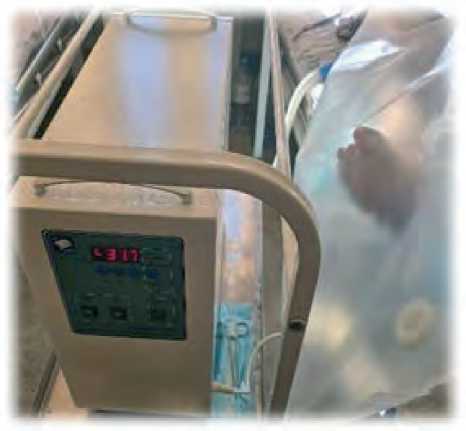
Рис. 1 . Обработка диабетической стопы в аппарате УБЛ-001-АМС
Fig. 1. Treatment of diabetic foot in the UBL-001-AMS device
Этап 2 – коррекция гипоксии. Одновременно с этапом 1, сразу после сеанса обработки конечности в условиях управляемой абактериальной среды, проводили локальную подачу кислорода в рану через прозрачный мешок-изолятор с помощью кислородного концентратора Armed 8F-5AW с потоком 5 л/мин и концентрацией О2 95 % (рис. 2). Экспозиция составляла 10 минут ежедневно в течении 11 суток (до появления активной грануляционной ткани).
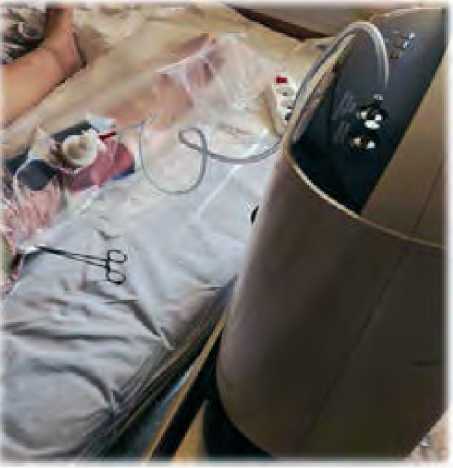
Рис. 2. Обработка диабетической стопы кислородным концентратором Armed 8F-5AW
Fig. 2. Treatment of diabetic foot with an Armed 8F-5AW oxygen concentrator
Этап 3 – стимуляция репарации за счет локальной доставки эндогенных факторов роста в зону раневого дефекта (рис. 3). Применение PRP в двух формах обусловлена необходимостью воздействия на краевые зоны раны (зона активной пролиферации и миграции кератиноцитов) и на дно дефекта (зона формирования грануляционной ткани и ангиогенеза).
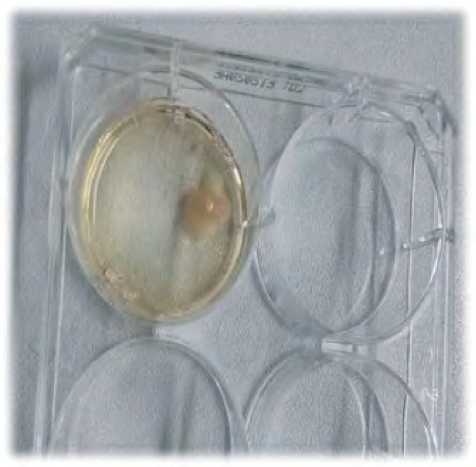
Рис. 3. Процесс формирования тромбоцитарного геля для аппликационного нанесения на рану
Fig. 3. The process of forming a platelet gel for application to a wound
Забор крови для получения PRP осуществляли из кубитальной вены и выполняли однократно на 2-е сутки после проведения оперативного вмешательства в пробирку с голубой маркировкой (цитрат натрия) и фиолетовой (ЭДТА) объемом 9 мл каждая в условиях процедурного кабинета отделения. Приготовление богатой тромбоцитами аутоплазмы и тромбоцитарного геля осуществлялось сертифицированным специалистом в условиях клинической лаборатории с соблюдением правил асептики. На 3-е сутки лечения выполняли инъекционное обкалывание краев раневого дефекта по периметру с отступом 0,5–1,0 см от границы некроза богатой тромбоцитами аутоплазмой. Использовались одноразовые инсулиновые шприцы 30 g. Введение выполнялось внутридермально с интервалом 1,0–1,5 см по всей окружности раны. Краевая зона – зона активной миграции кератиноцитов и фибробластов. Локальное введение факторов роста в эту зону запускает пролиферативный каскад, ускоряя эпителизацию и уменьшение площади раны [6]. На 7-е сутки на всю поверхность дна раневого дефекта аппликационно наносили тромбоцитарный гель 3,0 мл слоем 2–3 мм с обязательным заполнением всех подрытых краев и карманов, приготов- ленный из консервированной крови по запатентованной методике [Макаров М.С., Патент РФ № 2679616]. Поверх геля накладывали атравматическую повязку с гидроколлоидным (Гидроколл) или гидрогелевым (Геленпран) покрытием для создания влажной среды, способствующей оптимальной биодоступности факторов роста. На 7-е сутки дно раны становится восприимчивым для стимуляции, факторы роста, высвобождающиеся из геля, поддерживают ангиогенез, формирование грануляционной ткани.
Мониторинг эффективности осуществляли в контрольные точки: 1, 3, 7, 11 сутки с помощью комплекса лабораторно – инструментальных методов. Микробиологический метод – количественный подсчет КОЕ/г ткани и идентификация возбудителя, динамика санации. Цитологический метод – исследование мазков-отпечатков для определения типа цитограммы, диагностика стадийности раневого процесса. Гистологический метод – исследование биоптатов из краев и дна раны, верификация стадии раневого процесса, качество репарации. Планиметрический метод – цифровая фотофиксация с расчетом площади раневого дефекта с использованием мобильного приложения RAN.PRO., расчет динамики заживления.
Статистическая обработка проводилась при помощи непараметрических критериев U-Манна-Уитни (сравнение двух независимых выборок при отсутствии нормального распределения). Различия считали статистически значимыми при p <0,05.
Результаты
Микробиологическая характеристика. Исходно в обеих группах доминировала ассоциация грамположительных и грамотрицательных микроорганизмов (Staphylococcus aureus (70 %), Pseudomonas aeruginosa (20 %), Enterococcus faecalis (8 %), Acinetobacter baumanni (2 %). Средний уровень микробной обсемененности в группах составлял 108 КОЕ/г. Применение разработанного протокола позволило к 7-м суткам лечения снизить показатели микробной обсе-мененности до порогового значения 105 КОЕ/г в основной группе в 8 из 10 случаев, в то время как в группе сравнения тенденция к снижению носила более медленный характер и достигалась только к 11-м суткам (p<0,05), пороговой уровень достигнут только у 2 пациентов из 10. Отмечалось элиминирование агрессивной флоры в основной группе уже к концу 1-й недели лечения.
При цитологическом исследовании мазков-отпечатков на 1-е сутки в обеих группах преобладал воспалительный тип цитограммы (нейтрофилы >85 %). Однако, на 7-е сутки в основной группе достоверно чаще регистрировался переход на регенераторный тип цитограммы с увеличением количества фибробластов, появлением единичных нейтрофилов и наличием нитей фибрина. В группе сравнения к этому сроку сохранялся воспалительно-дегенеративный тип мазка.
Для объективной оценки глубины репаративных процессов на всех этапах лечения проводилось гистологическое исследование биоптатов, взятых из краев и дна раневого дефекта в контрольные точки (1, 3, 7, 11 сутки). На 1-е сутки после хирургической обработки в биоптатах из краев и дна раны в обеих группах регистрировалась сходная морфологическая картина, характерная для фазы воспаления. Микроскопически определялись обширные зоны некроза с сохранением фрагментов детрита, колонии бактерий в поверхностных слоях. Подлежащая соединительная ткань диффузно инфильтрирована нейтрофильными лейкоцитами с примесью лимфоидных элементов. Отмечался выраженный периваскулярный отек, единичные тромбы в сосудах микроциркуляторного русла, что подтверждает наличие тканевой гипоксии. Признаков пролиферации фибробластов, формирования грануляций не отмечено. 3-е сутки – в группе сравнения сохранение морфологической картины разгара фазы воспаления. В краевых зонах дефекта обширные участки некроза, выраженный периваскулярный отек, стаз в капиллярах, сохранение тканевой гипоксии. Отсутствие фибропластической реакции, признаков формирования грануляционной ткани. В основной группе на 3-е сутки регистрировалась отчетливая положительная динамика. Некротические массы сохранялись лишь в поверхностных слоях, наблюдался умеренный периваскулярный отек. Клеточный инфильтрат – смешанный состав: нейтрофилы, макрофаги с признаками фагоцитарной активности, единичные лимфоциты. В глубоких слоях дна раны – появление отдельных фибробластов и тонкостенных новообразованных капилляров, что расценивалось как ранняя пролиферативная реакция. К 3-м суткам в основной группе регистрировались морфологические признаки перехода из фазы воспаления в фазу репарации.
7-е сутки – в группе сравнения сохранялись обширные участки некроза с фибриноидным набуханием коллагеновых волокон. Воспалительная инфильтрация носила диффузный характер с преобладанием дегенеративно измененных нейтрофилов. Формирование грануляций носило очаговый, фрагментарный характер, отмечалась задержка дифференцировки клеточных элементов. В то же время в основной группе зоны некроза были четко отграничены от жизнеспособных тканей за счет вала грануляционной ткани. В подлежащем слое визуализировались многочисленные новообразованные капилляры. Клеточный инфильтрат был представлен преимущественно макрофагами и молодыми фибробластами, количество нейтрофилов уменьшилось в 3–4 раза относительно исходного уровня. 11-е сутки – в группе сравнения отмечалось сохранение очаговых некротических масс в глубоких слоях. Грануляционная ткань была рыхлой, отечной, с хаотичным расположением сосудов и бедным содержанием клеточных элементов. Отмечалась персистенция воспалительной инфильтрации, что указывало на затяжное течение репарации и сохраняющийся риск инфицирования. В основной группе биоптаты характеризовались формированием полноценной грануляционной ткани с выраженным ангиогенезом. Обильный фибропластический компонент с преобладанием зрелых форм. Скудная воспалительная инфильтрация, единичные макрофаги. Эпителизация в краевых зонах регистрировалась в виде наползающих пластов многослойного плоского эпителия.
Таблица 1
Сравнительная характеристика групп
Table 1
Comparative characteristics of the groups
|
Показатель/Indicator |
Основная группа/Main group (n=10) |
Группа сравнения/ Comparison group (n=10) |
|
Снижение КОЕ/г до 105 к 7-м суткам лечения/ Reduction of CFU/g to 105 by the 7th day of treatment |
8 из 10 случаев/8 out of 10 cases |
5 из 10 случаев/5 out of 10 cases |
|
Цитологическая картина в ране к 7-м суткам/ Cytological picture in the wound by day 7 |
Переход от дегенеративно-воспалительного к регенераторному типу цитограммы, преобладание фибробластов, макрофагов, формирование нитей фибрина/ Transition from degenerative-inflammatory to regenerative cytogram type, predominance of fibroblasts, macrophages, formation of fibrin filaments |
Сохранение дегенеративно-воспалительного типа цитограммы, единичные фибробласты, макрофаги, нейтрофилы с признаками дегенерации/ Preservation of the degenerative-inflammatory type of cytograms, single fibroblasts, macrophages, neutrophils with signs of degeneration |
Окончание Таблицы 1 / End of Table 1
|
Показатель/Indicator |
Основная группа/Main group (n=10) |
Группа сравнения/ Comparison group (n=10) |
|
Гистологическая картина в ране к 7-м суткам/Histological picture in the wound by day 7 |
Отграничение некроза грануляционным валом, новообразованные капилляры, снижение нейтрофильной инфильтрации, преобладание молодых фибробластов, макрофагов, упорядоченные пучки коллагеновых волокон/ Delineation of necrosis by granulation shaft, newly formed capillaries, reduction of neutrophil infiltration, predominance of young fibroblasts, macrophages, ordered bundles of collagen fibers |
Отек, диффузная нейтрофильная инфильтрация, очаговый некроз, фрагментарные грануляции, бедные клеточными элементами/ Edema, diffuse neutrophil infiltration, focal necrosis, fragmentary granulations, poor in cellular elements |
|
Цитологическая картина в ране к 11-м суткам/ Cytological picture in the wound by the 11th day |
Регенераторный тип цитограммы, преобладание фибробластов, макрофагов, эпителиальные клетки в краевых зонах/ Regenerative type of cytogram, predominance of fibroblasts, macrophages, epithelial cells in marginal zones |
Сохранение дегенеративно-воспалительного типа цитограммы, единичные признаки регенерации, сохранение умеренной нейтрофильной инфильтрации/ Preservation of the degenerative-inflammatory type of cytogram, isolated signs of regeneration, preservation of moderate neutrophil infiltration |
|
Гистологическая картина в ране к 11-м суткам/ Histological picture in the wound by the 11th day |
Полноценная грануляционная ткань, ангиогенез, зрелые фибробласты, начальная эпителизация краев/ Complete granulation tissue, angiogenesis, mature fibroblasts, initial epithelialization of the edges |
Сохранение очаговых некрозов, рыхлые отечные грануляции, хаотичное расположение сосудов/ Preservation of focal necrosis, loose edematous granulations, chaotic arrangement of blood vessels |
Таким образом гистологический анализ подтвердил, что в основной группе уже к 7-м суткам происходит переход раневого процесса из фазы воспаления в фазу репарации, а к 11-м суткам регистрируются признаки начальной организации соединительной ткани. В сравнительной группе на тех же сроках преобладают экссудативно-воспалительные изменения с задержкой формирования грануляций.
Одним из интегральных показателей эффективности разработанного метода являлась продолжительность госпитализации пациентов. В сравнительной группе средняя продолжительность стационарного лечения составила 16,3±2,8 койко-дней. В основной группе средняя продолжительность госпитализации статистически значимо меньше и составила 11,5±1,7 койко-дней. Применение разработанного способа позволило статистически значимо сократить среднюю продолжительность стационарного лечения на 4,8 койко-дней. Клинические исходы показали отсутствие высоких ампутаций у пациентов основной группы. Пациентам группы сравнения выполнены высокие ампутации в 2 случаях из 10 ввиду прогрессирования гнойно-некротического процесса.
Обсуждение
Результаты проведенного исследования подтверждают гипотезу о необходимости многофакторного воздействия на гнойно-некротические раны при нейропатической форме СДС. В отличие от традиционных подходов, разработанный способ позволяет компенсировать все компоненты патогенетической триады, предупредить переход острой раны в хроническую.
Использование управляемой абактериальной среды обеспечивает удаление микробного экссудата и активизацию локального кровотока за счет пульсирующего потока. Ло- кальная оксигенотерапия восполняет дефицит кислорода, который является лимитирующим фактором для синтеза коллагена и миграции кератиноцитов. Применение PRP в инъекционной и аппликационной форме в свою очередь обеспечивает доставку факторов роста непосредственно в зону раневого дефекта.
Заключение
Разработанный и апробированный способ комплексного местного лечения гнойно-некротических ран при нейропатической форме синдрома диабетической стопы является патогенетически обоснованным и клинически эффективным. Его применение обеспечивает контроль над инфекционным процессом, коррекцию тканевой гипоксии и ускорение репарации тканей. Использование протокола позволило в 100% случаев достичь сохранения конечности в основной группе. Метод технически воспроизводим и рекомендован для внедрения в практику хирургических отделений, где проводят лечение осложнений синдрома диабетической стопы.
