
Особенности развития Cenangium ferruginosum Fr. в зоне хвойно-широколиственных лесов
Журнал: Лесохозяйственная информация @forestry-information
Рубрика: Защита лесов
Статья в выпуске: 1, 2026 года.
Бесплатный доступ
В рамках комплексного исследования развития аскомицетного гриба Cenangium ferruginosum Fr. в лесных культурах сосны обыкновенной, произрастающих в зоне хвойно-широколиственных лесов, изучено влияние климатических факторов на патоген. Получены фундаментальные данные об особенностях биологии и субстратной специфике гриба. Впервые установлены уникальные условия активации механизма споруляции, включающие прямую зависимость от метеорологических параметров. Исследования подтвердили гипотезу о трансформации характера взаимодействия гриба с растением-хозяином. В результате изменения климатических условий региона у C. ferruginosum наблюдается переход от эндофитного образа жизни к факультативному паразитизму. Выявлено, что гриб использует хвою как основной путь проникновения инокулюма в растение. Инфекция развивается в местах естественных повреждений от трения хвоинок и погрызов, оставленных насекомыми-вредителями – рыжим сосновым пилильщиком (Neodiprion sertifer Geoffroy) и пилильщиком-ткачом (Acantholyda posticalis Matsumura). Определены 3 основных периода вегетации, благоприятные для споруляции: вторая половина апреля, июнь – начало июля и октябрь – начало ноября. Анализ полученных данных свидетельствует о полиморфном характере поражения лесных культур сосны C. ferruginosum, при котором патоген воздействует на все основные структурные элементы растений: хвою, побеги и ствол.
Похожие статьи в разделе Лесное хозяйство. Лесоводство
Короткий адрес: https://sciup.org/143185536
IDS: 143185536 | УДК: 630.44+630.2+632.4+632.7 | DOI: 10.24419/LHI.2304-3083.2026.1.09
Features of the Development of Cenangium ferruginosum Fr. in the Zone of Coniferous and Broad-Leaved Forests
As part of a comprehensive study of the development of the ascomycete fungus Cenangium ferruginosum Fr. The influence of climatic factors on the pathogen has been studied in the forest crops of Scots pine growing in the zone of coniferousdeciduous forests. Fundamental data on the biology and substrate specificity of the fungus have been obtained. For the first time, unique conditions for the activation of the sporulation mechanism have been established, including strict dependence on meteorological parameters. The conducted studies have confirmed the hypothesis about the transformation of the nature of the interaction of the fungus with the host plant. As a result of changes in the climatic conditions of the region, C. ferruginosum is undergoing a transition from an endophytic lifestyle to facultative parasitism. It was revealed that the fungus uses needles as the main route of infection into the plant. The infection develops through natural damage caused by the friction of needles and gnawing left by insect pests – the red pine sawfly (Neodiprion sertifer Geoffroy) and the sawfly weaver (Acantholyda posticalis Matsumura). Three main periods of the growing season favorable for sporulation have been identified: the second half of April, June – early July, and October – early November. The analysis of the data obtained indicates the polymorphic nature of the lesion of pine forest crops C. ferruginosum, in which the pathogen affects all the main structural elements of plants: needles, shoots and trunk.
Текст научной статьи Особенности развития Cenangium ferruginosum Fr. в зоне хвойно-широколиственных лесов
Сосна обыкновенная ( Pinus sylvestris L.) – одна из важнейших лесообразующих пород России, формирующая значительную часть лесных ресурсов страны. Хозяйственная значимость сосновых насаждений определяется высокой продуктивностью древостоев и широким спектром использования древесного сырья. Экологическое значение сосновых лесов выражается в защите почв от эрозии, регуляции водного режима территорий, аккумуляции углекислого газа и выделении фитонцидов, очищающих воздух от болезнетворных микроорганизмов [1].
Актуальность исследования проблемы це-нангиоза обусловлена серьёзной угрозой заболевания молодых насаждений сосны, прежде всего лесных культур. Поражение ценангиозом приводит к снижению продуктивности насаждений на 30–40%, формированию многовершинности у деревьев и нарушению процессов естественного возобновления.
Первое документальное свидетельство обнаружения гриба Cenangium ferruginosum Fuckel (класс Ascomycota) в сосновых молодняках было зафиксировано в фитопатологическом отчёте Харьковской губернии 1917 г. [2]. В этом документе микроорганизм описан как регулярно встречающийся в искусственных насаждениях эдафитный аскомицет, который поражает сосну обыкновенную. В течение XX в. неоднократно регистрировались масштабные вспышки ценан-гиоза в искусственных насаждениях рода Pinus . В 2010-х гг. ценангиоз был диагностирован в ряде субъектов Российской Федерации: Воронежской, Ростовской, Волгоградской и Оренбургской областях. В указанных регионах заболевание выявлено как патогенное поражение лесных культур сосны [3].
Прорыв в систематике C. ferruginosum произошёл сравнительно недавно – всего 5 лет назад. До этого научное сообщество ошибочно полагало, что заболевание вызывается комплексом из 14 различных видов грибов. Только после тщательного анализа морфологических характеристик было установлено, что все эти формы представляют собой единый таксон [4–7].
Дендробионтные грибы демонстрируют впечатляющую трофическую пластичность и широкую экологическую амплитуду. Эти свойства являются результатом эволюционно выработанных адаптационных стратегий, которые обеспечивают успешное распространение данных организмов в различных географических зонах [8, 9].
Несмотря на накопленный опыт изучения вспышек заболевания, ряд фундаментальных аспектов биологии C. ferruginosum остаётся малоисследованным. Недостаточное понимание механизмов спороношения данного патогена, а также особенностей его развития в растительных тканях существенно ограничивает возможности разработки эффективных мер профилактики и локализации болезни как в естественных лесных экосистемах, так и в искусственных насаждениях.
Цель исследования – комплексное изучение особенностей развития C. ferruginosum , обусловленных климатическими факторами, в лесных культурах сосны обыкновенной, произрастающих в зоне хвойно-широколиственных лесов.
Методы и объекты исследования
Исследования проводили в 2023–2025 гг. на 48 пробных площадях и 480 модельных деревьях в лесных культурах 3–35 лет в районе хвойно-широколиственных лесов Московской и Рязанской областей. Район определён в соответствии с приказом Минприроды России от 18.08.2014 № 367 (ред. от 02.08.2023) «Об утверждении Перечня лесорастительных зон Российской Федерации и Перечня лесных районов Российской Федерации». На каждой пробной площади обследовали не менее 100 деревьев по не провешенной ходовой линии. Затем отбирали 10 модельных деревьев, имеющих признаки заражения ценан-гиозом [10–12].
В ходе полевых исследований проводили осмотр трёх участков ствола каждого дерева:
штамба, средней части и вершины. Дополнительно обследовали три ветви первого порядка, расположенные в верхней, средней и нижней частях кроны. С поражённых деревьев отбирали плодовые тела грибов, которые были прикреплены к субстрату, образцы поражённой древесины, а также инфицированные части вегетативных органов – корней, ветвей и фрагментов ствола [12–15].
Идентификацию образцов проводили с использованием специализированной научной литературы и справочников-определителей. В ходе исследования определяли видовую принадлежность грибов [16–28], устанавливали стадию их развития, а для многолетних плодовых тел дополнительно уточняли возраст [14, 29].
Исследования морфологического строения спор, мицелиальных нитей и интенсивности развития мицелия в древесине осуществляли методом прямого микроскопирования. Для этого использовали оптический микроскоп Nikon E200 (объективы 4 х -100 х , окуляры 10 х и 15 х ) и бинокулярный стереоскопический микроскоп МБС-9 (увеличение 3,33–100 крат) [30, 31].
Современное таксономическое положение исследуемых видов установлено на основе актуальных данных международных баз данных Index Fungorum (2025) и MycoBank Fungal databases (2025).
На модельных деревьях во время детального осмотра фиксировали повреждения хвои и побегов, нанесённые хвоегрызущими насекомыми, а также регистрировали их личинки и гусеницы [32–34]. Для анализа влияния ксилофагов на развитие мицелия гриба с модельных деревьев отбирали образцы-палетки размером 5 х 10 см в зонах формирования апотеций C. ferruginosum [11, 12]. Определение видовой принадлежности насекомых осуществлялось по морфологическим признакам с использованием атласов-определителей и специализированных справочников [35–38].
Систематизацию полученных данных и анализ ксиломикокомплекса выполняли с применением программного обеспечения MS Office.
Результаты и обсуждение
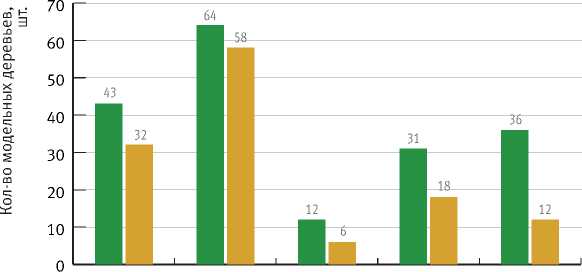
Изучение жизнедеятельности C. ferruginosum в ходе полевых наблюдений и последующее исследование в лабораторных условиях особенностей субстратной приуроченности гриба показало, что для внедрения в растение он использует разного рода микроповреждения хвои. Эти повреждения могут возникать как в результате естественного трения хвоинок друг о друга, так и вследствие погрызов, наносимых рыжим сосновым пилильщиком ( Neodiprion sertifer Geoffroy) или звёздчатым пилильщиком-ткачом ( Acantholyda posticalis Matsumura) (рис. 1).
Погрызы представляют значительную опасность, поскольку служат входными «воротами» для проникновения инокулюма в растение. Споры C. ferruginosum , оседая на поверхности хвои, формируют первичный мицелий. Образование пикнид начинается только к концу вегетационного периода. При этом в лабораторных условиях, при культивировании в климатической камере, гриб демонстрирует крайне медленные темпы роста (рис. 2).
Механизм перехода гриба с хвои на кору требует дополнительного изучения на последующих этапах исследования. Установлено, что между формированием пикнид на хвоинках
Neodiprion Acantholyda Bupalus Rhyacionia Retiinia sertifer posticalis piniaria buoliana resinella
Московская область Рязанская область
Рис. 1. Сравнительный анализ количества модельных деревьев с выявленными повреждениями вегетирующего аппарата хвоегрызущими насекомыми-вредителями (по двум регионам исследования)
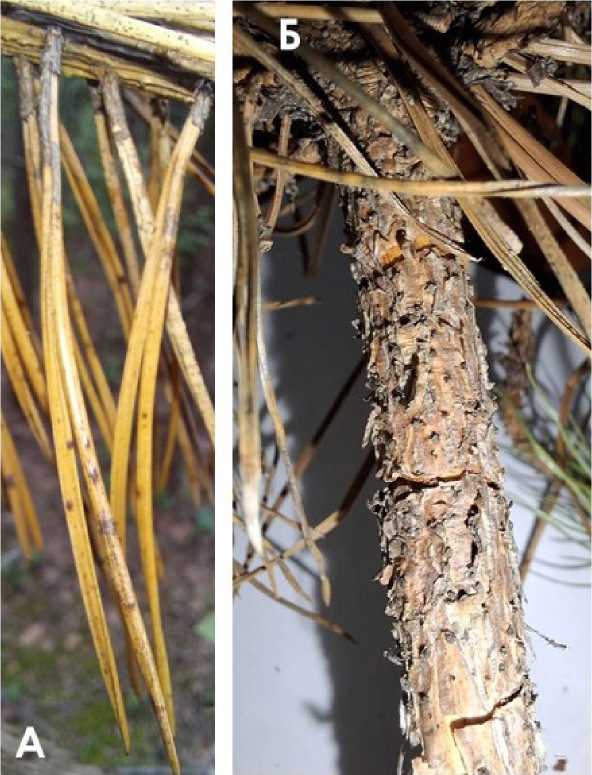
Рис. 2. Пикниды C. ferruginosum на хвое (А) и апотеции (Б) на коре
и появлением апотеций на ветвях первого порядка и в вершинной зоне проходит от одного до трёх месяцев. Длительность этого периода зависит от микроклимата внутри насаждения, который характеризуется специфическими показателями температуры, влажности и циркуляции воздуха.
Мицелий можно обнаружить только весной следующего года в зоне тонкой коры. Установлено, что его развитие в коре имеет сходство с формированием мицелиального тела у базидиомицетов. Микроскопический анализ показал, что при рассечении чешуек коры гриб образует устойчивый вторичный мицелий в слоях коры и создаёт апотеции из отдельных гиф, внутри которых происходит развитие спор (рис. 3).
В процессе исследования было выявлено, что формирование плодовых тел происходит в защищённой среде под поверхностными чешуйками коры. Высокое содержание восков и эфирных веществ в этих чешуйках создаёт особый микроклимат, который оберегает гриб от неблагоприятных внешних воздействий (перепадов температур, высыхания, механических повреждений). Такая среда может осложнять проведение защитных мероприятий.
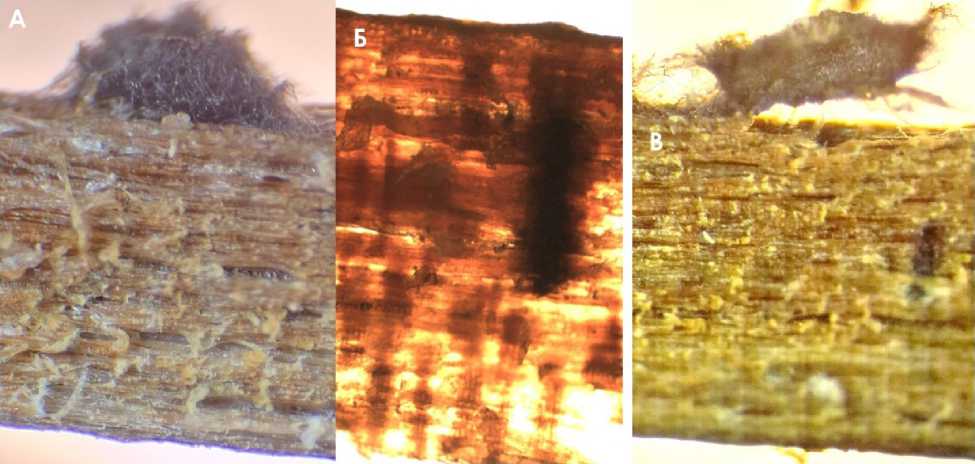
Рис. 3. Общий вид апотеции (А), вторичный мицелий в толще коры (Б), рассечённый апотеций и мицелиальные нити (В)
Мицелий C. ferruginosum развивается в зоне зелёного луба сосны, но только после прекращения смолотечения. Важную роль в активном образовании апотеций играет деятельность кси-лобионтных насекомых – долгоносиков и усачей. Для определения влияния ксилофагов на развитие гриба необходимы дальнейшие исследования (рис. 4 и 5).
Информация о периодах и механизме споруляции C. ferruginosum в научной литературе
Влажность среды является определяющим фактором в развитии гриба C. ferruginosum. Проведённое исследование показало, что сезонная динамика споруляции этого патогена имеет более сложную природу, чем предполагалось ранее в литературе. Традиционно считалось, что споруляция происходит весной. Однако результаты наших исследований опровергли это. На основе комплексного анализа, включающего сопоставление данных об изменении количества осадков
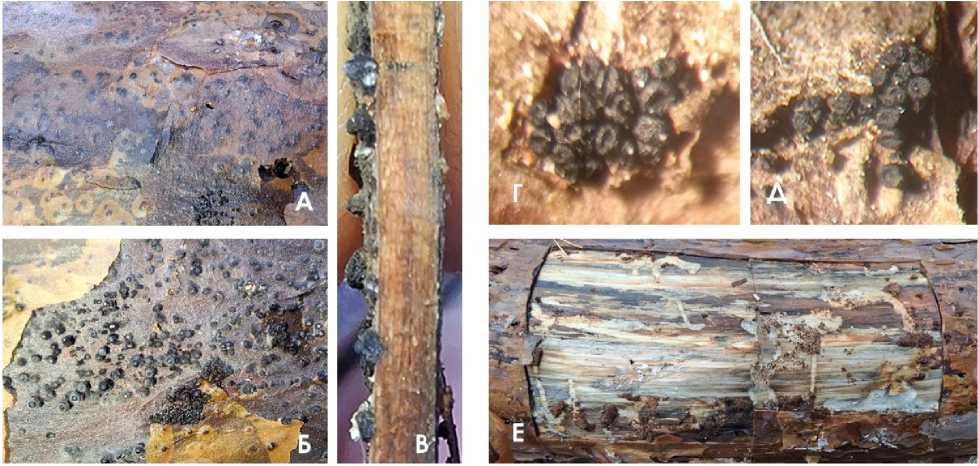
Рис. 4. Развитие апотеций под чешуйками коры (А, Б); ряд апотеций на коре (В), апотеции, выходящие между трещинами коры (Г, Д); личиночные ходы под корой (Е)
представлена фрагментарно. Для изучения влияния климатических факторов на процессы споруляции был проведён комплексный анализ температуры воздуха и количества осадков в исследуемом регионе.
Статистическая обработка данных выявила существенные климатические изменения: за 2021–2025 гг. зафиксировано повышение зимних температур в среднем на 3,5 °C относительно многолетней нормы. Анализ отклонений среднемесячных температур подтвердил эту тенденцию, что свидетельствует о формировании в лесных насаждениях благоприятных условий для поддержания высокого уровня инфекционной активности патогена (рис. 6).
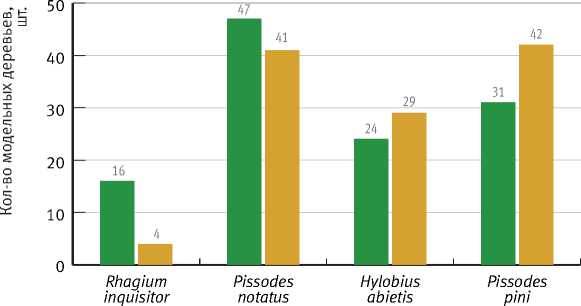
и Московская область и Рязанская область
Рис. 5. Сравнительный анализ количества модельных
деревьев с выявленными поселениями ксилофагов в местах образования апотеций C. ferruginosum по
двум регионам исследования
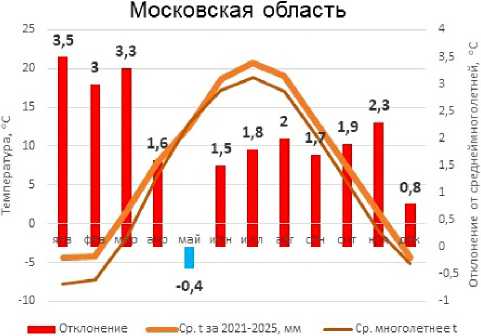
Рис. 6. Динамика отклонения среднемесячной температуры от среднемноголетнего значения по месяцам, °С
Рязанская область
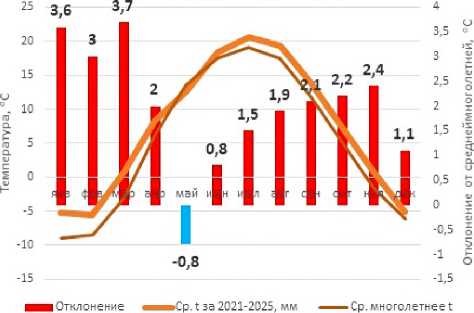
относительно среднемноголетних показателей с результатами полевых наблюдений, были выявлены три основных периода вегетации, благоприятных для споруляции: вторая половина апреля, июнь – начало июля и октябрь – начало ноября (при температуре выше 10 °C) (рис. 7).
Для изучения механизма споруляции и условий её протекания были проведены полевые исследования с наблюдением за сформировавшимися апотециями гриба. В ходе экспериментов удалось установить ключевые факторы процесса спороношения.
Основным катализатором споруляции служат ливневые осадки, предшествующие процессу спороношения. Механизм развития событий следующий. После выпадения осадков набухают апотеции, затем осуществляется выброс спор в форме споровой слизи. При высыхании слизи начинается распространение спор воздушными потоками на соседние насаждения. Весь процесс споруляции длится 3–4 ч, после чего апотеции полностью высыхают (рис. 8).
Для определения необходимых условий начала споруляции был выполнен почасовой мониторинг ливневых осадков в вегетационный период 2025 г. Проведённый анализ выявил чёткую закономерность: обязательным условием является отсутствие осадков
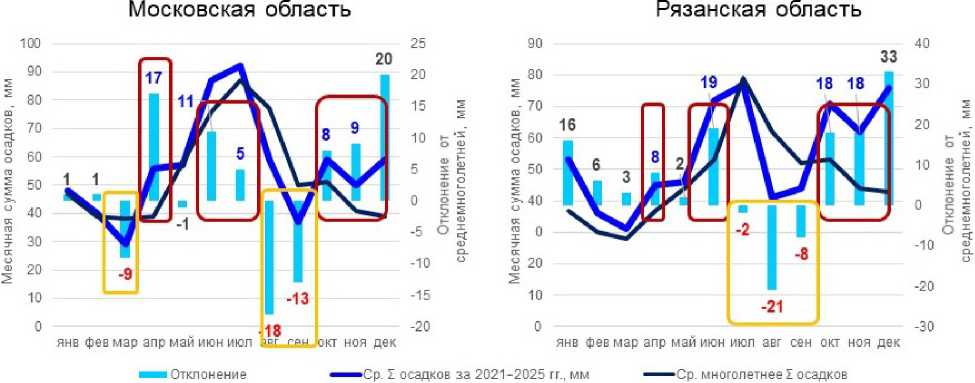
Рис. 7. Динамика отклонения среднемесячной суммы осадков от среднемноголетнего значения по месяцам, мм
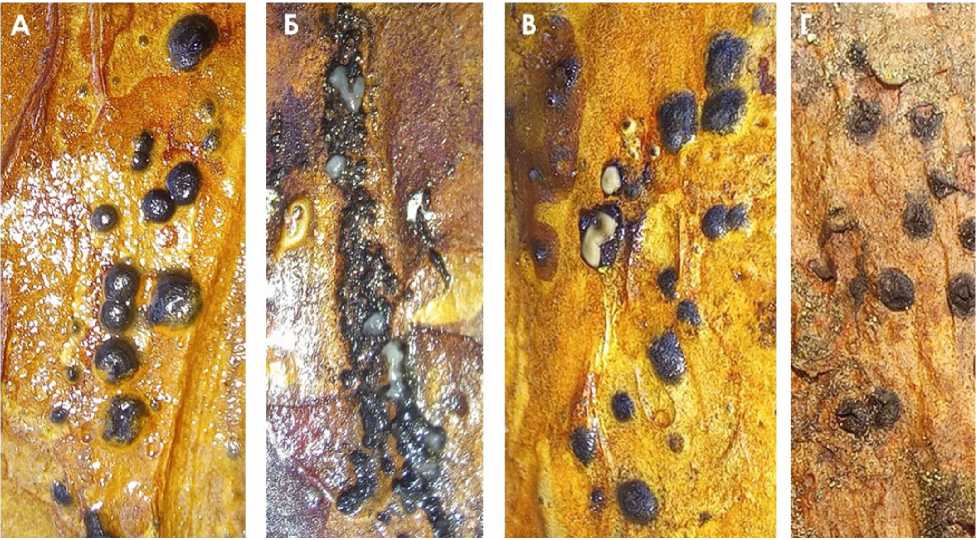
Рис. 8. Процесс споруляции C. ferruginosum : А – набухание апотеций; Б – выброс споровой слизи; В – разлёт спор; Г – пустые аптеции
в течение 2–3 нед. перед началом споруляции. После этого периода на протяжении двух суток должны выпадать интенсивные ливневые осадки с минимальным объёмом 8–12 мм/ч. При этом наблюдалась значительная вариабельность интенсивности ливней в разные месяцы:
в июле зафиксированы пиковые значения (17–24 мм/ч), а в августе отмечались ливни с интенсивностью 11–17 мм/ч. Важно отметить, что в этот период температура воздуха достигала среднестатистических многолетних климатических максимумов (рис. 9).
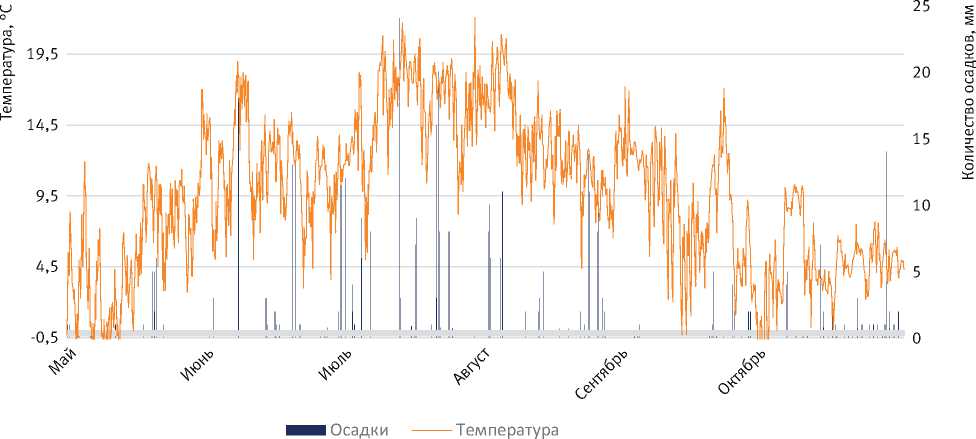
Рис. 9. Почасовая динамика выпадения ливневых осадков в вегетационный период 2025 г. в районе исследования
Выводы
В ходе исследования впервые получены фундаментальные данные об особенностях биологии и субстратной специфике патогена сосны обыкновенной, наиболее опасного для лесных культур, – гриба C. ferruginosum. Установлен уникальный механизм споруляции данного возбудителя. Процесс активируется в течение 3–4 ч после выпадения интенсивных осадков объёмом не менее 8–12 мм/ч при условии предшествующего 2–3-недельного периода засухи.
Исследования подтвердили гипотезу о трансформации характера взаимодействия гриба с растением-хозяином. В современных климатических условиях C. ferruginosum перешёл от эндофитного образа жизни к факультативному паразитизму.
Выявлено, что гриб использует хвою как основной путь проникновения в растение, попадая через естественные повреждения от трения хвоинок и погрызы, оставленные насекомыми-вредителями: рыжим сосновым пилильщиком ( Neodiprion sertifer Geoffroy) и пилильщиком-ткачом ( Acantholyda posticalis Matsumura).
Определены три основных периода вегетации, благоприятных для споруляции: вторая половина апреля, июнь – начало июля и октябрь – начало ноября.
Комплексный анализ полученных данных позволяет сделать вывод о полиморфном характере поражения лесных культур C. ferruginosum , при котором патоген воздействует на все основные структурные элементы растения: хвою, побеги и ствол.
Работа выполнена по теме НИР Государственного задания ВНИИЛМ на 2025–2028 года «№ 1-З25 болезни хвои», а также частично по теме ГЗ ГБС РАН № 126020916823-0.
