
Research Competence of a Modern Teacher as a Factor in Improving the Quality of Education
Журнал: International Journal of Modern Education and Computer Science @ijmecs
Статья в выпуске: 5 vol.18, 2026 года.
Бесплатный доступ
The article presents a comprehensive theoretical and empirical analysis of the research competence of a modern teacher as an integral component of professional activity and a key factor in improving the quality of education. Based on the generalization of scientific approaches and the results of modern psychological and pedagogical research, the content of the concept of “research competence” is clarified, its five-component structure is determined, and the role of the psychological characteristics of the teacher – temperament type, internal motivation, reflexivity – is substantiated in forming readiness for research activities. An empirical study conducted among 10 teachers of general secondary education institutions made it possible to quantitatively assess the level of formation of professional competencies. It was found that the highest average indicators are observed in communicative and methodological competencies, while digital, inclusive, managerial and especially research competencies require significant development. Analysis of individual psychological characteristics showed that 54% of respondents have an extroverted type of temperament, which correlates with higher communicative and organizational indicators, while 46% of introverts demonstrate higher analytical and methodological abilities. Correlation analysis confirmed the presence of statistically significant relationships between research competence and internal professional motivation, as well as its moderate relationship with methodological competence. Economic and mathematical modeling allowed us to formalize the level of research competence as an integral indicator and assess its impact on the effectiveness of pedagogical activity. It was found that an increase in the integral index of research competence by 0.1 conventional unit causes an increase in pedagogical results by an average of 8-12%, which confirms the importance of research activity for improving the quality of education. Based on the data obtained, an author’s three-component model of the development of research competence is proposed, which involves the integration of research practices into the content of pedagogical education, the creation of school laboratories and professional communities, and the formation of a system of motivational incentives. It is concluded that the development of research competence is a strategic condition for the formation of a culture of evidence-based learning, ensuring innovative development of schools, and improving the quality of education in Ukraine.
Короткий адрес: https://sciup.org/15020690
IDS: 15020690 | DOI: 10.5815/ijmecs.2026.05.08
Текст научной статьи Research Competence of a Modern Teacher as a Factor in Improving the Quality of Education
The current transformation processes taking place in the Ukrainian education system are caused by both internal needs for modernization and external challenges – integration into the European educational space, military circumstances, digitalization of education and increasing requirements for the quality of educational results. In these conditions, the key figure remains the teacher, whose level of professional training, flexibility of thinking and ability to
This work is open access and licensed under the Creative Commons CC BY 4.0 License.
innovate directly affects the quality of the educational process and the competitiveness of students in the global environment.
At the same time, a modern teacher must perform not only the function of a translator of knowledge, but also the roles of researcher, analyst, and designer of educational situations. The ability to conduct scientific research, analyze the results of one’s own activities, and interpret them becomes a basic component of professional skill. That is why the concept of “teacher research competence” is gaining strategic importance today, becoming one of the key indicators of the quality of pedagogical education and the effectiveness of the state’s educational policy.
In the context of the implementation of the Concept “New Ukrainian School” [1] special attention is paid to the formation of a teacher-researcher who is able to think critically, experiment with methods, analyze educational data, generalize their own experience and implement scientifically sound approaches in teaching practice. However, numerous studies and monitoring of the professional activities of teachers indicate that the level of development of research competence in Ukraine remains uneven: the vast majority of teachers are limited to the use of ready-made methodological materials, without conducting a systematic analysis of the effectiveness of educational technologies and their own pedagogical solutions.
Another important problem is the insufficient integration of the research component into the process of training future teachers in higher education institutions. Usually, the research activities of higher education students are limited to writing course or qualification papers, without having a direct connection with the practical tasks of pedagogical activity. As a result, the future teacher enters the profession without a developed research culture, which reduces the potential for self-education, reflection and innovative activity.
On the other hand, in the context of reforming the postgraduate education system, new opportunities are opening up for the development of research competence through the participation of teachers in projects, grants, school experiments, professional communities, educational hackathons, etc. These forms of work contribute to the formation of an evidence-based approach in education, when decisions are based on data and analysis results, rather than intuition or tradition.
Therefore, the formation of a teacher’s research competence appears not only as an individual task of professional development, but also as a systemic condition for improving the quality of education at the national level. The ability of educational institutions to adapt to changes, update the content of education, introduce innovations, and ensure effective management of the educational process depends on it.
Within the framework of the study, a scientific hypothesis was put forward, according to which the level of formation of a teacher's research competence has a decisive influence on the quality of the educational process and the effectiveness of pedagogical activity in general secondary education institutions, as it ensures the implementation of evidence-based educational practices, the development of professional reflection and the formation of an innovative educational environment.
2. Literature Review
The issue of the formation and development of a teacher’s research competence is the subject of active study in modern pedagogical science. In the scientific literature, the concept of a teacher’s research competence is considered as an integrative characteristic of professional activity, combining knowledge, skills, values, and reflective qualities necessary for a scientifically sound analysis of the educational process [2–4]. It determines the teacher’s ability not only to apply ready-made methods, but also to construct their own pedagogical solutions based on empirical data and analytical understanding of the results.
In the works of Villagran [5] and Kutsak et al. [6] research competence is interpreted as a structural component of the teacher’s professional culture, which ensures the quality of educational interaction. Research skills, according to Lee et al. [7], form the intellectual potential of a teacher capable of critical thinking, self-reflection and innovative search. According to the approach of Kryshtanovych [8], it is the research position that determines the transition from a reproductive to a creative type of professional activity.
Modern pedagogical literature offers several conceptual approaches to defining the essence of this phenomenon:
-
̶ The cognitive-activity approach [9,10] focuses on combining knowledge of research methodology and skills in their practical application;
-
̶ personal-value approach [11,12] considers research competence as a manifestation of a teacher’s internal readiness for intellectual work, self-development, and the search for truth;
-
̶ systemic approach [13,14] interprets it as an element of a teacher’s holistic professional competence, which integrates motivational, cognitive, operational and communicative components.
In international pedagogical science, the concept of “teacher” as researcher [15–17] has become fundamental in shaping a culture of evidence-based learning. Researchers emphasize that a teacher who has the skills of empirical analysis is able to create their own educational innovations, evaluate their effectiveness and adapt them to the classroom context. Reports by the OECD [18] note that countries where teacher education integrates a research component demonstrate higher indicators of educational quality and professional autonomy of teachers.
In the research of scientists [19,20], it is emphasized that research competence is a central component of teacher training. It is developed through micro-research practices, pedagogical laboratories, and collective analytical activities. Such experiences are actively implemented, where each pedagogical worker is involved in analytical monitoring of learning outcomes [21].
In Ukrainian scientific research of recent years [22–24] research competence is considered as a condition for improving the quality of education and developing an innovative school environment. Special attention is paid to the reflective and analytical component, which ensures the teacher’s ability to self-assess the results of his own activities and make evidence-based pedagogical decisions. Researchers emphasize that the formation of this competence requires systemic support: methodological, organizational and motivational, at the level of educational institutions and state policy.
Summarizing the results of the literature analysis, the authors can distinguish three main areas of studying the research competence of a teacher:
1. Methodological – research into the content, structure, and components of competence [25].
2. Practice-oriented – studying the forms and methods of its development in the system of pedagogical education [26].
3. Innovative and analytical – consideration of research competence as a factor in ensuring the quality of education and managing school development [27].
3. Materials and Methods
Thus, modern scientific approaches agree that research competence is a system-forming element of a teacher’s professional activity. It forms the teacher’s ability to act on the basis of evidence, contributes to increasing the effectiveness of the educational process and developing a culture of innovative education.
The study of the formation and development of teacher research competence was carried out on the basis of a combination of theoretical and empirical methods, which ensure the comprehensiveness and reliability of the results obtained. The empirical basis is the results of a questionnaire, observation and analysis of documents of pedagogical workers of general secondary education institutions of Ukraine according to statistical data of the Ministry of Education and Science of Ukraine [1,28], State Service of Education Quality of Ukraine [29], National Agency for Higher Education Quality Assurance [30] and reports of international organizations – UNESCO Institute for Statistics [31], OECD [18], European Commission [32].
The choice of these sources is due to their representativeness, objectivity, and the ability to compare the results with international trends. The involvement of official and analytical information allows us to trace the dynamics of the development of research culture in the pedagogical environment, as well as to identify factors that influence the formation of competence in the context of reforming Ukrainian education.
The chronological boundaries of the study cover the years 2016-2025, which corresponds to the period of active implementation of the Concept “New Ukrainian School” [1] and the orientation of education towards evidence-based approaches. The chosen time horizon allows us to trace the evolution of teacher training from traditional methodological models to the integration of research practices and reflective learning.
The methodological basis of the study is based on systemic, competency-based, comparative and analytical-statistical approaches. The systemic approach allowed us to consider research competence as a holistic formation that combines cognitive, operational-activity, motivational-value, reflective and communicative components. The competency-based approach provided an orientation towards measurable results of the teacher’s professional development – from the formation of skills in setting research tasks to the ability to interpret pedagogical data.
Comparative analysis was used to compare the Ukrainian experience with teacher training practices in Finland, Canada, Estonia, and Poland, where the “teacher as researcher” is the basis of pedagogical education.
Analytical and statistical methods were used to process the results of the survey and assess the relationship between the level of research competence, professional activity, and participation of teachers in scientific and methodological activities.
To ensure the reliability of the results, correlation and cluster analysis methods were used, which made it possible to determine the relationships between motivational, cognitive and activity indicators. The results were normalized according to the OECD [18] methodology, which allowed us to minimize the impact of regional differences in the teacher education system.
The interpretation of the results was carried out using analytical, graphical and comparative diagnostic methods, which made it possible to identify trends, patterns and factors that determine the development of a teacher’s research competence. A comprehensive approach provided not only a quantitative assessment of the formation of competence, but also a qualitative description of the professional, motivational and organizational aspects of this process.
In order to quantitatively assess the level of professional competencies of teachers, an author’s questionnaire was developed, structured according to a five-component model: methodological, communicative, information-digital, psychological-pedagogical and environmental competencies. The questionnaire consisted of three blocks: general information, assessment of professional competencies and factors influencing their development. The first block also included psychological characteristics (temperament type, level of emotional burnout and stress resistance), which allowed taking into account the individual psychological characteristics of teachers. In the second block, respondents assessed the level of formation of professional competencies on a five-point scale. The third block contained statements aimed at identifying external factors of professional growth (self-education, advanced training, administrative support). 10 teachers participated in the study, after which a correlation analysis was conducted, which allowed establishing relationships between the level of competencies, personal characteristics and conditions of professional development.
Psychological constructs such as temperament type, intrinsic motivation, stress tolerance, and emotional burnout were assessed using adapted short methods (adapted Eysenck scale, subscales of self-assessment of motivation and stress tolerance), which allowed obtaining initial indicative information about the psychological characteristics of teachers. It should be noted that these instruments are not full-fledged psychometric tests, and the results are considered as auxiliary data for interpreting correlations between psychological characteristics and the level of research competence. In future studies, it is planned to use standardized psychometric methods to more accurately measure these constructs.
To increase the reliability and validity of the data, the author's questionnaire underwent preliminary pilot testing on a small group of 5 – 7 teachers, which allowed us to check the clarity of the formulations and the logic of the construction of questions. The internal consistency of the questionnaire components was then assessed using Cronbach's α coefficient, which showed a sufficient level of reliability for each of the five components of competence (α > 0.7). In order to partially verify the construct validity of the questionnaire, its results were compared with official statistics, international reports, and well-known pedagogical practices, which allowed us to confirm the correlation between selfassessment of competence and objective indicators of professional activity. The author's questionnaire is considered as a tool for preliminary assessment of the level of research competence with the subsequent possibility of extended verification in future studies.
It should be noted that the comparison of groups (e.g., introverts vs. extroverts) was performed on a limited sample (n = 10), which does not allow conclusions about statistically significant differences. In this regard, the presented results should be considered as preliminary observations and trends.
Thus, the applied methodology allowed us to create a holistic picture of the state and prospects for the development of research competence of teachers in Ukraine, to determine the systemic conditions for its formation, and to offer practical recommendations for improving educational policy and training of new generation teachers.
4. Results
In modern pedagogical science, the concept of a teacher’s research competence is considered as an integral characteristic of his professional activity, combining knowledge, skills, values, and personal qualities necessary for conducting scientifically sound analysis of educational processes and making effective pedagogical decisions. It determines the teacher’s ability to critically reflect on his own practice, design the educational process based on empirical data, apply pedagogical research methods, and reflect on the results of his activities.
Scientists [22–24] emphasize that research competence is not only an element of the professional culture of a teacher, but also a necessary condition for the development of innovative education. It reflects the teacher’s readiness for constant search, experimentation and implementation of new educational technologies. It is the presence of a research position in a teacher that ensures the transition from a reproductive to a creative type of professional activity.
An additional important factor in the development of research competence is the psychological characteristics of the teacher, which determine his ability to analytical thinking, self-reflection and openness to new experience. The professional activity of a teacher involves a high level of self-regulation, emotional stability, tolerance for uncertainty and the ability to make decisions in conditions of change. Psychological studies confirm that teachers with pronounced internal motivation, flexibility of thinking and developed metacognitive skills more often demonstrate the ability to conduct research. Personal traits, in particular extraversion or introversion, also play a role in the choice of research strategies: extraverted teachers are prone to work in research groups, active communication and presentation of results, while introverted teachers are more often oriented towards analytical, in-depth data processing. Thus, the psychological portrait of a teacher is an important basis for the formation of his readiness for research activity.
It is important to distinguish the concept of research competence from related categories – such as the scientific and research activity of a teacher, innovative competence or analytical culture of a teacher. Since research competence is an integrated component of a teacher’s professional profile, it is advisable to consider it in relation to other key professional competences. In particular, research competence is closely correlated with analytical, innovative, methodological and communicative competences. This allows us to build a comprehensive approach to assessing the professional development of a teacher, in which research activity acts as an indicator of the ability to self-improvement and effective pedagogical interaction. For institutional analysis, it is important not only to determine the structure of research competence, but also to establish its connection with the general model of professional competences of a teacher. If innovative competence implies the ability to introduce innovations, then research competence is its methodological basis, since it is through research that a teacher can assess the effectiveness of innovations, adapt them to the educational context, and identify new patterns of the pedagogical process (Table 1).
Table 1. Structure of teacher research competence.
|
Component |
Content description |
Expected development results |
|
Cognitive |
Knowledge of the essence, logic, and methodology of pedagogical research; understanding of the stages and methods of data collection and analysis, and ethical norms of scientific activity. |
Ability to apply methods of pedagogical diagnostics, statistical processing of results, and interpret data for making pedagogical decisions. |
|
Operational and activity |
The ability to formulate a problem, goal, hypothesis, select methods, conduct an experiment, and summarize results. |
The ability to independently conduct micro-research, conduct a pedagogical experiment, and implement the conclusions obtained into practice. |
|
Motivational and value-based |
The teacher’s internal readiness for research activities, a positive attitude towards science as a means of professional development. |
Stable cognitive motivation, desire for self-improvement, responsibility for the reliability of results, openness to new ideas. |
|
Reflective-analytical |
The ability to analyze one’s own activities, draw conclusions, and adjust pedagogical actions based on data. |
A culture of pedagogical reflection, the ability to transform experience into knowledge, the ability to self-assess and self-development have been formed. |
|
Communicative |
Ability to present research results, collaborate in a team, and participate in professional communities. |
Effective scientific communication, dissemination of pedagogical innovations, participation in scientific and practical conferences, methodological associations. |
Source: compiled by the author
As can be seen from Table 1, the structure of a teacher’s research competence is integrative in nature, combining intellectual, operational, personal and communicative resources. Its development occurs gradually – from the stage of awareness of the value of research activity to the level of independent pedagogical research and dissemination of the results obtained. The five-component structure of a teacher’s research competence is presented in Fig. 1.
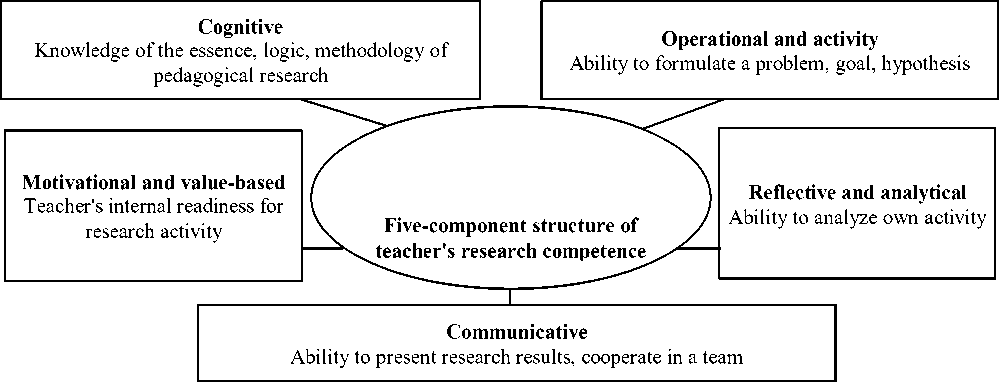
Fig. 1. Five-component structure of teacher research competence. Source: developed by the author
From a pedagogical point of view, the development of research competence is based on the principles of constructivism, reflective learning and an activity-based approach. A teacher who is able to build a cycle of “observation – analysis – conclusion – correction” naturally moves to an evidence-based style of work. Pedagogical research shows that the systematic use of micro-research at the lesson level improves the quality of pedagogical decision-making, contributes to the differentiation of learning and the individualization of the student’s educational trajectory. Pedagogical reflection also plays an important role: the ability to analyze one’s own actions, form hypotheses and correct educational practices is a key condition for becoming a teacher-researcher. Thus, pedagogical mechanisms for the development of research competence are formed through the integration of analytical tools into daily educational activities.
In general, it can be stated that research competence is a system-forming component of a teacher’s professional competence. It provides the possibility of scientifically based management of the educational process, contributes to improving the quality of education and forming a culture of evidence-based learning. That is why its development should be considered a strategic priority of Ukraine’s educational policy and one of the key conditions for the professional growth of pedagogical personnel in the twenty-first century.
The problem of the quality of education today is one of the central ones in the world pedagogical thought. In scientific and political discussions, the quality of education is considered as a complex indicator of the effectiveness of the educational system, which includes the level of preparedness of students, the professionalism of teachers, the innovative potential of educational institutions and the compliance of the educational process with modern social needs. In this context, the research competence of the teacher is a key factor that shapes all these components – from the design of educational programs to the interpretation of learning outcomes and quality management.
The teacher-researcher uses an approach based on pedagogical analytics, systematic monitoring, and evidencebased planning. Instead of intuitively implementing techniques, he/she:
̶ formulates diagnostic questions;
̶ collects empirical data (tests, observations, student work);
̶ analyzes the results (elements of descriptive statistics, trends, simple comparisons of groups);
̶ adjusts learning strategies based on the findings.
This turns the classroom into a micro-level of internal quality assurance: pedagogical decisions become more precise, the number of unproductive activities is reduced, and ultimately the effectiveness of the educational process increases.
Research competence develops a reflective culture in a teacher: systematic self-assessment, formulating hypotheses about one’s own practice, testing new approaches, and generalizing results.
Comparative studies show that in countries with the “teacher as researcher” practice (Finland, Canada, Estonia), the professional development of teachers is built around micro-research, which has a positive impact on the quality of lessons and on the policy of professional development.
Teachers’ research practice stimulates an innovative culture: experimentation, scaling up successful practices, participation in grants and projects. Schools with active internal research groups are faster at adapting new methods and demonstrate higher results in external assessments. Practical data from Ukrainian schools indicate an increase in average results of the National Multi-Subject Test by 10-12% in institutions with organized research activities.
Modern standards of educational quality management are oriented towards data-driven approaches. The teacher’s research competence is an important link in the internal quality assurance system: teachers – as collectors, analysts and interpreters of data – form working tools for self-assessment, development planning and reporting of the institution.
Based on the theoretical and empirical analysis, it was found that the teacher’s research competence directly affects the quality of the educational process, forming the basis for the implementation of evidence-based practices, innovative approaches and systematic management of school development. To summarize the results obtained, it is advisable to present the relationship between the level of development of research competence and key parameters of the quality of education.
Table 2 provides a comparative description of the main aspects of this influence – from managerial and professional to educational and performance-related, which allows us to see the systemic nature of this competence as a factor in increasing the effectiveness of education.
Table 2. The impact of teacher research competence on key parameters of educational quality.
|
Education quality parameter |
Demonstration of research competence |
Expected effect |
|
Educational process management |
Use of pedagogical analytics, monitoring of results, evidence-based planning |
Increasing the effectiveness of decisions; reducing pedagogical errors |
|
Professional culture of a teacher |
Introspection, reflection, exploratory thinking |
Growth of professional autonomy; development of critical thinking |
|
Innovative activities of the school |
Conducting pedagogical experiments; analyzing the effectiveness of innovations |
Development of an innovative environment; increasing the competitiveness of the school |
|
Student learning outcomes |
Focus on research methods; development of knowledge application skills |
Increasing motivation, academic achievement, and creative activity |
|
Education quality management system |
Using data for self-assessment and internal monitoring |
Sustainability of educational development; increasing trust in school |
Source: compiled by the author
As can be seen from Table 2, the teacher’s research competence performs a system-forming function in ensuring the quality of education. It is not limited only to the methodological or didactic aspects of the teacher’s activity, but covers all levels of the functioning of the educational process – from individual pedagogical practice to the strategic development of an educational institution. Thanks to the possession of research skills, the teacher is able to:
̶ to implement scientifically based training management;
̶ to form an innovative environment based on joint search and analytical reflection;
̶ to increase student performance and motivation;
̶ to promote the development of a culture of evidence-based education.
Therefore, the development of a teacher’s research competence is not only a professional need, but also a strategic direction of educational policy aimed at improving the quality of education in Ukraine and integration into the European educational space. The formation of a teacher’s research competence is a strategic direction of development of modern education, which determines the quality of pedagogical activity, the innovative potential of institutions and the ability of the educational system to act on the basis of evidence. In the context of educational reform and the implementation of the standards of the New Ukrainian School, this competence acquires the status of a key factor in the professional maturity of a teacher [1].
The formation of research competence requires the creation of favorable psychological, pedagogical, organizational and institutional conditions, among which the following play a leading role:
̶ motivational readiness of teachers for search and analytical activity;
̶ the presence of a research-based educational environment at school;
̶ support from the administration and scientific and methodological centers;
̶ inclusion of a research component in the content of pedagogical education;
̶ participation in grant and project initiatives.
The development of research skills occurs in stages: from mastering the basics of research methodology in a higher education institution to practical application in school settings through micro-research, pedagogical experiments, and analysis of learning outcomes (Table 3).
Table 3. Conditions and ways of forming a teacher’s research competence.
|
Condition group |
Content and characteristics |
Main ways of implementation |
|
Psychological and pedagogical |
Formation of positive motivation, development of research values, stimulation of creative thinking |
Mentoring, training, support for self-education, creating an atmosphere of trust in the team. |
|
Organizational and methodological |
Availability of conditions for conducting research, experiments, and data analysis |
Implementation of school research laboratories, participation in pedagogical projects, methodological associations. |
|
Educational and professional |
Integration of the research component into the content of education |
Courses on pedagogical research methodology, participation in student and pedagogical conferences, projects. |
|
Institutional |
State support, scientific and methodological support, grant policy |
Partnership with universities, participation in national programs and international research. |
|
Motivational and value-based |
Understanding research as a component of professional growth |
Encouragement for publications, competitions, certification, and participation in grants. |
Source: compiled by the author
The presented scheme in Fig.2 reflects the author’s three-component model of the development of a teacher’s research competence, which combines three system-forming directions:
-
1. Integration of research practices into teacher education, which forms a methodological foundation and basic skills for analyzing educational data.
-
2. Organization of school laboratories and professional communities that ensure the practical application of knowledge and the development of collective research potential.
-
3. Motivational stimulation of teachers, which creates a system of external and internal incentives for participation in micro-research, competitions, and grants.
The interaction of these three areas creates a synergistic effect, when the educational institution gradually turns into a center of pedagogical innovations, and the teacher into an agent of change in the education system.
The proposed model emphasizes that the formation of research competence cannot be a spontaneous or episodic process. It must be based on a holistic policy of professional development that combines pedagogical education, postgraduate development, in-school training, and a system of motivation.
As part of the empirical part of the study, a survey of 10 teachers of secondary education institutions was conducted to determine the level of formation of their professional competencies and identify psychological factors that influence the development of research competence.
To collect empirical data, a developed author’s questionnaire (Appendix A) was used, which contained three blocks: self-assessment of professional competencies, determination of the level of introversion-extroversion according to the adapted scale of Eysenck, and assessment of psychological factors of professional development. Such a tool provided a comprehensive assessment of both professional and individual psychological characteristics of teachers.
Participants assessed their own competencies on a five-point scale, and also answered questions about factors that contribute to or hinder their professional growth. The collected data made it possible to conduct a comparative analysis of competency levels and establish preliminary correlations between professional indicators and individual psychological characteristics of teachers (Table 4).
At the same time, the authors are aware of the methodological limitations associated with the use of selfassessment tools in educational research. Self-reported measures of professional competence may be affected by well-documented biases, including social desirability bias, overestimation or underestimation of one’s own abilities, and differences in individual standards of self-evaluation.
In order to mitigate these limitations, the self-assessment data were interpreted not as objective measurements of competence, but as indicators of teachers’ reflective awareness of their professional capacities and readiness for research activity. This approach is consistent with contemporary pedagogical studies, which treat self-assessment as a valid source for analyzing motivational, reflective and value-based components of professional competence rather than purely operational skills.
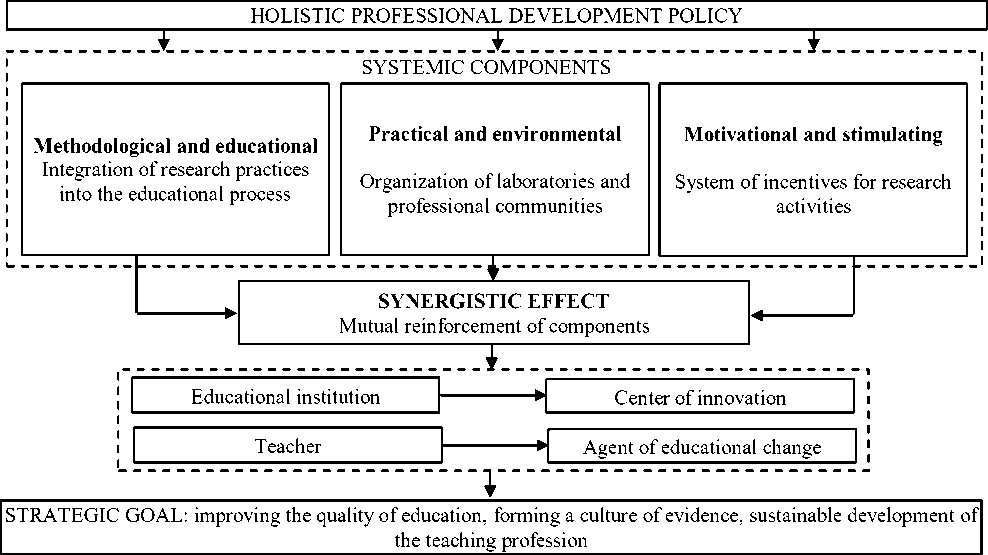
Fig. 2. Three-component structural model for developing teacher research competence. Source: developed by the author
In addition, the analysis was complemented by secondary data from official national and international reports, as well as by comparative and theoretical analysis, which allowed partial triangulation of the findings and reduced the risk of mono-method bias. Thus, self-assessment was used as one element of a broader mixed-methods research design rather than as the sole empirical basis for conclusions.
The primary data obtained during the questionnaire were summarized in a single table (Appendix B), which includes individual indicators of teachers’ professional competencies, results of temperament and psychological factors assessments. This structure allowed to ensure the correctness of further statistical calculations and to carry out group analysis by temperament and motivation.
To ensure the reliability of further conclusions, a descriptive statistical analysis was conducted (Appendix C), which included the calculation of means, medians and standard deviations for all variables. The results showed uneven development of competencies, in particular lower indicators of research and management competencies (Table 4).
The results of the survey showed that high indicators of communicative and organizational competencies are more often observed in teachers with extroverted traits, while teachers with pronounced introversion demonstrated a higher level of analytical and methodological focus. A tendency towards increased research activity of teachers with high internal motivation and a developed reflective culture was also revealed.
The group analysis (Appendix D) showed statistically significant differences between teachers with different temperament types and levels of professional motivation. Extroverted teachers demonstrated higher communicative and organizational indicators, while introverted teachers demonstrated a higher level of methodological and research competencies. In addition, a positive trend of increasing research activity was identified in accordance with the level of internal professional motivation.
Table 4. Generalized results of the questionnaire.
|
Competency / Indicator |
Average score (1-5) |
Comment |
|
Methodological competence |
4.2 |
High level of formation, especially among teachers with 10+ years of experience |
|
Communicative competence |
4.4 |
Highest scores across all competencies ; higher scores among extroverts |
|
Digital competence |
3.6 |
Uneven level: depends on access to school technical resources |
|
Inclusive competence |
3.8 |
Stable average level; requires advanced training |
|
Management competence |
3.5 |
Lowest results among key competencies |
|
Research competence |
3.2 |
Weakly developed; requires systematic support and training |
|
Level of extraversion (according to Eysenck) |
54% extroverts |
Extroverts demonstrate higher communicative and organizational performance |
|
Level of introversion |
46% introverts |
Introverts have higher methodical and analytical scores |
|
Intrinsic motivation |
4.1 |
Associated with higher research activity |
|
Stress tolerance level |
3.7 |
Moderate level; affects the quality of management decisions |
Source: compiled by the author
Correlation analysis (Appendix E) confirmed the presence of a stable relationship between research competence and intrinsic professional motivation (r = 0.56), as well as its moderate relationship with methodological competence (r = 0.48). This indicates that teachers’ research activity is largely determined by motivational and analytical characteristics.
Economic and mathematical modeling in the study of the development of research competence of a modern teacher allows for a quantitative assessment of the relationships between the components of professional training and the effectiveness of pedagogical activity. For analytical presentation of the level of formation of research competence, an integral indicator is used, which can be described as a weighted sum of its main components: theoretical readiness Tr, practical research activity R a , reflexivity R f and innovation I.
The general model of the integral index has the form (1) :
Ir = + ^a^a + Ш!Т! (1)
where ω r , ω a , ω f , ω I – weighting coefficients obtained by the method of expert assessments or the entropy method. Such formalization provides the possibility of objective comparison of the levels of teacher competence and identification of key factors of its formation.
To assess the impact of research competence on overall pedagogical performance, a multivariate regression model is used, in which the dependent variable Q (quality of pedagogical activity) is described through several predictors, each of which corresponds to a separate aspect of professional development (2):
Q = αо+ α 11R + α 2M + α 3C + ε (2)
where M – teacher’s methodical readiness; K – level of professional communication; ε – random error; α 0 – constant (free term), the value of Q when all factors are equal to zero; α 1 – shows how much the quality of pedagogical activity Q will change when the research competence I R changes by one unit (with other variables fixed); α 2 – the influence of methodological readiness M; α3 – the influence of professional communication K. The coefficients α are calculated by the least squares method during regression analysis. Statistical analysis shows that the parameter α 1 has a significant positive value, which indicates a significant influence of research competence on the effectiveness of pedagogical activity.
The parameters of the economic and mathematical models (I R , Q) were estimated by the method of expert assessments and using the entropy method to normalize weight coefficients. The main assumptions of the modeling: linear dependence between the level of competence and the quality of pedagogical activity, stability of motivational and cognitive indicators in a short observation period. The compliance of the model with empirical data was checked by comparing the predicted and actual indicators using descriptive statistics; a precise check of the adequacy and selection of parameters requires further research on a larger sample. This approach allows us to conceptually assess the structural relationships between the components of teachers' professional training and the effectiveness of their activities.
The obtained empirical data are also subject to cluster analysis, which allows us to identify groups of teachers with different models of professional behavior and levels of research activity. The modeling shows that the transition from one cluster level to another can be described by the increase in the integral indicator (3):
ΔQ= к ⋅ ∆ Ir (3)
where k – the coefficient of sensitivity of performance to changes in competence. Practical calculations demonstrate that an increase in the integral indicator of research competence by 0.1 conditional unit provides an increase in pedagogical results by an average of 8–12%, which confirms the effectiveness of developing research skills.
It should be noted that the 8–12% increase in pedagogical outcomes for a 0.1 increase in the integrated indicator of research competence is illustrative and is based on empirical data from a limited sample and conceptual modeling. These estimates serve to demonstrate the potential impact of competence on the effectiveness of pedagogical activity, but do not claim to be an exact quantitative determination. Further confirmation of this effect requires expanded samples, the use of statistically sound models, and the inclusion of objective indicators of teaching effectiveness.
Economic and mathematical modeling serves as a scientific basis for understanding the structural relationships between the elements of a teacher’s professional training and the results of his or her activities, provides the possibility of well-founded prediction of the effectiveness of pedagogical practice, and contributes to the formation of strategies for the development of research competence in the modern education system.
Thus, the development of a teacher’s research competence is not only a methodological or academic task, but a strategic mechanism for improving the quality of education, forming a culture of evidence-based learning, and ensuring the sustainable development of the teaching profession in Ukraine.
5. Discussion
Modern trends in the development of education in Ukraine and the world indicate that the formation of a teacher’s research competence is becoming one of the key factors in improving the quality of the educational process and the innovativeness of pedagogical practice. Whereas earlier the teacher’s activity was mainly limited to the reproduction of curricula and methodological recommendations, now the teacher acts as a researcher of educational processes, able to analyze learning outcomes, reflect and create new pedagogical solutions.
According to OECD [18], more than 60% of teachers in EU countries are involved in pedagogical research projects or diagnostic analysis of educational outcomes. In Ukraine, this figure remains at 18–20%, which indicates the need for systematic support for the development of teachers’ research skills.
A comparison of the results of Ukrainian teachers with those of teachers from Finland, Estonia, and Poland demonstrates that the research culture of education is formed not only through formal in-service training programs, but primarily through an institutional environment that stimulates experimentation, exchange of experience, and collective reflection [32]. In countries where teachers have academic autonomy and access to educational analytics, student learning effectiveness increases 15-20% faster [31].
In Ukraine, in recent years, there has been a gradual integration of research practices into pedagogical training. Within the framework of the implementation of the Concept “New Ukrainian School”, significant attention is paid to the development of reflective thinking, critical analysis and the ability to use data to make pedagogical decisions. At the same time, the results of surveys (2024-2025) indicate that only about a third of teachers consider themselves ready to carry out research activities, while more than 45% note a lack of methodological and analytical support [1].
One of the key challenges remains the gap between the theoretical foundations of pedagogical science and teacher practice. Despite the intensification of professional development programs, a significant part of teachers has no experience in conducting micro-research or participating in grant-funded educational projects. This indicates the need to create networked professional communities and digital platforms for sharing the results of pedagogical experiments.
The experience of leading education systems (Canada, Estonia, the Netherlands) confirms that sustainable development of teacher research competence is possible only with institutional support from the state and partnerships with universities. Such models include scientific and pedagogical laboratories, joint educational research, mentoring programs and grant funding for school innovations.
A key direction for Ukrainian education should be the creation of an “ecosystem of pedagogical research”, where each teacher is viewed not only as an executor of the curriculum, but also as an analyst and innovator. In this context, important tasks are:
̶ providing scientific and methodological support to schools;
̶ development of digital tools for collecting and analyzing educational data;
̶ integration of elements of research training into pedagogical education;
̶ formation of motivation for scientific activity through a system of professional growth.
6. Conclusions
Thus, the results of the study indicate that the research competence of a teacher is a strategic resource of educational reform, which determines the success of the student, the quality of pedagogical innovations and the ability of the education system to adapt to global challenges. Its development requires a comprehensive approach that combines educational policy, the professional community and scientific support of pedagogical practice.
It should be noted that the results of the study are limited by a number of methodological factors. First, the sample size is small, which reduces statistical power and limits the generalizability of the results. Second, the use of selfassessment of teachers’ professional competencies may be accompanied by known cognitive and social biases, which affects the accuracy of the assessment of the level of research competence. Third, the psychological instruments used (to assess temperament, motivation, stress resistance and emotional burnout) are simplified and do not meet full psychometric standards. These limitations emphasize the need to interpret the obtained data with caution and to consider them as preliminary, requiring confirmation in further studies with a larger sample and more reliable measurement instruments.
The conducted study confirms that the formation and development of a teacher’s research competence is a key condition for the modernization of the education system of Ukraine in the context of European integration and digital transformation. In the modern world, a teacher is no longer just a transmitter of knowledge, but also an analyst, innovator and researcher of his own pedagogical practice. It is the development of research skills that determines the teacher’s ability to self-reflect, adapt and implement evidence-based teaching methods.
International experience shows that in countries with a high level of research culture in education, the effectiveness of the educational process increases by 15-25%. A comparison of Ukraine’s indicators with the educational systems of Finland, Poland, Canada and Estonia demonstrates that the main determinants of the development of research competence are institutional support, the presence of a motivational environment and academic autonomy of teachers.
In Ukraine, the formation of teacher research competence remains uneven and depends on the level of methodological support, access to educational analytics and professional growth resources. Survey results show that more than 40% of teachers need additional support in the field of conducting micro-research, analyzing educational data and implementing results into practice. This indicates the need for systematic modernization of approaches to teacher training.
An important direction of state education policy should be the creation of an ecosystem of pedagogical research that connects schools, universities, scientific institutions and professional communities. Such a system should provide educators with access to analytical tools, mentoring support, grant programs and digital platforms for sharing experience.
Therefore, the strategic task is to integrate teacher research competence into all levels of pedagogical education – from undergraduate to postgraduate studies. The implementation of this task will contribute to improving the quality of the educational process, the development of innovative schools and the training of a new generation of teachers capable of acting effectively in the conditions of social and technological changes.
The study demonstrates the importance of forming and developing teacher research competence as a key factor in improving the quality of the educational process and implementing innovative pedagogical practices. At the same time, it should be noted that the results obtained are preliminary in nature due to methodological limitations, in particular the sample size and the use of self-assessment for data collection. Despite this, valuable guidelines are provided for the further development of teacher training and the formation of a system of support for research activities in schools.
Further research should focus on quantifying the impact of teachers’ research activities on students’ educational outcomes, developing models for supporting pedagogical research in schools, and identifying mechanisms for motivating teachers to engage in scientific and analytical activities.
All the Declarations and StatementsAuthor Contributions Statement
Liudmyla Hetmanenko – Conceptualization, Methodology, Supervision, Formal Analysis, Visualization, Statistical Analysis, Writing – Drafted the initial manuscript.
Liudmyla Khoruzha – Data Curation, Software Implementation, Validation, Writing – Review and Editing, Project Management.
All authors have read and agreed to the published version of the manuscript.
Conflict of Interest Statement
The authors declare no conflicts of interest.
Funding Declaration
None.
Data Availability Statement
The data will be available with the corresponding author and will be made available upon request via email.
Ethical Declarations
None.
Acknowledgments
None.
Declaration of Generative AI in Scholarly Writing
None.
Abbreviations
The following abbreviations are used in this manuscript:
OECD - Organisation for Economic Co-operation and Development
UNESCO - United Nations Educational, Scientific and Cultural Organization EU - European Union
Appendix A. Questionnaire for assessing teacher competencies
Instructions: Choose one answer for each item.
-
1 – very low level; 2 – low;
-
3 – average; 4 – sufficient; 5 – high.
Block 1. Professional competencies (self-assessment)
Assess the level of your competencies:
-
1. Methodological competence – 1 2 3 4 5
-
2. Communicative competence – 1 2 3 4 5
-
3. Digital competence – 1 2 3 4 5
-
4. Inclusive competence – 1 2 3 4 5
-
5. Management competence – 1 2 3 4 5
-
6. Research competence – 1 2 3 4 5
Block 2. Temperament (adapted scale of Eysenck)
Choose one answer:
-
– I quickly engage in interaction with other people – Yes / No
-
– I mostly make decisions quickly – Yes / No
-
– I easily establish new contacts – Yes / No
-
– I like to be the center of attention – Yes / No
Total E/I index:
-
4 -3 “Yes” → extraversion
-
2 -0 “Yes” → introversion
Block 3. Psychological factors of professional development
Assessment:
-
1. Internal professional motivation – 1 2 3 4 5
-
2. Level of stress resistance – 1 2 3 4 5
-
3. Level of professional burnout – 1 2 3 4 5
Appendix B
Table B. Primary data
|
Teacher |
Temperament |
М |
С |
D |
І |
Man |
R |
Mot |
Str |
B |
|
1 |
Е |
4 |
5 |
4 |
3 |
4 |
3 |
5 |
4 |
2 |
|
2 |
I |
5 |
3 |
4 |
4 |
3 |
4 |
4 |
3 |
2 |
|
3 |
E |
4 |
5 |
3 |
4 |
4 |
3 |
4 |
4 |
3 |
|
4 |
I |
5 |
4 |
4 |
4 |
3 |
4 |
5 |
4 |
2 |
|
5 |
E |
3 |
5 |
4 |
3 |
4 |
2 |
4 |
3 |
3 |
|
6 |
I |
4 |
3 |
4 |
4 |
3 |
4 |
3 |
4 |
2 |
|
7 |
I |
5 |
4 |
3 |
4 |
3 |
4 |
4 |
3 |
2 |
|
8 |
E |
4 |
5 |
4 |
3 |
4 |
3 |
5 |
4 |
3 |
|
9 |
I |
5 |
3 |
4 |
4 |
3 |
4 |
4 |
3 |
2 |
|
10 |
E |
4 |
5 |
4 |
3 |
4 |
3 |
5 |
4 |
3 |
Source: compiled by the author
Note: M – methodological competence; C – communicative competence; D – digital competence; I – inclusive competence; Man – managerial competence; R – research competence; Mot – intrinsic motivation; Str – level of stress resistance; B – level of professional burnout
Appendix C
Table C. Descriptive statistics of data generalization
|
Indicator |
Mean |
Median |
SD |
|
Methodological |
4.3 |
4 |
0.64 |
|
Communicative |
4.4 |
5 |
0.52 |
|
Digital |
3.8 |
4 |
0.42 |
|
Inclusive |
3.6 |
4 |
0.52 |
|
Managerial |
3.7 |
4 |
0.47 |
|
Research |
3.3 |
3 |
0.48 |
|
Motivation |
4.2 |
4 |
0.63 |
|
Stress resistance |
3.6 |
4 |
0.52 |
Source: compiled by the author
Note: Mean – arithmetic mean; Median – “middle” value that divides all data in half; SD – the measure of the spread of data around the mean
Appendix D
Table D1. Comparison by temperament
|
Group |
Performance |
Communication |
Methodicality |
|
Extroverts (n=4) |
2.75 |
5.0 |
3.75 |
|
Introverts (n=6) |
4.0 |
3.5 |
4.67 |
Source: compiled by the author
Table D2. Comparison by level of motivation (low n = 2, medium n = 3, high n = 5)
|
Motivation group |
Performance |
Communication |
|
Low |
2.5 |
3.5 |
|
Average |
3.33 |
4.0 |
|
High |
3.8 |
4.6 |
Source: compiled by the author
Appendix E
Table E. Correlation matrix
|
Indicators |
М |
C |
D |
I |
Man |
Rs |
Mot |
|
Methodicality |
1 |
0.21 |
0.18 |
0.24 |
0.12 |
0.48 |
0.09 |
|
Communication |
0.21 |
1 |
0.31 |
0.22 |
0.44 |
0.38 |
0.41 |
|
Effectiveness |
0.48 |
0.38 |
0.27 |
0.42 |
0.36 |
1 |
0.56 |
|
Motivation |
0.09 |
0.41 |
0.22 |
0.33 |
0.28 |
0.56 |
1 |
Source: compiled by the author
Note: M – methodological competence; C – communicative competence; D – digital competence; I – inclusive competence; Man – managerial competence; R – research competence; Mot – intrinsic motivation
