
Российский арктический туризм в эпоху санкционного давления стран «коллективного Запада»: новое окно возможностей для Мурманской области. Часть I
Журнал: Арктика и Север @arcticandnorth
Рубрика: Северные и арктические социумы
Статья в выпуске: 64, 2026 года.
Бесплатный доступ
Санкции Запада внесли коррективы в социально-экономическое развитие регионов России и способствовали системной трансформации отечественного туристского рынка. Ответом на новую напряжённую реальность международных отношений и экономики стало широкомасштабное обновление отечественных нацпроектов, в том числе в туризме, что затронуло арктические регионы. Целью исследования явилось выявление конкурентоспособных преимуществ, определение перспектив и ключевых проблем развития арктического туризма России на примере Мурманской области (МО) в условиях санкционного давления стран «коллективного Запада». В статье определена ключевая проблема социально-экономического развития МО — отток населения. Вместе с тем дана оценка развития МО как дестинации, благоприятной и перспективной для развития внутреннего, въездного и международного арктического туризма. На основе анализа данных Росстата и Мурманскстата определена динамика туристских прибытий в ряд стран Балтийско-Скандинавского макрорегиона (БСМ), Россию и МО. Выявлены проблемы и обозначены перспективы развития въездного туризма региона в условиях санкционного давления. Применение системного и комплексного подходов, абстрактно-логического и статистического методов исследования позволило сделать вывод: в связи с ежегодно увеличивающимся въездным турпотоком, стратегическим и социально-экономическим положением региона, необходимо рассматривать туризм как эффективный способ долгосрочного, системного и цивилизационного развития МО, опирающийся на передовые технологии для Севера и защиту национальных интересов и стратегических приоритетов РФ. Вынесено предложение об осторожной стабилизации международных отношений со странами Запада в двустороннем формате, в рамках официальных арктических и туристских организаций. С целью повышения конкурентоспособности туристского продукта МО, увеличения доли туризма в ВРП региона и повышения уровня кадрового обеспечения туриндустрии рекомендуется создать на базе ИКИП МАУ арктический туристский научно-образовательный кампус международного уровня, расширить научное сотрудничество с НИИ РАН и ведущими вузами России. Результаты исследования могут быть использованы при стратегическом планировании туризма АЗРФ.
Короткий адрес: https://sciup.org/148334176
IDS: 148334176 | УДК: [338.48:327](470.21)(045) | DOI: 10.37482/issn2221-2698.2026.64.364
Russian Arctic Tourism in the Era of Sanctions Pressure from the “Collective West”: A New Window of Opportunity for the Murmansk Oblast. Part I
Western sanctions have affected the socio-economic development of Russia’s regions and contributed to a systemic transformation of the domestic tourism market. The response to the new, tense reality of international relations and the economy has been a large-scale restructuring of domestic national projects, including in the tourism sector, which has impacted the Arctic regions. The aim of the study was to identify competitive advantages, determine the prospects and key challenges for the development of Arctic tourism in Russia against the backdrop of sanctions pressure from the “collective West”, using the Murmansk Oblast (MO) as a case study. The article identifies the key problem of the MO’s socio-economic development as population outflow. At the same time, it assesses the development of the MO as a destination that is favorable and promising for the advancement of domestic, inbound and international Arctic tourism. Based on an analysis of data from Rosstat and Murmanskstat, the dynamics of tourist arrivals in a number of countries within the Baltic-Scandinavian macro-region (BSM), Russia and the MO have been determined. Problems and prospects for the development of inbound tourism under the sanctions pressure are outlined. The application of systemic and comprehensive approaches, as well as abstract-logical and statistical research methods, has led to the conclusion: due to the annually increasing inflow of tourists and the region’s strategic and socio-economic position, tourism should be regarded as an effective means of long-term, systematic, and cultural development for the Murmansk Oblast, supported by advanced technologies for the North and the protection of the Russian Federation’s national interests and strategic priorities. A proposal has been put forward for the cautious stabilization of international relations with Western countries on a bilateral basis, within the framework of official Arctic and tourism organizations. In order to enhance the competitiveness of the tourist product of the Murmansk Oblast, increase the share of tourism in the region’s GRP, and improve staffing levels in the tourism industry, it is recommended to create an international-level Arctic tourism research and educational campus on the basis of the Institute of Creative Industries and Entrepreneurship of Murmansk Arctic University (ICIE MAU) and to expand scientific cooperation with research institutes of the Russian Academy of Sciences and leading universities of Russia. The results of the study can be used in strategic planning of tourism in the Russian Arctic.
Текст научной статьи Российский арктический туризм в эпоху санкционного давления стран «коллективного Запада»: новое окно возможностей для Мурманской области. Часть I
DOI:
ВведениеОсобенности развития туристской индустрии России
Туристская индустрия прямо и косвенно влияет на социальное, экономическое и политическое развитие территорий на макро-, мезо- и микроуровнях. Туризм обладает высоким мультипликативным эффектом, оказывает существенное влияние на культуру, традиции, образ жизни, здоровье нации, определяет инвестиционную привлекательность территорий, выходя за рамки административного деления субъектов государства, развивая межрегиональные и международные связи, формируя комплексные дестинации, определяя туристскую идентичность территорий, социально-культурных и социально-экономических
СЕВЕРНЫЕ И АРКТИЧЕСКИЕ СОЦИУМЫ
Тимошенко Д.С. Российский арктический туризм в эпоху санкционного давления … объединений.
Как и в советское время, Правительство России уделяет большое внимание туриндустрии, эффективному освоению территорий, в том числе депрессивных и малозаселённых, развитию малых городов, созданию и совершенствованию существующей туристской инфраструктуры, повышению качества жизни локального населения, созданию рабочих мест для кадров туристского и гостиничного бизнеса на местах, развитию санаторно-курортного направления с целью оздоровления и лечения нации. На федеральном и региональном уровнях создаются условия для развития малого и среднего бизнеса в области туризма и гостеприимства, что обусловлено благоприятным социальноэкономическим климатом и ростом инвестиционной привлекательности регионов, в том числе и в Арктике.
Постоянные перемены в структурной иерархии исполнительной власти в сфере туризма последних 20 лет не позволяли вести реальное долгосрочное и среднесрочное планирование в государственном масштабе, при этом на уровне регионов команды исполнительной власти в туризме не могли обеспечить слаженную и преемственную работу по реализации федеральных целевых программ (ФЦП) развития регионов, особенно в начале 2010-х гг. Многие регионы показали неэффективность ФЦП. Туризм финансировался по остаточному принципу, что крайне негативно сказалось на реализации федеральных планов.
Санкции запада 2014 г. нарастили давление в 2022 г. и внесли свои коррективы после начала СВО, закрыв возможность выезда за рубеж для большинства граждан РФ, что, однако, помогло восстановиться внутреннему туризму после пандемии COVID-19 и одновременно способствовало системной трансформации отечественного туристского рынка России.
Однако стоит отметить, что большой вклад в устойчивость Российской Арктики, развитие экономики и туризма арктических регионов на протяжении последних 15 лет вносят добывающие, энергетические и транспортные компании. Данная политика не зависела от санкционного давления или какого-либо влияния российских недоброжелателей, а была продиктована потребностью лидерства в соответствующих сегментах рынка на международном уровне, внутренней потребностью создания необходимых и комфортных условий труда для работников предприятий наравне с экологической безопасностью и социально-экономической устойчивостью местного населения, что отражено в миссиях российской промышленности. Так, например, ПАО «ГМК
«Норильский никель»1, АО «Зарубежнефть», ПАО «Т Плюс», ПАО «Новатэк», ПАО «НК «Роснефть», ПАО «Газпром», ПАО «Газпром нефть» входят, согласно рейтингу Полярного индекса, в группу предприятий категории «А», демонстрирующих активную политику в области устойчивого развития2. Вклад в сохранение экологии и биоразнообразия, улучшение качества жизни местного населения, научное сотрудничество, развитие делового и промышленного туризма вносят также «Росатом», «Алроса», «Росморпорт», «Совкомфлот», «Сибур», «Ямал СПГ» и другие отечественные предприятия, модернизируя производственные площадки, сокращая выбросы, внедряя практики экологически нейтрального производства, стимулируя генерацию на основе возобновляемых источников энергии, повышая условия труда для сотрудников предприятий. Санкции Запада и Европейского Союза (ЕС) в случае с российским арктическим бизнесом только подчеркнули необходимость для российских компаний в стратегическом планировании опираться на устойчивое развитие, не зависящее от зарубежных партнёров, и на собственную самодостаточность, указали новые пути международного сотрудничества и заставили переосмыслить поиск рынков сбыта.
Ряд правительственных решений помог относительно быстро восстановить показатели внутреннего туризма «доковидного» периода (рынок туризма показал 40%-й спад ) и значительно их превзойти, дав опору бизнесу в виде налоговых преференций, инвесторам и энтузиастам — поле для вложений и самореализации, а путешественникам — реальный внутренний туризм «с человеческим лицом» в виде прогрессивной системы скидок и льгот (Тимошенко, 2022).
В 2024 г. В.В. Путин отметил динамичное развитие туристских центров, среди которых Карелия и Русский Север, подчеркнул, что общее число ежегодных путешествий по стране предстоит увеличить до 140 млн к 2030 г. Ожидается, что вклад туризма в ВВП России удвоится и составит 5%3. На совещании по вопросу создания федеральных круглогодичных курортов 28.03.2024 г. Президент отметил, что к реализации обновлённого национального проекта «Туризм и индустрия гостеприимства» (далее — Нацпроект) необходимо приступить в начале 2025 г. Также к 2030 г. в рамках экологического нацпроекта должно завершиться создание туристской инфраструктуры во всех национальных парках страны. С целью полноценного и комплексного развития туризма будет осуществляться расширение внутри-и межрегионального, в том числе воздушного, сообщения, модернизация опорной сети автомобильных дорог, внутренних водных путей, строительство новых скоростных ж/д и автомагистралей4.
18 ноября 2024 г. Минэкономразвития сообщило о завершении формирования обновлённого Нацпроекта5. 25 ноября 2024 г. под председательством Д.Н. Чернышенко состоялось заседание Правительственной комиссии по развитию туризма в Российской Федерации. Ключевыми целями обновлённой программы Нацпроекта станет обеспечение к 2030 г. роста доли туризма в ВВП страны до 5% (по итогам 2023 г. доля туризма в ВВП России составила 2,8%), числа туристских поездок — до 140 млн, экспорта туристских услуг — в 3 раза по сравнению с 2023 г. (2023 г. — 3,6 млрд долл.). На реализацию мероприятий Нацпроекта направлено более 200 млрд руб. Фактически в 2023 г. количество поездок по РФ составило 84 млн (45 млн в 2020 г.). По итогам 2024 г. ожидается около 92 млн туристских поездок. Отмечается увеличение инвестиций в туриндустрию. За I полугодие 2024 г. бизнес привлёк 377 млрд руб. (на 60% больше, чем в 2023 г.). В декабре 2024 г. объявлен принципиально важный для туризма конкурс проектов модульных гостиниц (из федерального бюджета было выделено 15 млрд руб. на период 2025–2027 гг.)6.
По мнению Е.В. Онищенко, В.Н. Шарафутдинова и А.Б. Крыловского, «в технологическую основу отечественной системы управления развитием туризма в регионах должно закладываться решение задач, связанных с созданием туристской технологической экосистемы, в основе которой — формирование цифровой экосистемы туристского сектора экономики с целью моделирования основных воспроизводственных пропорций региональных турпродуктов, а в конечном счёте, и параметров странового турпродукта» (Онищенко, Шарафутдинов, Крыловский, 2023). Можно утверждать, что одним из наиболее важных решений для микро- и мезоуровня экономики туризма стало освобождение от НДС услуг по размещению в гостиницах до 2027 г., а также по решению Президента продление до 2030 г. нулевого НДС для гостиниц, освобождение до 2027 г. от НДС туроператоров7.
Важным шагом к укреплению Арктической зоны Российской Федерации (АЗРФ), снятию социально-экономической напряжённости и благоустройству среды для проживания стало утверждение в 2023 г. перечня закрытых административно-территориальных образований (ЗАТО) и городов Арктики.
Среди всех макрорегионов европейский рынок обладает наиболее высокой конкурентоспособностью и на протяжении многих лет лидирует по абсолютным показателям прибытий и экспорта туристских услуг. Арктический туризм России, в сравнении с туристским предложением дестинаций Скандинавского региона, БСМ и других стран Запада, находится на этапе становления.
Установлено, что развитие туризма в АЗРФ зависит от комплексного подхода и согласованности с государственной стратегией, привлечения органов власти, общественных и научных организаций, бизнеса. Туризм рассматривается как инструмент снижения конфликтогенного потенциала и элемент цивилизационного развития на Севере (Timoshenko, 2021).
Предполагаем, что в совокупности с обновлённым арктическим законодательством федерального уровня и мощной комплексной господдержкой Арктики (в частности, туриндустрии) у АЗРФ есть все шансы через 5–10 лет составить конкуренцию лидерам арктического туризма. Для мощного прорыва необходимо расширение сети профессионалов на местах и подъём совокупности факторов, определяющих рост инвестиционной привлекательности АЗРФ. Необходимо продолжать популяризировать среди населения идею путешествий и жизни на Севере, повышая при этом культуру туристского потребления. В вопросе привлечения иностранных туристов и инвесторов в АЗРФ можно опираться на страны, которые являются сторонниками отечественного вектора развития Арктики в целях устойчивого развития.
Характеристика турпотока между Финляндией, Норвегией, Швецией и Россией
По оценкам научной группы исследователей Санкт-Петербургского политехнического университета Петра Великого, представленным в работе, посвящённой сравнительному анализу развития туризма Мурманской области и Норвегии, центральное правительство России не поддерживает местную туристскую отрасль так же адекватно, как правительства Фенноскандии (Kikkas, Sosnina, Rubtsova, 2021). По сравнению с другими частями Арктики конкурентная слабость туризма в Российской Арктике на данный момент очевидна.
Для оценки современной конкурентоспособности России в арктическом туризме на внутреннем и международном туристских рынках необходимо провести анализ динамики туристских прибытий и туристского обмена дестинаций арктического туризма.
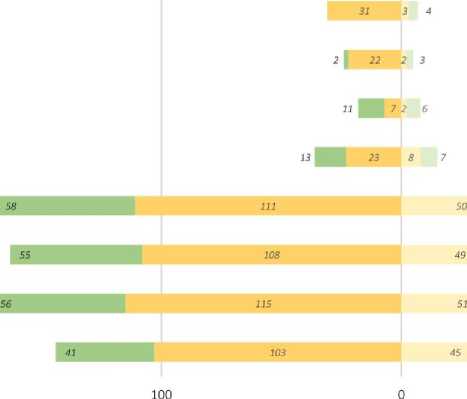
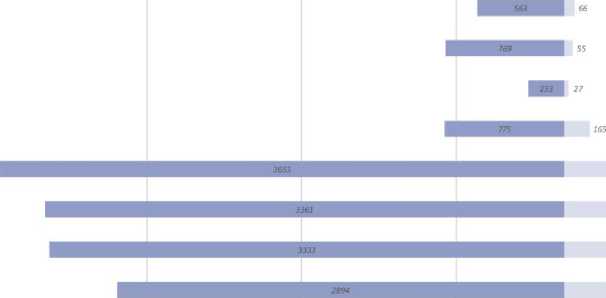
Финляндия и Норвегия являются европейскими арктическими соседями России и имеют общую сухопутную границу. Швеция, официально вступившая в НАТО 7 марта 2024 г., долгое время до этого привлекала туристов из России своими северными округами, арктическими территориями Вестерботтен и Норрботтен, а также городами Кируна и Лулео. Швеция, Финляндия и Норвегия имеют развитый и организованный этнографический продукт, широко используют элементы богатой скандинавской культуры, мифологию, которая вызывает интерес и формирует высокий туристский спрос у россиян. На рис. 1 и 2 отражена динамика туристских прибытий между Норвегией, Швецией, Финляндией и Россией в 2016–2023 гг., а также представлены показатели общего въезда и выезда (рис. 1 и рис. 2). Применение диаграммы торнадо для обоих графиков позволило акцентировать внимание на показателях туристских прибытий по отдельным странам за год, а также дать наглядное отображение показателя суммарного туристского потока за исследуемый период8.
Турпоток между Норвегией, Швецией и Россией, 2016-2023 гг.
Число туристских прибытий, тыс. поездок
2023 г.
2022 г.
2021 г.
2020 г.
2019 г.
2018 г.
2017 г.
2016 г.
Турпоток из Норвегии в Россию Турпоток из Швеции в Россию Турпоток из России в Норвегию Турпоток из России в Швецию
Рис. 1. Туристский поток между Норвегией, Швецией и Россией в 2016–2023 гг.9
На обоих графиках отчётливо видно, что туристский выезд из России в арктические страны, такие как Норвегия, Швеция и Финляндия, превышает показатели въезда туристов из этих стран в Россию. Из анализа представленных данных следует вывод: туризм в зарубежные арктические дестинации достаточно популярен у россиян, при этом предпочтение отдаётся соседним с Россией странам — Финляндии и Норвегии. Снижение динамики на диаграмме также наглядно демонстрирует резкий спад туристского рынка и спроса в период пандемии COVID-19 (2020–2022 гг.) относительно «доковидного» периода, переходящий в низкие показатели периода, который коррелирует с началом специальной военной операции (СВО) на Украине.
Существенные различия в тройке групп показателей между Финляндией, Норвегией и Швецией исторически обусловлены международными, дипломатическими и торговыми отношениями СССР и России с Финляндией. В связи с высоким уровнем конкуренции Финляндии и Мурманской области, обусловленной схожей спецификой туристского предложения и рядом исторических факторов, в настоящем разделе исследования с целью определения перспектив развития Мурманской области более подробно рассматривается современный финский туристский трек.
Турпоток между Финляндией и Россией, 2016-2023 гг.
Число туристских прибытий, тыс. поездок
Турпоток из Финляндии в Россию
2022 г.
2021 г.
2020 г.
S9S
J3J9
2019 г.
2018 г.
2017 г.
2016 г.
■ Турпоток из России в Финляндию
Рис. 2. Туристский поток между Финляндией и Россией в 2016–2023 гг.10
Для России и Финляндии двусторонние туристские отношения были наиболее прочными и стабильными, что объяснялось как ближайшим соседством, так и историческим прошлым, экономическими связями, торговым сотрудничеством и социальными факторами. В 2009 г. региональный директор национального туристского бюро Visit Finland в России Сари Ламменсало отмечала, что Россия в целом и Москва в частности являются для Хельсинки первым туристическим рынком и необходимо продолжать эффективный маркетинг в РФ11. В 2010-х гг. Финляндия была особенно популярна среди россиян ввиду лёгкой транспортной доступности, активных бизнес-поездок предпринимателей и экспертов разных сфер обеих стран, привлекательной стоимости организации групповых и индивидуальных горнолыжных и экотуров с лесным отдыхом и рыбалкой в сравнении с российскими арктическими регионами, сложившейся традиции активных поездок
СЕВЕРНЫЕ И АРКТИЧЕСКИЕ СОЦИУМЫ
Тимошенко Д.С. Российский арктический туризм в эпоху санкционного давления … «выходного дня» на железнодорожном транспорте из Санкт-Петербурга, развитого направления «шоп-туров» в Финляндию и «гастро- и алкогольных» туров финнов в Россию, а также большого числа международных семейных связей граждан Финляндии и РФ, что, безусловно, стимулировало дополнительный туристский поток с личными целями.
Определённое охлаждение международного и экономического сотрудничества наступило в 2014 г., когда Финляндия, как член ЕС, присоединилась к экономическим и политическим санкциям «коллективного Запада» в связи с событиями в Крыму и на Донбассе, введённым в отношении России, на которые Москва ответила зеркально. Туристская сфера при этом практически не была затронута. Однако очередной виток дипломатического и экономического напряжения был связан с началом СВО, когда Хельсинки прекратил выдачу туристических виз россиянам и ограничил въезд российских туристов в страну с 30 сентября 2022 г., в том числе через сухопутную границу. Национальное туристское бюро Visit Finland прекратило свою маркетинговую деятельность в России. Финляндия, наряду с другими странами БСМ, стала поставлять Украине всё больше вооружения и другой военной помощи, параллельно наращивая при этом свой ВПК. В 2023 г. финансирование Финско-российского общества дружбы было остановлено. Россияне, проживающие в Финляндии, столкнулись с дискриминацией, в том числе и в ходе допуска к объектам туристского осмотра во время внутренних поездок12. Однако Финляндия начала испытывать острую нехватку российских туристов. В общей сложности государство не досчиталось около миллиона человеко-ночей из России, а число туристских прибытий из-за рубежа сократилось примерно на пятую часть от показателя 2019 г. Снизился показатель числа гостей азиатского рынка, которые в основном прилетали в Хельсинки через российский транзит. В лучшие для туризма времена перелёт из Токио осуществлялся над Россией и занимал около девяти часов. В 2023 г. путешествие из Токио до Хельсинки увеличилось до 14 часов, что существенно сократило возможность повторных прибытий. По оценкам Статистического управления Финляндии, в 2023 г. дефицит составил около 1 млрд евро, что вызвано отрицательной динамикой въездного туризма (16,3 млрд евро в 2019 г. против 15,3 млрд евро в 2023 г.). Предпринимательская активность на востоке и юго-востоке Финляндии начала приходить в упадок из-за отсутствия целевого рынка — туристов из России. Финские туристские компании предпринимают попытки переориентации на европейских и североамериканских туристов. Например, Finnair , стратегия которой прежде основывалась на Азии, инвестировала бюджеты в Соединённые Штаты13.
-
4 апреля 2023 г. Финляндия официально вступила в НАТО, тем самым обострив геополитическую напряжённость БСМ. 1 мая 2023 г. посольство РФ в Хельсинки отметило, что база некогда тесного и взаимовыгодного двустороннего сотрудничества между Россией
СЕВЕРНЫЕ И АРКТИЧЕСКИЕ СОЦИУМЫ
Тимошенко Д.С. Российский арктический туризм в эпоху санкционного давления … и Финляндией практически полностью разрушена14.
В результате двухлетнего отсутствия российских туристов осенью 2024 г. власти Финляндии приняли решение о выделении порядка 7 млн евро на развитие туристской индустрии и повышение конкурентоспособности предприятий в восточных регионах страны, граничащих с Россией, чтобы вернуть добрососедские отношения в туризме15. При этом в октябре 2024 г. власти Финляндии наложили арест на участок пляжа, принадлежащий российскому государству и использовавшийся для отдыха дипломатов (17,3 га земли и 3,5 га морских акваторий). В Хельсинки и на Аландских островах конфисковано минимум пять других объектов недвижимости, принадлежащих россиянам, среди которых Российский центр науки и культуры в Хельсинки16. Данные действия вызывают скорее удивление, нежели желание идти навстречу в вопросах международной дипломатии и укрепления добрососедства. Для сравнения, 31 января 2025 г. президент Финляндии Александр Стубб подписал распоряжение о предоставлении Украине 27-го пакета военной помощи стоимостью 198 млн евро, а общая стоимость военной техники, уже поставленной Финляндией Украине, на конец января 2025 г. составила 2,5 млрд евро17.
В настоящее время наибольший спад международного туризма Финляндии зафиксирован в области Южная Карелия. Если в 2019 г. в регионе было зарегистрировано более 230 тысяч ночёвок иностранных туристов, в том числе российских, то в 2024 г. их количество составило чуть более 30 тысяч. Локальные компании теряют доходы от туризма, приносимого иностранными туристами. В Южной Карелии в рекордном для туризма 2019 г. внутренний и въездной международный туризм принёс туркомпаниям области более 35,5 млн евро. Сокращение международного туризма означает для Хельсинки сокращение доходов области от туризма на 9 млн евро. Отмечается, что внутренних туристов недостаточно, чтобы удержать на плаву все туркомпании Восточной Финляндии. По мнению Сюзанны Марккола, руководителя проекта национального туристского офиса Финляндии Visit Finland , турфирмы в регионе Саймы находятся в тяжёлом положении, многие из них испытывают трудности, отмечаются случаи закрытия, что связано с отсутствием спроса на услуги18.
Норвегия, по сравнению с Финляндией, отличалась более высоким «средним чеком», однако российские любители спортивного, горнолыжного, экологического, экстремального туризма и рыбалки стремились получить уникальный туристский опыт в стране викингов и троллей. Этому способствовали активная маркетинговая и рекламная деятельность норвежского офиса по туризму Visit Norway в Москве и Санкт-Петербурге, наличие действовавшего на тот момент Генерального консульства Норвегии в Мурманске, транспортная доступность, а также поддержка на межгосударственном и международном экспертном уровне в рамках деятельности профильных рабочих групп Российско-норвежской межправительственной комиссии и специализированных туроператоров скандинавского направления. По данным опроса туристов, проведённого в Норвегии в 2014 г., более 80% граждан России приезжали в страну с целью отдыха на природе. На втором месте по популярности — осмотр природных достопримечательностей, знакомство с местной кухней и историей. Более трети опрошенных туристов являлись повторными туристами. Около 40% туристов из России приезжали самостоятельно, порядка 30% прибегали к помощи турфирм19.
В период начала СВО и активного санкционного давления стран БСМ обострился вопрос блокады деятельности России на Шпицбергене, однако в настоящее время российское экономическое и научное присутствие на архипелаге расширяется и наращивается. В мае 2024 г. Норвегия прекратила выдачу виз российским туристам. Стоит отметить, что Швеция не прибегала к подобной мере.
В 2025 г. страны Балтии и всего «коллективного Запада» продолжают дискриминировать российских туристов в нарушение основ Хартии туризма и Кодекса туриста 1985 г., а именно ст. 1, ст. 2, ст.3, ст. 4, ст. 5 и других статей20. Министр внутренних дел Латвии Рихардс Козловскис призвал страны Европейского Союза последовать примеру Латвии и запретить выдачу шенгенских туристических виз гражданам России, ссылаясь на угрозу для внутренней безопасности ЕС. Выступая на заседании Совета ЕС по юстиции и внутренним делам в Брюсселе, он заявил, что государства-члены «морально обязаны отказать в такой услуге»21.
По линии сотрудничества Совета Баренцева / Евроарктического региона (СБЕР), Арктического совета, «Северного измерения» ЕС в БСМ происходят необратимые процессы. С 9 марта 2022 г. страны Северной Европы и ЕС приостановили сотрудничество с Россией в рамках СБЕР, Арктического совета и «Северного измерения» Евросоюза 22 . РФ как арктическая держава и Мурманская область как один из ключевых арктических регионов играли значительную роль в международной деятельности упомянутых объединений в целях устойчивого развития всей Арктики. 27 марта 2025 г. Хельсинки сообщил, что Финляндия прекратила действие соглашения между Финляндией, Норвегией, Россией и Швецией о создании международного Баренцева секретариата по сотрудничеству в Баренцевом / Евроарктическом регионе с 1 января 2025 г. (вступит в силу с 1 января 2026 г.), что подрывает и сотрудничество в области туризма23.
В июле 2025 г. Генеральный секретарь НАТО Марк Рютте в беседе с Президентом США Дональдом Трампом сообщил, что страны, среди которых Дания, Швеция, Финляндия, Канада и Германия, готовы продолжать оказывать усиленную финансовую поддержку Киеву: «Украина сможет получить действительно огромное количество военной техники, как для ПВО, так и для ракет, боеприпасов и так далее», — отмечая, что переброска оборудования из Европы на Украину будет осуществляться быстро24.
В августе норвежское правительство выпустило заявление о поставке приоритетной американской военной техники для Украины через НАТО, в соответствии с которым Швеция, Норвегия и Дания планируют совместно финансировать очередную инициативу «Список приоритетных потребностей Украины» (Prioritised Ukraine Requirement List, PURL). Общая стоимость пакета обозначенной поддержки составит 500 млн долларов США, из которых около 135 млн долларов США (1,5 млрд норвежских крон) — прямой вклад Осло25. При этом 19 августа 2025 г. было опубликовано Совместное заявление министров иностранных дел стран Северной Европы и Канады о поддержке Украины, которое было сделано в Нууксио, Финляндия. В нём говорится о продолжении и усилении давления на военную экономику России, сохранении действующих ограничительных мер, введении дополнительных санкций. «Россия представляет долгосрочную угрозу европейской безопасности», — сказано в совместном заявлении министров иностранных дел «Северной пятёрки» (Nordic Five, N5) Финляндии, Швеции, Норвегии, Дании, Исландии и Канады26.
С начала СВО Швеция направила около 83 млрд шведских крон (примерно 7,4 млрд евро или 8,6 млрд долларов США) на военную поддержку Украины27. Норвегия направила Киеву около 141,6 млрд норвежских крон (приблизительно 11,9 млрд евро или 13,8 млрд долларов США), при этом в 2025 г. партии Стортинга договорились увеличить поддержку Украины на 50 млрд норвежских крон. Общий объём финансирования Украины Норвегией был увеличен до 205 млрд норвежских крон28. Военная помощь Финляндии Киеву составила примерно 2,7 млрд евро, гуманитарная — около 1 млрд евро29.
Широкомасштабное спонсирование и поддержка врага России, усиленные санкционным давлением на Москву, перечёркивают многолетние усилия России и стран Балтийско-Скандинавского макрорегиона по налаживанию добрососедских отношений и сотрудничества в сфере международного политического и экономического взаимодействия.
Все вышеперечисленные факторы ставят вопрос о бесспорной своевременности и высокой актуальности срочной выработки новых стратегий и тактики в отечественном туризме на национальном и региональном уровнях, разработке эффективных практических шагов и методических решений по замещению зарубежных туристских предложений недружественных России стран отечественным конкурентоспособным турпродуктом. Сложившаяся экономическая и внешнеполитическая ситуация позволяет предположить, что при должном уровне сервиса, инфраструктуры, ценовой политики и повышении качества предлагаемого туристского продукта дестинации Российской Арктики, среди которых большое стратегическое и геополитическое значение имеет Мурманская область, обладают высоким потенциалом для перенаправления потока россиян, стремившихся в зарубежные страны за арктическим туризмом, в российскую Фенноскандию, предложив им неповторимый отдых и богатый ассортимент конкурентоспособных туристских продуктов у себя на Родине.
Законодательная база туристского развития Мурманской области
Амбициозные цели развития АЗРФ нашли своё отражение в серии правительственных документов. Вектор социально-экономического, туристского и инфраструктурного развития Мурманской области как форпоста АЗРФ и Северного морского пути — мощнейшей транспортной артерии — просматривается в реализации задач, изложенных в п. 20 Стратегии развития АЗРФ и обеспечения национальной безопасности на период до 2035 года.
Мурманская область (далее — МО) расположена на северо-западе европейской части РФ и составляет 144,9 тыс. км2. С запада на восток протяжённость составляет около 550 км, с севера на юг — 400 км. Практически вся территория области лежит за Северным полярным кругом и располагается на Кольском полуострове. Границы области: на юго- западе — Республика Карелия, на западе — Норвегия и Финляндия30. Данное положение делает регион, с одной стороны, привлекательным для развития туризма и активных путешествий, а с другой — обязывает укреплять позиции, обеспечивая безопасность на границах, проявлять неустанную бдительность по отношению к силам внешнего воздействия, служить форпостом Российской Федерации.
В мае 2020 г. была создана территория опережающего социально-экономического развития «Столица Арктики» (ТОР «Столица Арктики»). В Стратегии развития АЗРФ и обеспечения национальной безопасности на период до 2035 г. комплексному инфраструктурному развитию Мурманской области посвящён п. 20, каждый из подпунктов определяет туристский вектор экономики (пп. а, ж, з, к). Помимо законодательства федерального уровня, на территории МО сложилась региональная нормативно-правовая база индустрии туризма и гостеприимства, действуют стратегически важные распоряжения правительства региона.
В 2021 г. в рамках Стратегии социально-экономического развития Мурманской области до 2020 года и на период до 2025 года31 была утверждена «Стратегия развития туристско-рекреационного кластера Мурманской области на 2021–2025 годы» (далее — Стратегия). В ней обозначены цели и задачи развития туристско-рекреационного кластера Мурманской области (далее — ТРК МО), выделены опорные пункты развития туризма, локальные субкластеры, проведён анализ целевых рынков сбыта. Так, стратегической целью развития ТРК МО отмечено развитие туристской индустрии Мурманской области путём повышения её конкурентоспособности32. К целевым видам Стратегия относит активный природный туризм, предполагающий использование природных ресурсов Мурманской области, культурно-познавательный, гастрономический, лечебно-оздоровительный, промышленный (индустриальный) туризм.
Состояние развития туристского рынка Мурманской области
В соответствии с целевыми показателями развития туристско-рекреационного кластера Мурманской области в 2023 г. общий туристский поток должен был составить 35 423 чел. (из них 4 535 иностранных и 30 888 российских туристов), количество коллективных средств размещения — 144 ед., общий объём платных туристских услуг и услуг средств размещения — 1 735,73 млн руб.33 Фактически объём платных услуг превысил отметку в 5 996,00 млн руб. уже в 2022 г. По данным Росстата, турпоток в 2023 г. составил 492 213 поездок, среди которых 469 275 были совершены россиянами и 22 938 иностранными туристами. После резкого спада в «ковидный» 2020 г. темпы туристских прибытий соотечественников в Мурманскую область стали резко наращиваться, а темпы прибытий иностранных туристов в 2022 г. достигли минимума за последние 10 лет. Динамика въездного туристского потока в Мурманскую область периода 2012–2023 гг. отражена на рис. 3.
Туристский поток Мурманской области, 2012-2023 гг.
2023 г.
2022 г.
2021 г
2020 г.
2019 г.
2018 г.
2017 Г.
2016 г
2015 г.
2014 г.
2013 г.
2012 г.
ЗЕ262
75 25 125 225 325425
Число туристских прибытий, тыс. поездок
Число туристских прибытий иностранных граждан Число туристских прибытий граждан России
Рис. 3. Въездной туристский поток Мурманской области 2012–2023 гг., тыс. прибытий34
Отметим, что Стратегия принималась до начала СВО, при высоком уровне конкуренции скандинавских стран и большом числе частых и регулярных поездок россиян к своим родственникам и друзьям, находящимся в странах Балтийско-Скандинавского макрорегиона.
Согласно данным Росстата, в 2023 г. объём платных услуг населению в сфере туризма в МО составил около 6 млрд рублей, что на 36,4% больше, чем в 2022 г. В 2020 г. данный показатель составил 1,9 млрд руб., в 2021 г. — 4,2 млрд руб., в 2022 г. — 4,4 млрд руб.35
На 1 декабря 2024 г. на территории Мурманской области действует 70 туроператоров въездного и внутреннего туризма.
По данным экспертных исследований, основными посетителями МО являются молодые люди (18–34 лет) из Москвы и Санкт-Петербурга с доходами среднего или выше среднего уровня. Основные цели посещения: природа и животный мир (35%), визит к родственникам и друзьям (28%), осмотр достопримечательностей (26%). Средняя продолжительность поездки — 12 дней. Средняя стоимость поездки — 69 369 руб.36
Стоимость туров в МО на 2025 г. на 5 дней / 4 ночи при условии проживания в гостинице 3* варьируется от 70 тыс. руб. до 220 тыс. руб. за человека. С помощью технологий анализа big data определено, что в сезон 2022–2023 гг. было направлено 1,9 млн поисковых запросов на категорию «северное сияние», в 2023–2024 гг. — 2,4 млн запросов, т. е. отмечается 25%-й рост интереса россиян к наблюдению авроры, за которой туристы отправляются чаще всего в МО и Архангельскую область, Республику Коми, Карелию, Красноярский край, Ямал и Якутию37.
Динамика ВРП и объём платных услуг туризма и гостеприимства Мурманской области отражены на рис. 4. Отмечаем положительную динамику увеличения доли туризма в ВРП региона, усиление социально-экономических позиций и влияния на инвестиционный климат региона.
Валовый региональный продукт Мурманской области (в основных ценах, млрд, руб.), 2015-2023 гг.
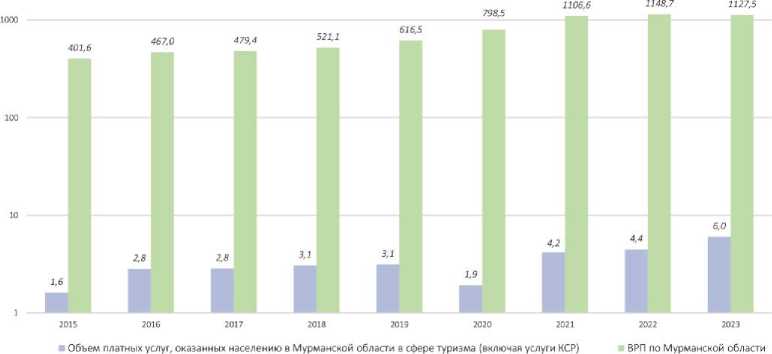
Рис. 4. ВРП и объём платных услуг туризма и гостеприимства Мурманской области (в основных ценах, млрд руб.)38.
С введением национальной программы развития туризма и оказания господдержки в виде субсидий, налоговых ставок и прочих мер, отмечается положительная динамика в росте количества коллективных средств размещения (КСР) в Мурманской области. В 2024 г. общее число КСР МО, включая предприятия общего и специального назначения, среди
СЕВЕРНЫЕ И АРКТИЧЕСКИЕ СОЦИУМЫ
Тимошенко Д.С. Российский арктический туризм в эпоху санкционного давления … которых гостиницы, базы отдыха, кемпинги, санаторно-курортные организации, туристические базы и т. д., составило 262 единицы39. Для сравнения, в 2012 г. аналогичный показатель по всем видам КСР составил 122 единицы. Таким образом, за последние 12 лет Мурманская область удвоила количество средств размещения в сфере туризма и гостеприимства (рис. 5).
Исследуя вопросы социально-экономического развития Мурманской области, эксперты выделяют негативные факторы: проблемы на рынке труда, в сфере охраны здоровья, отсутствие качественного и доступного медицинского обслуживания, низкое качество образования, высокие потребительские расходы, низкий уровень безопасности, а также недостаточное количество культурно-досуговых учреждений и спортивных сооружений (Самарина, Скуфьина, Серова, 2024). Решение этих проблем способно наиболее благоприятно повлиять на повышение качества жизни населения и качества рекреационных услуг для гостей Мурманской области.
Коллективные средства размещения в Мурманской области, 2012-2024 гг.
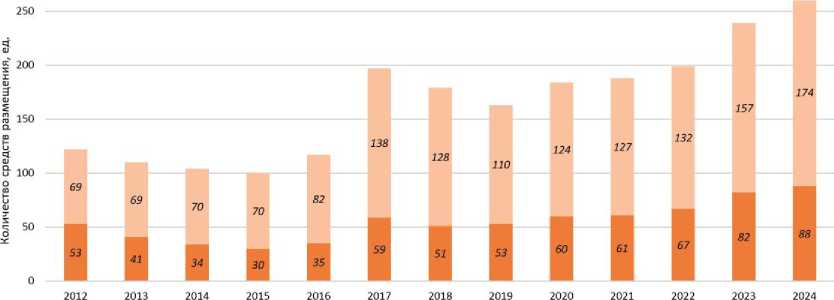
■ Специализированные средства размещения Гостиницы и аналогичные средства размещения
Рис. 5. Коллективные средства размещения в Мурманской области, 2012–2023 гг., (ед.)40.
В настоящее время актуальным является вопрос необходимости разработки концепции развития арктических креативных индустрий в АЗРФ (Красильников, 2024), без которых невозможно прогрессивное и устойчивое развитие туризма в современном и будущем его понимании. Эффективная реализация госпрограмм41 позволит существенно улучшить как комплексную туристскую инфраструктуру, так и укрепить туристский имидж региона.
Туристская транспортная система Мурманской области
Наличие ж/д, автотранспортного и авиасообщения делает порт Мурманск первым мультимодальным арктическим хабом (Васёха, Яроцкая, Никифорова и др., 2022). В 2023 г. пассажиропоток международного аэропорта «Мурманск» имени Николая II, одного из важнейших авиатранспортных узлов на севере РФ и самого крупного аэропорта за Полярным кругом, составил 1,4 млн чел.42 За 10 месяцев 2024 г. пассажиропоток составил 1,2 млн чел., что на 3,9% больше показателя 2023 г., обработано 2 599,865 т грузов и почты (рост грузооборота составил 42,1% по сравнению с 2023 г.). Наиболее востребованные направления: Москва, СПб, Архангельск, Казань, Калининград, Сочи, Череповец43. Белавиа и Smartavia обеспечивают прямое сообщение с Минском 44 . Регулярная пассажирская перевозка осуществляется компаниями Nordwind Airlines, Pegas Fly, S7 Airlines, Smartavia, Аэрофлот, ООО «ДЖЕТИКА», «Победа», «Россия», «Северсталь». Nordwind Airlines активно расширяет географию прямых и трансферных полетов в Казань, Уфу, другие города45. В 2024 г. пассажиропоток составил 1,5 млн человек, введено в эксплуатацию 4 новых аэровокзальных комплекса. В аэропорту «Мурманск» разрабатывается новый терминал, архитектура которого будет отражать Русский Север, продвигать туристский имидж региона46.
В 2024 г. Мурманский ж/д вокзал, услугами которого ежегодно пользуются порядка 310 тыс. пассажиров, отметил 70-летие47. География железнодорожной перевозки широка: СПб, Москва, Смоленск, Псков, Саратов, Новороссийск, Адлер, Анапа, Севастополь (перевозчики ООО «РЖД/ФПК» и «Гранд Сервис Экспресс» (Таврия)).
ООО «РЖД» активно популяризирует арктический туризм. С 31.01.2024 по 02.09.2024 г. осуществлялся ж/д круиз «В Арктику на Поезде Деда Мороза». Маршрут Москва — СПб-Петрозаводск — Мурманск — Сортавала — Москва составил 5 дней / 6 ночей48. В 2025 г. «РЖД» предлагает 7-дневный ж/д круиз «Русский Север» (запуск 30.05.2025 г.). Кольцевой маршрут из Москвы идёт через Великий Устюг, Архангельск, Беломорск, Мурманск (Териберка), Петрозаводск, Сортавала и Выборг, объединив в себе жемчужины туризма АЗРФ49. На 31.10.2025 г. запланирован запуск 5-дневного ж/д круиза по северным городам через Мурманск «К северному сиянию», соединяющего экскурсионным маршрутом Москву,
СЕВЕРНЫЕ И АРКТИЧЕСКИЕ СОЦИУМЫ
Тимошенко Д.С. Российский арктический туризм в эпоху санкционного давления … Петрозаводск, Мурманск, Беломорск и Вологду50. Также РЖД начали перевозить автомобили пассажиров на еженедельном поезде № 92/91 (Москва — Мурманск), с максимальным размещением 4 автомашин или 14 мотоциклов 51, что также расширяет возможности организации авто- и мототуризма на территории МО.
Серьёзными препятствиями для межрегионального развития железнодорожного и авиационного сообщения Мурманской области в настоящее время являются атаки и диверсионная работа противника, поставки его сторонниками дальнобойных видов оружия, а также связанные с ними нарушения в штатной работе графиков поездов, следующих в Мурманск, и в работе отправляющих и принимающих аэропортов. Это особенно характерно, начиная с 2022 г., для всей западной части России: атаки дронов и БПЛА на гражданские объекты, подрывы критически важной инфраструктуры, различного рода диверсии в европейских регионах России и террористические акты со стороны Украины.
Транспортное обслуживание населения и гостей Мурманской области осуществляется транспортными средствами по маршрутам регулярных перевозок автобусного парка, пригородного железнодорожного транспорта, а также с помощью теплохода «Клавдия Еланская» 52.
В 2025 г. в период с 22 по 29 июля стоимость 8-дневных круизных туров на теплоходе «Ленин» из Санкт-Петербурга составила от 115 320 руб. на человека, однако посещение Мурманска в маршруте предполагает трансфер на поезде из Свири53.
При этом высокоширотный туризм и арктические круизные туры являются крайне дорогостоящими. Стоимость 12-дневного круиза «На ледоколе к вершине планеты» на атомном ледоколе «50 лет Победы» на даты 02–14 июля и 13–25 июля 2025 г. с отправлением из Мурманска начиналась от 3,2 млн руб. и доходила до 5 млн руб.54 В июле 2024 г. тур на 12 дней в каюте «люкс» составил 6,96 млн руб.
Финансовая поддержка развития туристской инфраструктуры Мурманской области
В 2022–2024 гг. был принят ряд мер поддержки туриндустрии. Правительство области в 2022 г. обеспечило субсидии субъектам туриндустрии, дополнительно — субъектам на развитие придорожного сервиса, экотуризма, а также на поддержку общественных инициатив, направленных на создание модульных некапитальных средств размещения.
В 2023 г. правительством региона был организован запрос предложений от юридических лиц и ИП на финансовое обеспечение части затрат по поддержке инвестиционных проектов по созданию модульных некапитальных средств размещения; осуществлялась финансовая поддержка в форме субсидии из областного бюджета субъектам туриндустрии внутреннего и въездного туризма Мурманской области; выделена федеральная субсидия на приобретение и монтаж модульных некапитальных средств размещения при реализации инвестиционных проектов.
В 2024 г. в рамках реализации национального проекта субъектам внутреннего и въездного туризма Мурманской области выделена субсидия из областного бюджета (от 3 до 7 млн руб.) при условии софинансирования собственными средствами в проекте не менее 50% от запрашиваемой суммы. Целевое использование: развитие национальных туристских маршрутов «Заполярный калейдоскоп» и «От Баренцева до Белого», создание объектов кемпинг-размещения и приобретение туристского оборудования.
Заключение
Подводя промежуточные итоги, стоит отметить, что на протяжении многих лет Российская Арктика не была конкурентоспособной в вопросах организации качественного отдыха, уступая своим соседям и странам Балтийско-Скандинавского макрорегиона (Финляндия, Норвегия, Швеция и др.)
Туристские дестинации Балтийско-Скандинавского макрорегиона обладают богатой историей развития, многолетними целевыми инвестициями на микро-, мезо- и макроуровнях. Они характеризуются высоким уровнем профессионализма специалистов на местах, развитой инфраструктурой туризма и гостеприимства, значительным опытом оказания туристских услуг и подготовки высококвалифицированных туристских кадров.
Туризм способен внести весомый вклад в изменение образа Мурманской области как исключительно поставщика сырья и периферийного региона.
Несмотря на активное продвижение Мурманской области как туристской дестинации и повышенный интерес со стороны потенциальных потребителей туристских услуг арктического региона, ключевыми проблемами туриндустрии Мурманской области, как и других северных регионов, остаются кадровый дефицит, неравномерный уровень туристского и гостиничного сервиса, недостаточная развитость туристской инфраструктуры и недостаточный опыт качественного обслуживания российских и иностранных путешественников.
Анализ экономических показателей демонстрирует увеличение потенциального сегмента арктического туризма и рост интереса к нему на отечественном рынке, однако не свидетельствует об однозначной готовности граждан к высоким тратам. В Мурманской области растёт число средств размещения, количество туроператоров, работающих в сфере внутреннего и въездного международного туризма. Уверенный рост показывает также количество туристских прибытий россиян и иностранных гостей в Российскую Арктику. Растёт доля туризма и сопутствующих услуг в валовом региональном продукте. Повышается прозрачность туристской экономики в арктических регионах.
В связи со сложившейся внешнеполитической обстановкой и санкциями европейских стран, являющихся ближайшими соседями, рассматривается вопрос о взвешенном и осторожном налаживании связей и стабилизации международных отношений с северными соседями в двустороннем формате в сфере туризма, а также в рамках официальных арктических и туристских организаций. Необходимо максимально эффективно использовать подходящий момент для развития внутреннего, въездного и международного туризма Мурманской области.
