
Some Bioecological Characteristics of the Species of Canids Distributed in the Gizilaghaj National Park of the Republic of Azerbaijan
Journal: Bulletin of Science and Practice @bulletennauki
Section: Естественные науки
Article in issue: 6 т.12, 2026.
Free access
Carnivorous animals play a key role in maintaining the health and resilience of ecosystems. Although these species are often viewed as harmful and dangerous around the world, they actually perform several important functions. Thus, these creatures are an integral component of ecosystems, playing a crucial role in regulating the numbers of sick and old individuals within populations of both carnivores and prey species. At the same time, carnivores serve as “keystone” species by maintaining herbivore and rodent populations at normal levels. In recent years, the impacts on wildlife have been steadily intensifying due to increasing human activity. The reduction and fragmentation of habitats due to human exploitation of natural resources, along with the inability to obtain sufficient food resulting from decreased prey populations in the wild, negatively impact these animals. Industrial development, forest fires, tourism expansion, as well as illegal and excessive hunting, lead to the loss of their natural habitats. Although such activities and disasters affect all living organisms, many scientists agree that human impact constitutes a global issue and poses a significant threat, particularly to carnivores. Our studies of mammal species inhabiting the Gizilaghaj National Park, their bioecological characteristics, and population dynamics play a crucial role in assessing the role of these creatures in the ecosystem and their functions in protecting complex living systems.
Similar articles in the section Mammalia (mammals)
Short address: https://sciup.org/14138226
IDS: 14138226 | UDC: 599.742.1 | DOI: 10.33619/2414-2948/127/16
Распространённые в Кызылагачском национальном парке Азербайджанской Республики виды семейства псовых и некоторые их биоэкологические особенности
Хищные животные играют важную роль в обеспечении здоровья и устойчивости экосистем. Несмотря на то что во всём мире эти виды зачастую воспринимаются как вредные и опасные, они выполняют ряд важных функций. В частности, регулируя численность больных и старых особей как среди других хищников, так и среди видов-жертв, хищные млекопитающие являются неотъемлемой частью экосистем. Кроме того, контролируя численность травоядных и грызунов, хищники выполняют роль «ключевых видов». В последние годы в результате усиления человеческой деятельности воздействие на диких животных постоянно возрастает. Сужение и фрагментация ареалов обитания вследствие хозяйственной деятельности человека, а также сокращение численности добычи в природной среде и, как следствие, нехватка пищи оказывают негативное влияние на эти виды. Развитие промышленности, лесные пожары, рост туризма, а также незаконная и чрезмерная охота приводят к утрате их естественной среды обитания. Хотя подобные факторы и природные катастрофы воздействуют на все живые организмы, многие учёные сходятся во мнении, что антропогенное воздействие на глобальном уровне представляет серьёзную проблему и особенно угрожает хищным млекопитающим. Проведённые исследования, направленные на изучение видов млекопитающих, распространённых на территории Кызылагачского национального парка, их биоэкологических особенностей и динамики популяций, играют важную роль в оценке значения этих животных в экосистеме и их функций в сохранении сложных природных систем.
Text of the scientific article Some Bioecological Characteristics of the Species of Canids Distributed in the Gizilaghaj National Park of the Republic of Azerbaijan
Бюллетень науки и практики / Bulletin of Science and Practice
UDC 599.742.1
A total of 23 species belonging to 7 orders of the class Mammalia are distributed in the territory of the Gizilaghaj National Park (hereinafter referred to as the "National Park"). Among these species, seven, belonging to three families within the order Carnivora, are widely distributed. During the review of literature sources and our field research, three species of the family Canidae (red fox, golden jackal, and gray wolf) were observed in the National Park. This article examines and analyzes some bioecological characteristics of representatives of the canine family living in the National Park. The main objective of the study was to investigate food sources, territorial behavior, interactions with other species, as well as factors negatively affecting the numbers of these creatures, which perform important ecological functions in various ecosystems within the National Park.
As a result of the analysis of monitoring conducted and census data collected in the National Park over different years, a decline in the number of individuals of all three species of the family was observed. The most abundant species in the research area was the golden jackal, and the least abundant species was the gray wolf. Jackals were easily observed throughout the National Park at various times of the day.
Representatives of the family are considered one of the most studied and important groups in zoology, both in terms of their evolutionary history, the ecological functions they perform, and their interactions with humans. Canids represent the upper levels of the trophic chain in ecosystems and play an important role in controlling the number of individuals in populations. Their activities within ecosystems play a crucial role in sustaining and protecting biological diversity, as well as in maintaining trophic balance. At the same time, representatives of this family require significant protection, as they face threats from human activity, habitat loss, climate change, and hunting. Representatives of the family in the various ecosystems of the National Park ensure the sustainability of these areas. These animals are considered beneficial because they help regulate populations of rodents and other carnivores, including diseased individuals, and are protected within the National Park. However, due to factors such as climate change, various diseases, and human activity, these animals are endangered and face significant risks.
The research presented in this article, in addition to examining the biodiversity of the National Park and analyzing the habitats of large carnivores in the study area, can contribute to the development of both existing and new ecotourism routes.
Materials and Methods
Research materials were primarily collected through field surveys conducted in various areas of the National Park during different seasons of 2025 and 2026. Both route and stationary observation methods were employed to study representatives of the family. Observations were conducted visually while moving through various habitats (open sandy areas, meadows, dense thickets, and small water body surroundings), along different selected routes, observation points, and roads within the National Park. In addition, traces, food remains, and excrements of representatives of the species were analyzed [2, 4, 8].
In pre-selected areas of the National Park, the trails used by these species were studied and traces of these animals were recorded. In this study, the tracks of each species within the family were examined at both the species and individual levels. The average number of tracks recorded at all stations over the course of the day was subsequently calculated. The primary reason for selecting this method is the absence of foreign food and odors, as the National Park is largely situated away from residential areas. Another advantage of this method is that observing these animals, given their low population density, secretive behavior, and wide distribution, using other methods is both difficult and economically unfeasible. This method has also allowed for the simultaneous collection of information on several species [2].
In addition to the above, fund materials from the National Park and oral information provided by its staff were also utilized in the preparation of this article.
Analysis and discussion
Carnivores, which constitute the core of the National Park’s theriofauna, predominantly lead a secretive lifestyle. These animals mainly use the dry parts of the area, dried riverbeds, and small hills around water channels as resting and hiding places. Representatives of the species are also mainly observed in these areas. These animals are active throughout the year [5].
Social relationships among the species included in the family have not been studied in depth. Therefore, there is a lack of scientific resources for studying social relationships among these species. Interactions between these species consist mainly of competition for food and territory. However, there are some observations indicating positive social relationships between the red fox and the golden jackal. During the research, the relationships between these species were continuously observed for 2 years [1].
We have investigated and analyzed a number of bioecological characteristics of all three representatives of the canids distributed in the National Park: the gray wolf ( Canis lupus ), the golden jackal ( Canis aureus ), and the red fox ( Vulpes vulpes ).
Gray wolf (Canis lupus Linnaeus, 1758) — It is the largest carnivore observed in the National Park. Based on the results of research conducted within the National Park over several years, a decline in the number of gray wolves was observed, despite the protected status of the territory (Table).
Table
RESULTS OF THE CENSUS OF SOME SPECIES OF THE CANIDS IN THE GIZILAGHAJ NATIONAL PARK IN DIFFERENT YEARS
Species name (scientific name) Number by years
|
2006 |
2012 |
2016 |
2018 |
2024 |
2026 |
|
|
Gray wolf ( Canis lupus ) |
109 |
90 |
69 |
62 |
63 |
61 |
|
Golden jackal ( Canis aureus ) |
2458 |
3710 |
2640 |
2930 |
2860 |
2920 |
|
Red fox ( Vulpes vulpes ) |
212 |
220 |
190 |
210 |
206 |
220 |
General appearance — adult individuals are 130-170 cm long, 69-80 cm high at the shoulder, 64-75 cm high at the withers, 220-264 mm long at the skull, and weigh between 26-45 kg. Their jaws are extended forward and relatively pointed. The front (chest) part of the body is wider than the back. The outer surface of the pinna is hairy and erect. The fox's tail is relatively short, the tip and upper surface covered with long black hairs. There is thick hair along the edges and between the front and back paws. In winter, the fur becomes dense and long. The fur color is uniform. The colors in our republic are homogeneous and differ very little in different areas. Although the overall color of the fur remains constant, there are great differences between individuals. Fur coloration undergoes seasonal changes [7].
No color differences are observed between males and females. The color of the hairs in the summer coat of adults is light gray, rust, and a mixture of these. The hairs around the mouth are white. Young individuals can sometimes be confused with the golden jackal (Canis aureus) , another carnivore common in our republic.
Habitat – Daytime resting places of wolves and their den areas during the breeding season are located in well-protected and secluded sites, usually near water sources.” Hunting areas vary, and their size usually depends on the abundance and characteristics of the prey. These animals, which occupy the top of the food pyramid, are observed in different parts of the National Park in both winter and summer. Thus, representatives of the species are observed in various terrestrial ecosystems, including open areas, plains, tall grasses, and the edges of dense shrubs. Its den is larger than that of a fox. It lives mostly alone or in small groups, except during the breeding season. Wolves are rarely observed along the seashore [12].
Food – The primary diet of these animals consists of medium- and large-sized mammals. Our research indicates that the feeding habits of wolves are seasonal. The type of prey shows clear differences, particularly in the winter and summer seasons. In summer, within the National Park, this species primarily feeds on wild boar (Sus scrofa) , the sole representative of the order artiodactyles in the area. In winter, its main diet consists of gray hare (Lepus euporaeus) , various bird species, small rodents, and etc. Although no cases of wolf attacks on domestic animals have been recorded due to the abundance of food in the area, such attacks may increase when food availability declines, particularly during harsh winters. In addition, the wolf's diet also includes brock, foxes, weasels, and other medium-sized mammals. Wolves successfully hunt waterfowl in the National Park, particularly during the moulting season. There have also been instances of wolves consuming eggs and young chicks of large birds. It is known that the dietary sources of wolves vary significantly with the seasons. This is attributed to changes in carnivore lifestyle.
Dens and burrows– Wolves primarily use dense thickets and areas away from people as shelters. In the windy and humid climate of the National Park, these animals show a preference for burrow areas. In summer, they are observed in open areas during dry and calm conditions following a period of warming. However, in the summer, wolves do not move far from the dens where their cubs are located. Within the National Park, wolf dens are mostly located in dense thickets and on small hills. Dens typically have one to three entrances. The soft sandy and sandy-clay soils in this area provide ideal conditions for denning. Dens are mainly located near water bodies (no farther than 500 m). Rotting food remains are often observed around the dens.
The research identified three seasons based on the annual cycle of social dynamics in wolf packs [3].
-
1. The coupling period lasts from February 1 to April 20. During this period, wolves form pairs and move together, while the female actively searches for a suitable den site.
-
2. The rearing period of the young lasts from April to October. During this period, the young born into the pack mostly roam within the breeding area until they reach adult stage and become independent.
-
3. The post-breeding period covers the months from November to January. During this period, the number of individuals in the pack fluctuates, and the number of individuals searching for food within the same area increases.
According to the Bern Convention, the gray wolf must be protected as a component of biodiversity in all European countries, including our republic. This species plays a crucial role in regulating vertebrate populations across various ecosystems and in maintaining ecosystem health. Conservation efforts in the national park are critically important for protecting this species, whose numbers are declining due to global climate change and habitat loss. Human-wolf conflicts arise when wolves attack settlements, particularly targeting domestic animals, due to reduced food availability— especially during winter—which often leads to their killing by humans (Figure 1). This species is listed as LC (Least Concern) according to the IUCN (International Union for Conservation of Nature) assessment. Wolves are also included in Appendix II of the Bern Convention on the Conservation of European Wildlife and Natural Habitats [13].
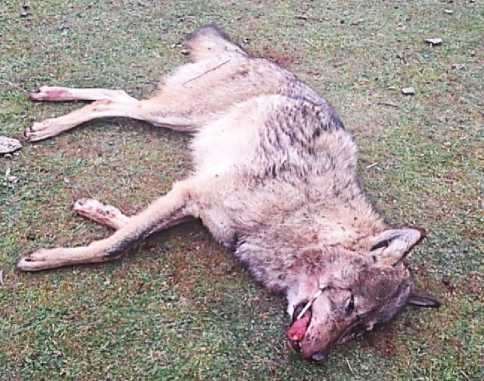
Figure 1. A gray wolf killed by locals for attacking domestic animals (Azerbaijan, 2025)
Factors negatively affecting gray wolf populations are initially categorized into three groups [7].
-
1. Anthropogenic causes: Illegal hunting (using firearms or traps, or poisoning); Transport-related mortality (deaths from collisions with vehicles or trains); Other reasons.
-
2. Natural causes: Disease or starvation; Intraspecific fighting (killing by other wolves); Other causes (drowning, etc.).
-
3. Unknown deaths.
Golden jackal ( Canis aureus Linnaeus, 1758) is very widespread in the world. It is found in North and Northeast Africa, and along the west coast of Africa from Senegal to Egypt. It is distributed in Morocco, Algeria, and Libya in the north, and in Nigeria, Chad, and Tanzania in the south. Representatives of the species have also spread and expanded their habitat from the Arabian Peninsula to Western Europe, and eastward to Turkey, Azerbaijan, Syria, Iran, Central Asia, and the entire Indian Peninsula. The distribution area of this species in the Caucasus mainly includes plains and foothills. Sometimes, representatives of this species can be found in low and even middle mountain belts. In our republic, jackals are not observed above an altitude of 800–900 m. However, in autumn, individuals searching for fruit may ascend to altitudes of up to 1,000 m in Zagatala. In the Talysh Mountains, they are found almost everywhere, even at an altitude of 1,700 m (the highest distribution altitude in the former USSR). In the south of our republic, this species is widespread in the Talysh Mountains and the Lankaran Lowland, further north on the Absheron Peninsula, and in the foothills of the Greater Caucasus in the north. In the west, it is found along the plains of the Alazan and Kura river basins. In the southwest, the foothills of the Lesser Caucasus form the boundaries of the range.
This species is found only on Kurdili Island among the Caspian islands. The movement of carnivores on this island, part of which belongs to the National Park, was facilitated by the freezing of the bay’s waters during harsh winter months [7].
The jackal is most widely distributed in our republic within the Caucasus region. For instance, between 1931 and 1940, 9,400 individuals were recorded in our country. During that period, this figure was 2,300 individuals in Georgia and a few in Armenia [7].
General appearance: although the jackal's appearance is very similar to a wolf, it is much smaller in size, weighs less, has short legs, a relatively elongated body, and a shorter tail. The golden jackal is considered the largest species of jackal. Its body length is 70-105 cm, and its tail is on average 25 cm long (approximately 1/3 of its body length). The tail generally extends to the heel of the hind limbs or slightly below and is always held in a downward, hanging position. Its height usually varies between 38-50 cm. The average weight of adults ranges from 8 to 14 kg, with males typically about 15% heavier than females. The length of the skull is less than 200 mm. Although the skull resembles that of a wolf in its basic features and overall appearance, it is smaller in both mass and size. Females have slightly smaller heads than males. Although their teeth are sharp and strong, they are thinner than those of wolves. The legs are longer than those of other members of the genus, while the paws are slender and the pads are small. This species, with a body weight ranging from 8 to 14 kg, is larger than the red fox but smaller than the gray wolf [10].
The fur of the golden jackal is coarse and harsh, with a predominantly golden coloration. However, fur color is seasonal. Thus, the fur color can vary from creamy yellow to dark yellowbrown shades depending on the season. The fur on the waist is a mixture of black, brown, and white. Its color can also vary depending on the biotopes in which individuals are distributed. The abdomen is lighter in color. The light-colored markings on the throat and chest areas of the jackal, which differ from one another, allow individuals from different populations to be distinguished. The edges of the lips and the area around the lower jaw are dirty white in color. The tail is densely covered with hair, and the tip may be yellowish-brown or black. As a result of summer moulting, the fur becomes sparser, coarser, and shorter; its color is similar to the winter fur, but brighter (Figure 2). There are no sexual differences based on color. Newborn jackal cubs have softer fur and can range in color from light grey to dark brown [7].
The social behavior of the golden jackal varies greatly depending on the abundance and distribution of food resources. They primarily form socially monogamous pairs and defend their territories against other pairs. Individuals have been observed aggressively repelling intruding jackals and marking their territory in various ways. The selected territory is sufficiently large for jackal cubs to remain with their parents until they reach adulthood, at which point they can hunt independently and establish their own territories.
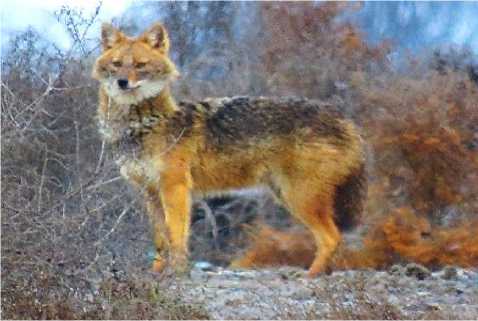
Figure 2. Golden jackal (Canis aureus) (Photo: Ramil Hasanov, 2026)

The golden jackal is considered a less specialized species than other representatives of the genus Canis; the main reason for this is the relatively short facial structure and, as mentioned earlier, the slightly underdeveloped teeth. For these reasons, their prey mainly consists of birds, rodents, lower vertebrates, insects, and carrion. This indicates that they are considered both carnivores and scavengers.
Food: Within the territory of the National Park, its main food consists of birds such as the black francolin ( Francolinus francolinus ), common coot ( Fulica atra ), common moorhen ( Gallinula chloropus ), as well as various species of ducks and sparrows. Numerous instances of jackals preying on birds have been documented in the area, particularly during the autumn and spring migration periods in the National Park. During harsh winters, due to the freezing of water bodies, nutria (Myocastor coypus) and various species of ducks become major components of the jackal’s diet. During the studies, it was observed that jackals increase their hunting activity and cache the surplus food during periods of abundance. Observations conducted in the coastal areas of the National Park revealed that jackals feed on dead fish, injured waterfowl, and mollusks. During summer, jackals are observed more frequently near water sources within the study area. This behavior allows them to meet their water requirements during the hot months. Consequently, during these periods, jackals are rarely encountered in the interior areas of the National Park.
The feeding habits of the golden jackal are seasonal, indicating its adaptation to using minimal energy to obtain food. In summer and autumn, jackals feed on plants and small rodents. In spring, they may hunt young wild boars. Overall, instances of consuming dead animals and carcasses have been documented. Thus, aside from hunting small mammals and, occasionally, wild boar piglets, it may be regarded more as a scavenger than as a carnivore [10].
There are no recorded instances of them using the remains of animals hunted by the gray wolf as food, because the gray wolf drives them away from its territory and has been observed killing them [6].
Analysis of food items revealed that many small mammals, which constitute the jackal’s primary diet, are agricultural pests. Thus, these animals play an important role in regulating pest populations. Studies show that various species of rodents (e.g., field vole ( Microtus arvalis )) are hunted, exceeding more than 20 kg per individual per year. This means approximately 400 individuals [10].
Dens and burrows – Jackal dens in the National Park are primarily located in dense thorny bushes (such as blackberry or paliurus) or reed beds. The depth of these dens is approximately 2 m. The den is dug by the female and male in turns. Sometimes they build their dens in old burrows abandoned by foxes or badgers. Jackals inhabit these dens as family units (male, female, and cubs). When the cubs reach 2–2.5 months of age, they leave the den and begin to explore the surrounding area.
The golden jackal usually hunts alone, occasionally in pairs, and sometimes in groups of three to four individuals. In very rare cases, hunting in small packs was observed. Jackals have been observed hunting nutria in the canals within the National Park, pursuing them from both banks and capturing them effectively. During periods of drought and harsh winters, jackals can hunt nutria independently.The golden jackal leads a predominantly crepuscular and nocturnal lifestyle, spending most of the day in its burrow, leaving it before sunset and returning to it at dawn, sometimes even later. During our monitoring in the National Park in February 2024, up to 20 jackals were observed along a 10 km route during the daytime under partly foggy conditions. This suggests that they are frequently active during the daytime in the winter months.
In recent years, the jackal’s habitat in the National Park has gradually narrowed due to the declining water level of the Caspian Sea and the reduction of reed beds in coastal areas. These animals are mainly found in areas of the National Park with dense trees, thorny shrubs, and thick reed beds, where prey and small rodents are abundant. During our monitoring of the National Park, common jackals were not observed in open areas lacking dense thickets. Individuals were mainly observed in areas with dense bushes. Dense thickets, primarily composed of blackberries and other shrub-like plants, provide unique conditions for these animals. Here they mostly coexist with other carnivores.
Factors affecting their numbers – As a result of conservation efforts in the National Park, jackals have long been free from persecution in this area and are not fearful of humans. During monitoring, jackals were approached by car to within approximately 20 meters. However, outside the National Park, owing to their boldness and fearlessness, jackals are frequently trapped or killed using poisoned bait. Jackals coexist in competitive interactions with other species in the National Park. They mainly compete with foxes, reed cats, and wolves for food and territory. The red fox and the gray wolf are displacing the golden jackal. In addition, golden jackals can become infected with viral diseases typical of carnivores and are susceptible to mass mortality.
One of the factors negatively affecting the jackal population in the National Park and along the Caspian Sea coast is mortality due to starvation and cold during periods of heavy snowfall. During periods when the waters in the National Park freeze, caused by the freezing of the Boyuk and Kichik Gizilaghaj Bays, jackals venture onto the ice and take shelter in the dense reed thickets. As a result of sudden ice melt, they are unable to reach the shore and frequently drown.
Based on the results of our studies conducted at different times within the National Park, our findings indicate that the number of golden jackals has varied over the years. This is influenced by a number of factors (climate, food, diseases, etc.). Their number peaked in the area in 2012, reaching 3,710 individuals (Table).
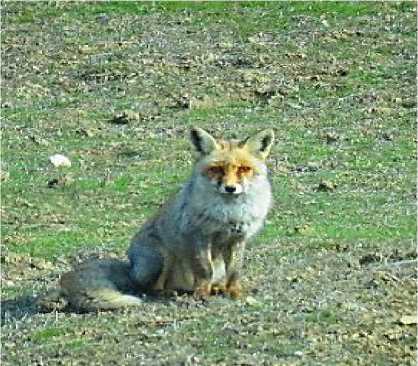
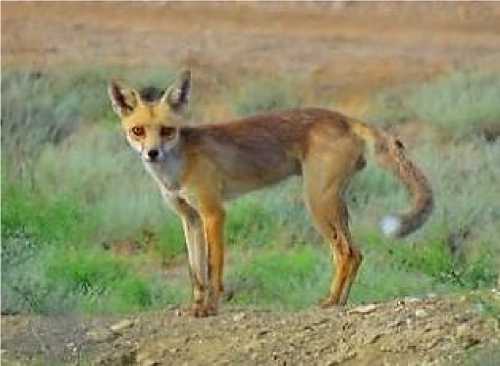
Red fox (Vulpes vulpes Linnaeus, 1758). General appearance The body is elongated, and the legs are relatively short. The tail is long, usually more than half the length of the body, and when the animal is standing, it reaches the ground. The nose is long and pointed. The appearance differs slightly between summer and winter, depending on the characteristics of the fur. In summer, the red fox exhibits a thin appearance due to its short fur. The pointed, erect ears on the head are particularly prominent. In the winter months, foxes appear plump and compact due to their dense fur, and their ears appear shorter because the base of the ears is covered with long hair. During this period, the tail appears longer and larger, and its total length, including the hair on it, is almost equal to the body length (Figure 3).
a
Figure 3. Red fox ( Vulpes vulpes ). In winter (a) and summer (b) fur (Photo: Ramil Hasanov, 2025 (b), 2026 (a))
b
The size of foxes varies considerably depending on age, sex, and individual characteristics. However, an analysis of literature data shows that there is a lack of sufficient and accurate information about the sizes of these animals. Adult individuals have a body length of 49–90 cm; tail length (excluding the hair in the tip part) 53–60 cm; ear length 7.7–12.5 cm; and shoulder height 35–50 cm. The skulls of females differ from those of males in size and structure. The maximum skull length in males is 129–167 mm, and in females 128–159 mm [7].
The distribution range of foxes is quite wide. Representatives of this species are widely distributed from the Arctic Ocean southward to North Africa, Arabia, and the northern part of the Indochina Peninsula. In North America, they can occur in areas from the north of the continent to the Gulf of Mexico. The extensive range of this species has resulted in several changes in certain characteristics among its representatives, related to geographical conditions. Different sources report the presence of 2, 4, 5, or even 8 subspecies of foxes in the Caucasus region [7]. The absence of pigmentation in the fur of foxes common in our republic is easily noticeable. In our country, subspecies of the red fox ( Vulpes vulpes ) exhibit a gray back and sides, as well as a distinctly visible reddish-gray coloration along the spine, sometimes with yellowish tones. The foxes observed during monitoring in the National Park exhibited a ‘red-gray’ coloration (Figure 3).
Based on our analysis of literature data and photographs taken in the National Park, we conclude that the observed foxes belong to the subspecies V. v. alpherakyi (Satunin, 1905) (Eastern TransCaucasian fox). The general color of these individuals is a dirty rusty-gray or brown. Bright reddish individuals have been observed depending on the families. Their fur is short, rough, and sparse. They are small in size, with males measuring 132–139 mm in skull length and females measuring 121–126 mm, and adults weighing up to 4 kg.
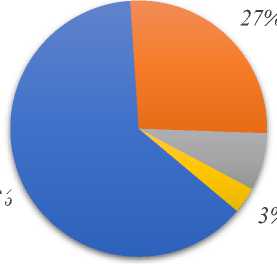
The red fox is the most widely distributed carnivore in the country [11]. Representatives of this species are particularly predominant in the semi-desert and foothill regions of our republic (Figure 4).
63%
7%
Semi-desert
Plain forests
Beech-walnut forests
Alpine pastures
Figure 4. Distibution of foxes in different ecosystems in Azerbaijan (in percent)
The absence of snow cover in these areas in different years or the long-term absence of snow cover allows for a year-round food base. Conditions in such areas are favorable for their reproduction. An increase in fox numbers is observed in our republic due to the expansion of arable land, conversion of forested areas into scrublands through thinning, the growth of tall shrubs and forests in semi-desert and sparsely vegetated areas, the construction of artificial irrigation systems, acclimatization efforts, and other human activities.
Foxes can be found throughout the terrestrial areas of the National Park. Thus, during our monitoring, foxes were also observed on the sandy terrains along the seacoast. Additionally, the biotopes dominated by foxes in the study area include bushes surrounding fish passage channels, tall grasses growing on the sites of small dried-up lakes, and dense reed beds around the Kichik and
Boyuk Gizilaghaj Bays. Foxes searching for food can be observed near various water bodies and in open areas.
Diet – Foxes are euryphagous animals. Consequently, their diet comprises over 300 animal species and dozens of plant species. They feed mainly on small rodents. The basis of the food base is made up of representatives of the genus Microtus (field vole). Rodents are known to sometimes constitute the entire diet of foxes, but rarely their share is less than 10%. Foxes rarely feed on birds. This primarily depends on factors such as ecosystem type, season, and weather conditions and etc. The dominant bird species are perching birds (Passeriformes) , fowl-like birds (Galliformes) , and waterfowl. However, foxes often feed on insects and other invertebrates, as well as fruits, seeds, and soft parts of plants. During our summer research, foxes have been observed around small lakes with lowering water level. Here they hunt fish or other aquatic creatures. When snow cover is thick, particularly in the second half of winter, ice formation hampers the hunting of small rodents. As a result, the primary food source of foxes consists of various bird species present in the National Park. However, they can also feed on dead animal carcasses from nearby settlements [7].
Dens and burrows – In the National Park area, dens are primarily located at the bases of low sandy areas, in water-eroded ravines and ditches, and near various abandoned buildings. Den sites are consistently selected in locations distant from the coast and flood-prone areas. The dug dens can be reused for several years. The depth of fox dens varies from 0.5 to 2.5 m and does not reach groundwater. Once the cubs grow older, they move to new dens due to the accumulation of parasites in the original dens. The daily activity of adults depends largely on nutrition. As a result of conservation efforts in the National Park, foxes are now observable both during daylight and at dusk. The preferred hunting times are primarily early in the morning and during the evening hours before sunset. When adults leave the den to hunt, the cubs ‘play’ near the den, but quickly retreat into the den if they sense danger. The cubs are initially fed with milk and later with prey brought to the den by their parents. Males participate in feeding the cubs only during the first few days and then cease their involvement. In the fall, the cubs leave the den and begin to forage independently.
Factors affecting its numbers – The common fox faces few enemies in nature. In the National Park, its main competitors are the gray wolf and the reed cat ( Felis chaus ). Among the large birds of prey common in our republic, the steppe eagle ( Aquila nipalensis ), the golden eagle ( A. chrysaetos ), and the eastern imperial eagle ( A. heliaca ) can sometimes hunt foxes and their cubs. During periods of food scarcity, various diseases and intraspecific competition (frequent bites and cannibalism) have been observed among hungry and exhausted foxes. Foxes are also carriers of the rabies virus. The main threats to foxes in the National Park include severe fires in reed and shrub areas, deaths caused by flooding of dens and burrows due to heavy rains and rising water levels, ingestion of rodenticides, and other related factors. Fatalities also occur among these animals due to specific diseases and parasites (Figure 5). Foxes die from conflicts with competitors of other species, accounting for 2– 12% of total mortality [7].
The red fox’s fur is commercially valuable. Therefore, they have been hunted en masse over the years. Since they feed primarily on various species of rodents, they prevent their mass reproduction and are therefore considered important for agriculture. During the day, foxes consume approximately 300 g of meat and may kill up to 15 common field vole (Microtus arvalis) . This number increases further when the fox is caring for her cubs (during the summer).
Our research indicates that despite the fact that the National Park has unique conditions for the survival of representatives of this species, over the past 20 years there has been no increase in the number of representatives of this species, and their numbers have remained relatively stable (Table). This is due to the high number of golden jackals, larger carnivores, inhabiting the area.
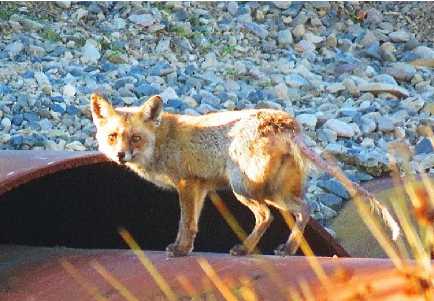
Figure 5. A fox that has lost part of its fur due to parasites (Photo: Ramil Hasanov, 2026)
Currently, increasing anthropogenic pressures directly or indirectly affect all living beings, including carnivores. Their number decline is influenced both by direct hunting as pests, for valuable fur, use of some species in folk medicine, trapping and farming on private farms, and by habitat destruction, reduction of food sources, and climate change. Furthermore, the gray wolf (Canis lupus), golden jackal ( Canis aureus ), and red fox ( Vulpes vulpes ), which also inhabit our research area venture beyond the National Park boundaries in search of food, and, unfortunately, are sometimes killed in road accidents. During our monitoring in the National Park in January 2026, a dead jackal was found on the roadside, just 10 km from the main entrance (Figure 6).
The Gizilaghac National Park is of great importance in the protection of carnivores widespread in our republic. As a result of conservation measures implemented in the National Park, not only the individuals of these species but also their habitats, key ecosystems, food bases, dens, and burrows are protected. Another conservation measure involves preventing the transmission of diseases and parasites carried by these animals through contact with domestic animals. However, cases of disruption of genetic diversity resulting from interactions between gray wolves and domestic dogs have also been reported, leading to the emergence of hybrid individuals.
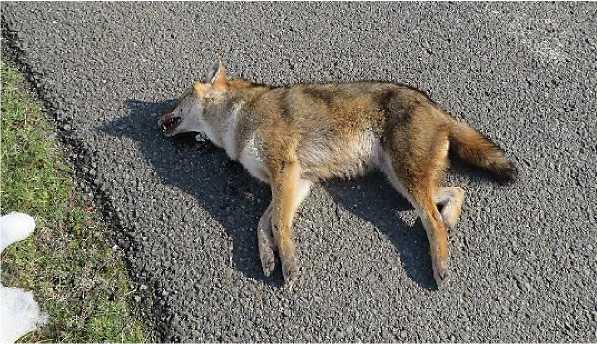
Figure 6. Dead golden jackal on the roadside near the Gizilaghaj National Park (38054’36” N 48054’35” E). (Photo: Ramil Hasanov, 2026)
Suggestion and conclusions
-
1. Considering the ecological roles and benefits of these species, further strengthen their protection within the National Park; conduct periodic awareness-raising events and meetings for the local population, particularly targeting young people and schoolchildren; install warning signs inside and around the National Park to minimize risks to humans when encountering these animals; and
-
2. In the coming years, various methods (such as spotlight counts, aerial surveys, etc.) can be employed to assess the presence of additional family representatives and to evaluate the current status of existing species’ populations in the National Park.
-
3. Since representatives of this family are among the few natural enemies of the nutria ( Myocastor coypus ), an invasive species introduced into the National Park, they play a significant role in controlling their numbers and protecting local species.
-
4. The most common carnivore species of this family within the National Park was the golden jackal, while the least common was the gray wolf.
-
5. Of the three species inhabiting the National Park, the golden jackal has suffered the most from anthropogenic factors.
-
6. Due to the decline in Caspian Sea levels caused by climate change, reductions in the range and numbers of carnivore species have been observed.
place warning signs along highways and establish ecological crossings to enhance the protection of these species.
