
Stroke in Patients with COVID-19: Current Perspectives on Epidemiology, Pathophysiological Mechanisms, Clinical Features, and Outcomes (Systematic Review).
Бесплатный доступ
Introduction. Coronavirus disease 2019 (COVID‑19), caused by SARS-CoV‑2, is associated with systemic complications, including cerebrovascular events. Stroke is one of the most severe neurological complications of COVID‑19 and is linked to increased mortality, disability, and poor functional outcomes. Aim. To summarize current evidence on the epidemiology, mechanisms, clinical features, and outcomes of stroke in patients with COVID‑19. Materials and Methods. A structured PubMed/MEDLINE search was conducted for original clinical studies published between December 2019 and March 2026. The search was limited to English-language human studies; preprints were excluded. Study selection was conducted within a PRISMA-guided structured narrative review framework. The quality of observational studies was assessed using the Newcastle–Ottawa Scale, and findings were synthesized qualitatively. Results. Twelve original clinical studies comprising a total of 513,055 participants across the included study populations were included in the qualitative synthesis. COVID‑19‑associated stroke was most often ischemic and frequently accompanied by large-vessel occlusion, elevated inflammatory and coagulation markers, cryptogenic mechanisms, and severe neurological deficits. Studies showed heterogeneity in patient populations, COVID‑19 severity, stroke subtype, biomarkers, and outcomes. Proposed mechanisms include endothelial dysfunction, hypercoagulability, systemic inflammation, cardiac complications, and hypoxemia. Conclusion. COVID‑19 should be considered an important precipitating factor for cerebrovascular complications, particularly ischemic stroke. Early neurological assessment and individualized risk stratification may improve outcomes.
Короткий адрес: https://sciup.org/14139173
IDS: 14139173 | DOI: 10.32415/jscientia_2026_12_3_5-15
Острое нарушение мозгового кровообращения у пациентов с COVID-19: современные представления об эпидемиологии, патофизиологических механизмах, клинических особенностях и исходах (систематический обзор)
Введение. COVID‑19, вызванный SARS-CoV‑2, ассоциирован с системными осложнениями, включая цереброваскулярные события. Острое нарушение мозгового кровообращения (инсульт) является одним из наиболее тяжёлых неврологических осложнений COVID‑19 и связан с повышенной летальностью и неблагоприятными функциональными исходами. Цель. Обобщить современные данные об эпидемиологии, механизмах, клинических особенностях и исходах инсульта у пациентов с COVID‑19. Материалы и методы. Выполнен структурированный поиск в PubMed/MEDLINE оригинальных клинических исследований, опубликованных с декабря 2019 по март 2026 года. Поиск ограничивался англоязычными исследованиями с участием людей; препринты исключались. Отбор исследований проводился в рамках структурированного нарративного обзора, ориентированного на принципы PRISMA. Качество наблюдательных исследований оценивалось по шкале Newcastle–Ottawa, синтез данных выполнялся качественно. Результаты. В качественный синтез были включены 12 оригинальных клинических исследований с суммарным объемом исследуемых популяций 513 055 участников. COVID‑19‑ассоциированный инсульт чаще представлен ишемическим инсультом и нередко сопровождается окклюзией крупных сосудов, повышением воспалительных и коагуляционных маркеров, криптогенными механизмами и выраженным неврологическим дефицитом. Между исследованиями отмечалась гетерогенность по характеристикам пациентов, тяжести COVID‑19, подтипам инсульта и исходам. Основные механизмы включают эндотелиальную дисфункцию, гиперкоагуляцию, системное воспаление, кардиальные осложнения и гипоксемию. Заключение. COVID‑19 следует рассматривать как значимый фактор риска цереброваскулярных осложнений. Ранняя неврологическая оценка и индивидуализированная стратификация риска могут улучшить прогноз.
Текст научной статьи Stroke in Patients with COVID-19: Current Perspectives on Epidemiology, Pathophysiological Mechanisms, Clinical Features, and Outcomes (Systematic Review).
Since its emergence in late 2019, Coronavirus Disease 2019 (COVID-19), caused by Severe Acute Respiratory Syndrome Coronavirus 2 (SARS-CoV-2), has evolved into a global health challenge with substantial multisystem consequences [1]. Although initially characterized as a predominantly respiratory illness, subsequent evidence has demonstrated significant cardiovascular, hematological, renal, and neurological involvement [2–4]. Among these ex-trapulmonary manifestations, cerebrovascular complications have attracted increasing clinical and scientific attention [5].
Stroke represents one of the most severe neurological complications associated with COVID-19 [5–8]. Early cohort studies reported an incidence of acute cerebrovascular events approaching 1–2% among hospitalized patients, with ischemic stroke being the predominant subtype [6, 7]. More importantly, stroke occurring in the setting of COVID-19 has been associated with higher mortality, greater disability, large-vessel occlusion, and prolonged hospitalization compared with non-COVID stroke populations [9, 10].
The mechanisms linking SARS-CoV-2 infection and stroke appear to be multifactorial [11]. Proposed pathways include endothelial injury mediated through angiotensin-converting enzyme 2 (ACE2) receptors, systemic inflammation, cytokine-driven thrombo-genesis, platelet activation, cardiac injury with cardioembolism, and hypoxemia-related cerebral ischemia [12–14]. In addition, conventional vascular risk factors such as hypertension, diabetes mellitus, obesity, and atherosclerotic disease may amplify susceptibility to cerebrovascular events during acute infection [15–17].
Notably, several reports have described stroke in younger patients without advanced atherosclerotic burden, suggesting that COVID-19 may act as an independent prothrombotic trigger in selected individuals [15, 16]. Furthermore, growing evidence indicates that cerebrovascular risk may persist beyond the acute phase of infection, raising concerns regarding long-term vascular sequelae [18, 19].
Despite the rapidly expanding literature, uncertainty remains regarding the true incidence of stroke in COVID-19, its phenotypic characteristics, optimal prevention strategies, and long-term prognosis [17,
18]. Therefore, a comprehensive synthesis of currently available evidence is warranted. The aim of this review was to summarize contemporary data regarding the epidemiology, pathophysiological mechanisms, clinical features, and outcomes of stroke in patients with COVID-19.
SEARCH STRATEGY
A structured literature search was conducted in PubMed/MEDLINE to identify original studies evaluating stroke in patients with Coronavirus Disease 2019 (COVID-19). Papers published between December 2019 (the emergence of SARS-CoV-2) and March 2026 were searched using the following strategy: (“COVID-19” OR “SARS-CoV-2”) AND (“stroke” OR “ischemic stroke” OR “cerebrovascular”). The search was limited to studies published in English and involving human participants. Preprints were excluded. The study selection process was guided by selected principles of the Preferred Reporting Items for Systematic Reviews and Meta-Analyses (PRISMA), including identification, screening, eligibility assessment, and final inclusion in qualitative synthesis [20].
Eligibility Criteria
Only original clinical studies reporting stroke-related outcomes in patients with COVID-19 were included in the qualitative synthesis. Eligible studies comprised cohort studies, registry-based studies, retrospective and prospective observational studies, comparative clinical studies, population-based studies, case-control and case-crossover studies, self-controlled case series, and clinical case series involving human participants. Studies were included if they reported stroke incidence, stroke subtype, clinical characteristics, biomarkers, mortality, functional outcomes, or post-infectious cerebrovascular risk in relation to SARS-CoV-2 infection.
Studies focused exclusively on non-cerebrovascular neurological manifestations of COVID-19, experimental and preclinical studies, conference proceedings, editorials, reviews, systematic reviews, meta-analy-ses, letters without original clinical data, protocols, duplicate patient populations, and publications lacking stroke-specific outcomes were excluded. Studies were also excluded when methodological reporting
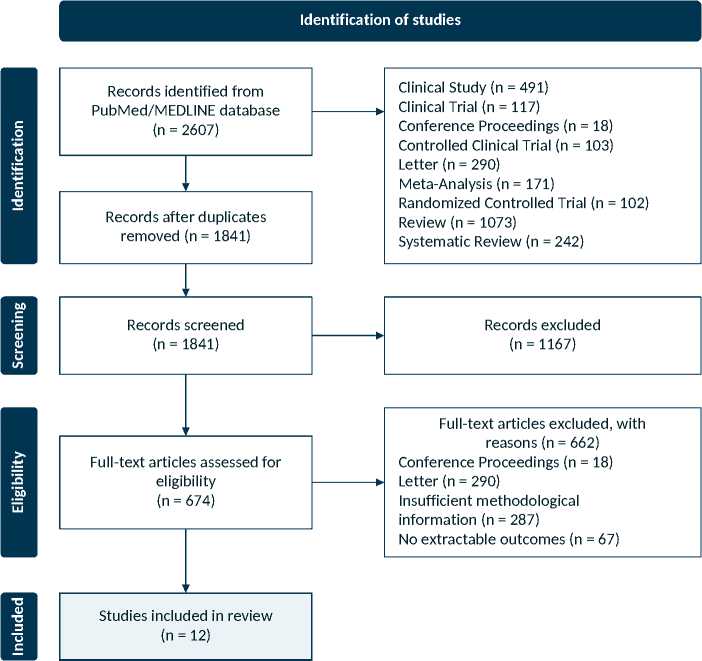
Fig. 1. Flow diagram outlining the study selection process according to the PRISMA framework
was insufficient to permit interpretation of stroke-related outcomes. This category included studies lacking a clear description of study design, patient selection criteria, diagnostic confirmation of stroke or COVID-19, outcome definitions, follow-up procedures, or essential statistical information required for qualitative assessment.
Study Selection and Data Extraction
Titles and abstracts were initially screened for relevance, followed by full-text assessment of potentially eligible articles. Data extracted from the included studies comprised country and study design, sample size, number of patients with COVID-19-associated stroke, age and sex distribution, inflammatory and coagulation biomarkers, frequency of large-vessel occlusion, mortality, and major clinical findings.
Quality Assessment
The methodological quality of the included observational studies was considered using the Newcastle– Ottawa Scale (NOS) [21]. Greater emphasis was placed on studies with larger sample sizes, multicenter registries, and clearly reported stroke-related outcomes. Studies with limited methodological transparency or highly selected populations were interpreted cautiously.
Qualitative Data Synthesis
The included studies were organized to provide a structured overview of the epidemiology, pathophysiological mechanisms, clinical characteristics, and outcomes of COVID-19-associated stroke. Extracted data included study design, sample size, patient characteristics, inflammatory and coagulation biomarkers, large-vessel occlusion, mortality, and major clinical findings. Particular attention was paid to inconsistencies between studies and heterogeneity in patient populations, COVID-19 severity, and reported outcomes. Due to methodological heterogeneity, findings were synthesized qualitatively rather than by formal meta-analysis.
The study selection process is summarized in the PRISMA flow diagram (Figure 1).
RESULTS AND DISCUSSION
Following PRISMA-guided screening, n = 12 original studies met the eligibility criteria and were included in the qualitative synthesis (Figure 1) [20]. The most common reasons for exclusion at the full-text stage were insufficient methodological reporting (n = 287), absence of extractable stroke-specific outcomes (n = 67), conference abstracts (n = 18), and letters without original clinical data (n = 290). Because the review focused exclusively on original clinical studies reporting stroke-specific outcomes in patients with COVID-19, the majority of retrieved records consisted of reviews, meta-analyses, letters, conference materials, or studies lacking extractable cerebrovascular data. The included studies varied substantially in design and objectives, including epidemiological cohorts evaluating stroke incidence, registry-based studies of stroke phenotype and outcomes, and populationlevel investigations assessing post-infectious cerebrovascular risk [7, 19, 22–27]. A summary of the main characteristics of the included studies is presented in Table 1.
Considerable heterogeneity was observed across studies regarding sample size, patient demographics, stroke subtype, severity of COVID-19, laboratory biomarkers, and reported outcomes. This heterogeneity may partly explain discrepancies in reported stroke incidence, mortality, and clinical phenotype across studies. Most included studies demonstrated moderate-to-high methodological quality according to the Newcastle–Ottawa Scale, with scores ranging from 4 to 9 points. Larger multicenter registries and population-based cohorts generally demonstrated higher methodological quality than small retrospective case series.
Stroke Incidence in Patients with COVID-19
Current evidence indicates that stroke occurs in approximately 0.7–2.0% of hospitalized patients with COVID-19, with higher rates reported among critically ill patients, intensive care unit admissions, and individuals with pre-existing cardiovascular disease [7, 22–27]. Ischemic stroke is the predominant subtype, whereas hemorrhagic stroke and cerebral venous thrombosis are less common [7, 23, 24]. Large registry data from the American Heart Association identified ischemic stroke or transient ischemic attack in 0.75% of 21,073 hospitalized patients, while other multicenter cohorts reported rates approaching 1.8% [7, 26, 28].
Several studies also suggest that cerebrovascular risk may persist beyond the acute infectious phase. Increased incidence of ischemic stroke has been reported for up to 9 months after SARS-CoV-2 infection, particularly in older adults and patients with metabolic or cardiovascular comorbidities [18, 19, 27].
In a retrospective cohort study from New York, ischemic stroke was diagnosed in 1.6% of adult patients with COVID-19 presenting to the emergency department or requiring hospitalization, which was higher than the corresponding rate among patients with influenza [22]. Notably, approximately 57% of cerebrovascular events occurred within the first three days after COVID-19 diagnosis, after which the risk gradually declined [19, 27].
Clinical Characteristics of COVID-19-Associated Stroke
Stroke occurring in the setting of COVID-19 demonstrates several distinctive features compared with conventional stroke populations. These include a higher frequency of large-vessel occlusion, elevated D-dimer and fibrinogen levels, increased inflammatory markers, and a substantial proportion of cryptogenic stroke [23–25]. Severe neurological deficits at hospital presentation have also been commonly described [7, 10, 25].
Importantly, several reports documented stroke in younger patients without advanced atherosclerotic burden, suggesting that SARS-CoV-2 infection may act as an independent thromboinflammatory trigger [15, 29]. In some cases, stroke was the first clinical mani-
Table 1
Characteristics, Key Findings, and Methodological Quality of Studies Included in the Qualitative Synthesis
|
Study |
Country |
Design |
Observation period |
Population |
Stroke outcome |
Key findings |
NOS |
|
Ф о ГМ ° N ГМ ф —Г 1 |
Retrospective comparative cohort |
March-May 2020 |
COVID-19 cohort n=1,916; influenza cohort n=1,486 |
Acute ischemic stroke: COVID-19 n=31 vs influenza n=3 |
Stroke frequency 1.6% vs 0.2%; adjusted OR 7.6 for ischemic stroke in COVID-19. |
8 |
|
|
"го FT 5 S' s s ГО СМ |
< |
Registrybased retrospective cohort |
March 2020-March 2021 |
21,073 hospitalized COVID-19 patients |
Acute ischemic stroke n=156 |
Stroke subgroup: median age 70 [60–79] years; elevated D-dim-er, CRP and troponin; higher ICU admission and mortality. |
8 |
|
8 ГМ "ГО ।—। |
5 Z |
Retrospective cohort |
March-April 2020 |
3,334 hospitalized COVID-19 patients |
Thrombotic events n=533; ischemic stroke n=54 (1.6%) |
Venous thrombosis 207/3,334 (6.2%); arterial thrombosis 86/3,334 (2.6%); elevated D-dimer. Event detection depended on imaging/testing availability. |
7 |
|
гм ГМ "га Ф о га 2 |
го -С 1 га 1с |
Retrospective observational cohort |
January 16-February 19, 2020 |
214 hospitalized PCR-confirmed COVID-19 patients |
Acute cerebrovascular disease n=6: severe COVID-19 5/88 vs non-severe 1/126; ischemic stroke n=5; cerebral hemorrhage n=1 |
Severe COVID-19 was associated with higher D-dimer and CRP. This is an early neurological manifestation cohort, not a pure stroke cohort. |
6 |
|
ГМ "га ф ю с ф |
Е о |
Retrospective neurology multidisciplinary team (MDT) case series |
April 9-May 15, 2020 |
43 patients with COVIDrelated neurological complications |
Stroke subgroup n=8; predominantly large-vessel ischemic stroke |
Stroke subgroup: median age 62.5 [27–85] years; 75% male; pulmonary embolism 4/8; elevated D-dimer in 6/6 tested; death 1/8. |
5 |
|
"го г___( ф 22j го о о " 2 |
"га |
Retrospective stroke case series |
March-April 2020 |
6 SARS-CoV-2-positive stroke patients |
Ischemic stroke n=4; hemorrhagic stroke n=2 |
Mean age 69 years; men 5/6; D-dimer >10,000 ng/mL; fibrinogen up to 700 mg/dL; CRP up to 298 mg/L; mortality 5/6. |
4 |
|
см гм "го ^ ‘го Z |
ю 1 щ ? = ф u с |
Multicenter observational study / Global COVID-19 Stroke Registry |
Mar–Jun 2020 |
174 patients with acute ischemic stroke and COVID-19 |
Acute ischemic stroke |
Median age 71 years; cryptogenic stroke 43%; severe neurological deficit common; in-hospital mortality 22.5%; frequent large-vessel occlusion |
8 |
Pathophysiological Mechanisms
The relationship between COVID-19 and stroke appears to be multifactorial. The principal inflammatory and vascular pathways implicated in COVID-19-associated cerebrovascular injury are summarized below. SARS-CoV-2 enters host cells through ACE2 receptors, which are expressed on vascular endothelial cells. Viral invasion and endothelial inflammation may lead to endothelial dysfunction, vasomotor dysregulation, and increased thrombotic susceptibility [11, 12, 30].
A second major mechanism is hypercoagulability, characterized by elevated D-dimer, fibrinogen, platelet activation, and increased risk of arterial and venous thrombosis [23, 31]. Persistent throm-boinflammatory activation has also been discussed as a possible contributor to post-infectious vascular sequelae after COVID-19 [32, 33].
Systemic inflammation and cytokine release may further promote plaque instability, platelet aggregation, and thrombus formation [13, 33, 34]. In addition, cardiac involvement — including myocarditis, arrhythmias, stress cardiomyopathy, acute coronary syndromes, and intracardiac thrombosis — may increase the risk of cardioembolic stroke [14, 35, 36]. Severe hypoxemia caused by pulmonary injury may also aggravate cerebral ischemia, particularly in patients with pre-existing vascular stenosis [37].
In addition to classical thromboembolic mechanisms, neuroimaging studies have described cytotoxic lesions of the corpus callosum, predominantly involving the splenium [38]. These abnormalities are thought to be associated with cytokine-mediated blood-brain barrier disruption and inflammatory white matter injury [39, 41].
Mortality and Functional Outcomes
Patients with concomitant stroke and COVID-19 generally experience worse outcomes than nonCOVID stroke populations. Studies consistently report higher in-hospital mortality, prolonged hospitalization, greater need for intensive care, and poorer functional recovery [9, 10, 24–26]. Recent reviews also confirm that COVID-19-associated stroke is often characterized by severe neurological deficit, large-vessel occlusion, and unfavorable functional outcome [31, 37, 40].
COVID-19-related stroke has also been associated with delayed hospital presentation during pandemic surges, reduced access to acute stroke pathways, and increased post-stroke disability [17, 40].
Clinical Implications
Taken together, current evidence supports the concept that COVID-19 should be regarded as an important precipitating factor for cerebrovascular events [31, 34, 37]. Early recognition of neurological symptoms, aggressive control of vascular risk factors, and individualized thromboprophylaxis may improve outcomes [17, 40].
Emerging evidence also suggests that vascular risk may persist beyond the acute infectious phase [18, 19, 32]. Further prospective studies are required to clarify optimal prevention strategies, the impact of vaccination, recurrent infections, and long-term secondary stroke prevention after SARS-CoV-2 infection [42, 43].
Limitations
This review has several limitations. First, despite the structured search strategy and PRISMA-guided study selection, this study represents a structured narrative review rather than a formal systematic review or meta-analysis. Second, substantial heteroge- neity existed across included studies regarding patient populations, COVID-19 severity, stroke subtype classification, biomarker assessment, and reported outcomes. Third, most included studies were retrospective observational cohort studies conducted during early pandemic phases, which may limit generalizability to later SARS-CoV-2 variants, vaccination periods, and evolving treatment strategies. Finally, publication bias and differences in healthcare systems may have influenced reported stroke incidence and outcomes.
CONCLUSION
COVID-19 should be regarded as an important risk factor for cerebrovascular complications, particularly ischemic stroke. Stroke development in patients with SARS-CoV-2 infection appears to be multifactorial and is associated with hypercoagulability, endothelial dysfunction, systemic inflammation, cardiac complications, and hypoxemia. COVID-19-associated stroke is frequently characterized by a more severe clinical course, higher mortality, and poorer functional outcomes. Early identification of high-risk patients, prompt recognition of neurological symptoms, and individualized thromboprophylaxis strategies may improve prognosis. Further studies are required to clarify long-term vascular risk, the impact of vaccination, and optimal approaches to secondary stroke prevention after COVID-19.
Funding: The authors declare that no funding was received.
Conflict of interest: The authors declare no conflict of interest.
