
The Potential of Industrial Tourism Sites in the Karelian Arctic
Journal: Arctic and North @arctic-and-north
Section: Northern and arctic societies
Article in issue: 61, 2025.
Free access
This article, devoted to unknown industrial sites in the Karelian Arctic, is based on materials from field research carried out in 4 regions of the Karelian Arctic: Segezhskiy, Belomorskiy, Loukhskiy, Kemskiy. The aim of the study is to analyze the potential for the development of industrial tourism in the Karelian Arctic based on expedition data in order to identify industrial tourism sites and develop recommendations for the formation of a new Concept for Arctic Tourism in the Russian Federation. During the study, four types of industrial tourism characteristic of the Arctic zone of the Republic of Karelia were identified: mining tourism; pulp and paper industry tourism; gastronomic tourism; water tourism. The development of the Kemsko-Belomorskaya agglomeration in the Arctic zone of the Republic of Karelia would enable year-round tourism activities, which would lead to growth in Arctic tourism. According to forecasts by the Government of the Republic of Karelia, tourist traffic to the Karelian Arctic will increase fivefold by 2035 (to 180,500 people). The practical objectives of the expedition were to identify and assess the potential of industrial tourism sites in the Karelian Arctic; to attract new audiences interested in non-standard types of tourism; to raise awareness of the geological and natural heritage of Arctic Karelia. The theoretical purpose of the expedition was to develop a concept for industrial tourism in the Karelian Arctic as part of the formation of a new Concept for the Development of Arctic Tourism in the Russian Federation. During the study, conclusions were made regarding the prospects for the development of industrial tourism in the Karelian Arctic, and the potential for development and risks were identified. The obstacles to the development of industrial tourism in the Karelian Arctic include the inconvenient location of industrial facilities and insufficient transport accessibility for tourists. The need to improve the infrastructure and transport accessibility of industrial facilities is a key factor for the development of industrial tourism.
Similar articles in the section Production and services according to economic sectors
Short address: https://sciup.org/148332694
IDS: 148332694 | UDC: 338.48(985)(045) | DOI: 10.37482/issn2221-2698.2025.61.222
Text of the scientific article The Potential of Industrial Tourism Sites in the Karelian Arctic
DOI:
The article was prepared with the financial support of the Russian Science Foundation within the framework of scientific project No. 25-28-00019 “Integrated study of the socio-cultural dynamics of the indigenous population of Karelia: a strategy for a favorable social climate in a multicultural society” .
Arktika i Sever [Arctic and North], 2025, no. 61, pp. 222–236. DOI: This work is licensed under a CC BY-SA License
In 2024, a Tourism Commission was formed within the State Council of the Russian Federation; in 2025, it will begin reviewing the Concept for the Development of Arctic Tourism in the Russian Federation. It is extremely important that industrial tourism is reflected in this concept, as the development of this type of tourism was not previously included in strategic documents.
Industrial tourism, focused on familiarizing visitors with industrial facilities, technological processes and the history of production, has been the subject of active and long-standing discussion [1, Nabiev S.R. et al.; 2, Buiok P. et al.; 3, Andrade M., Caamaño-Franco I.]. The potential of industrial tourism for the development of the regional economy and socio-cultural space is being studied, and its impact on the preservation of industrial heritage is being considered [4, Otgaar A.H.J. et al.; 5, Shabalina N.V. et al.; 6, Jia Y.].
In 2024, during a strategic session on the development of the Kemsko-Belomorskaya agglomeration and the formation of a master plan, the Government of Karelia identified two key development areas: the construction of a commercial seaport in Belomorsk and the development of yearround Arctic tourism in the agglomeration.
Tourism is considered as a significant area of socio-economic development for the municipalities of the Karelian Arctic. However, one of the limiting factors is the “lack of tours and tourist routes, insufficient number of events” [7, Kondratyeva S.V.]. The development of industrial tours to enterprises in Arctic Karelia is a potential direction which, on the one hand, will expand the tourist offer for visitors to the region and, on the other hand, will contribute to promoting the region’s image and reducing population outflow, especially among young people.
The State Program of the Republic of Karelia “Tourism Development” (2016–2030), approved by the Decree of the Government of the Republic of Karelia (as amended on March 29, 2024, No. 94-P, on June 19, 2024, No. 198-P), plans to develop Arctic tourism. For example, the development of the Kemsko-Belomorskaya agglomeration in the Arctic zone of the Republic of Karelia will enable year-round tourism, leading to a fivefold increase in Arctic tourism in the region by 2035 1.
Research data from a 2022 sociological survey conducted by the ScanMarket agency for the Karelian Arctic showed that cultural and educational tourism, including gastronomic tourism, accounts for 43% of all tourist traffic to the north of the region, nature tourism accounts for 24%, family tourism by car accounts for 20%, and fishing and hunting tourism accounts for 14%. Industrial tourism is not included in this list.
The total tourist flow to Karelia in 2023 was 722,000 people 2. The Kemsko-Belomorskaya agglomeration accounts for approximately 5%, or 36,100 people, of the total tourist flow in the region. According to forecasts by the Government of the Republic of Karelia, tourist flow to the Karelian Arctic will increase to 180,500 people by 2035.
The purpose of the study is to analyze the potential for industrial tourism development in the Karelian Arctic on the basis of data from an expedition conducted in the Segezhskiy, Belomor-skiy, Loukhskiy and Kemskiy districts. This study aims to identify industrial tourism sites and to develop recommendations for the formation of a new Arctic Tourism Concept in the Russian Federation.
Literature review
According to the Strategy for Tourism Development in the Russian Federation for the period up to 2035, industrial tourism is defined as “visits and events at a site that allow visitors to understand the processes and secrets of production related to the past, present, or future” 3.
The National Standard “Tourism Services. Industrial Tourism. Provision of Services” states that visits to operating enterprises and tours to industrial heritage sites are two different and complementary realities of industrial tourism 4.
The article by S.S. Polyanina and L.V. Dokashenko, “The Essence of Industrial Tourism and Its Types”, proposes a classification of industrial tourism according to the following criteria: the number of sites visited at a time and the composition of the group of tourists. Based on the number of sites visited at a time, industrial tourism is divided into one-time excursions to an enterprise and thematic tours. Based on the composition of the group of tourists, industrial tourism can be divided into excursions for schoolchildren, excursions for mixed groups, and excursions for professionals [8].
The PromTourism project is being implemented in Russia with the support of the Agency for Strategic Initiatives for the Implementation of New Projects and the Ministry of Industry and Trade of the Russian Federation. The project aims to create a tool for forming a positive image of Russian industrial enterprises and factories, as well as providing various target audiences with the opportunity to visit manufacturing and service organizations demonstrating their achievements and successful work experience 5. The PromTourism portal offers tour selection based on various criteria, including tour purpose and industry. The following tour objectives are offered: business tours for experience exchange, investment tours, short-term internships, introductory tours to enterprises, Russian regional brands, tours for professional buyers, and lean manufacturing tours. There are 23 industry sectors, including winemaking, the rocket and space industry, and folk arts and crafts. Currently, the catalog offers only two enterprises in Karelia for visits: JSC Segezha Pulp and Paper Mill (pulp and paper industry) and LLC Amkodor-Onego (mechanical engineering).
The article by T.N. Menshikova analyzes the specifics of tourism development in the regions of the Russian Arctic using a cluster approach. The study focuses on the challenges arising in the formation of tourism and recreational clusters in the Arctic zone. It is noted that for the successful promotion of tourism products, it is necessary to establish cooperation with the business community, as well as to attract government attention to the development of tourism in the regions of the Arctic zone. The work discusses the need to create a separate Arctic tourism development strategy and close interregional cooperation in this area. It is proposed to develop mechanisms for promoting the entire Russian Arctic under a single brand [9].
The work by O.N. Genenko and co-authors examines the development of industrial tourism in Russia, with a focus on the Belgorod region. The article emphasizes that “industrial tourism” is a new type of tourism that involves organized excursions to operating or former industrial enterprises, allowing tourists to become familiar with production processes. The authors focus on the fact that industrial tourism is an all-season product capable of solving socio-economic problems, stimulating the development of territories and increasing the prestige of industry both within the country and abroad. The article analyzes the key criteria of industrial tourism, the factors of its organization and specific features, and identifies barriers to its development. The authors emphasize the strategic role of industrial tourism in shaping the brand of the territory and increasing the tourist attractiveness of the region, which contributes to the growth of tourist flow and economic development [10].
The article by A.V. Tanina and co-authors analyzes the characteristics of this relatively new type of tourism, identifying two main segments: visits to operating enterprises and exploration of industrial heritage sites of closed enterprises. The authors note the growing popularity of industrial tourism, describing it as a joint activity between an enterprise and a tourism company, as well as an opportunity for territorial reorganization with the participation of government agencies and tourism organizations [11].
The article by H.W. Chow and co-authors examines the relationship between industrial tourism offerings and brand formation using Taiwanese companies as examples. The article notes that over the past two decades, many Taiwanese companies have moved their production abroad due to rising costs. To support local industry, the Taiwanese government has encouraged the conversion of factories into tourist destinations since 2003, promoting the development of industrial tourism. Brand associations and perceived product quality have a positive impact on brand loyalty. Researchers recommend companies involved in industrial tourism to focus on interactive experiences to strengthen brand associations and demonstrate transparency in the production process to highlight product quality, which ultimately contributes to increased brand loyalty [12].
The study by M.A. Pitukhina and A.D. Belykh emphasizes the growing role of tourism in realizing China’s Arctic ambitions. China views tourism as a key tool for expanding its influence in the region, counting on the development of Russian infrastructure to increase tourist flow to the northern territories. The Karelian government sees this as an opportunity for regional development, since local attractions, including UNESCO sites, historic quarries and ancient settlements, could attract Chinese tourists [13]. In the context of industrial tourism, Karelia is actively developing eco-routes and eco-trails through mountain mining and industrial heritage sites (factories, tunnels), organizing eco-festivals and rafting trips. This approach, proposed by the authors as one of the ways to increase the effectiveness of environmental policy in the Arctic single-industry towns, not only attracts tourists but also breathes new life into Arctic settlements, creating jobs and stimulating improvement of the environmental situation in the region [14, Pitukhina M.A., Belykh A.D.].
Results and discussion
The main objectives of the study:
-
• to systematize information about little-known industrial sites in the Segezhskiy, Belomor-skiy, Loukhskiy and Kemskiy districts of the Karelian Arctic, identified during the expedition;
-
• to assess the potential of the identified sites for the development of four types of industrial tourism: mining, pulp and paper, gastronomic, and water tourism;
-
• to analyze the existing tourism infrastructure in the study areas and to determine the needs for its development to ensure year-round industrial tourism.
The industrial heritage of the Karelian Arctic is impressive. Deposits of crushed stone, steel pellets, ore, molybdenum, and other critically important raw materials are located within the boundaries of the Karelian Arctic. This is important for the development of Karelia as a mineral resource center, both in terms of production and export. Currently, the potential of the Karelian Arctic mining industry faces the risks of high costs for developing new deposits, lack of funding for deposit development projects, and high cost of crushed stone transportation by rail.
Considering the history of industrial development in the region, as well as modern enterprises, it seems appropriate to highlight the following types of industrial tourism most characteristic of the Arctic zone of the Republic of Karelia:
-
• mining tourism – the operating enterprise of JSC Karelskiy Okatysh in Kostomuksha, inactive quarries in Kemskiy and Belomorskiy districts, the man-made and natural workings of Medvedka, Plotina, Hetalambina, and the ruins of the Chupinskiy MPP in Chupa, Loukhskiy district;
-
• pulp and paper industry tourism – JSC Segezha Pulp and Paper Mill;
-
• gastronomic tourism – “Salt of the Russian North”, “Northern Mussel”, “Berries of Karelia”;
-
• water tourism – a traditional attraction in the Karelian Arctic is a tour to the locks of the Belomorkanal, organized by the Karelian Front Museum in Belomorsk. The tour tells the story of the construction of the Belomor-Baltic Canal and the fate of its builders, using the final 19th lock, which leads the Canal into the White Sea, as an example.
In 2023, the author of this article created an interactive map of industrial sites in Karelia, entitled “Mining and Industrial Heritage of Karelia” 6. Most of the best-known industrial sites in the Republic of Karelia are marked on this map. However, the majority of the sites are concentrated in the south of Karelia. It should be noted that most of these attractions are located in the Loukhskiy district, while the Belomorskiy and Kemskiy districts are insufficiently studied in terms of industrial tourism sites.
In the summer of 2023, the authors of this article, together with Karelian tour operators, conducted an expedition to unknown industrial sites in the Karelian Arctic. It covered four districts: Segezhskiy, Belomorskiy, Loukhskiy, and Kemskiy (Fig. 1). The aims of the expedition were to study the diverse mining and geological landscape of Karelia, to assess the potential of unknown industrial tourism sites in the Karelian Arctic, and to open these industrial sites to the public.
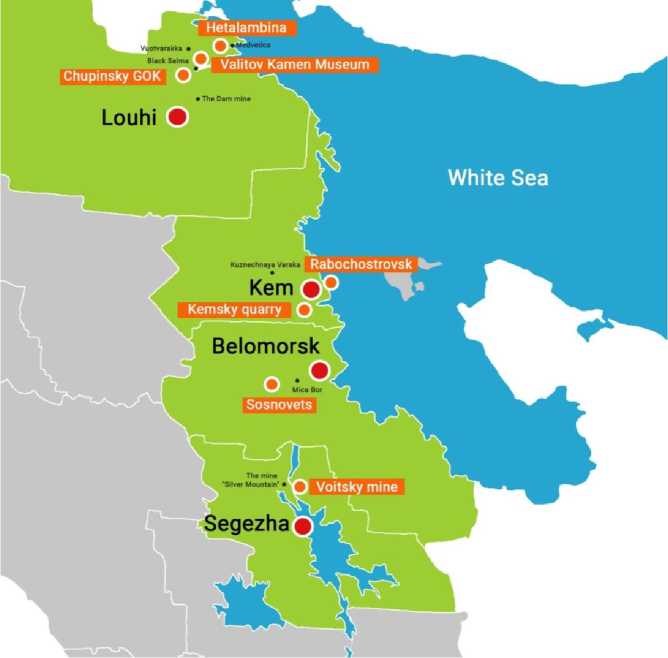
Fig. 1. Map of the expedition to industrial sites in the Karelian Arctic 7.
The first stop on the expedition route was the Voitskiy mine in the Segezhskiy district (Fig. 2). The Voitskiy mine was the largest ore mining enterprise in the northwestern region of Russia in the 17th century, located in the Arctic Segezhskiy district of the Republic of Karelia. The mine played a significant role in the industrial development of the region and the country as a whole. Copper ore and the first placer gold of the Russian Empire were mined here, with mines reaching depths of 120 meters. Catherine the Great’s decision to close the mine was motivated by several factors: it became increasingly difficult to pump water from the lower levels, which created complications and required significant expenditure on engineering systems; according to some estimates, the mine’s reserves had already been exhausted, making it unprofitable for further extraction. Today, the Voitskiy mine is an interesting tourist attraction that fascinates history and industrial heritage enthusiasts.
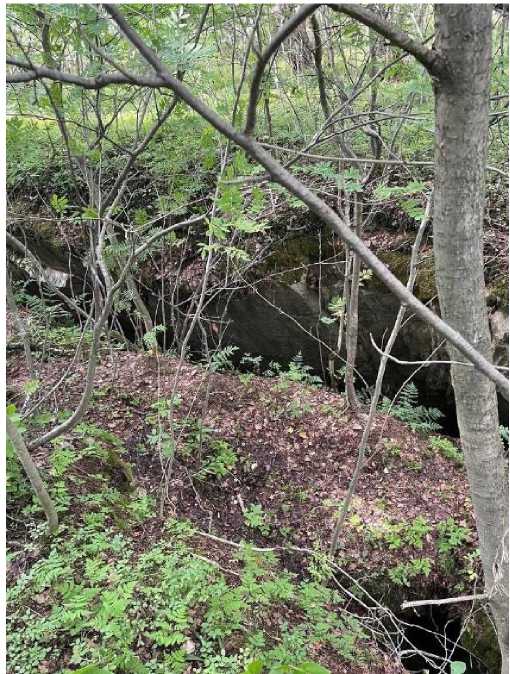
Fig. 2. The Voitskiy mine, Segezhskiy district 8.
The second stop on the route was the Sosnovets quarry in the Belomorskiy district (Fig. 3). The quarry in the village of Sosnovets in the Belomorskiy district of Karelia is known for its extraction of crushed stone, asbestos, and talc. In previous years, it played a significant role in the industrial development of the region, providing it with raw materials for construction and manufacturing. Crushed stone mining allowed it to be used in road and building construction. Asbestos and talc were used in various sectors of economy, including construction, chemical, and textile industries. The quarry in Sosnovets was an important source of jobs and contributed to the economic development of the Belomorskiy district of the Republic of Karelia. According to geologists’ estimates, the volume of stone reserves in the deposits of the Belomorskiy district — 142 thousand m3 — will provide Arctic construction sites with 38 years of supply, with a demand of 5 million tons per year 9. In the same area, molybdenum reserves at the Lobash deposit are estimated at 128 thousand m3 —5% of all Russian reserves. The Sosnovets quarry in the Belomorskiy district has the potential to
-
8 Source: photo taken by the authors during the expedition.
-
9 According to investment project materials provided by the region.
become a major tourist attraction, especially if a second mountain park is created in Karelia, similar to Ruskeala in the Sortavala district.
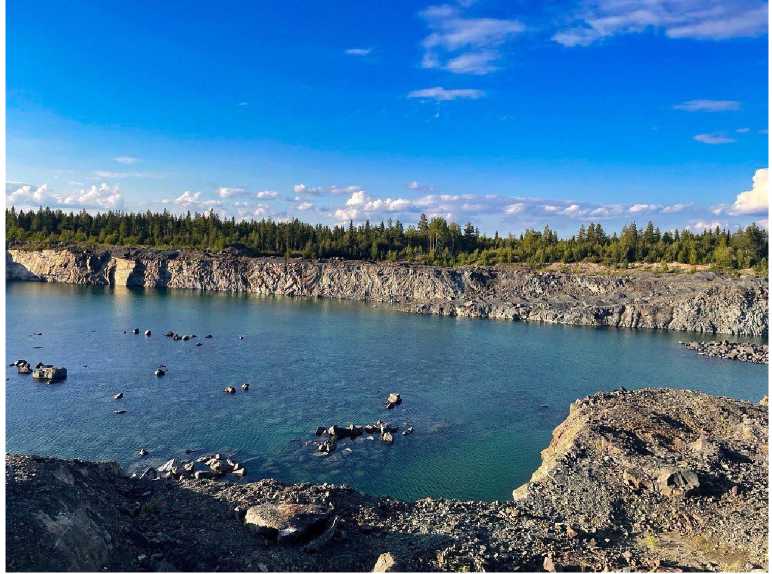
Fig. 3. The Sosnovets quarry, Belomorskiy district 10
The third stop on the route was the Loukhskiy district, which is famous for its history of mineral extraction, including belomorite at the Hetalambina quarry (Fig. 4). Karelia is one of the few places where this “moonstone” can be mined. The mineral was discovered by Academician A. Fersman of the Kola Branch of the Russian Academy of Sciences, who wrote the first description of belomorite and established its scientific name. Belomorite has become a real pride of the region; it is of magmatic origin and is found in granites and granite pegmatites. The unique properties and appearance of belomorite attract the attention of not only local residents but also tourists who want to purchase jewelry made from this stone. Belomorite has become popular both in the world of jewelry and in gemstone collecting. The Hetalambina quarry is of interest to tourists who would like to mine their own Belomorite.
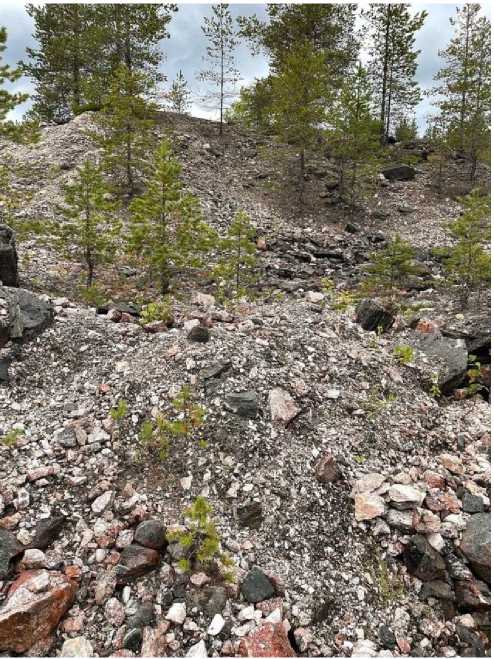
Fig. 4. The Hetalambina quarry, Loukhskiy district 11.
The urban-type settlement of Chupa, also located in the Loukhsky District, is the capital of the largest pegmatite region in the country. Rubies and garnets were mined near Chupa. The development of metallurgy in Karelia received a powerful impetus during the Northern War due to the efforts of Peter the Great, who actively developed the fleet in both Chupa and Arkhangelsk. Mica, an important material for the construction of carriages and ships, was actively mined and exported from Chupa, confirming the importance of this place for industry and the country’s development.
Less than half a century ago, the Chupinskiy Mining and Processing Plant (formerly known as "Karelslyuda") was the pride of Karelia. This enterprise was the largest supplier of muscovite mica in the USSR, and at the peak of its development, it included 10 mines and 1,500 pegmatite lodes. As a result of its active operations, the Chupinskiy MPP attracted significant investment, contributed to the development of local infrastructure, and provided jobs for the region’s residents. At its peak, the plant employed approximately 2,500 people. However, in the 1990s, amid the economic crisis, the Chupinskiy MPP faced serious problems and was forced to reduce its production. Along with the decline of the mining industry in the Loukhskiy district, the population of these settlements also decreased. Over time, the mines of the plant were flooded (Fig. 5). Mica mined at the Chupinskiy MPP is still used in Russian Aerospace Forces spacecraft.
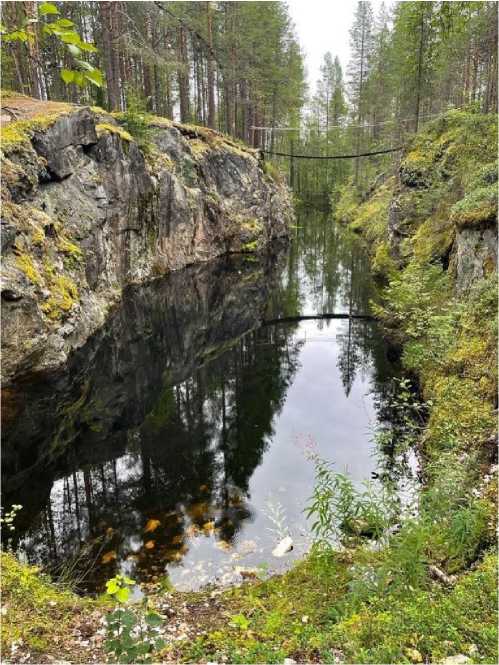
Fig. 5. The Chupinskiy MPP mines, Loukhskiy district 12
The development of industrial tourism may become promising for the Karelian Arctic. For example, the Medvezhka Forest Park was created on the site of the former Chupinskiy MPP, symbolizing the transition from the past to the future and recalling the significance of the historical heritage of the Loukhskiy district.
The Valitov Kamen Museum in Chupa is also an important industrial tourism and heritage site in the Loukhskiy district. It includes a large collection of minerals (belomorite, garnet, mica, and quartz) mined in the area, which was created as part of the Chupinskiy MPP Museum. In the Loukhskiy district alone, not far from the Keret River, geologists have discovered 700 pegmatite lodes — sources of mica. The largest mica sheet in Russia was found here and is now kept in the Valitov Kamen Museum. The museum offers visitors an excellent opportunity to learn about the history of Karelia’s mining industry and discover fascinating facts about the region’s minerals.
The last stop on the expedition route was the Kemskiy district of Karelia and the famous Kemskiy garnet quarry (Fig. 6). Garnet mining in the Kemskiy district of the Republic of Karelia is a significant industry. Garnet mining attracts industrial tourists and mineralogy enthusiasts who want to study, mine, and purchase this beautiful stone.
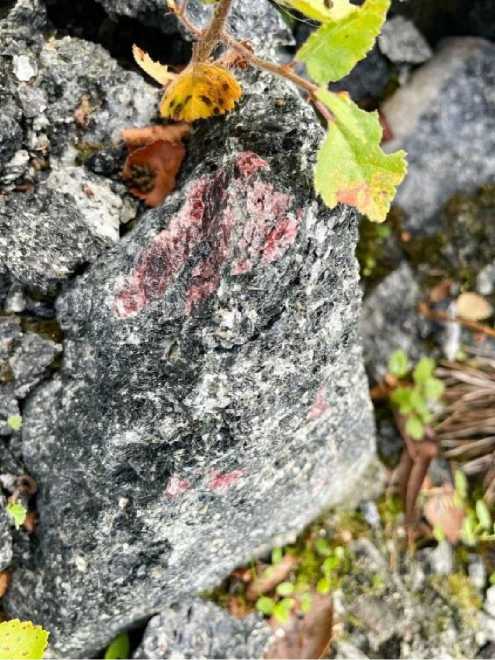
Fig. 6. Garnet lode of the Kemskiy quarry, Kemskiy district 13
Conclusion
The following conclusions were formulated as a result of the expedition conducted jointly with Karelian tour operators in four districts of the Karelian Arctic: Segezhskiy, Belomorskiy, Loukhskiy, and Kemskiy. Both growth opportunities and challenges for the development of industrial tourism in northern Karelia were identified.
-
1. The development of industrial tourism can and should become a promising area for the Karelian Arctic, given the region’s rich industrial heritage. It is clear that new tours should be created in new industrial tourism destinations in the Arctic regions of Karelia. The authors identified four types of industrial tourism characteristic of the Arctic zone of the Republic of Karelia. Given the Belomorkanal modernization program for the period up to 2035, the development of water tourism focusing on the history and present-day aspects of the Belomor-Baltic Canal is particularly important.
-
2. Obstacles to the development of industrial tourism in the Karelian Arctic include the inconvenient location of industrial facilities and insufficient transport accessibility for tourists. The need to improve infrastructure and transport accessibility for industrial facilities is key to the development of industrial tourism. Demographic problems in the Karelian Arctic (population decline and depopulation) negatively impact the development of the service, trade, and tourism sectors,
-
3. Most of the best-known industrial sites in the Karelian Arctic are located in the Loukhskiy district, while the Belomorskiy and Kemskiy districts are insufficiently studied in terms of industrial tourism heritage. Much work remains to be done in this area.
-
4. Recommendations for the development of industrial tourism in the Arctic will be submitted to the Commission on Tourism of the State Council of Russia, which will be responsible for formulating the Concept for the Development of Arctic Tourism in the Russian Federation in 2025.
limiting demand and hindering the growth of small and medium-sized businesses (hotels, restaurants, cafes).
