
Взаимодействие представительного и исполнительного органов местного самоуправления
Журнал: Теоретическая и прикладная юриспруденция.
Рубрика: Статьи
Статья в выпуске: 1 (27), 2026 года.
Бесплатный доступ
Введение: в работе рассматривается представительный и исполнительный органы местного самоуправления, описывается процесс формирования этих органов. Анализируется механизм избрания и назначения руководящих лиц этих органов, а также в соответствии с разными способами избрания и назначения приводится типология систем управления. Данные правовые аспекты необходимы для выявления взаимодействия между двумя ветвями власти на уровне местного самоуправления. Методология и материалы: в работе использован хронологический анализ в рамках сравнения разных концепций, типологий и мнений ученых. Также проведен системный анализ законодательства, федеральных законов и законов субъекта Российской Федерации — Санкт-Петербурга — с целью определения полномочий главы муниципального образования и главы местной администрации муниципального образования. Результаты исследования: автор исследует нормативно-правовую базу местного самоуправления, различия и сходства способов назначения и избрания руководящих лиц органов, представляет типологию управления, а также поднимает вопрос о проблемах взаимодействия органов представительного и исполнительного органов власти на местном уровне. Выводы: местное самоуправление выступает буфером между населением и органами государственной власти, при этом на местном уровне существует разделение властей на представительную и исполнительную. Определено, что на законодательном уровне в Российской Федерации не закреплен механизм взаимодействия между двумя органами местного самоуправления, что приводит к отсутствию целостности работы муниципального образования. Выявлено, что необходимо установить четкие формы взаимодействия муниципального совета и местной администрации, а также ввести контроль исполнения вопросов местного значения от муниципального совета к местной администрации.
Похожие статьи в разделе Низшая ступень органов управления. Органы местного управления. Общинное управление. Городское управление
Короткий адрес: https://sciup.org/14135043
IDS: 14135043
Interaction Between Representative and Executive Bodies of Local Self-Government
Introduction: In the work, the author examines the representative and executive body at the local level, and provides an understanding of the formation of these bodies. The mechanism of election and appointment of senior officials of these bodies is considered, and the typology of management systems is given in accordance with different methods of election and appointment. These legal aspects are necessary to identify the interaction between the two branches of government in local government. Methodology and materials: The work carries out a chronological analysis in the framework of comparing different concepts, typologies and opinions of scientists, and a prospective analysis is also carried out to identify the possibility of optimizing the sphere of interaction between local governments in order to achieve goals and objectives more effectively. A systematic analysis of legislation, federal laws and laws of the subject of the Russian Federation was also carried out in order to determine the powers of the head of the municipality and the head of the local administration of the municipality. The results of the study: The author explores the regulatory framework of local self-government, the differences and similarities in the ways of appointing and electing governing bodies, presents a typology of governance, and also raises the issue of problems of interaction between representative and executive authorities at the local level. Conclusion: Local self-government acts as a buffer between the population and public authorities, while at the local level there is a separation of powers into representative and executive. It is determined that at the legislative level in the Russian Federation, the mechanism of interaction between the two local governments is not fixed, which leads to a lack of integrity of the work of the municipality. It is revealed that it is necessary to establish clear forms of interaction between the municipal council and the local administration, as well as to introduce control over the execution of issues of local importance from the municipal council to the local administration.
Текст научной статьи Взаимодействие представительного и исполнительного органов местного самоуправления
В соответствии с Конституцией Российской Федерации, а именно главой 1, описывающей основы конституционного строя, гражданам дано право участвовать в деятельности органов, реализующих задачи государства, а также осуществлять данную деятельность непосредственно в органах местного самоуправления. Это говорит о том, что органы местного самоуправления являются одной из основ конституционного строя нашей страны. Население может реализовывать свои права через органы местного самоуправления. На практике на уровне местного самоуправления есть органы представительной и законодательной власти. Взаимодействие между ними носит дискуссионный характер и требует деталь- ного изучения: какова должна быть практическая реализация и как должны разделяться полномочия органов местного самоуправления.
Методология и материалы
Цель исследования — определить оптимальную модель взаимодействия представительного и исполнительного органов местного самоуправления. В работе анализируются нормативные правовые акты, регулирующие полномочия и функции указанных структур, а также порядок избрания (назначения) главы муниципального образования и главы местной администрации. На основе проведенного анализа выделяются возможные подходы к эффективному сотрудничеству муниципального совета и местной администрации.
Результаты исследования
В системе местного самоуправления функционируют два ключевых органа: представительный (муниципальный совет) и исполнительный (местная администрация). Рассмотрим порядок избрания и назначения руководителей указанных структур.
«Глава муниципального образования является высшим должностным лицом и наделяется уставом муниципального образования собственными полномочиями по решению вопросов непосредственного обеспечения жизнедеятельности населения»1. «Многие научные деятели в своих исследованиях определяют ключевую функцию главы МО, который занимает главенствующую роль, организует и осуществляет местное самоуправление на территории соответствующего МО»2. При этом следует разграничивать статус главы муниципального образования и председателя представительного органа (муниципального совета). Основные различия представлены в табл. 1.
Таблица 1
Отличия главы муниципального образования и председателя муниципального совета муниципального образования (источник: составлено автором)
|
Основные отличия |
Глава муниципального образования |
Председатель муниципального совета |
|
Статус лица |
Высшее должностное лицо муниципального образования |
Председатель представительного органа, который состоит из депутатов, избираемых местным населением. |
|
Полномочия |
͵ Представляет МО в отношениях с другими органами власти. ͵ Подписывает и обнародует нормативные акты, принятые представительным органом. ͵ Издает правовые акты, включая постановления и распоряжения. ͵ Требует созыва внеочередных заседаний представительного органа |
͵ Организует работу представительного органа: созывает заседания, ведет протоколы, координирует деятельность комиссий. ͵ Подписывает решения совета, не имеющие нормативного характера |
Из таблицы видно, что глава муниципального образования является лицом с большей долей ответственности и функций, чем председатель муниципального совета, и вектор работы главы МО направлен на внешнюю среду, а председателя МО — сугубо на внутреннюю работу совета и комиссий. Отметим, что в соответствии с № 33-ФЗ глава муниципального образования не может совмещать должность председателя общественного совета, также «глава муниципального образования подотчетен и подконтролен населению и представительному органу муниципального образования»3. «Отличительные черты правовой регламентации статуса главы муниципального образования определяются регулированием правового статуса главы муниципалитета на нескольких уровнях: на уровне федерального законодательства, на уровне норм регионального права, а также на уровне местных нормативных актов»4.
Глава муниципального образования как должностное лицо может быть выбран населением, проживающим на территории данного муниципального образования, может быть выбран из числа депутатов, входящих в представительный орган муниципального образования, нанят на данную должность на конкурсной основе, а также может быть выбран представительным органом муниципального образования из числа кандидатов, представленных высшим должностным лицом субъекта Российской Федерации. Эти подходы равнозначны и учитывают специфику местных органов власти, их сильные, слабые стороны и внешние угрозы, а также социально-экономическое развитие.
Исходя из модели выбора главы муниципального образования появляются разные виды управленческих моделей в органах местного самоуправления. Всего существует шесть методов управления. В рамках избрания главы муниципального образования из состава депутатов, входящих в представительный орган, из состава совета избирается глава муниципального образования, а он, в свою очередь, назначает на должность сотрудников, но с учетом согласия совета. Такая модель называется «совет слабый мэр», это означает, что мэр — глава муниципального образования — работает в связке с советом, который выбрал его, и вопросы назначения и отстранения кого-либо по должности происходит также с согласия совета.
Когда главу муниципального образования избирают на выборах, как и депутатов, то позиция у главы в теоретическом аспекте моделей управления называется «совет сильный мэр», а значит, глава, как отдельно избранное лицо, самостоятельно назначает сотрудников, а перед советом отчитывается лишь о ходе своей работы.
Третья модель управления вытекает из назначения главы по конкурсу. В такой модели управления глава муниципального образования является менеджером-управляющим, который не был избран ни населением, ни из состава депутатов совета и является наемным сотрудником. При этом глава получает определенные полномочия и имеет право свободно в рамках закона нанимать сотрудников, при этом отчитываться перед советом он не обязан. Такая модель называется «совет управляющий».
Также существует смешанная модель, которая включает две модели управления с учетом избрания главы населением и отдельно избрания совета, при этом глава МО назначает главу местной администрации, но совет имеет право согласовывать кандидатуру, а глава МО отчитывается о своей работе. В то же время назначенный глава местной администрации имеет право нанимать сотрудников для работы самостоятельно.
«Согласно законодательству, местной администрацией руководит глава местной администрации на принципах единоначалия. На организационную схему построения местной администрации оказывает влияние численность населения муниципального образования, размер территории муниципального образования, социально-экономическое развитие муниципального образование и т. п.»5.
Остановимся подробнее на функциях и полномочиях руководителей представительной и исполнительной ветвей власти на местном уровне. Глава муниципального образования и глава местной администрации обладают различными полномочиями, что обусловлено их принадлежностью к разным ветвям власти. Такое разделение закреплено в № 33-ФЗ.
Функции задают стратегическое направление деятельности, тогда как полномочия представляют собой совокупность прав и обязанностей, необходимых для реализации этих функций.
Представительская функция присуща исключительно главе муниципального образования, который выступает официальным лицом во взаимоотношениях с органами государственной власти, иными муниципальными образованиями и населением.
Нормотворческая функция реализуется обоими руководителями. «Представительными органами разрабатываются проекты нормативных актов (решений), предварительно рассматриваются и обсужда- ются на заседаниях комиссий и комитетов, затем принимаются на заседаниях. Однако следует отметить, что в 90 % случаев инициатива разработки и вынесения проекта решения на рассмотрение представительного органа принадлежит исполнительно-распорядительному органу»6.
«В формировании местной администрации участвуют два субъекта: представительный орган муниципального образования и глава местной администрации. Представительный орган утверждает структуру местной администрации, а также, в случае определения в уставе муниципального образования именно данного порядка, назначает на должность главу местной администрации из числа кандидатов, представленных конкурсной комиссией по результатам конкурса. Глава местной администрации непосредственно назначает на должность иных должностных лиц в структуре данного органа местного самоуправления. Это позволяет сделать вывод о том, что способ формирования местной администрации является смешанным, так как сочетает в себе как назначение путем избрания, так и назначение в распорядительном порядке»7.
В ведении местной администрации находятся распоряжение бюджетом муниципального образования и его формирование, но согласование бюджета проходит с участием депутатов муниципального совета, а также процесс принятия бюджета на будущий год и плановый последующий проходят процедуру публичных слушаний с обязательным участием населения округа. Немаловажным является реализация муниципальных мероприятий, которые строго коррелируются с муниципальными программами и их целями, а также учитывают повестку федерального и регионального уровня.
В рамках данных функций исключительными компетенциями представительного органа являются:
-
1. Принятие устава муниципального образования и внесение в него изменений и дополнений.
-
2. Утверждение местного бюджета и отчета о его исполнении.
-
3. Установление, изменение и отмена местных налогов и сборов в соответствии с законодательством РФ о налогах и сборах.
-
4. Принятие планов и программ развития муниципального образования, утверждение отчетов об их исполнении.
-
5. Право требования созыва внеочередного заседания представительного органа муниципального об-разования8.
Главы местной администрации имеют следующие полномочия:
-
1. Подотчетность представительному органу, так как априори назначение происходит с участием совета и главы МО.
-
2. Подготовка ежегодного отчета о своей деятельности.
-
3. Обеспечение полномочий местной администрации по решению вопросов местного значения и отдельных государственных полномочий, предписанных органам местного самоуправления федеральными законами и законами субъекта Российской Федерации.
«Исходя из вышеизложенного следует, что нельзя не избрать главу самоуправления и не назначить руководителя местной администрации. Они являются обязательными элементами системы местного самоуправления»9.
На территории Российской Федерации местное самоуправление реализуется в различных формах территориальной организации, каждая из которых предполагает специфические модели управления и взаимодействия органов власти (рассмотрены ранее). Типы муниципальных образований представлены на рисунке 1.
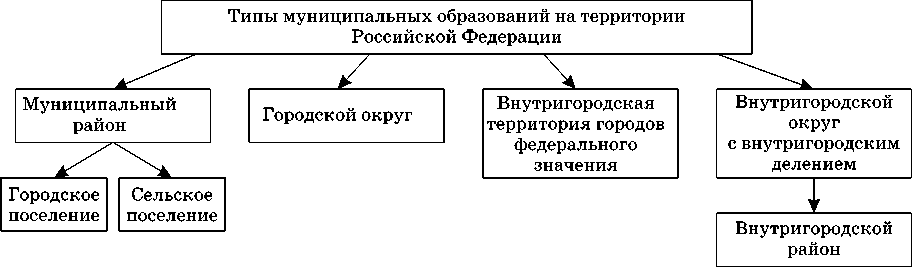
Рис. 1. Типы муниципальных образований на территории Российской Федерации (источник: составлено автором)
Из представленной типологии при изучении вопроса взаимодействия главы представительного и главы исполнительного органа на местном уровне рассмотрим внутригородские территории. Санкт-Петербург обладает уникальностью в рамках территориального деления, а также как город федерального значения образует систему внутригородских территорий. В Санкт-Петербурге имеется 111 муниципальных образований.
Взаимодействие представительных и исполнительных органов местного самоуправления — одна из наиболее обсуждаемых проблем. На законодательном уровне механизм такого взаимодействия не закреплен, равно как и полномочия главы муниципального образования в отношении исполнительной власти. Между тем от слаженности этих двух структур напрямую зависит эффективность работы муниципалитета и качество принимаемых решений. Согласно одной из позиций, оптимальная модель взаимодействия достигается путем совмещения одним лицом должностей главы муниципального образования и главы местной администрации (при условии, что данное лицо не является председателем совета). В этом случае решение вопросов местного значения сосредоточено в руках одного руководителя, что исключает конфликт позиций, способный заблокировать принятие решений или существенно замедлить этот процесс. Учитывая, что компетенция обеих ветвей власти во многом пересекается в силу единства территории и сфер ведения, любое разногласие способно не только затянуть, но и сделать невозможным решение социально значимых вопросов. Принимаемые решения направлены прежде всего на повышение качества жизни населения; их отсутствие или затягивание подрывает репутацию муниципального образования и создает предпосылки для вмешательства вышестоящих органов.
Существует и иная точка зрения, согласно которой унификация всех муниципальных образований и внедрение единой модели, предполагающей совмещение должностей главы муниципального образования и главы местной администрации, невозможны и нецелесообразны. В сложившихся условиях глава муниципального образования зачастую обладает меньшим объемом полномочий в вопросах, непосредственно влияющих на качество жизни граждан (разработка муниципальных программ, планов мероприятий, формирование и исполнение бюджета, благоустройство и др.), нежели глава местной администрации. При этом оба руководителя несут установленную законом ответственность перед населением и государством за ненадлежащее исполнение своих обязанностей. Фактически на уровне одного муниципалитета функционируют два должностных лица, каждое из которых реализует полномочия в установленной сфере ведения, участвует в развитии территории и решении вопросов местного значения, зачастую работая над одними и теми же задачами, но с разных управленческих позиций.
Кроме того, в рамках существующих моделей управления глава местной администрации не подотчетен и не подконтролен главе муниципального образования. Его деятельность подотчетна представительному органу — муниципальному совету. В свою очередь, глава муниципального образования также подотчетен совету и населению. Таким образом, лицо, официально представляющее муниципальное образование во взаимоотношениях с иными органами власти и населением, не обладает достаточным объемом полномочий и не имеет рычагов воздействия на местную администрацию. Данное обстоятельство представляет собой одну из наиболее острых проблем в условиях динамичного развития института местного самоуправления.
На уровне субъекта Российской Федерации, Санкт-Петербурга, практика взаимодействия представительного органа муниципального образования, то есть муниципального совета, и исполнительно-распорядительного органа, то есть местной администрации, построена на принципе полного разделения полномочий, и лишь в двух муниципальных образованиях города глава муниципального образования совмещает свои полномочия с полномочиями главы местной администрации. Такая модель работы приводит к тому, что муниципальный совет в лице депутатов муниципального образования выполняет лишь функции по принятию нормативных актов и утверждению обязательного перечня документов муниципального образования, а местная администрация полностью забирает на себя решение вопросов местного значения.
В законе Санкт-Петербурга от 23.09.2009 № 420-79 перечислены элементы местного самоуправления, такие как: «муниципальный совет муниципального образования, глава муниципального образования, местная администрация муниципального образования, контрольно-счетный орган муниципального образования, иные органы и выборные должностные лица местного самоуправления, предусмотренные уставом муниципального образования и обладающие собственными полномочиями по решению вопросов местного значения»10. Указываются предметы ведения муниципального совета и местной администрации, а также полномочия главы муниципального образования и главы местной администрации. При этом вопросы взаимодействия представительного и исполнительного элементов местного самоуправления на уровне регионального законодательства в настоящее время не урегулированы.
Для решения данного вопроса нужен определенный разработанный и закрепленный механизм, а именно внесение отдельного пункта в закон Санкт-Петербурга «Об организации местного самоуправления» под названием «Взаимодействие представительного и исполнительно-распорядительного органов местного самоуправления». В соответствии с логикой построения регионального законодательства, после внесения указанного изменения в закон субъекта Федерации соответствующая норма подлежит включению в модельный устав муниципального образования, разрабатываемый Главным управлением Минюста России по Санкт-Петербургу. В дальнейшем данное положение закрепляется в уставах всех 111 внутригородских муниципальных образований Санкт-Петербурга.
Закрепление соответствующего механизма в региональном законодательстве способно обеспечить ощутимый практический результат, поскольку выстраивает четкую вертикаль координации на местном уровне. Глава муниципального образования как высшее должностное лицо несет ответственность за состояние дел в муниципалитете в целом. При этом в системе местной власти функционирует глава местной администрации, отвечающий за исполнение бюджета, в структуру которого заложены муниципальные программы, охватывающие ключевые сферы жизнедеятельности населения. В то же время именно муниципальный совет (в лице его председателя или главы муниципального образования) рассматривает и утверждает данный бюджет.
В рамках предлагаемого подхода глава муниципального образования — как официальный представитель органа местного самоуправления — получит как минимум возможность осуществлять контрольные функции, а как максимум — право отчитываться перед органами прокуратуры и иными внешними инстанциями в ходе проверочных мероприятий.
Выводы
В условиях динамичного развития института местного самоуправления особую остроту приобретает проблема эффективного функционирования органов муниципальной власти как de jure, так и de facto. В процессе реализации полномочий двух ветвей власти на местном уровне отчетливо прослеживается пересечение сфер ведения, что порождает существенные затруднения. Разрешение данного противоречия является необходимым условием для выстраивания конструктивного взаимодействия между органами муниципального образования и обеспечения устойчивого развития местного самоуправления на конкретной территории.
При этом глава муниципального образования, выполняющий преимущественно представительские функции и выступающий официальным лицом во внешних коммуникациях, фактически лишен рычагов воздействия на деятельность местной администрации и возможности корректировать принимаемые ею решения.
Автор полагает, что упорядочения требует не только система взаимодействия между органами внутри муниципального образования, но и механизм контроля деятельности местной администрации и реализации ее полномочий. Принципиально важным представляется положение Федерального закона № 131-ФЗ, согласно которому глава местной администрации подконтролен представительному органу муниципального образования. Однако практика Санкт-Петербурга как города федерального значения демонстрирует, что в реальности между указанными структурами сложилась лишь формальная модель взаимодействия. Подотчетность фактически сводится к ежегодному отчету главы местной администрации перед муниципальным советом и населением, не подкрепленному действенными контрольными механизмами. Подобная модель взаимодействия неизбежно ведет к фактическому ограничению полномочий депутатского корпуса. Жители муниципального образования, реализуя свое конституционное право, вправе обратиться к депутату, избранному по соответствующему округу. В свою очередь, депутат должен обладать возможностью не только аккумулировать наказы и жалобы населения, но и контролировать процесс их исполнения.
«Важно повысить роль и значение представительных органов, развивать принципы коллегиальности и контрольные механизмы с участием граждан»11. В этой связи обоснованным представляется введение на всех уровнях публичной власти обязанности по созданию единой электронной системы приема и учета обращений граждан. На региональном уровне подобные решения уже находят применение: портал «Наш Санкт-Петербург» демонстрирует функциональность и позволяет оперативно реагировать на возникающие проблемы. Вместе с тем следует отметить, что в настоящее время администрирование указанного портала закреплено за местной администрацией, что сводит участие депутатов преимущественно к техническому сопровождению поступивших запросов.
Внедрение унифицированной системы электронных обращений, интегрированной в деятельность депутатов муниципальных образований, позволит обеспечить оперативное и качественное решение вопросов, обозначенных жителями, при непосредственном участии местной администрации как исполнительно-распорядительного органа. Тем самым будет сформирован не просто канал взаимодействия между муниципальным советом и администрацией, но и действенный механизм контроля реализации вопросов местного значения.
