
Ways to Increase Housing Affordability in Azerbaijan
Journal: Bulletin of Science and Practice @bulletennauki
Section: Социальные и гуманитарные науки
Article in issue: 4 т.12, 2026.
Free access
This article analyzes ways to improve the provision of affordable housing in Azerbaijan, with a particular focus on the institutional and functional aspects of the government’s affordable housing policy. The effectiveness of the current system is evaluated through the activities of the State Housing Development Agency of the Republic of Azerbaijan, revealing key challenges such as limited transparency, the imbalance between income levels and housing prices, socio-economic disparities between the capital and the regions, and the exclusion of citizens with informal income. Drawing on international experience, the article proposes a revision of eligibility criteria for affordable housing, the integration of property ownership data, and the expansion of coverage for socially vulnerable groups. It also emphasizes the importance of increasing state subsidies to reduce construction costs in the regions, implementing public-private partnership mechanisms, and adapting preferential mortgage programs to accommodate the informal sector. The study demonstrates that building affordable housing programs on more inclusive, needs-based, and transparent foundations is of strategic importance both for enhancing social welfare and for ensuring the sustainability of urban development policies. In this regard, the article offers practical and systemic recommendations for improving affordable housing policy.
Similar articles in the section Finance
Short address: https://sciup.org/14135179
IDS: 14135179 | UDC: 336.63 | DOI: 10.33619/2414-2948/125/48
Способы повышения доступности жилья в Азербайджане
Анализируются пути улучшения обеспечения доступным жильем в Азербайджане, с особым акцентом на институциональные и функциональные аспекты государственной политики в области доступного жилья. Эффективность существующей системы оценивается на примере деятельности Государственного агентства жилищного развития Азербайджанской Республики, выявляя ключевые проблемы, такие как ограниченная прозрачность, дисбаланс между уровнями доходов и ценами на жилье, социально-экономическое неравенство между столицей и регионами, а также исключение граждан с неформальным доходом. Опираясь на международный опыт, статья предлагает пересмотр критериев отбора для получения доступного жилья, интеграцию данных о праве собственности на недвижимость и расширение охвата социально уязвимых групп населения. Также подчеркивается важность увеличения государственных субсидий для снижения стоимости строительства в регионах, внедрения механизмов государственно-частного партнерства и адаптации льготных ипотечных программ к потребностям неформального сектора. Исследование показывает, что построение программ доступного жилья на более инклюзивной, ориентированной на потребности и прозрачной основе имеет стратегическое значение как для повышения социального благополучия, так и для обеспечения устойчивости политики городского развития. В этой связи статья предлагает практические и системные рекомендации по совершенствованию политики в области доступного жилья.
Text of the scientific article Ways to Increase Housing Affordability in Azerbaijan
Бюллетень науки и практики / Bulletin of Science and Practice
In the modern era, the acceleration of urbanization in Azerbaijan, along with population growth and changes in living standards, has significantly expanded the scale of housing demand. In particular, access to housing for socially vulnerable groups — such as young families, low-income earners, and economically disadvantaged citizens — has emerged as a key challenge in terms of social welfare and equal opportunities. Although the government’s affordable housing initiatives represent an important step in this direction, existing mechanisms are, in some cases, insufficient for large segments of the population. This highlights the need to establish a more inclusive, transparent, and sustainable system. This article analyzes the current state of affordable housing policy in Azerbaijan, examines the prevailing challenges in the field, and proposes potential institutional and economic improvements to enhance the accessibility of affordable housing.
The Concept of Affordable Housing and International Practices. It should be noted that the concept of "affordable housing" is defined differently across various countries worldwide. Affordable housing is generally understood as residential space that corresponds to the population’s income levels, meets the basic needs and living standards of a household, and does not impose a long-term financial burden. This concept is measured not only by the market price of the housing, but also by the household’s monthly income, living expenses, and credit obligations. However, a widely accepted standard in many countries is that housing costs should not exceed 30–40 percent of a household’s income. According to calculations, approximately 330 million families worldwide—both in developing and developed countries — currently face difficulties in purchasing quality affordable housing, and this figure continues to rise [3].
International experience highlights four main approaches to reducing housing costs and addressing the population’s need for housing that meets standards: identification and allocation of favorable land plots for the construction of affordable housing; implementation of government support mechanisms related to the provision of engineering and utility infrastructure systems and networks; ensuring efficiency in the construction process; and the development of financing mechanisms and the selection of beneficiaries.
Since land costs represent a significant portion of overall housing expenses, and the location of a dwelling is one of the most influential factors affecting both housing quality and residents’ living standards, securing affordable land in suitable areas for residential construction is of critical importance for housing development agencies. There are various approaches to addressing this issue.
Furthermore, particular attention must be paid to the use of vacant or underutilized land. In the People’s Republic of China, a tax of 20 percent of the land’s value is imposed on plots that remain unused for one year, and land left unused for two years may be subject to confiscation [17].
Similar measures are implemented in countries such as the Philippines and Brazil. Even in a densely populated city like New York, approximately 10 percent of land zoned for residential use remains vacant, and the city government plans to utilize this land to construct affordable housing for low-income groups. In countries like Singapore, where land availability is limited, land management is of strategic importance. Currently, 90 percent of the land in Singapore is state-owned. National legislation allows the government to acquire land below market value, which is then transferred to the public housing development agency for construction purposes [3].
Under the "land readjustment" method, adjacent land parcels are consolidated for housing construction; upon completion, compensation is provided to the original landowners in proportion to the size of the land they contributed. This method is commonly used in countries such as Japan, South Korea, and India. One of the key factors to consider when identifying land plots for construction is the quality of existing infrastructure, particularly transportation networks [15].
In addition to the sale of affordable housing, countries like the Netherlands and the United States offer rental housing options for individuals who meet certain eligibility criteria, with government subsidies covering part of the rental costs [16]. In Türkiye, beneficiaries pay rent for a specified period, after which they gain ownership of the housing unit.
State Housing Development Agency of the Republic of Azerbaijan (MIDA). One of the declared objectives of the social policy of the Government of Azerbaijan is the improvement of citizens’ housing and living conditions. The steady growth of the population has further intensified the need to meet the housing demand of Azerbaijani citizens. In particular, addressing the housing needs of low- and middle-income groups and young families has been identified as a strategic priority by the Head of State.
As part of ongoing reforms in this area, the State Housing Development Agency of the Republic of Azerbaijan (MIDA) was established by Presidential Decree No. 858 dated April 11, 2016 [6]. In addition, with the aim of promoting the construction of multi-apartment residential buildings, facilitating citizens’ access to affordable housing, and ensuring the efficient use of state funds allocated for such construction, a subsidiary body — “MIDA” Limited Liability Company (LLC)— was created under the State Housing Development Agency [2].
Although the homeownership rate in Azerbaijan remains relatively high by international standards, demand in the new housing market continues to outpace supply. Enhancing access to homeownership for Azerbaijani citizens contributes to economic growth, improves living standards, stimulates economic activity, creates new employment opportunities, and fosters the development of the mortgage market. The establishment of the State Housing Development Agency (hereinafter–the Agency) aims to boost progress in the housing construction sector in response to the increasing demand for residential property.
“MIDA” LLC operates on land plots allocated by the government or acquired through civil-law transactions and commissions the construction of housing projects on these sites. Areas characterized by high population density, limited per capita residential space, proximity to employment hubs, availability of transportation and social infrastructure, and advanced levels of urbanization have been identified as priority zones for affordable housing provision.
The main objective of the Agency is to ensure that citizens of the Republic of Azerbaijan have access to affordable housing by overseeing the construction of residential buildings and other facilities on designated land plots. These buildings are to be constructed in a modern architectural style and in compliance with environmental and energy efficiency standards. The Agency also participates in spatial planning, design, and architectural policymaking and coordination for these sites. The term “affordable housing” refers to apartments at the disposal of the Agency that are made available to eligible citizens on preferential terms [1].
Existing Concession Mechanisms – Advantages of Affordable Housing. Within the framework of existing concession mechanisms, the government employs a range of instruments to enhance citizens’ access to housing. Among these, mortgage loans play a pivotal role. Preferential mortgage loans provided through the Mortgage and Credit Guarantee Fund of the Republic of Azerbaijan
(hereinafter – the Fund) create more favorable housing conditions for young families, military personnel, teachers, and other socially vulnerable groups.
To obtain affordable housing, citizens can benefit from preferential mortgage loans offered by the Fund with terms ranging from 3 to 30 years, a minimum down payment of 10%, and an annual interest rate of 4% [9].
In addition, applicants who pay more than the required minimum down payment are entitled to an additional discount equal to 10% of the amount exceeding the minimum payment [1].
Furthermore, citizens may acquire housing using their own financial means. The term “own financial means” encompasses not only personal funds but also other sources, such as conventional mortgage loans or internal financing offered by partner banks. When an apartment is purchased with the buyer’s own funds, the Agency applies an additional 10% discount to the sale price of the property [1].
Moreover, affordable housing projects represent a significant social initiative that offers citizens the opportunity to acquire residential property under more favorable conditions. These projects possess several advantages, including [1]: sale prices of apartments that are approximately 30-35% lower than the average market price; delivery of apartments in a fully renovated condition, including built-in kitchen furniture; location of the projects primarily in environmentally clean, safe, and convenient urban areas; urban planning of the residential areas in accordance with applicable construction standards, with provisions for spacious courtyards, green areas, children’s playgrounds, and bicycle paths; inclusion of essential social infrastructure facilities, such as schools, kindergartens, and medical centers, to support residents’ well-being; convenient access to public transportation for residents of the complexes.
These factors collectively demonstrate that affordable housing projects are both economically viable and socially sustainable.
Eligibility Criteria for Access to Affordable Housing. The eligibility criteria for affordable housing are regulated based on specific conditions established by the relevant state authorities and constitute an essential component of policies grounded in the principle of social equity. Primarily, the right to benefit from affordable housing is granted exclusively to citizens of the Republic of Azerbaijan. Furthermore, applicants must fall within certain age limits depending on their category— for instance, young families or young professionals are generally required to be under the age of 35 [9]. In addition, individuals employed in public service, education, the military, and other designated priority sectors are also eligible to benefit from these concessions. To acquire affordable housing, a citizen must belong to one of the 19 categories specified in Table 1 [5].
The individuals eligible to acquire housing on preferential terms are the same as those entitled to benefit from the mortgage concessions offered through the resources of the Fund. One of the key stages in the process of acquiring affordable housing is the "Affordable Housing" electronic system. According to Presidential Decree No. 1113 dated 16 November 2016, the establishment of the "Affordable Housing" system on the “Electronic Government” portal was mandated to facilitate the acquisition of apartments under the authority of the Agency on preferential terms [4].
This Decree also approved the “Regulation for the acquisition of apartments at the disposal of the State Housing Development Agency of the Republic of Azerbaijan on preferential terms by citizens” (hereinafter – the Regulation). Furthermore, the “Regulation on the Affordable Housing System” was approved by Presidential Decree No. 1418 dated 24 May 2017 [7].
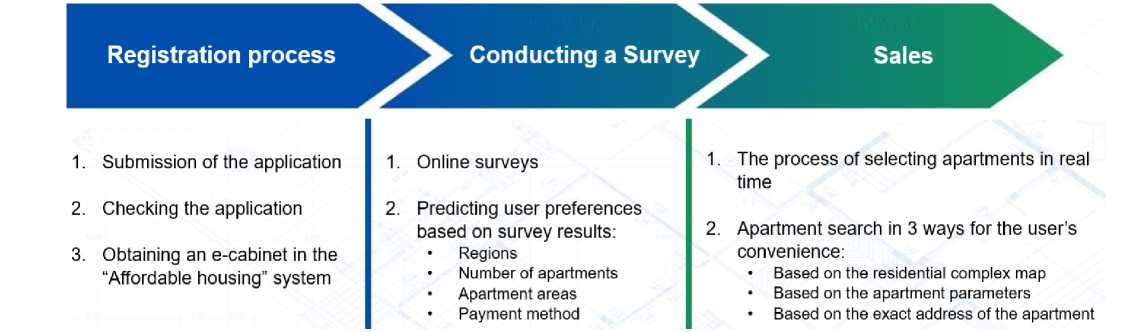
The primary objective of the implementation of the "Affordable Housing" system is to ensure equal conditions for individuals seeking to acquire housing with preferential terms, to promote transparency and efficiency in the application review process, and to enhance the quality and effectiveness of the services provided (Figure 1).
Table 1
THE INDIVIDUALS ELIGIBLE TO ACQUIRE HOUSING WITH PREFERENTIAL TERMS
The following persons, who are members of a young family and are not older than 35 years
Martyrs’ children
Children of a Hero of the Patriotic War of the Republic of Azerbaijan
Children of a National Hero of Azerbaijan A forced migrant or equivalent person
A person serving in civil service at least 3 years, as well as a person serving in a special type of civil service
A person working as a teacher at a state general education establishment at least 3 years
A person with a PhD degree
A person who has special services in the field of sports (honorable physical education and sports figure, winner of country-wide competitions (I place), winner of international competitions (I, II or III place)
A person working as a journalist for at least 5 years and is included in the Media Register
The following persons, regardless of age and marital status
A member of the family of a martyr (his/her spouse)
A Hero of the Patriotic War of the Republic of Azerbaijan (himself/herself, his/her spouse)
A National Hero of Azerbaijan (himself/herself, his/her spouse)
A person with a degree of Doctor of Sciences
A person serving in civil service at least 15 years, as well as a person serving in a special type of civil service
Military servicemen of the Republic of Azerbaijan who have served in the military service for at least 3 years (except military servicemen who are in active military service), as well as military servicemen of the Republic of Azerbaijan who were released to reserve and resignation
A person with a special rank, serving in internal affairs authorities at least 3 years
Scientific workers holding scientific positions at least 3 years A person working as a teacher at a state general education establishment at least 15 years
A person working as a journalist for at least 15 years and is included in the Media Register
The selection of apartments at the disposal of the Agency is carried out electronically and in real time through the “Affordable Housing” system, in accordance with the relevant Regulation. At least 30 days prior to the commencement date of sales, a public announcement is made through mass media and published on the official website of the Agency. Additionally, a notification regarding the announcement is placed in the users’ electronic accounts within the “Affordable Housing” system.
Submission of the application
Online surveys
Checking the application
Obtaining an e-cabinet in the "Affordable housing” system on the residential complex map on the apartment parameters on the exact address of the apartment
The process of selecting apartments in real time
Based
Based
Based
Predicting user preferences based on survey results:
• Regions
• Number of apartments
• Apartment areas
• Payment method
Apartment search in 3 ways for the user’s convenience:
Registration process
Conducting a Survey
Sales
Figure 1. Operations carried out through the “Affordable Housing” system
Only individuals who possess an electronic account in the system are eligible to participate in the housing selection process. Regardless of their registration date or queue number, all users are granted equal rights and transparent access to participate in the selection of apartments through this module. In accordance with the Regulations, during the selection process, users may choose their preferred payment method and utilize various search options to identify a suitable apartment. The sale is conducted based on the “first come, first served” principle. That is, at the moment the sale begins, the first user to access the system and select an apartment is granted the opportunity to acquire it.
Activities and Projects Implemented by the Agency for the Period 2016-2024: During the reporting period, work has been carried out on the construction of affordable housing on land plots located in the Yasamal, Surakhani, and Binagadi districts of Baku, as well as in the cities of Sumgayit, Ganja, Lankaran, Shirvan, and Yevlakh. Additionally, the construction of residential complexes has been successfully completed in the recently liberated cities of Fuzuli and Jabrayil, and major renovations of residential buildings have been carried out in Khojaly (Figure 2).
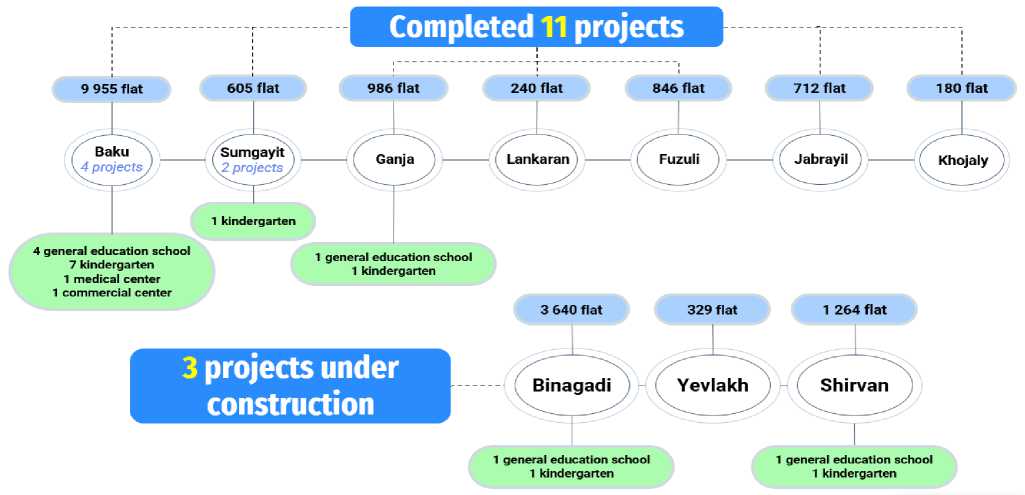
Figure 2. Projects initiated by the Agency in 2016-2024
Over the course of the Agency’s activities from 2016 to 2024, a total of 14 projects were initiated. These projects resulted in the completion of 11 residential complexes comprising a total of 13,524 apartments, alongside the construction of 5 general education schools, 9 kindergartens, 1 medical center, and 1 commercial center [1].
During these years, for the purpose of affordable housing construction, 4 projects were implemented in Baku’s Yasamal district and Hovsan settlement, 2 projects in Sumgayit city, and 2 projects in Ganja and Lankaran, amounting to a total of 8 projects encompassing 176 residential buildings with 11,786 apartments [1].
From the very first day following the end of the Patriotic War, under the leadership and direct oversight of President Ilham Aliyev, large-scale projects have been launched in the liberated territories of Karabakh, focusing on the restoration of critical engineering and communication infrastructure and the establishment of essential public utilities.
Specifically, the construction of the Fuzuli Residential Complex has been completed on an 8.9-hectare plot of land within the administrative territory of the Fuzuli district. The complex comprises 38 residential buildings and other infrastructure facilities, totaling 846 apartments. Accommodation has been provided for families in all apartments within the complex. Similarly, the Jabrayil Residential Complex has been completed on a 7.87-hectare land plot within the administrative territory of the Jabrayil district. This complex includes 33 residential buildings and associated infrastructure, totaling 712 apartments. In addition, the Agency was entrusted with the comprehensive renovation of 15 multi-apartment residential buildings comprising 180 apartments on a 3.34-hectare site in the city of Khojaly. All necessary renovation and landscaping works related to this assignment have been successfully completed [1].
To ensure the financial sustainability of the Agency and “MIDA” LLC, revenues generated from sales conducted by the Agency have been reinvested into the implementation of new housing projects. Specifically, in line with efforts to improve housing conditions for the population, construction work on three new projects, comprising a total of 59 residential buildings, is being carried out at an accelerated pace. These newly initiated projects, referred to as the Binagadi, Shirvan, and Yevlakh Residential Complexes, collectively include 2,991 apartments, 2 general education schools, and 2 kindergartens. It is noteworthy that particular emphasis has been placed on the implementation of these new projects in the regions, outside the capital city [1].
During the relevant period, the Agency commenced the construction of 20 social infrastructure facilities. Of these, the construction of 16 facilities — namely 5 general education schools, 9 kindergartens, 1 medical center, and 1 commercial center—has been completed. Additionally, the construction of one general education school and one kindergarten is currently ongoing within each of the Binagadi and Shirvan Residential Complexes [1].
Since May 30, 2017, citizens eligible to obtain housing from the Agency on preferential terms have been able to register their applications through the “Affordable Housing” electronic system. Concurrently, public information and consultation services have been provided through “ASAN Service” centers No. 5 in Baku and No. 1 in Sumgait [10].
By the end of 2024, the number of individuals who have created electronic accounts within the “Affordable Housing” system exceeded 39,000 [1].
As a result of sales conducted through the “Affordable Housing” system and under direct state order, a total of 10,687 families have been provided with housing. To date, the Agency has successfully carried out 17 sales via the “Affordable Housing” system. Through these sales, 6,594 apartments have been acquired by citizens—1,544 purchased at their own expense and 5,050 through preferential mortgage loans. Additionally, by the end of 2024, a total of 4,093 apartments from the Agency’s projects had been distributed on the basis of state orders (Figure 3) [1].
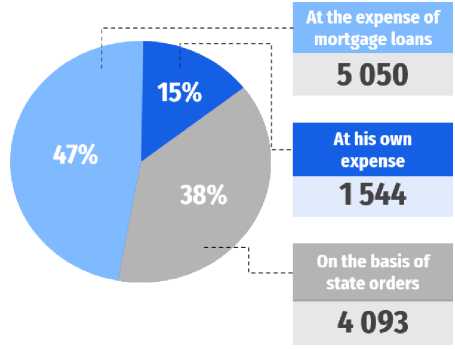
Figure 3. Distribution of Apartments sold by the Agency during 2016–2024
Among the individuals acquired affordable housing, military personnel, teachers employed in state general education institutions, and individuals with special ranks serving in internal affairs bodies have constituted the majority.
The sale of apartments under the affordable housing program is accompanied by the provision of preferential mortgage loans through agent banks that have signed cooperation agreements with “MIDA” LLC. Currently, collaboration is underway with 12 agent banks for the issuance of preferential mortgage loans [11].
Over the reporting period, more than 5,000 preferential mortgage loans have been issued to facilitate access to affordable housing [1].
As is well known, on February 6, 2023, the Republic of Türkiye suffered severe consequences of two powerful earthquakes centered in Kahramanmarash, which affected 10 provinces. These natural disasters resulted in the loss of more than 50,000 lives, injuries to over 122,000 individuals, and the destruction of more than 35,000 buildings. In response to this tragedy, and as a reflection of the historic bonds of unwavering friendship and brotherhood between Türkiye and Azerbaijan, the Azerbaijani government supported the construction of a new residential neighborhood in the earthquake-affected region of Kahramanmarash [12].
With the support of the Turkish government, the project area has been designated as the “Azerbaijan Neighborhood.” In addition to 71 residential buildings comprising a total of 1,300 apartments, the project includes the construction of a primary school, a kindergarten, and a cultural center to ensure the comfort and well-being of residents. At present, essential activities are being carried out to meet the housing needs of the affected population and to establish the necessary infrastructure [1].
Key Challenges and Issues. Transparency and Efficiency in the Concession Mechanism. Although the preferential mortgage credit and other support mechanisms intended to address the housing needs of socially vulnerable groups - particularly low- and middle-income citizens and young families - are theoretically considered positive steps, there are notable challenges in their practical implementation. The lack of clarity in the criteria for selecting applicants, and instances where individuals who do not genuinely need such support benefit from these opportunities, have led to public dissatisfaction. For example, to benefit from the preferential mortgage loan provided through Fund, it is sufficient for applicants to belong to one of the categories listed in Table 1. There are no restrictions regarding the applicant’s financial status, the number or value of properties already owned, or any other indicators of wealth that might disqualify them from receiving preferential mortgage loan. Consequently, this allows a larger pool of individuals to compete for a limited number of apartments offered by the Agency, leading to increased competition. In many cases, this results in those who are most in need of housing being unable to obtain it.
This situation highlights the urgent need for substantial reforms in the sector and the strengthening of public oversight to ensure that such concession mechanisms achieve their intended social goals effectively and fairly.
Disparities between Baku and the Regions – Income, Housing Prices, and Mortgage Payments. The state of the housing market in Baku and the regions is markedly different and cannot be directly compared. While housing prices in the capital have sharply increased, prices in the regions have remained relatively stable or are more affordable due to lower purchasing power. However, a notable paradox emerges: despite the comparatively lower housing costs in the regions, the motivation for people to reside there remains weak. This is primarily due to the limited employment opportunities, underdeveloped infrastructure, and lower quality of social services compared to Baku. As a result, internal disparities in development are exacerbated, prompting large-scale migration to the capital.
The Agency continues to implement housing projects both in Baku and in the regions. In completed projects located in Baku, the average price per square meter of residential property ranges from 850 to 950 AZN, whereas in completed regional projects the average is around 850 AZN per square meter. In Sumgait, another major urban area, the average ranges between 850 and 1000 AZN per square meter (Table 2) [1].
Table 2
DATA ON THE SALE PRICE PER SQUARE METER OF APARTMENTS
AND THE AVERAGE MONTHLY SALARY BY REGION WHERE THE PROJECTS ARE LOCATED (RC STANDS FOR RESIDENTIAL COMPLEX)
|
Regions |
S' п st |
*3 О* О' *3 Со ~ |
S N ^ ^ = |
S 5 5г"‘> Ч:^ 2^ ^S<^ |
^^ st ^ к ® ° ? $ S &^ S-g ^ О 5й ^ 5^ |
S 5 « О Ч-S ? К О g^ |
|
Baku |
Yasamal 1 RC |
2018-2019 |
950 |
129-288 |
789-869 |
36-33 |
|
Yasamal 2 RC |
2022-2023 |
950 |
143-394 |
1081-1184 |
36-33 |
|
|
Hovsan 1 RC |
2020-2021 |
850 |
138-268 |
928-951 |
29-28 |
|
|
Hovsan 2 RC |
2023 |
850 |
147-419 |
1184 |
35 |
|
|
Sumgayit |
Sumgayit project |
2021 |
850 |
128-272 |
638 |
43 |
|
Sumgayit RC |
2024 |
1000 |
257-354 |
829 |
43 |
|
|
Ganja |
Ganja RC |
2021 |
850 |
128-354 |
549 |
64 |
|
Lankaran |
Lankaran RC |
2024 |
850 |
267-419 |
611 |
68 |
Despite geographic differences, the average price per square meter of housing does not vary significantly between Baku and less developed regions. However, a notable disparity exists in the average monthly wages of salaried employees during the years these apartments were sold. In Baku, the average monthly salary often exceeds the cost of one square meter of housing, whereas in the regions, this is generally not the case. Furthermore, as indicated in Table 2, the ratio of monthly mortgage payments (under the preferential mortgage scheme) to average monthly salaries reveals stark contrasts [13].
In Baku, this ratio ranges between 28% and 36%, while in the regions it is substantially higher, ranging from 43% to 68%. This, in turn, makes it difficult for residents in the regions to purchase apartments either through direct payment or via preferential mortgage loans. Regarding accessibility for young families and low-income groups, those facing the most severe housing challenges are young families and low-income households. For newly established families, limited financial resources at the outset significantly delay home ownership, often for many years. Meanwhile, low-income groups are generally forced to rely solely on the rental market. Although a preferential mortgage program exists, a lack of officially documented income or insufficient income levels render these families effectively unable to access affordable housing. According to the Law of the Republic of Azerbaijan "On Youth Policy" (No. 297-IIQ, dated April 9, 2002), a young family is defined as a family formed by individuals under the age of 35 who have entered into marriage, as well as a single parent under the age of 35 with at least one dependent child [14].
Furthermore, considering that the average age at first marriage for men and women is approximately 28 and 24 respectively, individuals qualifying as part of the young family category generally fall within the 25–35 age range [13].
According to Table 3, only 38% of the population in Azerbaijan who are economically active — both formally and informally employed — receive official income through employment contracts in accordance with the Labor Code of the Republic of Azerbaijan. This implies that 62% of young families and low-income households within the specified age group earn income through informal means, and as a result, are ineligible for preferential mortgage loans. Consequently, for these groups, the idea of “owning a home” remains far from reality. To improve their access to housing, there is a pressing need for broader and more targeted state-level programs [13].
Table 3
POPULATION AND EMPLOYMENT DATA FOR INDIVIDUALS AGED 25 TO 35
ACROSS THE COUNTRY AS OF EARLY 2024
|
Status |
Population aged 25-35 years |
The ratio of the employed population to the total population, and salaried employees to the employed population (%) |
|
Total population |
1,633,900 |
- |
|
Employed population |
1,418,000 |
87% |
|
Number of salaried employees |
534,200 |
38% |
Ways to Improve Accessibility. Ensuring access to affordable housing in Azerbaijan is not only a manifestation of social justice, but also a fundamental pillar of the country’s sustainable urban development and social welfare policies. It is particularly crucial to implement targeted and concrete measures aimed at improving housing accessibility for young families, low-income groups, and populations residing in regional areas. Below are several practical and systematic recommendations that may serve this purpose:
Improvement of the Information Considered in Granting Eligibility for Affordable Housing:
Assessment of the applicant’s financial status — Monthly salary should be indicated in the employment verification document, and a threshold should be established by the relevant authority; citizens whose income exceeds this threshold should not be granted eligibility for affordable housing;
Consideration of existing property ownership — As part of the integration process, data should be transferred from the relevant government body responsible for registering the property owned by citizens to the “Affordable Housing” system. Consequently, applications from individuals owning more than one residential property should be considered ineligible for affordable housing;
Expansion of the eligible categories for affordable housing — In addition to the 19 categories listed in Table 1, the following groups should be included:
Healthcare employees working in public medical institutions;
Individuals who have rented housing for at least five years, do not own a home, and whose income is below a specified threshold;
Employees working in the state railway services;
Persons who have lost their homes as a result of natural disasters or emergencies.
Incentives for reducing construction costs in the regions:
Provision of government subsidies — To make the price per square meter of housing in regional projects more affordable and accessible to citizens, the government should cover a portion of the construction costs through an appropriate percentage allocation;
Implementation of public-private partnership models — To minimize financing requirements for projects constructed in the regions, private construction and investment companies should be engaged in collaboration.
Improvement of the preferential mortgage program:
Facilitating access to preferential mortgage loans for individuals engaged in informal employment — Instead of traditional income documentation, applicants without formal employment contracts should be allowed to submit alternative forms of income verification, such as regular bank account statements, utility payment history, rent payment records, evidence of consistent financial obligations, or verified business income;
Establishment of a special preferential mortgage program for individuals working in the informal sector, to be implemented by the state or commercial banks;
Joint mortgage loan applications — Allowing individuals to apply for mortgage loans jointly with a family member who has an official income.
Conclusion
Ensuring access to affordable housing in Azerbaijan is a critical component of the country’s broader social equity, urbanization, and sustainable development policies. Analysis indicates that although important initiatives—particularly those implemented through the State Housing Development Agency—have played a significant role in meeting the housing needs of specific social groups and low-income families, the current system remains neither fully inclusive nor optimally efficient. Key challenges include a significant imbalance between income levels and housing prices, a lack of transparency and effectiveness in the eligibility criteria for affordable housing, stark socioeconomic disparities between the capital and the regions, and the exclusion of citizens with informal incomes from the system. The limited access of young families and disadvantaged groups to affordable housing reveals shortcomings in the outreach and targeting of social housing policies. To address these challenges, institutional and economic reforms are essential. The eligibility criteria for affordable housing programs should be redefined based on fairness and genuine need. Alternative financing mechanisms must be developed for individuals with informal incomes. Incentives should be enhanced to reduce construction costs in the regions, and public-private partnerships must be expanded to increase housing supply. Moreover, the transparency of digital platforms and the level of public awareness must be improved to ensure informed participation. Systematic measures in this direction will, in the long term, enhance social welfare, ensure the stability of the real estate market, and promote the effective realization of citizens' right to housing. Improving access to affordable housing will strengthen domestic development, stimulate economic activity, and ultimately attract greater confidence and investment from both local and international investors.
