
A global bibliometric analysis of the scientifc landscape and collaborative networks in prostate cancer and bioinformatics research
Free access
Background. Prostate cancer is a leading malignancy among men worldwide, presenting signifcant public health challenges due to its complex biology and diverse clinical outcomes. Recent advances in bioinformatics have greatly infuenced cancer research by enabling the integration of multiple disciplines and improving the analysis of biological data. Objective. To present a comprehensive bibliometric analysis summarizing global research trends in prostate cancer and bioinformatics from 1998 to 2025. Material and Methods. A bibliometric study was conducted analyzing 3,426 articles sourced from 961 publications. Data on research output, collaboration patterns, citation impact, and thematic clusters were extracted and analyzed. Results. The feld exhibited a robust annual growth rate of 18.42 %, with an average document age of 5.65 years and 26.34 citations per article, indicating high scientifc impact. Collaborative research is prevalent, with 13,598 authors averaging 7.21 co-authors per publication and over 21 % of research produced via international partnerships. Publication formats included journal articles, reviews, and conference papers. Keyword cooccurrence analysis revealed fve main thematic clusters: computational and omics methodologies; tumor biology and immunology; molecular mechanisms and cancer progression; biomarkers and gene regulation; and interdisciplinary cancer research. Publication patterns indicated steady output before 2013 followed by a marked surge peaking near 500 articles in 2023, driven by advancements in genomics, big data analytics, and precision oncology. Citation data highlighted the United States and China as leading contributors, with China leading in publication count through predominantly domestic research, while the United States featured more international collaborations. Other signifcant contributors included Australia, Germany, Canada, and several European and Asian countries. Conclusion. Research at the intersection of prostate cancer and bioinformatics is rapidly expanding, highly collaborative, and globally distributed. The multidisciplinary and integrative nature of this feld continues to advance understanding, diagnosis, and treatment of prostate cancer through cutting-edge bioinformatics approaches.
Similar articles in the section Pathology of the urogenital system. Urinary and sexual (genital) complaints. Urology
Short address: https://sciup.org/140314356
IDS: 140314356 | UDC: 616.65-006.6 | DOI: 10.21294/1814-4861-2026-25-1-155-169
Глобальный библиометрический анализ научного сотрудничества в исследованиях по проблемам предстательной железы и биоинформатики
Актуальность. Рак предстательной железы – одно из самых распространенных онкологических заболеваний у мужчин во всем мире. Заболевание характеризуется сложной биологией и широким спектром клинических симптомов. Последние достижения в области биоинформатики оказали значительное влияние на исследования рака, позволив интегрировать различные дисциплины и улучшить анализ биологических данных. Цель исследования – представить библиометрический анализ, обобщающий глобальные тенденции исследований в области рака предстательной железы и биоинформатики с 1998 по 2025 г. Материал и методы. Проведено библиометрическое исследование с анализом 3 426 статей, полученных из 961 издания. Проанализированы данные о результатах исследований, моделях сотрудничества, влиянии цитирования и тематических кластерах. Результаты. Ежегодный высокий темп прироста (18,42 %), средний возраст публикации (5,65 года) и высокий показатель цитируемости (26,34) свидетельствуют о значимом влиянии на научное сообщество. Широко распространены совместные исследования: 13 598 авторов (в среднем 7,21 соавтора на публикацию). Более 21 % исследований проводится в рамках международных партнерств. Форматы публикаций включали журнальные статьи, обзоры и доклады на конференциях. Анализ ключевых слов выявил пять основных тематических кластеров: вычислительные и омиксные методологии; биология опухолей и иммунология; молекулярные механизмы и прогрессирование рака; биомаркеры и регуляция генов; междисциплинарные исследования рака. Анализ публикационной активности показал стабильный объем публикаций до 2013 г., за которым последовал заметный всплеск, достигший пика (около 500 статей) в 2023 г., чему способствовали достижения в области геномики, анализа больших данных и прецизионной онкологии. Анализ цитируемости показал, что ведущие страны по этому признаку – это США и Китай, при этом Китай лидирует по количеству публикаций, в основном за счет собственных исследований, в то время как США демонстрирует более широкое международное сотрудничество. Среди других значимых участников – Австралия, Германия, Канада, а также ряд европейских и азиатских стран. Заключение. Исследования на стыке проблем рака предстательной железы и биоинформатики быстро развиваются, отличаются высокой степенью сотрудничества и распространены по всему миру. Многопрофильный и интегративный характер этих исследований продолжает способствовать углублению понимания, диагностики и лечения рака предстательной железы с помощью передовых биоинформатических подходов.
Text of the scientific article A global bibliometric analysis of the scientifc landscape and collaborative networks in prostate cancer and bioinformatics research
Prostate cancer is the second most common cancer among men worldwide, with over 1.4 million new cases and nearly 400,000 deaths reported in 2022 [1, 2]. Adenocarcinoma represents the predominant histological subtype, comprising over 99 % of prostate cancer cases and is most commonly diagnosed at a median age of 67 years [1]. Major risk factors include genetic predisposition – which accounts for more than half of all cases – advancing age, and racial background, with Black men exhibiting a higher incidence compared to their White counterparts. In its early stages, prostate cancer is generally confined to the prostate gland and is associated with an exceptionally favorable five-year survival rate, approaching 100 % [3].
Diagnosis of prostate cancer typically begins with prostate-specific antigen (PSA) blood testing, digital rectal examination (DRE), and confirmation through prostate biopsy. In recent years, advanced imaging techniques such as multiparametric magnetic resonance imaging (mpMRI) have become increasingly important, as they enhance the detection and localization of clinically significant tumors and can help reduce unnecessary biopsies. Additional imaging modalities, including transrectal ultrasound (TRUS), contrast-enhanced ultrasound, and multiparametric ultrasound (mp-US), provide complementary information and further improve diagnostic accuracy, especially when combined with mpMRI [4]. Efforts to control prostate cancer are strongly connected to the United Nations Millennium Development Goals (MDGs) and Sustainable Development Goals (SDGs), which emphasize reducing the global impact of non-communicable diseases (NCDs) like cancer. Comprehensive management of prostate cancer requires strategies that include prevention, early detection, precise diagnosis, effective treatment, and palliative care, all aimed at lowering incidence, morbidity, and mortality while improving patient quality of life. Research highlights the need for tailored national cancer control strategies to address disparities, with interventions for prostate cancer particularly important in lower socioeconomic regions to reduce inequalities and support sustainable development objectives. The World Health Organization (WHO) also stresses that many cancers, including prostate cancer, can be prevented or detected early through evidence-based measures such as tobacco control, vaccination, and the integration of screening programs into primary health care systems [5].
Monitoring research output on prostate cancer, especially regarding drug resistance, is crucial for shaping effective management strategies and informing therapeutic policy decisions [6, 7]. Bibliometric analyses provide valuable perspectives on the evolution of research, highlight emerging topics, map international collaborations, and reveal the contributions of differ- ent countries and institutions within this field. Several studies have employed bibliometric methods to assess prostate cancer research globally, revealing patterns of scientific output and collaboration that help guide future research priorities and policy decisions [8]. For instance, recent bibliometric studies have delineated trends in prostate cancer research, identifying leading countries, prominent journals, and shifting thematic priorities, including glycolysis, imaging techniques, and inflammation related to prostate cancer [8–10]. Overall, continuous bibliometric monitoring is essential for adapting research and clinical strategies to address the evolving challenges of drug resistance in prostate cancer, ultimately supporting more effective and personalized patient care
A comprehensive understanding of the global research landscape in prostate cancer is essential, yet broad bibliometric analyses remain scarce. While several studies have focused on specific subfields – such as radiotherapy, artificial intelligence, bone metastasis, and inflammation – there is a clear need for an overarching bibliometric overview that captures the full scope of prostate cancer research . This study addresses this gap by systematically analyzing prostate cancer research publications from 1998 to 2025, providing a current and detailed perspective on research trends, thematic priorities, and patterns of international collaboration. By focusing on this recent period, the analysis highlights the rapid growth in research output, identifies leading countries (notably the United States and China), and maps the evolution of research hotspots such as molecular biomarkers, advanced imaging, and novel therapeutic strategies. The findings are intended to inform health policymakers and researchers by showcasing productivity trends, emerging research frontiers, and the extent of global collaboration, thereby supporting the development of more targeted and effective prostate cancer control strategies. This approach is consistent with recent bibliometric studies in related areas, which have successfully mapped research outputs, collaborative networks, and thematic shifts, demonstrating the value of bibliometric analysis in guiding research priorities and policy decisions. By systematically examining nearly three decades of publication data, this study offers a comprehensive view of the evolving scientific landscape in prostate cancer, providing a foundation for evidence-based planning and resource allocation.
Material and Methods
This bibliometric study examined research publications pertaining to prostate cancer and bioinformatics over the period from 1998 to 2025. Data were obtained from a comprehensive scientific database, such as Scopus, employing a predefined search strategy that combined keywords including “prostate cancer” and “bioinformatics” to ensure the inclusion of relevant literature. The dataset encompassed all document types, including journal articles, reviews, and confer- ence proceedings. Key bibliometric indicators were extracted, such as the total number of publications, source distribution, citation counts, document age, authorship patterns, and metrics of international collaboration. Citation analysis was conducted to evaluate scientific impact by calculating the average citations per document as well as the total references cited across the publications. Additionally, co-authorship data were analyzed to identify collaboration trends, including the average number of authors per publication and the relative proportions of single-authored versus multi-authored works. International collaboration was quantified by identifying publications with authors from multiple countries. Keyword analysis involved extracting both Keywords Plus and author keywords to explore thematic diversity and research focus areas. A co-occurrence network of author keywords was constructed to visualize prominent terms and identify thematic clusters, using bibliometric mapping tools such as VOSviewer or CiteSpace and Biblioshiny using R Studio [11, 12].
Temporal trends in publication output were examined by plotting annual publication counts from 1998 through 2025, highlighting growth patterns and peak publication years. The geographic distribution of research output was examined by classifying publications according to the country of the corresponding author, differentiating between Single Country Publications (SCP) and Multiple Country Publications (MCP) in order to evaluate domestic versus international collaborative efforts. Our study highlighted that the methodological approach combined quantitative bibliometric indicators with network visualization techniques to provide a comprehensive overview of the evolution, impact, thematic structure, and global collaboration patterns in prostate cancer and bioinformatics research over nearly three decades.
VOSviewer is a dedicated software application used to build and display bibliometric networks, which can be visualized as either density or network maps. Density maps highlight areas with a high concentration of elements, such as frequently used keywords or active countries, making it easy to identify research hotspots. In contrast, network maps illustrate the connections and interactions between nodes, such as co-authorship among researchers or the co-occurrence of keywords, thereby revealing collaborative structures and thematic relationships. In prostate cancer research, VOSviewer applied to visualize collaborative patterns among countries, institutions, and authors, as well as to map research trends and emerging topics. For example, when clustering countries based on their collaborative activities, each cluster represents a group of nations that frequently work together on prostate cancer studies, with stronger co-authorship links indicating more robust scientific partnerships. This visualization approach provides a clear and intuitive understanding of the global landscape of research collaboration, helping to identify leading contributors and the dynamics of
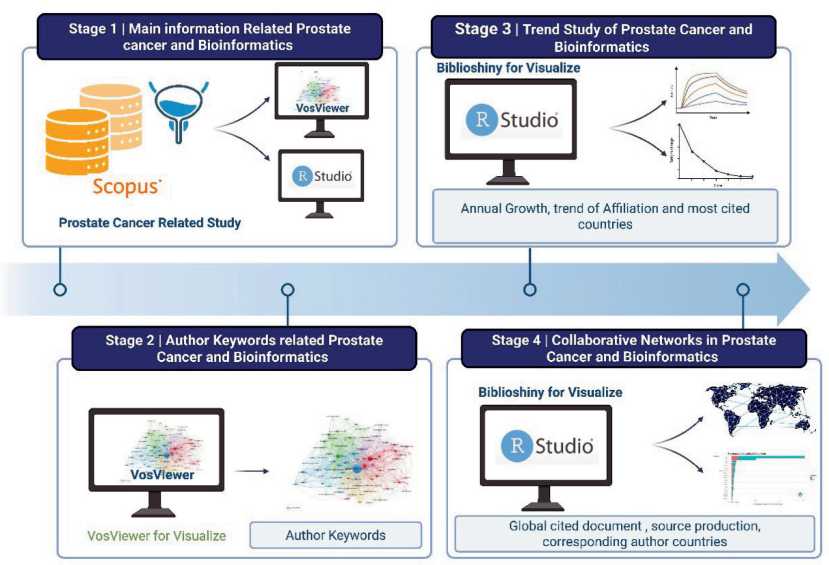
Fig. 1. The study workflow involves utilizing the Scopus database for data retrieval and employing advanced visualization tools such as VOSviewer and Biblioshiny within R Studio to analyze and present the results. Note: created in BioRender. Muhammad Irham, L. (2025) https://BioRender. com/32awpiu
Рис. 1. Процесс исследования включает использование базы данных Scopus для извлечения данных и применение передовых инструментов визуализации, таких как VOSviewer и Biblioshiny, в R Studio для анализа и представления результатов. Примечание: created in BioRender. Muhammad Irham, L. (2025) https://BioRender.
com/32awpiu international cooperation in prostate cancer and related fields such as bioinformatics and artificial intelligence. By mapping these networks, VOSviewer supports the identification of influential countries, institutions, and research teams, offering valuable insights into how knowledge and resources are shared globally to advance prostate cancer research (Figure 1).
Results
Main information Related Trend of study of Prostate cancer and Bioinformatics
The Table presents a detailed summary of the main bibliometric indicators related to the trend of study on prostate cancer and bioinformatics from 1998 to 2025. Over the course of this 27-year period, a total of 3,426 documents have been published across 961 distinct sources, including journals, books, conference proceedings, and other scholarly outlets. The discipline has demonstrated a robust annual growth rate of 18.42 %, reflecting a steady escalation in research activity and scholarly interest. The mean age of the documents is 5.65 years, indicating that a substantial portion of the literature remains relatively recent. Furthermore, each publication has garnered an average of 26.34 citations, underscoring the significant scientific impact of the research output. Collectively, these documents have cited 168,883 references, reflecting the depth and extensiveness of supporting literature in this domain.
In terms of content, the dataset includes 23,845 Keywords Plus (automatically generated from article references) and 6,754 author-provided keywords, which reveals the wide thematic range and the diversity of topics within the intersection of prostate cancer and bioinformatics. The research output comprises contributions from a total of 13,598 authors, with only 101 individuals responsible for single-authored publications. Correspondingly, merely 107 documents are single-authored, whereas the vast majority represent collaborative efforts, underscoring the cooperative nature of research within this domain. On average, each publication includes 7.21 co-authors, and 21.04 % of the works result from international collaborations, highlighting the global commitment to advancing the understanding of prostate cancer through bioinformatics methodologies. In terms of document types, journal articles predominate with 2,675 entries, followed by 408 review articles, reflecting a considerable interest in synthesizing and critically evaluating existing knowledge. Additionally, there are 178 conference papers, indicative of active dissemination and discourse at scientific meetings. Other publication categories include book chapters (25), editorials (50), letters (11), and notes (27). A smaller number of entries fall under categories such as conference reviews, data papers, errata, retracted articles (14), and short surveys, further contributing to the diversity of the publication landscape. Collectively, these data demonstrate that research on prostate cancer and bioinformatics constitutes a rapidly expanding and collaborative field characterized by a broad spectrum of publication types, substantial international engagement, and increasing scientific influence as evidenced by citation metrics.
Author Keywords related Trend of study of Prostate cancer and Bioinformatics
Figure 2 displays a co-occurrence network visualization created with VOSviewer, mapping the interconnections among author keywords in publications related to “Prostate Cancer” and “Bioinformatics.” This analysis draws from 3,426 English-language articles, focusing on keywords that appear at least 15 times. Of the 6,755 unique keywords identified, 86 met this frequency threshold, highlighting their significance in the field. Central nodes such as “prostate cancer” and “bioinformatics” are the most prominent and highly connected, reflecting their central role and strong as-
|
Table/Òàблицà Main information Related Trend of study of Prostate cancer and Bioinformatics Òåндåнции в изóчåнии ðàêà пðåдñтàтåльнîé жåлåзы и биîинфîðмàтиêи |
|
|
Description/Описание |
Results/Результаты |
|
Main information About data /Основная информация о данных |
|
|
Timespan/Временной промежуток |
1998:2025 |
|
Sources (Journals, Books, etc)/Источники (журналы, монографии и т. д.) |
961 |
|
Documents/Документы |
3426 |
|
Annual Growth Rate/Ежегодный прирост |
18.42 % |
|
Document Average Age/Средний возраст публикации |
5.65 |
|
Average citations per doc/Среднее количество цитирований на документ |
26.34 |
|
References/Ссылки |
168883 |
|
Document contents/Содержание документа |
|
|
Keywords Plus (ID)/Ключевые слова Плюс (ID) |
23845 |
|
Author's Keywords (DE)/Авторские ключевые слова (DE) |
6754 |
|
Authors/Авторы |
13598 |
|
Authors of single-authored docs/Статьи, написанные одним автором |
101 |
|
Authors collaboration/Сотрудничество авторов |
|
|
Single-authored docs/Документы, написанные одним автором |
107 |
|
Co-Authors per Doc/Число соавторов на публикацию |
7.21 |
|
International co-authorships/Международное соавторство |
21.04 % |
|
Document types/Типы публикаций |
|
|
Article/Статья |
2675 |
|
Book/Монография |
3 |
|
Book chapter/Глава в монографии |
25 |
|
Conference paper/Доклад на конференции |
178 |
|
Conference review/Обзор конференции |
12 |
|
Data paper/Доклад с данными |
1 |
|
Editorial/Редакционная статья |
50 |
|
Erratum/Исправление |
7 |
|
Letter/Письмо |
11 |
|
Note/Примечание |
27 |
|
Retracted/Отозвано |
14 |
|
Review/Обзор |
408 |
|
Short survey/Краткий опрос |
15 |
Note: created by the authors
Примечание: таблица составлена авторами
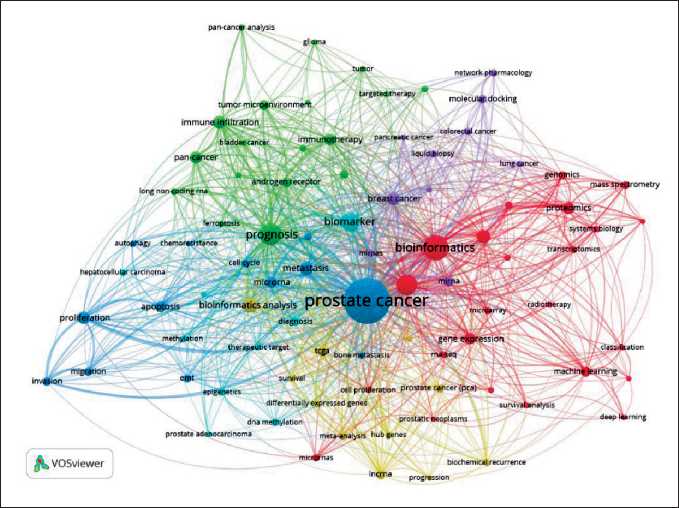
Fig. 2. Author keywords: minimum numbers of occurences of a keyword 15; of ther 6755 keywords, 86 meet the threshold.
Note: created by the authors Рис. 2 Ключевые слова: минимальное количество вхождений ключевого слова – 15; из 6 755 ключевых слов 86 соответствуют пороговому значению. Примечание: рисунок выполнен авторами
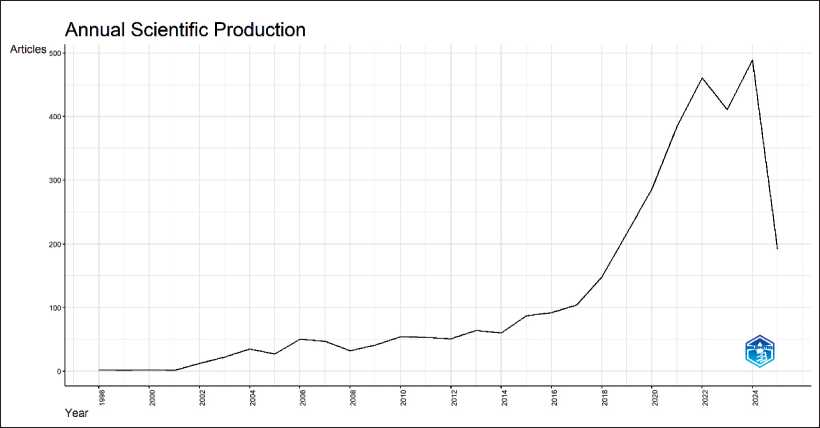
Fig. 3. Annual Growth Publication Related Trend of study of Prostate cancer and Bioinformatics. Note: created by the authors Рис. 3. Ежегодный рост числа публикаций, посвященных раку предстательной железы и биоинформатике.
Примечание: рисунок выполнен авторами
sociations with other research terms. The visualization organizes keywords into distinct, color-coded clusters, each representing a major research theme.
The red cluster highlights computational and omics-based approaches, featuring keywords like gene expression, genomics, proteomics, machine learning, deep learning, and transcriptomics, which underscore the growing emphasis on data-driven bioinformatics methods in prostate cancer research. The green cluster is associated with tumor biology and immunology, including terms such as tumor microenvironment, immune infiltration, androgen receptor, and bladder cancer, pointing to research on tumor characteristics and immune interactions. The blue cluster focuses on molecular mechanisms and cancer progression, with keywords like apoptosis, methylation, migration, proliferation, and epigenetics, indicating studies on the biological pathways involved in cancer development and spread. The yellow cluster centres on biomarkers, clinical outcomes, and gene regulation, with terms such as differentially expressed genes, lncRNA, hub genes, and biochemical recurrence, reflecting efforts to identify genetic markers for diagnosis and prognosis. The purple cluster encompasses interdisciplinary and comparative cancer research, linking terms like breast cancer, pancreatic cancer, liquid biopsy, and targeted therapy, which suggests the application of bioinformatics across multiple cancer types. We highlighted, this network map demonstrates the interdisciplinary and complex nature of prostate cancer bioinformatics research, emphasizing the importance of collaborative and integrative approaches for advancing understanding, diagnosis, and treatment in the field.
Publication Growth Patterns Over Time in
The Study of Prostate Cancer And Bioinformatics
The Figure 3 illustrates the annual scientific output related to research on prostate cancer and bioinformatics from 1998 through 2025. The X-axis denotes the publication year, while the Y-axis indicates the number of articles published each year. Between 1998 and 2012, publication volume remained relatively low and stable, with fewer than 100 articles annually. Beginning around 2013, there was a gradual increase in publications, which accelerated markedly from 2018 onward. This rising trend reflects growing academic and clinical interest in applying bioinformatics approaches to prostate cancer research.
Publication activity peaked in 2023, with nearly 500 articles published, representing the highest annual output in the period analyzed. This surge likely corresponds to advances in genomics, big data analytics, and precision oncology tools relevant to prostate cancer. A decline in publication numbers is observed for 2025; however, this is probably attributable to incomplete data collection for the ongoing year rather than a true reduction in research activity. Overall, the data demonstrate a strong upward trajectory in scientific literature over the past two decades, underscoring the increasing significance of bioinformatics in prostate cancer research and indicating a maturing and expanding field.
Patterns of Publication Productivity
Based on Affiliations in Prostate Cancer
And Bioinformatics Research
We highlighted that the Figure 4 presents the publication trends of five prominent academic institutions in the research area of Prostate Cancer and Bioinformatics from 1998 to 2025. These affiliations include Central South University, Fudan University, Huazhong University of Science and Technology, Sichuan University, and Southern Medical University. From 1998 to around 2011, publication activity from these institutions was very limited or even absent, reflecting that bioinformatics research in the context of prostate cancer had not yet been extensively developed within these universities.
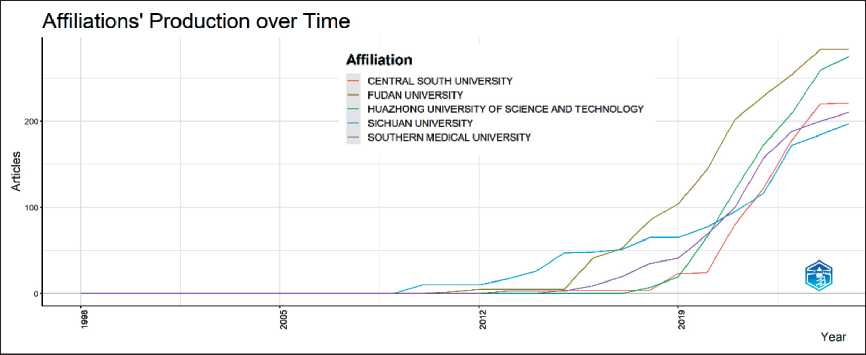
Fig. 4. Trends in research output based on institutional affiliations in prostate cancer and bioinformatics studies. Note: created by the authors Рис. 4. Тенденции публикаций различных учреждений результатов исследований по проблемам рака предстательной железы и биоинформатики. Примечание: рисунок выполнен авторами
A noticeable increase in publication output began to emerge after 2012, with Huazhong University of Science and Technology and Sichuan University showing early contributions. Between 2018 and 2023, a sharp and consistent rise in scientific production is evident across all five institutions. This trend indicates a growing institutional focus and investment in prostate cancer and bioinformatics research. Among these, Huazhong University of Science and Technology and Southern Medical University led in total article output by 2023, each contributing more than 200 publications. Fudan University and Central South University followed closely behind, while Sichuan University demonstrated steady and competitive growth throughout the same period. We highlighted that this figure illustrates the rapid acceleration of scholarly output from leading Chinese academic institutions in recent years, highlighting their growing global influence in the integration of bioinformatics approaches in cancer research. The data also suggest that these institutions have established strong research infrastructures and collaborations that support continued productivity in this evolving scientific domain.
Trends in The Most Cited Countries Contributing to Prostate Cancer And Bioinformatics Research
According to our analysis we highlighted for Figure 5 illustrates the global impact of research publications in the field of Prostate Cancer and Bioinformatics by showing the number of citations received by each country. The United States (USA) stands out significantly as the most cited country, with a total of 32,046 citations, indicating its dominant role and leadership in producing influential research in this area. This suggests that a substantial portion of foundational and high-impact studies originated from U.S.-based institutions. China follows as the second most cited country with 24,153 citations, reflecting the country’s rapid growth and increasing prominence in cancer and bioinformatics research. The significant citation count also demonstrates that Chinese publications are being widely referenced and recognized within the international scientific community.
Other countries with notable citation counts include Australia (7,815 citations), Germany (5,260), and Canada (4,849), showing their active contributions
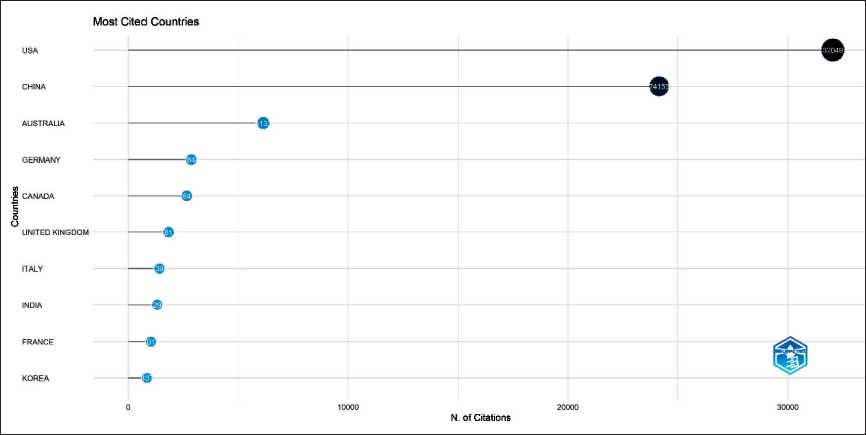
Fig. 5. Most cited country related Trend of study of Prostate cancer and Bioinformatics. Note: created by the authors Рис. 5. Распределение по странам наиболее цитируемых исследований, посвященных раку предстательной железы и биоинформатике. Примечание: рисунок выполнен авторами
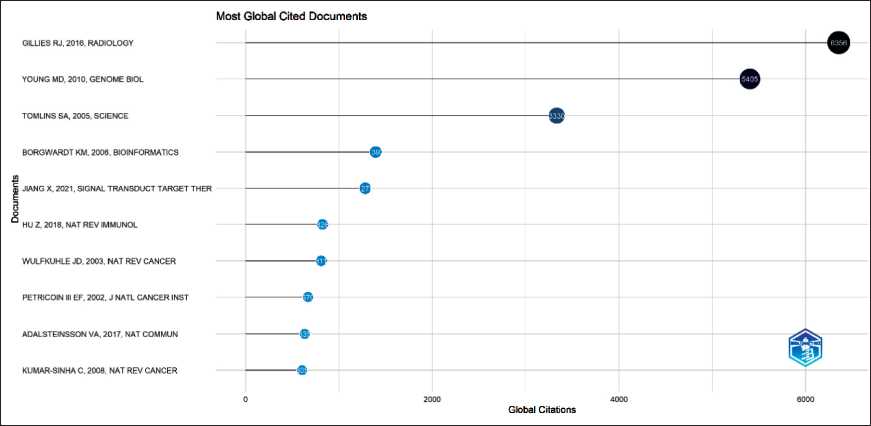
Fig. 6. Most Global cited document related Trend of study of Prostate cancer and Bioinformatics. Note: created by the authors Рис. 6. Наиболее цитируемые мировые публикации, посвященные исследованиям рака предстательной железы и биоинформатике. Примечание: рисунок выполнен авторами
and the relevance of their work in this field. Countries such as the United Kingdom, Italy, India, France, and Korea also appear in the top 10, although with relatively lower citation counts (ranging between approximately 1,500–3,000). These figures suggest that while research efforts are globally distributed, the most impactful and widely cited studies are concentrated in a few leading nations, particularly the USA and China. This figure highlights the geographical distribution of scholarly influence, emphasizing how certain countries are shaping the global research landscape in prostate cancer and bioinformatics through high-impact scientific contributions.
Most Highly Cited Publications Focus on Trends in Prostate Cancer
And Bioinformatics Research
Our analysis identified the most highly cited publications worldwide within the intersection of prostate cancer and bioinformatics, highlighting the key articles that have profoundly influenced the trajectory and development of research in this domain. Leading the list is the article by Gillies RJ (2016, Radiology), which has amassed 6,356 citations, making it the most cited work in this area. This suggests that the study provided foundational contributions, likely offering critical insights or methodologies related to cancer imaging or radiogenomics pertinent to prostate cancer research. Close behind are the publications by Young MD (2010, Genome Biology) with 5,409 citations and Tomlins SA (2005, Science) with 3,337 citations, both of which likely played pivotal roles in establishing genomic and molecular frameworks that advanced the integration of bioinformatics into prostate cancer studies. Other notable highly cited works include Borgwardt KM (2006, Bioinformatics) with 1,940 citations, Seung X (2021, Signal Transduction Targeted Therapy) with 1,271 citations, and Hu Z (2018, Nature Reviews Immunology) with 1,091 citations. These publications underscore the significance of bioinformatics tools, cancer signaling pathways, and immunological mechanisms within the broader context of prostate cancer research (Figure 6).
Several earlier studies, such as those by Wulfkuhle JD (2003) and Petricoin III EF (2002), continue to receive substantial citations, reflecting their enduring impact – likely in areas such as cancer biomarker discovery and proteomics. This analysis highlights landmark publications that have substantially advanced knowledge in prostate cancer and bioinformatics, emphasizing the interdisciplinary nature of the field that integrates oncology, genomics, immunology, and computational biology.
Source production overtime related
Trend of study of Prostate cancer and Bioinformatics
In this section, we analyze the sources of publication output related to prostate cancer and bioinformatics (Figure 7). The data reveal that all journals experienced a notable increase in publication volume starting around 2016, with a pronounced surge after 2019. Among these, Frontiers in Oncology emerges as the most prolific source, leading in cumulative publications by 2025 and underscoring its pivotal role in disseminating research that integrates bioinformatics within prostate cancer studies. Both Cancers and Frontiers in Genetics also show strong upward trajectories, reflecting heightened multidisciplinary engagement in molecular genetics and computational biology applied to cancer research.
Meanwhile, International Journal of Molecular Sciences and Oncology Letters demonstrate steady yet significant growth, particularly over the last five years, indicating increased emphasis on molecular investigations and the utilization of bioinformatics tools in oncology. The Figure 7 underscores a clear and accelerating trend of research activity in prostate cancer and bioinformatics across several key scientific journals, highlighting the expanding importance of bioinformatics in advancing the understanding and management of prostate cancer.
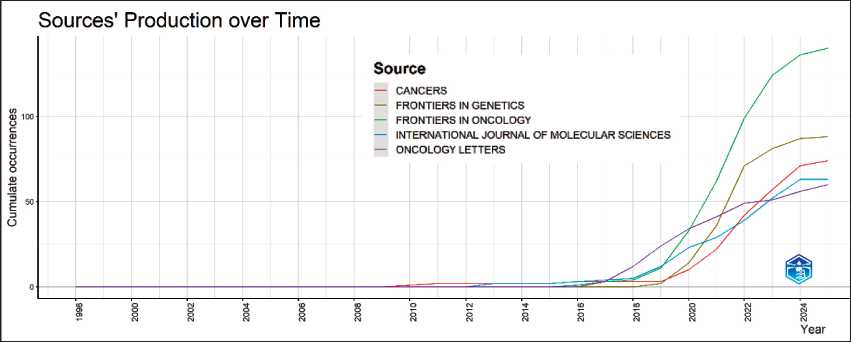
Fig. 7. Source production overtime related Trend of study of Prostate cancer and Bioinformatics. Note: created by the authors Рис. 7. Развитие исследований рака предстательной железы и биоинформатики в зависимости от увеличения объемов производства исходных материалов. Примечание: рисунок выполнен авторами
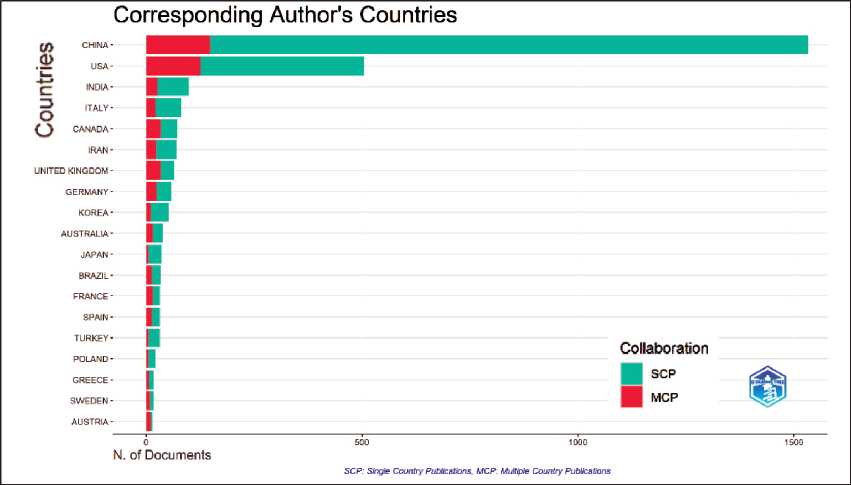
Fig. 8. Corresponding author country related Trend of study of Prostate cancer and Bioinformatics. Note: created by the authors Рис. 8. Тенденции исследований по проблемам рака предстательной железы и биоинформатики в зависимости от страны публикации. Примечание: рисунок выполнен авторами
Corresponding author country related Trend of study of Prostate cancer and Bioinformatics Figure 8 displays the distribution of research publications by the corresponding author’s country, distinguishing between Single Country Publications (SCP) and Multiple Country Publications (MCP). This visualization provides insight into the geographic landscape and collaborative patterns in prostate cancer and bioinformatics research. China stands out as the top contributor, producing the largest volume of publications, with a strong emphasis on SCPs. This suggests that much of China’s research activity in this field is conducted within national borders, with relatively limited international collaboration. In contrast, the United States ranks second in total output but demonstrates a more balanced mix of SCPs and MCPs, reflecting both substantial domestic research and active engagement in international partnerships.
Other countries, such as Italy, also make significant contributions and participate in collaborative net- works, but the overall trend highlights that the United States is a central hub for global cooperation, often forming research alliances with numerous countries. Despite high research productivity in both China and the United States, studies indicate that institutional and cross-country collaborations could be further strengthened to enhance knowledge exchange and innovation. This pattern of publication and collaboration underscores the importance of fostering international partnerships to advance the field of prostate cancer bioinformatics, as global cooperation can accelerate scientific progress and improve outcomes through shared expertise and resources
Trends in Scientific Output by Country in Prostate Cancer And Bioinformatics Research
Figure 9 presents a visual and quantitative representation of global scientific production in the field of prostate cancer and bioinformatics, combining a world map with a frequency table. The data clearly shows that China is the leading contributor, with a total of
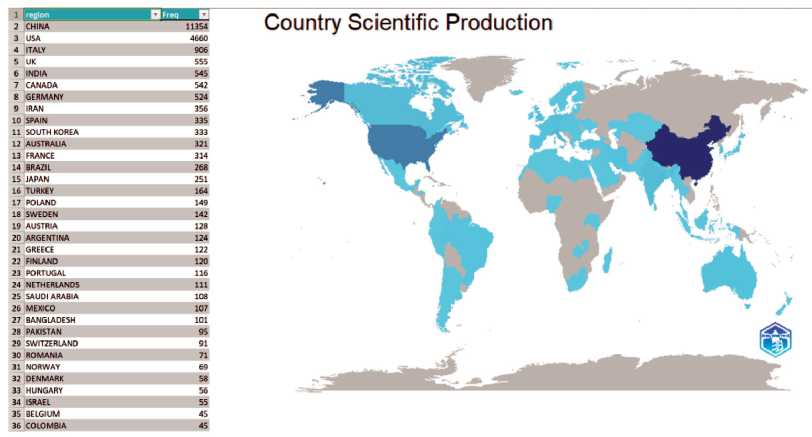
Fig. 9. Country Scientific Production Related study of Prostate cancer and Bioinformatics. Note: created by the authors Рис. 9. Количество исследований по проблемам рака предстательной железы и биоинформатики.
Примечание: рисунок выполнен авторами
11,354 scientific documents, significantly surpassing all other countries. The United States follows as the second most productive country, with 4,660 publications, reflecting its continued prominence in cancer and biomedical research. Italy, the United Kingdom, and India complete the top five, indicating strong involvement from both European and South Asian regions.
Countries such as Canada, Germany, Iran, Spain, South Korea, and Australia also show notable levels of scientific activity, each contributing between 300 to 550 publications. Countries like Japan, Turkey, Sweden, Brazil, and Austria follow with moderate contributions, while a broader range of nations including Argentina, Saudi Arabia, the Netherlands, and several others demonstrate growing participation in this interdisciplinary research area. The accompanying world map uses a gradient of blue shading to visually represent the volume of scientific output, with darker shades indicating higher productivity. This allows for an immediate geographic understanding of research hotspots, which are prominently located in East Asia, North America, and Western Europe. The figure as a whole highlight the global interest and investment in the intersection of bioinformatics and prostate cancer, with China emerging as the central hub of scientific output in this domain
Discussion
The bibliometric analysis demonstrates a vigorous and rapidly growing research domain in prostate cancer and bioinformatics spanning from 1998 to 2025. The publication of 3,426 documents across 961 distinct sources, combined with a substantial annual growth rate of 18.42 %, reflects the escalating scientific interest and investment in this interdisciplinary field. An average citation rate of 26.34 per document indicates the considerable impact and significance of these studies within the scholarly community. The predominance of collaborative research, evidenced by the high average number of co-authors per publication and the relatively low proportion of single-authored works, underscores the complex and multidisciplinary nature of prostate cancer research, which frequently necessitates expertise across oncology, genomics, computational biology, and clinical sciences. While the bibliometric findings highlight a robust and expanding research landscape, several important considerations merit attention. Notably, although the volume of publications and growth rate suggest increasing scientific engagement, bibliometric indicators alone may not fully reflect the quality or clinical applicability of the research output. For example, citation metrics can be affected by factors such as self-citation, publication in high-impact journals, or focus on trending topics, which do not necessarily correspond to substantive advancements in patient care or translational outcomes [13, 14].
The co-occurrence network of author keywords further illustrates the thematic diversity and integrative approach characteristic of this field. The identification of five distinct thematic clusters – ranging from computational and omics-driven methodologies to tumor biology, molecular mechanisms, biomarkers, and interdisciplinary cancer research – demonstrates how bioinformatics serves as a critical nexus for advancing understanding across multiple dimensions of prostate cancer [14]. This multifaceted research approach not only facilitates deeper insights into disease mechanisms but also supports the development of precision diagnostics and targeted therapies, reflecting the translational potential of bioinformatics in oncology [15, 16]. The temporal analysis of publication output reveals a clear upward trajectory, particularly after 2013, with an accelerated increase post-2018 and a peak in 2023. This surge aligns with technological advancements in genomics, big data analytics, and precision oncology, which have collectively transformed prostate cancer research [15, 17]. The recent decline in 2025 publications likely reflects incomplete data rather than a true decrease in research activity, suggesting that the field’s growth trend remains strong. These findings emphasize the dynamic evolution of prostate cancer bioinformatics research, driven by continuous innovation and expanding scientific collaboration [18].
Geographically, the United States and China dominate both in publication volume and citation impact, underscoring their leadership roles in shaping the global research agenda. The U.S.’s balanced mix of domestic and international collaborations contrasts with China’s predominantly domestic research output, indicating differing strategies in scientific engagement. Other countries such as Australia, Germany, Canada, and several European and Asian nations contribute meaningfully, reflecting a globally distributed research effort. The presence of smaller but active contributors through international collaborations highlights the increasingly interconnected nature of prostate cancer bioinformatics research, fostering knowledge exchange and capacity building across regions [8, 19]. Overall, these patterns suggest that while leadership is concentrated, the field benefits from broad, multinational participation essential for tackling the complex challenges of prostate cancer.
This bibliometric analysis provides an extensive overview of research activity in prostate cancer and bioinformatics from 1998 to 2025, encompassing 3,426 publications across 961 sources and demonstrating a notable annual growth rate of 18.42 %. The breadth of the dataset and the inclusion of various publication types enable a thorough quantitative and thematic exploration, such as the identification of five principal research clusters and a detailed mapping of international collaboration, with 21.04 % of studies involving cross-border partnerships. These findings underscore the multidisciplinary and globally interconnected character of the field, consistent with trends observed in related bibliometric studies, which highlight the increasing integration of artificial intelligence, molecular biology, and imaging technologies in prostate cancer research.
Nevertheless, certain limitations should be acknowledged. Data for the most recent years, particu- larly 2025, may be incomplete, potentially impacting the accuracy of trend analyses – a challenge also noted in other bibliometric reviews. The exclusive reliance on bibliometric indicators, such as publication and citation counts, restricts the ability to assess the scientific rigor or clinical impact of the research, as these metrics can be influenced by factors unrelated to research quality. Additionally, language and database selection biases may result in the underrepresentation of non-English or less-indexed studies, which could skew the geographic and thematic landscape 38. While the study quantifies international collaboration, it does not evaluate the depth, quality, or outcomes of these partnerships, an area identified as needing further investigation in the literature. This study offers valuable insights into research productivity, thematic evolution, and global collaboration in prostate cancer bioinformatics. However, to fully capture the field’s impact and future direction, these quantitative findings should be complemented by qualitative assessments of research quality, clinical relevance, and the effectiveness of collaborative efforts.
