
Cultural Cooperation as a Tool for Shaping Regional Identity in the Barents Euro-Arctic Region Prior to the Transformation of Multilateral Cooperation in 2022
Журнал: Arctic and North @arctic-and-north
Рубрика: Northern and arctic societies
Статья в выпуске: 64, 2026 года.
Бесплатный доступ
This study examines the role of cultural cooperation in the development of identification mechanisms in the Barents Euro-Arctic Region (BEAR) prior to the transformation of multilateral interaction, associated with Russia’s termination of its participation in 2022 and its withdrawal from the Barents Euro-Arctic Council in 2023. The Barents Region is considered a construct formed by political elites, the existence of which was sustained, amongst other things, by the implementation of identity policies through cultural interaction between participants in interregional cooperation. The study reveals how cultural interaction contributed to the formation of the Barents Region’s identity. The article analyses a number of cultural projects through which identity politics were implemented in the BEAR. Using qualitative content analysis of cultural initiatives, the study identified the key symbolic narratives underpinning identity politics in the BEAR. These narratives include categories used to represent the Barents Region to both internal and external audiences. It is emphasized that the formation of regional identity in BEAR has been largely a by-product of broader multilateral cooperation, rather than a formally defined strategic objective of the cooperation partners. The findings are particularly relevant in the context of recent political changes. This study is of interest both for further academic research and for practical regional development planning.
Короткий адрес: https://sciup.org/148334397
IDS: 148334397 | УДК: 341.232.7(98)(045) | DOI: 10.37482/issn2221-2698.2026.64.387
Текст научной статьи Cultural Cooperation as a Tool for Shaping Regional Identity in the Barents Euro-Arctic Region Prior to the Transformation of Multilateral Cooperation in 2022
DOI:
The Barents Euro-Arctic Region (BEAR), established in 1993, encompassed the northern border regions of Finland, Norway, and Sweden, as well as the north-western regions of the Russian Federation, thereby uniting 14 administrative-territorial entities of these states. This space became a common platform for interaction between diverse peoples with distinct cultural codes, historical experiences, and value systems. In 1993, at the initiative of Norway, two key institutions were established to coordinate cooperation in the Barents Euro-Arctic Region: the Barents EuroArctic Council (BEAC), responsible for interstate cooperation, and the Barents Regional Council (BRC), coordinating interregional cooperation1.
It should be noted that one of the key goals set out in the 1993 Kirkenes Declaration on Cooperation was to ensure greater stability and reduce tensions in the Barents Region, which was also emphasized in the activities of the BEAC (Heininen, 2024). At the same time, the concept of a
∗ © Shaltaeva L.A., 2026
This work is licensed under a CC BY-SA License
Barents regional identity emerged in academic discourse (Honneland, 1998). Thus, in the Barents Cooperation Program for 2019–2023, the creation of a regional identity was noted as one of the goals of regional cooperation2.
From the perspective of constructivist approach, social phenomena do not possess inherent objectivity, but are shaped and consolidated within collective perception and discourse, representing the result of social agreements and interpretations (Carlsneas, Risse, Simmons, 2002). Identity implies “a person’s sense of belonging to a particular social group, which allows them to define their place in the socio-cultural space and the surrounding world” (Pavlova, 2011), and is a phenomenon that manifests itself at both the individual and collective levels, encompassing social entities such as nations and regions. It should be noted that a sense of regional belonging is one of the key resources ensuring the sustainability and development of a regional community, as it leads to the growth and strengthening of people’s loyalty to that community (Hall, 1999).
Following the theory of Kaj Zimmerbauer, the BEAR is viewed as a project of regional and national elites (“a top-down construction”), which, in addition to ensuring security goals, was created to realize the economic interests and business initiatives of the cooperation participants (Zimmerbauer, 2013). Therefore, within the framework of the constructivist approach, cultural cooperation as a form of institutionalized cross-border interaction contributes to the construction of the region’s image as a unified social and symbolic space. Cultural projects, art initiatives, and intercultural exchange help to create and promote the perception of BEAR as a cohesive regional community.
This perception is consistent with the concept of identity politics, which suggests the activity of political elites aimed at shaping a collective identity (Tsumarova, 2012). Identity politics is used as a means of forming specific groups and communities (Paasi, 2003). In this study, identity politics refers to the formation of discourse on the BEAR and the dissemination of a specific image of the region, carried out by actors directly involved in regional cooperation, particularly through cultural cooperation.
A case study by Anastasia Rogova presents an example of the successful formation of a common identity in the cross-border areas of the Barents Region. According to the author’s conclusions, active cross-border interaction has contributed to a transformation in the way residents of Russia’s border territories perceive Norway’s border territories. For example, the city of Kirkenes is no longer perceived as a foreign space, acquiring the characteristics of a common socio-cultural environment (Rogova, 2009).
However, current research into Barents regional identity is consistent with the view expressed by G. Honneland: “The rhetoric of Barents identity is nothing but rhetoric; an argumentative instrument in the hands of authorities aimed at creating an ‘imagined community’ of East and
West in the area” (Honneland, 1998). Thus, it can be concluded that the Barents Euro-Arctic Region was initially a political and social construct, the sustainable existence of which depended to a large extent on recognition and support from the local population, making identity issues of significant importance to the region.
When examining the process of community formation, it is important to consider the “we й they” dichotomy. According to I. Neumann’s approach, the formation of a collective identity is impossible without simultaneously identifying “the others” — a group opposed to one’s own community (Neumann, 2004). Thomas H. Eriksen distinguishes two levels of group identity: “we as a subject” (“ we-hood ”) and “we as an object” (“ us-hood ”), emphasizing that the first category reflects the community’s internal sense of self, based on cohesion around common tasks, characteristics, and challenges, while the second category shapes the perception of the group by contrasting it with external actors (Eriksen, 1995). In order to reflect T. Eriksen’s approach, the following formulations of key concepts are used in this study: “ we-hood ” — the representation of the “we-community” for an internal audience; “ us-hood ” — the representation of the “we-community” for an external audience.
Cultural practices are one of the most powerful ways of representing a community both for its members and for external actors, thereby contributing to the creation of a collective regional identity. History and culture offer “an appropriate relationship to experienced reality”, which facilitates the formation of identity (Paasi, 2003). Cultural potential can also be used to “shape the region’s image not only as a political entity, but also as a cultural and economic entity with a unique history and mission” (Syssner, 2009).
The main coordinating mechanism for cultural interaction within the Barents Euro-Arctic Region (BEAR) is the Joint Working Group on Culture (JWGC). Its activities are aimed at strengthening cultural identity, promoting intercultural dialogue, and expanding cultural ties between the states and regions that are part of the BEAR3.
From 2003 to 2018, the JWGC developed and adopted four cultural cooperation programs in the BEAR. In 2019, the Strategy of Cultural Cooperation “Creative Barents” (2019–2023) was adopted, continuing the development of cultural interaction and complementing the region’s overall development program in this area. The priority objectives of the cultural cooperation were to disseminate information about the region internationally, to strengthen mutual understanding and trust between the partners, to intensify interaction4, and to shape the image of BEAR as a dis- tinctive and unique region of Northern Europe5. Thus, cultural practices can be viewed as a tool for representing the “we-community” to both internal and external audiences.
Case study review and research methodology
The research method of the study was qualitative content analysis of documents, which allows for the identification of not only explicit, but also implicit meanings embedded in texts (Mayring, 2000). This method is particularly effective when the primary focus is on the content and contextual significance of sources (Hsieh, Shannon, 2005). Content analysis involves the systematic coding of texts aimed at identifying key ideas, concepts and discourses relevant to the research objectives. In this case, a code is a word or short phrase that reflects important semantic content within the topic being studied (Saldaña, 2013).
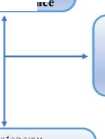
In accordance with Saldaña’s concept (Saldaña, 2013), the structure of the analysis is built up in stages. Subcategories, categories and conclusions are formed on the basis of the identified codes (see Fig. 1). Subcategories refer to a further classification of codes, enabling a more in-depth and comprehensive analysis of the source data (Saldaña, 2013).
The analysis of the texts involved a thorough examination of all the collected materials to obtain a holistic understanding of their content. Key ideas were extracted, and the initial codes were generated on this basis. It is assumed that these codes reflect the main ideas and “are often taken directly from the text, then become the initial coding scheme” (Hsieh, Shannon, 2005). As a result of applying the qualitative analysis method to the collected data, two main categories were identified: representation of “we-community” for external audiences and representation of “we-community” for internal audiences. Each of these was supplemented by subcategories that clarify the nature of identity narratives.
Particular
General
Historical tradition
History of contacts.

Subcategory: Collective
Past


The northernmost territories of Europe Peripheral location, etc.
Richness of natural resources
Abundance of natural ________resources etc.________
Environmental issues
Population aging, etc.
Climate
Unique macro-region
Innovative structure, etc.
Rich cultural diversity
National diversity, etc.
Geographical location, etc. _____________
Model of peaceful cooperation
From confrontation to cooperation, etc. _______

Subcategory: Region of
Peace and Stability
Subcategory: Unique
Form of Regional Cooperation
Suhcategory: Features that Bring Us Together
Subcategory: Issues that Bring Us Together
Subcategory: Region of
Diversity
Subcategory: Region of
Resources
Subcategory: The
Periphery of Northern
---ta®---

Category:
Representation of the “We-Community" of BEAR for the Internal Audience
Category:
Representation of the “We-Community” of BEAR for the External Audience
Theme:
Identity
Politics in BEAR
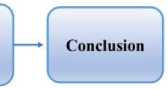
Fig. 1. Qualitative analysis of identity politics in the BEAR.
The choice of content analysis as a method was determined by the specific focus of the research. As the aim is to identify and interpret the meanings conveyed through texts, practices and cultural forms, content analysis enables the systematic identification of key semantic structures, repeated motifs and categories used to describe the community and the region. This makes it the most effective tool for examining representations related to identity and the symbolic inclusion of participants in a cross-border community.
The study analyzed three practical projects in the cultural sphere, including two academic projects: the publication of a book on the history of the BEAR, “The Barents Region: a Transnational History of Subarctic Northern Europe”; the publication of “Encyclopedia of the Barents Region”; and a cultural project unrelated to the academic sphere of cultural cooperation in the BEAR — the “Barents Spektakel” festival.
The selection of case studies for analysis is based on their significance in the context of the formation of a collective identity within the BEAR. The project “The Barents Region: a Transnational History of Subarctic Northern Europe” emphasizes the role of shared historical memory as a foundation for uniting cross-border communities. The aim of compiling and publishing the “Encyclopedia of the Barents Region” was to collect, systematize, and disseminate knowledge about life in northern transnational societies (Olsson, 2016).
The “Barents Spektakel” festival was aimed at developing cross-border ties between the region’s inhabitants in the fields of culture, politics and business (Viken, 2016). The project’s authors noted that “the idea behind its development was to build bridges across the borders of the Barents Region through culture and contemporary art...”6. Thus, the project can also be regarded as a relevant example in the context of analyzing cultural cooperation as a tool for constructing the identity of the BEAR community.
All three projects represent a collection of materials containing textual, visual, and symbolic forms of representation. Through detailed descriptions of their content, objectives and structure, they provide a comprehensive and multi-layered basis for analysis, allowing them to be regarded as significant examples of cultural interaction in the context of identity formation in the Barents Region.
The projects covered a wide range of topics related to the BEAR: from historical and political narratives to cultural practices and the expression of identity through symbolic forms, enabling a comprehensive examination of the processes of regional identity formation. Furthermore, the projects involved all key participants in cross-border cooperation. It is also significant that the projects were supported by the Barents Euro-Arctic Council (BEAC) structures, as well as national and regional authorities, making them representative examples of the implementation of identity politics. The initiators of the publication of the book “The Barents Region: a Transnational History of Subarctic Northern Europe” were the Olof Palme International Center and the Administrative
Council of the Swedish County of Norrbotten (Elenius, 2015). Funding for the “Barents Spektakel” project continues to this day, provided in particular by institutional bodies such as the Norwegian Barents Secretariat*, the Norwegian Ministry of Culture, and regional authorities. Therefore, at the institutional level, we can observe interest in shaping certain identity narratives and disseminating them in the public sphere. It should be noted, however, that the authors and initiators of the projects did not declare the existence of a Barents identity at the time of their implementation (Elenius, 2015).
At the same time, observations of the “Barents Spektakel” festival since 2022 reveal changes in the rhetoric and thematic content of this cultural project, which may indicate a transformation in identity politics in the Barents Euro-Arctic Region. In particular, the 2024 festival, titled “Soft Shields”, addressed issues relating to the military landscape and civil defense7. However, as this study focuses on analyzing the period prior to the transformation of multilateral cooperation, an in-depth examination of these changes is beyond the scope of this paper and represents a promising direction for future research.
Research results Representation of the “we-community" of the BEAR for internal audiences
According to T. Eriksen, the formation of a “we-community” image for an internal audience is associated with the development of a sense of belonging and solidarity between group members. This cohesion is formed through joint participation in certain practices, including mutual concern and a focus on a common goal (Eriksen, 1995). As a result of the content analysis of the projects, it was revealed that the presentation of “we-community” for the internal audience is carried out through the promotion of such elements of regional discourse as: “collective past”, “problems that unite us" and “features that unite us”
Collective past
The existence of historical ties in the region served as an important factor in justifying the official establishment of the BEAR in 1993. In particular, the historical tradition of cross-border cooperation is emphasized. It is argued that the creation of the BEAR was a logical and natural outcome of the existence of historical contacts within a common geographical space (Elenius, 2015). An analysis of cultural projects revealed that one of the key ideas underlying the concept of the Barents Region was to demonstrate the historically established cross-border interactions between people. These interactions were based on horizontal links at the local level and were mutually beneficial for all parties involved.
Problems that unite us
Among the key challenges faced by the Barents Euro-Arctic Region are environmental problems such as pollution and global warming, as well as climatic conditions , including harsh and extreme weather. The demographic situation is also noted as a common regional issue, namely a steady decline in population and a higher proportion of older people compared to the southern and central territories of the BEAR countries (Gassen, Heleniak, 2016). The region’s peripheral location is highlighted as a significant challenge, as it is often associated with limited opportunities for sustainable development. Overall, it can be concluded that the region’s inhabitants face similar difficulties and are forced to solve similar problems.
Features that unite us
During the analysis of cultural initiatives, it was revealed that the unifying features of the Barents Region include its geographical location, climatic conditions, topographical characteristics, as well as rich natural resources (Lagutina, 2019). These features not only form the material basis of life in the region, but are also actively used in cultural narratives aimed at creating a sense of community and uniqueness of the territory. It is noted that even during the period of ideological confrontation, the countries of the BEAR region were influenced by similar processes, including rapid development and modernization (Elenius, 2015), as well as a high level of urbanization. In the context of the region’s geographical identity, there are such characteristics as: northern space, remoteness, Arctic zone, peripherality . In addition, the BEAR is often positioned as a common living space for residents of the North (Elenius, 2015). This highlights the strong connection of the local population with the northern territorial identity. It is worth noting that the Barents Region is a unique part of Europe, inhabited by indigenous peoples (Sami, Vepsians, Nenets).
Representation of the “we-community" of the BEAR for external audiences
The creation of a regional image, based on the distinctive characteristics of the territory, relies on contrasting the regional community with external actors, creating a contrast between “insiders” and “outsiders”, thereby strengthening a sense of belonging to a particular social group, which becomes a key factor in shaping the common identity of the region’s population. The analysis identified the main strategies for representing the BEAR community to an external audience. These include the form of regional cooperation, the region’s geographical location, and the positioning of the BEAR as a region of peace and stability, a space of cultural and social diversity, and a territory possessing significant natural resources.
Unique form of regional cooperation
Within the framework of the cultural initiatives examined, the Barents Euro-Arctic Region serves as an example of a new approach to interregional cooperation that challenges established models of national and regional system formation. One of the key distinguishing features of cooperation in the Barents Region was the interconnection between the national, regional, and individ- ual levels. The BEAR became one of the first international institutions that provided representation to the region’s indigenous peoples. The inclusion of non-state actors served as a unique example of cooperation in terms of political security. Particular emphasis is placed on the fact that the BEAR was established during a period of intense transformational processes associated with globalization, highlighting its uniqueness as a socio-political and economic entity. The BEAR was presented as a modern cross-border macro-region with a new model of political organization, a unique project uniting peoples and territories previously located on opposite sides of the “Iron Curtain” (Lagutina, 2019).
Periphery of northern Europe
Geographical characteristics played an important role in shaping the image of the Barents Region, including through cultural cooperation. Descriptions of the region emphasized such characteristics as “northern territories”, “the northernmost parts of four nation states”, and “the northern dimension of Europe” . The region’s peripheral location was also a key distinguishing feature of the BEAR, highlighted in the context of cooperation and serving as an important asset for regional branding. Thus, the region was contrasted with territories in the central and southern parts of the participating countries, as well as, in a broader sense, with the territories of Europe located south of the BEAR’s geographical boundaries.
Region of peace and stability
The Barents Region was also promoted as a model of peaceful coexistence and crossborder cooperation. The image of the Barents Region was based on the idea of overcoming historical conflicts, demonstrating that even deep-rooted differences can be transformed into a driving force for joint development. In the context of cultural initiatives, the region was described as an area that had successfully transformed itself from a zone of geopolitical tension into a zone of regional partnership. Being the first macro-region to overcome Cold War-era differences, it was seen as a precedent for regional cooperation between formerly hostile states. It is noted that the development of cooperation in the Barents Region at the interstate and interregional levels became a signal of the transition from “hard security” to alternative and more flexible approaches to ensuring security (Rafaelsen, 2013).
Region of cultural and social diversity
One of the key characteristics actively used in shaping the image of the Barents Euro-Arctic Region has been its social and cultural diversity. An analysis of cultural projects revealed that the following key characteristics of the region, related to the category of “regional diversity”, are emphasized: “open and dynamically developing cultural space” “distinctive socio-cultural environment” , and “active multicultural dialogue” . The “Encyclopedia of the Barents Region” notes that “throughout history, the multinational society of the Barents Region has been one of its most characteristic features” (Niemi, 2016).
Resource-rich region
One of the most frequently mentioned characteristics of the Barents Region was its rich resource potential (Westin, Druzhinin, 2016). This richness of natural resources was repeatedly emphasized in cultural and political discourse, contributing to the BEAR’s positioning as a resourcerich periphery of strategic importance, while reinforcing the unique image of the regional entity. Thus, it can be argued that the BEAR’s resource potential served as the basis for distinguishing it from other European regions and for the formation of a Barents identity.
Conclusion
The results of the analysis suggest that the idea of forming a distinct Barents identity was reflected in the communication strategies and rhetoric accompanying regional cooperation within the BEAR. It has been found that cultural forms of cooperation played a key role in constructing and consolidating identity-forming practices in the region. The promotion of interregional cultural initiatives contributed to the strengthening of the collective “we” image, shaped both for internal consolidation and for the external symbolic representation of the region.
The representation of the BEAR “we-community” to an internal audience was built on key features of the region such as its collective past, similar problems faced by its residents, including environmental challenges, harsh climate, and demographic difficulties, as well as unique regional characteristics — climate, topography, and geography. In turn, the representation of the BEAR “we-community” to external audiences was based on promoting a discourse on the region’s unique form of regional cooperation, its specific geographical location (on the periphery of Northern Europe), the effective maintenance of peaceful relations between the participants in the cooperation, and the region’s cultural, social and resource diversity.
At the same time, it should be noted that the implementation of individual projects in the field of cultural cooperation could not have a significant impact on the creation of a regional community. The process of forming the BEAR regional identity was the result of a broader range of cooperation rather than a strategic objective of regional collaboration. This confirms the assumption that identity formation is typically a “by-product” of efforts aimed at promoting a region (Zimmer-bauer, 2018). The formation of a sustainable BEAR regional identity required more systematic, long-term and comprehensive efforts. Taking into account the region’s significant dependence on the international political context of relations between the participating countries, changes in the foreign policy course of BEAR member states have a direct impact not only on the overall dynamics of regional cooperation, but also on the process of forming a regional identity.
Since 2022, there have been significant changes in the BEAR, linked to Russia’s cessation of participation in interregional initiatives and its withdrawal from the Barents Euro-Arctic Council in 2023. Furthermore, Finland also decided to withdraw from the Barents Euro-Arctic Council after 2025. These events were accompanied by a transformation in the public rhetoric of some cultural projects in the region, including, for example, the “Barents Spektakel” festival, discussed in this study. However, an analysis of these changes is beyond the scope of this article and may form the subject of a separate study.
The results of this study provide an opportunity to analyze and interpret the evolving dynamics of identity politics and cooperation in the Barents Region. The approach used to understand the “we-community” can be applied in future research focusing on other cross-border regions experiencing political stress, as well as in re-evaluating cooperation in the context of new geopolitical realities.
