
Cyclophosphamide-induced splenic toxicity: a mini-review
Journal: Journal of Stress Physiology and Biochemistry @jspb
Article in issue: 2 т.22, 2026.
Free access
Cyclophosphamide is a chemotherapeutic and immunosuppressive agent, widely used all over the world. However, it causes severe splenic toxicity. This review is a summary of experiments which show that cyclophosphamide can lead to spleen weight loss, decreased splenic cellularity, lower number of lymphocyte population, and disorganizing of red and white pulp areas of the spleen. Moreover, lymphoid depletion, loss of pulp demarcation, sinusoidal dilation, congestion, and hemosiderin deposition as histopathological changes are frequently reported by authors. Besides, this review points out the immunological impacts, such as a decrease in the humoral as well as cellular immune responses. Most importantly, a number of natural products and antioxidants have demonstrated the ability to protect and restore the immunity when used in the treatment of cyclophosphamide-induced splenic damage. In general, the results of the studies show that the spleen is one of the main organs affected by cyclophosphamide, and encourage the use of protective therapies alongside treatments.
Short address: https://sciup.org/143186146
IDS: 143186146
Text of the scientific article Cyclophosphamide-induced splenic toxicity: a mini-review
Cyclophosphamide (CP) is one of the most popular alkylating chemotherapy drugs with very strong killing effects on cells and the immune system. It can be given orally or through the vein and is very often used as a single drug or a part of chemotherapy plans for a wide variety of cancers, including blood cancers like lymphoma, leukemia, and multiple myeloma as well as breast and ovarian cancer tumors (Sheng et al ., 2020). Besides its role in fighting cancer, cyclophosphamide is also a very common drug for autoimmune disease treatment and for patients who have had hematopoietic stem cell transplantation with strong immunomodulatory effect (Gephart et al ., 2025; Shafqat et al ., 2025).
Cancer is still a top health problem worldwide and one of the main reasons for deaths. The worldwide number of new cases keeps going up and is by some estimates going to be around 26 million new cases and 17 million deaths a year by 2030. Older age of people, changes of the environment and people's lifestyles are the main reasons for this. So, preventing cancer and ways of getting rid of (treating) it is big problems the whole world is concerned about (Tabatabaei et al ., 2025). Chemotherapy is a very important cancer treatment method, but its use in clinics is often limited by the fact that it doesn't always kill all the cancer cells and that serious side effects that get worse with higher doses can happen (Lin et al ., 2013). Cyclophosphamide causes its cancer fighting effect by its active metabolites, mainly phosphoramide mustard, which causes DNA cross-links that block DNA replication and transcription so are lethal to cells. However, cyclophosphamide also kills normal rapidly dividing cells, including blood forming and immune cells, because of its non-selectivity and this will lead to a lot of side effects to the whole body (Emadi et al ., 2009). Latest research has shown that cyclophosphamide is not only responsible for cell death, but also causes changes in the tumor microenvironment and immune responses, with the drug playing both immunosuppressive and immunostimulatory roles depending on the dosage and situation (Gephart et al ., 2025).
Immunotoxicity stands out among the many side effects blamed on cyclophosphamide. In fact, the drug mainly goes after lymphocytes, significantly reducing levels of T and B cells, hampering cytokine production, and weakening both types of immunity - humoral and cell-mediated. Clinical and laboratory research shows that cyclophosphamide toxicity may target diverse physiological systems such as the liver kidneys heart, lungs, and reproductive organs (Han et al., 2024; Patil et al., 2024). Besides, very recent transplantation-based studies highlight the significance of drug dosage refinement as a means to minimizing side effects while maintaining therapeutic effectiveness. They also point out the necessity of developing antidote methods (Venugopal et al., 2025). On the one hand, the spleen – the largest secondary lymphoid organ – performs crucial functions in immune surveillance, hematopoiesis, and the removal of senescent red blood cells. Structurally, it has red pulp, which among other things is responsible for blood filtration and iron recycling, and white pulp which has a dense population of lymphocytes and is the site for adaptive immune responses. Owing to its rich lymphoid nature and significant role in immune regulation, the spleen is highly sensitive to the effects of chemotherapy-induced toxicity.
Experimental evidence is consistently accumulating which demonstrates that cyclophosphamide triggers a severe damage to the spleen. This damage is mainly manifested as splenic atrophy or shrinkage, lower spleen weight, loss of lymphocyte populations, as well as disruption of the normal splenic architecture (Kim et al ., 2023). Histopathological examination of the spleen usually shows the following features: white pulp atrophy, red pulp congestion, sinusoidal dilation, fibrosis, and hemosiderin deposition (Zhou et al ., 2018). These changes in the structure of the spleen give rise to corresponding functional defects such as reduced immune response, lowered cytokine production, and a higher risk of infections.
Besides, many researches point out that oxidative stress, inflammation, and imbalance of iron metabolism are the major contributors to cyclophosphamide-induced splenic damages. Reactive oxygen species (ROS) production, lipid peroxidation, and iron accumulation in the spleen are the main factors that cause cell damages and apoptosis, which further lead to immunosuppression. Furthermore, several researches have revealed that natural antioxidants and bioactive compounds may counteract cyclophosphamide toxicity via modulation of oxidative stress pathways and restoration of immune function (Pan et al., 2022). Considering the pivotal immunological roles that the spleen plays, cyclophosphamide-induced splenic toxicity should be a major concern in both the clinical and experimental contexts. Although cyclophosphamide is widely used as a chemotherapeutic and immunotherapeutic agent, the harmful effects of the drug on the spleen are not as well-known as its effects on other organs. Thus, a deeper understanding of the mechanisms leading to splenic injury and the formulation of protective measures are of utmost importance.
This review is intended to give a revised and extensive summary of the cyclophosphamide-induced splenic toxicity, concentrating on the mechanisms, histopathological and immunological changes, and possible therapeutic interventions. The review also brings to the fore the latest discoveries (2021-2025) in the knowledge of cyclophosphamide toxicity and stresses the need for the formulation of secondary therapies that can lessen side effects without compromising its medical effectiveness.
HISTORICAL BACKGROUND
Cyclophosphamide, an alkylating chemotherapeutic agent, is a derivative of nitrogen mustard, a substance that has been employed originally as a poison. The substance was chemically modified for enhancing its tumor-selectivity and reducing side effects. The drug was majorly a prodrug that had to be converted to its active form in the liver, a feature that contributed to its safety and effectiveness when used in the clinic. The first time that cyclophosphamide was tested in patients was in 1958, and it became one of the first cancer-killing drugs approved by the FDA in 1959. Up to now, it is one of the key drugs in chemotherapy and treatment of autoimmune diseases (Emadi et al ., 2009).
CHEMICAL PROPERTIES OFCYCLOPHOSPHAMIDE
Cyclophosphamide is a man-made alkylating agent which is a subclass of nitrogen mustards and from a chemical point of view, it is a phosphorodiamide. Its molecular formula is C7H15Cl2N2O2P, and its molecular weight is 261.08 g/mol. The structure of the compound consists of an oxazaphosphorine ring with two 2-chloroethyl groups, which are basically the parts responsible for the alkylating action of the drug. In a physical aspect, cyclophosphamide looks like a very fine white crystalline powder, it is odorless, and it has a slightly bitter taste. The drug's melting point is nearly 41-45 C, and its 2% aqueous solutions have a slight acidic pH which ranges from 4 to 6. As a prodrug, cyclophosphamide gets enzymatically converted in the liver into its active form mostly phosphoramide mustard and acrolein. Cytotoxic, immunosuppressive, and antineoplastic are some of the biological activities of cyclophosphamide. Yet, it also brings accompanying significant health risks as it is being labeled as acutely toxic, irritant, and able to cause cancer, along with reproductive and developmental toxic effects being manifested (PubChem CID: 2907; Emadi et al., 2009).
CLINICAL USES AND ASSOCIATEDTOXICITIES OF CYCLOPHOSPHAMIDE
Cyclophosphamide is the first-line chemotherapy drug for a wide variety of cancers such as leukemia lymphoma breast cancer, ovarian cancer, and multiple myeloma (Emadi et al . 2009). Besides its anticancer functions, it is also the second most frequently used immunosuppressant drug for treating autoimmune diseases such as systemic lupus erythematosus, vasculitis as well as graft-versus-host disease prophylaxis (Qi et al ., 2018) Its efficacy is dependent on the dosage; on the other hand, large doses often bring about severe side effects including cytotoxicity and immunosuppression (Samdershi et al ., 2019). Cyclophosphamide unfortunately causes a host of side effects alongside leukemia neutropenia lymphopenia anemia thrombocytopenia, hemorrhagic cystitis hepatotoxicity nephrotoxicity, cardiotoxicity, and pulmonary toxicity, which together point to its ability to inflict damage on multiple organs (Sheng et al ., 2020; Al-Salih et al ., 2020).
The major role of the spleen as a secondary lymphoid organ makes it very susceptible to toxicity from cyclophosphamide. Some authors observed atrophy of the spleen, depletion of lymphocytes, disruption of the architecture of white pulp, congestion of red pulp, and consequently immune response impairment (El-Naggar et al., 2015). Therefore, understanding cyclophosphamideinduced splenic toxicity is essential for improving therapeutic outcomes while minimizing adverse effects.
METHODOLOGY
The author followed PRISMA, the Preferred Reporting ltems for Systematic Reviews and Meta-Analyses. Recommendations are a minimal collection of things based on evidences. The author focused on both experimental and non-experimental studies, using four internet databases including Google Scholar, PubMed, and Science Direct. Research articles published between and were searched for using search engines. Research articles published between 2001 and 2025 were searched for using search engines.
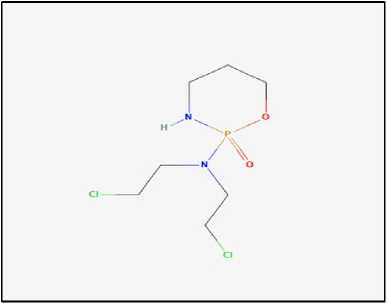
Figure 1. Structure of Cyclophosphamide (source: PubChem NCBI)
Table 1. Shows the Effect of Cyclophosphamide on spleen
|
Model organism |
Dosage |
Duration |
Inference |
Reference |
|
Male wistar rat ( Rattus norvegicus ) |
10 mg/kg body weight |
30 days |
Splenic atrophy |
Hou et al ., (2007) |
|
Balb / c mice ( Mus musculus) |
300 mg/kg body weight |
2 weeks |
Suppression of hematopoietic activity in spleen |
Wang et al ., (2009) |
|
Male mice ( Mus musculus) |
0.6 mg/kg body weight |
3 time/week for 6 weeks |
Splenic histoarchitectural disruption |
Attia et al ., (2013) |
|
Sprague Dawley rat ( Rattus norvegicus) |
2, 7 or 12 mg/kg body weight |
10 days |
Splenic immunotoxicity |
Lapointe et al ., (2016) |
|
Male wistar rat ( Rattus norvegicus ) |
0.3 mg/kg body weight |
7 Days |
Ischemic and fibrotic changes in the red pulp of the spleen |
Abd Elhalim et al ., (2017) |
|
Kunming mice ( Kunming mice) |
200 mg/kg body weight |
3 days |
Splenic histoarchitectural disruptioon |
Zhou et al ., (2018) |
|
Male C57BL/6 mice ( Mus musculus) |
20 Mg/kg body weight |
15 days |
Splenic immunotoxicity |
Wu et al ., (2018) |
|
Sprague Dawley rat ( Rattus norvegicus ) |
5 mg/kg body weight |
28 days |
Splenic immunosuppression |
Noh et al ., (2019) |
|
Male albino rat ( Rattus norvegicus) |
200 mg/kg body weight |
Single dose |
Splenic degeneration |
Abdeleziz et al ., (2019) |
|
Swiss albino mice ( Mus musculus) |
4 mg/kg body weight |
Single dose |
Splenic leucopenia |
El – sheekh et al ., (2019) |
|
Male C57BL/6 mice ( Mus musculus) |
160 mg/kg body weight |
- |
Induce oxidative stree in spleen |
Sheng et al ., (2020) |
|
Male wistar rat ( Rattus norvegicus ) |
50 mg/kg body weight |
2 days |
Splenic fibrosis |
Al – salih et al ., (2020) |
|
Male albino rat ( Rattus norvegicus ) |
150 mg/kg body weight |
Single dose |
Induce Splenic genotoxicity |
Jabbar et al ., (2023) |
|
Balb / C mice ( Mus musculus) |
100 mg/kg body weight |
2 days |
Splenic atrophy |
Kim et al ., (2023) |
|
Male C57BL/6 Mice (Mus musculus) |
80 mg/kg body weight |
3 days |
Splenic atrophy and immunotoxicity |
Yang et al ., (2025) |
SPLEEN
The spleen is the largest secondary lymphoid organ in vertebrates and plays a vital role in both innate and adaptive immunity. It is located in the left upper quadrant of the abdomen and functions primarily as a blood-filtering organ, removing senescent erythrocytes, pathogens, and foreign particles from circulation. Structurally, the spleen is composed of two major compartments: the red pulp, which is responsible for blood filtration and erythrocyte turnover, and the white pulp, which is rich in lymphocytes and is involved in immune responses against blood-borne antigens (Cesta, 2006). The white pulp includes specialized regions such as the periarteriolar lymphoid sheath (PALS), follicles, and marginal zone, which coordinate antigen presentation and lymphocyte activation. The spleen is very vulnerable to immunotoxic substances because of its rich lymphoid content and its constant exposure to circulating antigens. Cyclophosphamide, a chemotherapeutic drug belonging to the alkylating agents and commonly used, causes significant toxic effects on the structure and function of the spleen. Several animal studies showed that treatment with cyclophosphamide causes splenic atrophy, spleen weight loss, lymphocyte population depletion, and hematopoietic activity suppression (Wang et al ., 2009). The histopathological changes feature the destruction of normal splenic structures, reduction of white pulp, red pulp enlargement and congestion, dilation of sinusoids, and presence of hemosiderin which points to a malfunctioning spleen (El-Naggar et al ., 2015; Lapointe et al ., 2016). Besides this, splenic toxicity brought on by cyclophosphamide is linked to immunosuppression, with manifestations such as lowered proliferation of T and B lymphocytes, less cytokine production, and weaker immune responses. Alongside this, oxidative stress and inflammation exacerbate splenic injury leading to an even greater weakening of the immune system (Sheng et al ., 2020).
Therefore, the spleen is an essential immune organ and it is one of the main bodies affected by the toxicity of cyclophosphamide. Knowledge of the changes in structure and functions resulting from the exposure to this drug is also a very important point in immunotoxicity assessment and in designing the appropriate therapeutic interventions.
The various experiments compiled in Table 1, when taken together, indicate that cyclophosphamide causes severe spleen damage that varies by the dose, length of treatment, and animal species used, primarily rats and mice. The results obtained from these models confirm the spleen as an extremely vulnerable target organ in the immunotoxic effects of cyclophosphamide. Long-term use of lower doses, for example, 10 mg/kg body weight for 30 days, induces a noticeable shrinking of the spleen which, as a result, undergoes progressive degeneration and loss of tissue (Hou et al ., 2007). This decrease in spleen size is normally accompanied by lowered cellular contents and compromised immune functionality. Likewise, administration two to three times per week for six weeks, 0.6 mg/kg caused significant alteration of splenic histoarchitecture including disorganization of the white and red pulp regions and depletion of the lymphoid elements (Attia et al ., 2013). These changes in the structure are a manifestation of cyclophosphamide being toxic to the dividing immune cells.
Short duration medium doses can also lead to serious immunotoxic effects. For example, administration of 212 mg/kg for 10 days resulted in significant appearance of immunotoxicity to the spleen, especially depletion of lymphocytes and downregulation of immune responses (Lapointe et al ., 2016). Also, signs of diminished hematopoietic function in the spleen have been noted following administration of much higher doses like 300 mg/kg for two weeks. This reflects harm to extramedullary hematopoiesis and lowered production of blood cells (Wang et al ., 2009).
Even low-doses exposure could still yield significant pathological alterations. A dosage of 0.3 mg/kg for seven days led to ischemic and fibrotic changes in the red pulp, which are indicators of blood flow disruption, hypoxic damage, and tissue remodeling at the initial stages (Abd Elhalim et al ., 2017). Therefore, these results suggest that toxicity of cyclophosphamide is not only linked to the dose, but also can happen at lower levels if the duration of the exposure is long enough.
More severe splenic damages were unveiled by models of high-dose and acute exposure scenarios. Several studies documented a single or brief period of high dosing (200-300 mg/kg) as leading to splenic tissue destruction, degeneration and unorganized normal tissue (Zhou et al., 2018; Abdelaziz et al., 2019). In particular, these alterations entail the severe damage of white pulp, the enlarged and congested red pulp, and the increased cell death, which point to a rapid and intense toxic injury at the cellular level.
Besides causing structural damage, cyclophosphamide drastically weakens the immune system. Researches have demonstrated the spleen's immunosuppression and leukopenia, which is marked by lowering lymphocyte count and immune responses (Noh et al ., 2019; El-Sheikh et al ., 2019). These changes result mainly from the cytotoxic mechanism of the medicine that targets quickly dividing immune cells, especially T and B lymphocytes.
Oxidative stress has been indicated as a major cause of cyclophosphamide-induced splenic toxicity besides other mechanisms. Increased levels of reactive oxygen species (ROS) and lipid peroxidation in the spleen have been associated with cellular damage and apoptosis (Sheng et al. 2020). Besides that, fibrosis and genotoxic changes such as DNA damage and chromosomal abnormalities in splenic cells, which point to long-term pathological changes due to cyclophosphamide have also been documented by researchers (Al-Salih et al ., 2020; Jabbar et al ., 2023). Moreover, recent research confirms these impressions. For example, papers published in 2023 and 2025 have documented splenic atrophy, immunotoxicity, and weakened immune responses even in tightly regulated experiments, thus certifying the ongoing and reproducible toxicity of cyclophosphamide to the spleen (Kim et al ., 2023; Yang et al ., 2025).
CONCLUSION
The overall study shows, that cyclophosphamide impacts negatively a quite a large range of splenic functions, leading to changes in splenic morphology, histological damage, impairment of blood cell formation, oxidative stress, and immune system dysfunction, among others. This work not only stresses the relevance of assessing splenic factors in toxicological research but also emphasis the necessity of finding remedies to counteract the immunotoxic effects of cyclophosphamide.
CONFLICTS OF INTEREST
The authors declare that they have no potential conflicts of interest.
