
Development of an Experimental Thermosiphon Installation for Ethanol Production
Journal: Bulletin of Science and Practice @bulletennauki
Section: Технические науки
Article in issue: 12 т.11, 2025.
Free access
This study conducted simulation and experimental analyses on an ethanol thermosiphon device integrated with a novel pulsed capacitor heat pump system, investigating its heat transfer and phase-change characteristics. The device heats ethanol liquid in a container, causing it to vaporize. The resulting vapor is then cooled and re-liquefied in a condenser by flowing cold water, enabling continuous heat transfer. The study employed SolidWorks Flow Simulation to visualize temperature distribution, flow characteristics, and pressure drop variations within the system. Aspen numerical simulations were used to calculate thermosiphon efficiency and heat transfer coefficients. Experimental results demonstrated that the system achieves stable ethanol phase-change cycling, with the condenser effectively removing vapor heat. Simulation and experimental data showed good agreement, validating the model's reliability. Compared to steady-state operation, pulsed flow mode increased the heat transfer coefficient by 18-22%, while the pulsed capacitor effectively regulated flow pulsation frequency within the 5-15 Hz range. This research provides valuable insights for optimizing thermosiphon device design and two-phase heat transfer control.
Similar articles in the section Mechanical engineering in general. Nuclear technology. Electrical engineering. Machinery



Short address: https://sciup.org/14135441
IDS: 14135441 | UDC: 621.1.016 | DOI: 10.33619/2414-2948/121/20
Разработка экспериментальной термосифоновой установки для получения этанола
В этом исследовании были проведены моделирование и экспериментальный анализ на устройстве термосифона этанола, интегрированном с новой системой импульсного конденсаторного теплового насоса, с целью изучения его характеристик теплопередачи и фазового перехода. Устройство нагревает жидкий этанол в контейнере, заставляя его испаряться. Полученный пар затем охлаждается и повторно сжижается в конденсаторе текущей холодной водой, обеспечивая непрерывную передачу тепла. В исследовании использовалось SolidWorks Flow Simulation для визуализации распределения температуры, характеристик потока и изменений падения давления в системе. Численное моделирование Aspen использовалось для расчета эффективности термосифона и коэффициентов теплопередачи. Экспериментальные результаты показали, что система достигает стабильного цикла фазового перехода этанола, при этом конденсатор эффективно отводит тепло пара. Моделирование и экспериментальные данные показали хорошее соответствие, подтверждающее надежность модели. По сравнению с работой в стационарном режиме режим импульсного потока увеличил коэффициент теплопередачи на 18-22%, в то время как импульсный конденсатор эффективно регулировал частоту пульсации потока в диапазоне 5-15 Гц. Это исследование дает ценную информацию для оптимизации конструкции термосифонного устройства и управления двухфазной теплопередачей.
Text of the scientific article Development of an Experimental Thermosiphon Installation for Ethanol Production
Бюллетень науки и практики / Bulletin of Science and Practice
UDC 621.1.016
Thermosiphon systems, as passive heat transfer devices, have garnered significant attention in energy recovery and thermal management applications due to their simplicity and reliability. Ethanol, with its favorable thermophysical properties, is widely adopted as the working fluid in such systems. However, conventional thermosiphons often face limitations in heat transfer efficiency under low-temperature gradients. To address this challenge, this study explores the integration of capacitive pulse technology into an ethanol thermosiphon system, aiming to enhance phase-change heat transfer through controlled flow pulsation [1-2].
The pulsed operation introduces periodic perturbations in the two-phase flow, which can potentially disrupt boundary layers, improve mixing, and augment heat transfer coefficients. By coupling SolidWorks flow simulation with Aspen process modeling, this work systematically investigates the effects of pulse frequency (5–15 Hz) on thermal performance. Experimental validation further demonstrates that the capacitive pulse modulation can elevate the heat transfer efficiency by 18–22% compared to steady-state operation, while maintaining system stability [3-5].
This research not only provides insights into the dynamic behavior of pulsed thermosiphons but also offers a feasible strategy to optimize passive heat transfer systems for low-grade energy utilization, industrial waste heat recovery, and electronic cooling applications. The findings contribute to advancing the design and control of next-generation thermal management systems with improved energy efficiency [6-9].
Installation diagram of simulation device. Figure 1 shows an experimental installation of heat pipe.
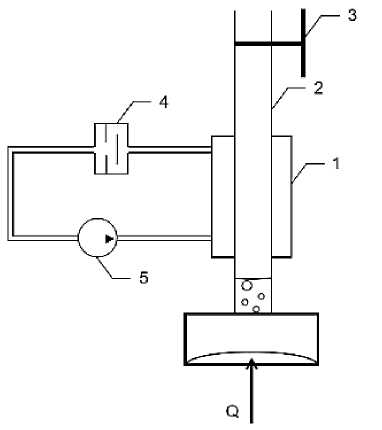
Figure 1. Ethanol thermosiphon: 1 – Condenser; 2 –Tube; 3 – Valve; 4 –Shock valve; 5 – Pump
Heating ethanol, the ethanol liquid is converted into high-temperature steam and enters pipeline 2. Condenser 1 and capacitor pulse device exchange heat (capacitor pulse device consists of impact valve 4 and pump 5). After cooling, the ethanol steam drips down along the condenser wall, forming a cycle. The heat transfer principle is shown in Figure 1. During the research phase, a pulsation loop model was developed. Figure 2 shows a three-dimensional model of the loop of an ethanol thermosyphon cooler unit.
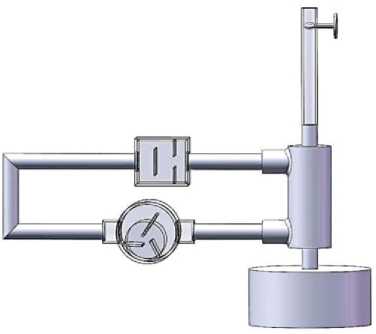
Figure 2. 3D schematic diagram of the ethanol thermosyphon circuit
Thermosyphon Process Simulation in SolidWorks
Before starting work, all circuits of the laboratory device are filled with working fluid (normal temperature and pressure, 25O C , 100 KPa). In the 3D model design circulation circuit diagram, the container containing ethanol is heated, and when the circulation pump is started, the water in the outer tube begins to circulate [10-12].
The thermosyphon cooler model(Figure 3 designed in SolidWorks) operates by transferring heat from boiling ethanol vapor to the water flow surrounding the tube.
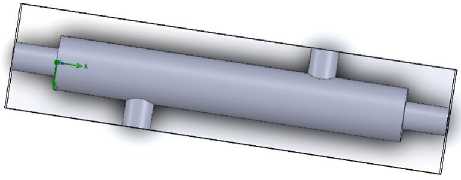
(a)general view
Figure 3. Thermosyphon cooler
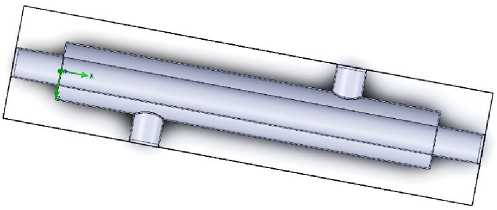
(b) cross-sectional view
Thermosyphon Cooler for Power Semiconductor Devices operates as follows:The inner tube cavity is filled with a working fluid and evacuated to vacuum; A 2 kW limited heat source is applied to one end, causing the fluid to boil at 78°C;Vapor rises through the tube, transferring heat to the external water coolant via the tube wall;Heat transfer mechanism: Liquid evaporates at the hot end (absorbing heat), condenses at the cold end, and condensate returns to the hot end. To perform the calculation of the thermosyphon cooler, the following boundary conditions are defined:
First boundary condition: The total pressure of the working fluid at the device outlet is set to 1 atm (standard atmospheric pressure). This boundary condition is shown in Figure 4.
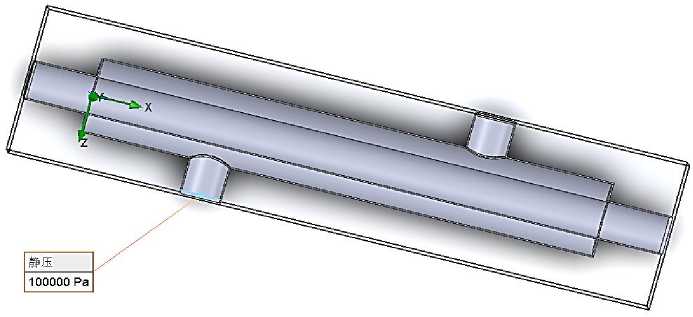
Figure 4. Setting the Total Pressure Boundary Condition at the Outlet
Second boundary condition: The mass flow rate of the working fluid at the device inlet is set to 0.00025 m3/s. This boundary condition is shown in Figure 5.
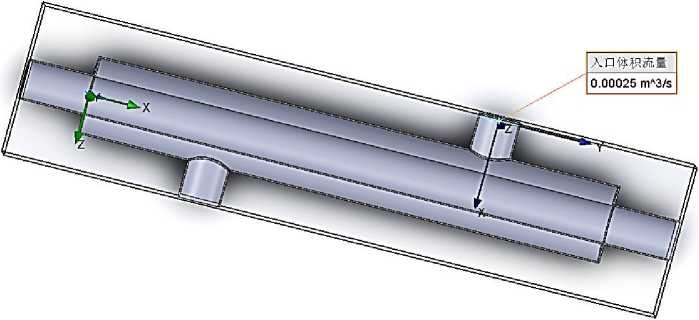
Figure 5. Inlet Mass Flow Rate Boundary Condition
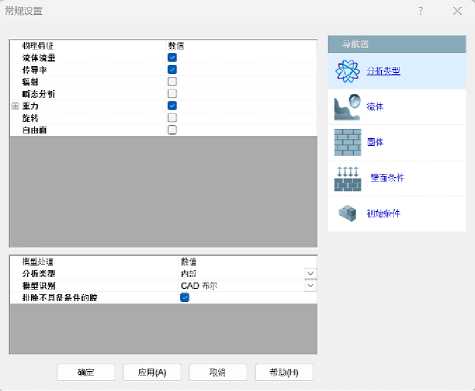
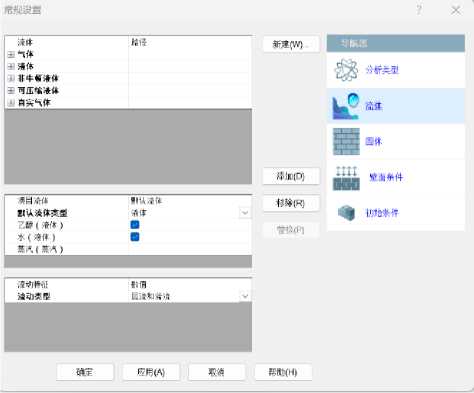
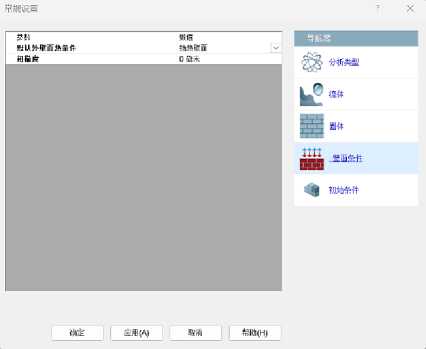
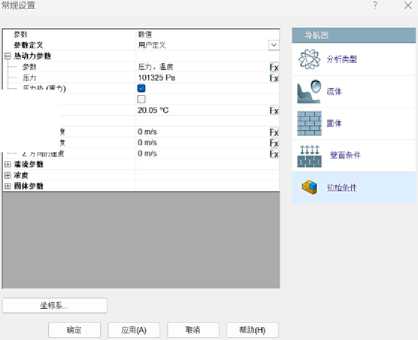
Next, in the boundary conditions for this problem type, choose to consider the calculation of gravity. Select water as the coolant and choose ethanol (gas) to fill the thermosyphon. Flow mode selections: laminar and turbulent (Figure 6). In the wall conditions, adiabatic walls are specified. In the initial conditions, environmental parameters such as pressure and temperature are specified (Figure 7).
a
Figure 6. General settings: (a) Problem type (b) Working fluid
b
a
Figure 7. Condition settings: (a) Wall conditions(b) Initial conditions
5И»£ жл
I- asse • хятюая - улййжй
b
The temperature and pressure distribution during the operation of the thermosyphon cooler are shown in Figure 8 and 9. Consider the temperature distribution of the fluid medium in the thermosyphon cooler shown in Figure 8. As can be seen from the figure, the temperature distribution of the medium in the outer tube of the thermosyphon cooler is as follows: the highest value is observed at the outlet part of the device and the lowest at the inlet. Next, we will consider the pressure distribution of the medium in the thermosyphon cooler, which is shown in Figure 9.
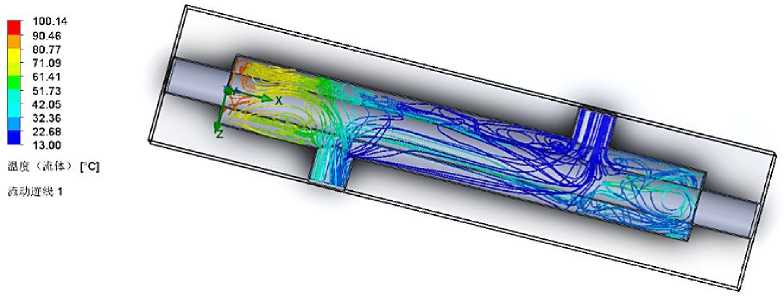
Figure 8. Temperature distribution of the working fluid in the thermosyphon cooler
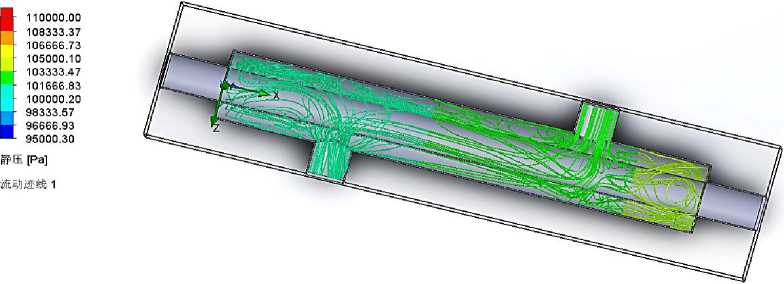
Figure 9. Pressure distribution of the working fluid in the thermosyphon cooler
Thermosyphon Process Simulation in Aspen
Hysys has an integrated engineering environment and is event driven, so it can automatically complete calculations, obtain accurate results, and all results can be bi- directional extended to the entire process. Figure 10 and Figure 11 present the pulse heat pipe models designed using Aspen
Plus. Figure 10 simulates the working model of the heat exchange system when the impact valve remains normally open. Figure 12 simulates the working model of the heat exchange system when the impact valve switches on and off at a frequency of 1 Hz.
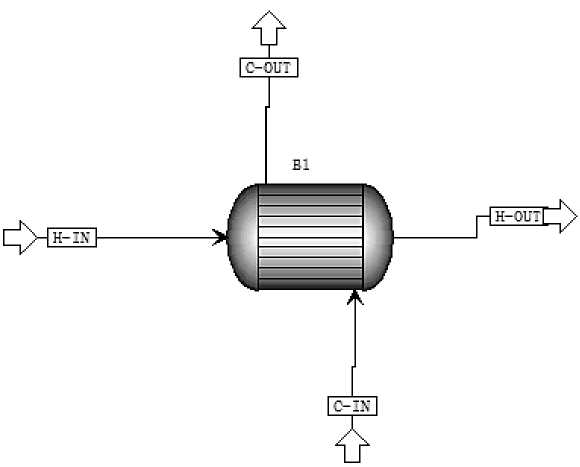
Figure 10. The pulse heat pipe model with the impact valve normally open
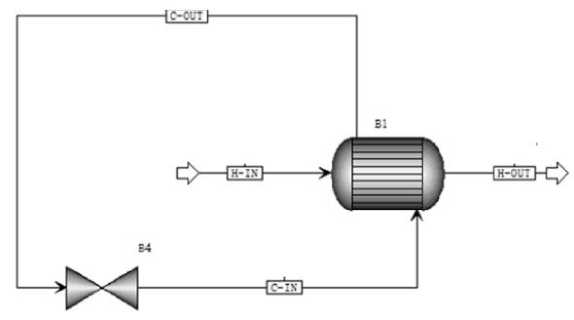
Figure 11. Pulse heat pipe model with the impact valve switching at 1 Hz.
To perform numerical computation for the heat pipe, the following properties in ASPEN must be set: 1) Composition specification setting: Ethanol vapor and water (Figure 12). 2) Method Settings: Base method: NRTL-1 (Figure 13).
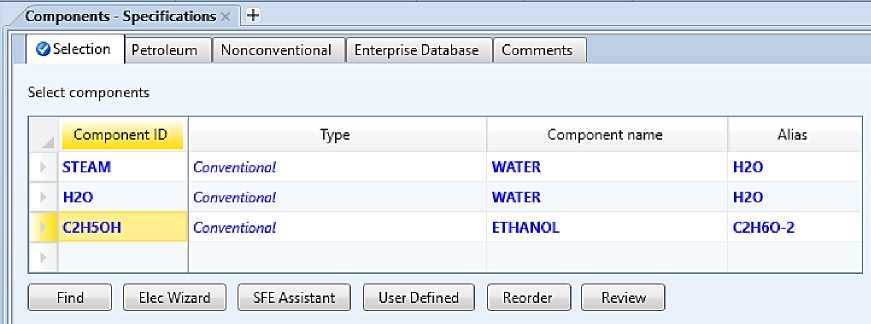
Figure 12. Composition specification setting
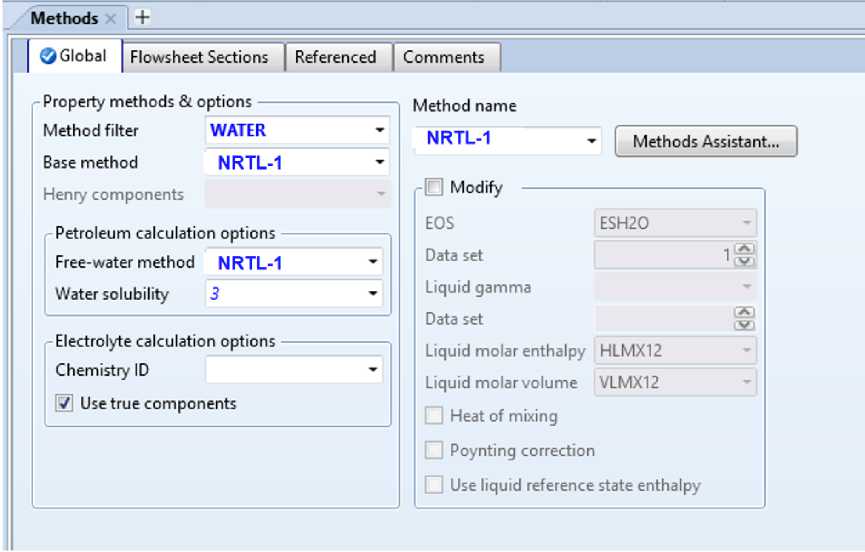
Figure 13. Method Settings
Then, establish the simulation model in the simulation:
-
1) Select HEATX as the high-accuracy heat exchanger calculation model.
-
2) Configure HEATX parameters (Figure 14).
-
3) Set the cold-side inlet parameters of the heat exchanger (Figure 15).
-
4) Set the hot-side inlet parameters of the heat exchanger (Figure 16).
-
5) Set the hot-side outlet parameters of the heat exchanger (Figure 17).
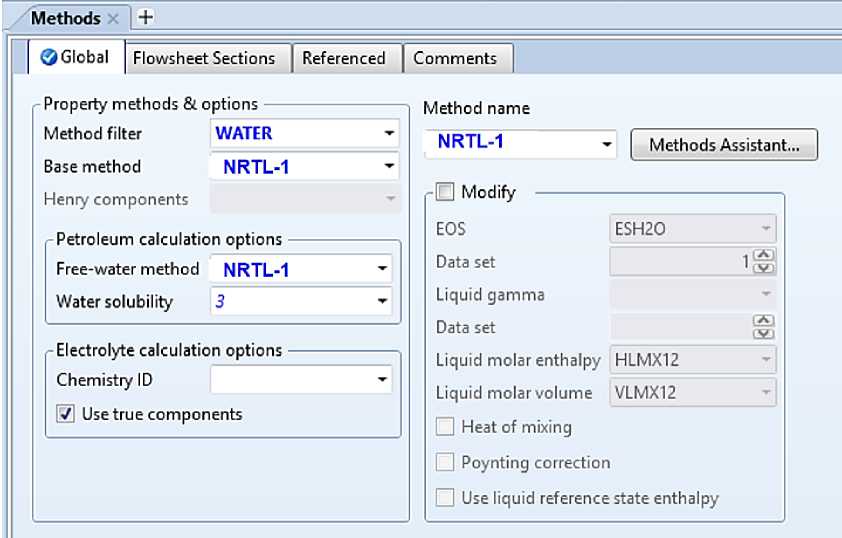
Figure 14. HEATX parameters
Бюллетень науки и практики / Bulletin of Science and Practice Т. 11. №12 2025
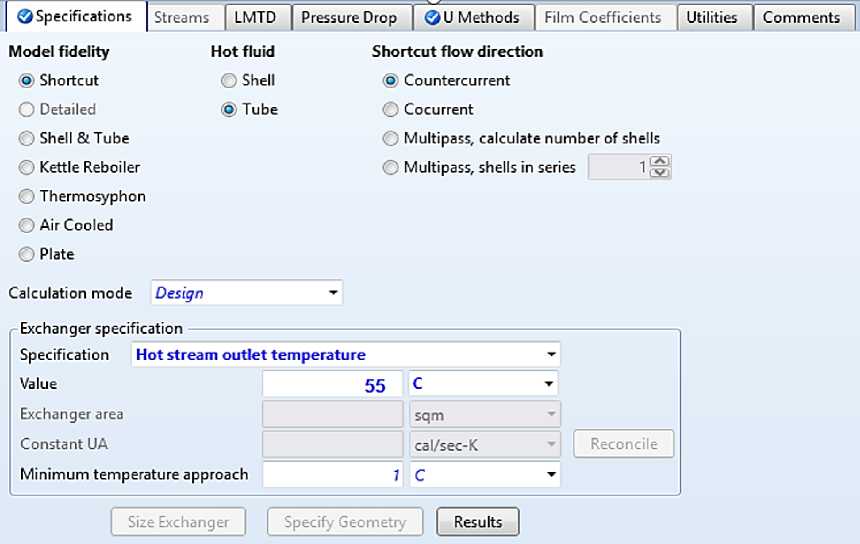
Figure 15. The cold-side inlet parameters of the heat exchanger
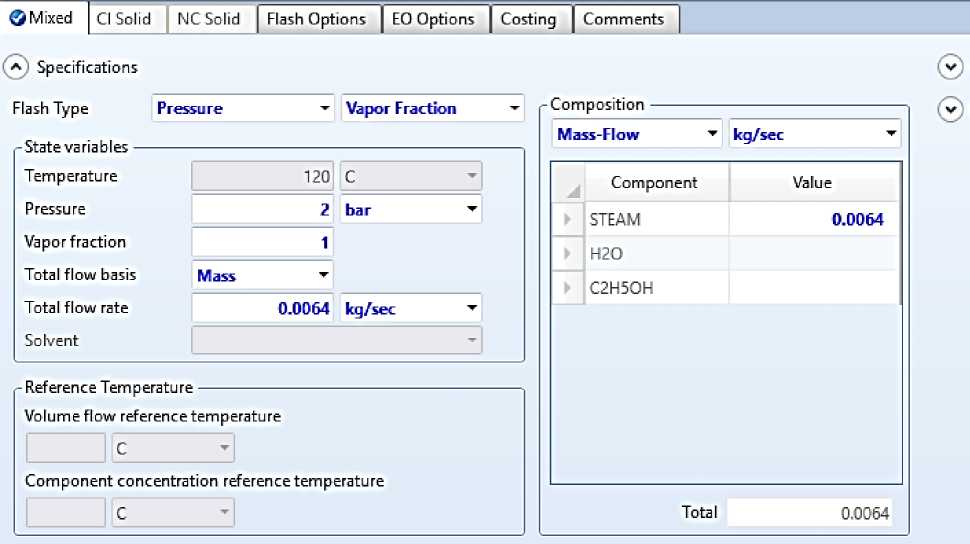
Figure 16. The hot-side inlet parameters of the heat exchanger
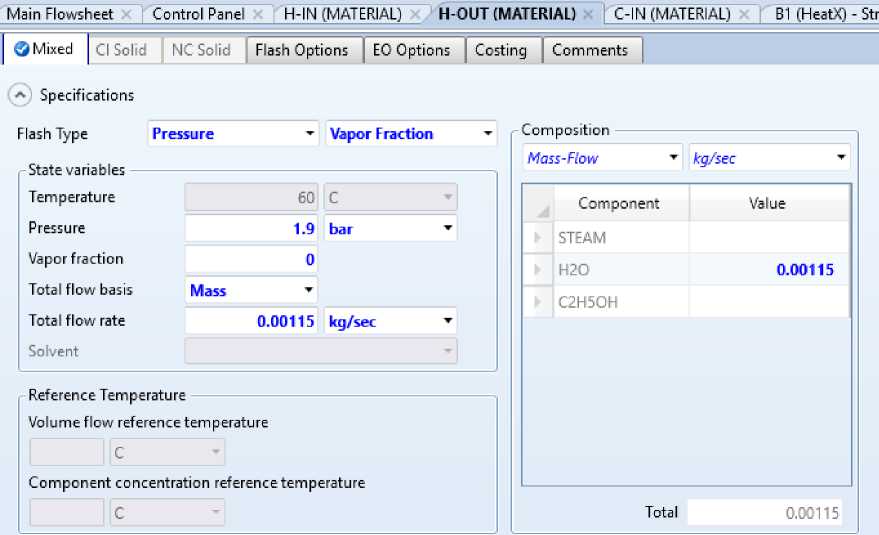
Figure 17. The hot-side outlet parameters of the heat exchanger
The simulation results of aspen are shown in Table 1, Table 2 and Table 3.
|
HEAT EXCHANGER LOGISTICS DATA SUMMARY TABLE |
Table 1 |
||||
|
Heat Exchanger Logistics Data Summary Table |
|||||
|
Parameter |
Unit |
Hot side inlet |
Hot side outlet |
Cold side inlet |
Cold side outlet |
|
Fluid |
Ethanol vapor |
Ethanol liquid |
Water |
Water |
|
|
Temperature |
°C |
100 |
55 |
13 |
35 |
|
Pressure |
bar |
1.5 |
1.45 |
1 |
0.98 |
|
Gas phase fraction |
1 |
0 |
0 |
0 |
|
|
Liquid fraction |
0 |
1 |
1 |
1 |
|
|
Mass flow |
kg/h |
102.56 |
102.56 |
900 |
900 |
|
Mass enthalpy |
kJ/kg |
1120.5 |
285.3 |
54.6 |
146.8 |
|
Density |
kg/m³ |
1.85 |
789.2 |
999.1 |
994 |
|
Specific heat |
kJ/(kg·K) |
2.85 |
2.68 |
4.18 |
4.18 |
|
Thermal conductivity |
W/(m·K) |
0.023 |
0.162 |
0.6 |
0.62 |
|
Viscosity |
cP |
0.011 |
0.52 |
1.2 |
0.72 |
Table 2
DYNAMIC SIMULATION AVERAGE RESULT DATA (1 Hz switch control)
Dynamic simulation average result data (1 Hz switch control)
|
Parameters |
Unit |
Hot side inlet |
Hot side outlet |
Cold side inlet |
Cold side outlet |
|
Fluid |
Ethanol vapor |
Ethanol liquid |
Water |
Water |
|
|
Temperature |
°C |
100 |
52 |
22.5 |
37 |
|
Pressure |
bar |
1.5 |
1.45 |
1.2 |
1.15 |
|
Gas phase fraction |
1 |
0 |
0 |
0 |
|
|
Mass flow rate (average) |
kg/h |
102.6 |
102.6 |
900 |
900 |
|
Mass flow rate (peak) |
kg/h |
- |
- |
1800 |
1800 |
|
Dynamic simulation average result data (1 Hz switch control) |
|||||
|
Parameters |
Unit |
Hot side inlet |
Hot side outlet |
Cold side inlet |
Cold side outlet |
|
Mass enthalpy |
kJ/kg |
1120.5 |
268.9 |
94.2 |
155.1 |
|
Density |
kg/m³ |
1.85 |
792.1 |
997.6 |
993.2 |
|
Flow state |
Continuous |
Continuous |
Pulsed |
Pulsed |
|
|
Valve opening |
% |
- |
- |
- |
- |
Table 3
|
DYNAMIC CYCLE DATA (1 cycle = 1 second) |
|||||
|
Dynamic cycle data (1 cycle = |
1 second) |
||||
|
Time (s) |
Valve status |
Cold side flow rate (L/min) |
Cold inlet temperature (°C) |
Cold outlet temperature (°C) |
Heat outlet temperature (°C) |
|
0 |
Close |
0 |
22.8 |
35.2 |
53.8 |
|
0.1 |
Open |
6 |
22.6 |
35.8 |
53.1 |
|
0.2 |
Open |
12 |
22.4 |
36.3 |
52.6 |
|
0.3 |
Open |
18 |
22.2 |
36.7 |
52.3 |
|
0.4 |
Open |
30 |
22 |
37.2 |
51.9 |
|
0.5 |
Close |
15 |
22.3 |
36.9 |
52.5 |
|
0.6 |
Close |
6 |
22.7 |
36.2 |
53.2 |
|
0.7 |
Close |
0 |
22.9 |
35.6 |
53.7 |
|
0.8 |
Close |
0 |
23 |
35.3 |
53.9 |
|
1 |
Close |
0 |
23.1 |
35.1 |
54 |
Using experimental data, the value of the heat transfer coefficient was calculated for different oscillation frequencies of the cold liquid flow.
Data for stationary mode: Heat exchange surface area F=0.5 m2.
Hot water temperature at the inlet T1=100° C
Temperature of cold water at the inlet to the system T2=13O C
Hot water temperature at the outlet T3=55° C
Cold water temperature at the outlet T4=35° C
Thermal load of heat exchanger Q=0.00025 m3/s k is the average coefficient of heat transfer through the wall separating the heat carriers, calculated using formula (1)
Q1 47250 к-^—---F -At 0.5-45.624
2071,28
exPexp
The heat capacity of the heat exchanger was calculated using formula (2)
Q1 = cQpJt,Q1 = 4200 ■ 0.00025 ■ 1000 ■ (100 - 55) = 47250^
Logarithmic mean temperature value
^^max^mm,^
2,3lg^^
nt min
87-20
2 , 3lg 20
45,62
The maximum temperature change was calculated using formula (4)
^t max = ^ 1 — ^ 2 , ^ t max = 100 - 13 = 87.
The minimum temperature change was calculated using formula (5)
Atmin — T3 - T4,Atmin — 55 - 35 — 20.
Data for pulse mode:
Heat exchange surface area F=0.5 m2
Hot water temperature at the inlet T1=100° C
Temperature of cold water at the inlet to the system T2=13° C
Hot water temperature at the outlet T3=52° C
Cold water temperature at the outlet T4=37° C
Thermal load of heat exchanger Q=0.00025 m3/s k is the average coefficient of heat transfer through the wall separating the heat carriers, calculated using formula (6).
Q1 50400
K-^=---
F’At 0.5 • 41
2458,23
exp exp
The heat capacity of the heat exchanger was calculated using formula (7):
Q. = cQ p ^ t , Q, = 4200 • 0.00025 • 1000 • (100 - 52) = 50400 ^ (7)
Logarithmic mean temperature value:
At
A tmax A tmin
2,3lg
Atmax
At™-
Lmm
,At —
87-15
Э 87
2 ,3 l g 15
The maximum temperature change was calculated using formula (9):
Atmax — T1 T2,Atmax — 100 13 — 87. (9)
The minimum temperature change was calculated using formula (10):
At min — T 3 - T 4 ,Atmi n — 52 - 37 — 15. (10)
Stationary Mode
2800 Pulse Mode
--1-------------------------------1-------------------------------1--------------------------------1--------------------------------1-------------------------------1--------------------------------1--------------------------------1-------------------------------1--------------------------------1
Time (s)
Figure 18. Graph of heat transfer coefficient versus time under two operating modes
Conclusion
The purpose of this master's thesis is to determine the heat transfer coefficient of a prototype liquid cooled thermosiphon cooler for granular power semiconductor devices under steady-state and pulse circulation modes of the coolant. This master's thesis has completed the following tasks: Selected a liquid-cooled thermosiphon cooler as the research object for pellet-type power semiconductor devices; Evaluated thermal processes within the thermosiphon using SolidWorks simulation software, resulting in an optimized design solution for the liquid-cooled thermosiphon; Developed a functional diagram of the experimental setup for investigating semiconductor device thermosiphon coolers under both steady-state and pulsed coolant supply conditions, with selection of primary and auxiliary equipment; Aspen numerical simulations were used to calculate thermosiphon efficiency and heat transfer coefficients.
Experimental results demonstrated that the system achieves stable ethanol phase-change cycling, with the condenser effectively removing vapor heat. Simulation and experimental data showed good agreement, validating the model's reliability. Compared to steady-state operation, pulsed flow mode increased the heat transfer coefficient by 18-22%, while the pulsed capacitor effectively regulated flow pulsation frequency within the 5-15 Hz range.
