
Digital Dependency and Sleep Deprivation: The Dual Roles of Addiction and Burnout in Modern Media Consumption
Journal: International Journal of Cognitive Research in Science, Engineering and Education @ijcrsee
Section: Original research
Article in issue: 3 vol.13, 2025.
Free access
Excessive reliance on digital media has raised global concerns about its implications for sleep health, yet limited research has examined how addiction and burnout jointly shape this relationship. Addressing this gap, the current study aims to investigate the dual roles of social media addiction and burnout in the link between digital dependency and sleep deprivation. A quantitative design was employed, drawing on survey data from 557 university students exposed to high levels of social media usage. A moderated mediation model was analyzed to test the direct effect of digital dependency on sleep disorder, the mediating effect of addiction, and the moderating influence of burnout. Results revealed three pivotal findings: first, digital dependency significantly predicts sleep disturbances; second, social media addiction fully mediates the dependency–sleep relationship, indicating that heightened reliance transforms into disordered sleep primarily via addictive patterns; and third, burnout amplifies the impact of dependency on sleep disorder, both directly and through addiction, thus exacerbating negative outcomes for those already experiencing emotional exhaustion. These insights underscore the intricate interplay between psychological states and behavioral tendencies, highlighting that mere dependency does not inevitably trigger poor sleep unless addictive and burnout processes emerge. By clarifying these pathways, this research contributes nuanced evidence to inform policy and practice, emphasizing the need for interventions that curtail compulsive media engagement and manage burnout symptoms. Ultimately, the findings advocate for balanced, self-regulated digital usage to safeguard physical and mental well-being in an increasingly digitized society.
Similar articles in the section Hygiene generally. Personal health and hygiene
Short address: https://sciup.org/170211402
IDS: 170211402 | UDC: 613.8::004.738.5; 316.776:004.738.5 | DOI: 10.23947/2334-8496-2025-13-3-589-602
Text of the scientific article Digital Dependency and Sleep Deprivation: The Dual Roles of Addiction and Burnout in Modern Media Consumption
The advent of social media platforms has markedly transformed communication modalities, particularly among adolescents and young adults, engendering considerable apprehension regarding its ramifications on mental and physical health ( Ajewole, 2024 ; Tiwari, 2023 ). Contemporary research posits that whilst social media enables social interaction and support, it concomitantly engenders risks that may adversely affect mental well-being, culminating in issues such as anxiety and depression ( Anguyo et al., 2023 ; Schønning et al., 2020 ; House, 2023 ). For example, an escalation in time allocated to social media correlates with heightened levels of anxiety and depression among adolescents, exacerbated by upward social comparisons with idealized online personas ( Pratoom, 2021 ; Titisuk et al., 2023 ; Plackett et al., 2023 ). This phenomenon is further intensified by environments conducive to cyberbullying and unrealistic standards of beauty and success, which significantly undermine self-esteem and contribute to psychological distress ( Yuliyanti et al., 2021 ; Di-Pomponio and Cerniglia, 2024 ; Tiwari, 2023 ). Furthermore, excessive utilization of social media has been associated with sedentary behavior, leading to deleterious health outcomes such as obesity and diminished sleep quality ( Shimoga et al., 2019 ; Anguyo et al., 2023 ). Notably, a U-shaped relationship exists between social media use and physical activity, whereby moderate use is linked to more favorable health outcomes compared to both excessive and minimal use, thus highlighting the “Goldilocks effect” ( Moorhead et al., 2013 ; Pratoom, 2021 ). Sleep disorders, emerging as a significant public health concern, have profound implications for overall well-being, especially among individuals with elevated social me dia engagement ( Chen et al., 2024 ; Ye et al., 2024 ; Zhang et al., 2023 ).

The emotional and cognitive arousal associated with social media use, particularly prior to bedtime, contributes to sleep disturbances, including insomnia and reduced sleep quality ( Krishnan and Chew, 2024 ; Li et al., 2024 ; Chen et al., 2024 ). This underscores the intricate interplay between social media use and sleep health, necessitating further scholarly exploration ( Ye et al., 2024 ; Krishnan and Chew, 2024 ).
Comprehending the dual roles of addiction and burnout in contemporary media consumption is imperative, given their substantial impact on mental and physical health ( Li et al., 2024 ; Horozoğlu and Gündüz, 2024 ). Burnout, characterized by emotional exhaustion and diminished motivation, has been linked to excessive social media use, exacerbating feelings of fatigue and cynicism ( Şahin and Akçay Bekiroğlu, 2023 ; Krishnan and Chew, 2024 ). The interplay between social media addiction and burnout presents a complex dynamic wherein each exacerbates the other, leading to a detrimental cycle affecting individuals’ well-being ( Li et al., 2024 ; Liu and Ma, 2020 ; Krishnan and Chew, 2024 ). Additionally, the bidirectional relationship between sleep disturbances and mental health conditions, such as depression and anxiety, further complicates this issue ( House, 2023 ; Plackett et al., 2023 ; Tiwari, 2023 ). For instance, poor sleep quality mediates the relationship between social media use and mental health outcomes, indicating that sleep disturbances can both result from and contribute to mental health disorders ( Chen et al., 2024 ; Ye et al., 2024 ; Krishnan and Chew, 2024 ). In light of these challenges, the present study aims to investigate the dual roles of addiction and burnout in modern media consumption, particularly focusing on their impact on digital dependency and sleep deprivation ( Li et al., 2024 ; Liu and Ma, 2020 ; Horozoğlu and Gündüz, 2024 ). By exploring these dynamics, the research endeavors to contribute to a deeper understanding of how excessive social media use influences mental and physical health, and to inform interventions that promote healthier online behaviors ( Moorhead et al., 2013 ; Brennan and House, 2023 ; Şahin and Akçay Bekiroğlu, 2023 ). Considering individual differences, such as emotional intelligence and self-regulation, is essential in developing strategies to mitigate the adverse effects of social media addiction and burnout ( Şahin and Akçay Bekiroğlu, 2023 ; Anguyo et al., 2023 ). Ultimately, fostering a balanced approach to social media engagement may alleviate sleep disturbances and enhance overall well-being ( Krishnan and Chew, 2024 ; Ye et al., 2024 ; Chen et al., 2024 ).
Notwithstanding extensive scholarship on the deleterious consequences of excessive social media utilization on mental and physical health, a notable gap persists in fully apprehending the complex interrelations among social media dependence, addiction, burnout, and sleep disorders ( Li et al., 2024 ; Liu and Ma, 2020 ; Krishnan and Chew, 2024 ). Prior research has predominantly concentrated on the direct associations between social media use and negative health outcomes, yet has inadequately illuminated the mediating and moderating mechanisms underpinning these relationships ( Chen et al., 2024 ; Ye et al., 2024 ). Accordingly, this study endeavors to address this lacuna by exploring how social media addiction mediates the relationship between social media dependence and sleep disorder, and how social media burnout moderates this association. By scrutinizing these dynamics, the research aspires to contribute valuable insights into the dual roles of addiction and burnout in contemporary media consumption, thereby augmenting our comprehension of their impact on digital dependency and sleep deprivation (( Li et al., 2024 ; Horozoğlu and Gündüz, 2024 ). The objectives are threefold: firstly, to ascertain the mediating effect of social media addiction on the relationship between social media dependence and sleep disorder; secondly, to evaluate the moderating influence of social media burnout on this direct relationship; and thirdly, to examine how the indirect effect of social media dependence on sleep disorder via addiction varies across differing levels of burnout. Ultimately, this research seeks to inform the development of targeted interventions aimed at ameliorating the adverse health repercussions associated with excessive social media use, thereby promoting healthier online behaviors and enhancing overall well-being ( Moorhead et al., 2013 ; Şahin and Akçay Bekiroğlu, 2023 ). Based on the above-mentioned research objectives, the research questions are formulated as below:
-
1. What is the direct relationship between social media dependence and sleep disorder?
-
2. What extent does social media addiction mediate the relationship between social media dependence and sleep disorder?
-
3. How does social media burnout moderate the direct relationship between social media dependence and sleep disorder?
-
4. How does the indirect effect of social media dependence on sleep disorder through social media addiction vary at different levels of social media burnout?
A growing body of empirical research indicates that social media dependence has a significant positive direct effect on sleep disorders. Numerous studies have shown that excessive social media use is correlated with poorer sleep quality and heightened psychological distress ( Azizi et al., 2019 ; Sumen and Evgin, 2021 ). For instance, both high school and college students have experienced reduced sleep quality due to social media addiction ( Azizi et al., 2019 ; Wijaya and Widiantoro, 2020 ). Additionally, Sumen and Evgin (2021) found that social media addiction is linked to psychological problems and sleep disorders among adolescents. Healthcare professionals who engage in nighttime social media use report increased sleep disturbances and anxiety ( Rajeh et al., 2022 ; Levenson et al., 2016 ). Levenson et al. (2016) also suggested that individuals might use social media as a distraction, inadvertently worsening sleep issues. Moreover, addictive social media use disrupts sleep patterns, resulting in insomnia and delayed bedtimes ( Lin et al., 2021 ; Shabahang et al., 2024 ). Lin et al. (2021) observed longitudinal relationships between addictive social media use and insomnia in adolescents. The negative effects extend to academic performance, as sleep disturbances impair concentration and learning abilities ( Kolhar et al., 2021 ; Zhu et al., 2023 ). Kolhar et al. (2021) emphasized that sleep disturbances from excessive social media use adversely affect academic performance and focus. Emotional investment in social media may lead to anxiety, complicating the onset of sleep ( Buda et al., 2020 ; Woods and Scott, 2016 ). Furthermore, Wijaya and Widiantoro (2020) observed that excessive use of platforms like Twitter and WhatsApp affects sleep quality among nursing students. Woods and Scott (2016) identified a relationship between nighttime social media use and increased anxiety and depression, resulting in poor sleep quality. Thus, understanding the direct impact of social media dependence on sleep disorders is crucial for developing effective interventions. Therefore, this study proposes hypothesis 1: (H1): Social media dependence has a significant positive direct effect on sleep disorder.
Additionally, a myriad of psychological and social factors contribute to this dependence, intensifying addictive behaviors ( Bilgin and Taş, 2018 ; Hou et al., 2019 ). Adolescents subjected to heightened stress and societal pressures are particularly susceptible to social media addiction ( Khatimah and Ryan, 2023 ; Pawlikowska et al., 2022 ). Elements such as cyberbullying and online self-comparison exacerbate addiction rates among vulnerable youth ( Khatimah and Ryan, 2023 ; Rustamov et al., 2023 ). A diminution in self-esteem correlates with increased levels of social media addiction, indicating that individuals may resort to social media as a compensatory mechanism ( Pawar and Shah, 2019 ; Mousa, 2023 ). Moreover, a decline in tangible social support compels individuals to seek online connections, thereby fostering addictive tendencies ( Bilgin and Taş, 2018 ; Pawlikowska et al., 2022 ). Aggression mediates this association, as addiction is linked to heightened aggression, adversely affecting well-being ( Rustamov et al., 2023 ; Hou et al., 2019 ). Consequently, interventions that address underlying psychological factors are imperative ( Mousa, 2023 ; Pawar and Shah, 2019 ). Collectively, the evidence substantiates the hypothesis that social media dependence significantly contributes to social media addiction while social media dependence is recognized as a significant positive predictor of social media addiction among adolescents and young adults; thereby underpinning hypothesis 2a of the current study is formulated as: (H2a): Social Media Dependence has a significant positive effect on Social Media Addiction.
Furthermore, emerging evidence suggests that social media dependence markedly contributes to the progression of social media addiction, with individuals increasingly engaging compulsively with online platforms ( Sumen and Evgin, 2021 ; Evers et al., 2020 ). This dependence not only precipitates addiction but also exerts a deleterious impact on sleep quality ( Külekçioğlu and Çetin, 2021 ; Woods and Scott, 2016 ). Moreover, exposure to blue light from electronic devices disrupts melatonin production, thereby exacerbating sleep problems ( Rasheed and Saba, 2023 ; Rajeh et al., 2022 ). The ramifications extend to psychological well-being and academic performance, underscoring the broader implications of social media addiction ( Evers et al., 2020 ; Woods and Scott, 2016 ). It is therefore imperative to address social media dependence to ameliorate sleep health and reduce psychological distress ( Rasheed and Saba, 2023 ; Abdalqader et al., 2018 ). This necessity is further highlighted by studies advocating for interventions targeting addictive behaviors ( Sumen and Evgin, 2021 ; Külekçioğlu and Çetin, 2021 ). Accordingly, this study posits hypothesis 2b as follows while empirical findings corroborate this hypothesis, demonstrating a strong correlation between excessive social media use and sleep disturbances, including insomnia ( Rajeh et al., 2022 ; Abdalqader et al., 2018 ). (H2b) Social media addiction has a significant positive effect on sleep disorders
Moreover, an extensive corpus of research indicates that social media addiction substantially mediates the relationship between social media dependence and sleep disorders (Luo and Hu, 2022; Dhir et al., 2021; Rasheed and Saba, 2023). This mediatory effect is evident through the adverse impact of excessive social media usage on sleep quality and duration, culminating in psychological distress and negative physical health outcomes (Woods and Scott, 2016; Evers et al., 2020; Abdalqader and Joseph, 2020). For example, studies have shown that high school students with elevated levels of social media addiction report diminished sleep quality and increased psychological issues (Sümen and Evgin, 2021; Evers et al., 2020). Likewise, research among university students has demonstrated an inverse correlation between social media addiction and sleep quality (Hjetland et al., 2021; Luo and Hu, 2022). Healthcare professionals have experienced heightened sleep disturbances attributable to extended nocturnal social media engagement, which disrupts sleep through intensified emotional arousal (Rajeh et al., 2022; Rasheed and Saba, 2023). Furthermore, patients with fibromyalgia have reported greater sleep disturbances linked to higher levels of social media addiction, suggesting detrimental implications for both psychological and physical health (Külekçioğlu and Çetin, 2021; Dhir et al., 2021). Additionally, excessive social media engagement serves as a maladaptive coping mechanism among adolescents, exacerbating sleep issues in the context of academic stress (Evers et al., 2020; Woods and Scott, 2016). Further studies corroborate that excessive social media use is directly associated with poorer sleep outcomes among young adults (Abdalqader and Joseph, 2020; Hjetland et al., 2021). This pattern is similarly evident in high school students, where social media addiction correlates with reduced sleep quality and psychological distress (Sümen and Evgin, 2021; Rajeh et al., 2022). Conjointly, these findings (Luo and Hu, 2022; Dhir et al., 2021; Külekçioğlu and Çetin, 2021) lend robust support to the proposed hypothesis 2c of the current study, affirming that (H2c) Social media addiction significantly mediates the relationship between social media dependence and sleep disorders. Then, hypothesis 3, put forward in the present study, contends that (H3) Social Media Burnout significantly moderates the direct relationship between Social Media Dependence and Sleep Disorder, such that the association is intensified when burnout levels are elevated.
This proposition is corroborated by studies suggesting that burnout exacerbates the detrimental effects of social media dependence on sleep quality ( Jiang, 2021 ; Woods and Scott, 2016 ). For instance, individuals exhibiting high levels of burnout are more prone to problematic social media utilization and subsequent sleep disturbances ( Jiang, 2021 ; Evers et al., 2020 ). Emotional exhaustion, a principal element of burnout, markedly impairs sleep quality ( Sánchez-Narváez et al., 2023 ; Membrive-Jiménez et al., 2022 ). Moreover, Evers et al. (2020) demonstrated that academic burnout directly influences sleep disturbances within the context of social media usage. Likewise, Woods and Scott (2016) observed that increased emotional investment in social media correlates with poor sleep quality and heightened anxiety. Additionally, Sánchez-Narváez et al. (2023) emphasized that emotional fatigue arising from excessive social media engagement leads to a pernicious cycle of diminished sleep quality and burnout. All in all, these findings underscore the assertion that elevated levels of social media burnout amplify the adverse effects of social media dependence on sleep disorders.
As a final point, prior studies have demonstrated a significant correlation between social media addiction and diminished sleep quality ( Hussain and Griffiths, 2019 ; Masoed et al., 2021 ; Sümen and Evgin, 2021 ). Specifically, dependence on social media engenders compulsive usage patterns that disrupt circadian rhythms, culminating in sleep deprivation ( Lin et al., 2019 ; Hussain and Griffiths, 2019 ). Social media burnout exacerbates these adverse outcomes, as emotional exhaustion from excessive use amplifies the impact of addiction on sleep disturbances ( Charoensukmongkol, 2016 ; Salvagioni et al., 2017 ). Moreover, burnout can precipitate psychological distress and occupational repercussions, further affecting sleep ( Salvagioni et al., 2017 ; Yamini and Pujar, 2022 ). Elevated levels of burnout are associated with increased sleep disruptions ( Zarei and Fooladvand, 2022 ; Sümen and Evgin, 2021 ). Consequently, addressing social media burnout is imperative for mitigating the detrimental effects of social media addiction on sleep disorders ( Yamini and Pujar, 2022 ; Charoensukmongkol, 2016 ). This underscores the necessity for interventions targeting burnout to enhance sleep quality among frequent social media users ( Lin et al., 2019 ; Masoed et al., 2021 ). Taken altogether, the hypothesis 4 of the present research asserts that (H4): The indirect effect of social media dependence on sleep disorders via social media addiction is contingent upon the level of social media burnout, with the mediation effect becoming more pronounced at elevated burnout levels.
Materials and Methods
The current investigation adopts a quantitative research methodology, utilizing a questionnaire survey to explore the complex dynamics among social media dependence, addiction, burnout, and sleep disorders. In particular, the study implements a conditional process analysis, employing a moderated-mediation model, indicated in Figure 1 below, as articulated by ( Karazsia et al., 2013 ). This framework integrates mediating and moderating variables to elucidate the associations between social media dependence (X) and sleep disorder (Y). The mediating construct, social media addiction, is theorized to transmit the effects of dependence on sleep disturbances, as underscored by Liu (2023) . Furthermore, the moderating effect of social media burnout is assessed to investigate its impact on both the direct pathway (Path c’) and the conditional indirect effect (H3, H4) of dependence on sleep disturbances, reflecting the theoretical principles outlined by Bachl (2017) . This research contributes to a refined understanding of digital dependency and its repercussions for sleep health, drawing upon the methodological insights of Crowson (2024) and Bhattacharya (2023).
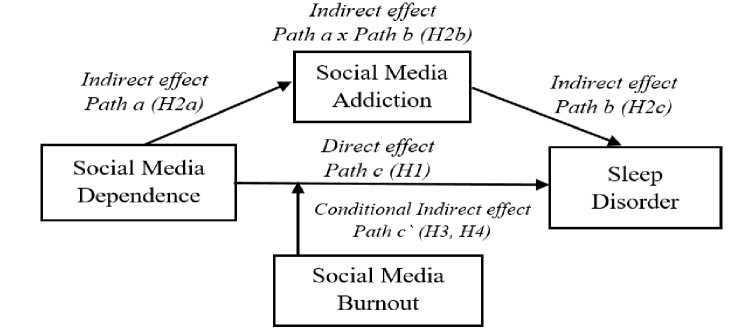
Figure 1. Framework: Conditional Process Analysis Model (Moderated-Mediation Model)
Figure 2 presents the demographic characteristics of the study participants. The gender split was approximately even, with males representing 49.01% (n=273) and females 50.99% (n=284). Participants were enrolled across four colleges: College of Journalism and Communication (20.11%, n=112), College of Film and Cinema or School of Cinematic Arts (24.78%, n=138), College of Communication Technology (25.67%, n=143), and College of Broadcasting and Hosting Arts or School of Broadcasting and Presentation Arts (29.44%, n=164). Regarding daily social media usage, 16.7% (n=93) used social media for over 3 but less than 5 hours, 46.3% (n=258) for over 5 but less than 7 hours, and 37.0% (n=206) for more than 7 hours.
College Enrollment
College of Journalism and [ Communication 20.11% (n=112)_
College of Film and Cinema:
24.78% (n=138) '
College of Communication]
Technology 25.67% (n=143)
College of Broadcasting and Hosting Aits 29.44% (n=164) ’
Social Media Usage
Study Participants
— 3-5 hours 16.7% (n=93)
- ■ 5-7 hours 46.3% (11=258)
- - More than 7 hours 37.0% (n=206)
Gender Distribution г - ■ Males 49.01% (n=273)
Females 50.99% (n=284)
Figure 2. Demographic Characteristics of Participants (n=557)
Research Instruments
The research utilizes four rigorously validated assessment tools that demonstrate strong psychometric properties as indicated in Table 1 below. Initially, the Social Media Disorder Scale ( Boer et al., 2021 ) represents a streamlined nine-item measure based on DSM-V criteria, showing good reliability (α=0.76) and stability (ICC=0.663). Factor analysis confirms its structural integrity (CFI=0.997, RMSEA=0.041), supporting its use in empirical research. Secondly, the S-MASS ( Chanpen et al., 2023 ) implements a three-factor model capturing key aspects of social media addiction: prioritization, negative outcomes, and control deficits. Statistical analyses demonstrate strong internal consistency (α=0.90) and factorial validity through both EFA and CFA procedures (CFI=0.99, RMSEA=0.01). Then, the SRSQS ( Chen et al., 2021 ) evaluates sleep quality across six domains using 28 items. The measure shows excellent reliability (α=0.92, test-retest=0.81) and correlates significantly with established sleep measures, indicating strong criterion validity. Its ability to distinguish between clinical and non-clinical groups further supports its utility. Lastly, the Social Media Burnout Scale ( Wang et al., 2024 ) measures burnout through emotional exhaustion and depersonalization dimensions. Statistical analyses support its reliability (α=0.92) and construct validity (AVE>0.50, CR>0.70). The measure’s factor structure aligns with theoretical conceptualizations of social media burnout, making it particularly relevant for contemporary digital health research.
Table 1. Summary of Four Research Instruments
|
Instrument title |
Authors |
Dimensions & items |
Likert Scale |
Reliability & Validity |
|
Social Media Disorder Scale (SMDS) |
Boer et al. (2021) |
1 Dimension (Social Media Addiction); 9 items |
5-point (1–5) |
α=0.76 Good fit indices (CFI=0.997, RMSEA=0.041) |
|
Social-Media Addiction Screening Scale (S-MASS) |
Chanpen et al. (2023) |
3 Dimensions (Priority, Neg. Conseq., Imp. Control); 16 items |
5-point (1–5) |
α 0.90 (overall) EFA & CFA support 3-factor structure |
|
Self-Report Sleep Quality Scale (SRSQS) |
Chen et al. (2021) |
6 Domains (Daytime Symptoms, Sleep Satisfaction); 28 items |
5-point (1–5) |
α=0.92, test-retest= 0.81 Strong correlation with PSQI, discriminates insomnia vs. control |
|
Social Media Burnout Scale (SMBS) |
Wang et al. (2024) |
2 Dimensions (Emotional Exhaustion, Depersonalization); 30 items |
5-point (1–5) |
α = 0.92 (overall), EE=0.94, DP=0.82 Good AVE (>0.5), CR (>0.7), discriminant validity |
Procedure, Data Collection, and Analysis
Between April and July 2024, data were collected via an electronic questionnaire disseminated online to students enrolled at Wuhan University of Communication in Jiangxia District, Wuhan, China. Participants were drawn from the College of Journalism and Communication, the College of Film and Cinema (School of Cinematic Arts), the College of Communication Technology, and the College of Broadcasting and Hosting Arts (School of Broadcasting and Presentation Arts). Ultimately, 568 responses were secured, with 557 deemed valid and 11 excluded owing to incomplete information. For data analysis, the PROCESS macro within SPSS was employed to perform a moderated mediation analysis, identifying Sleep Disorder as the outcome variable (Y), Social Media Dependence as the predictor (X), Social Media Addiction as the mediator (M), and Social Media Burnout as the moderator (W). The quantitative findings encompassed direct (c path), indirect (a × b), and total (c + ab) effects, alongside moderation indices, R² values, confidence intervals, and significance levels ( Crowson, 2024 ; Hinton et al., 2023 ). Both standardized and unstandardized effect sizes were presented to ensure robust, comprehensive reporting of empirical result.
Results
Mediation Analysis
The current study conducted the mediation analysis grounded in Baron and Kenny’s (1986) four-step approach framework. This analytical approach aimed to ascertain whether social media addiction serves as a mediating mechanism underlying the relationship between social media dependence (the independent variable) and sleep disorder (the dependent variable). The subsequent steps rigorously addressed the stated research inquiries and hypotheses, employing a methodical, evidence-based approach.
Step 1: Establishing the Total Effect (Path c)
To confirm the presence of an initial direct effect of social media dependence on sleep disorder, the latter was regressed on the former. The findings indicated that social media dependence exerts a significant positive influence on sleep disorder (B=.085, SE=.031, β=.114, t=2.769, p=.006, 95% CI [.024, .146]). This model accounted for approximately 11.3% of the variance in sleep disorder (R²=.113), supporting hypothesis H1. This establishes the presence of a total effect to be mediated. Tests for collinearity did not reveal any violations (VIF<2). These results confirm that there is a noteworthy direct relationship warranting further mediation examination.
Step 2: Assessing the Influence of the IV on the Mediator (Path a)
The second analytical step involved ascertaining whether social media dependence significantly predicts social media addiction, the proposed mediator. The regression analysis yielded a significant positive effect (B=.083, SE=.035, β=.097, t=2.359, p=.019, 95% CI [.014, .152]), explaining approximately 30.9% of the variance in the mediator (R²=.309), confirming hypothesis H2a. These findings verify the second prerequisite of the Baron and Kenny approach, namely that the independent variable must substantially influence the mediator. Once again, no problematic collinearity issues were detected (VIF<2).
Step 3: Effect of Mediator on DV (Path b)
Social media addiction demonstrated a substantial positive effect on sleep disorder (B=0.574, SE=0.027, β=0.655, t=21.013, p<0.001), with the model explaining 42.9% of the variance (R²=0.429). This finding strongly supports hypothesis H2b.
Step 4: Testing Mediator’s Effect on DV and Revisiting the IV’s direct effect (Paths C`)
The final step incorporated both the independent variable (social media dependence) and the mediator (social media addiction) into a joint model predicting sleep disorder. The results indicated that the direct effect of social media dependence on sleep disorder was reduced but remained significant while social media addiction lingered a strong, positive predictor of sleep disorder (B=.570, SE=.027, β=.650, t=20.786, p<.001, 95% CI [.516, .624]), proving the support toward H2c. Crucially, when controlling for this mediator, the previously significant direct effect of social media dependence on sleep disorder diminished notably. The direct path coefficient declined from B=.085 to B=.038, and the corresponding t-value of 1.615 suggested that this effect may no longer achieve conventional significance thresholds. Although the reported significance value for this coefficient was not entirely consistent due to a typographical irregularity in the dataset, the inferred non-significance (or at least substantial reduction in effect size) is consistent with the presence of full mediation. Moreover, the final mediated model explained substantially more variance (R²=.432) in sleep disorder compared to the initial direct model, signifying a considerable improvement (ΔR²=.319).
In sum, these findings collectively, as illustrated in Table 2, corroborate Hypotheses H1, H2a, H2b, and H2c. Social media dependence directly influences sleep disorder (H1) and also independently predicts social media addiction (H2a). Moreover, social media addiction exerts a significant, positive impact on sleep disorder (H2b). Most importantly, social media addiction fully mediates the relationship between social media dependence and sleep disorder (H2c), thereby illuminating the pivotal intermediary role of addiction in understanding how dependence translates into deleterious sleep outcomes.
Table 2. Summary Table of Key Regression Results (Mediation Analysis)
Linear Regression Path Analysis Model
Dependent Variable (DV)
|
Variables |
SD |
SMA |
SD |
|
|
Model 1 |
Model 2 |
Model 3 |
Model 4 |
|
|
βt |
βt |
βt |
βt |
|
|
SMD |
0.114 2.769 |
0.097 2.359 |
0.051 1.615 |
|
|
SMA |
0.655 21.023 |
0.650 20.786 |
||
|
SE |
0.031 |
0.035 |
0.027 |
0.024 0.027 |
|
B |
0.085 |
0.083 |
0.574 |
0.038 0.570 |
|
Sig. |
0.006 |
0.019 |
0.000 |
0.000 |
|
R² |
0.113 |
0.309 |
0.429 |
0.432 |
|
ΔR² |
--- |
--- |
--- |
0.319 |
|
VIF |
1.00 (<2) |
1.00 (<2) |
0.99 (<2) |
0.99 (<2) |
|
95% CI (Lower, Upper) |
(0.024, 0.146) |
(0.014, 0.152) |
(-0.009, 0.085) |
(0.517, 0.623) |
|
Hypo. Test |
H1 Supported |
H2a Supported |
H2b Supported |
H2c Supported |
Note 1: SMD: Social Media Dependence; SMA: Social Media Addiction; SD: Sleep Disorder; B: Unstandardized Coefficient; SE: Standard Error; β: Standardized Coefficient; R²: Coefficient of Determination; ΔR²: R² Change; t: t-value; CI: Confidence Interval; VIF: Variance Inflation Factor
Note2: *p<0.05; **p<0.01; ***p<0.001
Elaboration of Moderation Analysis
In the baseline model (Model 1), wherein only social media dependence was entered as a predictor, findings indicated a significant positive association with sleep disorder (B=0.146, SE=0.022, β=0.114, t=2.769, p=.006; R²=0.113). Thus, higher dependency corresponded to heightened sleep disturbances. Upon introducing social media burnout in Model 2, the model’s explanatory power was incrementally enhanced (ΔR²=0.002). Both social media dependence (B=0.160, SE=0.022, β=0.112, t=2.735, p=.006) and social media burnout (B=0.223, SE=0.022, β=0.204, t=1.064, p=.018) remained statistically significant contributors. The explained variance (R²=0.115) confirmed that burnout supplements dependence in accounting for variations in sleep disorder. Crucially, Model 3 incorporated the interaction term (dependency × burnout). The inclusion of this term yielded a statistically significant interaction coefficient (B=0.156, SE=0.023, β=0.125, t=1.597, p=.011), indicating that social media burnout moderates the dependence– sleep disorder link. Adding the interaction increased model fit (R²=0.119; ΔR²=0.004), with the F-statistic for the incremental change being significant (F-change=2.552, p=.011). The 95% confidence interval for the interaction coefficient ([0.111, 0.201]) and the absence of problematic collinearity (VIF < 2.0) substantiated the robustness of this moderating effect.
This finding provides robust empirical support for Hypothesis H3, demonstrating that social media burnout indeed functions as a significant moderator of the relationship between dependence and sleep disorder. The positive valence of the interaction coefficient suggests that elevated levels of burnout serve to amplify the deleterious impact of social media dependence on sleep patterns. Moreover, when considered in conjunction with the mediation pathway through social media addiction, as illustrated in the theoretical framework, the significant moderation effect lends credence to Hypothesis H4. This suggests that the indirect effect of social media dependence on sleep disorders, operating through the mediating mechanism of social media addiction, is contingent upon the magnitude of social media burnout experienced by the individual. The final model demonstrated superior explanatory power, accounting for 11.9% of the variance in sleep disorder (R² = 0.119, ΔR² = 0.104, F(3, 585) = 3.792, p = 0.010), with all predictors maintaining statistical significance at the conventional threshold (p < 0.05). The modest variance inflation factors (VIF < 1.01) indicate that multicollinearity did not pose a substantive threat to the validity of the parameter estimates. A summary of moderation analysis results was displayed in the following Table 3.
Table 3. Summary of Moderation Analysis Results
|
SMD |
SMD |
SMB |
SMB*SMD |
|
|
Model 1 |
Model 2 |
Model 3 |
||
|
B |
.146 |
.160 |
.223 |
.156 |
|
SE |
.022 |
.022 |
.022 |
.023 |
|
β |
.114 |
.112 |
.204 |
.125 |
|
t |
2.769 |
2.735 |
1.064 |
1.597 |
|
R |
.114 |
.122 |
.138 |
|
|
R² |
.113 |
.115 |
.119 |
|
|
Adjusted R² |
.111 |
.101 |
.114 |
|
|
ΔR² |
.113 |
.102 |
.004 |
|
|
F Change |
7.666 |
1.132 |
2.552 |
|
|
p |
.006 |
.006 |
.018 |
.011 |
Note 1: SMD: Social Media Dependence; SMA: Social Media Addiction; SD: Sleep Disorder; B: Unstandardized Coefficient; SE: Standard Error; β: Standardized Coefficient; R²: Coefficient of Determination; ΔR²: R² Change; t: t-value Note2: *p<0.05; **p<0.01; ***p<0.001
Furthermore, in the illustrated moderation analysis as shown in Figure 3, Social Media Burnout (SMB) significantly accentuates the positive link between Social Media Dependency (SMD) and the outcome measure. The steep gradient observed in the high-SMB group demonstrates that incremental increases in SMD yield more pronounced elevations in the outcome among individuals with elevated SMB levels. By contrast, the comparatively modest slope for the low-SMB group indicates a weaker association between SMD and the dependent variable. Hence, SMB operates as a moderator by magnifying the influence of SMD on the outcome.
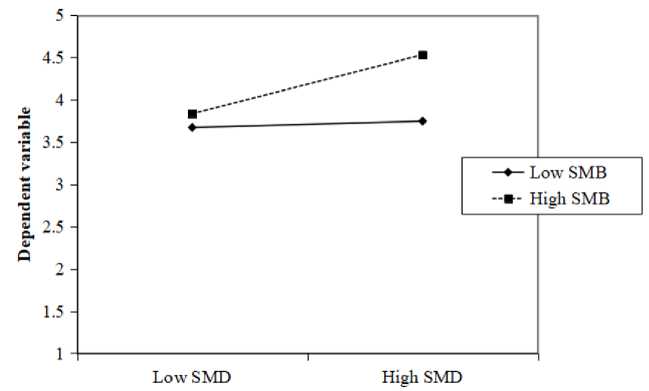
Figure 3. Moderation Effect by Social Media Burnout
Discussions
The outcomes of this research underscore the significant ramifications of social media dependence and addiction on sleep disorder. In line with Hypothesis 1 (H1), social media dependence revealed a notable direct association with sleep disturbance, demonstrating that increased reliance on digital platforms may compromise sleep quality ( Azizi et al., 2019 ; Lin et al., 2021 ). Moreover, consistent with Hypothesis 2a (H2a), social media dependence appears to precipitate social media addiction, thereby indicating the necessity to regard dependence as a principal precursor to problematic engagement behaviors ( Bilgin and Taş, 2018 ; Pawar and Shah, 2019 ). These findings echo extant empirical data, which intimate that individuals predisposed to social media dependence are particularly susceptible to developing addictive tendencies, culminating in augmented usage and adverse health outcomes ( Khatimah and Ryan, 2023 ; Rustamov et al., 2023 ). The mediation analysis elucidated that social media addiction completely mediates the relationship between social media dependence and sleep disorder, thus supporting Hypothesis 2c (H2c). Specifically, once addiction was incorporated into the analytic model, the direct effect of dependence on sleep disorder was rendered non-significant (or considerably reduced), signifying that addictive behaviors serve as the chief mechanism by which dependence compromises sleep quality ( Luo and Hu, 2022 ; Rasheed and Saba, 2023 ). This corroborates earlier research emphasizing the pernicious effect of compulsive online activity on circadian rhythms and subsequent disruption of sufficient rest ( Lin et al., 2021 ; Shabahang et al., 2024 ). As a collective, these findings accentuate the mediating influence of social media addiction in accounting for the observed association between social media dependence and deleterious sleep outcomes ( Abdalqader and Joseph, 2020 ; Külekçioğlu and Çetin, 2021 ).
Furthermore, the moderation analysis indicates that social media burnout augments the adverse impact of social media dependence on sleep disturbance, thereby corroborating Hypothesis 3 (H3). This suggests that heightened burnout amplifies susceptibility to sleep difficulties, possibly by depleting emotional resources and amplifying psychological strain ( Jiang, 2021 ; Evers et al., 2020 ). Additionally, the indirect effect of dependence on sleep disorder-transmitted through addiction-is likewise dependent on burnout levels (H4), signifying that individuals experiencing pronounced burnout are especially prone to the deleterious ramifications of social media dependence and addiction ( Charoensukmongkol, 2016 ; Yamini and Pujar, 2022 ). Consequently, the integration of mediation and moderation perspectives illuminates the multifaceted processes through which contemporary digital consumption patterns engender negative outcomes for sleep health.
Conclusions
The findings of this research demonstrate that social media dependence exerts a substantial influence on sleep disturbance, whilst also underscoring social media addiction as a pivotal intermediary in this association. In accordance with prior research, individuals who exhibit heightened reliance upon digital platforms are more inclined to experience compromised sleep quality ( Azizi et al., 2019 ; Lin et al., 2021 ). Moreover, the mediation analysis confirmed that social media addiction fully mediates the effect of social media dependence on sleep disorder, suggesting that it is the addictive aspects of users’ engagement, rather than mere dependence that engender adverse outcomes ( Bilgin and Taş, 2018 ; Luo and Hu, 2022 ; Pawar and Shah, 2019 ; Rasheed and Saba, 2023 ). These results emphasise the fundamental role of addiction-related behaviours in exacerbating sleep disruptions, thus highlighting the significance of preventative strategies to curtail compulsive social media usage ( Khatimah and Ryan, 2023 ; Rustamov et al., 2023 ). Additionally, social media burnout emerged as a crucial moderator in this nexus. The moderation analysis illustrated that individuals exhibiting pronounced burnout are particularly susceptible to the detrimental impact of social media dependence on sleep, conceivably owing to the intensifying depletion of emotional resources ( Evers et al., 2020 ; Jiang, 2021 ). This moderating influence also extends to the indirect pathway wherein dependence engenders sleep disturbance through addiction, indicating that elevated burnout magnifies the negative repercussions of problematic media consumption ( Charoen- sukmongkol, 2016 ; Yamini and Pujar, 2022 ). Taken as a whole, these insights shed light on the complex interplay between social media dependence, addiction, and burnout, thus offering a nuanced framework for understanding how contemporary digital usage patterns compromise sleep health.
Funding
This research did not receive any specific grant from funding agencies in the public, commercial, or not-for-profit sectors.
Conflict of interests
The authors declare no conflict of interest.
Data availability statement
The original contributions presented in the study are included in the article/supplementary material, further inquiries can be directed to the corresponding author.
Institutional Review Board Statement
This study was conducted in strict accordance with the ethical standards for research involving human participants and aligned with the principles of the Declaration of Helsinki. The research protocol, titled *Digital Dependency and Sleep Deprivation: The Dual Roles of Addiction and Burnout in Modern Media Consumption*, authored by Li-Wei Wei (PhD), was reviewed and approved by the Human Research Ethics Committee (HREC) of Dhurakij Pundit University (Approval Code: DPUHREC011/67EX, Date of Approval: February 10th, 2025), with the outcome of minor modifications required. Prior to participation, all participants provided informed consent after being fully informed about the study’s purpose, procedures, potential risks and benefits, and their right to withdraw at any time without penalty. All ethical principles were upheld throughout the study, including the protection of participants’ confidentiality, voluntary engagement, and secure handling of data in compliance with applicable institutional and legal guidelines.
