
«Калевала» в глобальном культурном пространстве: механизмы и пути адаптации
Журнал: Финно-угорский мир @csfu-mrsu
Рубрика: Этнокультура в современном мире
Статья в выпуске: 1 т.18, 2026 года.
Бесплатный доступ
Введение. В научном дискурсе сохраняет актуальность проблема осмысления процесса транскультурной адаптации фольклорных текстов, в которых отражается культурная память народа. Несмотря на пристальное внимание ученых к «Калевале» как к памятнику эпического наследия, в науке до сих пор отсутствует комплексное междисциплинарное исследование, которое: 1) рассматривало бы «Калевалу» как динамичную, открытую систему, функционирующую в различных культурных контекстах и медиа; 2) выявляло бы универсальные механизмы и закономерности ее адаптации; 3) определяло бы степень устойчивости («резистентности») архетипических сюжетов, образов и мифологем; 4) анализировало бы амбивалентность современных интерпретаций, сочетающих упрощение с попытками сохранения аутентичности. Восполнение этого пробела составляет актуальность данной работы. Цель исследования – выявить и проанализировать конкретные механизмы и приемы трансформации «Калевалы» из национального эпоса в феномен глобальной культуры. Материалы и методы. Исследование основано на комплексном подходе, объединившем три взаимодополняющих метода. С помощью компаративного анализа осуществляется сопоставление исходных финских рун с их переводными и адаптированными версиями, что дает возможность проследить трансформацию сюжета и образов в разных культурах. Интермедиальный анализ направлен на изучение процессов перевода текста эпоса в иные форматы (кино, живопись). Нарративный анализ используется для идентификации ключевых культурных кодов, символов и архетипов и отслеживания их сохранения, опущения или переосмысления. Корпус источников исследования составили ключевые случаи транснациональной рецепции «Калевалы», репрезентирующие различные медиа и культурные контексты: литературные произведения, испытавшие непосредственное влияние эпоса; аудиовизуальные интерпретации; визуальные адаптации и репрезентации в комиксах. Транскультурная адаптация «Калевалы» реализуется с помощью трех основных приемов: перефокусировки сюжетных линий, нарративного упрощения и трансформации семантических характеристик персонажей. Результаты исследования и их обсуждение. Установлены основные каналы адаптации эпоса в медиапространстве: литература, изобразительное искусство, кинематограф, культурный туризм. Выявлен ключевой прием адаптации ‒ деконтекстуализация и реконтекстуализация мифологических смыслов в соответствии с запросами инокультурной среды и массовой культуры. Несмотря на устойчивость архетипов, они не статичны. Установлена зависимость семантики адаптированных персонажей от культурного кода аудитории и историко-политического контекста эпохи создания адаптации. Выявлены конкретные приемы, благодаря которым «Калевала» трансформируется из национального символа в глобальный культурный продукт. Заключение. Сделанные автором выводы вносят вклад в развитие линвгокультурологии и теории межкультурной коммуникации, фольклористики и мифологии, переводоведения и социологии культуры. Перспектива исследования состоит в создании универсальной модели анализа для других национальных культурных феноменов. Материалы статьи могут быть полезны при разработке учебных курсов по культурологии, мировой литературе, истории искусств, финно-угроведению с включением раздела о современных интерпретациях эпического наследия, в создании учебных пособий и хрестоматий, иллюстрирующих трансформацию фольклорных сюжетов в массовой культуре, а также в подготовке лекционных материалов для программ дополнительного образования, посвященных визуализации эпоса в кино, комиксах и живописи.
Похожие статьи в разделе Цивилизация. Культура. Прогресс

Короткий адрес: https://sciup.org/147253486
IDS: 147253486 | УДК: 008:82-1 | DOI: 10.15507/2076-2577.018.2026.01.105-120
“The Kalevala” in the Global Cultural Space: Mechanisms and Pathways of Adaptation
Introduction. In academic discourse, the problem of conceptualizing the process of transcultural adaptation of folklore texts that embody the cultural memory of a people remains relevant. Despite the close attention scholars have paid to the “Kalevala” as a monument of epic heritage, there is still no comprehensive interdisciplinary study that would consider the “Kalevala” as a dynamic and open system functioning in diverse cultural contexts and media, identify the universal mechanisms and patterns of its adaptation, determine the degree of stability (“resilience”) of its archetypal plots, images, and mythologemes, and analyze the ambivalence of contemporary interpretations that combine simplification with attempts to preserve authenticity. Addressing this gap constitutes the relevance of the present study. The aim of the research is to identify and analyze the specific mechanisms and techniques through which the “Kalevala” has been transformed from a national epic into a phenomenon of global culture. Materials and Methods. The study is based on an integrated approach that combines three complementary methods. Comparative analysis is used to juxtapose the original Finnish runes with their translated and adapted versions, making it possible to trace the transformation of plots and images across different cultures. Intermedial analysis is aimed at examining the processes through which the epic text is translated into other formats, such as cinema and painting. Narrative analysis is employed to identify key cultural codes, symbols, and archetypes, and to trace their preservation, omission, or reinterpretation. The corpus of sources for the study consists of key cases of the transnational reception of the “Kalevala”, representing various media and cultural contexts: literary works that have experienced a direct influence of the epic; audiovisual interpretations; and visual adaptations and representations in comics. The transcultural adaptation of the “Kalevala” is realized through three principal techniques: the refocusing of plot lines, narrative simplification, and the transformation of the semantic characteristics of characters. Results and Discussion. The principal channels through which the epic is adapted within the media space have been identified: literature, visual art, cinema, and cultural tourism. The key technique of adaptation has been determined to be the decontextualization and subsequent recontextualization of mythological meanings in accordance with the demands of a foreign cultural environment and mass culture. Despite the persistence of archetypes, they are not static. The semantics of adapted characters have been shown to depend on the cultural code of the audience as well as on the historical and political context of the period in which the adaptation was created. Specific techniques have been identified through which the “Kalevala” is transformed from a national symbol into a global cultural product. Conclusion. The conclusions drawn by the author contribute to the development of linguocultural studies and the theory of intercultural communication, as well as to folklore studies and mythology, translation studies, and the sociology of culture. The prospects of the research lie in the creation of a universal analytical model applicable to other national cultural phenomena. The materials of the article may prove useful in the development of academic courses in cultural studies, world literature, the history of art, and Finno-Ugric studies, including sections devoted to contemporary interpretations of epic heritage; in the preparation of textbooks and anthologies illustrating the transformation of folkloric narratives in mass culture (using the Kalevala as an example); and in the preparation of lecture materials for continuing education programs dedicated to the visualization of epic narratives in cinema, comics, and painting.
Текст научной статьи «Калевала» в глобальном культурном пространстве: механизмы и пути адаптации
МГУ имени М. В. Ломоносова, г. Москва, Российская Федерация,
Moscow, Russian Federation,
До настоящего времени карело-финский эпос «Калевала» изучался преимущественно в политико-идеологическом и филологическом ключах. Современные изыскания смещаются в область культурной антропологии, истории религии и когнитивных исследований, рассматривая эпос как ценный источник знаний о мифологической картине мира древних уральских народов.
Эпос «Калевала» постепенно трансформируется в продукт массовой культуры и кинематографа, адаптируясь к запросам современной аудитории через визуальные образы и универсальность его мифологического ядра. Это способствует глобальной узнаваемости эпоса, но ставит вопросы о сохранении его глубины и аутентичности в популярных интерпретациях. Подобная двойственность бытования памятника ‒ между академической ценностью и востребованностью в индустрии развлечений ‒ требует пристального научного осмысления. На сегодняшний день ощущается недостаток комплексных исследований, которые рассматривали бы не только переводческие или искусствоведческие аспекты, но и системные закономерности перехода архаичного текста в новые медиаформаты. Остается открытым вопрос, какие именно элементы эпической структуры (например, архетип мудрого старца Вяйнямёйнена или трагическая фигура мстителя Куллерво) демонстрируют высокую степень резистентности ‒ способности противостоять упрощению и обеспечивать «Калевале» успешную интеграцию в глобальный культурный контекст. При этом вне исследовательского внимания нередко остается и противоположная тенденция: обращение к эпосу как к источнику вдохновения для создания сложных, психологически насыщенных произведений, таких как графические циклы Т. Юфы или монументальные полотна Г. Стронка, которые предлагают альтернативу массовому упрощению.
Цель исследования - выявление и анализ основных механизмов и закономерностей трансформации карело-финского эпоса “Калевала” в процессе его интеграции в мировое культурное пространство, а также определение степени устойчивости его архетипических сюжетов, образов и мифологем при их адаптации к требованиям современной массовой культуры (кинематографа, литературы, комиксов, брендинга).
Обзор литературы
На современном этапе результаты изучения научным сообществом финских рун, собранных Э. Лённротом в поэму «Калевала», можно представить в нескольких разделах.
Первый раздел, который является одним их самых объемных, касается передачи языковых особенностей финноязычного фольклорного памятника на другие языки.
На сегодняшний день произведение переведено полностью более чем на 60 языков, а в отрывках - более чем на 120 языков мира1. Научные исследования переводов сосредоточены на сравнительном анализе стратегий и решений при передаче архаичного колорита, смыслов, связанных с магией и шаманизмом, а также диалектных особенностей оригинала. Отмечается, что «при переводе архаичного эпоса различные элементы его поэтики могут представлять собой определенную сложность даже в том случае, когда речь идет о переводе на близкородственные языки» (вепсский и карельский – Авт.) [1].
Огромный научный интерес представляют лексические и грамматические трансформации, способы передачи на другие языки безэквивалентной лексики (реалий, имен собственных)2 [2], параллелизмов-повторов и аллитераций [3], метафорических номинаций [4; 5]. Наши наблюдения совпадают с выводом ученых о сокращении объема текста перевода в большинстве случаев за счет деформации параллелизмов и компрессии повторов.
К этому же разделу следует отнести рассмотрение учеными этнокультурного содержания текста3 [6; 7]. Исследователи приходят к выводу о том, что сохранение этнографических деталей в тексте перевода позволяет иноязычному читателю познакомиться с архаичными пластами культуры, получить информацию о социальных нормах и практиках, не фиксируемых иными письменными источниками. Данный тезис составляет теоретическую основу для настоящего исследования, позволяя анализировать генезис и специфику современных модификаций национального эпоса через призму сохранившихся архаических элементов.
Второй раздел составляют публикации, в которых «Калевала» рассматривается как политический и социальный инструмент, позволяющий людям чувствовать глубокую связь друг с другом4. «Калевала» сыграла ключевую роль в формировании финской национальной идентичности5, она интерпретируется как квинтэссенция «фин-скости»6. Как отмечает финский исследователь Пааккунайнен, «в четырех из пяти интервью с носителями финской культуры “Калевалу” даже сравнивали с Библией, поскольку “Калевала” тоже содержит историю сотворения мира, поучения и другие повествования; “Калевалу” воспринимают как схожее с Библией мифологическое повествование»7. В результате статус финского языка был поднят с «крестьянского» на язык высокой национальной культуры и образования, что стало важнейшим шагом в национальном строительстве8 [8].
На наш взгляд, важным аспектом, который затрагивается в публикации И. И. Мул-лонен и Е. Г. Сойни о фольклористических идеях Д. В. Бубриха, является дискуссия о происхождении самого эпоса. «Калевала» - это авторское произведение, поэма исследователя, подвижника финского языка и культуры Э. Лённрота. Она была создана на основе вариантов рун, собранных на территории Карелии, Финляндии, Ингерманландии, где проживали не только финны и карелы. Д. В. Бубрих подвергал свои наблюдения корректировке в сторону признания ее прибалтийско-финских истоков. Как отмечают авторы публикации, «эта поэзия многослойна и включает в себя как общеприбалтийско-финский пласт, так и более поздние напластования, в том числе и связанные с древнескандинавскими связями, сложившимися на западе Финляндии»9.
Интерес к «Калевале» вышел за рамки собственно Финляндии и лег в основу идеологии панфеннизма (Pan-Fennicism), которая пропагандировала культурное и по- литическое единство финно-угорских народов [9]. В XX в., особенно в межвоенный период и во время Второй мировой войны, мифология и символы «Калевалы» были использованы для обоснования экспансионистской политики и концепции «Великой Финляндии», границы которой должны были включить Восточную Карелию и другие родственные территории. Таким образом, эпос трансформировался из культурного символа в инструмент националистической и ирредентистской политики [10].
Таким образом, актуализация мифологического пласта стимулирует процесс национального самосознания, дает возможность осознать общность истории, языка, культуры на любом этапе развития общества и политических процессов в глобальном масштабе.
Третий раздел современных исследований связан с изучением влияния «Калевалы» на творчество различных деятелей искусства. Создаваемая культурная продукция основывается на онтологическом статусе «Калевалы» как прецедентного текста. Ученые, анализировавшие творчество таких национальных поэтов, как В. Т. Чиста-лев10 [3], З. Дубинина, М. Пахомов [11], Р. Такала11 [12], обратили внимание на то, что их произведения не воспроизводят нарративную структуру эпоса, а только оперируют его материалом и системой персонажей.
«Калевала» вдохновляет на создание продолжений другого типа, в которых сказочный мир существует параллельно уже известному мифологическому пространству и предстает в совершенно другом формате - комиксах и фэнтези12 [13]. Новый жанр подачи материала характеризуется краткостью изложения материала, ярким визуальным рядом, новыми сюжетными линиями, чем привлекает внимание читателей и позволяет включить произведения в систему коммерческих отношений, что немаловажно для книгоиздания.
В четвертом разделе исследований изучается потенциал эпоса как культурного продукта в маркетинговых проектах. «Калевала» рассматривается в качестве ценного культурного кода для создания аутентичного брендинга, формирования торгового предложения и эмоциональной связи с потребителем. Одним из инструментов развития туристического потенциала Республики Карелия является проект, использующий культурный нарратив эпоса, его художественные образы и описание природной среды для формирования уникального предложения и идентичности территории [14; 15].
Анализ научных работ показал, что, помимо языковых особенностей эпоса, его влияния на творчество деятелей искусства и на формирование национальной идентичности народа, необходимо выявить основные пути его интеграции в мировую культуру, осмыслить с позиций наших дней семантические портреты персонажей эпического произведения.
Материалы и методы
Исследование, нацеленное на изучение текстовых трансформаций и механизмов интеграции эпоса «Калевала» в мировое культурное пространство, базируется на разветвленном методологическом аппарате. Специфика предмета статьи (транснациональные адаптации эпического нарратива) предопределила применение интегративного подхода, который включает методологический инструментарий переводоведения, компаративистики и лингвокультурологии. Этот подход дает возможность не только осуществить анализ текстуальных модификаций, но и интерпретировать их в неразрывной связи с широким культурно-историческим контекстом.
В исследовании были поставлены следующие задачи: 1) выявить элементы «Калевалы», которые обладают максимальной устойчивостью при транскультурной адаптации; 2) проанализировать специфику реинтерпретации ее архетипических образов и сюжетов в инокультурных контекстах. Для их решения были отобраны ключевые случаи транснациональных адаптаций «Калевалы», хронологически и географически отражающие процесс глобального распространения эпоса. Критерием отбора служила не только популярность того или иного перевода или адаптации, но и их значимость для формирования образа «Калевалы» в принимающей культуре, а также демонстрация различных стратегий трансформации исходного текста.
Корпус материалов включает современные переводы «Калевалы» Лённрота, выполненные в том числе Э. С. Киуру и А. И. Мишиным (2001 г.). Эпическая поэма коми писателя К. Жакова «Биармия» (1916 г.) привлекла наше внимание своей ориентированностью «на “Калевалу”, скандинавские саги, русские народные сказания и былины» [16]. Трагическая судьба раба Куллерво увлекла Дж. Р. Р. Толкина, так «Калевала» стала «отправной точкой литературного пути писателя»13. Образы в комиксе «Элиас и герои славной Калевалы» Р. Кириллова14 (2019 г.) и графическом романе «Калевала» С. Макконена15 (2025 г.) демонстрируют разнообразные механизмы и стратегии модификации исходного эпического текста. Совместная советско-финская экранизация эпоса под названием «Сампо» (1958-1959 гг.), финско-китайский фэнтезийный фильм «Воин Севера» (2006 г.), российский приключенческий триллер «Седьмая руна» (2014-2015 гг.), советские мультипликационные фильмы «Про золотое солнце и серебряный месяц» (1974 г.), «Сампо из Лапландии» (1977 г.), «Кузнец Илмаринен и красавица Похъёлы» (1982 г.) являются яркими примерами адаптации сюжетов и образов в мультимедийном пространстве инокультурной среды.
Результаты исследования и их обсуждение
Для раскрытия темы исследования обратимся к понятию «резистентность сюжетов», которое заключается в способности повествовательных структур (сюжетов, нарративов) противостоять коммуникативным угрозам (непониманию, отторжению), адаптироваться, сохраняя актуальность и интерес аудитории, и продолжать влиять на людей, даже после переосмыслений и адаптаций. Он позволяет описать предельную способность явления преодолевать границы отдельных культур, формируя гибридную, гибкую идентичность и практики, основанные на взаимосвязанности и взаимодействии различных культурных традиций. Данный термин связан с понятием культурной адаптации. Культурная адаптация ‒ это процесс приспособления индивидов и групп к меняющимся социокультурным условиям через изменение стереотипов сознания, поведения, норм, ценностей и образа жизни16.
В работе используется термин «адаптация», под которым понимаются «приспособления некоего предшествующего текста к новому контексту, медийному, социокультурному, историческому» [17]. На основе анализа можно выделить несколько ключевых механизмов адаптации эпоса в глобальном пространстве: 1) трансляция через перевод и академическое изучение: перевод позволил преодолеть языковой барьер и легитимировать эпос как объект мирового значения; 2) художественная реинтерпретация: эпический материал перекладывается на язык современного искусства, что делает его эмоционально и эстетически близким новой аудитории (например, фэнтези-сага Дж. Р. Р. Толкина «Властелин Колец»; в музыке - концептуальный альбом финской метал-группы Amorphis «Tales from the Thousand Lakes» (1994 г.); в изобразительном искусстве ‒ цикл картин А. Галлен-Каллелы, М. Мечева, О. Бородкина, Г. Стронка и Т. Юфа); 3) популяризация через актуальные медиаформаты (комиксы, настольные игры и квесты по мотивам «Калевалы»; прозаические пересказы для детей); 4) интеграция в региональный брендинг и туризм: образы «Калевалы» используются в сферах, не связанных напрямую с искусством, для создания узнаваемого культурного продукта (рис. 1; 2).
Эти механизмы ‒ от классического перевода до создания видеоигр ‒ обеспечивают эпосу «Калевала» транскультурный потенциал, позволяя ему оставаться актуальным и находить отклик у аудитории по всему миру.
«Вечные» сюжеты и образы. Ключевым фактором, детерминирующим адаптационный процесс, является переход эпических текстов из сакрально-ритуальной в область художественной культуры. На фоне заметного упрощения мифо-ритуальной семантики, видоизменений мотивов и образов остаются неизменными мифологические символы (Мировое Древо, Мировое Яйцо, вечно живущий и вечно меняющийся Космос, пантеизм). В современных нарративах архетипы Птицы-ныряльщика и гигантской щуки (лосося) сохраняют свою созидающую суть. Во всех современных
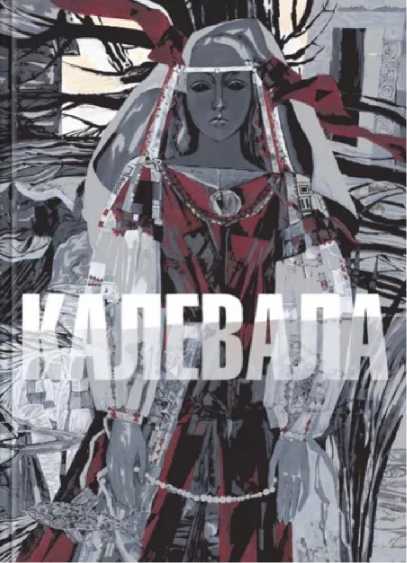
Р и с. 1. Обложка книги «Калевала».
Пер. Л. Бельского. Иллюстрации Т. Юфа. М.: Изд-во «Речь»; 2023 г.
F i g. 1. Cover of the book “Kalevala”.
Translated by L. Belskiy. Illustrated by
T. Yuf. Moscow: Rech Publishing House; 2023
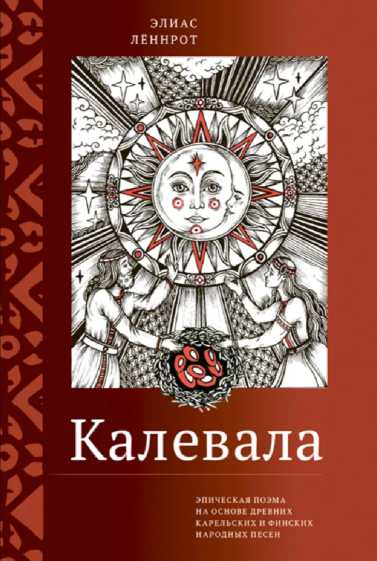
Р и с. 2. Обложка книги «Калевала». Пер. Э. С. Киуру и А. И. Мишина. Иллюстрации М. Михалковой. М.: ИД «Городец»; 2023
F i g. 2. Cover of the book “Kalevala”. Translated by E. S. Kiuru and A. I. Mishin. Illustrated by M. Mikhalkova. Moscow:
Gorodets Publishing House; 2023
Источник: изображение взято с сайта clck. ru/3ShfAx .
трансформациях эпоса действуют боги-творцы (Вяйнямёйнен, Илмаринен), и конфликт между персонажами выстраивается вокруг обладания сакральным объектом ‒ мельницей Сампо.
Оппозиция «Свет - Тьма» сохраняется, но дуализм трансформируется из внешнего противостояния во внутренний конфликт персонажа, где добро и зло переплетены.
Трансляция мифа в массмедиа. Превращение архаического мифа в продукт массовой культуры включает три этапа: отбор материала (селекция), его визуальное воплощение и нарративную адаптацию.
На стадии селекции из мифологического корпуса отбираются наиболее узнаваемые и визуально выразительные персонажи и объекты, формирующие ядро будущего культурного продукта. К ним относятся Вяйнямёйнен и Илмаринен, мститель-неудачник Куллерво, так называемые антигерои - хозяйка Похъёлы Лоухи, таинственное чудовище спрут-осьминог Ику-Турсо, а также магический артефакт Сампо.
На этапе отбора сложная философско-мировоззренческая система упрощается, сакральные элементы трансформируются в поверхностные символы и упрощенные образы. Эта адаптация продиктована логикой рынка, требующей быстрой узнаваемости и легкого «потребления» продукта массовой культурой. Ярким примером трансформации от сакрального предмета к сувениру являются сложные солярные знаки и обережные узоры, которые несли конкретную защитную функцию. На сувенирах они становятся просто красивым карельским орнаментом, скопированным без понимания их семантики. Например, образ утки-демиурга, то есть Птицы-ныряльщика, добывшей кусочек земли из-под воды, на магнитике или кружке теряет всю космогоническую глубину, будучи сведенным к условной «птице», приносящей удачу.
Следующим этапом является визуальное воплощение персонажей, при этом происходит стандартизация внешнего облика героев эпоса. Для лучшей узнаваемости современной аудиторией их изображения наделяются некими стереотипными чертами. Например, визуально Вяйнямёйнен сближается с античными героями: заклинатель-рунопевец изображен бородатым стариком крепкого телосложения, одетым в короткую рубаху, напоминающую римскую тунику. На его принадлежность к финскому миру указывают лишь особая суконная шапка17 и музыкальный инструмент кантеле вместо меча. Много общего в изображении Вяйнямёйнена с русским былинным героем Садко. Внешняя связь образов наиболее очевидна в их архетипическом ядре: это зрелый герой-мудрец, чья сила заключена не в мускулах, а в слове, знании и магическом даре, визуально выраженном через атрибут-музыкальный инструмент (кантеле или гусли). Однако, на наш взгляд, такое изображение идет вразрез с трактовкой образа самими финнами, которые отмечают, что в Вяйнямёйнене «кристаллизуется вся суть финского характера»18.
Под влиянием западных аналогов образ многогранного божества Лоухи был сведен к архетипу злой хозяйки-ведьмы. По одной версии, она - старуха, отрицательный персонаж, по другой - настоящая хозяйка, радеющая о благе своего народа. Ее атрибутом является посох, а символом ‒ змея как знак мудрости и подземного мира. Лоухи изображается в человеческом и птичьем (с крыльями и длинными загнутыми когтями) облике. Процесс унификации образа направлен по линии демонизации: церковь объявила языческих богов бесами, поэтому Лоухи, как хозяйка земли Похъёлы и противник Вяйнямёйнена, отождествляется с Дьяволом. Ее змеиная и хищническая ипостась стала доминирующей, она превратилась в образ разрушительного существа – птицу стриг, с которой сражаются эпические богатыри. Из всего многообразия сущностей Лоухи достался только образ «противника». В массовой культуре (комиксах, компьютерных играх) ее унифицированный образ ‒ птица-змея или вещунья с «демоническими» чертами: рогами, когтями, крыльями. Божество, связанное с мудростью и загробным миром, превратилось в архетипическую Злодейку-Колдунью.
Процесс трансформации завершает перекодировка в жанровые шаблоны, сводящая многомерный миф к простой структуре, востребованной в массовой культуре в формате фэнтези, видеоигр или комиксов [13].
Трансформация образов. В современных условиях эпос функционирует как инструмент идеологии, подвергаясь при этом семиотическому упрощению: персонажи теряют присущую им мифологическую амбивалентность; система образов поляризуется вокруг оппозиций «свой ‒ чужой» и «добро ‒ зло», что служит целям национального или политического мифотворчества.
Исследователи по-разному трактуют образ центрального персонажа «Калевалы» Вяйнемёйнена. Например, финский литературовед М. Хаавио рассматривает его как «идеализированного шамана, действующего преимущественно при помощи колдовства»19. Российские ученые-фольклористы видят в нем воплощение народных идеалов и архаичность. Он не молод, жизнерадостен, мудр и рассудителен20. Доминантой его семантического портрета является песенное пространство [4]. Он – архаический носитель магии слова, его сила ‒ в мудрости и творящем голосе, которым он создает мир, добывает сампо и противостоит хаосу21 [5].
Однако при адаптации рун в современных условиях оценка персонажа подверглась корректировке. Шаман, чья магия («песнопение») была связана с сотворением мира, превращается в волшебника (как Гэндальф у Дж. Р. Р. Толкина). Его магия теряет мифологическую глубину, лишается ритуального контекста и сакральных ограничений и превращается в инструмент для решения бытовых или сюжетных задач. Заклинания Вяйнямёйнена ‒ это не просто «магические слова», а обращение к истокам вещей. При адаптации источником волшебства становится личная сила, случайный артефакт, а не знание законов мироздания.
Образ трагического мстителя-неудачника, воплощенный в архетипе Куллерво, в современном фольклоре обретает новое дыхание, трансформируясь из эпического героя в символ экзистенциального протеста, личной травмы и болезненного поиска идентичности в отчужденном мире. В современных интерпретациях усиливается психологическая мотивация персонажей22. Например, подчеркивается, что Куллерво ‒ не просто «несчастный герой», а сложный персонаж с признаками психического расстройства, «гневный и душевнобольной молодой человек»23. Это смещает акцент с магического на человеческое, делая историю более понятной и драматичной для современной аудитории. Ярким примером является готовящаяся крупнобюджетная экранизация «Kalevala: Kullervon tarina» («Калевала: история Куллерво»), которая делает трагическую историю героя Кул-лерво центральной.
В народных рунах и в поэме Э. Лённрота сампо описано как волшебная мельница, которую выковал кузнец Илмаринен «из пушинки лебединой, из кусочка веретенца, и из молока коровы, и из ячменя крупинки»24. Сампо обладает глубинной связью с циклом жизни, смерти и плодородия.
В современных трансформациях образ упрощается до конкретного артефакта. В художественном фильме «Сампо» (режиссер А. Птушко, 1959 г.) он сводится к волшебной мельнице, которая производит «из ничего соль, муку и монеты»25. Его аналогом могут выступать Кольцо Всевластия («Властелин Колец»), обереги из крышки кованой чудо-мельницы в ошейниках собак26. Ценность этого предмета – не в сакральности, а в сюжетной функции: он – цель приключений.
Имя Сампо из одноименного анимационного фильма режиссера Е. Пружанского («Сампо из Лапландии», 1985 г.) отсылает к центральному артефакту эпоса «Калевала», хотя его семантика в контексте мультипликационного фильма существенно редуцируется: из многозначного символа мироздания оно трансформируется в индивидуальный именной маркер, связанный с личностными качествами героя. Имя выполняет в произведении функцию антропонимической характеристики и актуализирует такие черты персонажа, как целеустремленность и жажда открытий, тем самым определяя его сюжетную роль.
Меч Куллерво, обладающий мстительной волей, в игровых или фэнтези-адаптациях превращается в стандартный клинок с улучшенными характеристиками, но без его трагической одушевленности и роли в судьбе героя.
В эпосе кантеле, инструмент, созданный из костей гигантской щуки, - это сакральный предмет, чья музыка способна очаровать всю природу. В современных пересказах (например, в детских книгах или анимации) он становится просто волшебной арфой, лишаясь своей мифологической истории создания и связи с первотворением.
Трансформация сюжетов в современных адаптациях. Современные авторы и режиссеры творчески переосмысливают повествовательные структуры эпоса, ориентируясь на актуальные темы и аудиторию.
Юмористический стрип27 финского писателя-художника П. Хилтунена «Возвращение Вяйнямёйнена» (Väinämöisen paluu, 2001 г.) осмысляет образ вещего старца, описывая его как ученого, эксцентрика, инакомыслящего и активиста. Сюжет комикса, публикуемого во многих газетах, строится на возвращении Вяйнямёйнена в Финляндию 2000-х гг. и его знакомстве с чудесами современного мира. Работа содержит множество аллюзий на нарративы «Калевалы»28.
Хилтунен представляет Вяйнямёйнена в контексте ускоренного ритма жизни. Сам герой трансформируется: он приспосабливается к современности, становится популярной медийной личностью, кинозвездой из аниме-фильма «Калевала», который далек от национально-эпических корней, знаменитостью желтой прессы; у него появляется возлюбленная, он поступает учиться в начальную школу. Вяйнямёйнен отправляется в кругосветное путешествие (катается на горных лыжах, посещает маркетплейс, едет отдыхать на родину в Финляндию, знакомится с выдающимися людьми и наблюдает за современным миром) с новыми друзьями – человечком-эльфом Джабе29, амбициозным ежом-мизантропом Унтамо30 и Сеппо Илмариненым-младшим31. В одном из стрипов они оказываются в легендарном Голливуде, где, подчиняясь правилам индустрии развлечений, «старый, мудрый» Вяйнямёйнен предстает как рокер из хоррор-панк-группы, Джабе попадает в реалити-шоу, еж Унтамо выступает на «фабрике грез», эксплуатирующей комический потенциал зооморфных образов32. Ключевой проблемой в стрипе становится вопрос о сохранении идентичности в условиях шоу-бизнеса, ориентированного на финансовую прибыль.
Комикс-стрип о Вяйнямёйнене, его превращении из архаического героя в современного маргинала подчинен требованиям медиаиндустрии. Книжная продукция Хилтунена пользуется огромной популярностью и приносит коммерческий доход книгоиздателю. Адаптация функционирует как релевантный сатирический комикс, осмысляющий актуальные социокультурные тенденции. Адаптация эпоса заключается в упрощении разветвленных сюжетных линий и удалении сложных моральных дилемм и кровавых сцен при одновременном усилении развлекательного компонента.
Сюжеты эпоса переносятся в жанровые рамки, далекие от эпического фольклора. Сюжеты и образы «Калевалы» дали толчок к созданию развлекательных произведений [13], серий комиксов.
В 1970-х гг. компания Marvel создала персонажей Укко (бог грома) и Илмаринена (кузнец) в серии комиксов о героях-одиночках. Внешний облик героев был радикально изменен: Укко предстал в облегающем костюме супергероя, его магические способности были поданы как разновидность мутаций или продвинутых технологий. Эпическая борьба за Сампо была сведена к схватке супергероя с суперзлодеем.
В комиксах об утке по имени Скрудж Макдак и его племянниках эпизод «В поисках Калевалы» (The Quest for Kalevala, 1999 г.)33 превращает мифологическое повествование в приключенческую историю для семейной аудитории. Семейство уток отправляется на поиск обломков сампо в Хельсинки. Там директор Финского литературного общества объясняет, где находится упомянутое в записках Лённрота Сампо. Герои добираются до острова Мустасаари и находят легендарный меч Вяйнямёйнена, прикосновение к которому пробуждает дух героя. Тот рассказывает, что случилось с сампо. Скрудж и его племянники восстанавливают сампо, но вновь утрачивают его из-за Лоу-хи и Ику-Турсо. В итоге сампо все же остается у Вяйнямёйнена, а Скруджу достается рукоять от волшебной мельницы. Комикс американского художника Д. Роса показывает, как архетипичные сюжеты адаптируются под условности массовой культуры.
Адаптация «Калевалы» в кинематографе представляет собой эволюцию от прямых культурно-политических экранизаций к вольным интерпретациям в жанре массового фэнтези, что сопровождается упрощением мифологического содержания.
К ранним и классическим экранизациям относятся первый крупный советско-финский проект культурной дипломатии «Сампо» (1958 г.) в постановке А. Птушко и Х. Харривирта по сценарию В. Витковича и Г. Ягфельда. Из всех рун сценаристы выбрали для постановки только одну – историю похищения волшебной мельницы. Кинорежиссер придал фильму социальное звучание, сделав акцент на противостоя- нии трудолюбивого народа Калевалы и языческой хозяйки Лоухи. Она представляет собой «вселенское зло» [18]. Стоит отметить, что к портрету героини, помимо черт грозной птицы, добавляются анималистические характеристики кошки. Внешний облик Лоухи соответствует картинам Г. Стронка - резкие черты лица, глаза с прищуром, это дает понять, что А. Птушко черпал вдохновение в творчестве не только этого мастера, но и художника М. Мечева. Фильм запечатлевает этнографические детали Севера: пейзажи, героев нордического типа, орнаменты из народных вышивок. «Цветовая палитра фильма отсылает к работам финского живописца Роберта Экмана» [18].
Кинорежиссер нарушил сюжетную линию - чудо-мельница возвращена калевальскому народу после смерти Лоухи и превращения ее в камень. Суть этого изменения заключается в следующем: исходя из того, что фильм выходил на экран советских кинотеатров, зритель, воспитанный на русских народных сказках, привык ожидать, что добро всегда побеждает зло, поэтому в экранизации дуализм добра и зла изъят, тогда как в эпосе «темные» силы не побеждены.
Финский фильм «Калевала: Железный век» (1982 г.) сосредоточен на передаче национального культурного кода и архаического мировоззрения.
Современные адаптации приближены к голливудским фэнтези-боевикам (А. Ю. Аннила «Воин севера», 2006 г.), в которых мифологические мотивы становятся фоном для развлекательного сюжета, при этом нивелируется философская глубина оригинала.
По сюжету фильма сын кузнеца Илмаринена должен победить восьмого демона – всеобщее Зло. Демон постоянно перевоплощается то в мать девушки, то в болотного духа, то перерождается в качестве оруженосца. Последний заставляет сына кузнеца раскрыть шкатулку и тем самым выпустить наружу все зло своей души. В результате битва с внешним воплощением превращается в борьбу со злом внутри самого себя.
Кинематографические адаптации «Калевалы» демонстрируют трансформацию сакрального эпоса в культурный продукт, в них внимание акцентируется на эстетике, а не эпической целостности. Сложная система мифов, символов и шаманских практик редуцируется до набора зрелищных клише, отвечающих запросам глобальной киноиндустрии. Этот процесс служит ярким примером механизма культурной адаптации наследия к условиям масс-медиа.
Эпос «Калевала» стал мощным источником вдохновения для многих художников ХХ в. «Калевала» объединила мастеров разных школ в поисках национального архетипического образа. Художник П. Филонов создал цикл графических работ «Калевала», наполненный сложными символами и органическими формами. Его уникальный аналитический метод идеально сочетался с мифологическим мировоззрением эпо-са34 [19]. М. Мечев сделал природу равноправным героем эпоса. Художник изобразил калевальский край живым, но в то же время неподвластным времени. Портреты Айно, Вяйнямёйнена, Лемминкяйнена характеризуются достоверным изображением, в них узнаются черты простых людей – морщины на лице, натруженные руки, сгорбленная спина, усталая осанка. Т. Юфа продемонстрировала авторское видение рун, представив их через женскую судьбу35, подчеркивая романтизм, нежность, ранимость героинь, но с другой стороны – их решительность и ответственность за семейный род36.
В трактовке персонажей эпоса Г. Стронком они приближены по своей духовной значимости к русским былинным богатырям, например Илье Муромцу, Алеше Поповичу. Вместе с тем они обладают чертами реальных людей37.
Живописец О. Бородкин обращался к эпическим сюжетам в своих полотнах, подчеркивая связь природы и человека.
Каждый художник творит свою «Калевалу». Работам любого из представителей российской школы живописи свойственна высокая психологическая выразительность и сказочный колорит. Творчество этих авторов помогло визуально сформировать вселенную национального эпоса для широкой аудитории.
Заключение
Проведенное исследование позволяет утверждать, что современные адаптации эпоса «Калевала» в кинематографе, литературе и других медиа являются не просто упрощением, а закономерной трансформацией, обусловленной фундаментальным переходом эпического нарратива из пространства устной сакральной традиции в пространство глобальной массовой и авторской культуры. Этот процесс, начавшийся еще с литературной фиксации эпоса Э. Лённротом, в современную эпоху усиливается под влиянием трех основных факторов: главенство визуальных медиа, коммерческая логика культурной индустрии и потребность в универсальных кодах для международной аудитории.
В ходе адаптации происходит жанровая и семиотическая редукция: многозначные мифологемы (например, артефакт Сампо как космогонический символ) трансформируются в функциональные предметы, вокруг которых строится фабульная сторона истории или зрелищные образы, а сложная мировоззренческая система сводится к набору упрощенных архетипов (герой, магический предмет, квест). Это ведет к смене функций текста: от идентификационной и миропостигающей ‒ к развлекательной и эстетической.
Таким образом, «Калевала» в современной культуре существует в двух основных модусах: как канонизированный литературный памятник, сохраняющий этническую уникальность, и как пластичный источник сюжетов и образов для новых художественных интерпретаций. Несмотря на неизбежные потери в смысловой глубине, этот процесс адаптации обеспечивает эпосу актуальность, встраивая его в мировой культурный контекст и открывая новую жизнь в форматах, адекватных вызовам цифровой эпохи. Последнее является мощным инструментом популяризации и сохранения культурного наследия, даже в трансформированном виде.
