
Кошки и кошачьи хищники в ритуальных бронзах культуры Саньсиндуй
Журнал: Вестник Новосибирского государственного университета. Серия: История, филология @historyphilology
Рубрика: Археология Китая
Статья в выпуске: 4 т.25, 2026 года.
Бесплатный доступ
Саньсиндуй - это археологическая культура эпохи бронзы, распространенная во II тыс. до н. э. на равнине в окрестностях Чэнду, административного центра пров. Сычуань в Китае. Практически все известные до 2020 г. бронзовые изделия Саньсиндуя происходили из двух жертвенных ям - JK1 и JK2, обнаруженных в 1986 г. на территории эпонимного городища. Из числа бронзовых отливок в жертвенных ямах Саньсиндуя наибольшее внимание всегда привлекали антропоморфные скульптуры, а зооморфные статуэтки оставались в тени. В жертвенной яме JK1 зооморфные образы присутствуют в двух формах: как рельефы трех тигров на тулове бронзового сосуда цзунь и в виде бронзовой статуэтки кошки. Еще два бронзовых «тигра» найдены в Саньсиндуе за пределами жертвенных ям в 1984 и 1995 гг. Они представляли собой инкрустированные бирюзой плоские бронзовые пластины и больше похожи на леопардов. В 2020 г. раскопки в Саньсиндуе, прерванные в 1986 г., возобновились. Во вновь открытой яме JK8 найдены две схожие статуэтки кошек. Они изображают прыгающих китайских горных кошек, приземляющихся на передние лапы.
Похожие статьи в разделе Предыстория. Доисторические остатки, артефакты, древности

Короткий адрес: https://sciup.org/147254120
IDS: 147254120 | УДК: 903.26+591.522 | DOI: 10.25205/1818-7919-2026-25-4-104-118
Cats and feline predators in Sanxingdui culture ritual bronzes
Sanxingdui is a Bronze Age culture, spread in the last quarter of the II millennium BC on a plain in the vicinity of Chengdu, the administrative centre of the Sichuan Province in China. Almost all Sanxingdui bronzes known before 2020 came from two sacrificial pits: JK1 and JK2, discovered on the territory of the eponymous settlement in 1986. Of all the finds in Sanxingdui sacrificial pits, numerous bronze anthropomorphic sculptures have always attracted the most attention, while zoomorphic figurines were usually neglected. In the first sacrificial pit JK1, zoomorphic images are present in two forms: a high relief on the body of the zun bronze vessel presenting three tigers and a bronze figurine of one cat. The second sacrificial pit JK2 lacks any bronze cats or tigers. Two more bronze tigers were found at the Sanxingdui site outside the sacrificial pits, one in 1984 and another in 1995. They were made like turquoiseencrusted flat bronze plaques and to the author’s opinion represent leopards. In 2020, excavations at Sanxingdui that had been previously put on hold in 1986, were resumed and six more sacrificial pits were found. One of them, the JK8 sacrificial pit, yielded two cat figurines looking much the same but differing from leopards, tigers and cats previously found at Sanxingdui. Both figurines show jumping cats landing on their fore legs. The author argues that they present Chinese mountain cat.
Текст научной статьи Кошки и кошачьи хищники в ритуальных бронзах культуры Саньсиндуй
,
Исследование выполнено за счет гранта Российского научного фонда № 24-28-01554 «История открытия и изучения ритуальных бронз Саньсиндуя»,
,
Acknowledgements
This study was funded by the Russian Scientific Foundation (RSF), project no. 24-28-01554 “History of the Discovery and Study of Sanxingdui Ritual Bronzes”,
Саньсиндуй – культура эпохи развитой бронзы, распространенная на равнине Чуаньси, в окрестностях г. Чэнду, административного центра пров. Сычуань в КНР. Яркую самобытность ей придает наличие художественного бронзового литья. Из числа бронзовых отливок наибольшее внимание всегда привлекали антропоморфные скульптуры. Между тем зооморфные бронзы Саньсиндуя оставались как бы «в тени». Исправить данную ситуацию призвана наша статья, посвященная рассмотрению находок бронзовых изображений как больших кошек (тигров и / или леопардов), так и малых кошек.
Большие кошки, наиболее известные хищники из наземных млекопитающих Китая, обычно охотятся в одиночку по ночам. Как леопарды (Panthera pardus, вес 37–90 кг), так и тигры (Panthera tigris, вес 90–300 кг) когда-то встречались по всему региону. Леопарды ловят и поедают всех животных, что меньше них самих. Тигры в основном питаются оленями, дикими кабанами и другими крупными млекопитающими. Кроме того, это единственные хищники, регулярно охотящиеся на людей. Тигры часто упоминаются в древних текстах, начиная с шанских надписей на гадательных костях [Cheng Te-k’un, 1960, p. 136, fig. 29]. Костные останки тигров и леопардов находят на памятниках неолита и бронзового века Китая. Около 6 % стоянок этого периода содержат кости леопардов и 16 % стоянок – кости тигров [Lander, Brunson, 2018, p. 306]. Особенно часто встречаются клыки тигров. В жертвенной яме JK2 из Саньсиндуя их найдено 3 экз., все c просверленными отверстиями для подвешивания [Саньсиндуй цзисыкэн, 1999, с. 417, 419; The Sanxingdui Site…, 2006, p. 133, fig. 107]. С малыми кошками ситуация сложнее. Их костных останков на памятниках эпохи неолита и бронзы практически нет. Нет и достоверных свидетельств, что в это время предпринимались попытки доместикации местных малых кошек [Юань Цзин, 2010].
«Мышиный террор», которому подвергались ранние земледельцы Поднебесной, нашел отражение в классической поэзии Древнего Китая 1. Фраза «Ты, большая мышь, жадна, моего не ешь пшена» (перевод А. А. Штукина [Шицзин, 1987, с. 93]) звучит еще более драматично в передаче В. Б. Микушевича: «Мыши, не ешьте наше зерно! <…> Всюду раздолье вашим зубам» [Поэзия и проза…, 1973, с. 269–270]. Понятно, что в стихотворении речь идет не о реальных грызунах, а о владельцах земли, но сравнение их действий с бесчинствами никем и ничем не контролируемых мышей представляется отнюдь не случайным. Результаты проведенных недавно геномных исследований подтверждают теорию о единичном событии одомашнивания кошки, произошедшем на Ближнем Востоке 2. Считается, что в средневеко- вый Китай домашних кошек завезли буддийские монахи – проповедники и паломники – вместе с основными сутрами, чтобы не подвергать свои священные тексты «грызущей критике мышей» [Маркс, 1959, с. 8].
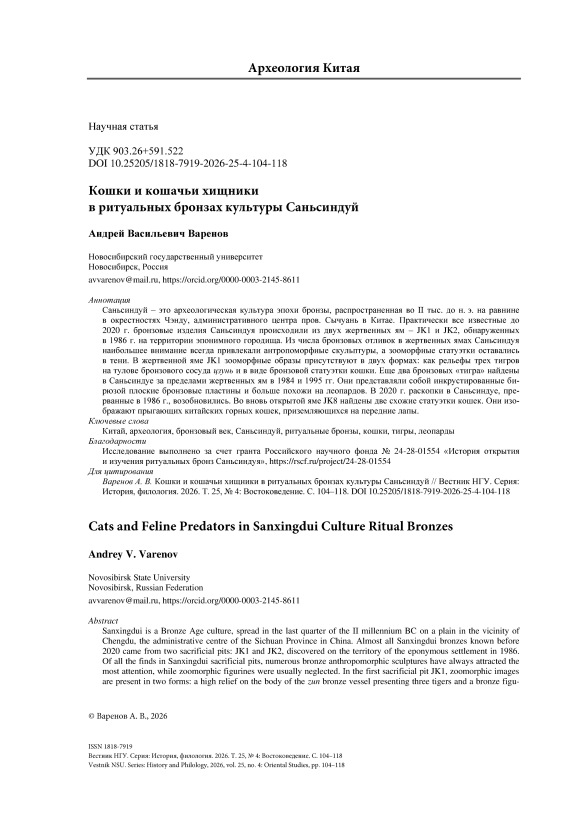
Практически все известные до 2020 г. бронзовые изделия Саньсиндуя происходили из двух жертвенных ям – JK1 и JK2, обнаруженных в 1986 г. на территории эпонимного городища, которое китайские исследователи называли столицей упоминаемого в летописях древнего царства Шу. На первых порах бронзовые изображения кошачьих хищников в Саньсин-дуе были известны только из жертвенной ямы JK1: бронзовый сосуд с рельефами трех тигров и небольшая подставка в виде тигра или кошки [Чэнь Дэань, Чэнь Сяньдань, 1987, с. 5, 7]. Впоследствии они неоднократно переиздавались [Варенов, 2025a]. В 1994 г. была опубликована плоская бронзовая фигура большой кошки длиной 38 см, случайно найденная еще за 10 лет до этого, в 1984 г., вне жертвенных ям [Чжунго тунци цюаньцзи, 1994, с. 58, рис. 66]. У этого «тигра», как он назван в китайской публикации, массивная голова с круглым глазом, торчащим ухом и чем-то вроде зубчатого рога на лбу, широко открытая полная зубов пасть, причем часть зубов необычной формы, Т-образных. На носу в районе ноздрей расположен странный выступ (рис. 1, 1 ). После короткой шеи начинается поджарое туловище с длинным хвостом, украшенное негативными кривыми линиями с волютами, первоначально инкрустированными бирюзой. Инкрустация частично сохранилась. Ниже туловища – мощные звериные лапы с когтями. Обратная сторона туловища слегка вогнутая, корытообразная, в районе передней и задней лап на ней есть по две небольшие петельки для подвешивания, а всего их четыре.
Согласно первоначальной публикации, инкрустированная бронзовая пластина в виде тигра найдена в районе р. Яцзыхэ [Там же, 1994, с. 17]. Ее течение проходит вдоль северной стены городища Саньсиндуй, а жертвенные ямы расположены ближе к его южной стене. Издавший вторым эту находку Чэнь Дэань указал иной район обнаружения – близ дер. Жэнь-синцунь, что находится около западной стены эпонимного городища [Чэнь Дэань, 2000, с. 70]. Составители американского каталога выставки саньсиндуйских бронз не указали точное место этой находки, видимо, затруднившись в выборе между двумя вариантами, а авторы французского отдали предпочтение первоначальной версии [Ancient Sichuan…, 2001, p. 133; Chine, l’enigme…, 2003, pp. 148–149]. У Чэнь Дэаня пластина в виде тигра именуется «бронзовым драконом» [Чэнь Дэань, 2000, с. 70]. Возможно, его смутил зубчатый рог на лбу зверя, совершенно не характерный для реальных тигров. На это можно заметить, что в рассказе «Фэн Шао», приведенном в разделе «Тигры» категоризированной энциклопедии «Тайпин гуанцзи» («Обширные записи годов Тайпин» 太平广记 , 977–978), составленной по указу сунского императора Тай-цзуна, зафиксировано поверье: «Говорят, что, когда тигру за тысячу лет, у него меняются зубы и вырастают рога» (цит. по: [Голыгина, 1980, с. 30]). Не исключено, что представления о радикальных возрастных изменениях внешнего облика тигров существовали на территории нынешней Сычуани еще в эпоху бронзы.
Еще одна инкрустированная бирюзой бронзовая пластина в виде тигра обнаружена в Саньсиндуе в 1995 г., тоже вне жертвенных ям, и опубликована тем же Чэнь Дэанем, который именует данное животное тигром, а не драконом [Чэнь Дэань, 2000, с. 67]. Это изображение длиной 43,4 см и высотой 13,2 см очень похоже на предыдущее, правда, голова зверя лишена рогов, а зубы самые обычные (рис. 1, 2 ). Тело зрительно чуть длиннее, чем у предыдущего экземпляра, а хвост сильнее закручен на конце, что как раз характерно для больших кошек. Бирюзовые вставки сохранились почти полностью. В качестве места находки этой пластины у Чэнь Дэаня указана (возможно, ошибочно) р. Яцзыхэ, что сильно смутило последующих публикаторов. В начале XXI в. пластина оказалась в числе саньсиндуйских бронз, экспонировавшихся за пределами Китая на выставках в США и Франции [Варенов, 2025б, с. 71]. Ни в американском, ни во французском каталоге точный пункт ее обнаружения
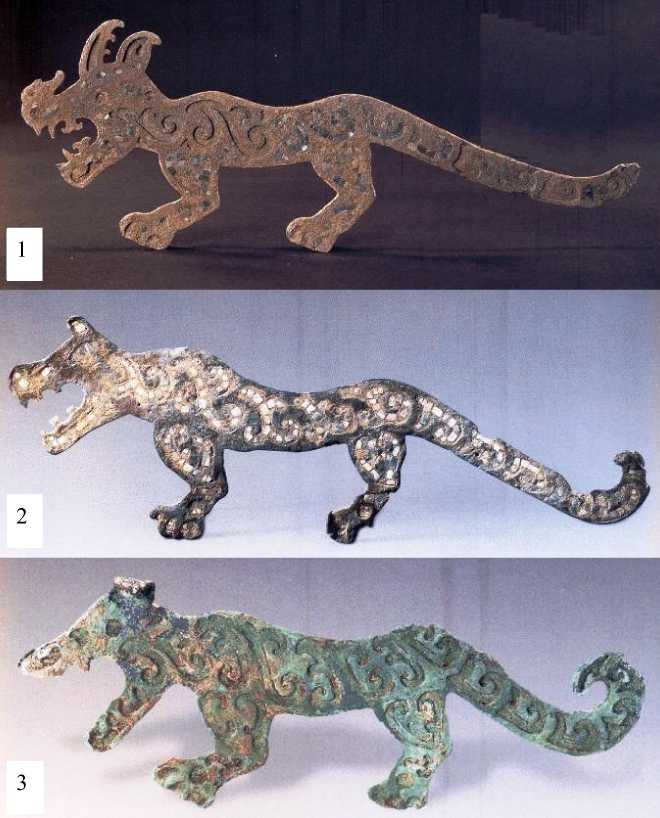
Рис. 1. Бронзовые пластины в виде тигров или леопардов:
1 – находка 1984 г.; 2 – находка 1995 г.; 3 – находка 2001 г. По: 1 – [Чжунго тунци цюаньцзи, 1994, с. 58, рис. 66]; 2 – [Саньсиндуй юй Наньсылу…, 2007, с. 26, рис. 18]; 3 – [Саньсиндуй юй Цзиньша…, 2010, с. 69]
Fig. 1. Bronze plaques in the form of tigers or leopards:
1 – a 1984 find; 2 – a 1995 find; 3 – a 2001 find. As per: 1 – [Zhongguo tongqi quanji, 1994, p. 58, fig. 66]; 2 – [Sanxingdui yu Nansilu…, 2007, p. 26, fig. 18]; 3 – [Sanxingdui yu Jinsha…, 2010, p. 69]
не обозначен, указана лишь «стоянка Саньсиндуй» [Ancient Sichuan…, 2001, p. 133; Chine, l’enigme…, 2003, pp. 148–149]. Китайские издания 2006–2007 гг. придерживались той же политики, не конкретизируя точное место находки [The Sanxingdui Site…, 2006, с. 91, рис. 68; Саньсиндуй юй Наньсылу…, 2007, с. 26, рис. 18]. Вышедший в 2009 г. в Китае альбом в качестве даты обнаружения этой пластины на стоянке Саньсиндуй указал 1986 г., а места ее находки – «жертвенную яму № 2» (JK2), что является явной ошибкой [Шэньми дэ гу Шу ванго…, 2009, с. 52–53].
Третья аналогичная бронзовая пластина, изображающая большую кошку, найдена на открытой в 2001 г. стоянке Цзиньша, что в черте г. Чэнду. Ей повезло еще меньше, чем двум предыдущим: не известны ни точное место находки, ни абсолютный размер. Впервые третью пластину опубликовали в 2005 г. У этого «тигра» большая (относительно размеров тела) голова с широко открытой пастью, но зубы почти полностью утрачены, ухо обломано, короткие шея и туловище, а хвост сильно закручен на конце (рис. 1, 3). Бирюзовая инкрустация из бороздок на пластине полностью выпала, впрочем, отмечено, что на месте ее находки встречено много отдельно лежащих кусочков бирюзы. Общая длина изделия 26,5 см, высота 6,2 см [Цзиньша, 2005, с. 44, рис. 18]. Китайский альбом 2009 г. полностью воспроизводит текст описания артефакта из предыдущего, но указывает дату находки – 2001 г. и иную общую длину – 19,7 см [Шэньми дэ гу Шу ванго…, 2009, с. 150–151]. Забавно, что второй абзац описания (как и в альбоме 2005 г.) посвящен находке 1995 г., которая «сделана на р. Яц-зыхэ» (как у Чэнь Дэаня), хотя ста страницами ранее она оказалась помещена в «жертвенную яму № 2» [Там же, с. 52, 150]. В китайском альбоме 2010 г. абсолютные размеры этой пластины, точное место и дата ее обнаружения вообще не указаны [Саньсиндуй юй Цзиньша…, 2010, с. 69].
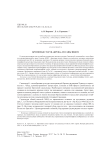
Изображения тигров и кошки, найденные в 1986 г. в Саньсиндуе в первой жертвенной яме JK1, присутствуют в двух формах: как рельефный орнамент на бронзовом сосуде цзунь и в качестве небольшой круглой скульптуры (статуэтки). Бронзовый сосуд к моменту открытия был сильно поврежден (расколот на части), поэтому в предварительном журнальном отчете о раскопках появились только протирки рельефов на его стенках [Чэнь Дэань, Чэнь Сяньдань, 1987, с. 7, рис. 11]. Цветные фотографии в хорошем качестве и описание изделия увидели свет лишь в 1994 г. в альбоме, посвященном бронзовым изделиям Сычуани [Чжунго тунци цюаньцзи, 1994, с. 23, 78–79, рис. 87, 88]. Еще детальнее цзунь с рельефными тиграми и драконами на тулове был описан при монографической публикации содержимого двух первых жертвенных ям, сопровождаемого большим количеством прорисовок, черно-белых фотографий и протирок рельефов [Саньсиндуй цзисыкэн, 1999, с. 33, 35–36, 39]. Крупные цветные фотографии изделия были опубликованы в 2000 г. в альбоме, подготовленном Чэнь Дэанем [Чэнь Дэань, 2000, с. 88–89]. В начале XXI в. сосуд оказался в числе экспонатов выставок, проходивших в США и Франции [Ancient Sichuan…, 2001, pp. 140–141, fig. 44; Chine, l’enigme…, 2003, pp. 103–104 fig. 16]. Потом он еще неоднократно переиздавался в Китае [The Sanxingdui Site…, 2006, pp. 76–77, fig. 53; Саньсиндуй юй Цзиньша…, 2010, с. 56].
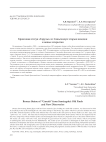
Венчик сосуда цзунь с изображением драконов и тигров сильно выгнут, оплавлен, постепенно сужается к горлышку и переходит в довольно широкие плечики. На горлышке три выпуклые линии. Тулово сосуда сужается к основанию, дно ровное (рис. 2, 2 ; 3, 1 ). Орнамент на плечиках представляет трех змеевидных драконов. У них рельефные головы, есть рога, круглые глаза с выпуклыми зрачками, хвост закручен, тело украшено ромбами и волнистым узором. В качестве фона плечики сосуда орнаментированы спиралевидными узорами (рис. 2, 1 ). Ниже драконов, головы которых находятся на стыке плечика и тулова и маркируют вертикальные литейные швы, делящие тулово сосуда на три части, на каждой из трех частей туло-ва изображен человек, на которого нападает (?) тигр, так что голова человека как бы оказывается внутри рельефно нависающей над ней своеобразным козырьком тигриной пасти (рис. 2, 3 ). Руки человека согнуты в локтях, кулаки подняты вверх, ноги согнуты в коленях (рис. 3, 2 ). Тигр на сосуде передан с соблюдением шанских традиций. У него закругленные уши, миндалевидные глаза с круглыми выпуклыми зрачками, на лбу выше глаз, но ниже ушей изображен ромб с вогнутыми сторонами. У тигра украшенное параллельными слегка изогнутыми полосами вытянутое тело, имеющее одинаковую ширину (толщину) на всем своем протяжении, относительно тонкие согнутые лапы с когтями, длинный и толстый свисающий вниз хвост слегка закручен на конце (рис. 2, 3 , 3, 3 ).
Прорисовка и черно-белая фотография статуэтки кошачьего животного появились еще в предварительном журнальном отчете о раскопках первой жертвенной ямы [Чэнь Дэань, Чэнь Сяньдань, 1987, с. 5, рис. 8, илл. II, 4]. Потом, уже в цвете и крупным планом, она была
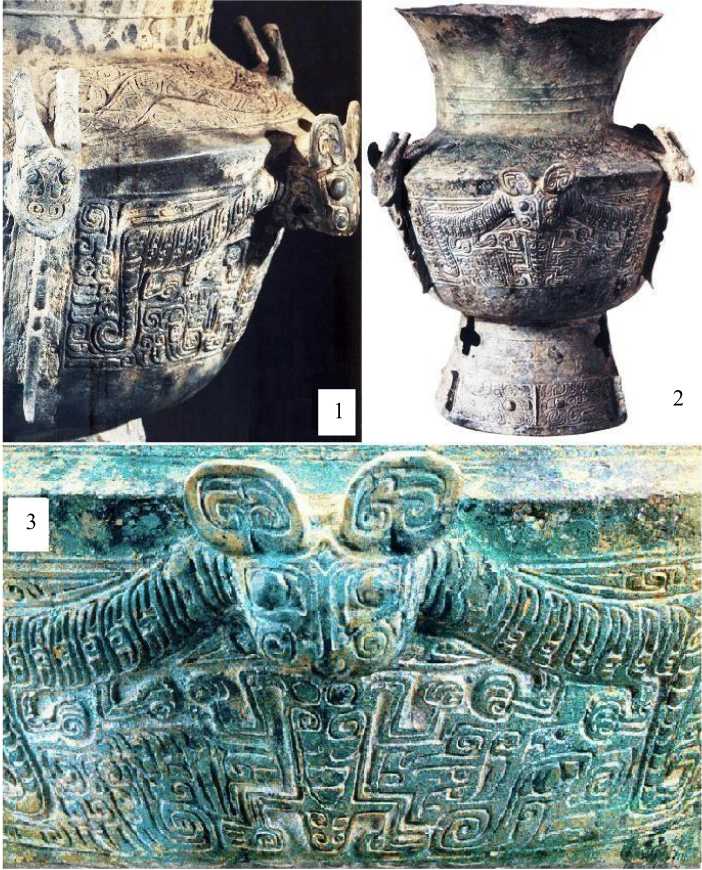
Рис. 2. Бронзовый сосуд из жертвенной ямы JK1:
1 – профиль сосуда; 2 – общий вид сосуда; 3 – рельеф с тигром крупным планом. По: 1 – [Чжунго тунци цюаньцзи, 1994, с. 79, рис. 88]; 2 – [Саньсиндуй юй Цзиньша…, 2010, с. 56]; 3 – [Чэнь Дэань, 2000, с. 89, рис. 80]
Fig. 2. Bronze vessel from JK2 sacrificial pit:
1 – side view of the vessel; 2 – general view; 3 – close up of the tiger relief. As per: 1 – [Zhongguo tongqi quanji, 1994, p. 79, fig. 88]; 2 – [Sanxingdui yu Jinsha…, 2010, p. 56]; 3 – [Chen Dean, 2000, p. 89, fig. 80]
опубликована в 1994 г., а с более детальным описанием, с новыми прорисовками и фотографиями – при монографическом издании материала жертвенных ям [Чжунго тунци цюаньцзи, 1994, с. 47, рис. 53; Саньсиндуй цзисыкэн, 1999, с. 33, 35, 38]. Чэнь Дэань также включил эту фигурку в свой альбом, но по зарубежным выставкам она не ездила [Чэнь Дэань, 2000, с. 71, рис. 58]. Зато в Китае статуэтка переиздавалась еще несколько раз [The Sanxingdui Site…, 2006, p. 91, fig. 69; Саньсиндуй юй Наньсылу…, 2007, с. 26, рис. 19; Шэньми дэ гу Шу ван-го…, 2009, с. 50–51; Саньсиндуй юй Цзиньша…, 2010, с. 47]. Альбом 2009 г. традиционно не обошелся без ошибок. В нем находка приписана второй жертвенной яме из Саньсиндуя, хотя на самом деле она происходит из первой ямы JK1.
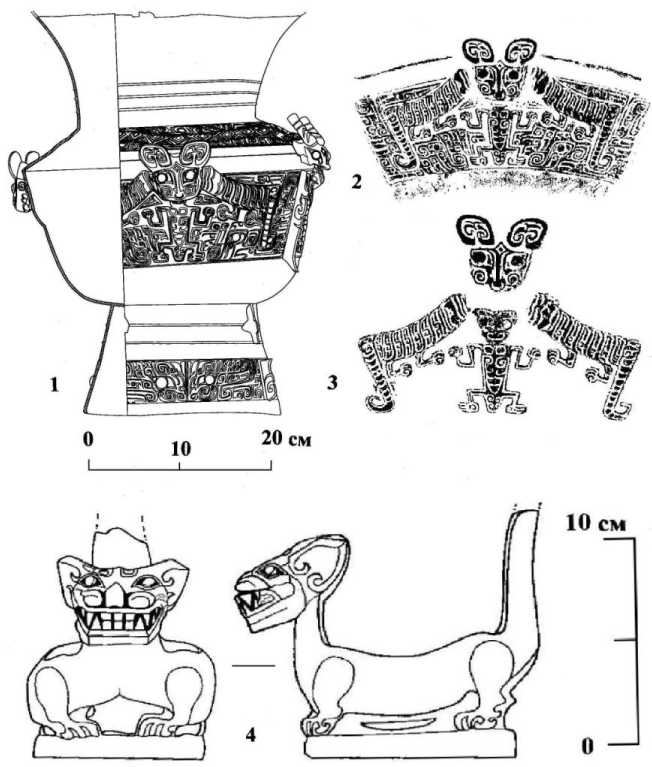
Рис. 3. Прорисовки бронзовых изделий из жертвенной ямы JK1:
1 – общий вид сосуда с тиграми; 2 , 3 – протирки рельефа на тулове сосуда; 4 – статуэтка кошки. По: 1 – 4 – [Саньсиндуй цзисыкэн, 1999, с. 33, 35–36, рис. 22, 23]
Fig. 3. Line drawings of bronzes from JK1 sacrificial pit:
1 – general view of the vessel with tigers; 2 , 3 – relief on the body of the vessel; 4 – figurine of the cat. As per: 1 – 4 – [Sanxingdui jisikeng, 1999, pp. 33, 35–36, fig. 22, 23]
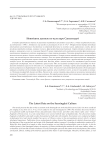
В китайских публикациях данный артефакт неизменно называют «тигром» или «изделием в форме тигра». Проблема в том, что отсутствует масштаб, который помог бы оценить реальные размеры изображенного животного. Сама статуэтка небольшая, ее длина 11,4 см, ширина 7,8 и сохранившаяся высота 10,8 см (рис. 3, 4 ). Тело животного в плане образует кольцевую окружность, внутрь которой мог бы вставляться какой-то шест. Его четыре короткие лапы опираются на кольцевую подставку (рис. 4, 1 ). У зверя миндалевидные глаза с круглыми зрачками, большие, заостренные на концах уши, крупная (по сравнению с телом) голова, квадратная пасть с оскаленными зубами. Хвост и длинная шея, держащая голову, подняты вертикально вверх, кончик хвоста обломан (рис. 4, 2 ). Статуэтка из JK1 отличается от изображенных на сосуде цзунь рельефных тигров более коротким телом животного без обязательных для тигров полос, заостренными ушами, длинной вертикальной шеей (не характерной для тигров) и вертикально поднятым хвостом (что тиграм тоже не свойственно). Эти черты делают отлитого зверя больше похожим не на тигра, а на какое-то мелкое животное вроде домашней кошки.
В 2020 г. археологические исследования на памятнике Саньсиндуй, приостановленные еще в 1986 г., возобновились. Были обнаружены шесть новых жертвенных ям, получивших индексы от JK3 до JK8, полные научные результаты исследования которых не опубликованы
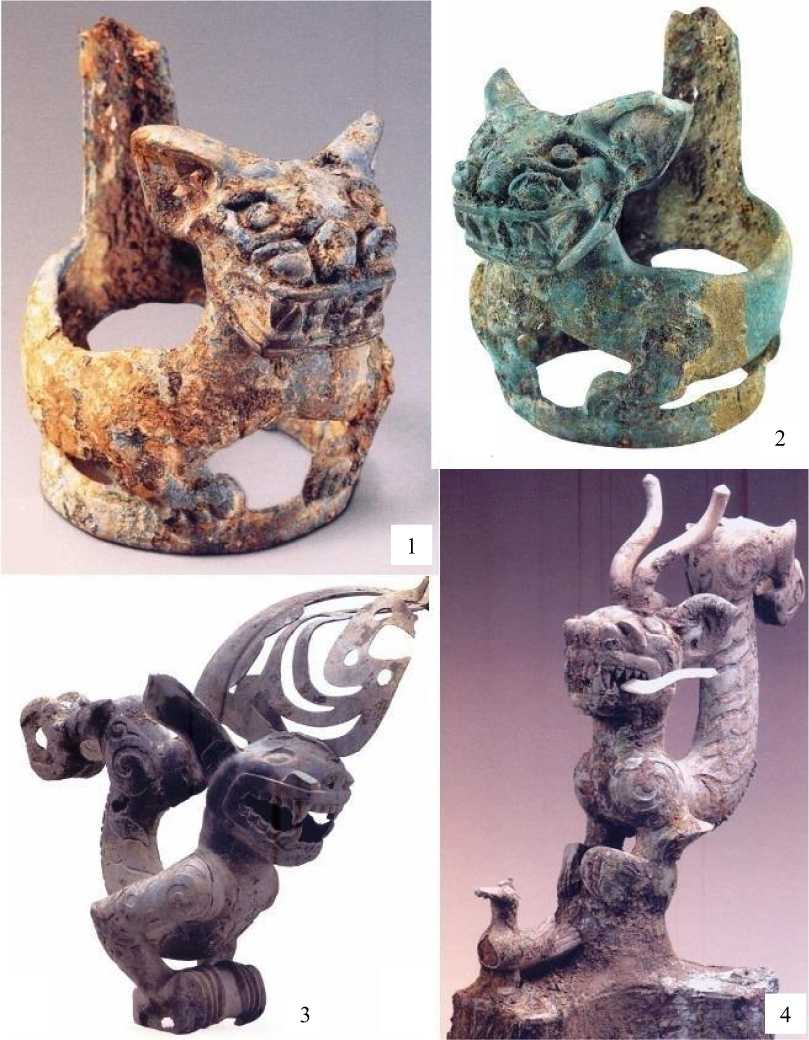
Рис. 4. Бронзовые статуэтки кошек из Саньсиндуя:
1 , 2 – из жертвенной ямы JK1; 3 , 4 – из жертвенной ямы JK8. 1 , 2 – одно и то же изделие. По: 1 – [Сань-синдуй юй Наньсылу…, 2007, с. 26, рис. 19]; 2 – [Чэнь Дэань, 2000, с. 71, рис. 58]; 3 , 4 – [Синъяо Чжунго…, 2024, с. 104–105, 392–393, рис. 36, 268].
Fig. 4. Bronze figurines of cats from Sanxingdui:
1 , 2 – from JK1 sacrificial pit; 3 , 4 – from JK8 sacrificial pit. 1 , 2 – one and the same item. As per: 1 – [Sanxingdui yu Nansilu…, 2007, p. 26, fig. 19]; 2 – [Chen Dean, 2000, p. 71, fig. 58]; 3 , 4 – [Xingyao Zhongguo…, 2024, p. 104–105, 392–393, fig. 36, 268]
до сих пор. Несмотря на это, в 2023 г. в особом административном районе КНР Сянган (Гонконг) была организована выставка новых археологических находок из Саньсиндуя. Она сопровождалась публикацией каталога на английском языке, озаглавленного «Глядя на Сань-синдуй» (“Gazing at Sanxingdui”) [Варенов, 2025б, с. 73]. Одновременно тот же том вышел и на китайском языке. На выставке и в новых изданиях было представлено бронзовое изваяние из жертвенной ямы JK8, названное «гибридом тигра и дракона» или (в китайской версии) «изображением с тигриной головой и телом дракона» [Gazing at Sanxingdui…, 2023, pp. 76– 77; Нинши Саньсиндуй…, 2023, с. 70–71]. В следующем, 2024 г. в Шанхае прошла другая выставка археологических находок из Саньсиндуя и Цзиньша, видимо, приуроченная к 75-летию создания КНР, к открытию которой был выпущен двухтомный каталог «Звезды над Китаем». В числе экспонатов оказалось не только «изображение с тигриной головой и телом дракона», но и похожий на него «бронзовый тигр» [Синъяо Чжунго…, 2024, т. 1, с. 104–105, рис. 36, т. 2, с. 392–393, рис. 268].
Этот «тигр» из той же жертвенной ямы JK8 представлял собой запечатленное в прыжке похожее на кошку существо, приземляющееся на передние лапы с хорошо заметными длинными когтями. У него задранная вверх большая (относительно всего тела) голова с разинутой зубастой пастью, в которой выделяются коренные зубы, резцы и острые клыки, круглые глаза с выпуклыми зрачками и откинутые назад необыкновенно длинные остроугольные на концах уши. Тощее округлое в сечении туловище украшено параллельными полосами, лопатки и бедра – рельефными спиралями. Когтистые задние лапы согнуты в прыжке, вместо хвоста странная конструкция. Длина статуэтки 34,5 см, ширина 15,5 см, высота 32 см (рис. 4, 3 ). «Дракон с головой тигра» из ямы JK8 в целом аналогичен предыдущему изваянию, только крупнее его, длиной 58 см, шириной 38,5 см и высотой 75,5 см. Он стоит на передних лапах, а все его тело выше плечевого пояса задрано почти вертикально вверх. Этим «дракон» напоминает статую так называемого «Гаруды», из той же жертвенной ямы JK8, которого китайские археологи именуют «акробатом» или «статуей изогнутого тела с птичьими лапками» [Варенов, 2024; Варенов, Нестеркина, 2024].
У «дракона с головой тигра» крупная квадратная голова, пасть с оскаленными зубами, в которых зажат какой-то предмет, круглые широко расставленные глаза, выше которых на лбу расположены два изогнутых рога и остроконечные, но не столь длинные, как у предыдущего изваяния, уши (рис. 4, 4 ). Возможно, именно эти рога, характерные для изображений драконов эпохи бронзы, и заставили китайских специалистов дать рассматриваемому существу «гибридное» название. Не исключено, конечно, что в бронзовом веке появление рогатых кошек люди объясняли теми же причинами, что в средние века – рогатых тигров (см. выше). Тело «дракона» украшено параллельными изогнутыми полосами, а лопатки и бедра – рельефными спиралями. Задние ноги поджаты под туловище, хвоста не видно. Скульптура опирается на массивное треугольное основание, на переднем конце которого, прямо перед лапами зверя, расположено изображение птицы, похожей на голубя (рис. 5, 1 ). Фигурка не очень крупной птицы рядом с охотящимся на нее хищником позволяет оценить реальные размеры последнего, которые явно не соответствуют тигриным. Кто же это мог быть?
Автор прекрасно отдает себе отчет, что сравнивать отлитое в бронзе фантастическое существо с реальным животным – занятие неблагодарное. Лет 15 назад он сам критически оценивал предпринимавшиеся тогда время от времени попытки реконструировать внешний облик и антропологическую принадлежность носителей культуры Саньсиндуй по бронзовым маскам и головам, находимым в жертвенных ямах [Варенов, Гирченко, 2012, с. 19]. Но какие-то элементы экстерьера фантастических бронзовых существ могут дать намек на их живые прототипы. Рассмотрим для этого малых диких кошек разных видов, обитающих сейчас в районе Сычуани, которые могли там жить и в эпоху бронзы.
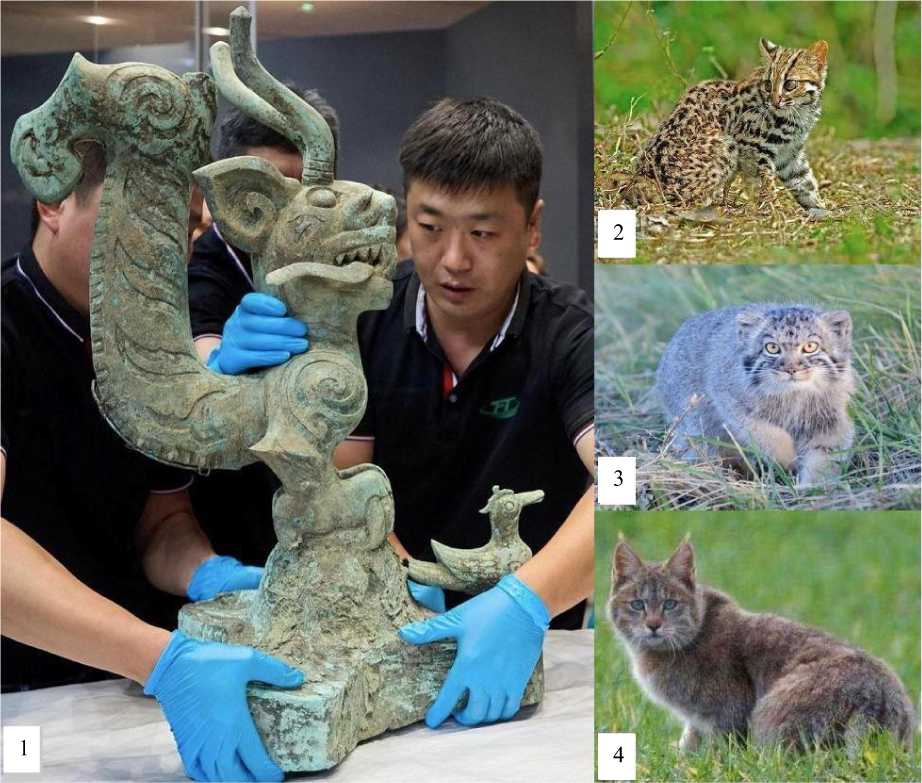
Рис. 5. Бронзовая статуэтка кошки из JK8 и дикие кошки пров. Сычуань:
1 – монтировка статуэтки кошки на выставке в Сянгане (Гонконге); 2 – леопардовая (бенгальская) кошка; 3 – манул (Палласов кот); 4 – китайская горная кошка. По: 1 – [Xu, 2023]; 2–4 – Википедия
Fig. 5. Bronze cat figurine from JK8 and wild cats of Sichuan Province:
1 – cat figurine assembled at Xian’gang (Hong Kong) exhibition; 2 – leopard (Bengal) cat; 3 – manul (Pallas cat); 4 – Chinese mountain cat. As per: 1 – [Xu, 2023]; 2–4 – Wikipedia
Наиболее распространенная в Восточной Азии малая кошка местного происхождения – это леопардовая, или бенгальская, кошка ( Prionailurus bengalensis ) живущая по всей территории Восточной, Юго-Восточной и Южной Азии, от Приамурья и Кореи до Индии, Пакистана, Индонезии и Филиппин (см. карту расселения: [Vigne et al., 2016, p. 3, fig. 1]). Длина леопардовых кошек достигает 65–100 см, как у домашней кошки, включая хвост (20–40 см), вес до 5 кг, окрас сильно варьирует от желтого, как у леопарда, до светло-коричневого 3 . Шерсть покрыта черными пятнами, на голове имеются черные полоски (рис. 5, 2 ).
Манул, или Палласов кот ( Otocolobus manul ), живет на обширной, но фрагментированной территории в Азии: от Западного Ирана и Средней Азии до Забайкалья, Монголии, северозападного Китая и Тибета. На Китай приходится около половины ареала его обитания. На западе Сычуани манул и китайская горная кошка (см. ниже) сосуществуют [Webb et al., 2016]. Длина головы и туловища манула составляет от 46 до 65 см, длина хвоста от 21 до
31 см, вес 2–5 кг. Внешностью и размерами манул похож на домашнюю кошку. У него короткие и толстые лапы, а тело в целом выглядит массивным из-за пышного меха, хвост равномерно широкий и пушистый, с округлым кончиком. Густой и длинный мех имеет неравномерный окрас, обычно серого цвета, а на отдельных частях тела – рыжеватого или охристого 4. Голова у манула небольшая, шарообразной формы, на щеках растут пучки длинных волос, уши имеют небольшой размер, округлую форму, находятся низко и широко расставлены (рис. 5, 3 ).
Китайская горная кошка, или гобийская серая кошка ( Felis bieti ), – эндемик Китая, живущий преимущественно в степных и горных районах на северо-западе страны в пров. Ганьсу и Сычуань на границе с Тибетом, а также в Цинхае, Нинся и Синьцзяне на высотах от 2 800 до 4 100 м. Она примерно в полтора раза крупнее домашней кошки или рассмотренных выше диких видов: длина тела от 95 до 140 см, из них треть (от 30 до 35 см) приходится на хвост, высота в плечах 30–35 см, вес 6–9 кг. Летний окрас горной кошки серо-желтый, зимняя шерсть серо-коричневого цвета, полосы и пятна на теле неотчетливы и малозаметны, по бокам они проступают четче. Хвост сравнительно толстый, в нижней его части от 4 до 6 поперечных черных колец, кончик хвоста черный 5. Голова у горной кошки относительно широкая, с большими ушами, на кончиках которых есть кисточки длиной до 2,5 см (рис. 5, 4 ).
Подведем итоги. Все китайские публикаторы бронзовых изделий Саньсиндуя называли животных с инкрустированных пластин «тиграми», повторяя друг за другом их описание. Лишь автор американского каталога задался вопросом, почему выложенные бирюзой волюты не очень похожи на тигриные полосы, как их изображали на бронзах эпохи Шан [Ancient Sichuan…, 2001, p. 133]. По нашему мнению, инкрустированные пластины могли представлять не тигров, а леопардов, поскольку профильные контуры тела двух хищников очень похожи, а кривые линии бирюзовых узоров ближе к цепочкам пятен на шкуре леопарда, чем к тигриным полосам.
Прямоугольные бронзовые пластины с бирюзовой инкрустацией и четырьмя петельками также найдены в Саньсиндуе вне жертвенных ям [Чжунго тунци цюаньцзи, 1994, с. 55, 56, рис. 63, 64]. Они близко напоминают аналогичные пластины из Эрлитоу [Варенов, 1990, с. 59]. Поэтому автор американского каталога посчитал все бронзовые изделия с бирюзовой инкрустацией в Саньсиндуе импортными [Ancient Sichuan…, 2001, p. 133]. Сосуд с рельефами тигров из жертвенной ямы JK1 он также рассматривал как привозной, поскольку аналогичное изделие, только больше и лучшего качества, найдено в Фунань пров. Аньхуэй [Ancient Sichuan…, 2001, p. 141].
Зверь с кольцевой подставки из JK1 мог бы претендовать на сходство с манулом из-за коротких лап и массивного тела без полос или пятен. Но у него, в отличие от манула, длинные шея и хвост, и остроконечные уши. А у манула шея практически не прослеживается, хвост короткий, а уши небольшие, округлой формы, расположены низко и широко расставлены (см. рис. 5, 3 ). Бронзовые кошки из JK1 и JK8 с широкой головой и большими остроконечными ушами, скорее, изображали китайскую горную кошку, особенно если учитывать ее большие треугольные уши с кисточками и абсолютные размеры как у статуэтки, имеющей птицу для масштаба (ср. рис. 5, 1 и 4 ).
