
Molecular Docking Studies of Bombax ceiba (Shalmali) Phytochemicals Against Stress-response Targets of Candida albicans
Journal: Journal of Stress Physiology and Biochemistry @jspb
Article in issue: 3 т.22, 2026.
Free access
Candida albicans is an opportunistic fungal pathogen responsible for various superficial and systemic infections, and the increasing incidence of antifungal resistance has created a need for novel therapeutic agents. The present study investigated the antifungal potential of phytochemicals from Bombax ceiba (Shalmali) against key stress-response proteins of C. albicans using an in-silico molecular docking approach. Selected bioactive compounds were screened against HOG1, CAP1, GPX3, TSA1, and TRX1 proteins using PyRx, followed by interaction visualization in PyMOL and pharmacokinetic evaluation through SwissADME. Among the tested compounds, digoxigenin exhibited the strongest binding affinity towards HOG1 (−9.0 kcal/mol) and showed significant interactions with other target proteins. ADMET analysis revealed favorable drug-like properties and good gastrointestinal absorption of the lead compounds. The findings suggest that phytochemicals from Bombax ceiba, particularly digoxigenin, possess promising antifungal potential and may serve as candidates for further experimental validation and drug development against Candida albicans infections.
Short address: https://sciup.org/143186157
IDS: 143186157
Text of the scientific article Molecular Docking Studies of Bombax ceiba (Shalmali) Phytochemicals Against Stress-response Targets of Candida albicans
Fungal infections have emerged as a major public health concern due to the increasing incidence of opportunistic pathogens and the growing prevalence of antifungal resistance (Calderone & Fonzi, 2001; Mayer et al. , 2013). Among the various fungal pathogens, Candida albicans is one of the most common causative agents of human candidiasis, ranging from superficial mucosal infections to severe systemic diseases, particularly in immunocompromised individuals (Calderone & Fonzi, 2001). The ability of C. albicans to adapt to different environmental conditions, form biofilms, and evade host immune responses significantly contributes to its pathogenicity and persistence (Nobile & Johnson, 2015; Noble et al. , 2017).
Current antifungal therapies primarily include azoles, echinocandins, and polyenes. Although these drugs have shown considerable therapeutic success, their prolonged use has resulted in the emergence of drugresistant strains, reduced efficacy, adverse side effects, and treatment failures (Cowen et al. , 2015). Consequently, there is an urgent need to identify novel antifungal agents with improved efficacy and alternative mechanisms of action. Medicinal plants have long served as valuable sources of therapeutic compounds and continue to play an essential role in modern drug discovery (Meena, 2017). Bombax ceiba L., commonly known as Shalmali or the silk cotton tree, is a medicinal plant widely distributed in tropical and subtropical regions. Different parts of the plant, including the bark, flowers, roots, and leaves, have been traditionally used for the treatment of various ailments such as inflammation, microbial infections, wounds, and gastrointestinal disorders (Meena, 2017; Jahan, 2016). Phytochemical investigations of B. ceiba have revealed the presence of several bioactive compounds possessing antimicrobial, antioxidant, anti-inflammatory, and pharmacological properties, making this plant a promising source of potential antifungal agents (Jahan, 2016; Meena, 2017).
The pathogenicity and survival of C. albicans depend on several stress-response proteins that enable the organism to withstand oxidative, osmotic, and environmental stresses encountered within the host
(Mayer et al. , 2013). Proteins such as HOG1, CAP1, GPX3, TSA1, and TRX1 play crucial roles in regulating stress adaptation, detoxification of reactive oxygen species, and maintenance of cellular homeostasis. Inhibition of these proteins may compromise fungal survival and reduce virulence, thereby providing potential targets for antifungal drug development (Mayer et al. , 2013; Calderone & Fonzi, 2001).
Advances in computational biology have made molecular docking an effective and economical approach for identifying potential drug candidates (Trott & Olson, 2010). Molecular docking predicts the interaction between bioactive compounds and target proteins and provides valuable information regarding binding affinity, interaction patterns, and inhibitory potential (Trott & Olson, 2010; Dallakyan & Olson, 2015). Furthermore, in silico pharmacokinetic analyses help evaluate the drug-likeness and therapeutic suitability of candidate molecules before experimental validation (Daina et al. , 2017; Lipinski et al. , 2001; Pires et al. , 2015).
Therefore, the present study aimed to investigate the antifungal potential of selected phytochemicals from Bombax ceiba against key stress-response proteins of Candida albicans using molecular docking and computational pharmacokinetic analyses. The study further sought to identify potential lead compounds that may serve as promising candidates for the development of novel antifungal therapies against candidiasis.
The increasing prevalence of fungal infections caused by Candida albicans and the emergence of resistance to currently available antifungal drugs have become significant challenges in modern healthcare (Cowen et al. , 2015; Silva et al. , 2012). Conventional antifungal agents are often associated with limitations such as drug resistance, toxicity, adverse side effects, and reduced therapeutic efficacy (Cowen et al. , 2015). Therefore, there is an urgent need to identify new, safe, and effective antifungal compounds with novel mechanisms of action.
Medicinal plants have gained considerable attention as potential sources of bioactive compounds due to their therapeutic properties and lower toxicity (Meena, 2017).
Bombax ceiba (Shalmali) is a medicinal plant rich in phytochemicals with reported antimicrobial, antioxidant, and pharmacological activities (Jahan, 2016; Meena, 2017). However, its antifungal potential against key stress-response proteins of Candida albicans has not been extensively explored. The present study was therefore undertaken to investigate the interactions of selected phytochemicals from Bombax ceiba with important target proteins of Candida albicans using an in silico molecular docking approach. Identification of potential lead compounds may contribute to the development of novel plant-derived antifungal agents and provide a scientific basis for future in vitro and in vivo studies aimed at combating fungal infections and overcoming antifungal resistance.
MATERIALS AND METHODS
Study Design
The present study was carried out using an in silico molecular docking approach to evaluate the antifungal potential of selected phytochemicals from Bombax ceiba (Shalmali) against important stress-response proteins of Candida albicans . The study involved receptor protein selection, ligand screening, protein validation, molecular docking, visualization of protein–ligand interactions, and pharmacokinetic evaluation of the selected compounds using established computational tools (Trott & Olson, 2010; Dallakyan & Olson, 2015; Daina et al. , 2017).
Selection and Retrieval of Target Proteins
The amino acid sequences of the selected receptor proteins were retrieved from the National Center for Biotechnology Information (NCBI) Protein Database in FASTA format. Each protein sequence was obtained using its specific protein name with Candida albicans as the organism filter. The reference sequences with complete annotations and high-quality functional information were selected for further analysis (Berman et al. , 2000).
Protein Structure Prediction and Validation
Three-dimensional structures of the selected proteins were obtained through computational modelling approaches. The structural quality and stereochemical reliability of the receptor proteins were assessed using
Selection and Preparation of Ligands
The phytochemical compounds identified from Bombax ceiba bark were selected based on previously published phytochemical investigations and reports describing their biological activities (Meena, 2017; Jahan, 2016). And these were obtained from PubChem add and prepared for docking analysis according to standard molecular docking procedures.
-
• Squalene
-
• Asiatic acid
-
• Triamterene
-
• Digoxigenin
-
• Nitrazepam
-
• Morphinan
-
• Glycine
-
• Butanoic acid
-
• Neophytadiene
-
• Palmitic acid
-
• Cinnamic acid
-
• Hydro methyl furfural
The three-dimensional structures of the selected compounds were obtained from the PubChem database and were converted into suitable formats for docking analysis. (Dallakyan & Olson, 2015).
Molecular Docking Analysis
Molecular docking studies were performed using PyRx software integrated with AutoDock Vina to evaluate the binding interactions between the selected phytochemicals and the target proteins (Trott & Olson, 2010;
-
• Binding affinity (kcal/mol)
-
• Stability of the receptor-ligand complex
-
• Interaction patterns between ligands and proteins
-
• Predicted inhibitory potential of the compounds
The ligand exhibiting the most negative binding energy was considered to possess the strongest binding affinity toward the respective target protein.
Visualization of Docked Complexes
The best docking conformations generated by PyRx were exported and visualized using PyMOL software to examine ligand orientation, binding pocket geometry, and receptor–ligand interactions (DeLano, 2002).. Mesh, surface, cartoon, and close-up views were generated to facilitate detailed interpretation of receptor-ligand interactions.
Pharmacokinetic and Drug-Likeness Analysis
The pharmacokinetic properties and drug-likeness of the selected compounds were evaluated using the SwissADME web server (Daina et al. , 2017). Parameters including topological polar surface area (TPSA), gastrointestinal absorption, blood–brain barrier permeability, Lipinski's Rule of Five (Lipinski et al. , 2001), and bioavailability score were analyzed to assess the suitability of the compounds as potential drug candidates.
Data Interpretation
The docking scores obtained from PyRx and the structural visualization results from PyMOL were interpreted collectively to identify potential antifungal lead compounds. Compounds exhibiting strong binding affinity, stable interactions, and favourable pharmacokinetic properties were considered promising candidates for further experimental validation against Candida albicans ( Pires et al. , 2015).
RESULTS AND DISCUSSION
Molecular Docking Analysis
The molecular docking study was performed to investigate the interactions between selected phytochemicals of Bombax ceiba and five important stress-response proteins of Candida albicans, namely CAP1, GPX3, TSA1, TRX1, and HOG1. Molecular docking is widely used to predict the binding orientation and affinity of small molecules toward target proteins and serves as a valuable approach in structure-based drug discovery (Trott & Olson, 2010;
The docking analysis demonstrated considerable variations in binding affinities among the receptor-ligand complexes. Among the investigated compounds, digoxigenin, nitrazepam, triamterene, and morphinan exhibited comparatively stronger interactions with the selected receptors. The HOG1 receptor showed the highest binding affinities among all proteins, indicating its potential as an important antifungal drug target. HOG1 is a mitogen-activated protein kinase that regulates osmotic and oxidative stress adaptation in Candida albicans , making it an attractive target for antifungal drug discovery (Mayer et al. , 2013).
Best Performing Compounds
The most promising receptor-ligand complexes identified from the docking study are summarized in Table 3.
The strong interactions observed between digoxigenin and multiple receptor proteins indicate that this compound may interfere with several stressresponse pathways in Candida albicans , thereby reducing fungal survival and pathogenicity. The ability of a single compound to target multiple proteins is advantageous because it may decrease the likelihood of resistance development and enhance therapeutic efficacy.
Molecular Docking Results Overview
Overall, the molecular docking results revealed that HOG1 exhibited the strongest interactions among all the selected proteins, followed by GPX3 and TSA1. CAP1 showed comparatively weaker interactions with the tested compounds, whereas TRX1 demonstrated moderate binding affinities. The results suggest that phytochemicals derived from Bombax ceiba possess promising antifungal potential, similar antimicrobial and pharmacological activities of Bombax ceiba phytochemicals have previously been reported (Meena, 2017; Jahan, 2016). With digoxigenin emerging as the most promising lead molecule because of its strong binding affinities and multi-target interaction profile.
HOG1 Docking Results
Among all the receptor proteins studied, HOG1 exhibited the strongest interactions with the selected phytochemicals of Bombax ceiba. Digoxigenin demonstrated the highest binding affinity with a docking score of -9.0 kcal/mol, followed by morphinan (-8.5 kcal/mol), nitrazepam (-8.4 kcal/mol), and triamterene (-7.8 kcal/mol). Squalene and palmitic acid also showed appreciable interactions with binding affinities of -6.5 kcal/mol and -6.4 kcal/mol, respectively. HOG1 is a mitogen-activated protein kinase involved in osmotic and oxidative stress adaptation in Candida albicans . This kinase plays a major role in fungal adaptation to environmental stress and contributes to fungal virulence (Mayer et al. , 2013).
The strong binding interactions observed with digoxigenin and other compounds suggest their potential to interfere with stress-response signalling pathways, thereby reducing fungal survival and virulence. The exceptionally high affinity of digoxigenin indicates that it may serve as a promising lead compound for the development of novel antifungal agents targeting HOG1. CAP1 Docking Results
The docking analysis of CAP1 revealed comparatively lower binding affinities than those observed for HOG1. Among the tested compounds, morphinan exhibited the highest binding affinity of -6.9 kcal/mol, followed by digoxigenin (-6.4 kcal/mol), triamterene (-6.1 kcal/mol), and palmitic acid (-5.6 kcal/mol).
CAP1 is an important transcription factor involved in regulating oxidative stress responses and antioxidant gene expression in C. albicans. The moderate interactions observed indicate that some phytochemicals possess the ability to bind to CAP1 and potentially affect its regulatory functions. However, the lower binding affinities suggest that CAP1 may not be as favourable a target as HOG1 for antifungal drug development. CAP1 regulates oxidative stress response genes and contributes to the survival of Candida albicans under host-induced stress conditions (Mayer et al. , 2013).
TRX1 Docking Results
TRX1 showed moderate interactions with the selected phytochemicals. Asiatic acid exhibited the highest binding affinity with a docking score of -5.9 kcal/mol, followed by digoxigenin and triamterene, both showing docking scores of -5.6 kcal/mol. Squalene and palmitic acid demonstrated binding affinities of -5.2 kcal/mol and -4.8 kcal/mol, respectively.
TRX1 plays a significant role in maintaining cellular redox balance through the thioredoxin antioxidant system. The moderate receptor-ligand interactions observed in this study suggest that inhibition of TRX1 may contribute to oxidative stress within fungal cells. Although the binding affinities were not as high as those observed for HOG1, the results indicate that TRX1 could serve as a secondary therapeutic target. The thioredoxin system is essential for maintaining intracellular redox homeostasis in fungal cells (Mayer et al. , 2013).
GPX3 Docking Results
Significant interactions were observed between the selected compounds and GPX3. Digoxigenin exhibited the highest binding affinity of -7.3 kcal/mol, followed by triamterene (-6.9 kcal/mol), morphinan (-6.6 kcal/mol), and palmitic acid (-5.4 kcal/mol).
GPX3 is a glutathione peroxidase involved in the detoxification of reactive oxygen species and protection against oxidative damage. The strong interactions observed for digoxigenin and triamterene indicate that these compounds may impair the antioxidant defense mechanisms of Candida albicans, thereby increasing fungal susceptibility to environmental and host-induced oxidative stress. GPX3 contributes to detoxification of reactive oxygen species generated during host immune responses (Mayer et al., 2013).
TSA1 Docking Results
The TSA1 receptor also demonstrated strong interactions with several phytochemicals. Digoxigenin showed the highest binding affinity of -7.2 kcal/mol, followed by triamterene (-6.8 kcal/mol), morphinan (-6.3 kcal/mol), and palmitic acid (-5.5 kcal/mol).
TSA1 functions as a thiol-specific antioxidant protein that protects fungal cells against oxidative stress. The high binding affinity of digoxigenin towards TSA1 suggests that the compound may inhibit antioxidant defense pathways and reduce the ability of C. albicans to survive under stressful conditions. Oxidative stress defense proteins are important determinants of fungal pathogenicity and survival (Calderone & Fonzi, 2001; Mayer et al. , 2013).
Ramachandran Plot Analysis
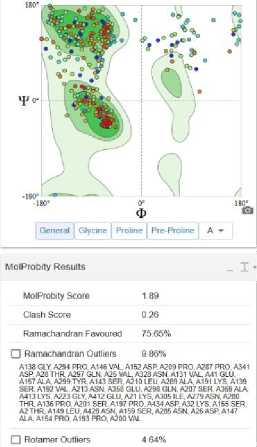
The quality of the predicted receptor structures was assessed using Ramachandran plot analysis. The majority of amino acid residues of all receptor proteins were distributed within the favored regions, while only a small proportion of residues were observed in additionally allowed regions and very few residues were present in disallowed regions.
Pharmacokinetic and ADMET Analysis
The pharmacokinetic properties of the selected phytochemicals were evaluated using SwissADME. Parameters such as molecular weight, topological polar surface area, gastrointestinal absorption, blood-brain barrier permeability, bioavailability score, and Lipinski's rule of five were analysed. Most of the selected compounds demonstrated acceptable drug-likeness and favourable pharmacokinetic properties. Drug-likeness evaluation based on Lipinski's Rule of Five and ADMET prediction helps prioritize compounds for further experimental studies (Lipinski, 2001; Daina et al. , 2017; Pires et al. , 2015). Digoxigenin, nitrazepam, and Asiatic acid exhibited high gastrointestinal absorption and good bioavailability characteristics. Several compounds also complied with Lipinski's rule of five, suggesting their suitability as potential drug candidates. The results indicate that these phytochemicals possess promising pharmacokinetic profiles and may be considered for further experimental investigations.
Table1. Densitometric quantification of discrete 18S rRNA fragmentation (ImageJ 1.42q)
|
Sl No. |
Receptor Name |
Accession ID |
GI Number |
|
1. |
HOG1 |
KAF6065155. |
1883961686 |
|
2. |
CAP1 |
KAL1577880.1 |
2790816223 |
|
3. |
TSA1 |
KAG8203584.1 |
2073133550 |
|
4. |
TRX1 |
KAL1580239.1 |
2790819056 |
|
5. |
GPX3 |
KAF6062998.1 |
1883959458 |
Table 2. S howing SMILE ID of phytochemicals of Shalmali bark extract
|
SL NO. |
Compound |
Molecular Formula |
SMILE ID |
|
1. |
Asiatic Acid |
C3OH48O5 |
CC1CCC2(CCC3(C (=CCC4C3(CCC5C4(CC (C (C 5(C)CO) O) O) C) C) C2C1C) C) C(=O) O |
|
2. |
Squalene |
C30H50 |
CC(C)=CCC\C(C)=CCC\C(C)=CCC\C=C(C)CCC =C(C)CCC=C(C)C |
|
3. |
Triamterene |
C12H11N7 |
NC1=NC(N)=C2NC(C3=CC=CC=C3) =C(N)N=C2 N1 |
|
4. |
Digoxigenin |
C23H34O5 |
O[C@@]12[C@@] ([C@@H] (C (CO3) =CC3=O) CC1) ([C@@ H] (C[C@@]4([H]) [C@@]2([H]) CC[C@@]5([H]) [C@@]4(CC[C@@H] (C5) O) C) O) C |
|
5. |
Morphinan |
C16H21N |
C1CC[C@@]23CCN[C@@H] ([C@@H]2C1) CC4=CC=CC=C34 |
|
6. |
Cinnamic Acid |
4«K^2 |
O=C(O)/C=C/c1ccccc1 |
|
7. |
Butanoic Acid |
4"8^2 |
CCC(=O) O |
|
8. |
Palmitic Acid |
СНз(СН2) 14C OOH |
CCCCCCCCCCCCCCCC (=O) O |
|
9. |
Neophytadiene |
C20H38 |
CC(C)CCCC(C)CCCC(C)CCCC(=C) C=C |
|
10. |
Glycine |
4^5^02 |
C (C (=O) O) N |
|
11. |
Hydro Methyl Furfural |
CH2OH |
OCC1=CC=C(O1) C=O |
Table 3. Docking scores (kcal/mol) of selected compounds against the target proteins of Candida albicans.
|
RECEPTORS |
ASIATIC ACID |
SQUALENE |
PALMITIC ACID |
TRIAMTERENE |
DIGOXIGENIN |
NITRAZE PAM |
HYDRO METHYL FURFURA L |
|
CAP1 |
-2.2 |
-5.6 |
-5.3 |
-6.1 |
-6.4 |
-6.9 |
-3.7 |
|
GPX3 |
-5.1 |
-5.4 |
-6.9 |
-7.3 |
-6.6 |
-4.4 |
|
|
TSA1 |
-2.7 |
-5.2 |
-5.5 |
-6.8 |
-7.2 |
-6.3 |
-4.8 |
|
TRX1 |
-5.9 |
-5.2 |
-4.8 |
-5.6 |
-5.6 |
-3.1 |
-4 |
|
HOG1 |
-6.5 |
-6.4 |
-7.8 |
-9 |
-8.4 |
Table 4. Best-performing compounds based on molecular docking analysis.
|
Sl No. |
Compound |
Binding Affinity(kcal/mol) |
Receptor |
|
1 |
Digoxigenin |
-9 |
HOG1 |
|
2 |
Nitrazepam |
-8.4 |
HOG1 |
|
3 |
Triamterene |
-7.8 |
HOG1 |
|
4 |
Morphinan |
-8.5 |
HOG1 |
|
5 |
Digoxigenin |
-7.3 |
GPX3 |
|
6 |
Digoxigenin |
-7.2 |
TSA1 |
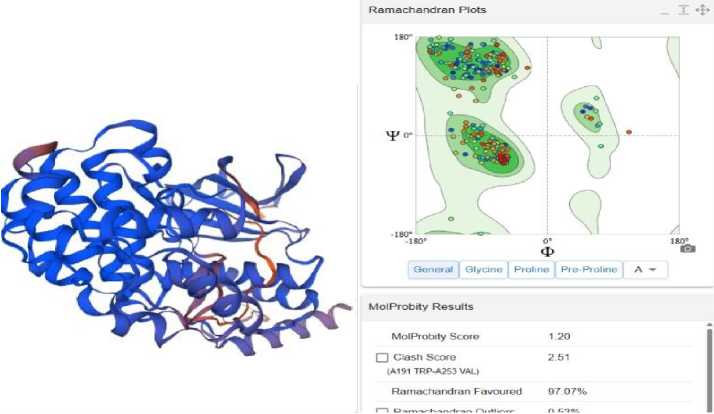
Figure 1. Showing HOG1 Receptor molecule and Ramachandran Plot Analysis
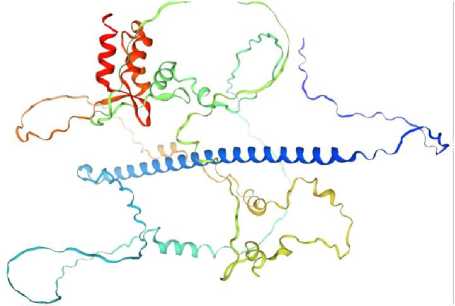
Figure 2. Showing CAP1 Receptor Molecule and Ramachandran Plot Analysis
Ramachandran Plots
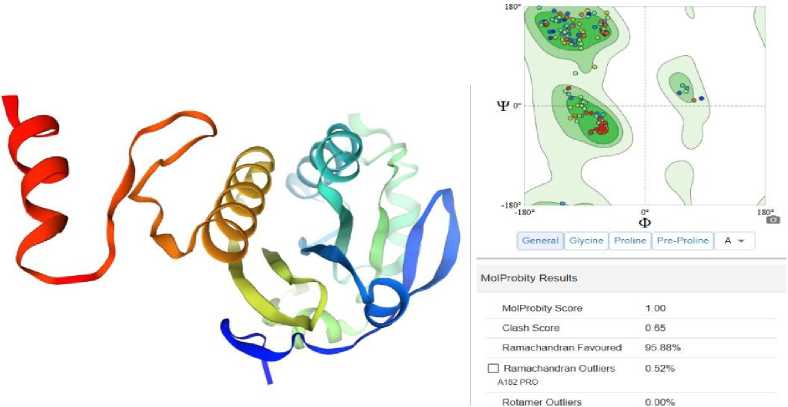
Figure 3. Showing TSA1 Receptor molecule and Ramachandran Plot Analysis
Ramachandran Riots
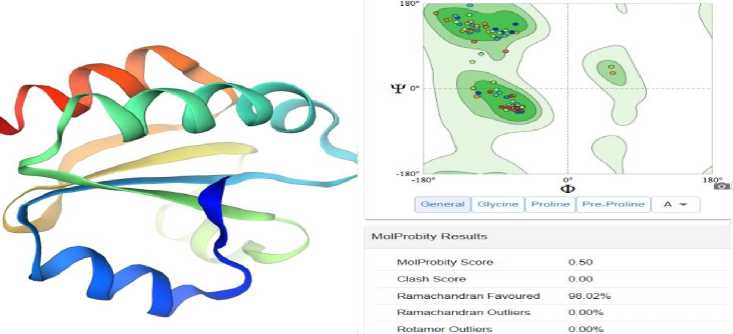
Figure 4. Showing TRX1 Receptor Molecule and Ramachandran Plot Analysis
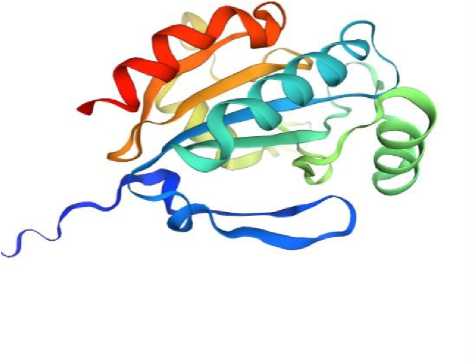
Figure 5. Showing GPX3 Receptor Molecule and Ramachandran Plot Analysis
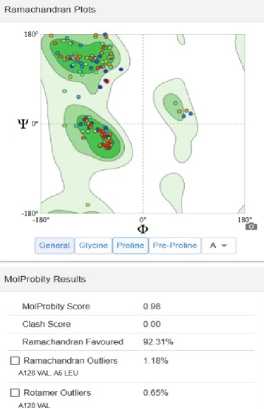
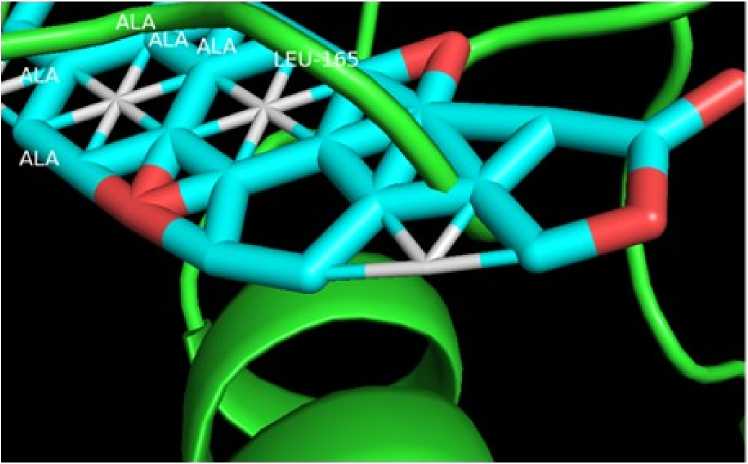
Figure 6. Showing HOG1 Receptor binding to ligand DIGOXIGENIN
Table 4. Pharmacokinetic predictions of bioactive compounds from Bombax ceiba (Shalmali bark)
|
Sl No. |
Compound Name |
TPSA |
GI Absorption |
BBB Permanent |
Lipinski Compliance |
Bioavailability Score |
|
1. |
Squalene |
0 |
Low |
No |
Yes; 1 violation: MLOGP>4.15 |
0.55 |
|
2. |
Asiatic Acid |
97.99 |
High |
No |
Yes; 0 violation |
0.56 |
|
3. |
Triamterene |
129.62 |
High |
No |
Yes; 0 violation |
0.55 |
|
4. |
Digoxigenin |
86.99 |
High |
No |
Yes; 0 Violation |
0.55 |
|
5. |
Nitrazepam |
87.28 |
High |
No |
Yes; 0 Violation |
0.55 |
|
6. |
Morphinan |
12.03 |
High |
Yes |
Yes; 0 Violation |
0.55 |
|
7. |
Glycine |
63.32 |
High |
No |
Yes; 0 Violation |
0.55 |
|
8. |
Butanoic Acid |
37.30 |
High |
Yes |
Yes; 0 Violation |
0.85 |
|
9. |
Neophytadiene |
0.00 |
Low |
No |
Yes; 1 violation: MLOGP>4.15 |
0.55 |
|
10. |
Palmitic Acid |
37.30 |
High |
Yes |
Yes; 1 violation: MLOGP>4.15 |
0.85 |
|
11. |
Cinnamic Acid |
37.30 |
High |
Yes |
Yes; 0 violation |
0.85 |
|
12. |
Hydro Methyl Furfural |
50.44 |
High |
No |
Yes; 0 Violation |
0.55 |
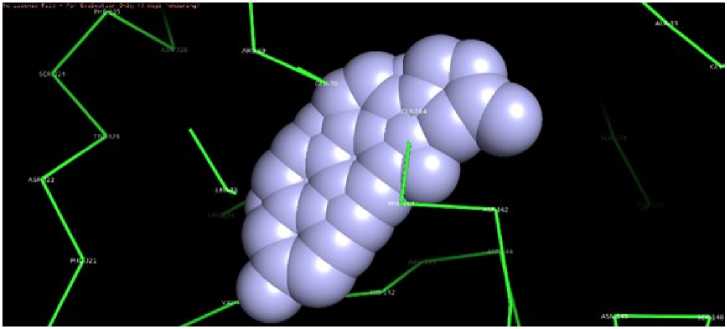
Figure 7. Showing Digoxigenin spheres view binding to HOG1
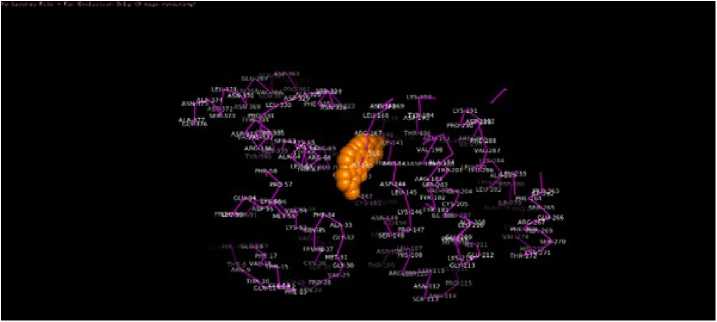
Figure 8. HOG1(DIGOXIGENIN) Showing all amino acid residues
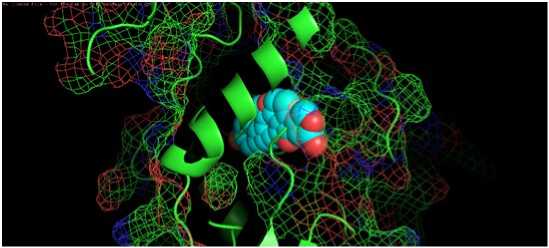
Figure 9. Showing cartoon and spheres view of digoxigenin binding HOG1 receptor
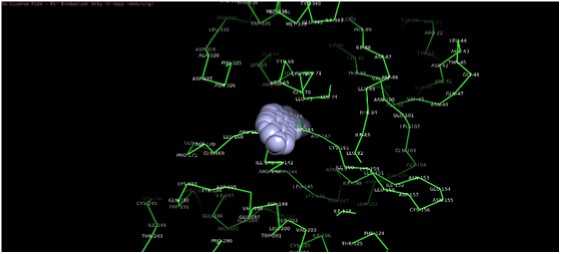
Figure 10. Showing all amino acid residues top frontal view
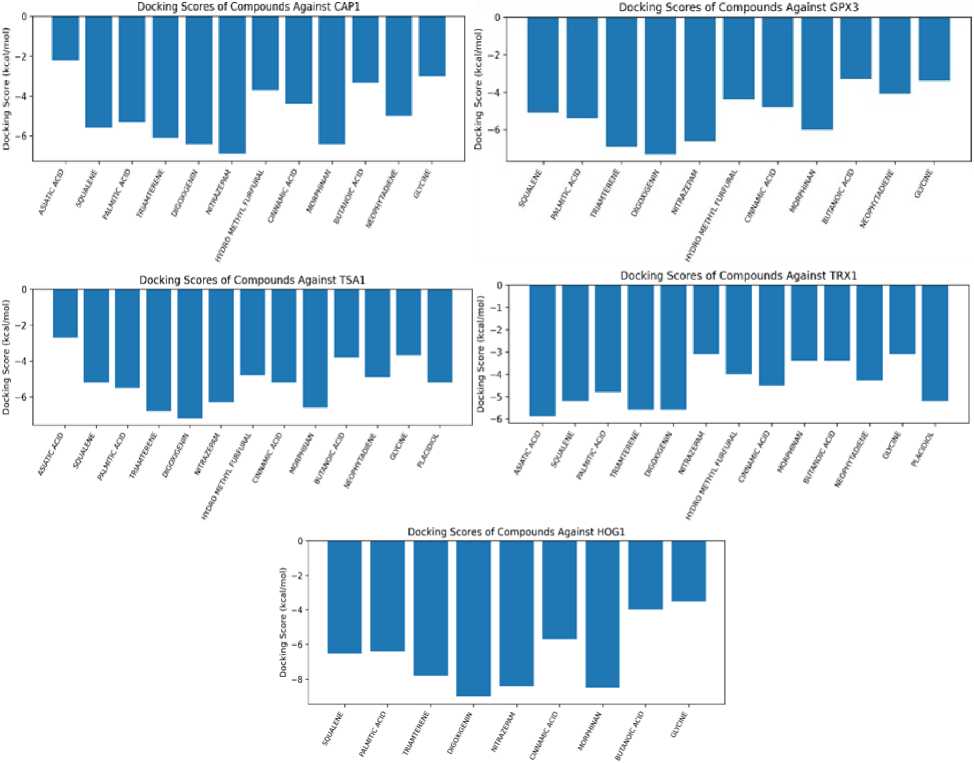
Figure 11. Comparative Docking Scores of Selected Bombax ceiba Phytochemicals Against CAP1, GPX3, TRX1, HOG1, and TSA1 Proteins of Candida albicans .
PyMOL Visualization and Interaction Analysis
The docked receptor-ligand complexes were visualized using PyMOL software (DeLano, 2002) to examine ligand orientation and binding pocket interactions. Surface, mesh, and cartoon representations provided detailed information regarding the structural organization of the protein-ligand complexes. Digoxigenin demonstrated stable accommodation within the binding cavities of HOG1 interacting with DIGOXIGENIN, indicating favourable steric complementarity and strong molecular interactions. Similarly, nitrazepam, triamterene, and morphinan exhibited stable orientations within the active sites of the receptor proteins, further supporting the docking results obtained from AutoDock Vina. The HOG1–digoxigenin complex exhibited favorable interactions with crucial amino acid residues within the binding pocket, resulting in the highest docking score (-9.0 kcal/mol) among all the phytochemicals evaluated in this study.
CONCLUSIONS
